
The French Way from Sarria is the ideal option for those looking for an intense yet accessible experience in a short time.
This route allows you to complete the Camino in just six stages, where you’ll enjoy lush green landscapes, traditional Galician cuisine, historic villages, and exclusive, authentic accommodations designed for your comfort and relaxation.
With gentle terrain and no major difficulties, the stretch from Sarria is perfect for beginners and for those with limited time to embark on this adventure.
Want to know more? Keep reading, at El Camino People, we’re here to help you discover your own Camino.
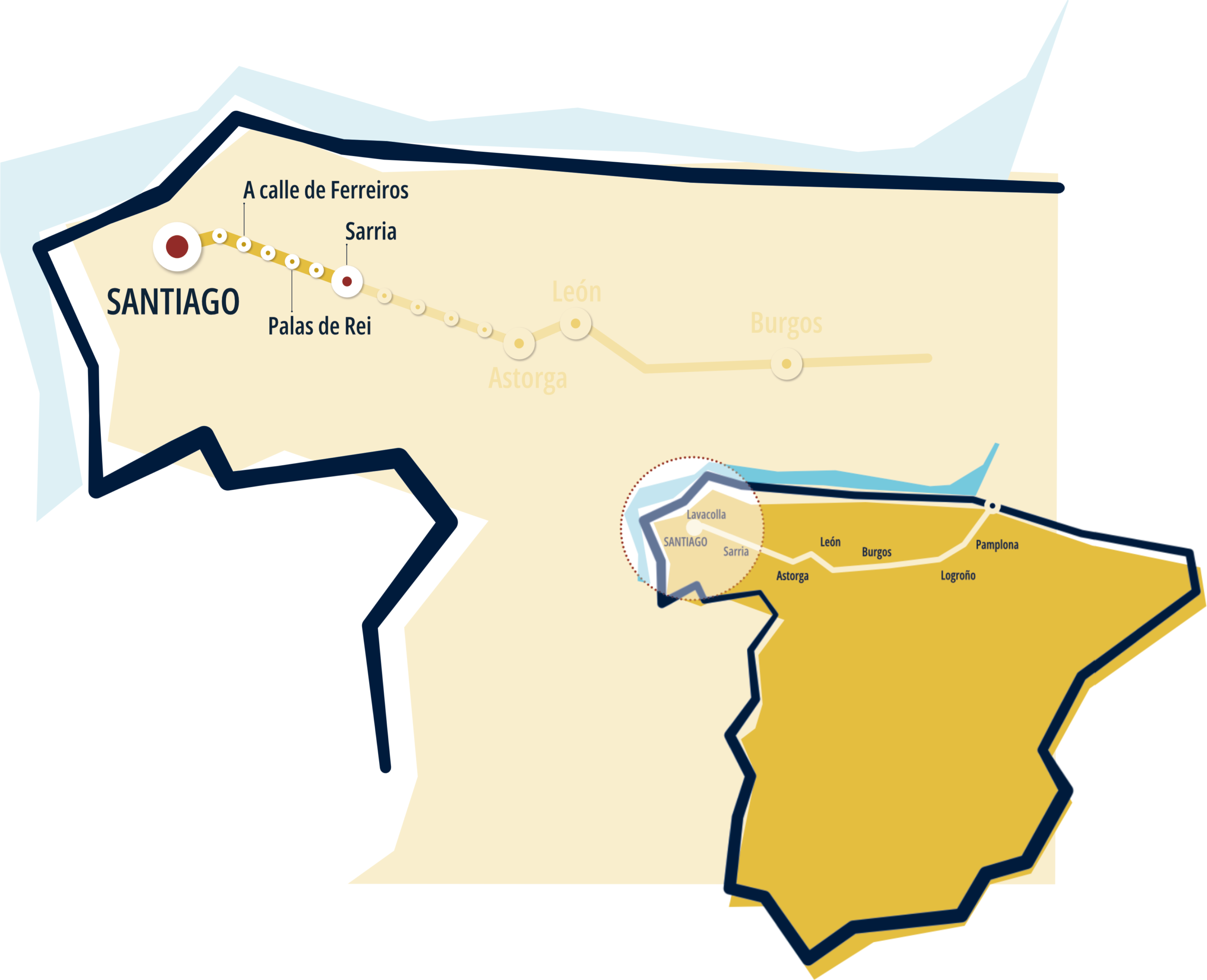
Route
 The essential stretch of the Camino
Distance: 13.8 miles – 22,2 km
This stretch, from Sarria to Portomarín, takes you through beautiful forests and meadows. While the route is relatively easy, you’ll encounter some gentle ascents and descents along the way.
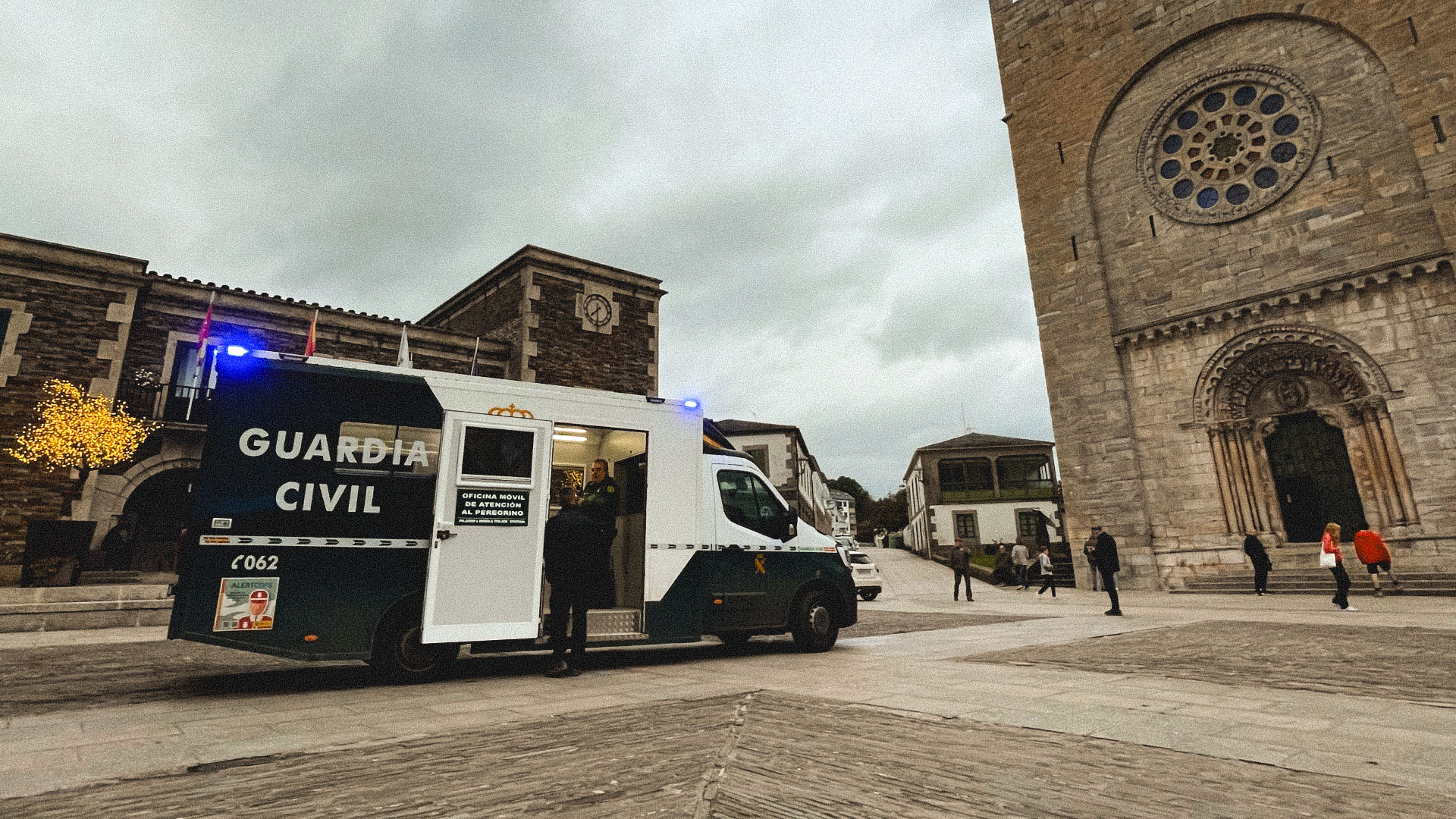
You begin the Camino in Sarria, the most popular starting point for the journey to Santiago, located just few miles/km from the city. Here, you can admire the Church of Santa Mariña and the Castle Tower, both rich in history.
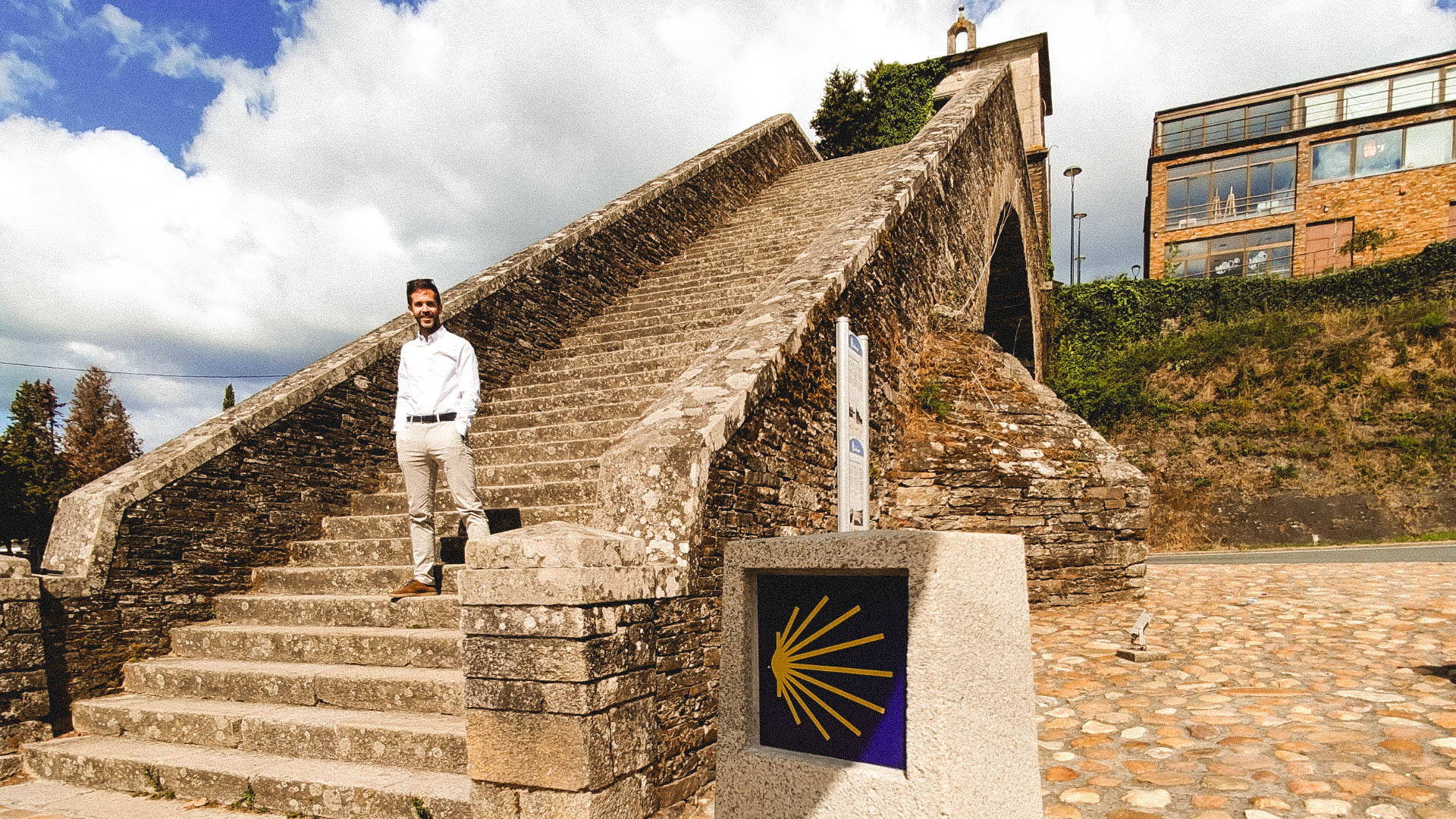
Leaving the rural landscape behind, you’ll arrive in Portomarín, a charming town on the banks of the Miño River. Be sure to take a photo on the iconic bridge and medieval stairway before entering the historic center. You can also visit the fortress-like Church of San Nicolás and savor Galician cuisine, including pulpo (octopus) and Tarta de Santiago, before taking on the next stage of your journey.
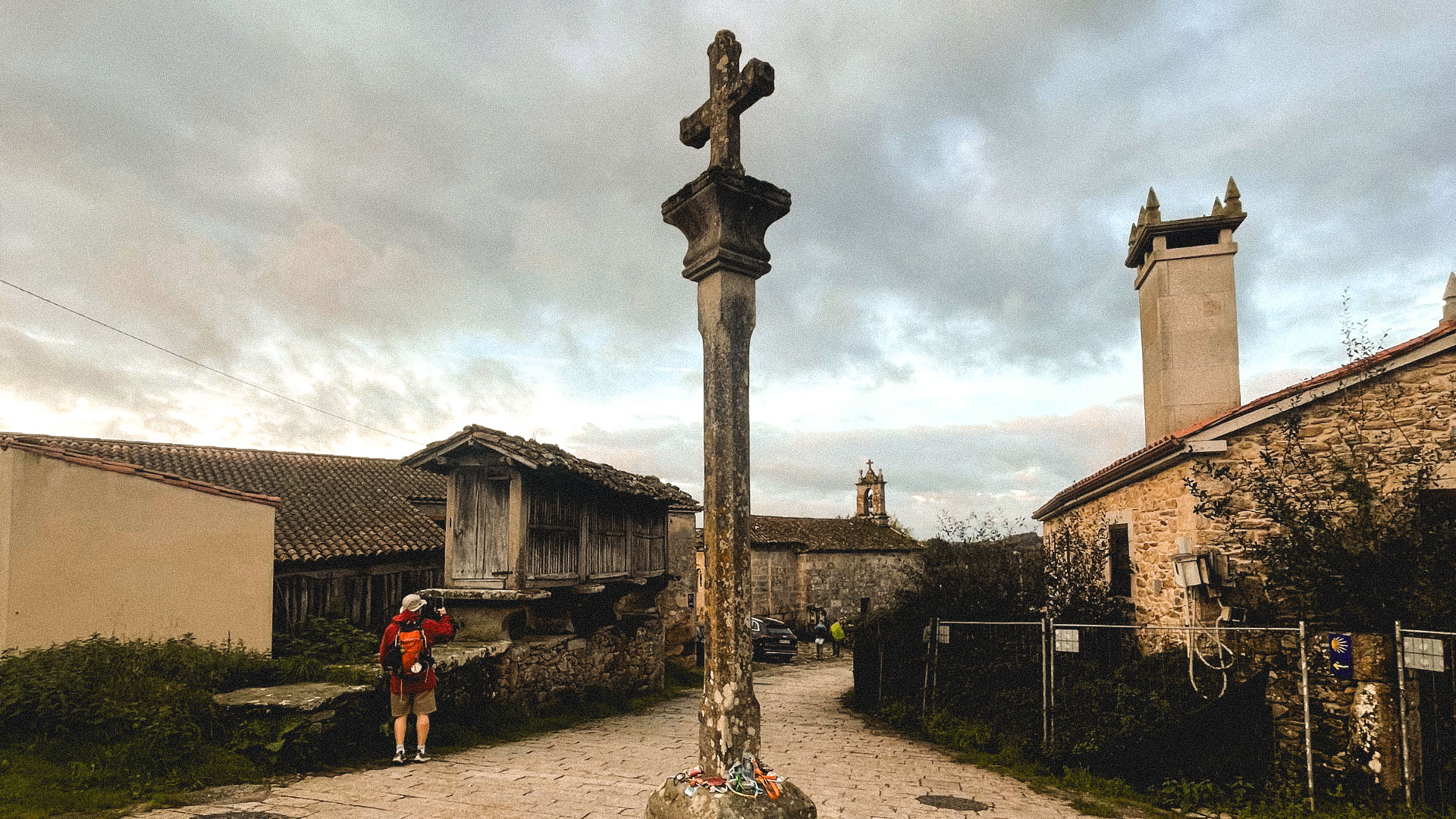 Journey through time: landscapes and historical treasures
Distance: 15.4 miles – 24,8 km
The Portomarín we see today is a reconstruction of the ancient Roman and medieval town, which was submerged in 1963 beneath the Belesar Reservoir. In this relocated village, several historic buildings were moved stone by stone, including the 12th-century Fortress Church, one of its most striking landmarks.
The stretch to Palas de Rei immerses you in the typical landscape of Ulloa and offers the chance to visit the impressive Castro de Castromaior, an Iron Age archaeological site. Along the way, you’ll pass through villages like Ventas and Ligonde, the latter home to a former pilgrim hospital.
In Palas de Rei, you can admire its architectural heritage, including the 12th-century Church of San Tirso and the 18th-century Church of Santiago. To recharge, savor traditional Galician dishes such as empanada gallega and caldo gallego, perfect for regaining strength before the next stage.
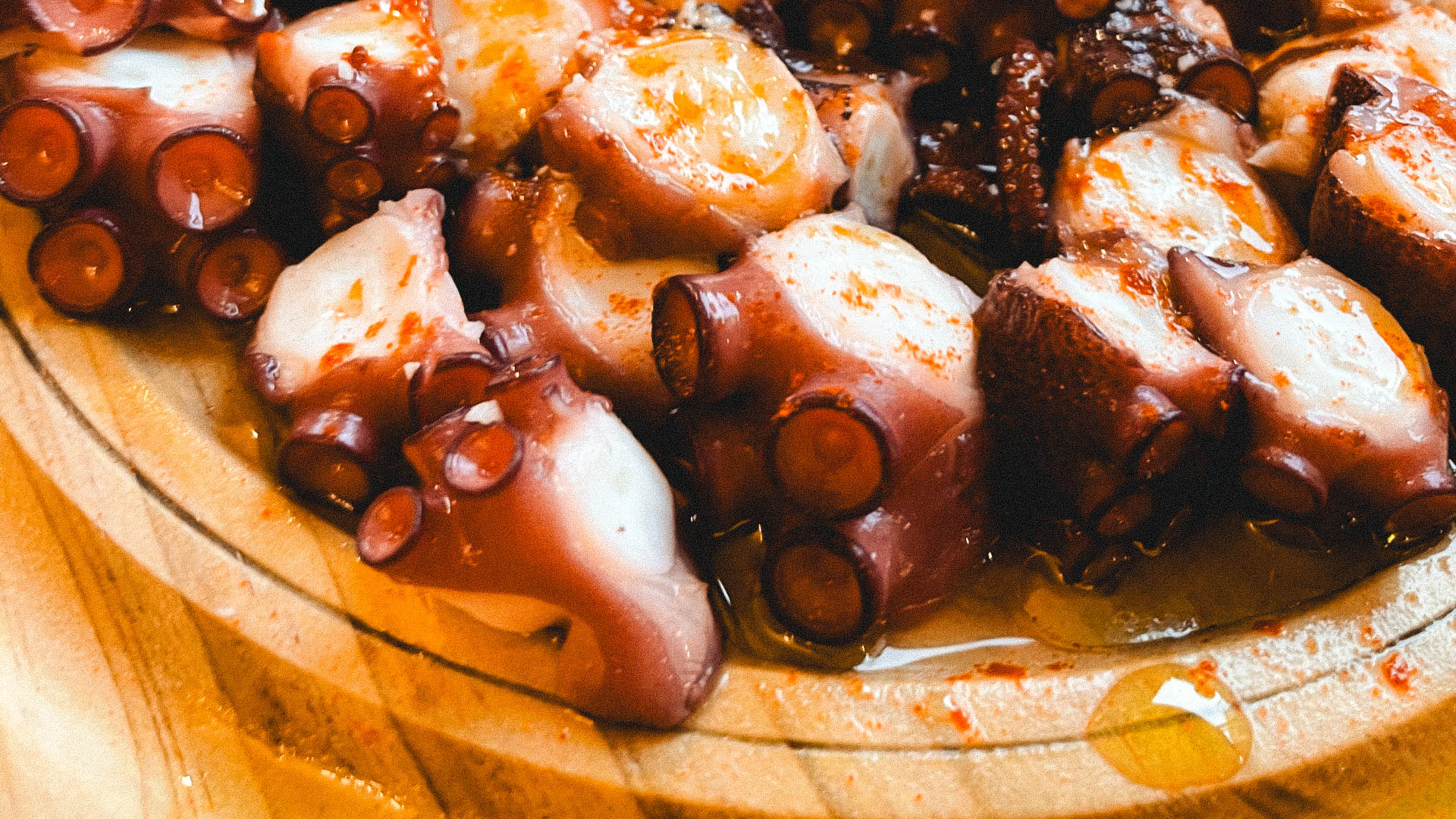 Delicious gastronomy awaits at the end of the stage
Distance: 8.9 miles – 14,4 km
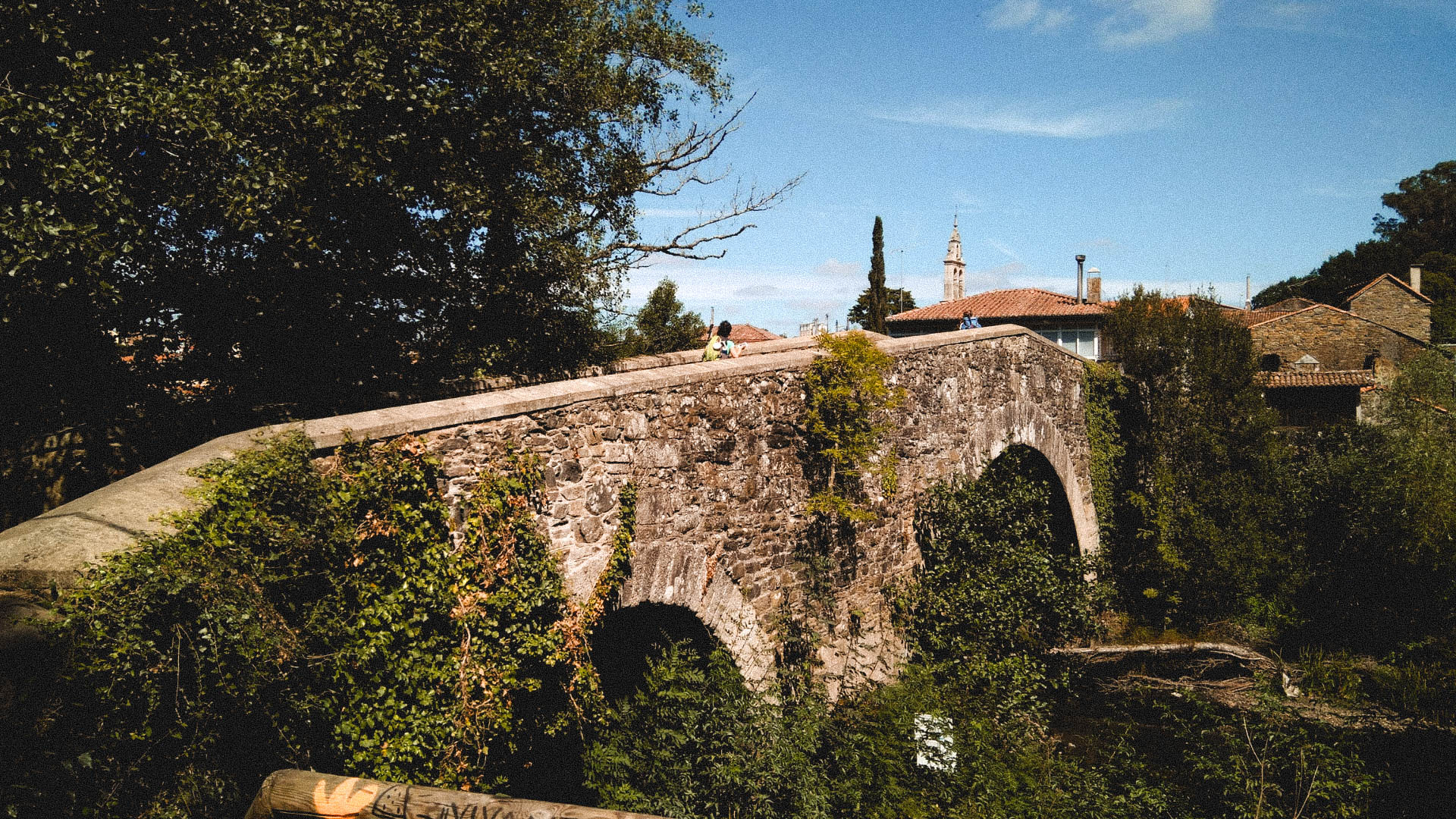
Palas de Rei developed around a castle built to protect pilgrims. This short and easy stage allows you to enjoy unique landscapes, such as the charming Roman bridge of Furelos and the Church of Leboreiro, a gem of rural Romanesque architecture.
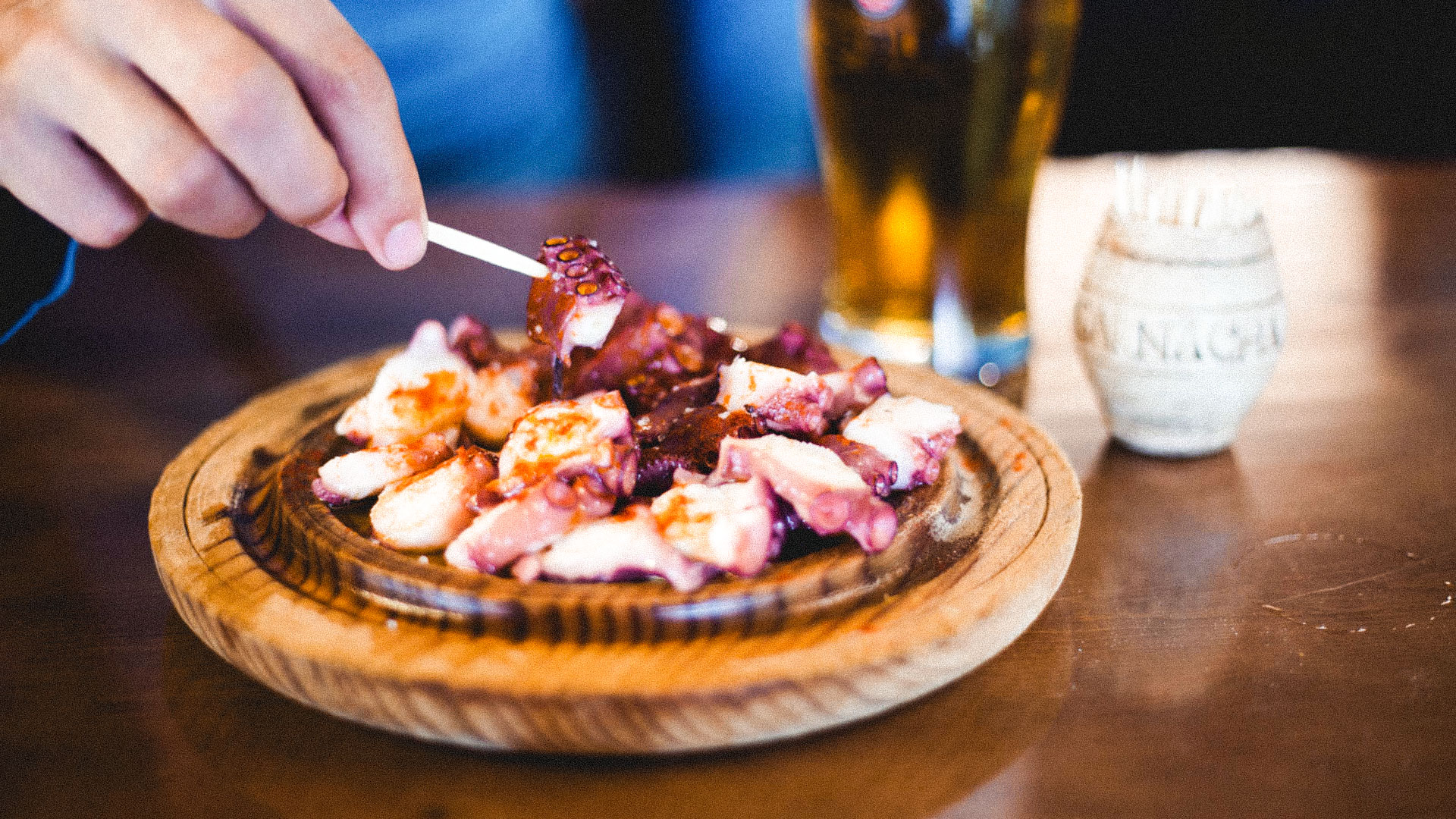
In Melide, highlights include the 12th-century Church of Santa María, a magnificent Romanesque monument, and the Ría do Burgo Natural Park, perfect for a relaxing walk. However, the real highlight of this stage is indulging in Melide’s famous pulperías, an authentic delight of Galician cuisine.
Traditional pulperías, such as the renowned Pulpería A Garnacha, are a must-visit stop before continuing the route. Here, the Primitive Way merges with the French Way, bringing an increase in the number of pilgrims in the following stages.
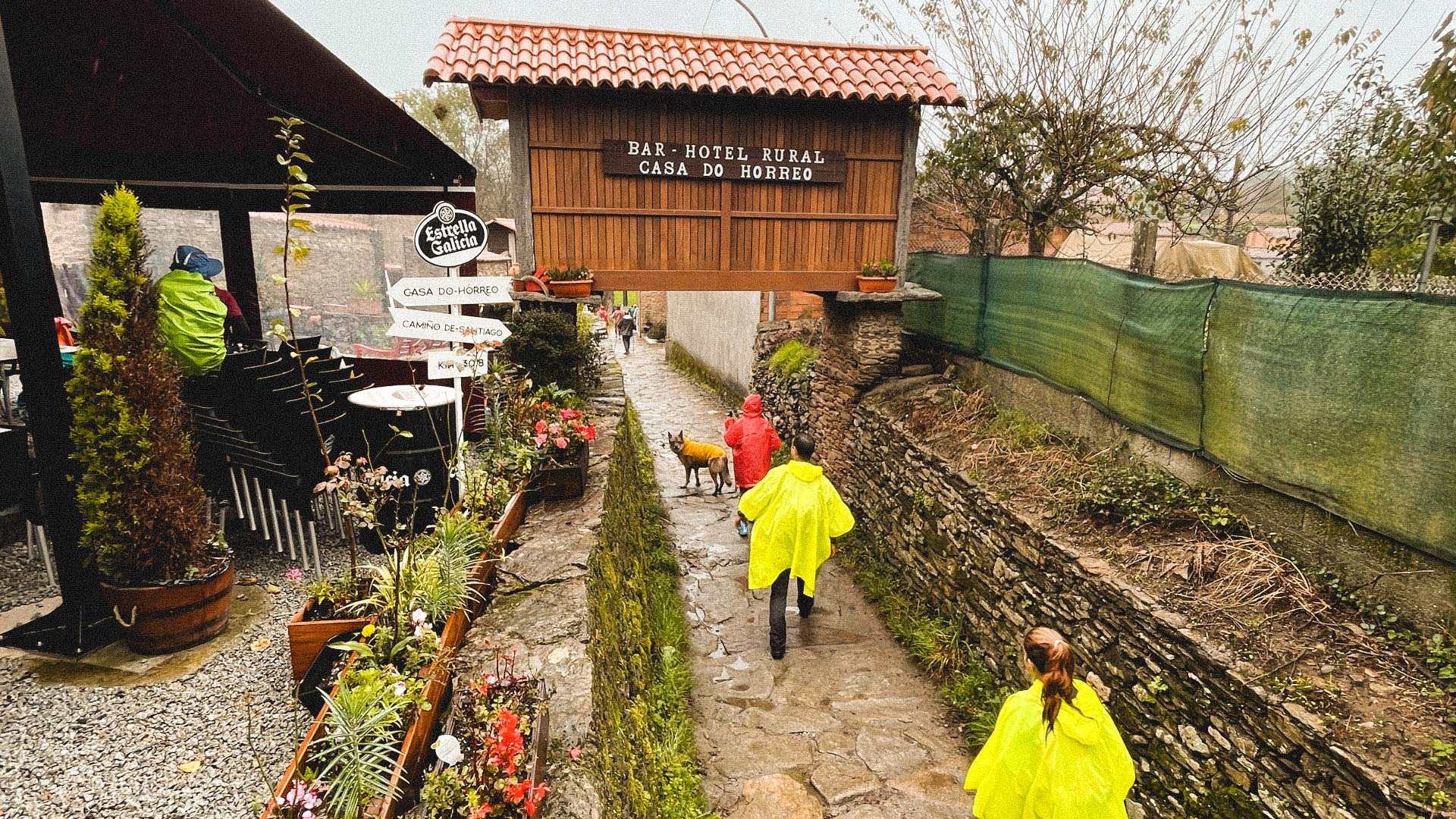 Nature, culture, and the authentic taste of Galicia
Distance: 13.4 miles – 21,6 km
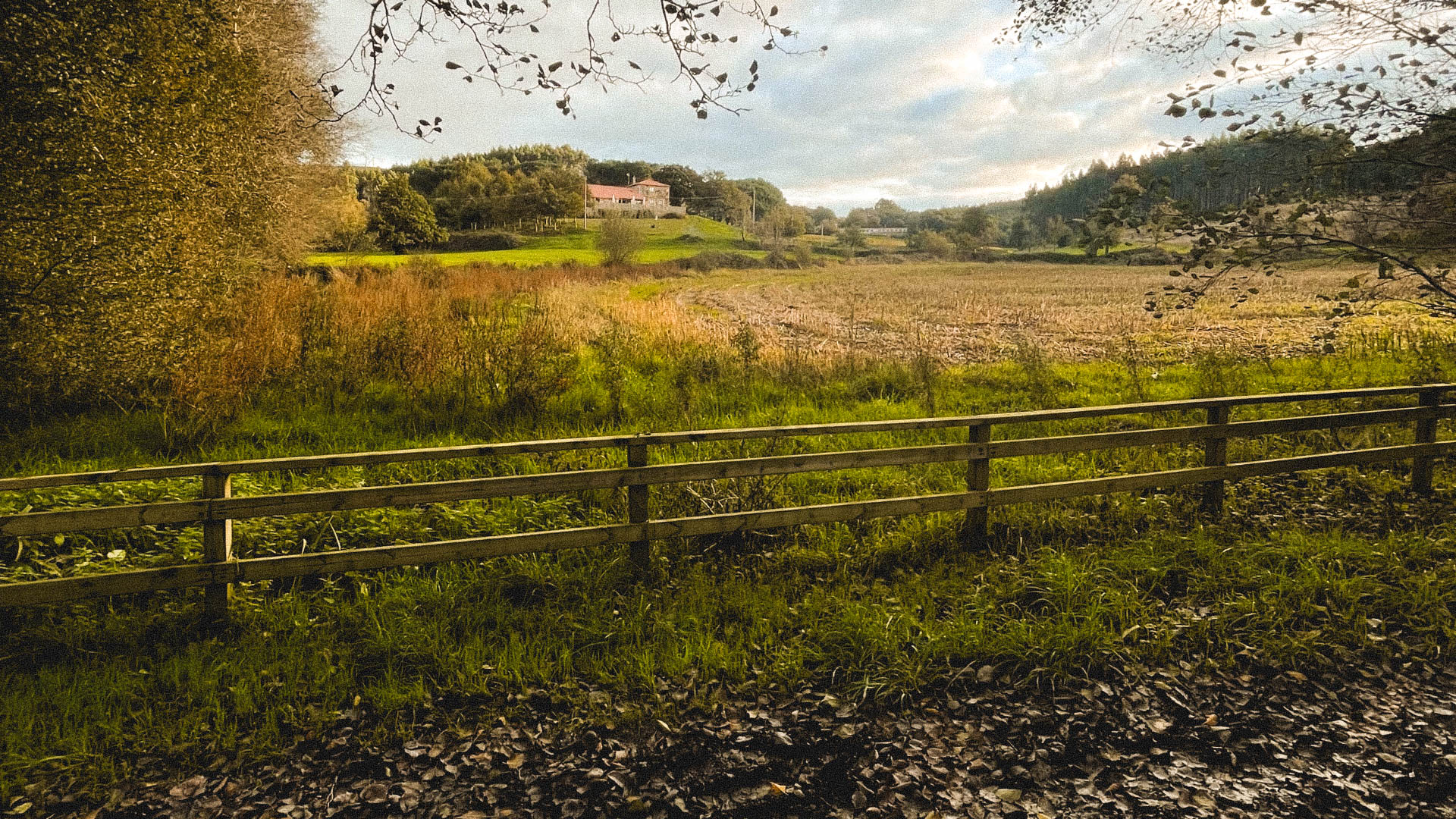
This gentle stage immerses you in the serenity of Galicia’s lush forests and rolling fields, offering a perfect opportunity to enjoy nature and the warm hospitality of its small villages.
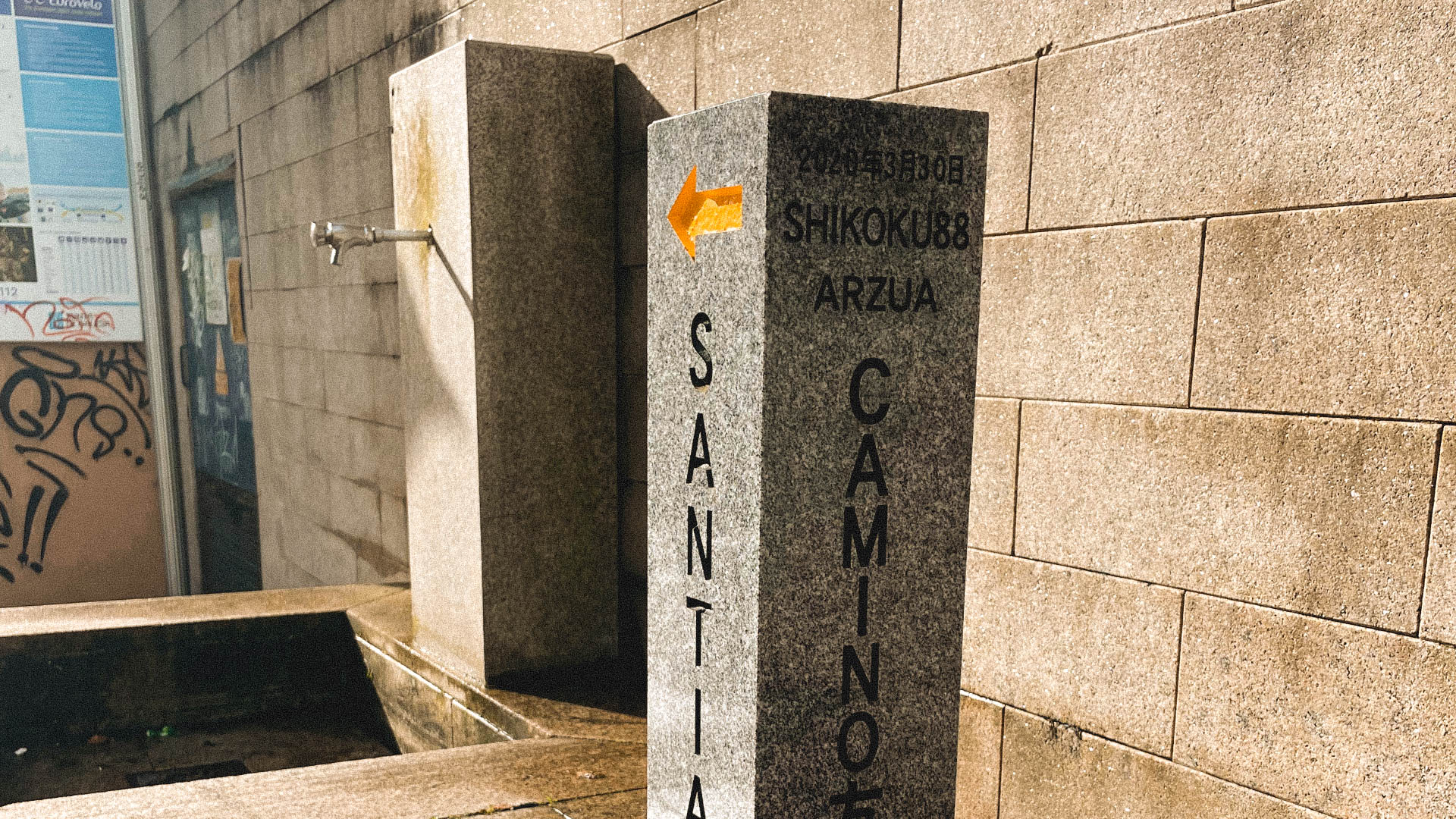
Your journey will take you to Arzúa, a town with a unique charm, home to landmarks such as the 18th-century Church of Santiago and the 17th-century Chapel of La Magdalena. However, what truly makes Arzúa special is its traditional cheese, an authentic delicacy that you simply must try.
Arriving in A Calle de Ferreiros offers a chance to rest in a peaceful rural setting, away from the busiest sections of the Camino. A stage that beautifully blends history, nature, and gastronomy at its finest.
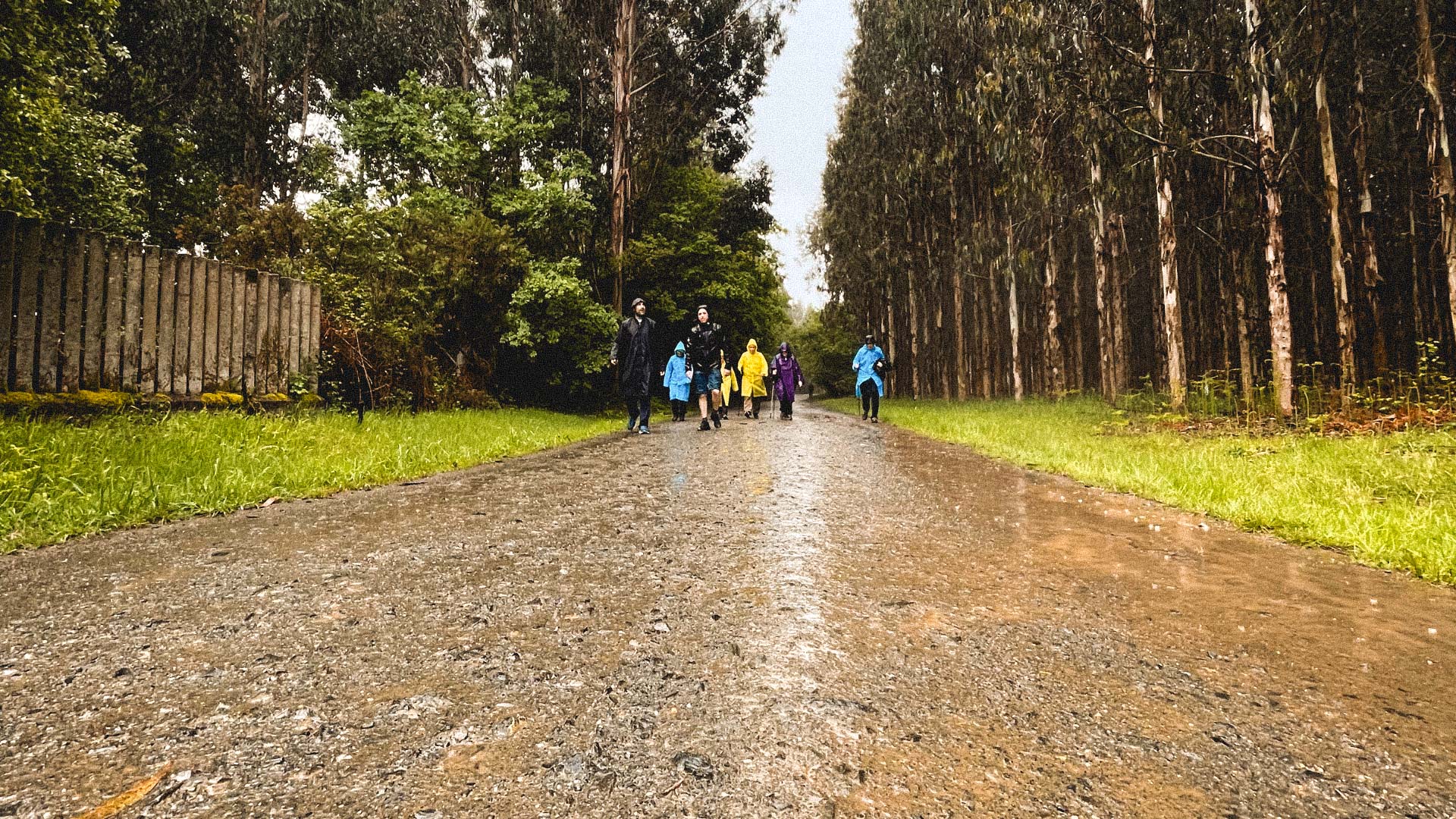 The penultimate stretch to the final destination
Distance: 13.2 miles – 21,3 km
This stage is defined by long forest tracks and lush green meadows, offering the perfect opportunity to soak in the peaceful surroundings as we approach Santiago.
One of the most iconic spots of the day is O Pedrouzo, a popular rest stop for pilgrims, although this variant avoids its heavy foot traffic. Reaching Lavacolla holds special significance, as it was traditionally the place where pilgrims would wash before entering Santiago.
Galician cuisine continues to delight with dishes like lacón con grelos (pork with turnip greens), carne ao caldeiro (tender boiled beef), and melindres (typical local pastries). With the Cathedral now close, the excitement builds. From this point, you’re just one step away from the Pilgrim’s Mass, held at noon.
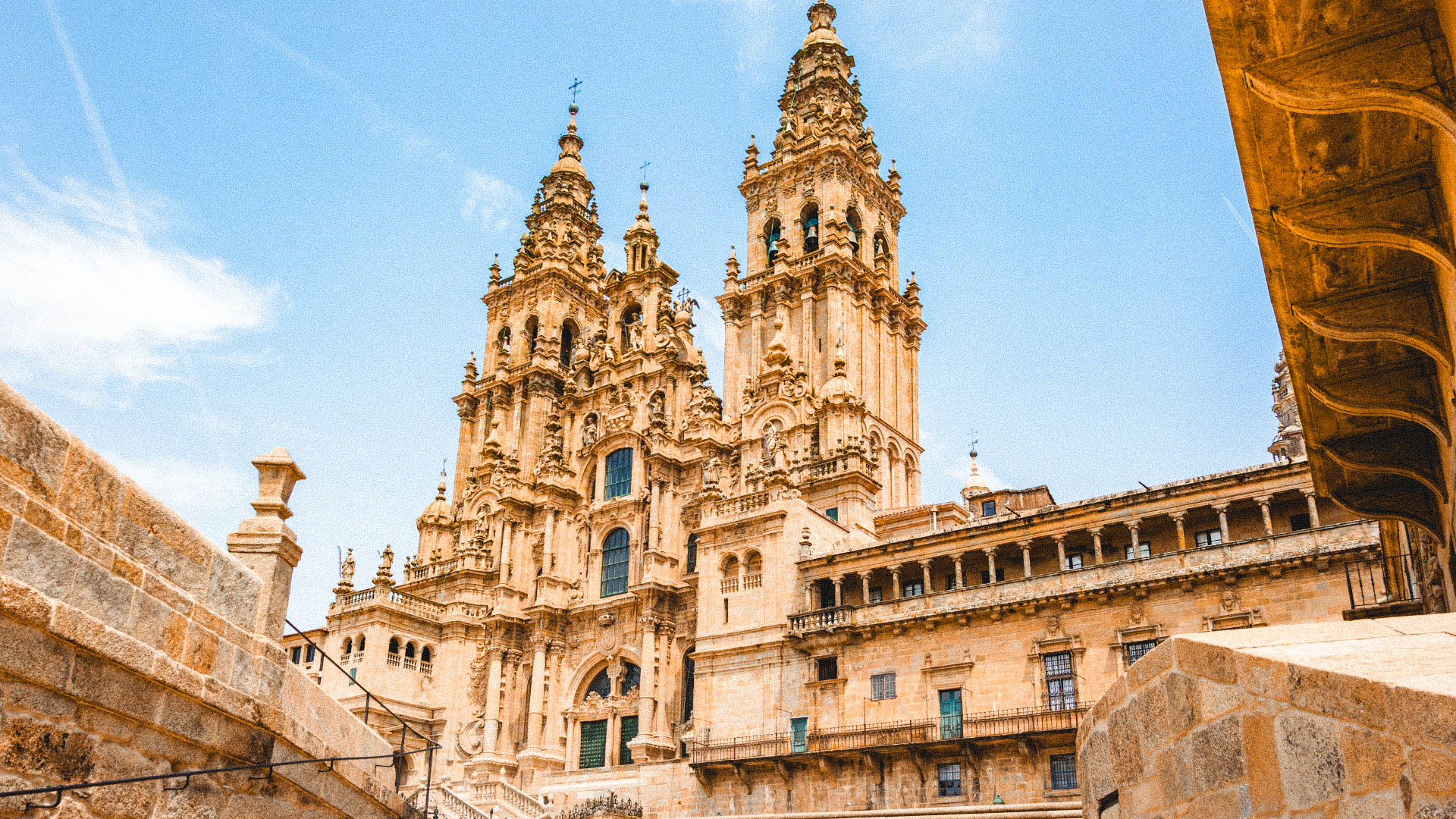 One step sway from the final embrace
Distance: 6,2 miles – 10 km
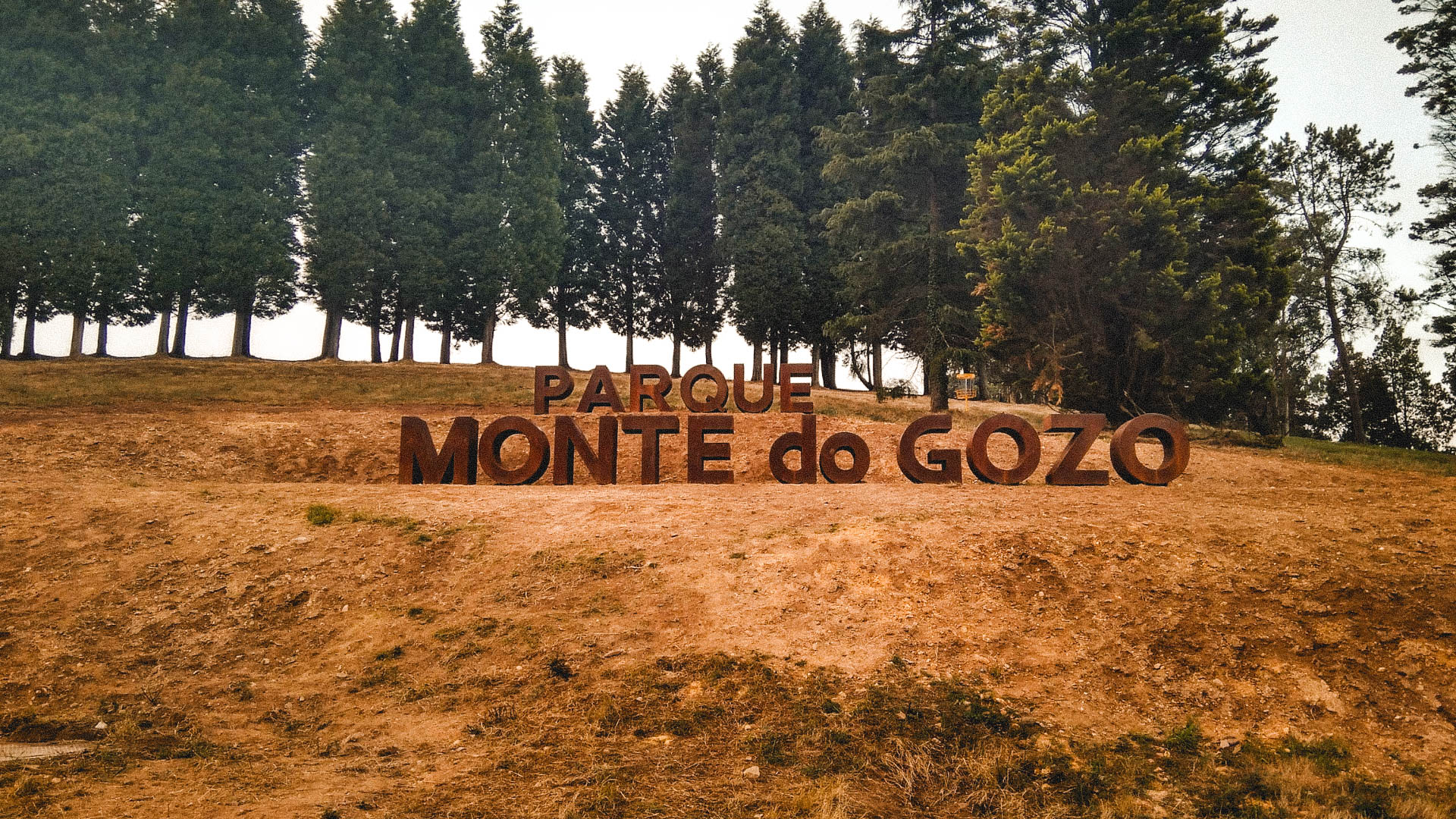
The greatest reward comes at the end, descending Monte do Gozo, with the Cathedral in sight, the excitement of arriving in Santiago makes every step worthwhile.
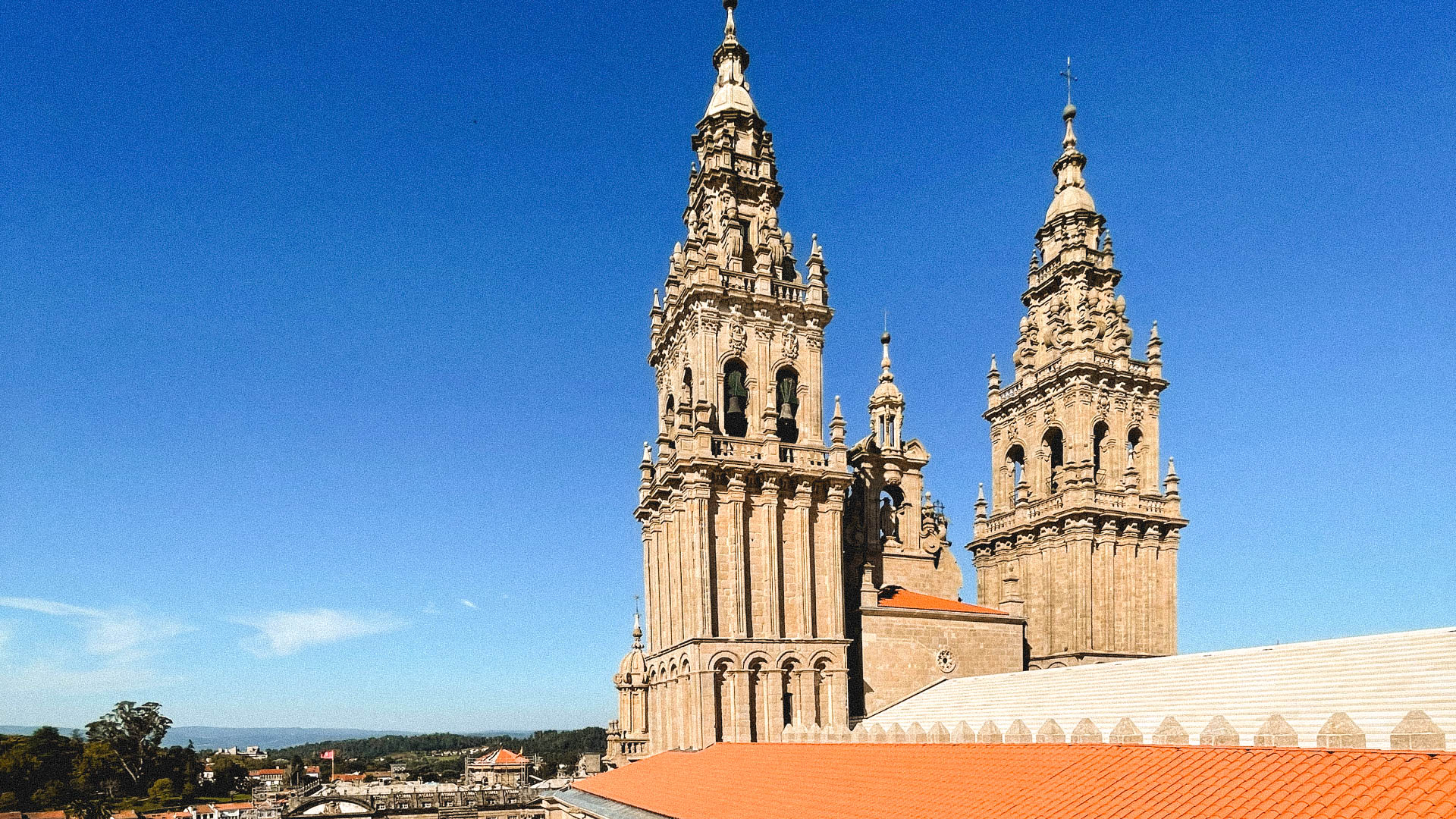
The final descent leads into the streets of Santiago, passing through Puerta del Camino and entering the historic center. The arrival at Praza do Obradoiro is indescribable, the majestic Cathedral of Santiago stands tall, welcoming pilgrims after their long journey.
After your pilgrimage, it’s time for a well-earned celebration. In Santiago, don’t miss the chance to indulge in Galician food: seafood, Galician beef, and the famous Tarta de Santiago, the perfect way to mark the end of a unique and unforgettable experience.
Route
The essential stretch of the Camino
Distance: 13.8 miles – 22,2 km
This stretch, from Sarria to Portomarín, takes you through beautiful forests and meadows. While the route is relatively easy, you’ll encounter some gentle ascents and descents along the way.
You begin the Camino in Sarria, the most popular starting point for the journey to Santiago, located just few miles/km from the city. Here, you can admire the Church of Santa Mariña and the Castle Tower, both rich in history.
Leaving the rural landscape behind, you’ll arrive in Portomarín, a charming town on the banks of the Miño River. Be sure to take a photo on the iconic bridge and medieval stairway before entering the historic center. You can also visit the fortress-like Church of San Nicolás and savor Galician cuisine, including pulpo (octopus) and Tarta de Santiago, before taking on the next stage of your journey.
Journey through time: landscapes and historical treasures
Distance: 15.4 miles – 24,8 km
The Portomarín we see today is a reconstruction of the ancient Roman and medieval town, which was submerged in 1963 beneath the Belesar Reservoir. In this relocated village, several historic buildings were moved stone by stone, including the 12th-century Fortress Church, one of its most striking landmarks.
The stretch to Palas de Rei immerses you in the typical landscape of Ulloa and offers the chance to visit the impressive Castro de Castromaior, an Iron Age archaeological site. Along the way, you’ll pass through villages like Ventas and Ligonde, the latter home to a former pilgrim hospital.
In Palas de Rei, you can admire its architectural heritage, including the 12th-century Church of San Tirso and the 18th-century Church of Santiago. To recharge, savor traditional Galician dishes such as empanada gallega and caldo gallego, perfect for regaining strength before the next stage.
Delicious gastronomy awaits at the end of the stage
Distance: 8.9 miles – 14,4 km
Palas de Rei developed around a castle built to protect pilgrims. This short and easy stage allows you to enjoy unique landscapes, such as the charming Roman bridge of Furelos and the Church of Leboreiro, a gem of rural Romanesque architecture.
In Melide, highlights include the 12th-century Church of Santa María, a magnificent Romanesque monument, and the Ría do Burgo Natural Park, perfect for a relaxing walk. However, the real highlight of this stage is indulging in Melide’s famous pulperías, an authentic delight of Galician cuisine.
Traditional pulperías, such as the renowned Pulpería A Garnacha, are a must-visit stop before continuing the route. Here, the Primitive Way merges with the French Way, bringing an increase in the number of pilgrims in the following stages.
Nature, culture, and the authentic taste of Galicia
Distance: 13.4 miles – 21,6 km
This gentle stage immerses you in the serenity of Galicia’s lush forests and rolling fields, offering a perfect opportunity to enjoy nature and the warm hospitality of its small villages.
Your journey will take you to Arzúa, a town with a unique charm, home to landmarks such as the 18th-century Church of Santiago and the 17th-century Chapel of La Magdalena. However, what truly makes Arzúa special is its traditional cheese, an authentic delicacy that you simply must try.
Arriving in A Calle de Ferreiros offers a chance to rest in a peaceful rural setting, away from the busiest sections of the Camino. A stage that beautifully blends history, nature, and gastronomy at its finest.
The penultimate stretch to the final destination
Distance: 13.2 miles – 21,3 km
This stage is defined by long forest tracks and lush green meadows, offering the perfect opportunity to soak in the peaceful surroundings as we approach Santiago.
One of the most iconic spots of the day is O Pedrouzo, a popular rest stop for pilgrims, although this variant avoids its heavy foot traffic. Reaching Lavacolla holds special significance, as it was traditionally the place where pilgrims would wash before entering Santiago.
Galician cuisine continues to delight with dishes like lacón con grelos (pork with turnip greens), carne ao caldeiro (tender boiled beef), and melindres (typical local pastries). With the Cathedral now close, the excitement builds. From this point, you’re just one step away from the Pilgrim’s Mass, held at noon.
One step sway from the final embrace
Distance: 6,2 miles – 10 km
The greatest reward comes at the end, descending Monte do Gozo, with the Cathedral in sight, the excitement of arriving in Santiago makes every step worthwhile.
The final descent leads into the streets of Santiago, passing through Puerta del Camino and entering the historic center. The arrival at Praza do Obradoiro is indescribable, the majestic Cathedral of Santiago stands tall, welcoming pilgrims after their long journey.
After your pilgrimage, it’s time for a well-earned celebration. In Santiago, don’t miss the chance to indulge in Galician food: seafood, Galician beef, and the famous Tarta de Santiago, the perfect way to mark the end of a unique and unforgettable experience.
Make your Camino unique
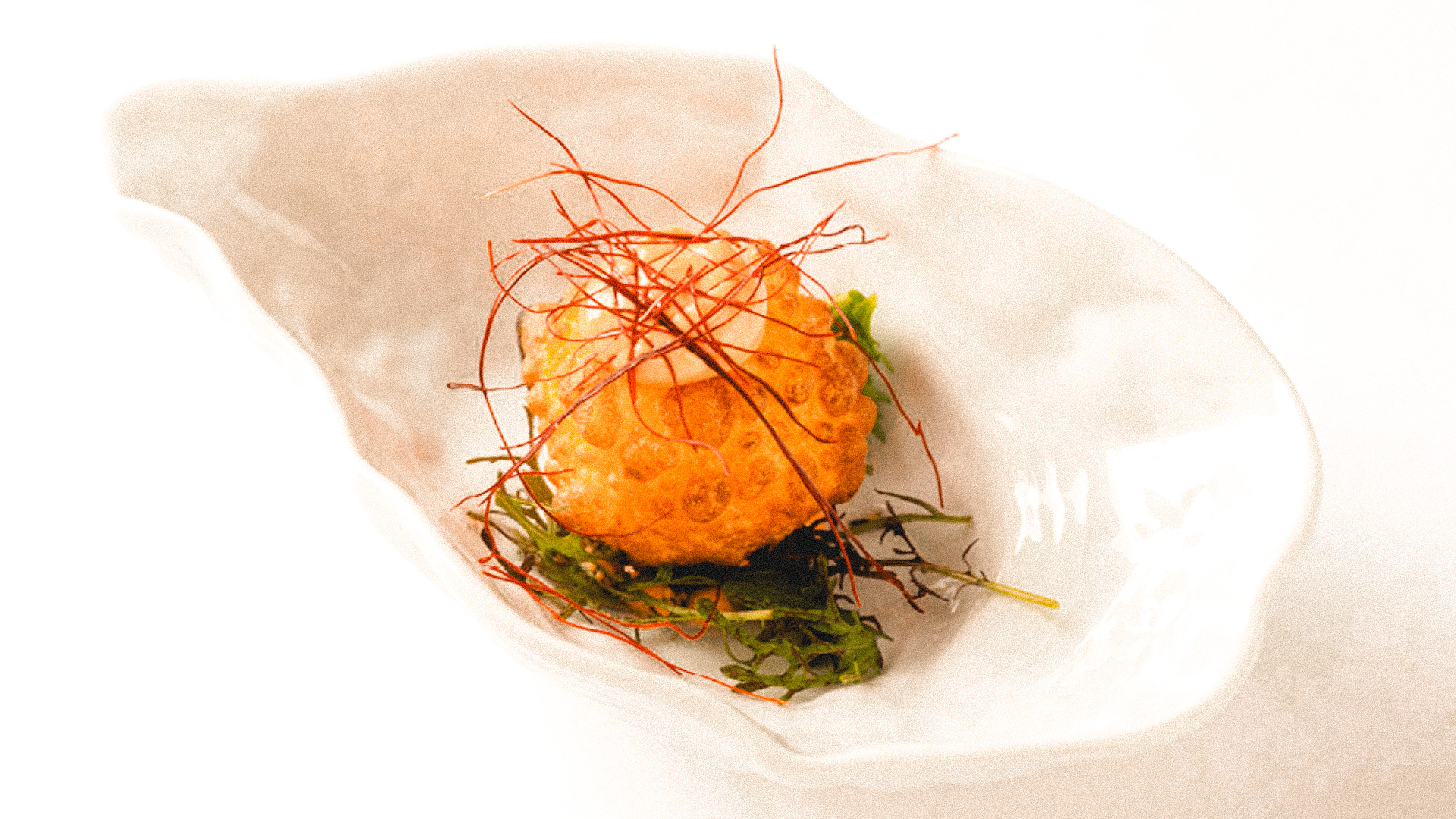
What’s included in your Camino?
Included
- Private accommodation with en-suite bathroom (depending on chosen category)
- Daily breakfast
- Insurance
- 24/7 emergency phone assistance
- Detailed Camino guide with stages, maps, and tips
- Daily WhatsApp check-in and support
- Camino People welcome pack
- Personalized recommendations for meals, dinners, and local visits
- Luggage transfer between stages
Not Included
- Lunches and dinners not specified in the itinerary
- Drinks and extra snacks
- Flights or travel to the starting/ending point (optional transfer available)
- Personal expenses
- Cancellation or premium travel insurance (optional)
- Entrance fees to monuments or museums not included in the itinerary
- Tips
Extras (Available upon request)
- Guided Camino (full-time or selected stages)
- Fully organized trip with exclusive activities
- Gourmet dinners or unique gastronomic experiences
- Transportation to/from airport or other off-route locations
- Extra nights before or after the Camino
- Massage, physiotherapy, or yoga services
- Cancellation or premium travel insurance
FAQ
Yes, to receive your Compostela, you must meet the following requirements:
Walk at Least 62 miles – 100 km or Cycle 124 miles – 200 km
The Compostela is awarded to those who complete the Camino de Santiago with the goal of reaching the tomb of the Apostle James in Santiago de Compostela.
- Minimum distance for walkers: 62 miles – 100 km
- Minimum distance for cyclists: 124 miles – 200 km
Obtain the “Pilgrim’s Credential”
Before starting your pilgrimage, you must get the Pilgrim’s Credential, a document that you stamp at each stage as proof of your journey. It can be obtained at hostels, tourist offices, Camino associations, or online.
Collect Stamps in your credential
During your journey, you must collect at least one stamp per day in your Credential. Stamps can be obtained at churches, hostels, tourist offices, bars, and other locations along the route. Each stamp must be dated to confirm your progress.
Arrive in Santiago de Compostela
Once in Santiago de Compostela, go to the Pilgrim’s Office, located near Praza do Obradoiro (at the entrance of the cathedral). There, they will verify your Credential to confirm that you have completed the required distance.
Walk for a religious or spiritual purpose
Although the Compostela is a recognition of completing the Camino, it is only granted to those who have done it for religious or spiritual reasons. You do not need to be religious, but your journey must have been undertaken as a pilgrimage.
These and other stages offer luggage and/or backpack transport services, so you will only need to carry a small backpack with a few essential items, such as sunscreen, petroleum jelly, water, snacks, documents, money, etc.
Before starting the Camino, we recommend hydrating your feet well to improve skin elasticity and, during each stage, applying petroleum jelly to areas where you usually get blisters.
Both options have their advantages, and the choice depends on the experience you seek and your personal situation.
Walking the Camino alone allows for greater introspection, flexibility in pace, and the opportunity to meet fellow pilgrims along the way. If you’re looking to connect with yourself, organize your thoughts, or simply enjoy solitude, this is the best option for you.
On the other hand, doing the Camino with company can be a deeply enriching shared experience, providing emotional support and motivation during the more challenging moments. While the Camino is long, it still offers plenty of personal reflection time, even when walking with others.
Regardless of your choice, the Camino offers endless opportunities to connect with yourself and with fellow pilgrims. You can always adapt your journey depending on your mood each day. No matter how you walk it, the Camino guarantees unforgettable encounters and a sense of community that will stay with you all the way to Santiago.
Related Caminos
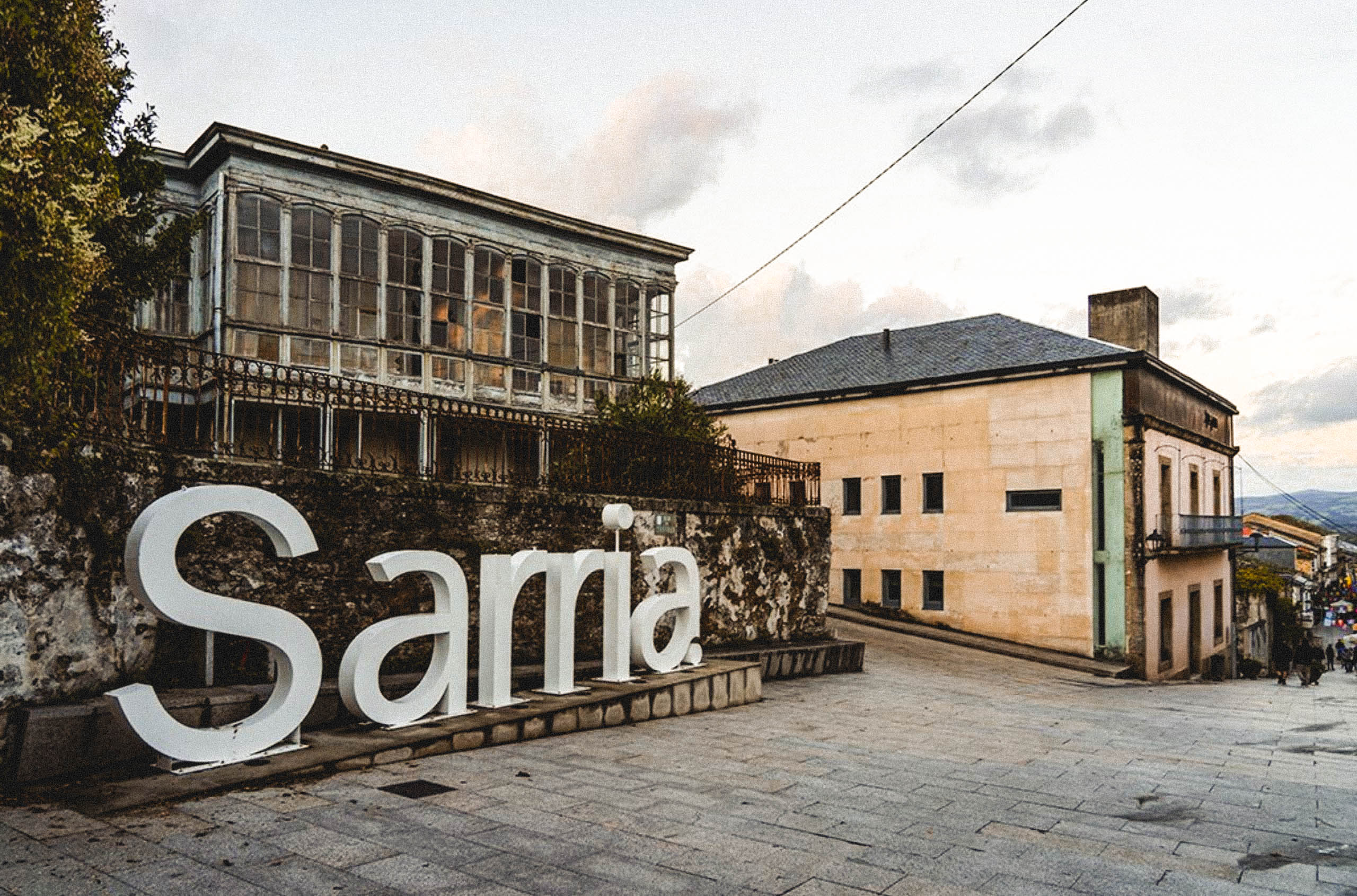
Camino Francés from Sarria (5 stages)
5 days - 4 nights

desde
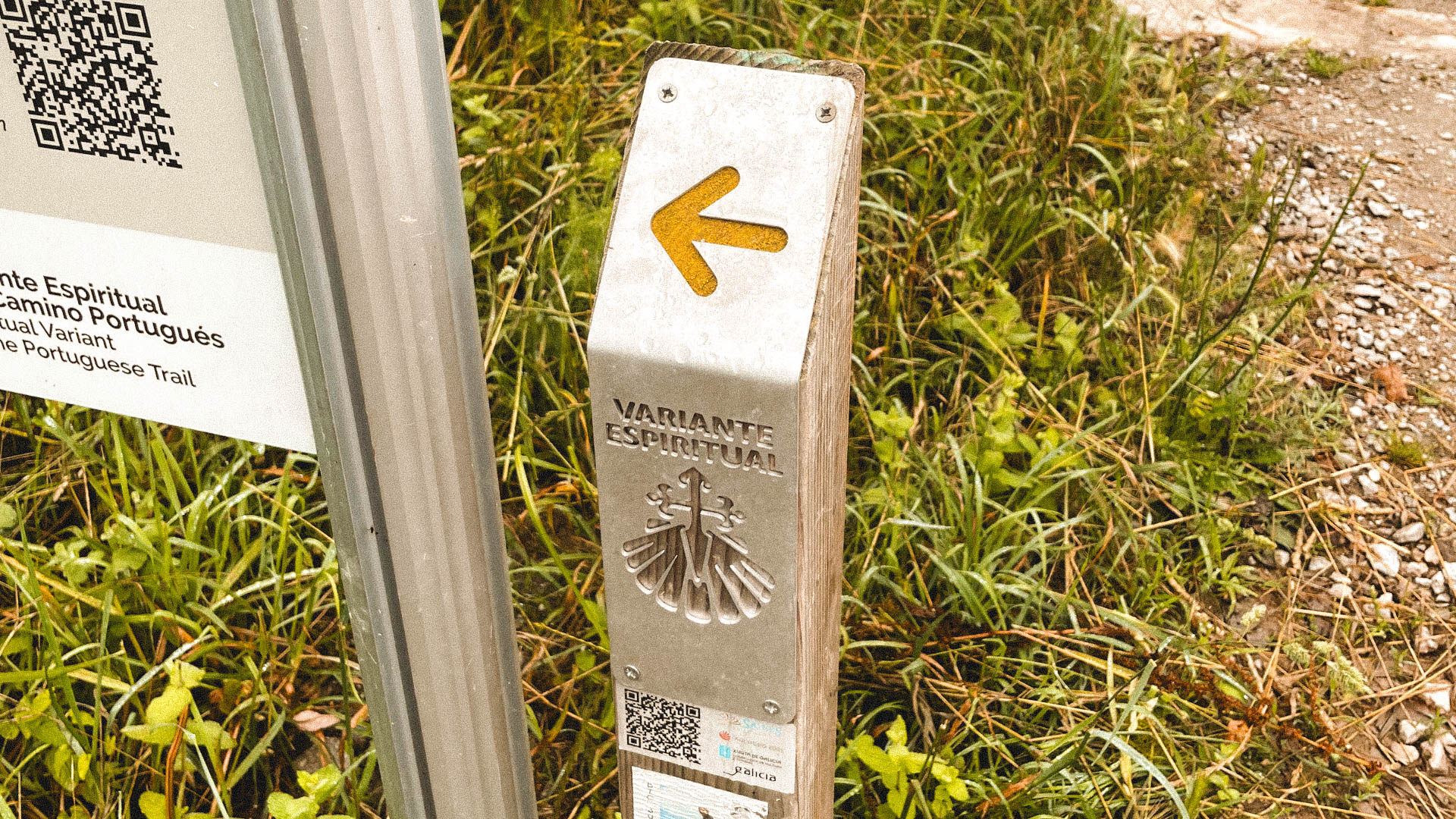
Camino Portugués Coastal Spiritual Variant
3 days - 2 nights

desde
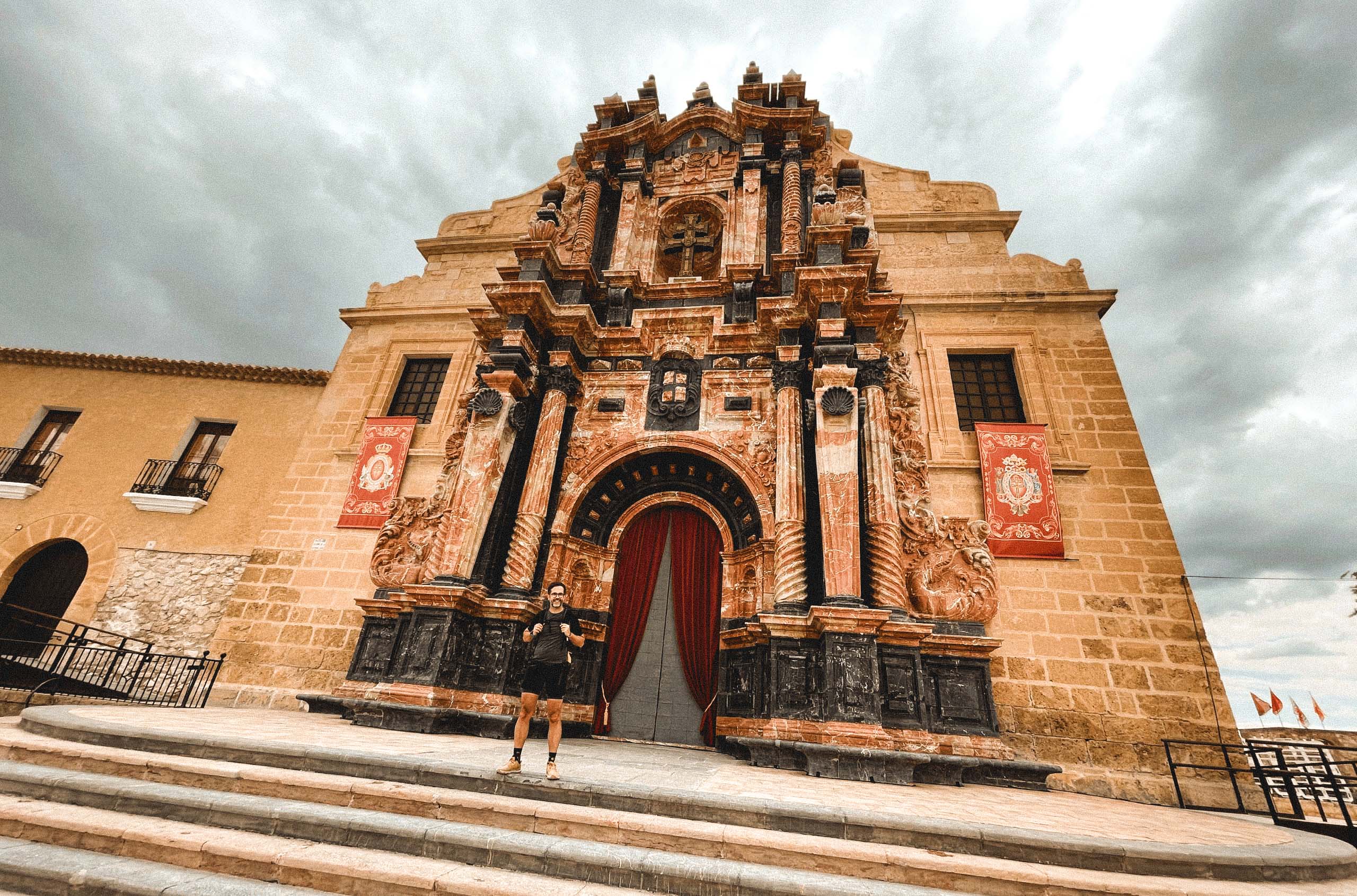
Camino de Levante – Caravaca de la Cruz
5 days - 4 nights
desde