
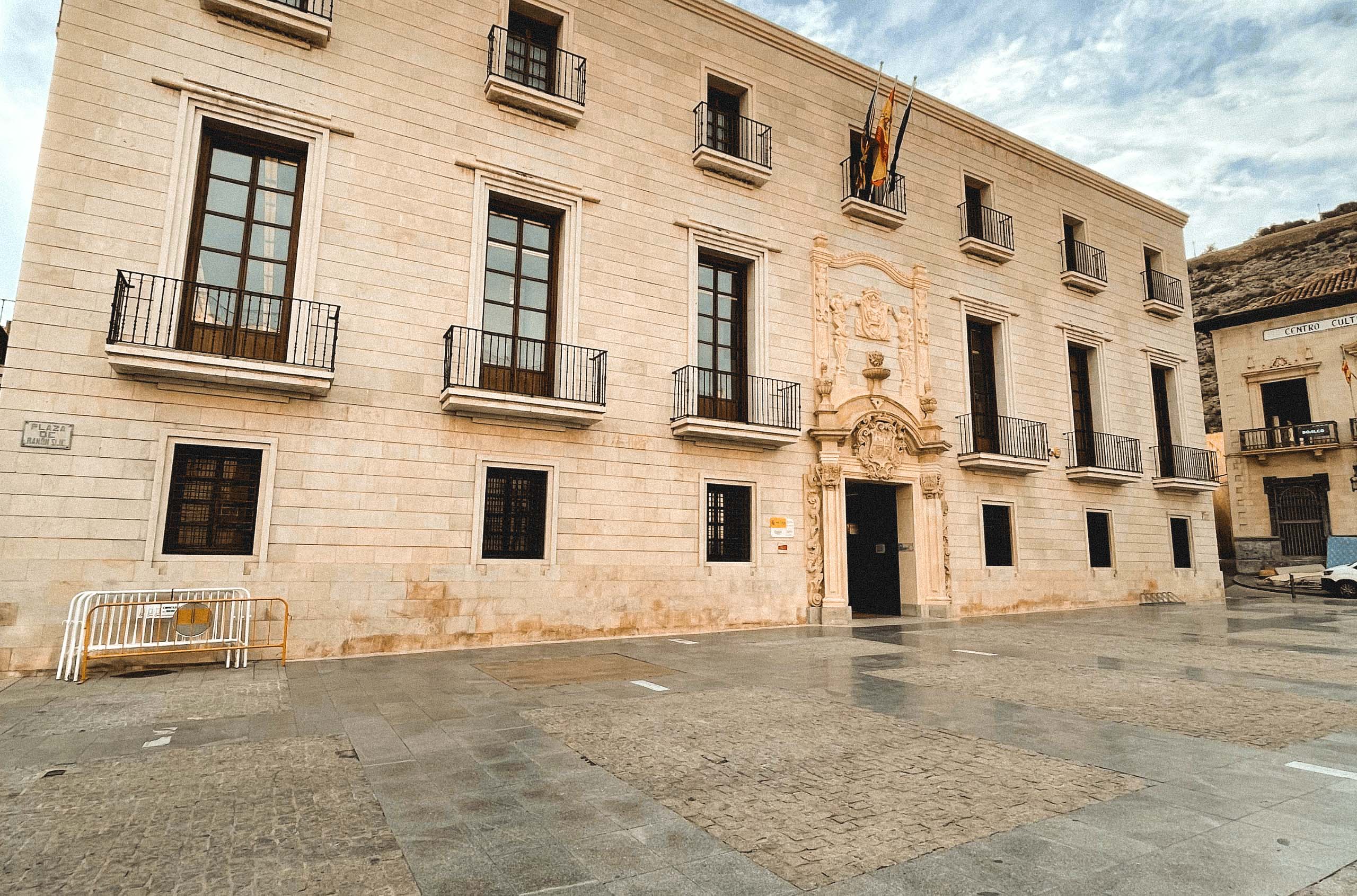
We offer you the opportunity to walk the Camino de Levante from Orihuela to Caravaca de la Cruz.
This pilgrimage route, which combines spirituality, history and nature, covers about 118 kilometers and is full of breathtaking landscapes, historical monuments and a deep connection with the Christian tradition. Along the way, you will have the opportunity to discover the cultural richness of the localities you will visit.
This pilgrimage is an opportunity to disconnect from routine and reconnect with what matters most: your spiritual well-being and the beauty of the world around you. In addition, we offer complete customization, creating your pilgrimage according to your preferences, to ensure that you enjoy a unique and personalized experience.
Join us on this unforgettable journey and let us take care of the rest!
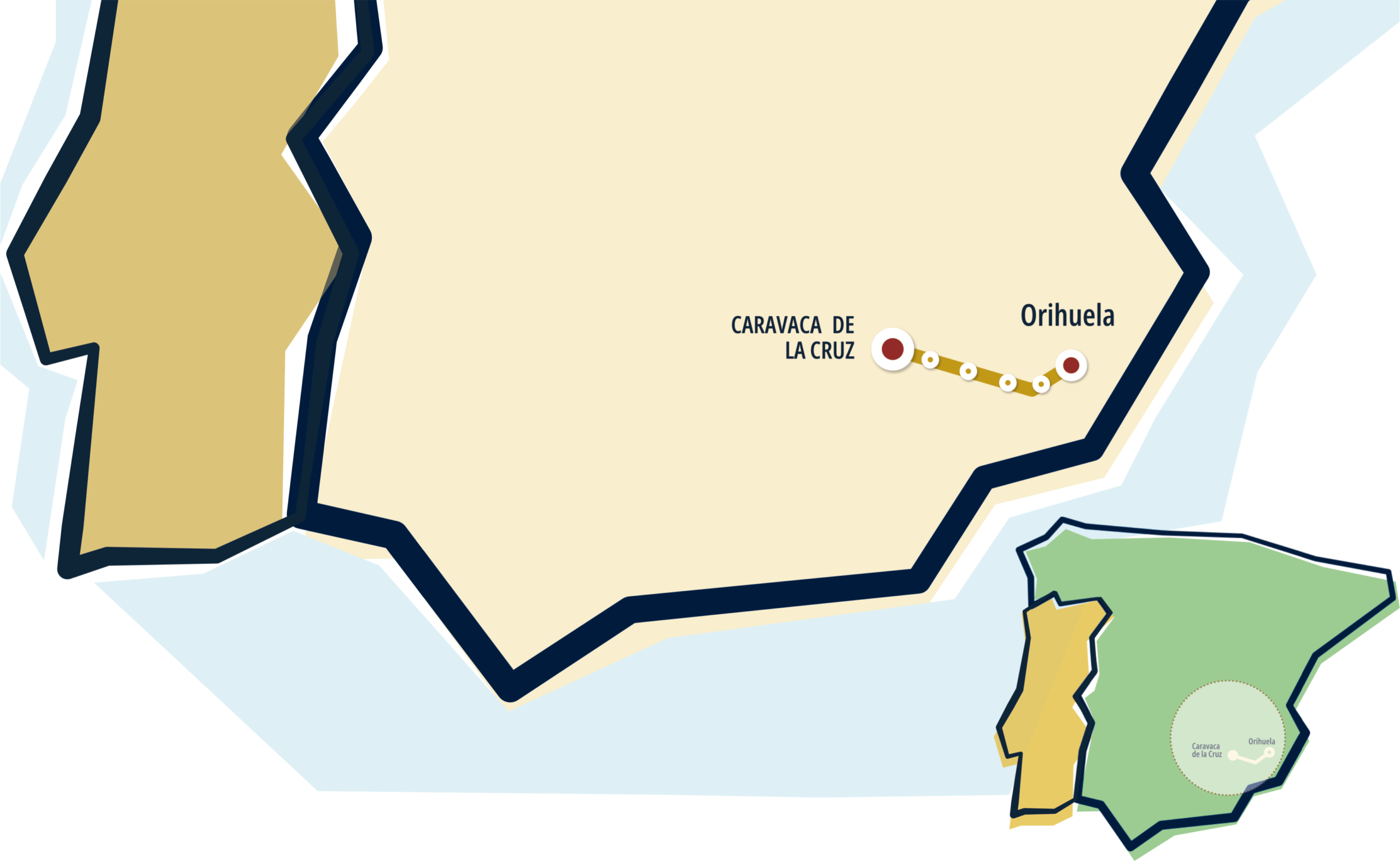
Route
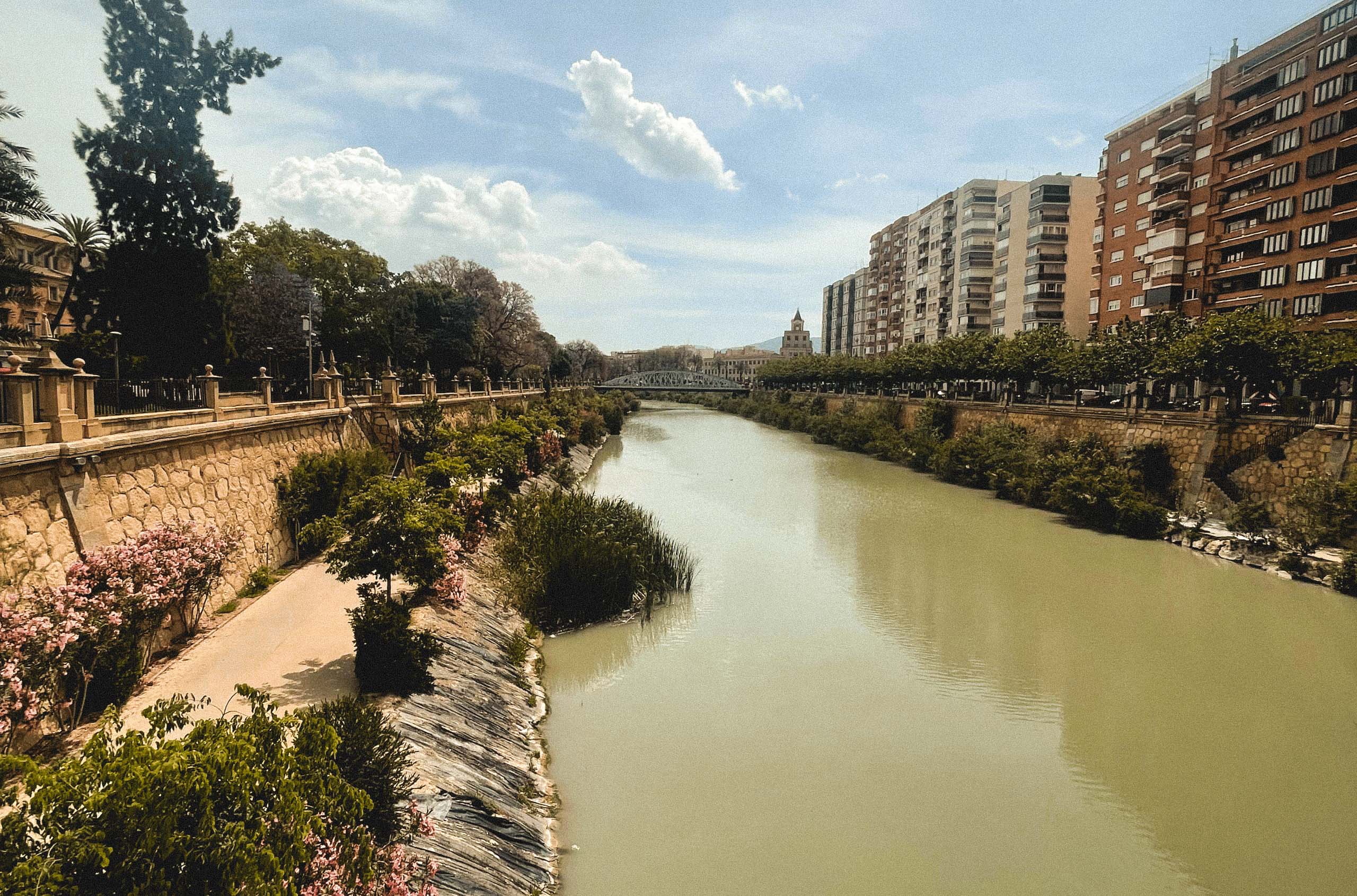
A spiritual and cultural journey between Orihuela and Murcia
Distance: 14,9 miles – 24 km
The first stage of the Camino de Levante, which connects Orihuela with Murcia, is a journey of great natural beauty and cultural value. It begins at the Cathedral of the Savior in Orihuela, a city with a strong religious significance, and stretches for 24 km, passing through beautiful landscapes of fields, orchards and the banks of the Segura River.
Along the way, pilgrims can visit places such as the church of Santas Justa and Rufina, the Archaeological Museum and the Casa Museo de Miguel Hernández. This stretch also offers unique opportunities to capture special moments, such as the Moors and Christians festivities, in the second week of September, and the Living Nativity Scene in El Raal.
The route concludes in Murcia, where pilgrims can continue their journey to Caravaca de la Cruz, enjoying the rich history and tradition of the region at every step.
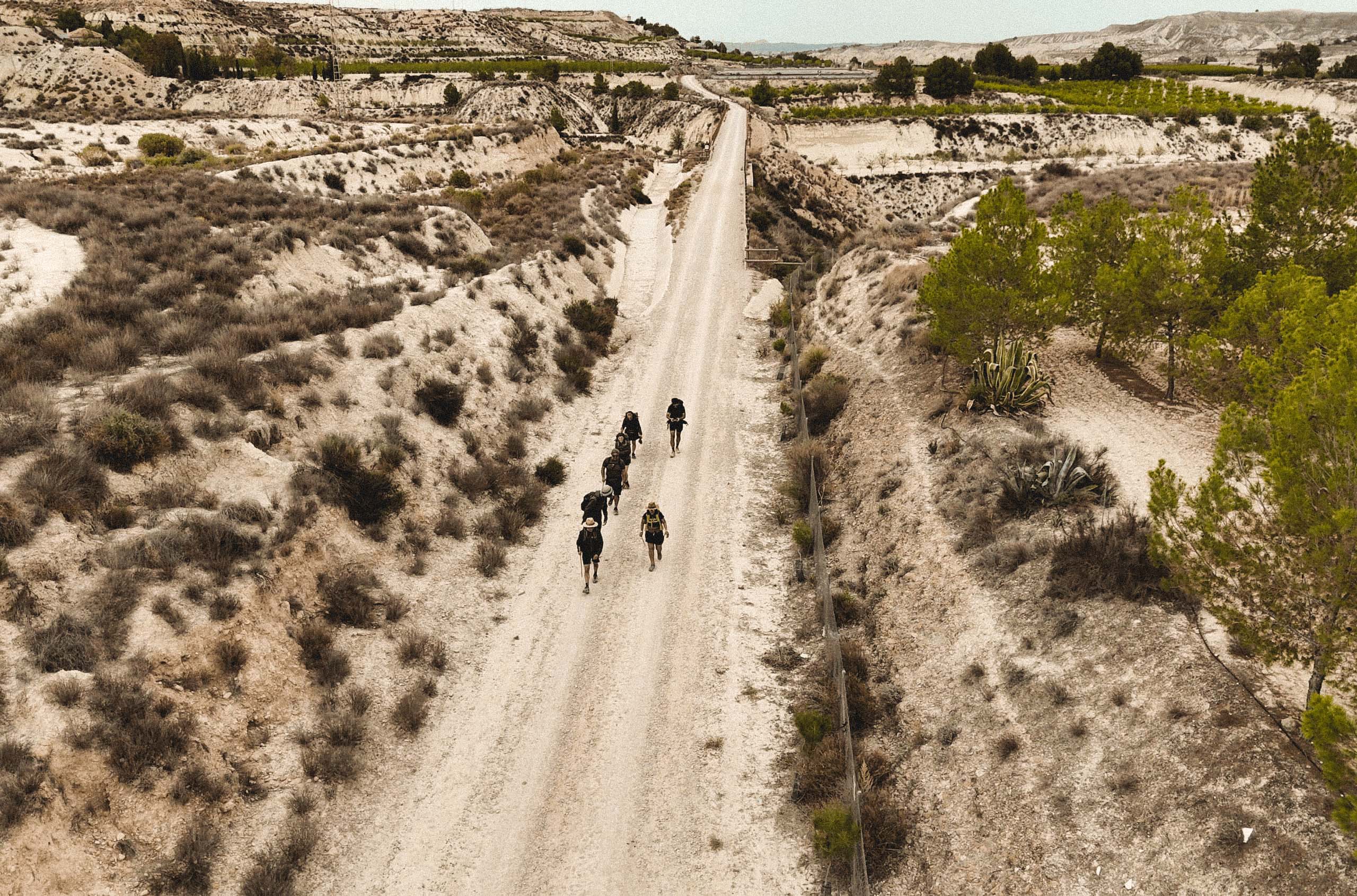 Tradition, water and reflection on the same path
Distance: 16,2 miles – 26 km
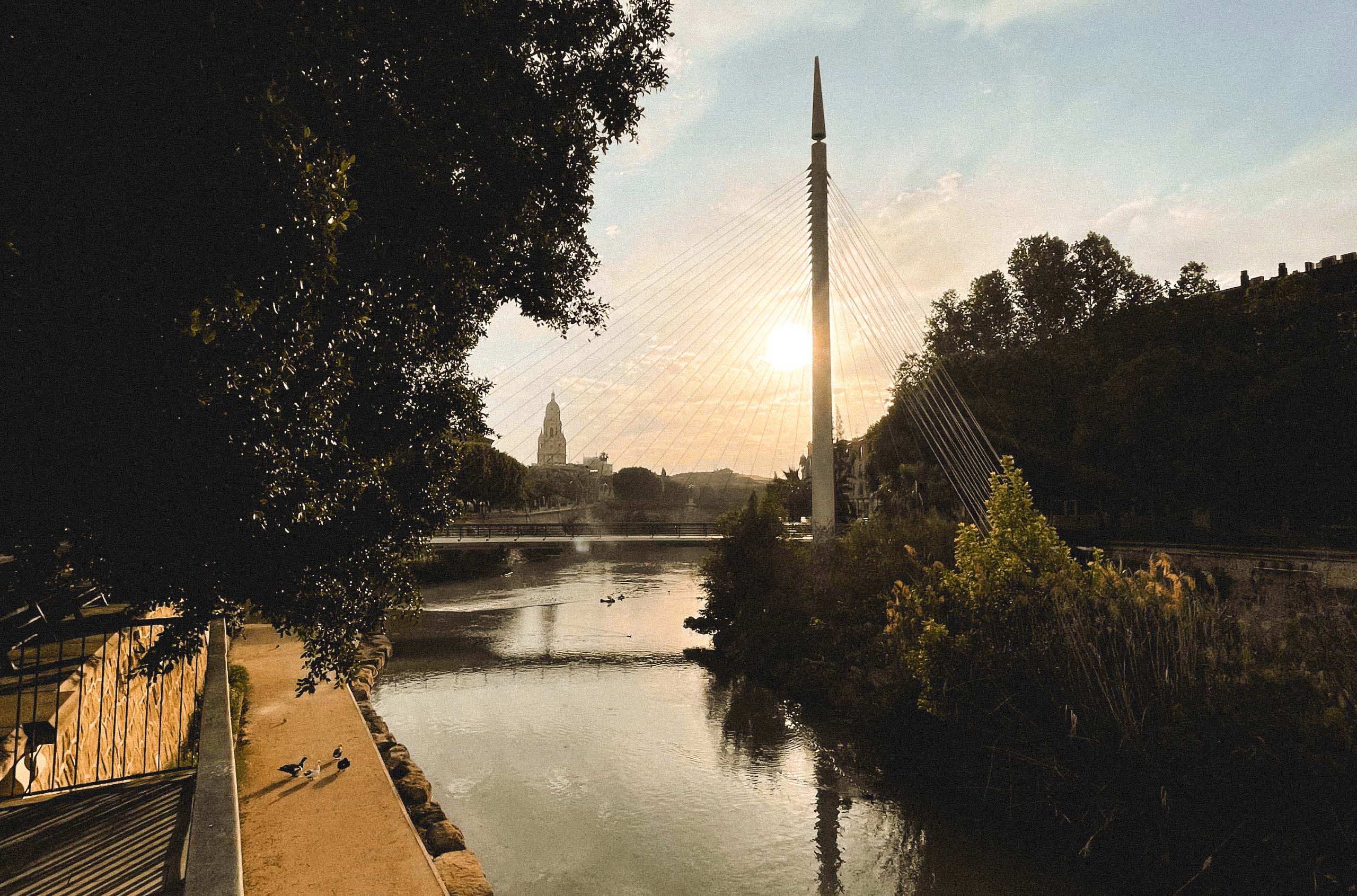
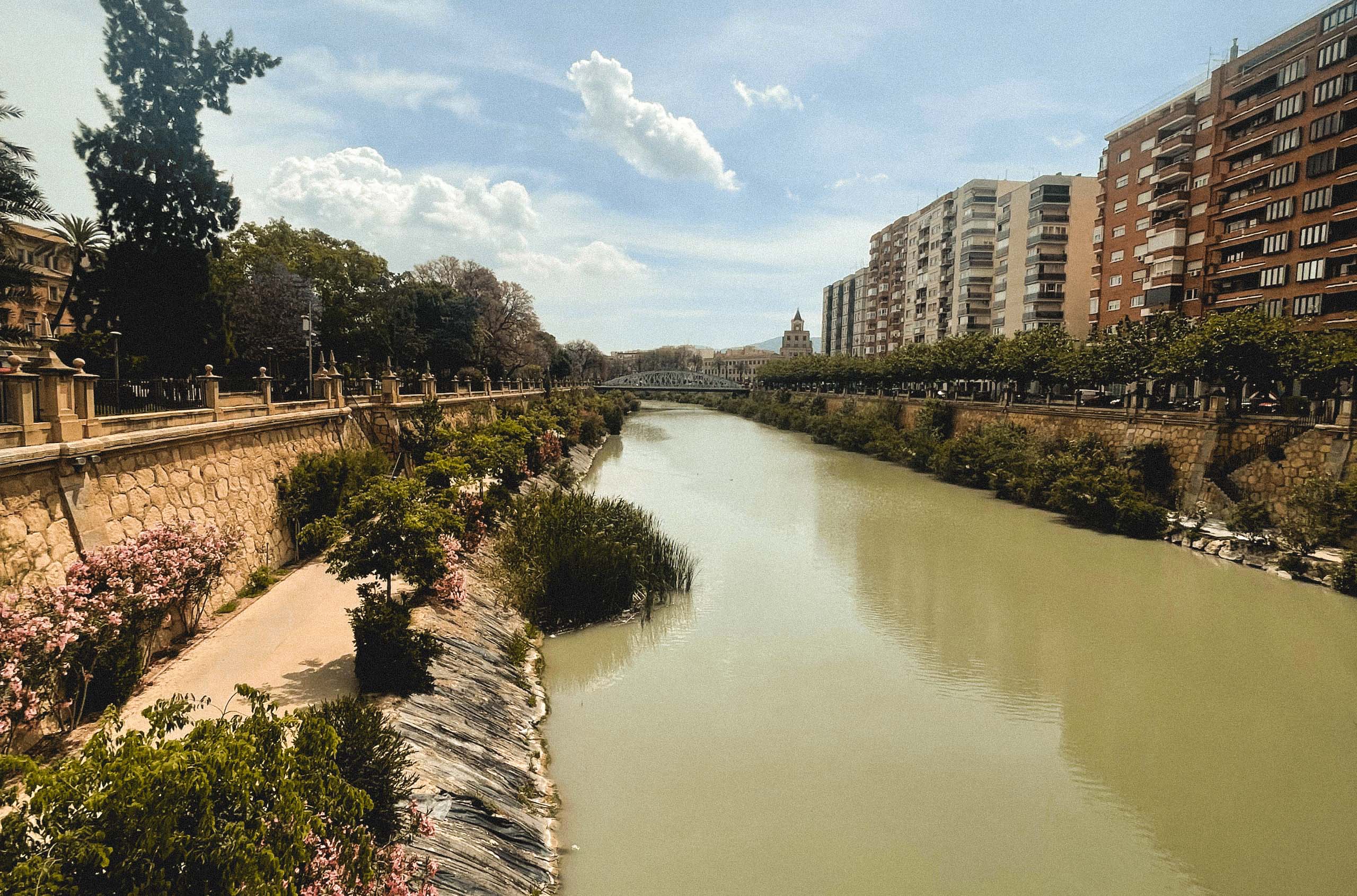
The second stage of the Camino de Levante departs from Murcia towards Alguazas. This section crosses the emblematic huerta of Murcia, a landscape full of history and tradition of great attraction. The route begins at the Malecón de Murcia, an ancient wall that protects the city from the floods of the Segura River, and advances through an extensive agricultural region.
Along the way, pilgrims can explore places such as the Museo de la Huerta and the rueda de la Ñora, symbols of the region’s agricultural history. Along the way, irrigation ditches, crop fields and the Segura River accompany walkers as they observe the work of farmers under the Murcian sun.
The stage culminates in Molina de Segura, where pilgrims can rest and pray at the Ermita de Nuestra Señora de la Consolación, a historic building from the 15th century that invites calm and reflection.
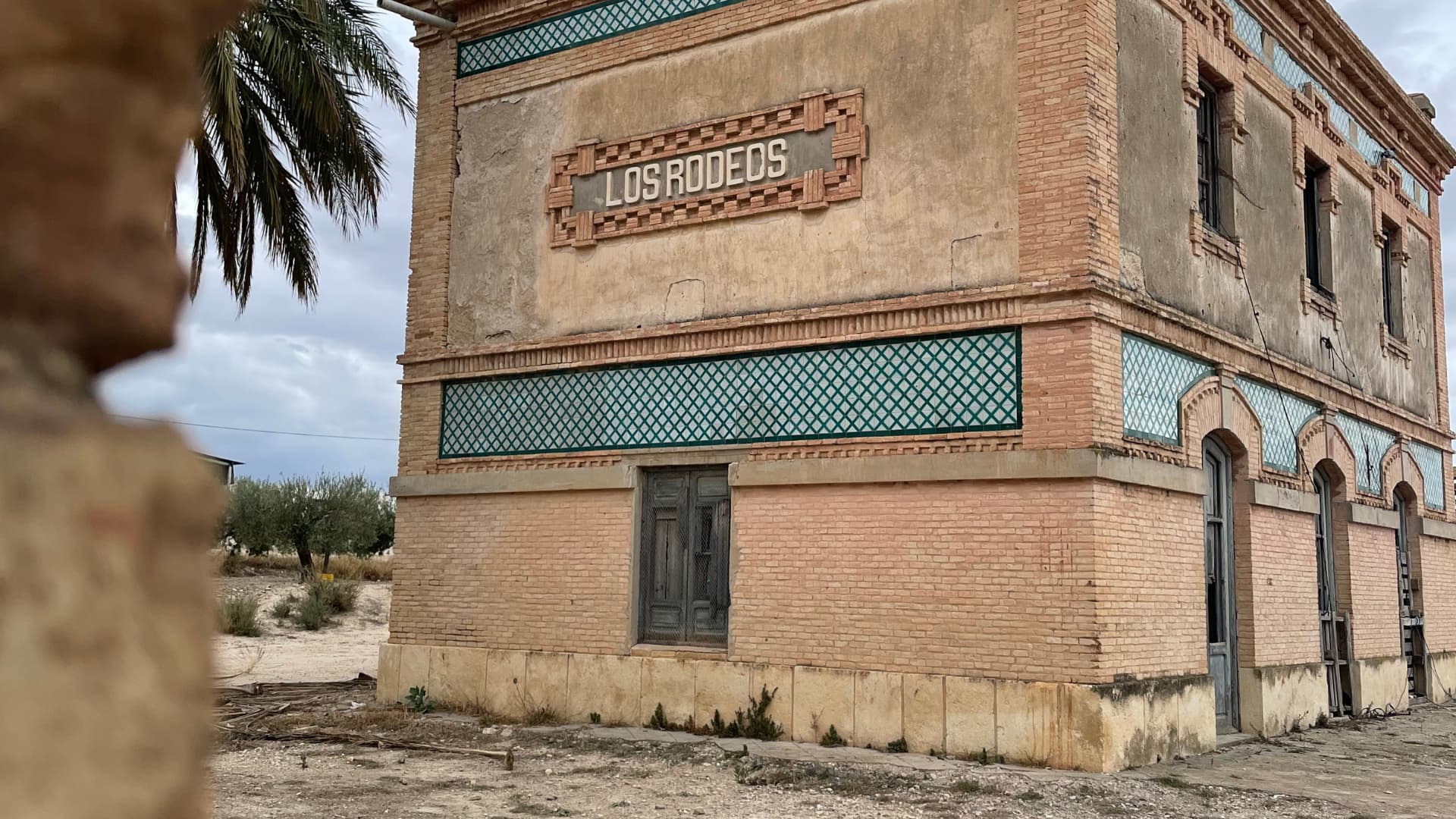
Through the spectacular and peaceful Vía Verde
Distance:19 miles – 30 km
The stage between Molina de Segura and Mula is a quiet and picturesque route, ideal for those seeking peace and contact with nature.
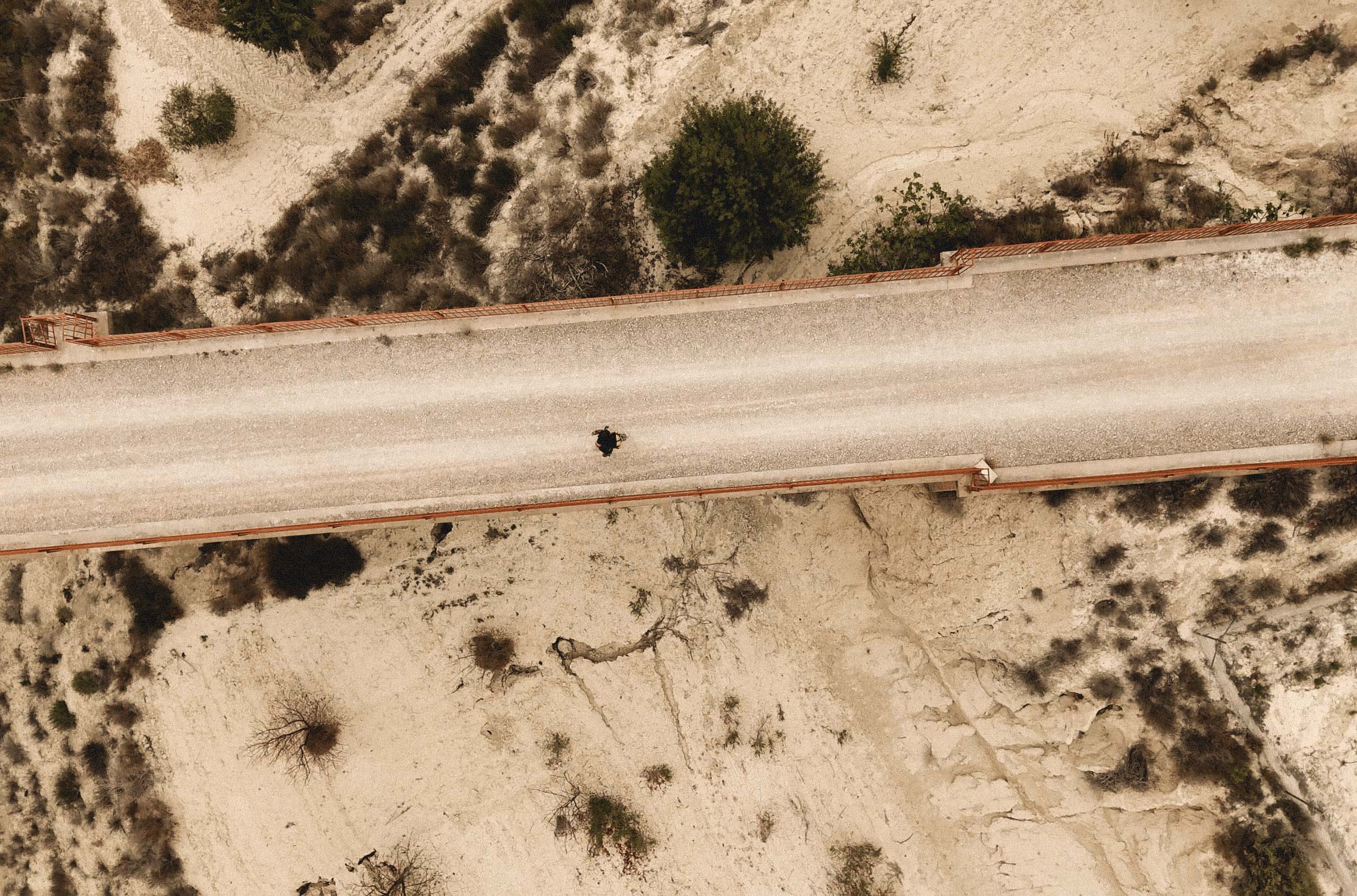
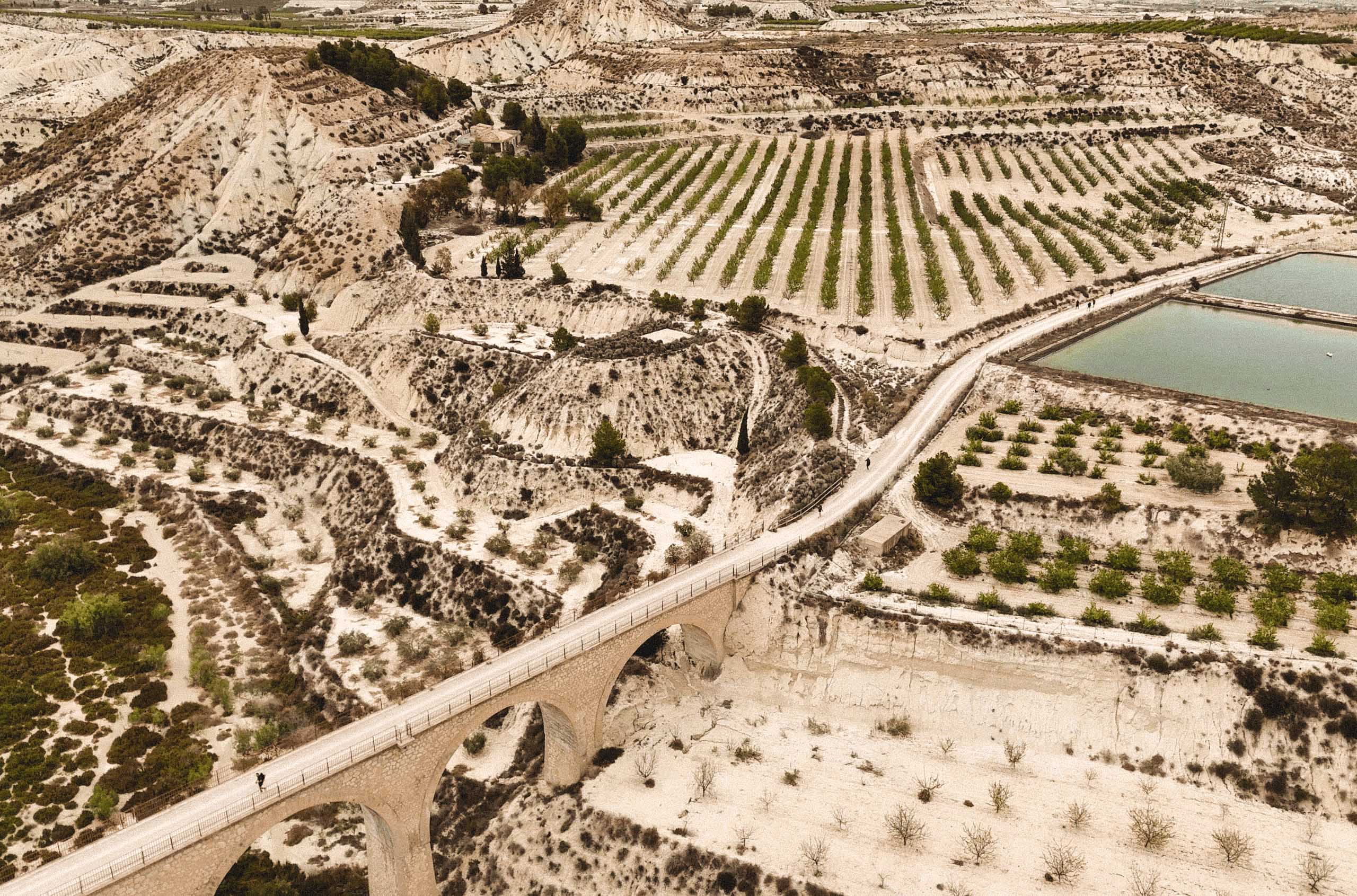
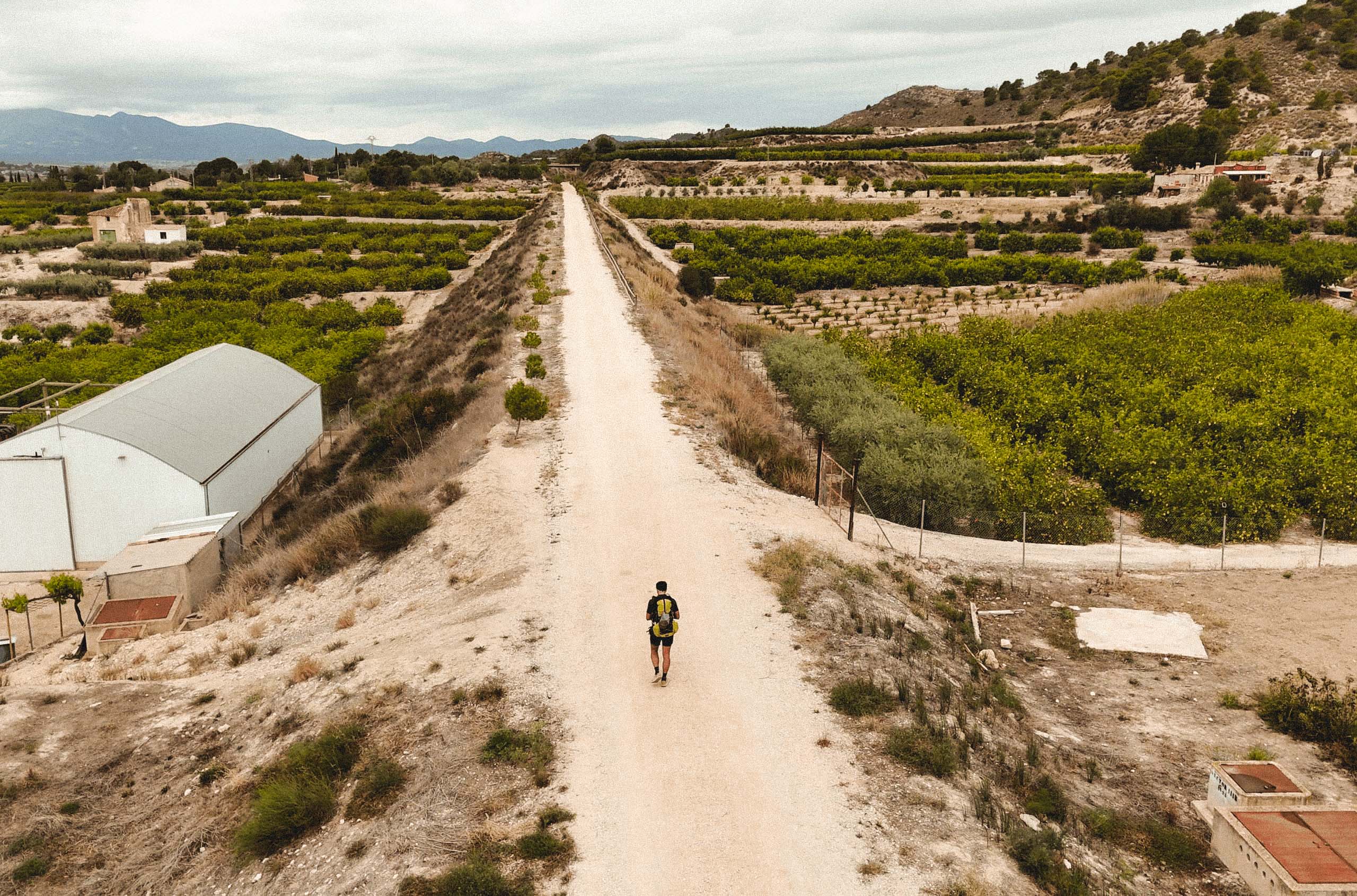
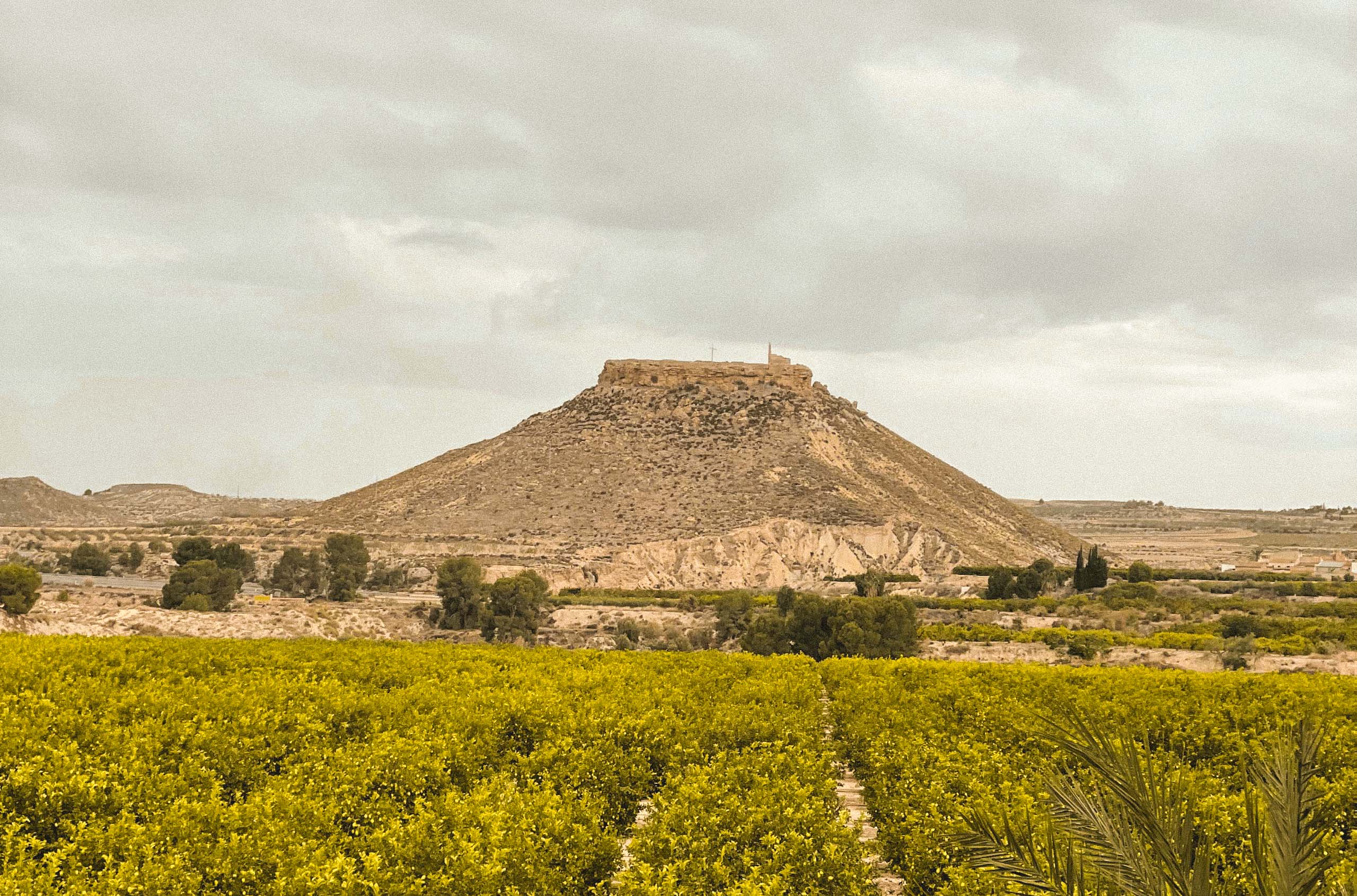
The route runs along an old converted railway track (Vía Verde), offering landscapes of dry fields and the characteristic badlands of the region. Along the way, pilgrims can stop in places such as Alguazas and explore the numerous Roman ruins that dot the region. Arriving in Mula, walkers can admire the picturesque town and its imposing 11th-century Castillo de Alcalá, surrounded by a beautiful orchard landscape.
This stage is a perfect combination of tranquility, nature and culture, bringing the pilgrim closer and closer to the Sanctuary of the Vera Cruz.
Between vineyards and nature we arrive at Bullas
Distance: 13 miles – 21 km
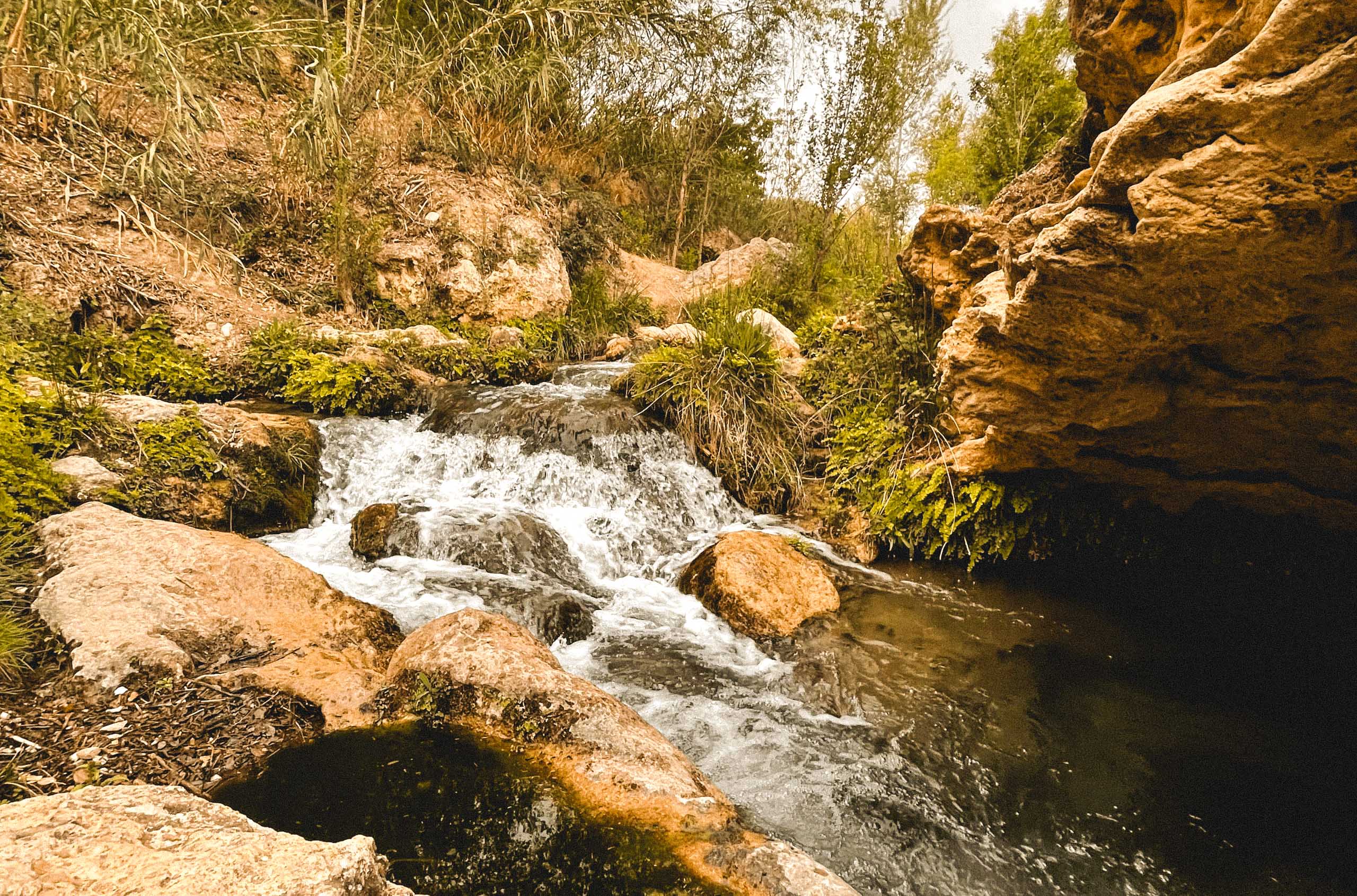
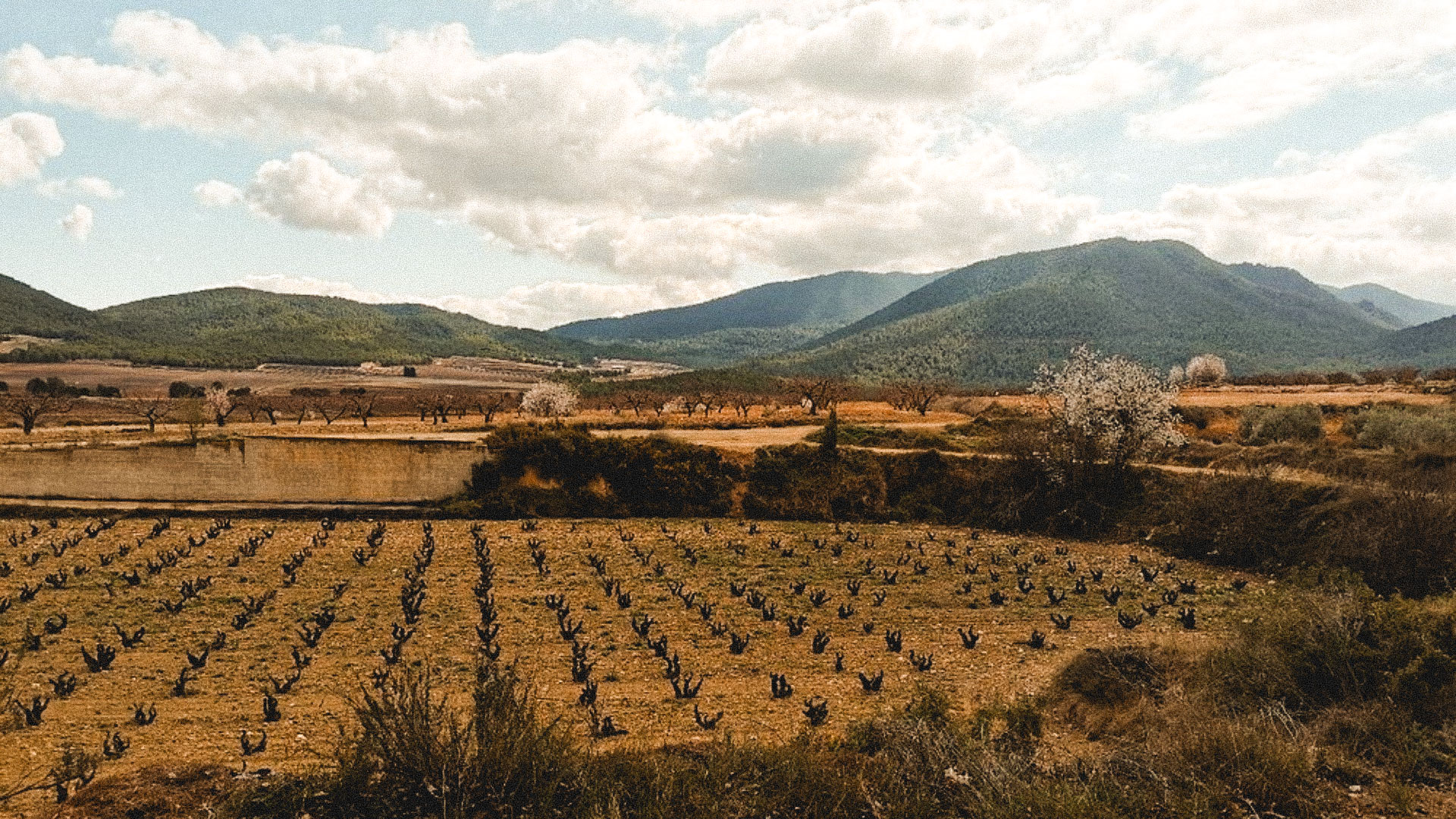
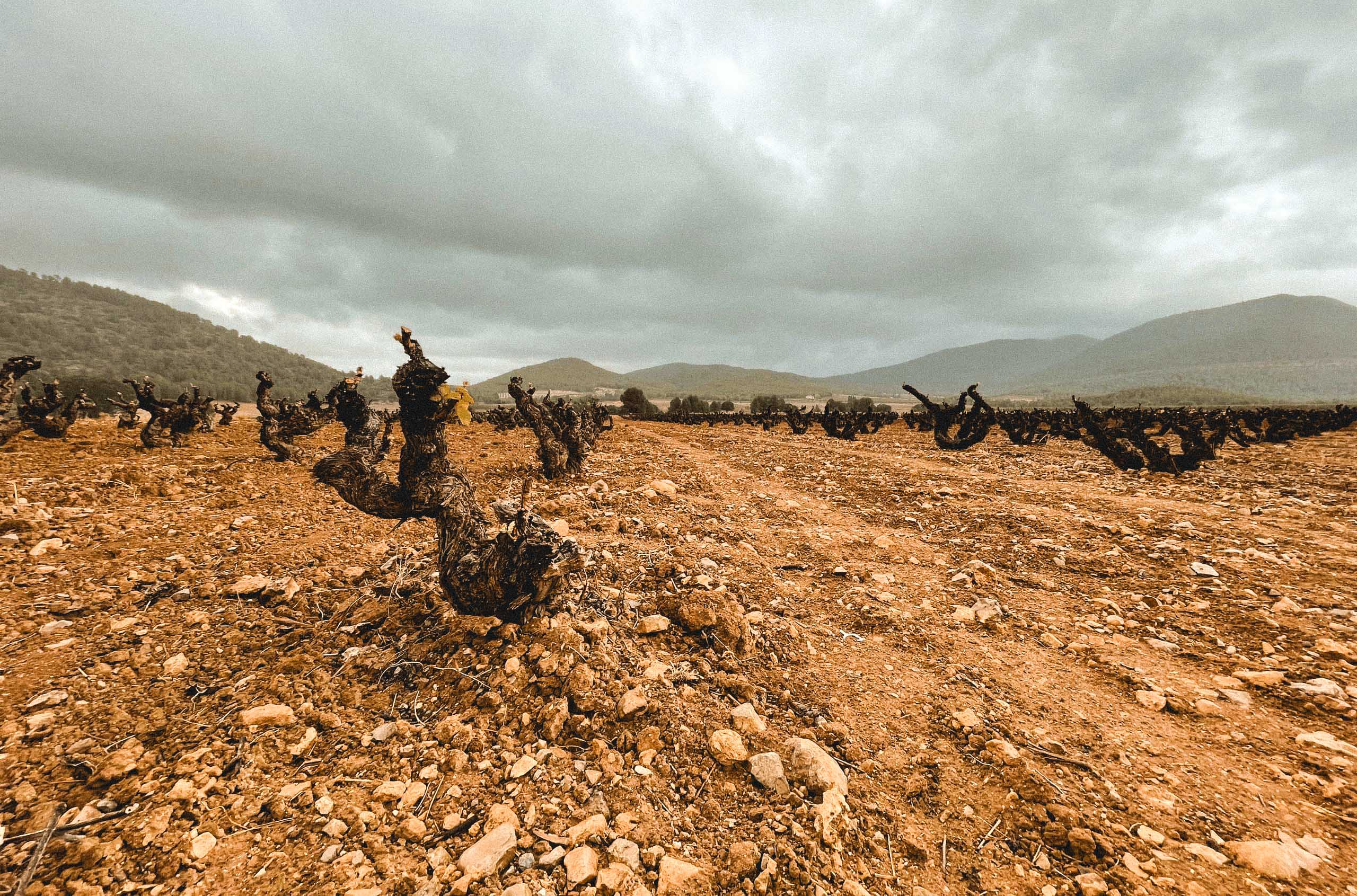
Can you imagine walking among vineyards and olive groves in their maximum splendor? This is what you will find in the penultimate stretch of the Camino de Levante that goes from Mula to Bullas.
A route that crosses the Northwest Greenway, where you can enjoy a unique tranquility while approaching the Sierra Espuña Regional Park, home to golden eagles and other native species. Along the way, hikers can rest in beautiful places such as the La Luz and El Camarote pools.
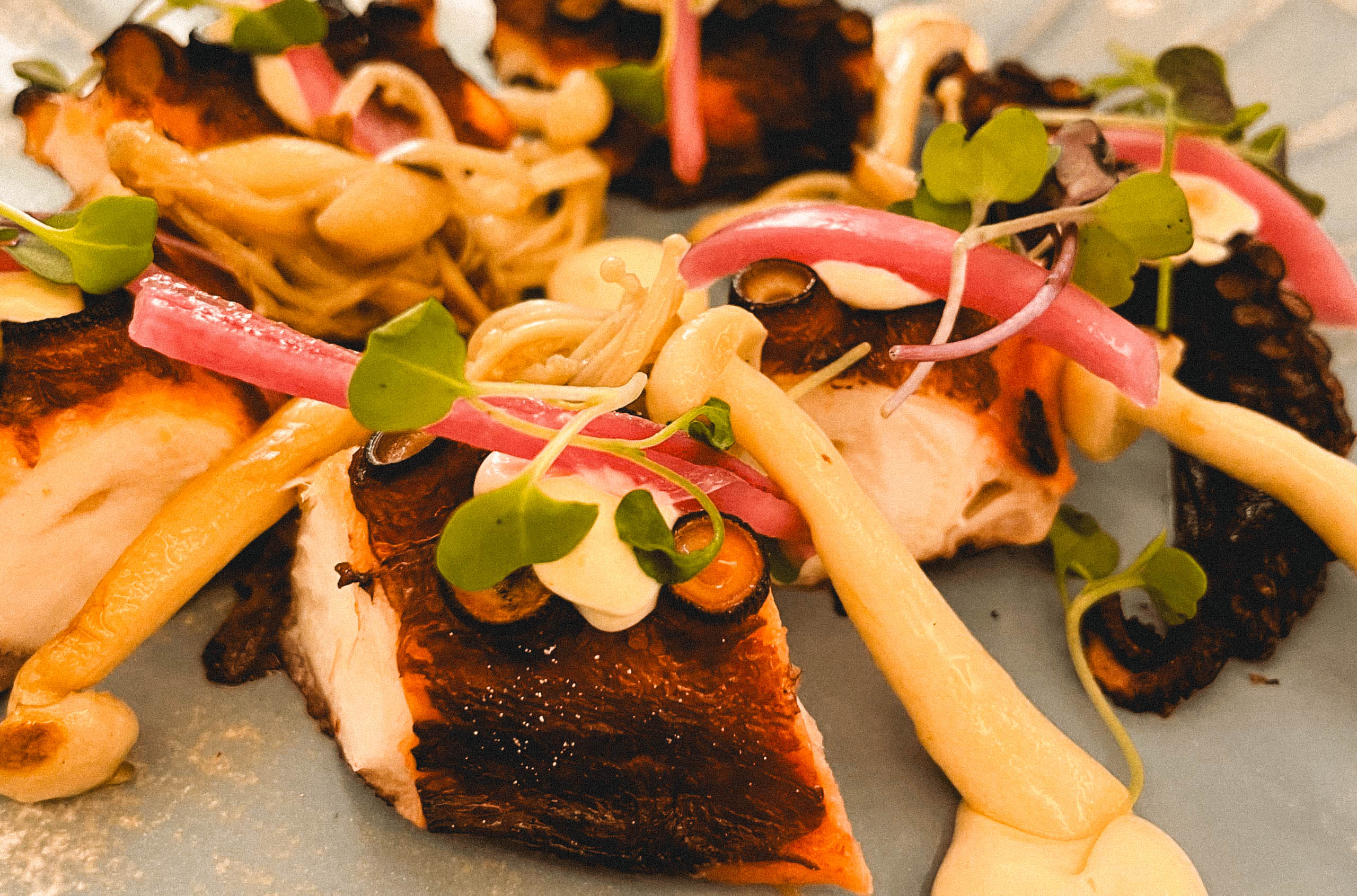
Arriving in Bullas, famous for its vineyards with Denomination of Origin, pilgrims can visit the Church of Nuestra Señora del Rosario, the Wine Museum, and enjoy the local gastronomy in the Plaza de España, before continuing on to Caravaca de la Cruz.
Caravaca de la Cruz: just a few steps away from our goal
Distance: 21 km
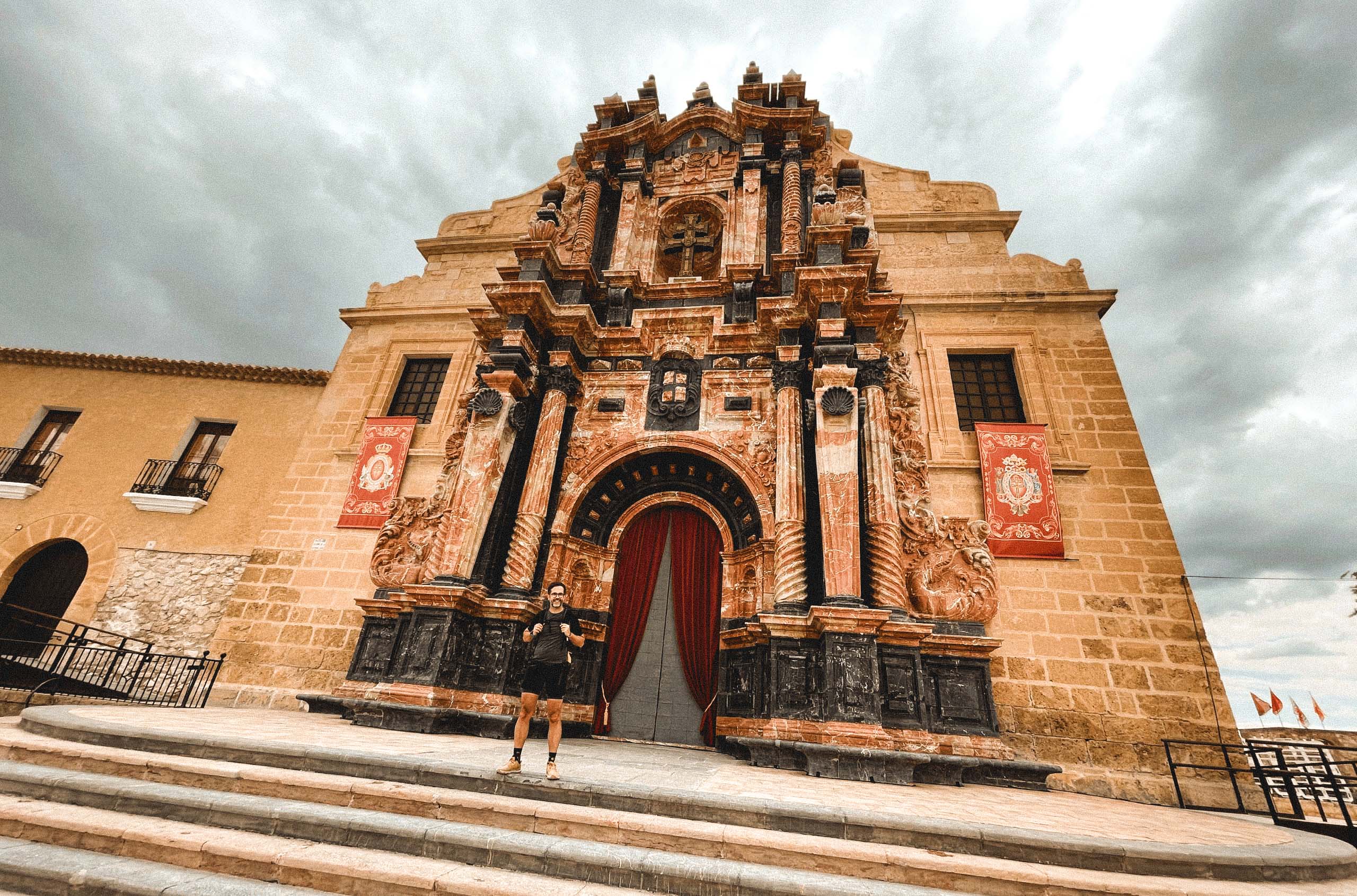
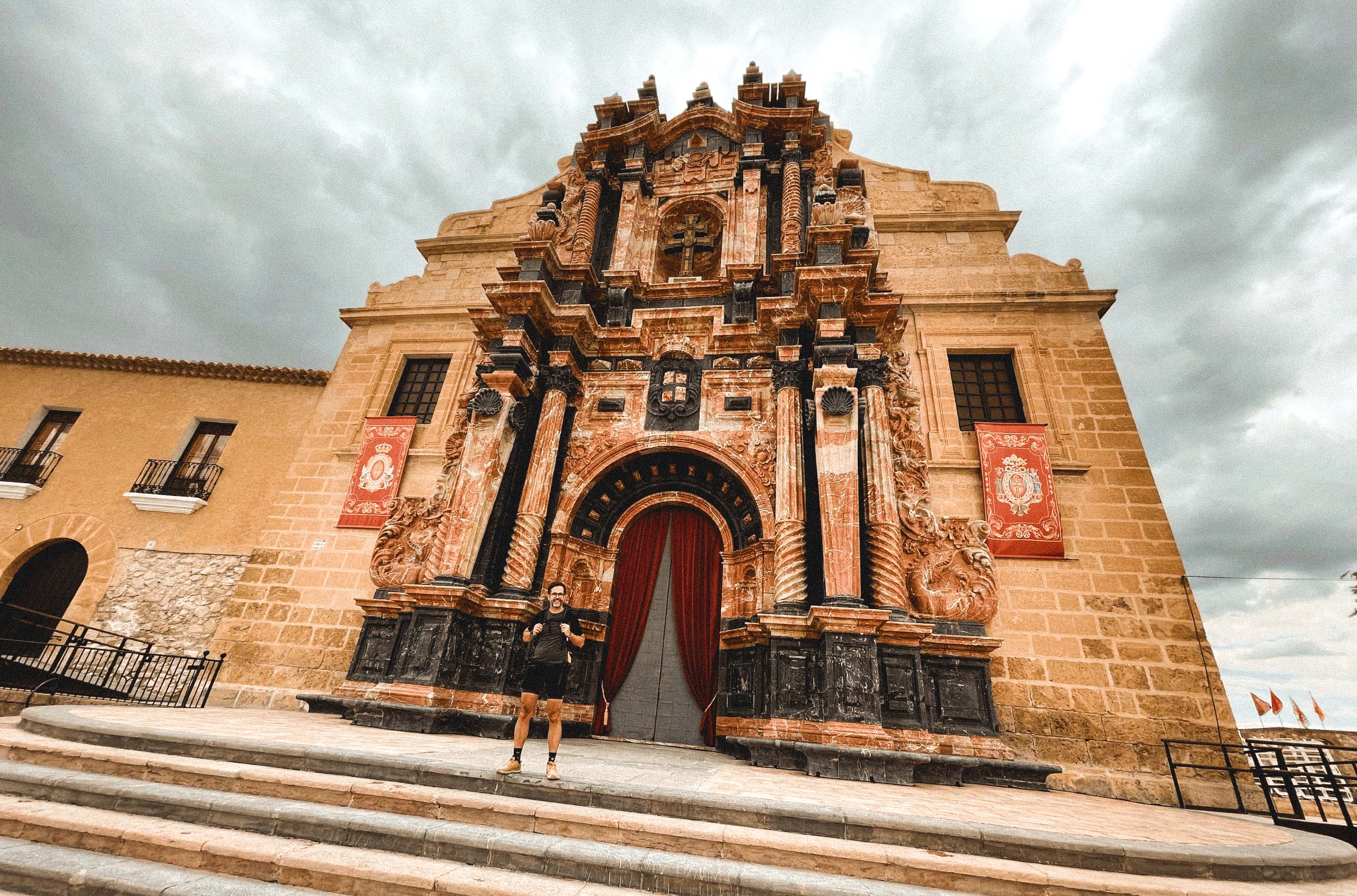
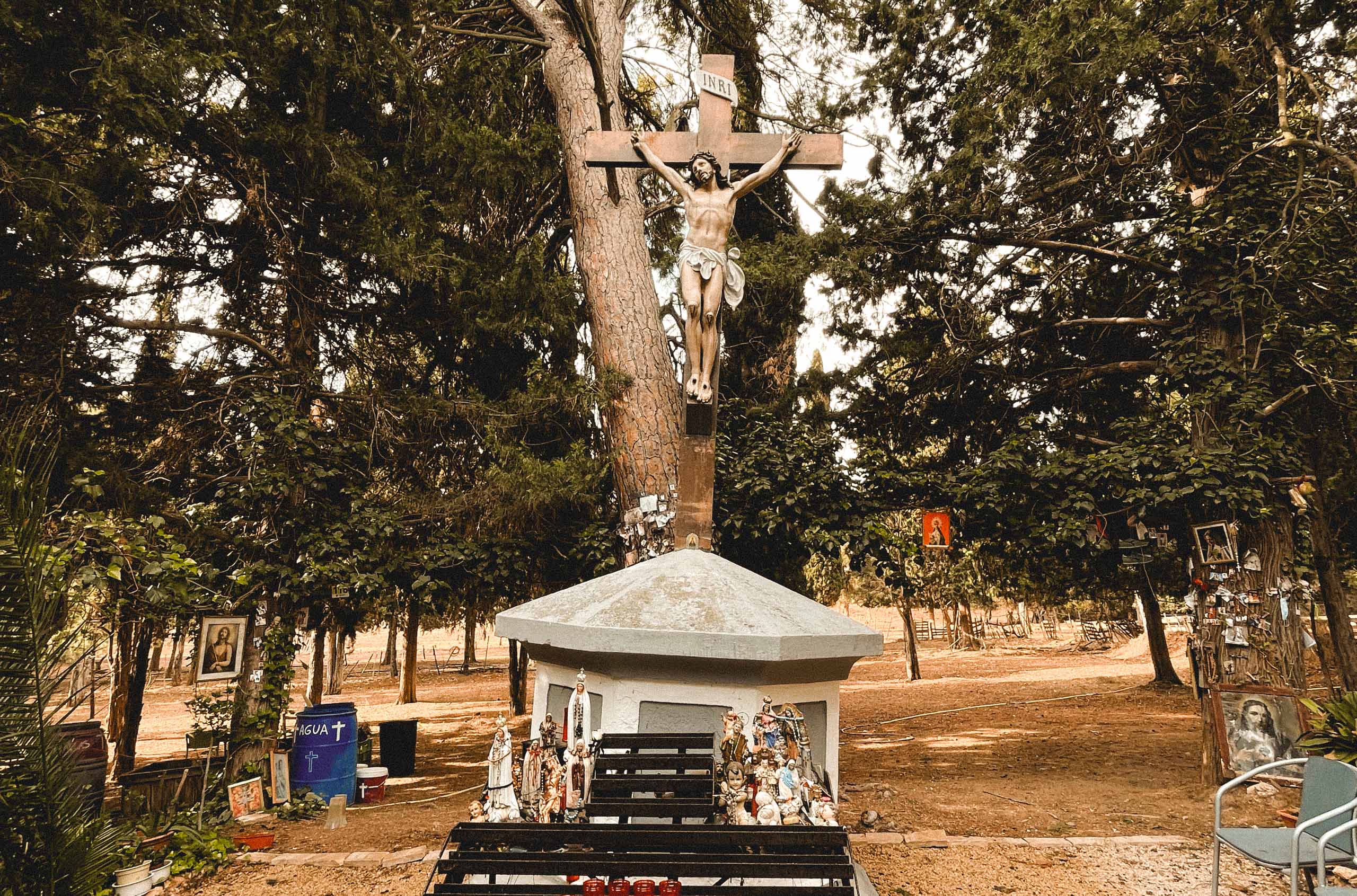
This final stretch will take you directly to the majestic Sanctuary of the Vera Cruz. The route follows an old railway line, surrounded by pine forests, almond trees and vineyards, and passes through places such as the Cristo Carrascalejo, known for its historic winery and the religious celebrations that characterize it.
During the stage, you will explore Cehegín, a Historic Site, and the Ibero-Roman Ruins of Begastri, which enrich the route with their history. Although the route is mostly paved and smooth, it is notable for its stunning natural scenery and points of interest such as the Cristo de Carrascalejo, the viaduct over the Arroyo de Burete and the viewpoint of the Quipar River Valley.
Upon arrival in Caravaca de la Cruz, you can stamp your credential in the Plaza del Arco and, with a final ascent, arrive at the Sanctuary to receive your Caravaquensis certificate, celebrating the achievement of this pilgrimage.
Route
A spiritual and cultural journey between Orihuela and Murcia
Distance: 14,9 miles – 24 km
The first stage of the Camino de Levante, which connects Orihuela with Murcia, is a journey of great natural beauty and cultural value. It begins at the Cathedral of the Savior in Orihuela, a city with a strong religious significance, and stretches for 24 km, passing through beautiful landscapes of fields, orchards and the banks of the Segura River.
Along the way, pilgrims can visit places such as the church of Santas Justa and Rufina, the Archaeological Museum and the Casa Museo de Miguel Hernández. This stretch also offers unique opportunities to capture special moments, such as the Moors and Christians festivities, in the second week of September, and the Living Nativity Scene in El Raal.
The route concludes in Murcia, where pilgrims can continue their journey to Caravaca de la Cruz, enjoying the rich history and tradition of the region at every step.
Tradition, water and reflection on the same path
Distance: 16,2 miles – 26 km
The second stage of the Camino de Levante departs from Murcia towards Alguazas. This section crosses the emblematic huerta of Murcia, a landscape full of history and tradition of great attraction. The route begins at the Malecón de Murcia, an ancient wall that protects the city from the floods of the Segura River, and advances through an extensive agricultural region.
Along the way, pilgrims can explore places such as the Museo de la Huerta and the rueda de la Ñora, symbols of the region’s agricultural history. Along the way, irrigation ditches, crop fields and the Segura River accompany walkers as they observe the work of farmers under the Murcian sun.
The stage culminates in Molina de Segura, where pilgrims can rest and pray at the Ermita de Nuestra Señora de la Consolación, a historic building from the 15th century that invites calm and reflection.
Through the spectacular and peaceful Vía Verde
Distance:19 miles – 30 km
The stage between Molina de Segura and Mula is a quiet and picturesque route, ideal for those seeking peace and contact with nature.
The route runs along an old converted railway track (Vía Verde), offering landscapes of dry fields and the characteristic badlands of the region. Along the way, pilgrims can stop in places such as Alguazas and explore the numerous Roman ruins that dot the region. Arriving in Mula, walkers can admire the picturesque town and its imposing 11th-century Castillo de Alcalá, surrounded by a beautiful orchard landscape.
This stage is a perfect combination of tranquility, nature and culture, bringing the pilgrim closer and closer to the Sanctuary of the Vera Cruz.
Between vineyards and nature we arrive at Bullas
Distance: 13 miles – 21 km
Can you imagine walking among vineyards and olive groves in their maximum splendor? This is what you will find in the penultimate stretch of the Camino de Levante that goes from Mula to Bullas.
A route that crosses the Northwest Greenway, where you can enjoy a unique tranquility while approaching the Sierra Espuña Regional Park, home to golden eagles and other native species. Along the way, hikers can rest in beautiful places such as the La Luz and El Camarote pools.
Arriving in Bullas, famous for its vineyards with Denomination of Origin, pilgrims can visit the Church of Nuestra Señora del Rosario, the Wine Museum, and enjoy the local gastronomy in the Plaza de España, before continuing on to Caravaca de la Cruz.
Caravaca de la Cruz: just a few steps away from our goal
Distance: 21 km
This final stretch will take you directly to the majestic Sanctuary of the Vera Cruz. The route follows an old railway line, surrounded by pine forests, almond trees and vineyards, and passes through places such as the Cristo Carrascalejo, known for its historic winery and the religious celebrations that characterize it.
During the stage, you will explore Cehegín, a Historic Site, and the Ibero-Roman Ruins of Begastri, which enrich the route with their history. Although the route is mostly paved and smooth, it is notable for its stunning natural scenery and points of interest such as the Cristo de Carrascalejo, the viaduct over the Arroyo de Burete and the viewpoint of the Quipar River Valley.
Upon arrival in Caravaca de la Cruz, you can stamp your credential in the Plaza del Arco and, with a final ascent, arrive at the Sanctuary to receive your Caravaquensis certificate, celebrating the achievement of this pilgrimage.
Make your Camino unique
What’s included in your Camino?
Included
- Private accommodation with en-suite bathroom (depending on chosen category)
- Daily breakfast
- Insurance
- 24/7 emergency phone assistance
- Detailed Camino guide with stages, maps, and tips (PDF format)
- Daily WhatsApp check-in and support
- Camino People welcome pack
- Personalized recommendations for meals, dinners, and local visits
- Luggage transfer between stages
Not Included
- Lunches and dinners not specified in the itinerary
- Drinks and extra snacks
- Flights or travel to the starting/ending point (optional transfer available)
- Personal expenses
- Cancellation or premium travel insurance (optional)
- Entrance fees to monuments or museums not included in the itinerary
- Tips
Extras (Available upon request)
- Guided Camino (full-time or selected stages)
- Fully organized trip with exclusive activities
- Gourmet dinners or unique gastronomic experiences
- Private cultural visits or entrance tickets with guide
- Transportation to/from airport or other off-route locations
- Extra nights before or after the Camino
- Massage, physiotherapy, or yoga services
- Cancellation or premium travel insurance




FAQ
The Camino de Caravaca is a pilgrimage route that leads to the Sanctuary of the Vera Cruz, in Caravaca de la Cruz, one of the five holy places of Christianity in the world.
This route combines spirituality, nature and history, crossing breathtaking landscapes and villages with great cultural and patrimonial richness. It is a unique experience to connect with tradition, enjoy the beauty of the surroundings and achieve the “Caravaquensis”, the official certificate upon completion of the pilgrimage.
Five main recognized pilgrimage routes, known as the “Caminos de Caravaca”, lead to Caravaca de la Cruz. These routes are:
- Camino de Levante: starts from Orihuela (Valencia) and connects with the Region of Murcia until reaching Caravaca de la Cruz.
- Camino del Sur or Camino Andaluz: coming from Andalusia, passing through Almeria, Granada and Lorca.
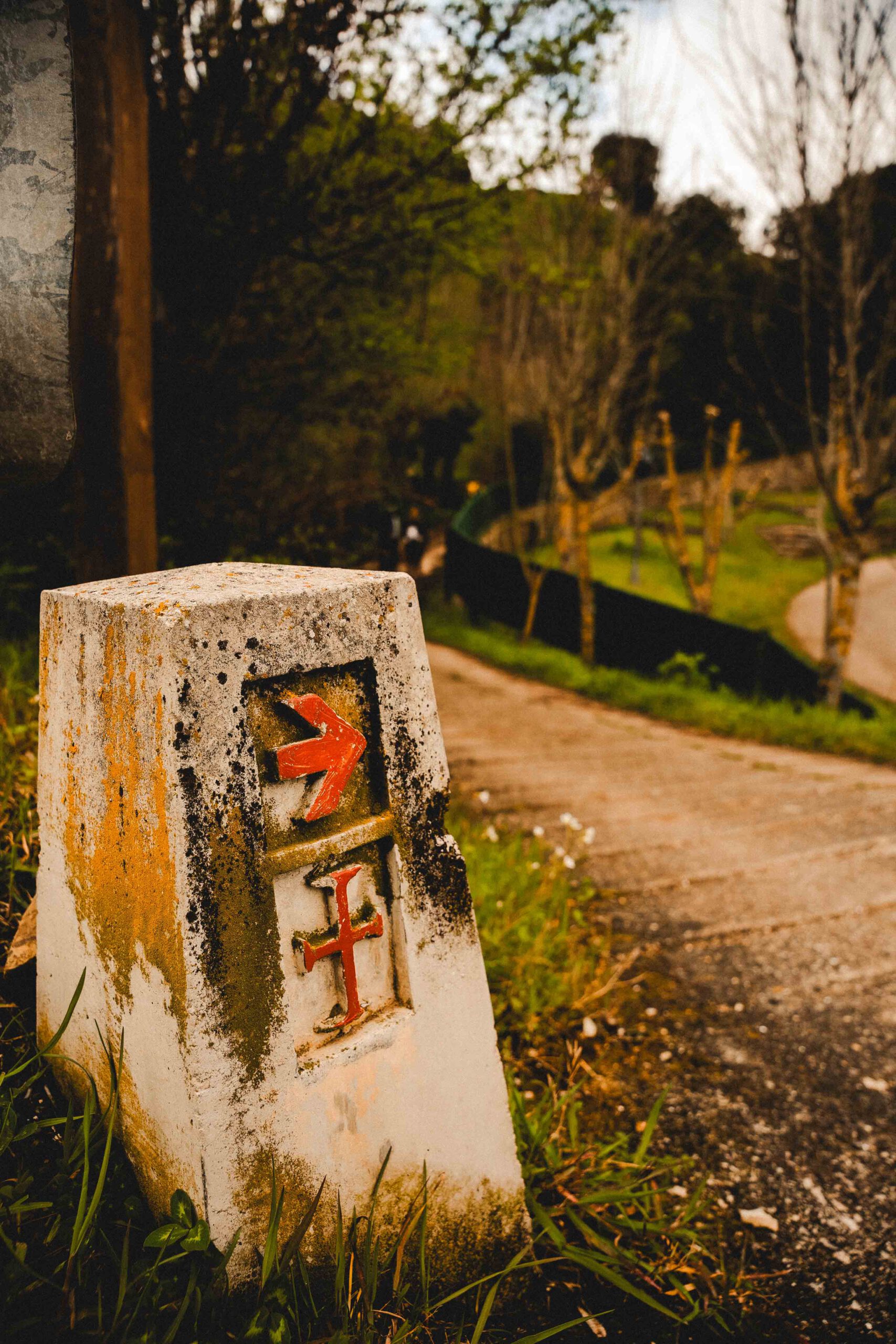
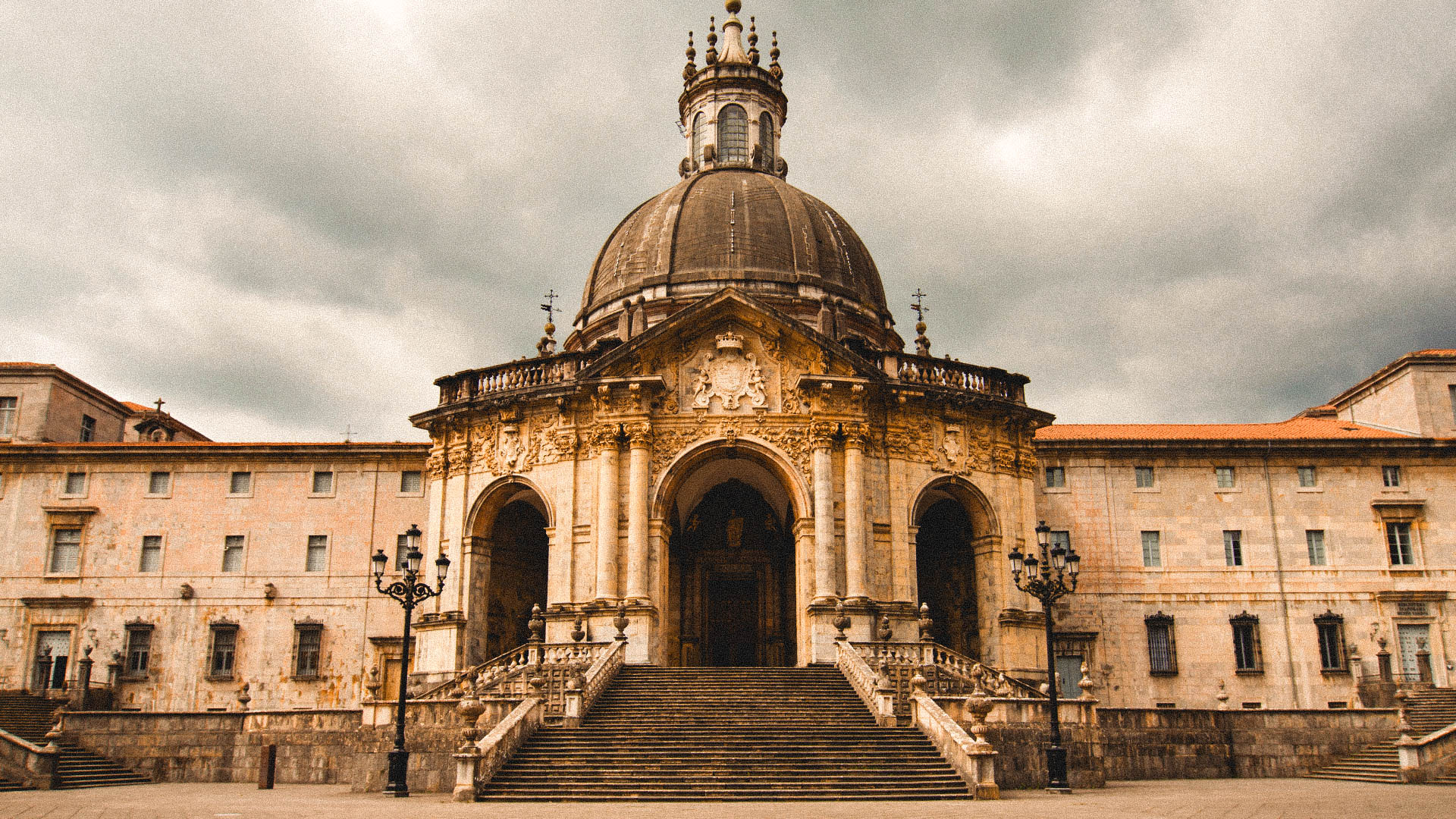
- Camino de la Vera Cruz from Roncesvalles: it originates in Roncesvalles (Navarra), linking with some sections of the Camino de Santiago. A road that crosses from north to south.
- Camino del Noroeste: from towns such as Jumilla or Yecla in Murcia.
- Camino del Altiplano: it passes through Caravaca from the Murcian Altiplano.
Each of these routes offers varied landscapes, rich history and a unique experience for pilgrims.
Previous hiking experience is not essential, but it is advisable to be in good physical shape.
The Camino de Levante has stretches of varied terrain, including paved roads, trails and some ascents with some elevation gain. If you are not used to walking long distances, it is advisable to do some training before starting the route to prepare your body.
Related Caminos
5 days - 4 nights

desde
27 days - 26 nights
desde
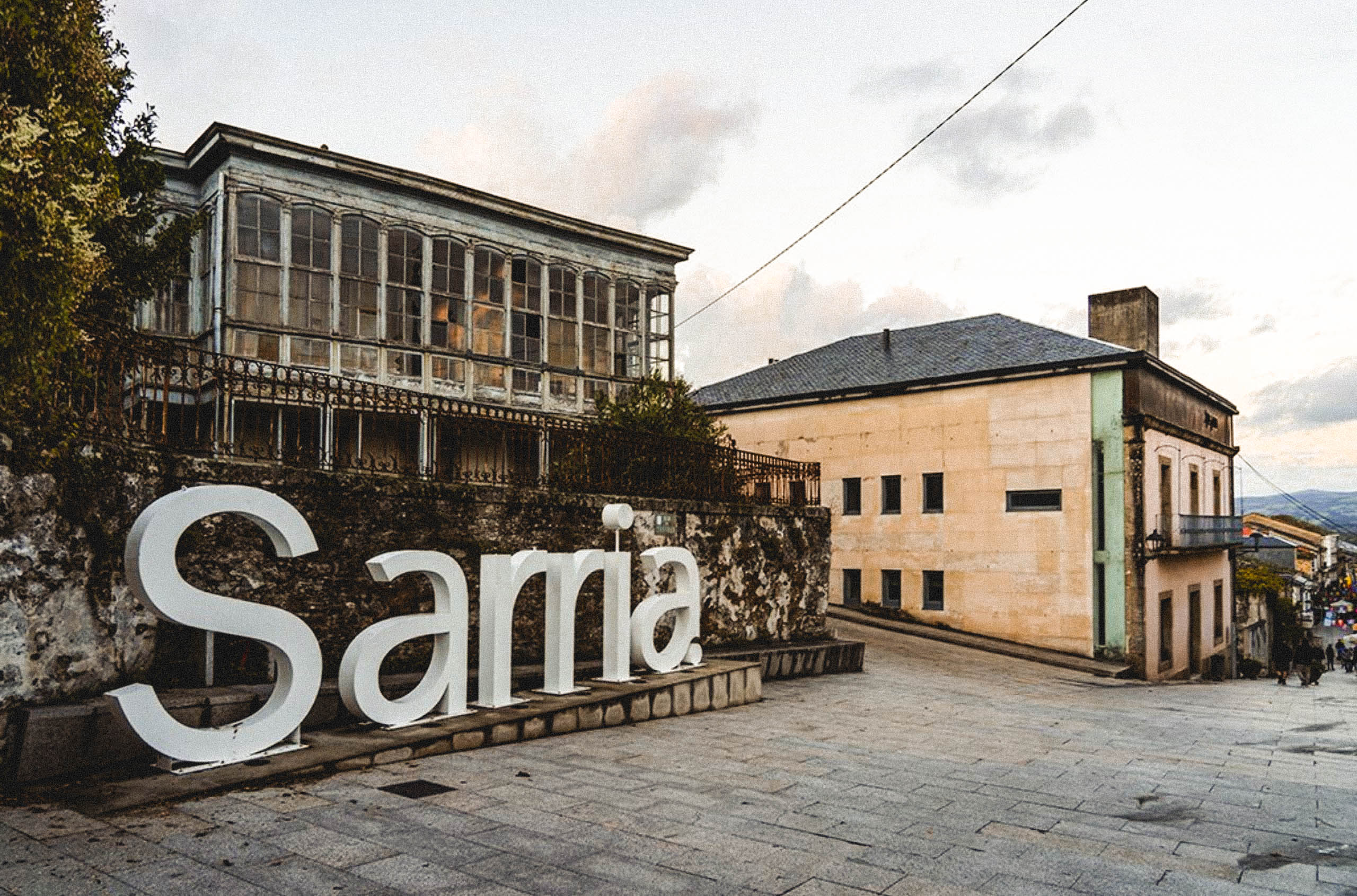
Camino Francés desde Sarria (5 etapas)
5 días - 4 noches
desde