
The Ignatian Way has a unique feature that sets it apart from other pilgrimage routes: it follows the opposite direction of the Camino de Santiago.
In 1522, Ignatius of Loyola walked this path not as a pilgrim heading to Compostela, but on his way to Jerusalem. Along the route, he encountered many travelers walking in the opposite direction. Staying true to his calling, he followed his own path toward the Holy Land.
This route passes through breathtaking natural landscapes and historic cities such as Logroño, Zaragoza, and Montserrat. It follows the old royal road once used by 16th-century travelers, and is marked with orange arrows and suns—symbols of the inner fire and personal transformation that defined Ignatius’ journey.
The Ignatian Way is a deeply personal experience—a journey inward that helps travelers find answers, set new intentions, or simply take a break from the noise of everyday life.
Are you ready for a unique experience?
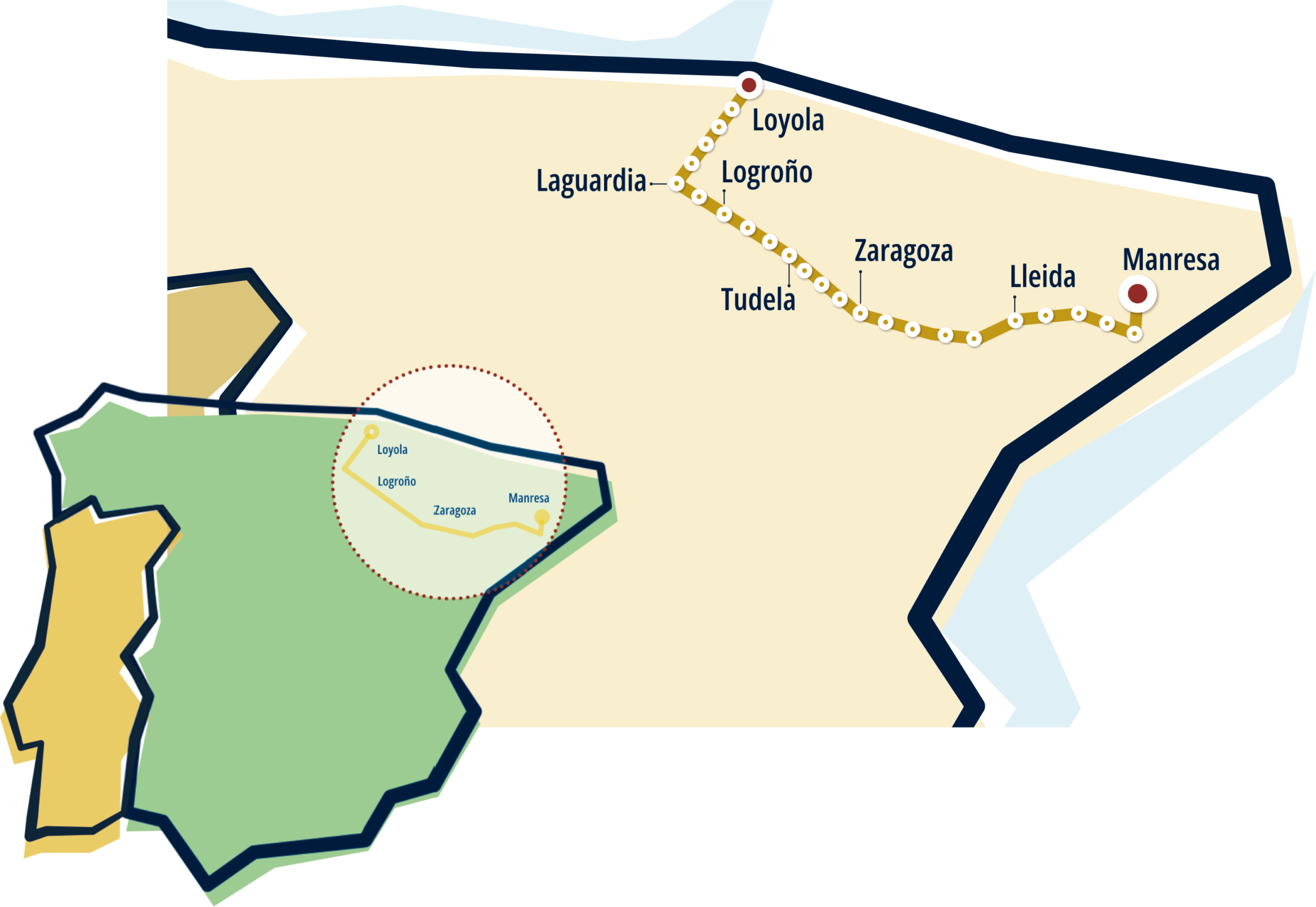
Route
1
Loyola - Zumárraga 2
Zumárraga - Aránzazu 3
Aránzazu - Araia 4
Araia - Alda 5
Alda - Genevilla 6
Genevilla - Laguardia 7
Laguardia - Navarrete 8
Navarrete - Logroño 9
Logroño - Alcanadre 10
Alcanadre - Calahorra 11
Calahorra - Alfaro 12
Alfaro - Tudela 13
Tudela - Gallur 14
Gallur - Alagón 15
Alagón - Zaragoza 16
Zaragoza - Fuentes de Ebro 17
Fuentes de Ebro - Venta de Santa Lucía 18
Venta de Santa Lucía - Bujaraloz 19
Bujaraloz - Candasnos 20
Candasnos - Fraga 21
Fraga - Lleida 22
Lleida - Palau d'Anglesola 23
Palau d'Anglesola - Verdú 24
Verdú - Cervera 25
Cervera - Igualada 26
Igualada - Montserrat 27
Montserrat - Manresa 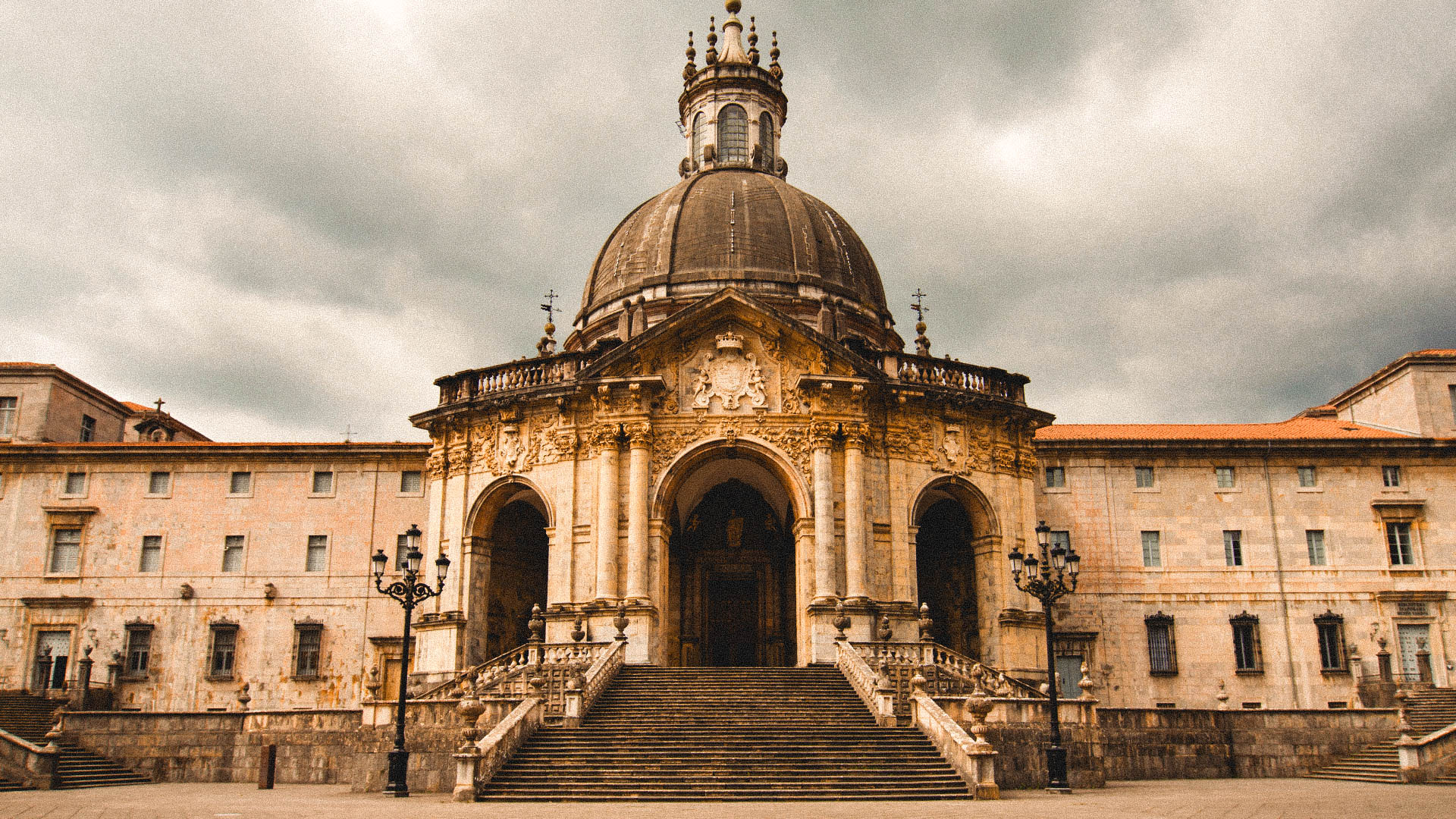
The Beginning: Following in the Footsteps of Ignatius of Loyola
Distance: 11.3 miles / 18.2 km
The Ignatian Way begins at the iconic Sanctuary of Loyola, from where we follow the Urola River towards Azkoitia.
Winding through gardens, trails, and old railway lines, this stage immerses us in a landscape where history and nature blend seamlessly—marking the start of a truly unique journey. The final stretch leads us to Urretxu and Zumárraga, two towns separated only by the river.
Zumárraga, the final destination of this stage, gained independence in 1660 when it was granted town status. In the 19th century, it rose in prominence with the arrival of the Madrid-Irún railway. The town’s architectural heritage stands out with the Church of Our Lady of the Assumption, a Gothic Basque-style church begun in the 16th century. It features striking portals, a tower, and a magnificent Baroque altarpiece.
Arantzazu: A Place of History and Spirituality
Distance: 21.4 km / 13.3 miles
This stage begins at the train station, following the tracks through Telleriarte and Brinkola until reaching the road that leads to the Barrendiola Reservoir. After crossing the reservoir, the route continues along a dirt path marked by the GR-120, climbing steadily through forests and zigzagging up to the Biozkornia mountain pass.
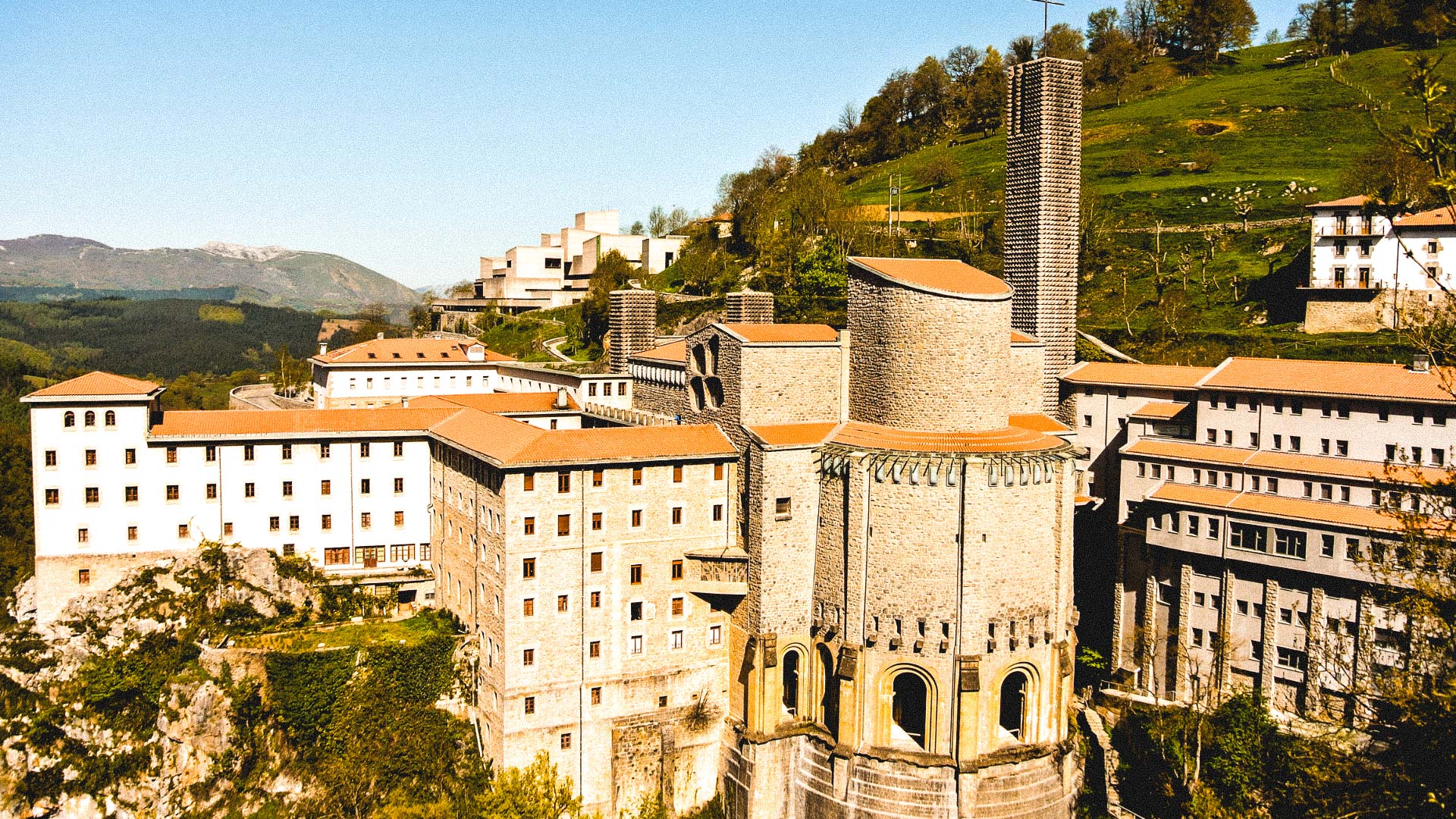
The final stretch descends along marked trails to the Sanctuary of Arantzazu, completing a demanding day filled with breathtaking landscapes, deep history, and spiritual meaning.
Arantzazu is one of the most important spiritual centers in the Basque Country. For centuries, Franciscan friars have preserved the tradition that the Virgin Mary appeared to a shepherd at this very spot.
Forest Trails on the Way to Araia
Distance: 18 km / 11.2 miles
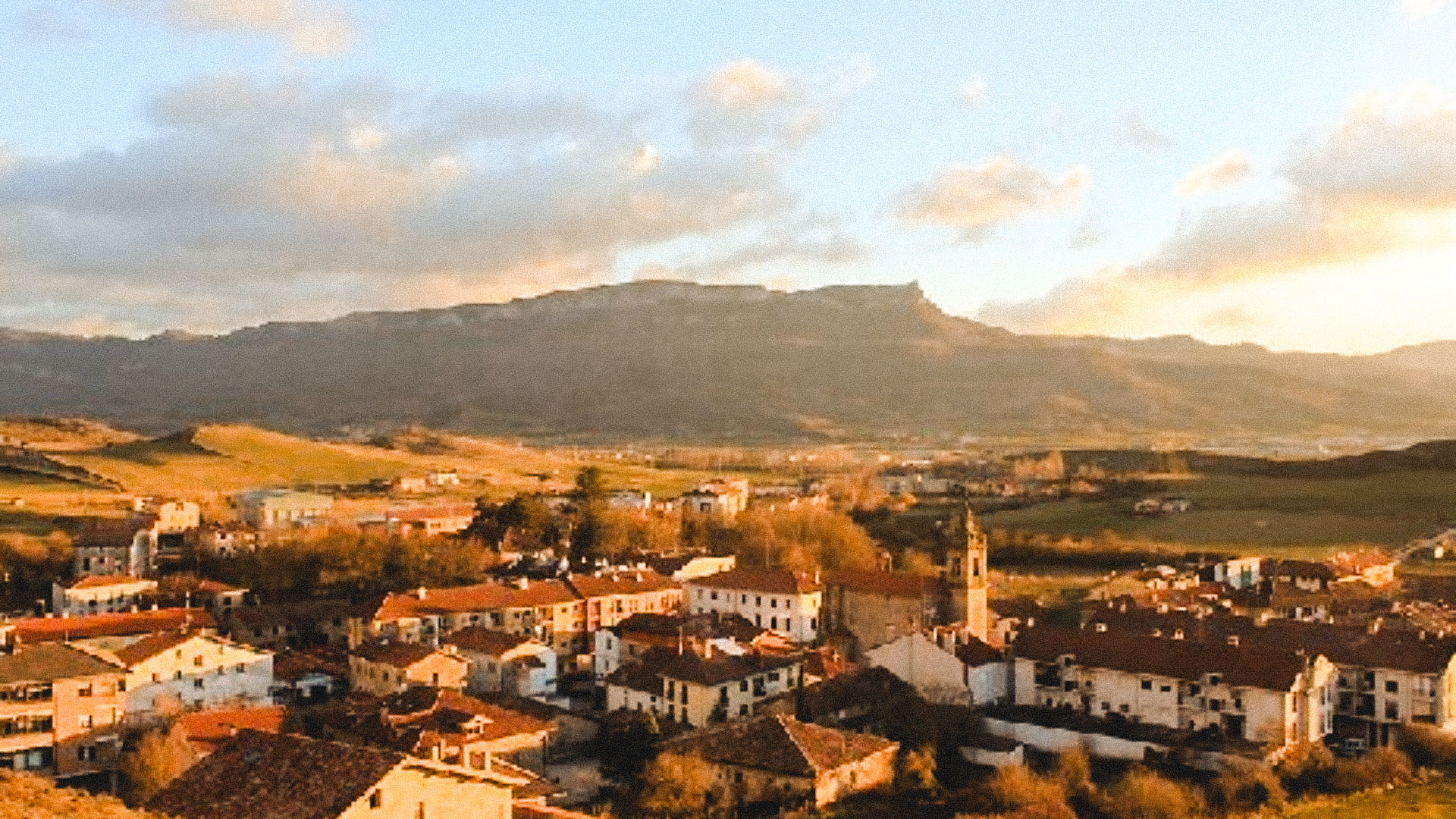
Leaving the Sanctuary of Arantzazu behind, we head toward Urbía. As we ascend the trail, we reach the Erroiti spring, linked to the legend of the Virgin Mary’s apparition in Arantzazu in 1468.
The route remains clear and well-marked, passing by shepherds’ huts and offering several alternative paths. Further along, two main options emerge: continue on a wide dirt road toward Araia or take a GR-marked forest trail. The wooded path is especially recommended for walkers and briefly connects with the Camino de Santiago before rejoining a paved road.
We eventually arrive in Araia, home to the Church of San Pedro, built in the 15th century and featuring a neoclassical altarpiece. Before continuing on to Alda, it’s essential to restock water and food, as there are no shops or restaurants along the next stretch.
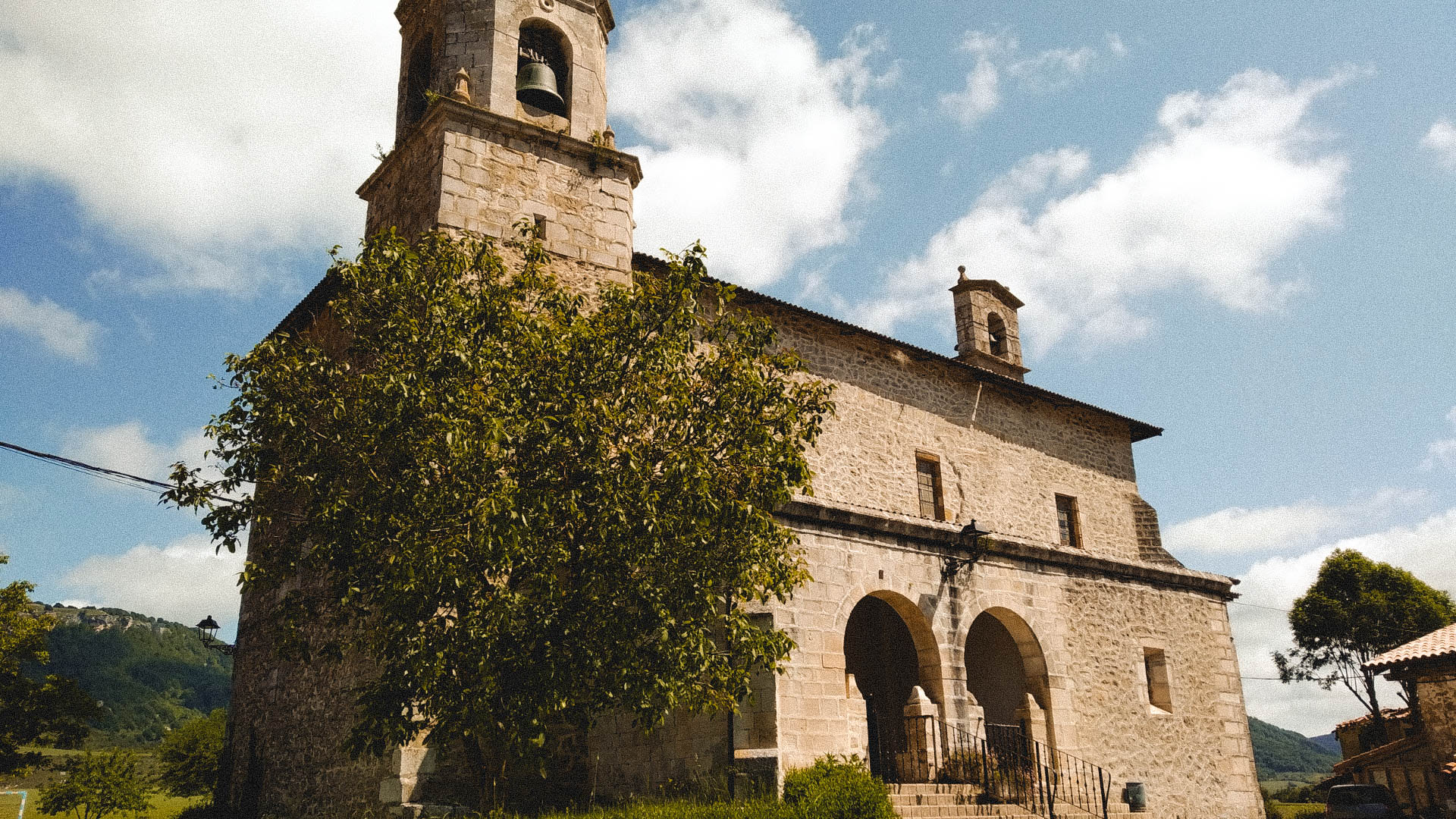
A Beautiful Stage Through Meadows and Forests
Distance: 22 km / 13.7 miles
We depart from Araia following a well-marked path that leads us through several crossroads until reaching the village of Albéniz.
Continuing along the GR-120 and following the signs along the way, we pass through open meadows and forest tracks, gradually ascending to the Alto de Iturrieta.
Although the area is sparsely populated, it is home to a nearby golf course designed by the legendary Severiano Ballesteros. Since there are no dining options in the area, the most practical solution is to take a taxi to San Vicente de Arana for food and rest.
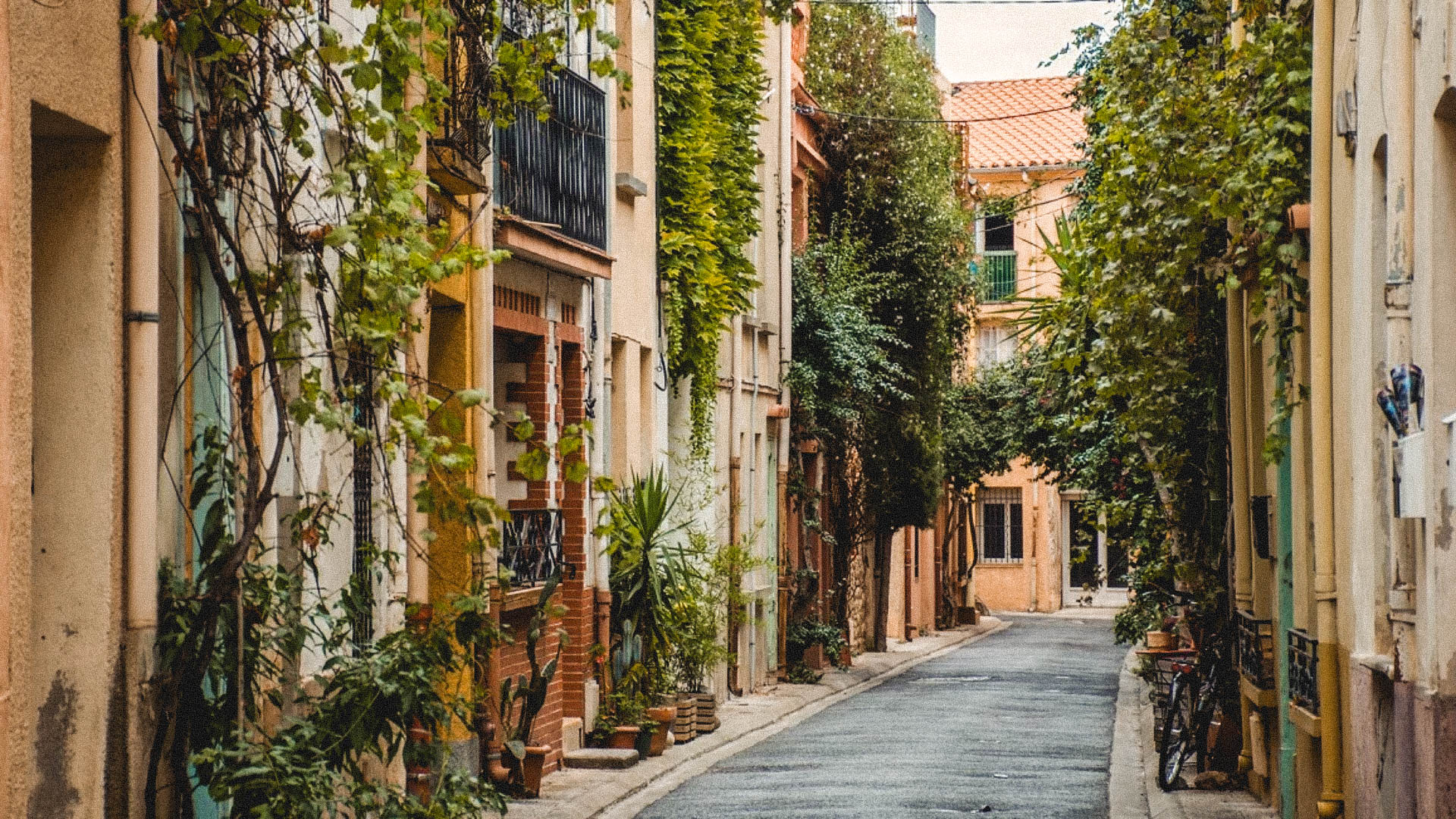
A Route Through Forests, Sacred Art, and the Flavors of Tradition
Distance: 18.5 km / 11.5 miles
This stage begins along a dirt path leading to San Vicente de Arana, known for its traditional “Maypole of San Vicente” and its 16th-century church. From here, pilgrims can choose between two routes: one passing through Oteo and Antoñana, and the other through Orbiso. Both are well marked with GR 282/120 trail signs.
The two paths converge in Santa Cruz, where we continue along a marked trail that winds through a dense forest. After about 4.5 km, we arrive in Genevilla, a small village known for the Church of San Esteban. Originally built in the 12th century and renovated in the 16th with Gothic-Renaissance elements, it houses an extraordinary main altarpiece—considered one of the finest in Navarra—commissioned in 1549 by the Duke of Nájera.
Genevilla is also famous for its traditional white beans, a local specialty lovingly prepared by its residents. However, it’s important to note that the village has no bars, restaurants, or shops, so we recommend bringing supplies from Santa Cruz de Campezo or arranging a taxi for meals.
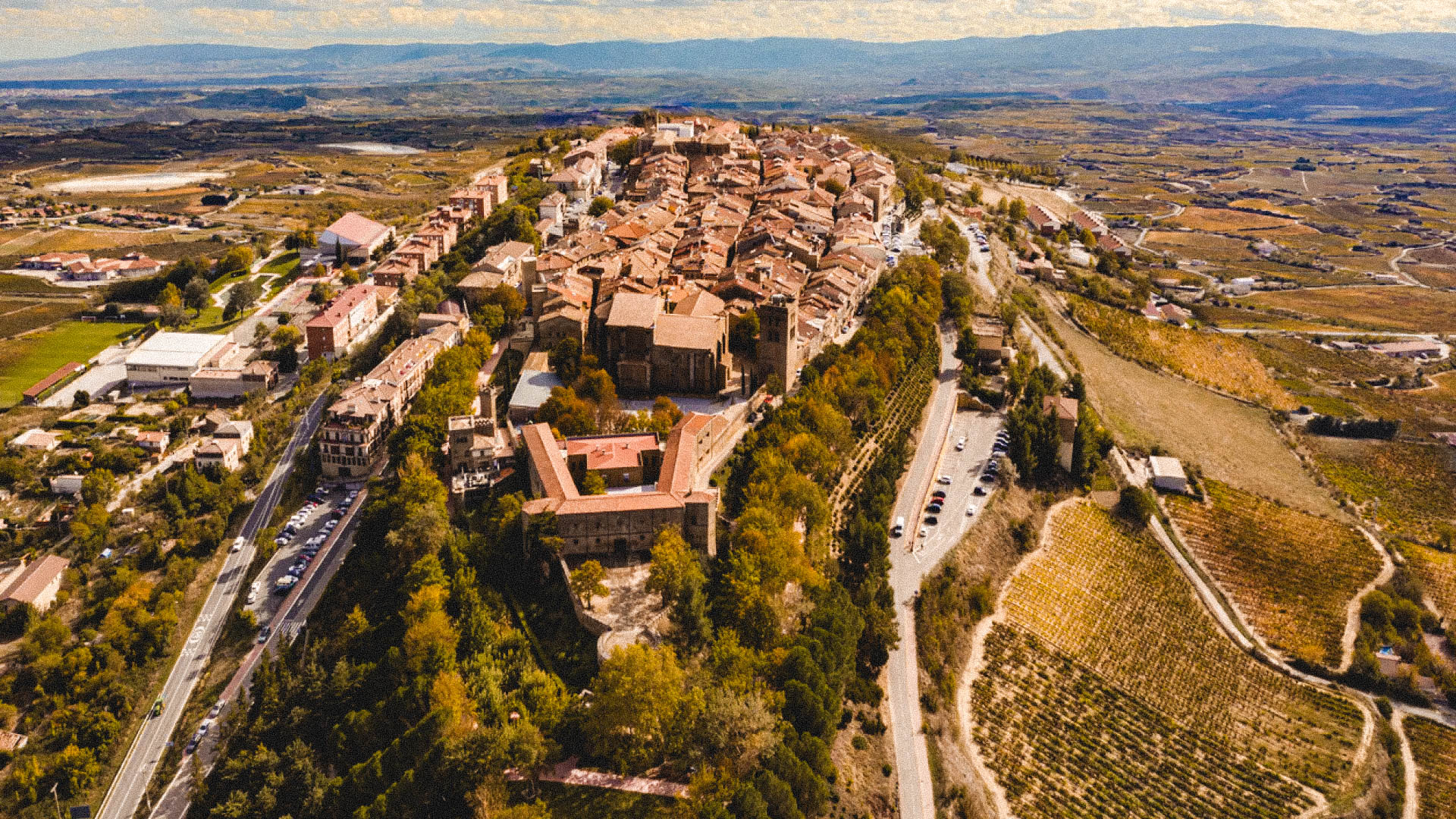
Laguardia: A Fortified Town Steeped in History
Distance: 27.3 km / 17 miles
Laguardia, the destination of this stage, is a charming town of around 2,500 residents located at the gateway to the Ebro River valley. Its imposing walls and fortified main square instantly transport visitors back to the time of Ignatius of Loyola. Legend has it that beneath the town lies a labyrinth of underground wine cellars, where the region’s renowned wines age to perfection.
One of the town’s highlights is the Church of Santa María de los Reyes, whose construction began in the 12th century and was completed in the 16th. Its magnificent Gothic stone portico, crafted in the late 14th century, is remarkably well-preserved and still retains its 17th-century polychrome decoration, as well as a main altarpiece by the artist Juan de Bascardo. Another architectural gem is the Church of San Juan Bautista, built in the 18th century.
Laguardia is also the birthplace of Jesuit missionary José Cardiel. His monument stands near the Church of Santa María. Cardiel was sent to Jesuit missions in South America but, like all Spanish Jesuits, was expelled from the Spanish territories in 1782 and died in exile in Italy.
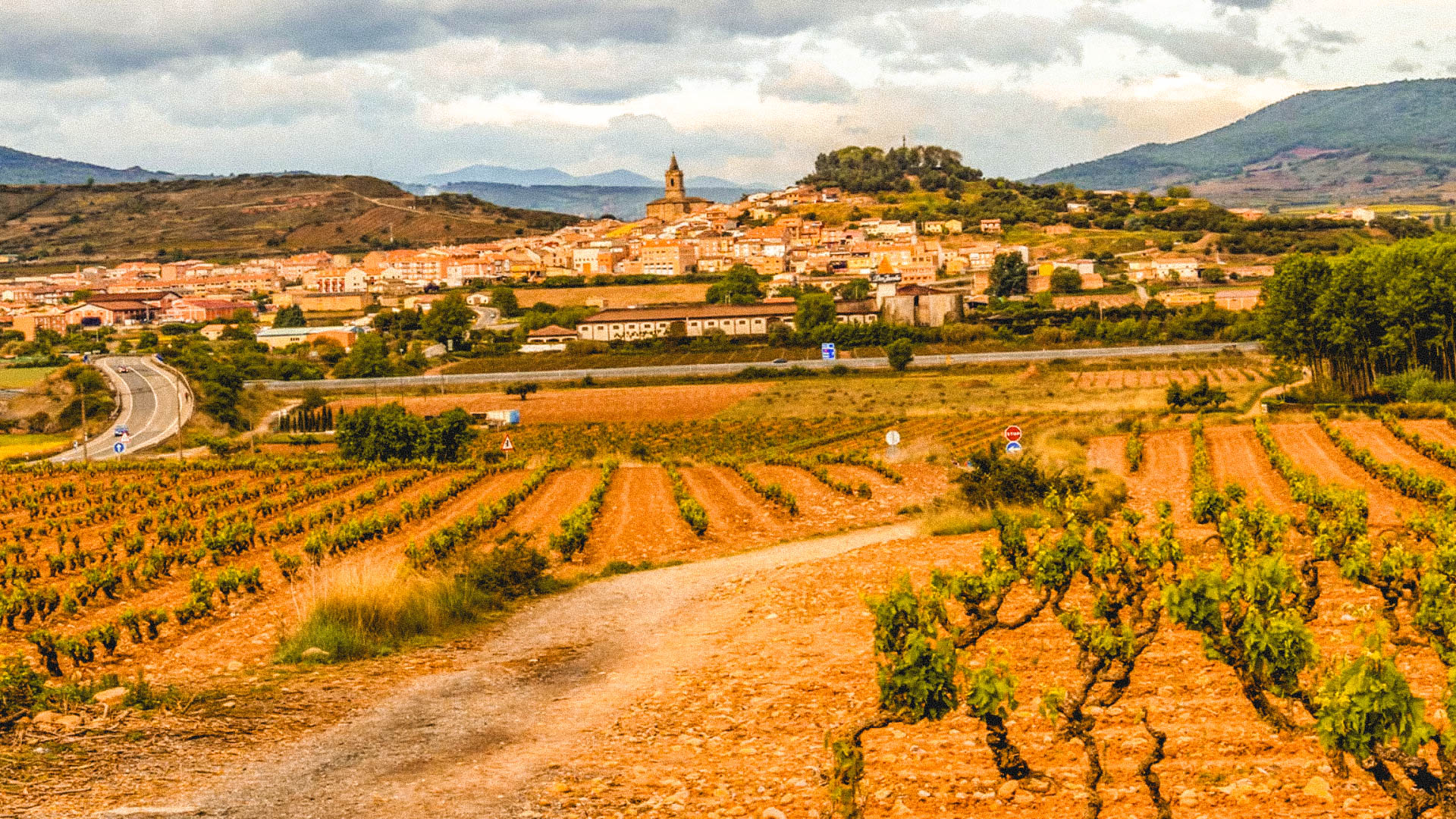
The Noble Heritage of Navarrete
Distance: 19.6 km / 12.2 miles
This short and gentle stage runs close to the Ebro River and leads us to Navarrete—a town known for its traditional pottery workshops and its history as a battleground between Castilian and Navarrese forces. Perched on a hilltop, its coat-of-arms-adorned houses reflect a noble past, when the Dukes of Nájera had their palace here. King Alfonso VIII of Castile encouraged locals to settle around the fortress to strengthen defenses against the Kingdom of Navarre.
The parish church of La Asunción is an impressive ashlar-stone building with three naves and ribbed vaults. Construction began in 1553 under the direction of Juan Vallejo and Hernando de Mimenza, and was completed in 1645 with contributions from renowned stonemasons such as Juan Pérez de Solarte and Pedro de Aguilera. In the transept, a notable altarpiece dedicated to Saint Francis Xavier—painted in 1720 by Madrid-born friar Matías de Irala—adds to the church’s splendor.
Navarrete is also an important stop along the French Way of the Camino de Santiago, welcoming many Jacobean pilgrims throughout the year.
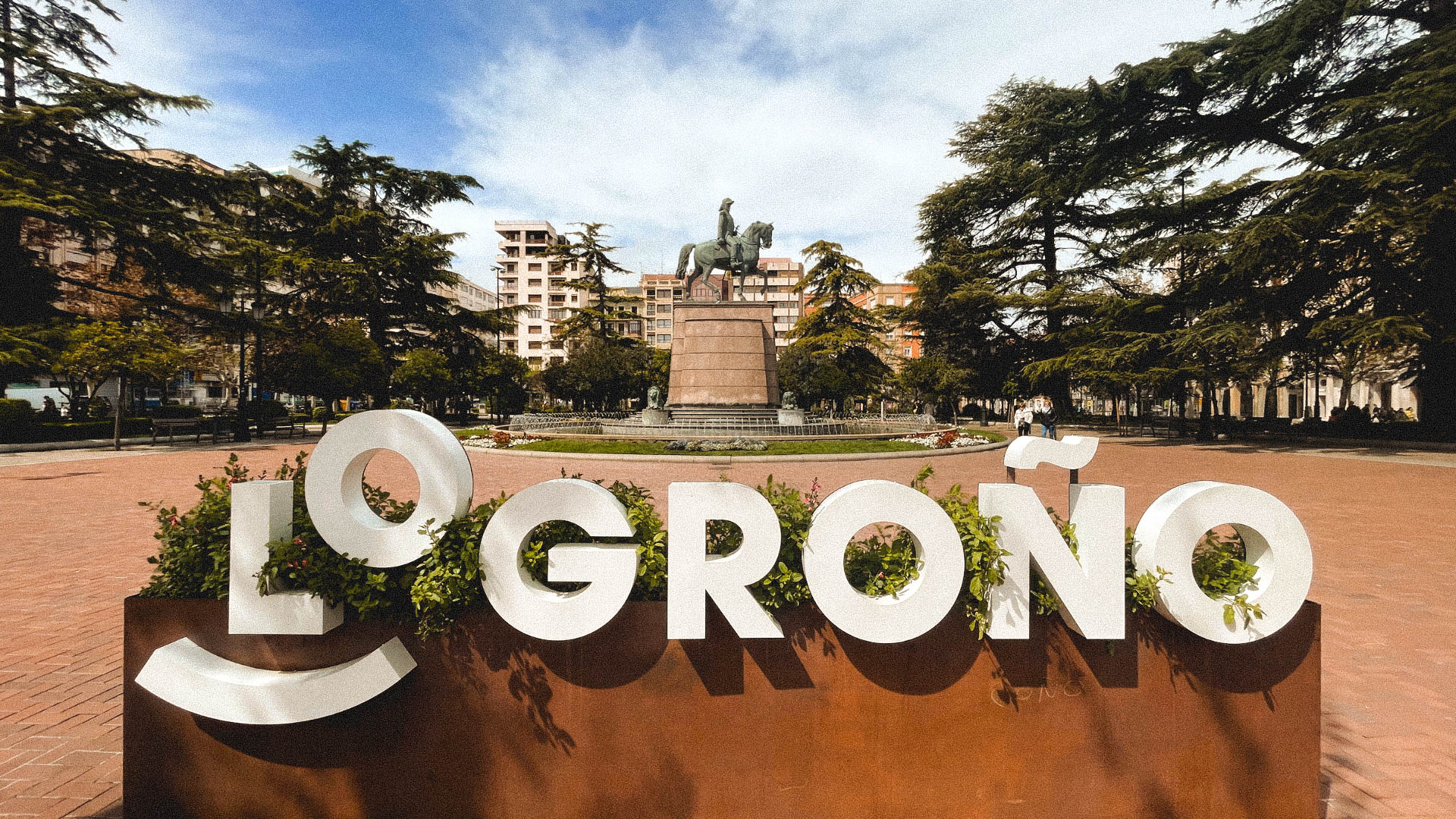
A Gentle Walk to the Capital of La Rioja
Distance: 13 km / 8 miles
Logroño, the vibrant capital of La Rioja, is a key meeting point between the French Way and the Ebro Way of the Camino de Santiago.
Among its rich heritage, the Church of San Bartolomé stands out. Built between the 12th and 13th centuries and restored in the 15th, it features a Romanesque barrel vault, a Gothic façade, and a Mudéjar tower. Also notable is the Church of Santa María del Palacio—known as “La Imperial”—built over a palace donated by Alfonso VII and the first headquarters of the Order of the Holy Sepulchre in Castile. Its main altarpiece is the work of Renaissance sculptor Arnao de Bruselas. Pilgrims can also get their credential stamped at the Parish of San Ignacio during parish hours.
A must-do while in Logroño is to enjoy tapas on the famous Calle del Laurel. Known simply as “La Laurel,” this street is the heart of Rioja’s tapas scene and a lively gathering place where locals and travelers alike come together to savor traditional dishes paired with world-renowned Rioja wines.
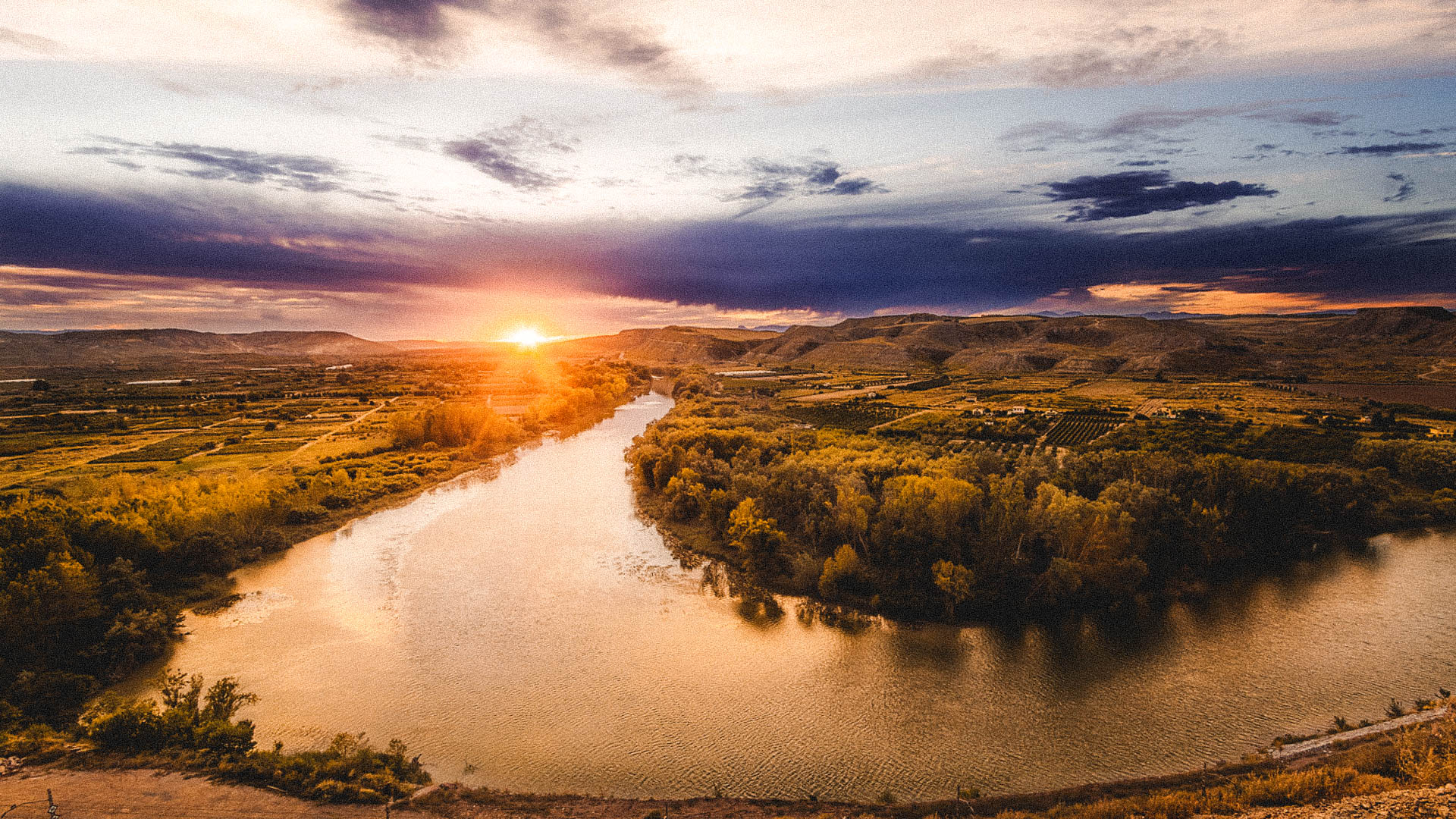
Walking Along the Ebro Way: Arab Origins and Roman Aqueducts
Distance: 30.6 km / 19 miles
This stage leaves the French Way behind to follow the Camino de Santiago del Ebro. Our destination, Alcanadre, bears an Arabic name—”Al-Cana-Dre”—meaning “the bridges” or “arches,” a reference to the remains of an ancient bridge once spanning the nearby Ebro River.
In the Church of Santa María, built between the 16th and 18th centuries, you’ll find a Romanesque image that originally came from the 12th-century Hermitage of Aradón. One of the area’s most notable features is a 1st-century Roman aqueduct. Before reaching the village, you may even spot large vultures nesting in the cliffs of Aradón—these majestic birds can weigh up to 8 kg and reach wingspans of 2.5 meters.
Between Alcanadre and Lodosa lie the remnants of another Roman aqueduct, likely built to supply water to Calahorra. This structure includes thirteen arches stretching over twenty-five meters, along with more than thirty stone or brick pillars—known as “machones”—used to reinforce and stabilize masonry walls.
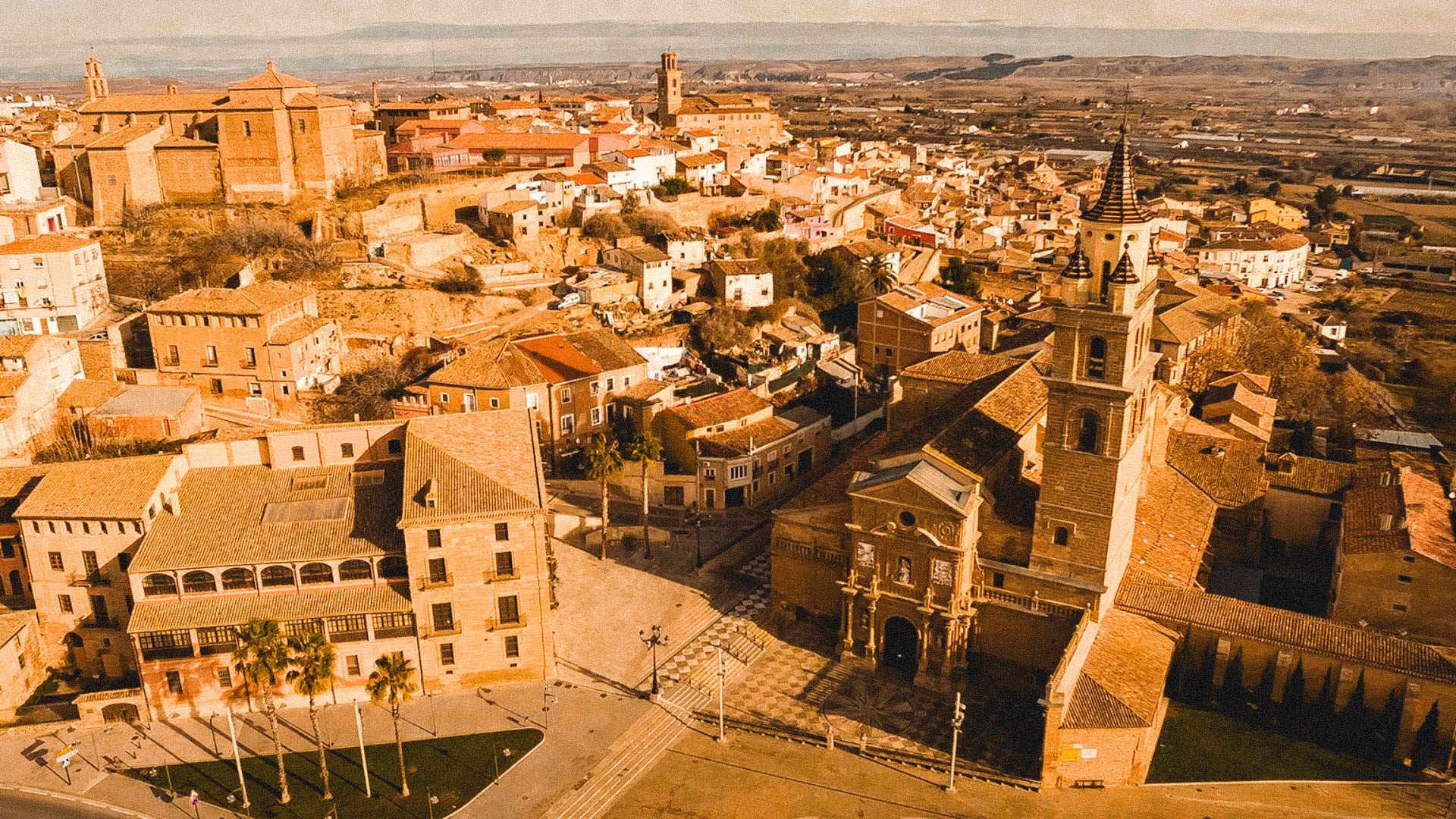
Calahorra: A City with Millennia of History
Distance: 21.5 km / 13.4 miles
This mixed stage takes us along rural paths, farm tracks, and some urban stretches before arriving in Calahorra—a city with over 2,000 years of history. Known in Roman times as Calagurris and Kalakoricos by the Celtiberians, Calahorra is steeped in cultural and historical significance.
The ancient Roman Forum once stood in what is now Plaza del Raso. For Christians, this is a site of remembrance, marking the martyrdom of legionaries Celedonio and Emeterio around the year 300. Calahorra became an episcopal seat in the 4th century, granting it lasting religious and political influence throughout the region.
Conquered by the Moors in 714, their influence is still visible today in the city’s agriculture and urban layout. Calahorra is also an important stop for pilgrims, as seen in the baptismal font of the Cathedral of Santa María, adorned with scallop shells, gourds, and the image of Saint James. The city also houses the chapels of Cristo de la Agonía and Cristo de la Pelota, both deeply rooted in local devotion.
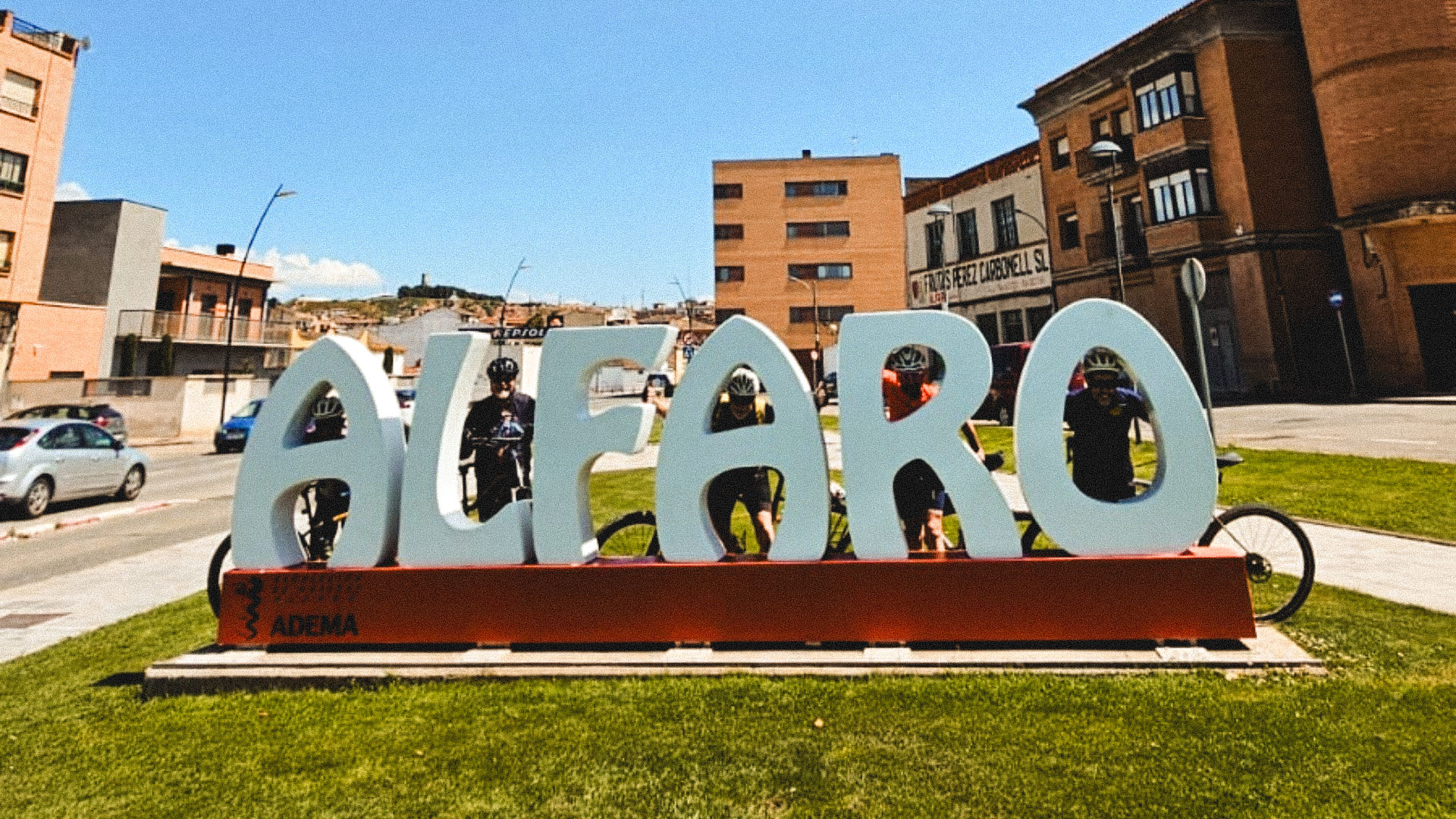
Destination: Alfaro
Distance: 25.6 km / 15.9 miles
This stage takes you deep into the agricultural landscapes of La Rioja Baja. The journey begins in Calahorra, a city rich in history and heritage. Leaving the city, the path winds through cultivated fields stretching across the valley, guiding you along quiet, rural trails. The terrain is gentle and, although relatively easy, offers expansive views that invite reflection.
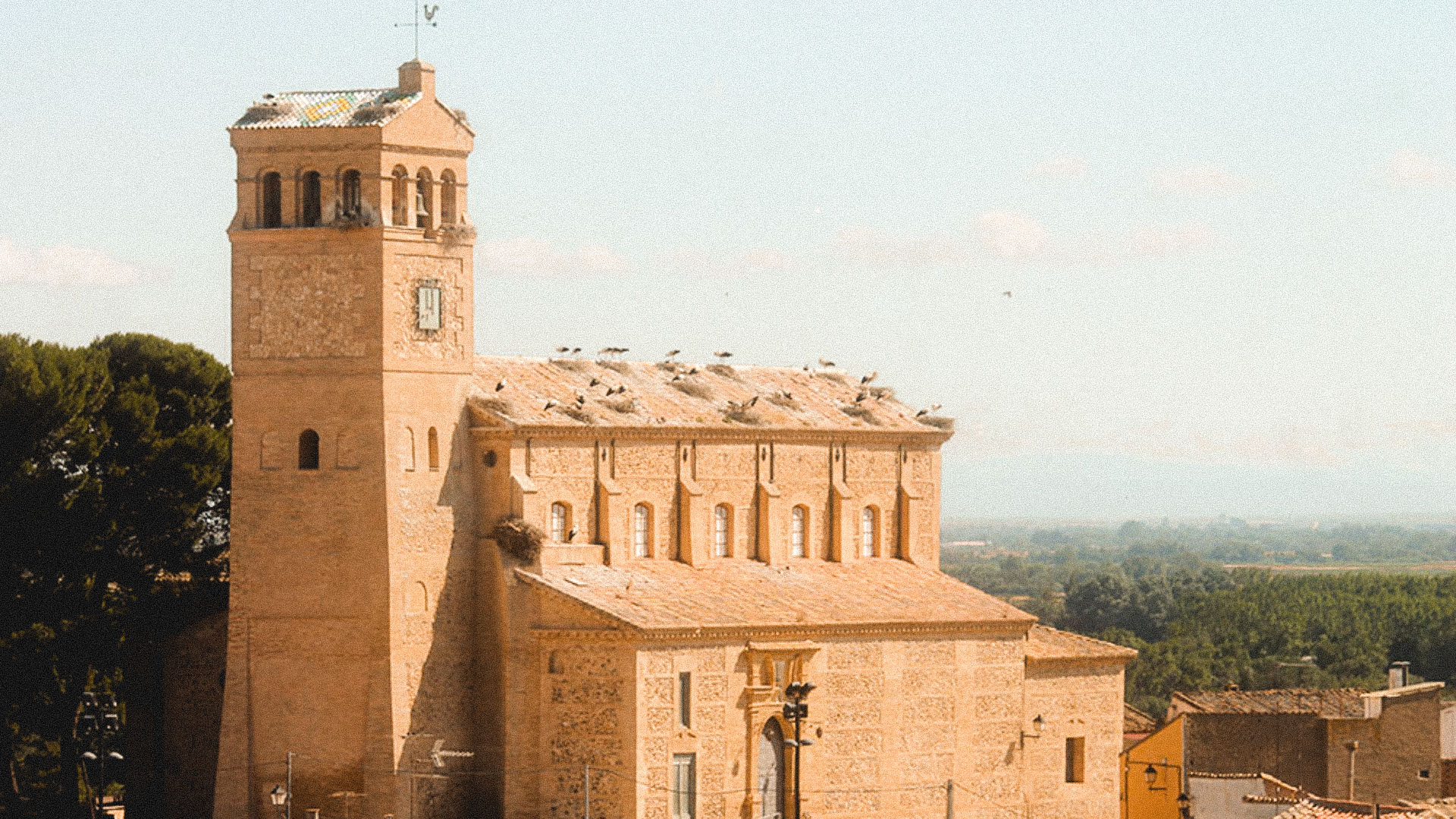
Upon arriving in Alfaro—a small town with a deep historical legacy—you’ll be welcomed by its remarkable architecture. One of its most impressive landmarks is the Collegiate Church of San Miguel Archangel, built between the 16th and 17th centuries. This vast 3,000 m² building features a magnificent Baroque altarpiece and a sculpture of the Virgin Pilgrim, symbolizing the town’s long-standing connection to pilgrims who have passed through over the centuries.
Alfaro is also known for a unique tradition: it’s considered the “stork paradise” of Spain. It’s not uncommon to see these majestic birds nesting atop the towers of churches and historic buildings.
As for local cuisine, Alfaro offers traditional Riojan dishes, perfectly paired with wines from the prestigious Rioja Denomination of Origin.
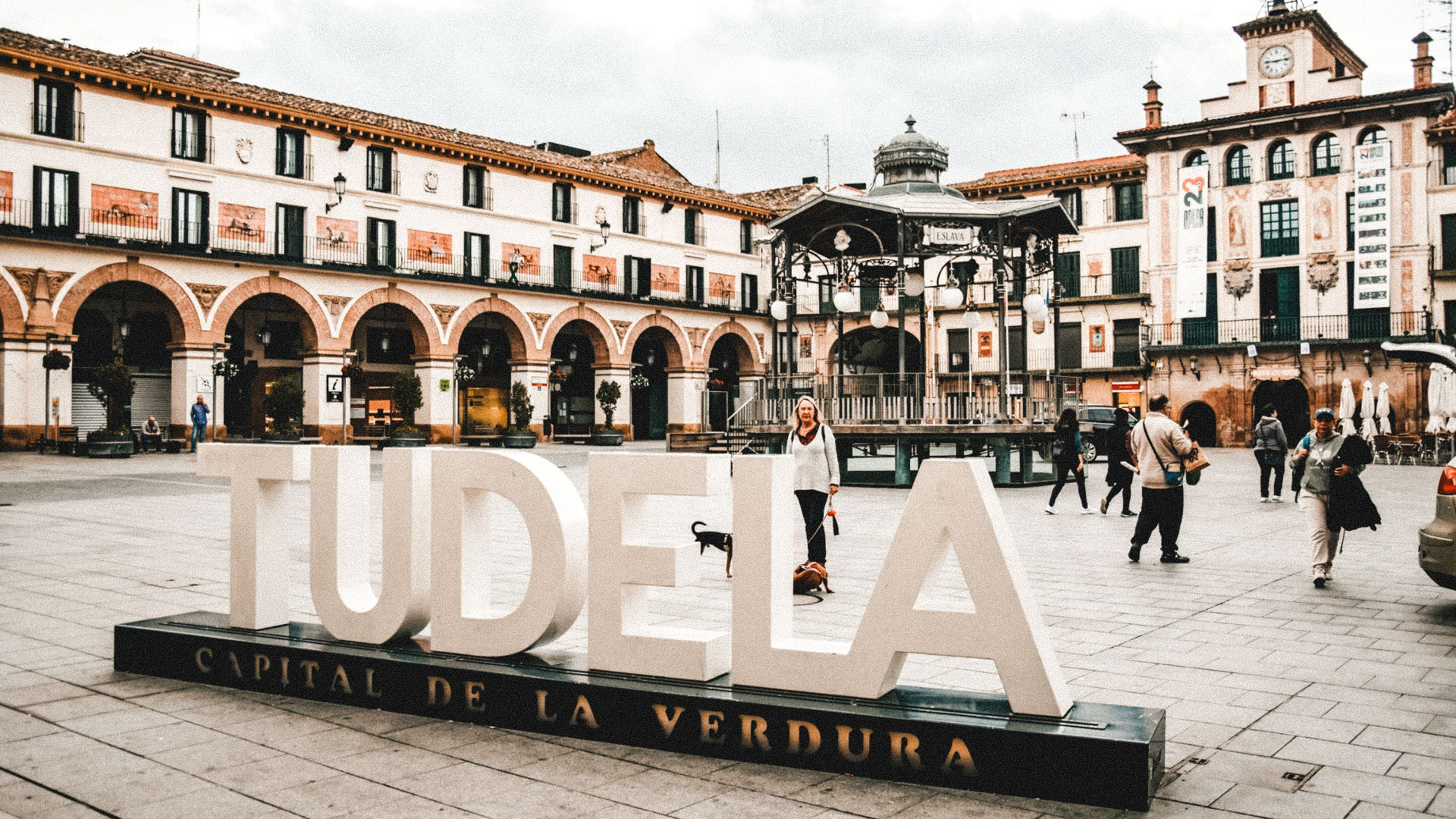
Tudela: A Navarrese City Rich in History and Gastronomy
Distance: 25.6 km / 15.9 miles
This stage leads you along peaceful rural paths and agricultural landscapes, offering a calm and reflective walk. You’ll pass through vast cultivated fields that set the rhythm of the day, with a mostly flat and easy terrain. Small groves and wooded areas provide welcome shade on warmer days.
Upon reaching Tudela, you’ll discover a city with deep historical roots. With a heritage that dates back to Muslim times, Tudela showcases its past through landmarks like the Cathedral of Santa María. This Romanesque structure with Gothic influences features remarkable architectural details. One of the city’s highlights is Plaza de los Fueros, surrounded by historic buildings including the Town Hall and the former Palace of the Marquis of Huarte.
Tudela is also a renowned gastronomic destination, especially for its exceptional local produce. Traditional dishes feature vegetables from the fertile Ribera region, with specialties such as cogollos de Tudela (baby lettuce hearts) and alcachofas a la tudelana (artichokes Tudela-style), often served with excellent Navarra wines. Don’t miss the chance to enjoy a hearty dish of local lamb—a perfect way to recharge after a relaxing day on the trail.
Trails and Local Flavors
Distance: 21.7 km / 13.5 miles
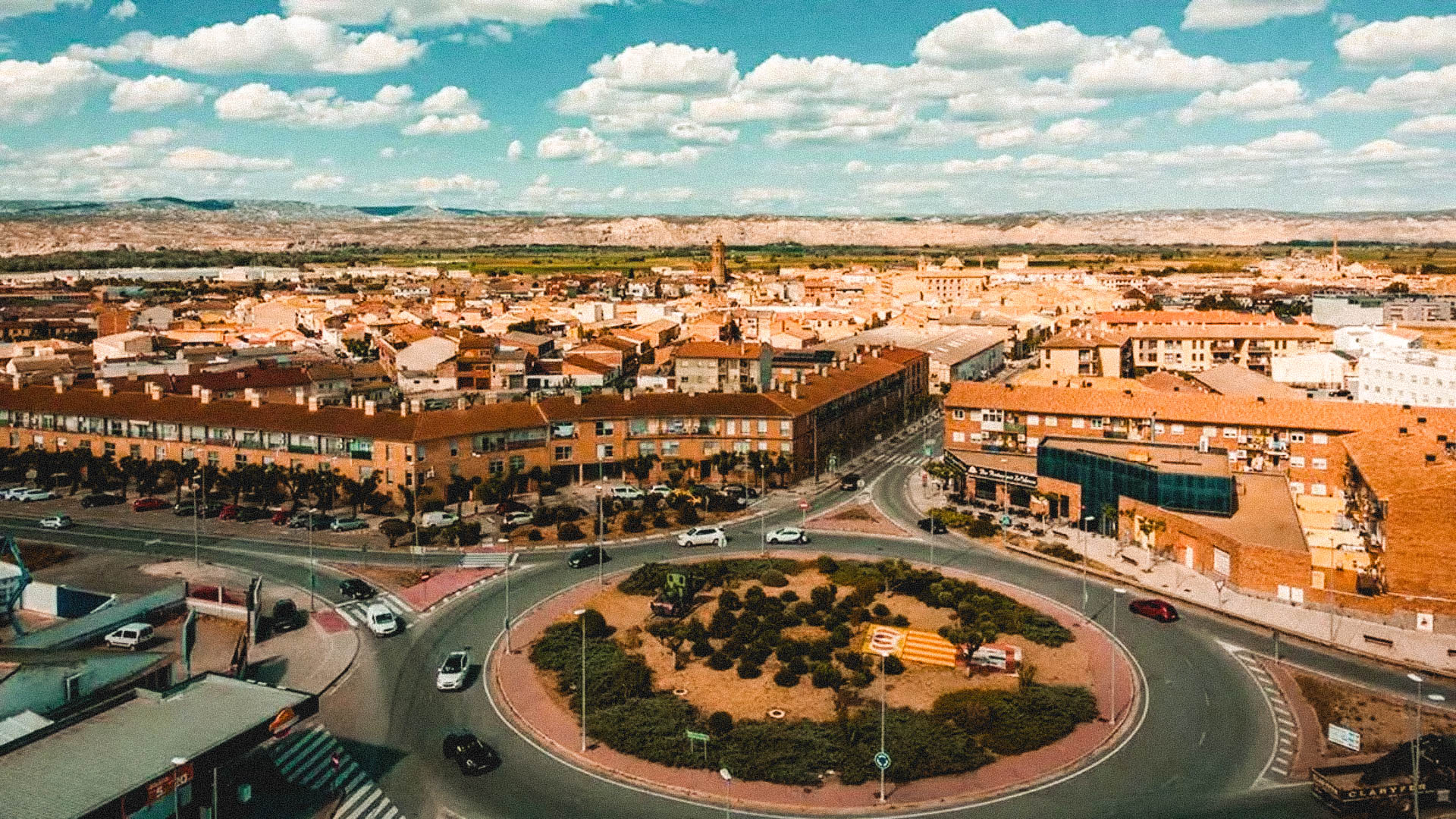
This stage unfolds along peaceful country paths, surrounded by cultivated fields that create a calm and relaxing atmosphere. As pilgrims move forward, the spirituality of the Camino blends naturally with the surrounding landscape, offering a deep sense of connection with nature. The nearby Ebro River adds a refreshing and serene backdrop to the journey.
Alagón, a small town with a strong agricultural tradition, provides a quiet and picturesque stop along the way. Upon arrival, pilgrims can admire the local architecture and visit the town’s historic church.
One of Alagón’s greatest treasures is its cuisine, featuring local products such as cured meats and fresh vegetables from the region. Here, travelers can enjoy a simple yet delicious homemade meal—an ideal way to recharge before continuing their pilgrimage.
Zaragoza: A City of Roman Heritage
Distance: 30.5 km / 18.9 miles
This stage takes pilgrims from the peaceful farmlands of Alagón to the vibrant city of Zaragoza, where history and spirituality intertwine. As you move away from the countryside, the landscape gradually transforms, leading you to a city that has witnessed centuries of human history.
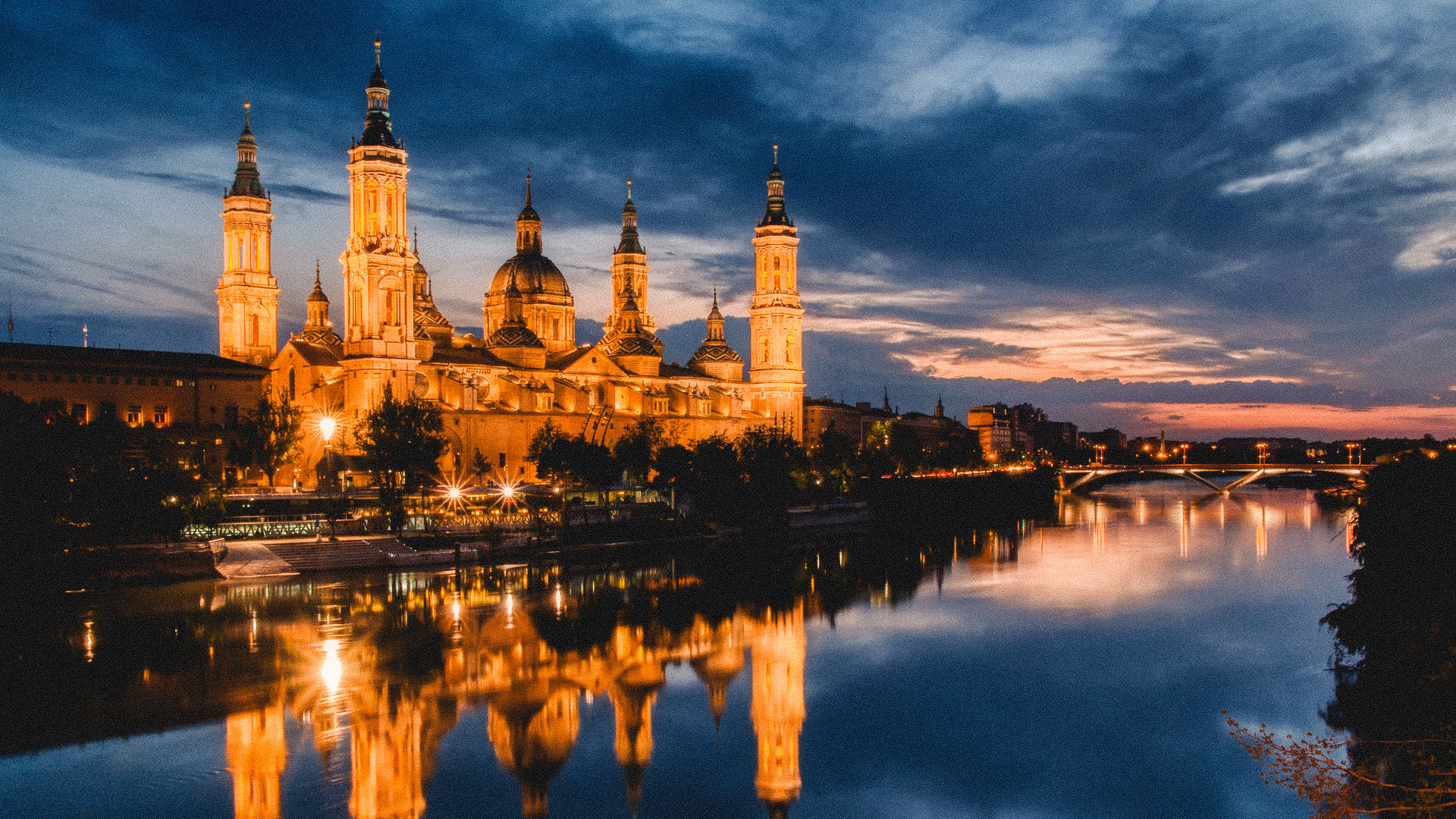
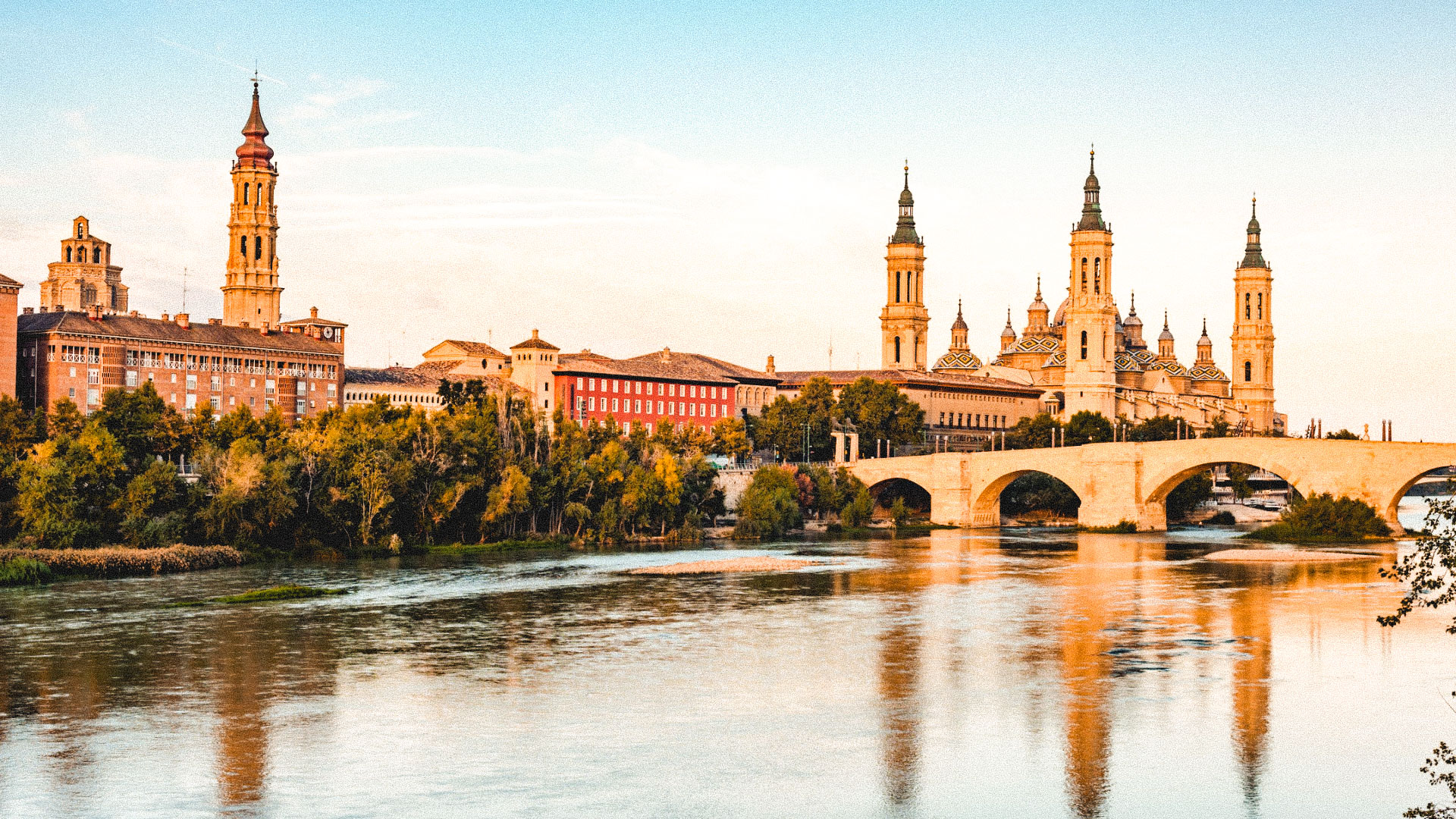
Zaragoza is a highlight along the Ignatian Way, home to the magnificent Basilica of El Pilar and a rich cultural legacy. With roots tracing back to Roman times, the city stands at the crossroads of spirituality and history. Its monuments—including the cathedral, Roman ruins, and Christian traditions—make Zaragoza a significant destination for pilgrims.
The city’s gastronomy is as diverse and rich as its past. Traditional dishes such as ternasco de Aragón (roast lamb), fritada (a sauté of local vegetables), and borrajas (borage greens) offer a flavorful introduction to the region’s culinary heritage. Zaragoza provides a perfect opportunity for pilgrims to indulge in local flavors while enjoying the energy and culture of this dynamic urban center.
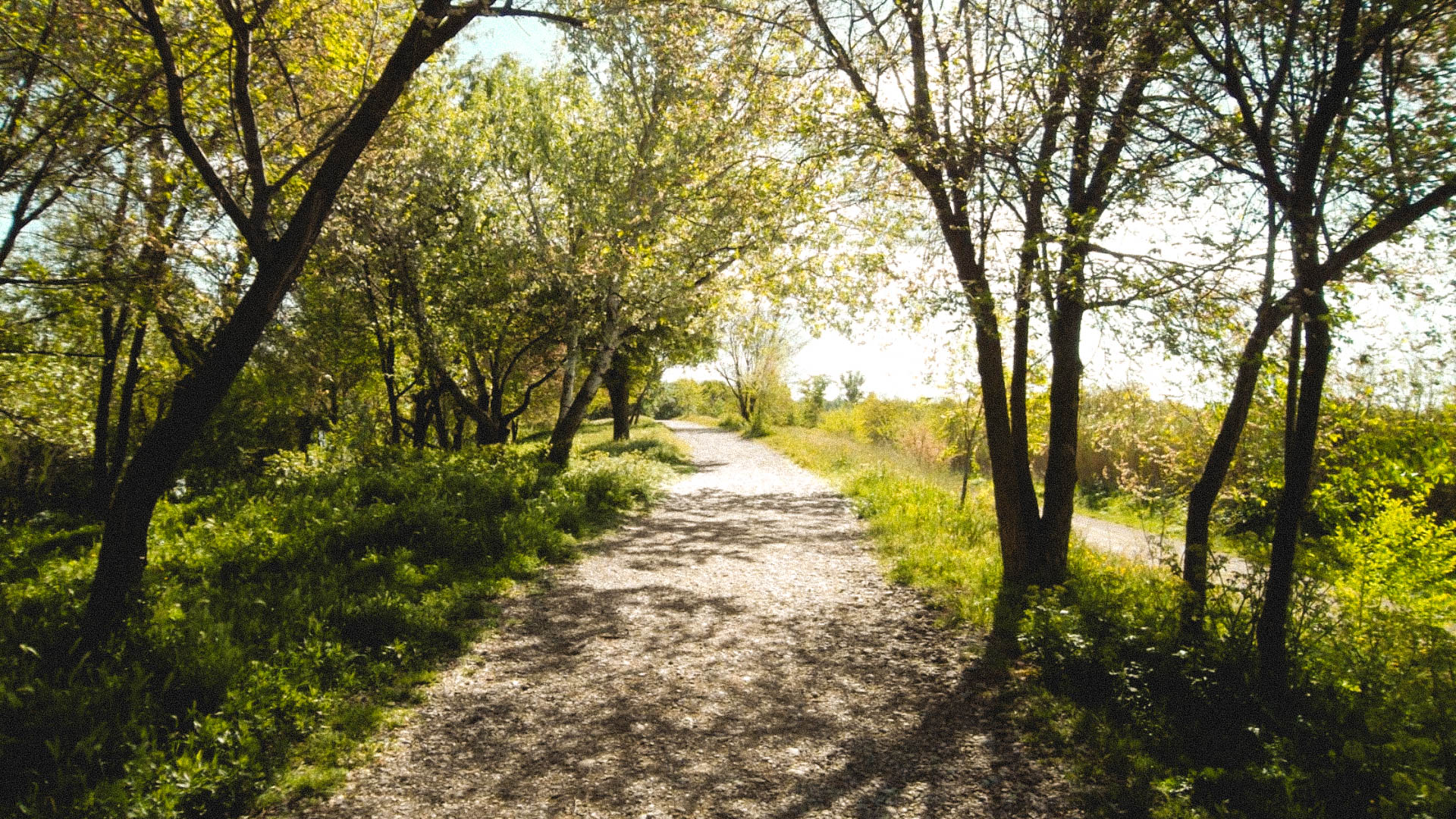
From City Life to the Calm of the Aragonese Countryside
Distance: 30.2 km / 18.8 miles
This stage leads you along rural paths and peaceful landscapes, surrounded by open fields and small villages. Nature takes center stage, offering a serene setting ideal for reflection and meditation. As you leave the city of Zaragoza behind, you gradually enter the quiet and calm of the countryside.
Fuentes de Ebro, a small Aragonese town, offers the perfect rural setting for a well-deserved rest. Its peaceful atmosphere and simple architecture create a warm and welcoming stop for pilgrims seeking a break on their journey.
Local cuisine in Fuentes de Ebro is another highlight. Hearty homemade dishes such as lamb stews and regional cured meats provide the nourishment needed to recharge. Enjoying a meal in this rural setting is a true experience—blending the best of nature with Aragon’s culinary traditions.
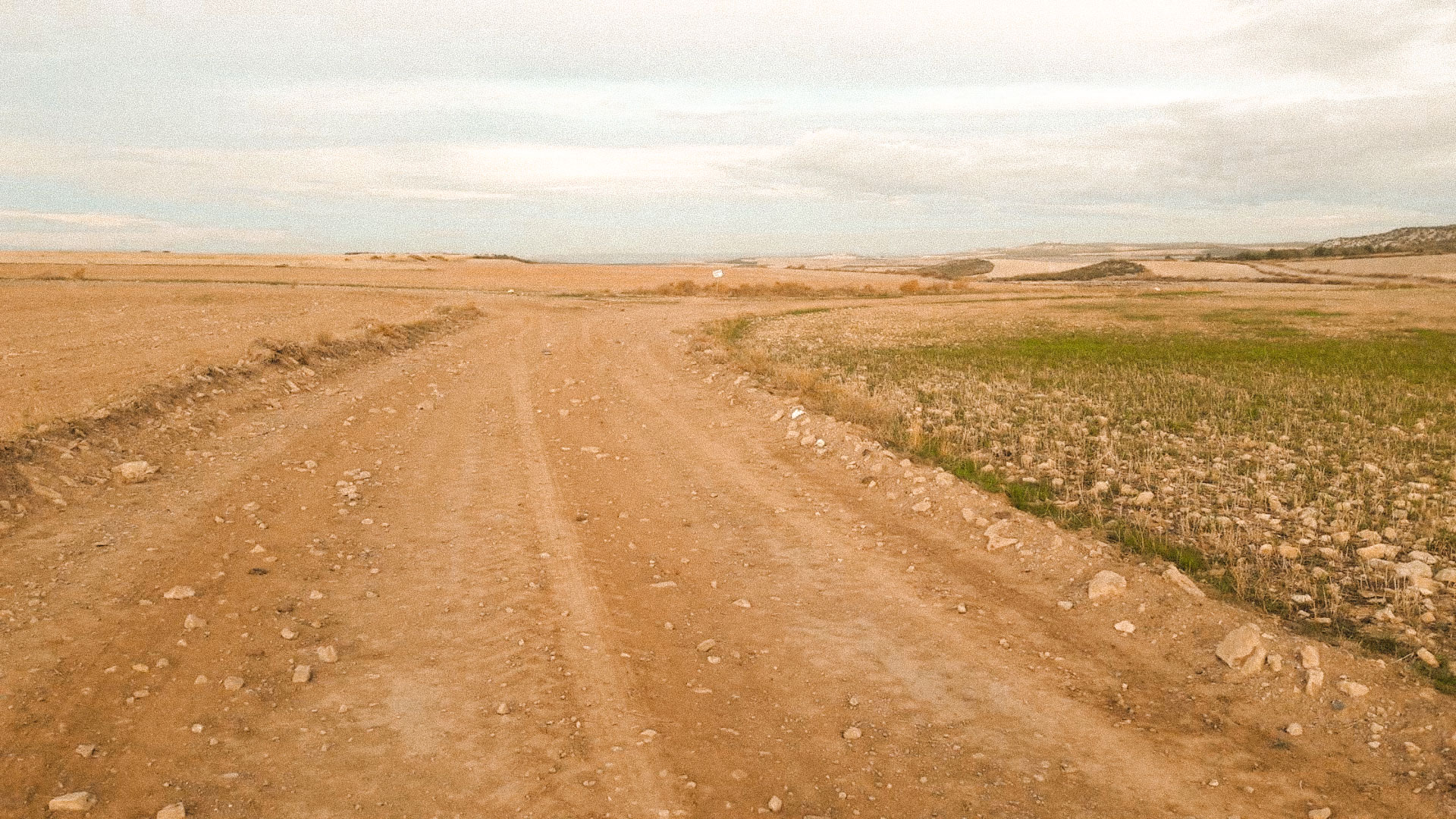
Crossing the Aragonese Landscape
Distance: 29.6 km / 18.4 miles
This stage takes you through agricultural landscapes and gentle rolling hills, surrounded by peace and quiet. The atmosphere invites you to embrace the silence and natural beauty of the region, as you walk past fields and small villages that guide your way.
Upon reaching Venta de Santa Lucía, you’ll find a small, welcoming spot perfect for rest. Far from the noise of the world, this peaceful rural setting offers a chance to pause, reflect, and reconnect with the spiritual essence of the Camino.
The local cuisine in Venta de Santa Lucía reflects the simplicity and richness of the region’s produce. Enjoying a hearty, homemade meal here is the perfect way to recharge your energy before continuing your journey.
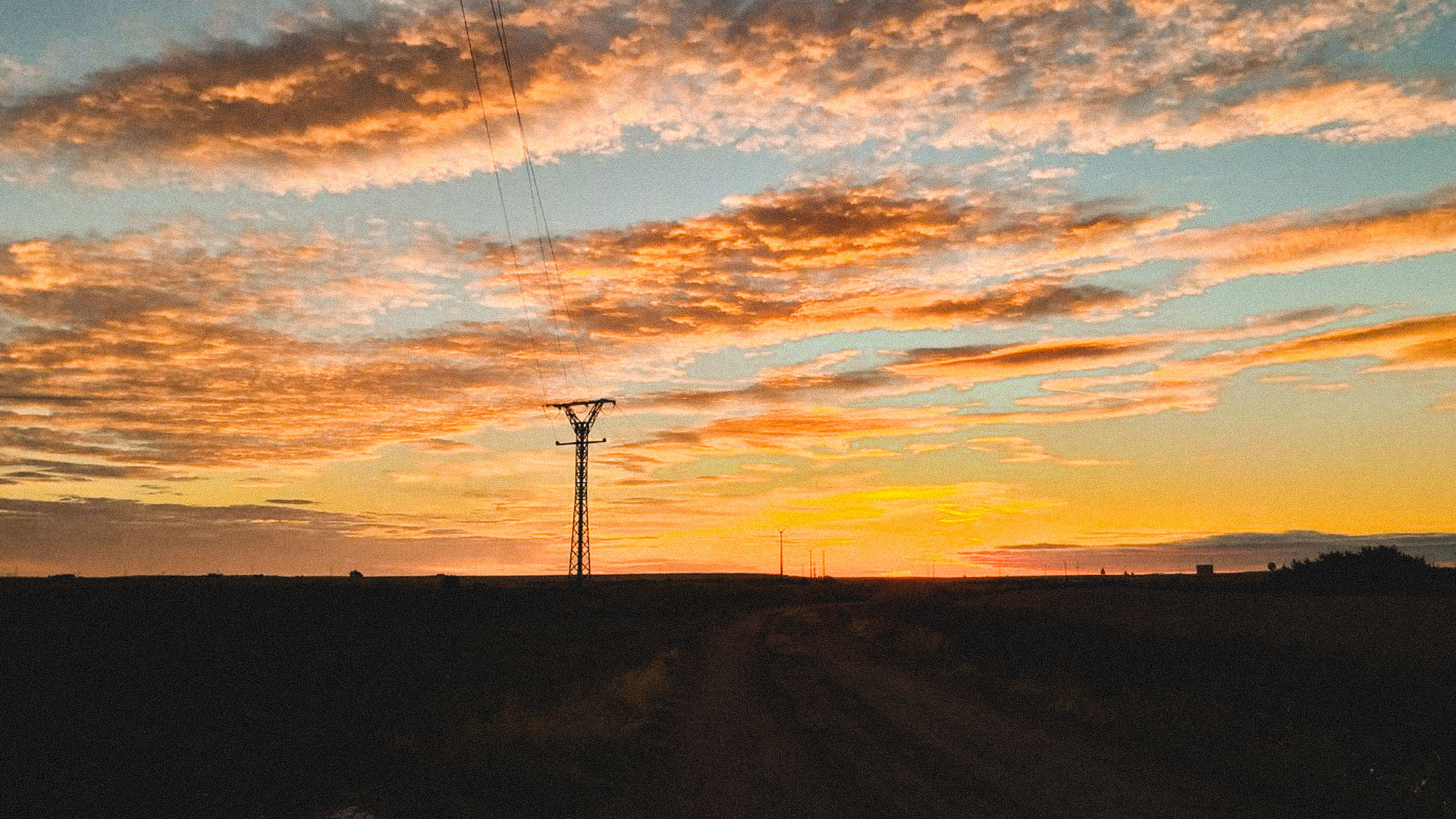
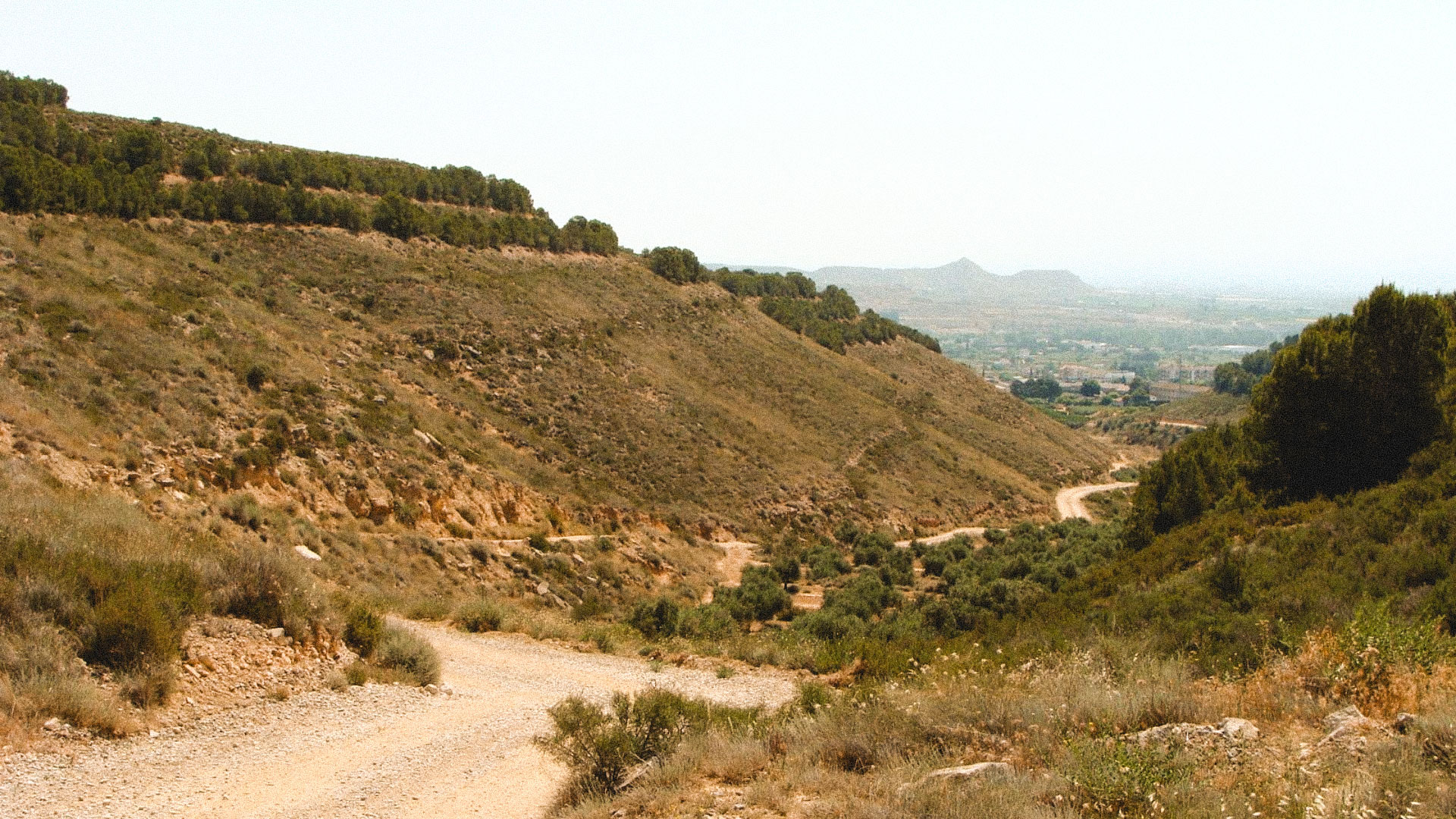
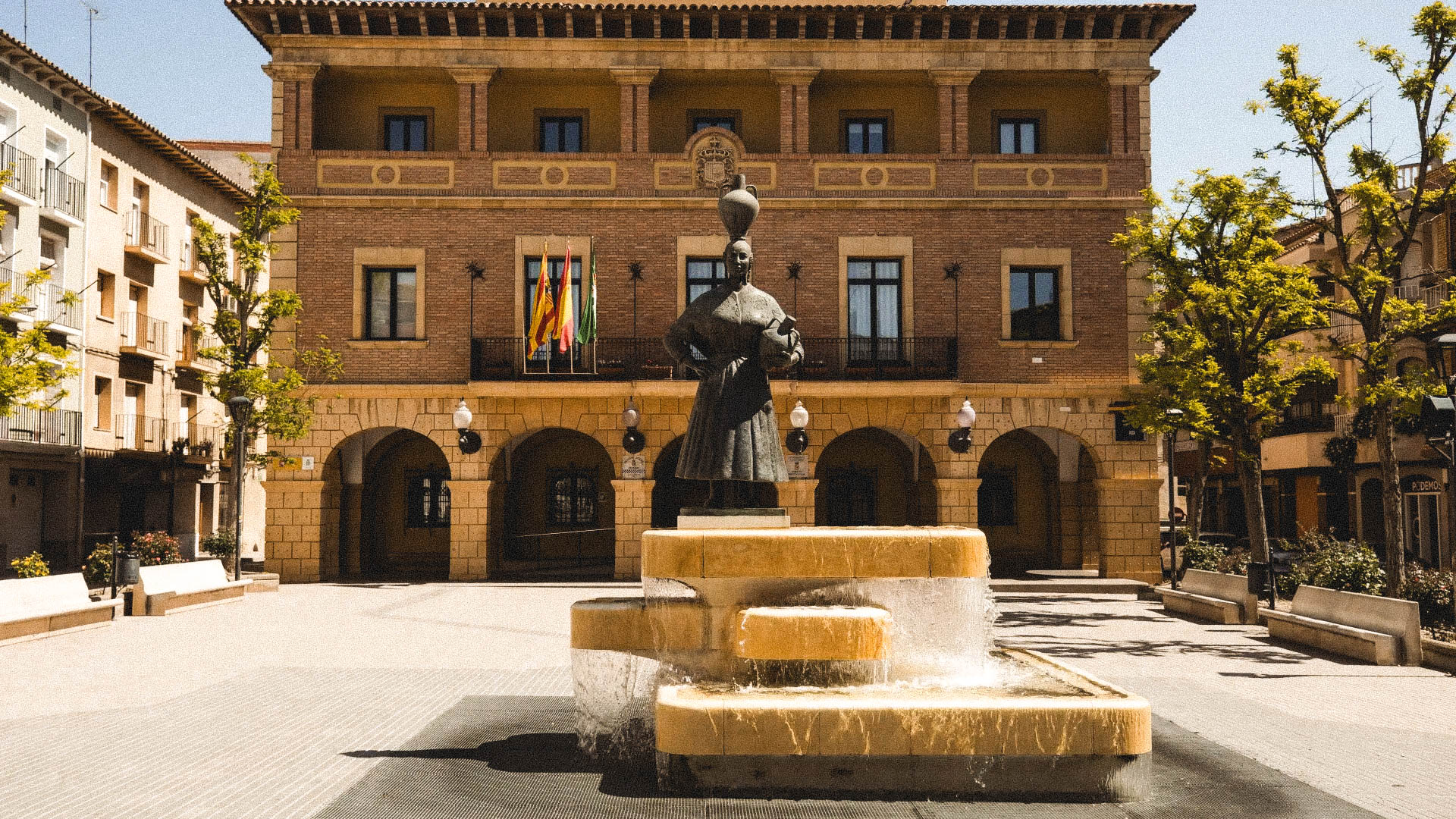
Farewell to Aragón and Welcome to Catalonia
Distance: 33 km / 20.5 miles
This stage is perfect for enjoying the rural landscape at its finest—cultivated fields and peaceful trails allow you to walk at a relaxed pace while soaking in the serenity of the surroundings. The calm rhythm of the countryside, dotted with small villages and quiet paths, offers a great opportunity for reflection and connection with nature.
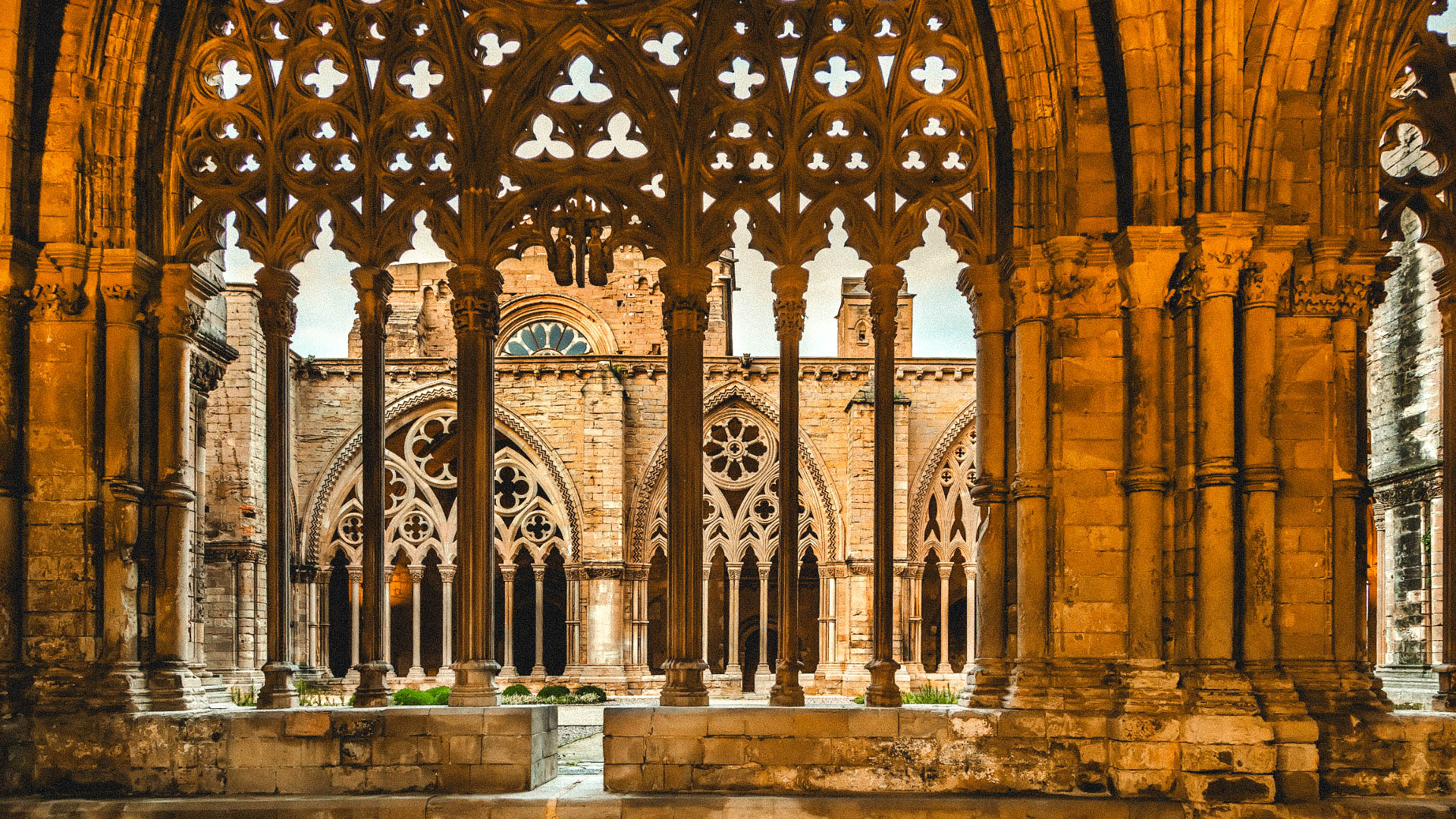
Upon reaching Lleida, one of the most important cities in the region, don’t miss a visit to the stunning Seu Vella Cathedral. This majestic historical monument, perched on a hill, offers spectacular views over the city. Other highlights include the monastery of the Poor Clares and the famous Plaça de la Paeria, both adding to the city’s rich cultural tapestry. Lleida strikes a beautiful balance between history, modern life, and nature—creating a vibrant and welcoming atmosphere.
Lleida’s cuisine is sure to impress with its variety and quality. Traditional dishes like arroz con conejo (rice with rabbit) or truita de riu (river trout) reflect the flavors of the land and nearby waters. Enjoy a delicious local meal, perfect for recharging before continuing your pilgrimage to the next stage.
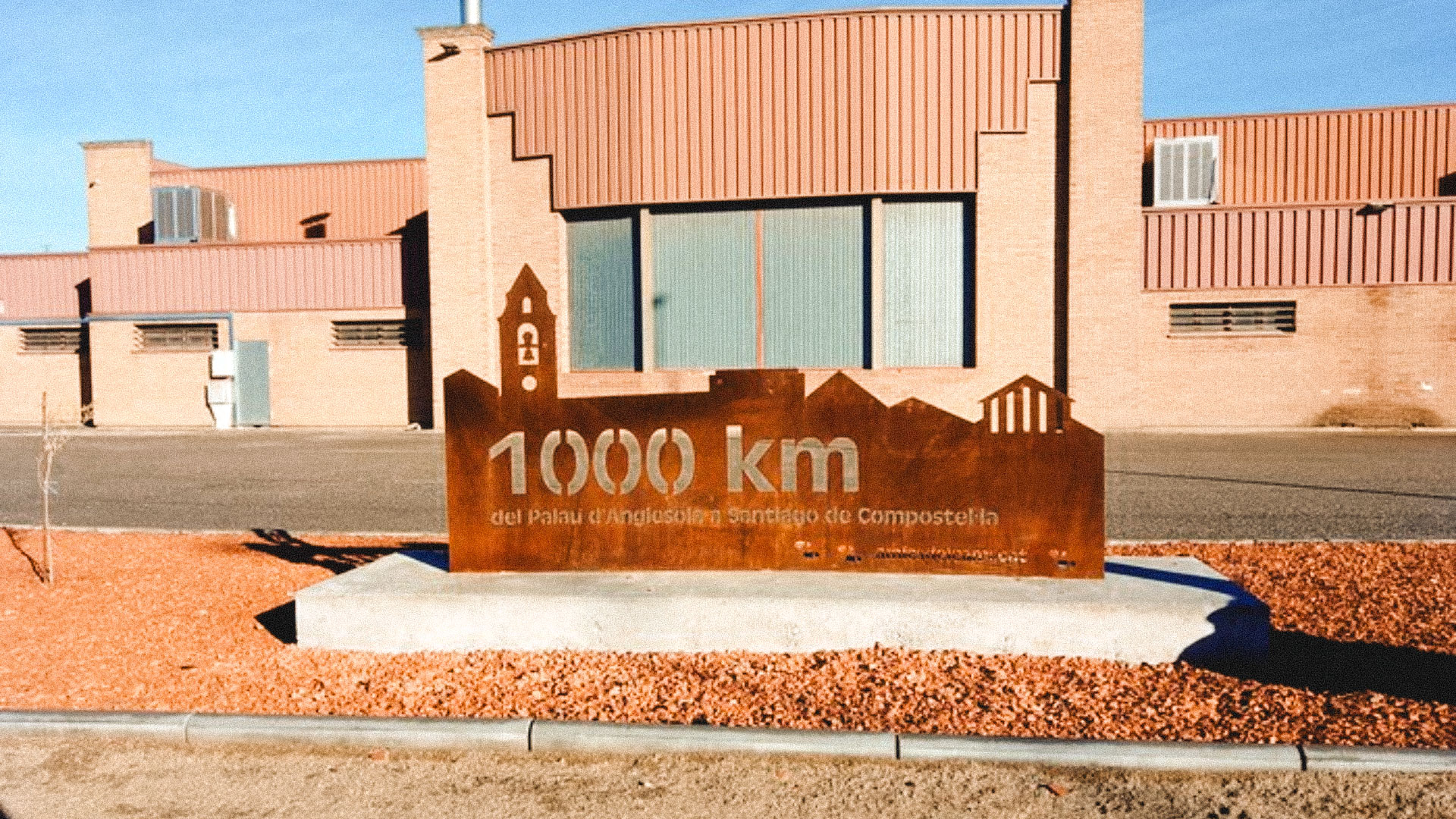
A Gentle Stage Through Catalan Countryside
Distance: 25.7 km / 16 miles
This stage leads you through agricultural fields and rural landscapes, offering a peaceful and relaxing experience. The terrain is mostly flat, making the walk comfortable and easy. The calm of the region allows you to fully enjoy the beauty of nature and the silence, with soft hills and farmland stretching as far as the eye can see.
Upon reaching Palau d’Anglesola, a small and welcoming village, you’ll find the perfect place to rest. In the village center, you can visit several historical landmarks, such as the Church of Sant Martí, which reflects the traditional architecture of the area. The quiet charm of this Catalan village invites you to slow down and recharge before continuing on your way.
Palau d’Anglesola also offers a taste of authentic local cuisine. Regional products such as olive oil and cured meats highlight the flavors of Catalonia. Local restaurants serve homemade meals that offer a simple yet delicious culinary experience.
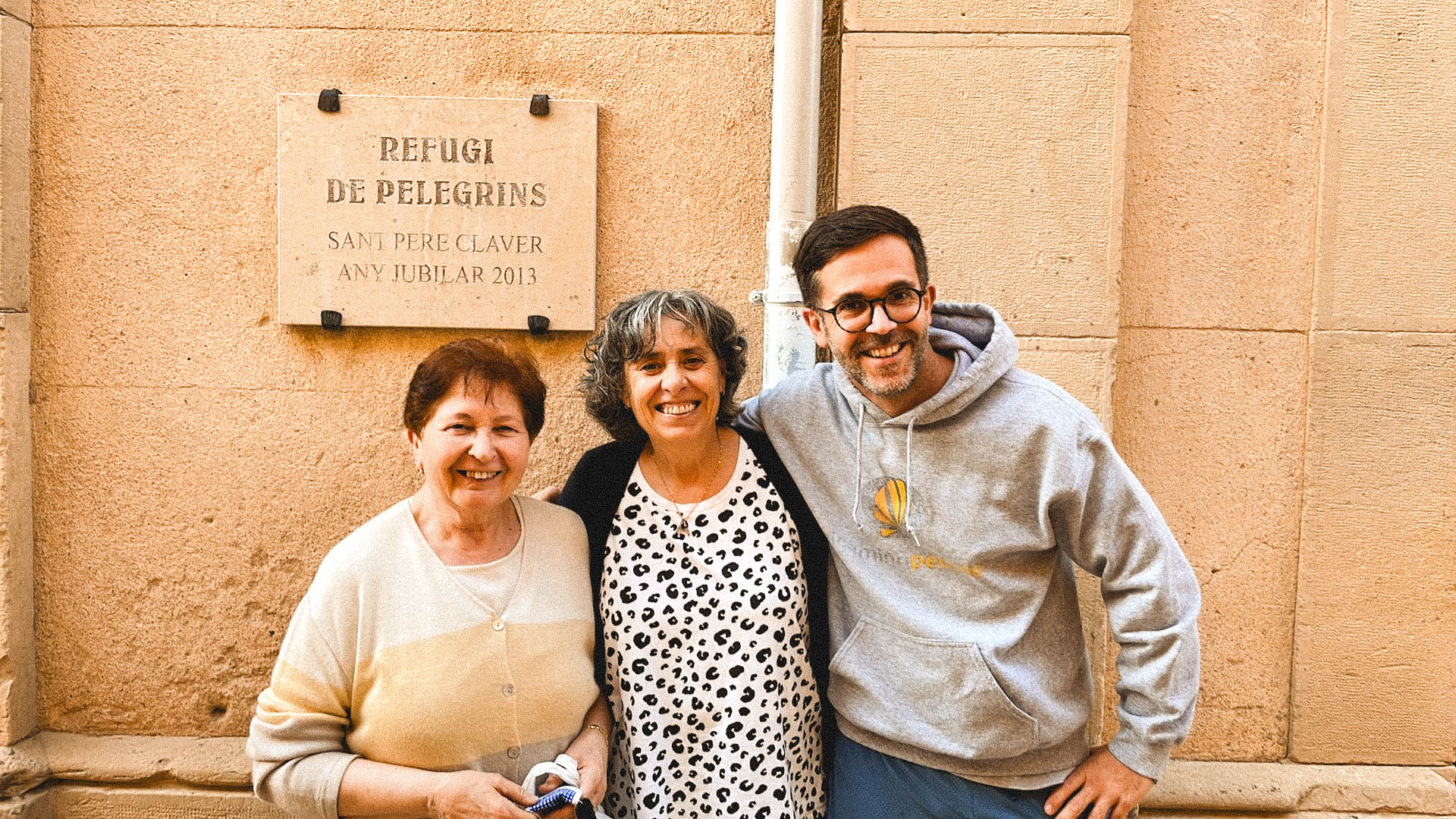
Verdú: A Town Full of History and Tradition
Distance: 24.7 km / 15.3 miles
This stage takes you through rural and hilly landscapes, offering a varied terrain that deepens your connection with nature. As you walk, the scenery encourages reflection, and the panoramic views of the surrounding hills provide moments of peace and serenity.
Upon reaching Verdú, a picturesque Catalan town, you’ll discover a place rich in history and tradition. One of its highlights is the Church of Santa Maria, dating back to the 12th century. As you stroll through the medieval streets, you’ll be immersed in the town’s timeless charm. Verdú is known for its rural beauty and warm hospitality—making it an ideal place to rest and recharge.
Verdú’s cuisine is a true delight, featuring traditional Catalan dishes that showcase the best of the region’s flavors. Local rice, hearty meat stews, and artisanal cured meats offer a unique culinary experience, perfect for enjoying after a long day on the trail.
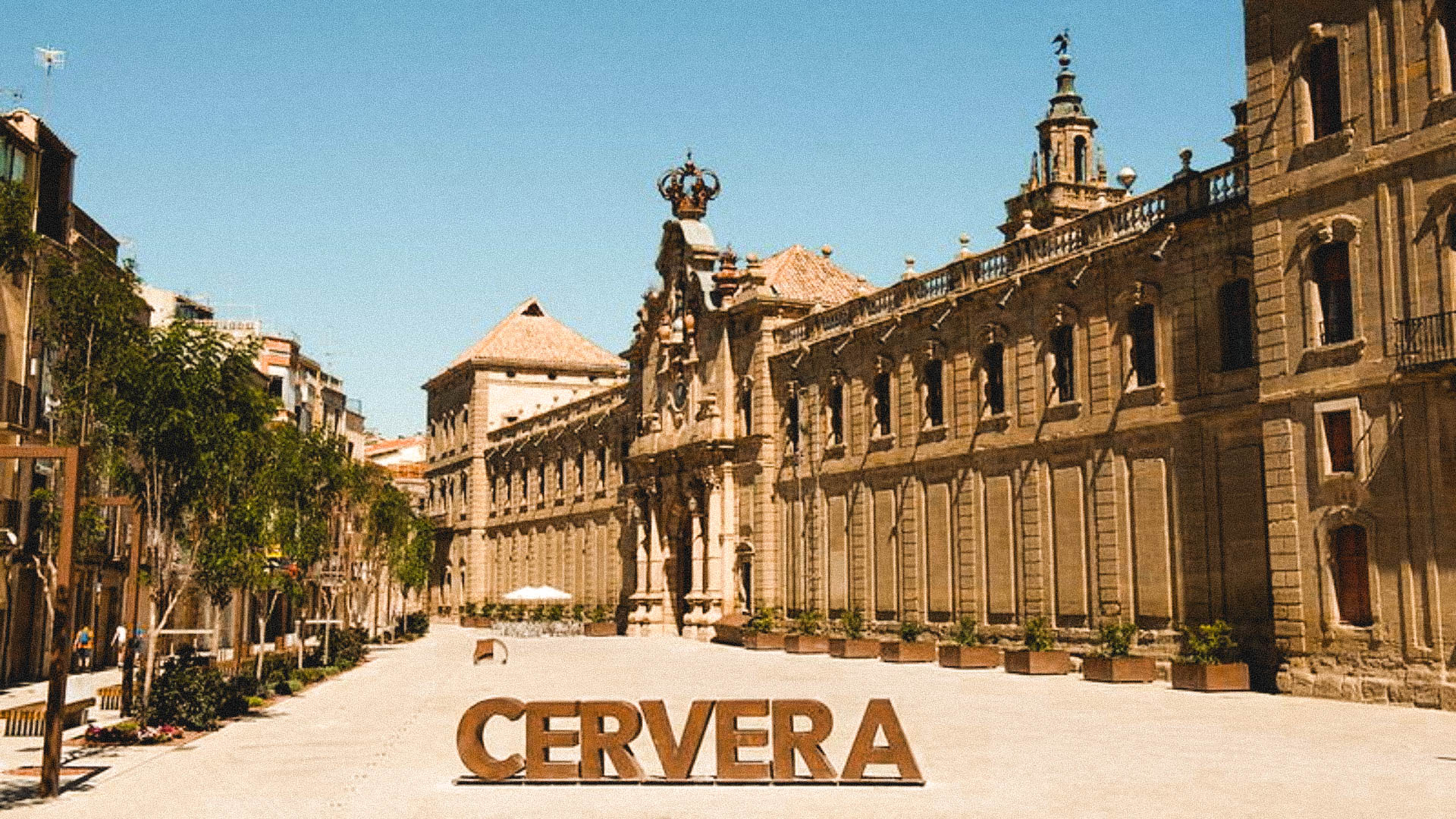
Cervera: A Town of Traditional Cuisine and Historic Architecture
Distance: 17 km / 10.5 miles
This stage takes you along rural paths through peaceful landscapes, where fields and gentle hills alternate throughout the route. The mostly flat terrain allows for a comfortable pace, making it easy to enjoy the fresh air and the tranquility that defines this stretch of the Ignatian Way.
Upon arriving in Cervera, you’ll be welcomed by its remarkable historical heritage, starting with the Church of Santa Maria—a Gothic-style building dating back to the 15th century. This iconic monument transports visitors to another time. You can also explore the lively Plaça Major, where local events and markets bring the town to life, and visit the Castle of Cervera, which offers stunning panoramic views of the surrounding countryside.
Cervera is also known for its regional cuisine. Traditional dishes such as calçots (a type of tender onion) and roast lamb are local favorites. The town’s bars and restaurants offer the perfect setting to enjoy these specialties and refuel after a rewarding day on the trail.
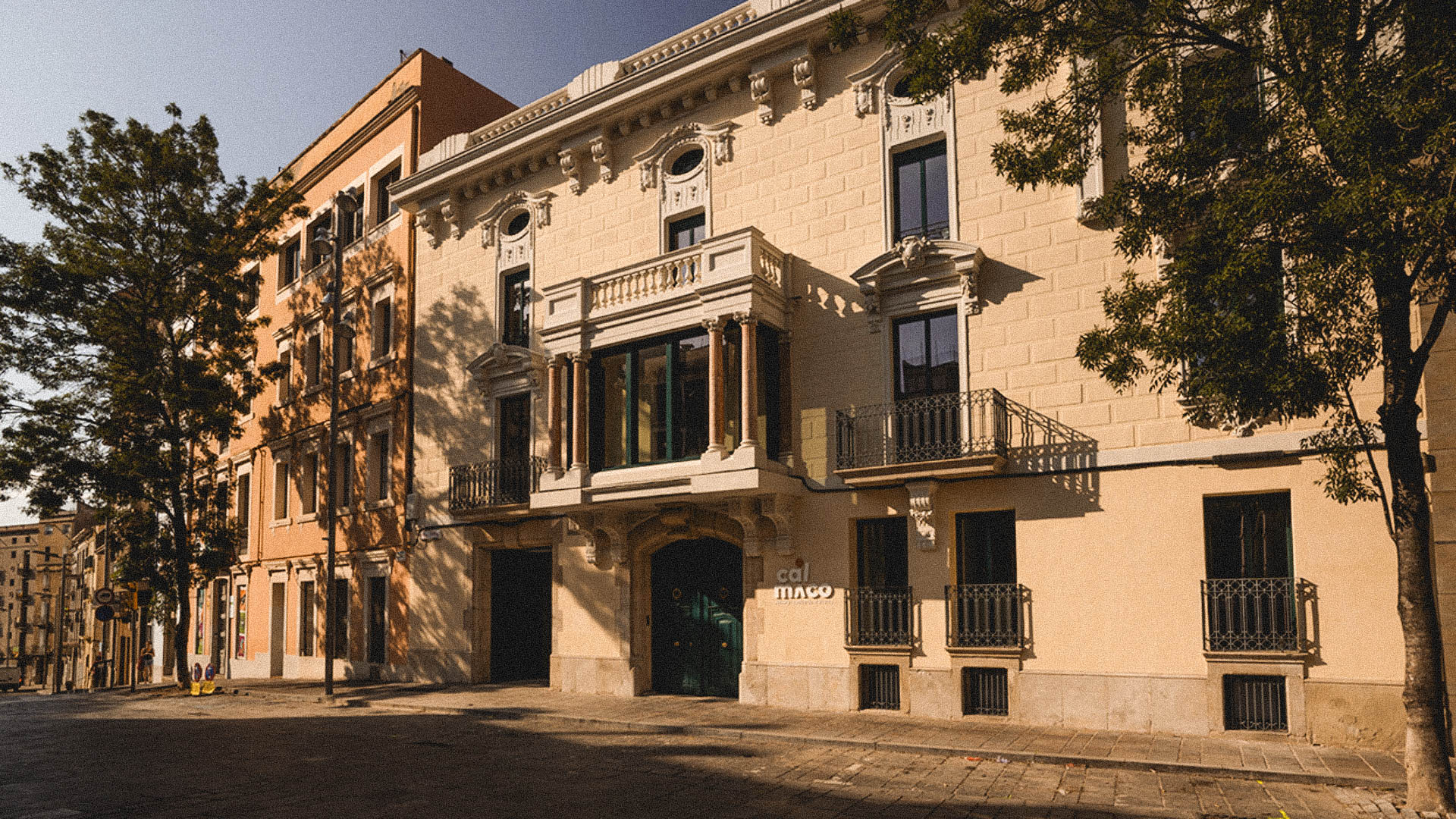
A Must-See Stop: The Basilica of Igualada
Distance: 38.6 km / 24 miles
This stage guides you through rural paths, peaceful trails, and small villages—making it an ideal stretch to enjoy nature and tranquility. Cultivated fields, trees, and gentle hills create a soothing landscape that invites you to slow down and reflect.
Upon arriving in Igualada, a city rich in history, you’ll be captivated by its industrial architecture and cultural heritage. One of the highlights is the Basilica of Santa Maria de Igualada, a beautiful Gothic-style church that will leave a lasting impression. The city is also renowned for its leatherworking tradition—don’t miss the chance to visit the Leather Museum to learn more about this local craft. In Cal Font Square, you can take a well-deserved break surrounded by shops, cafés, and a welcoming atmosphere.
Local cuisine in Igualada is not to be missed. Traditional dishes such as arroz a la cazuela (casserole-style rice) and fricandó (beef stew with mushrooms) offer a delicious way to experience the flavors of the region.
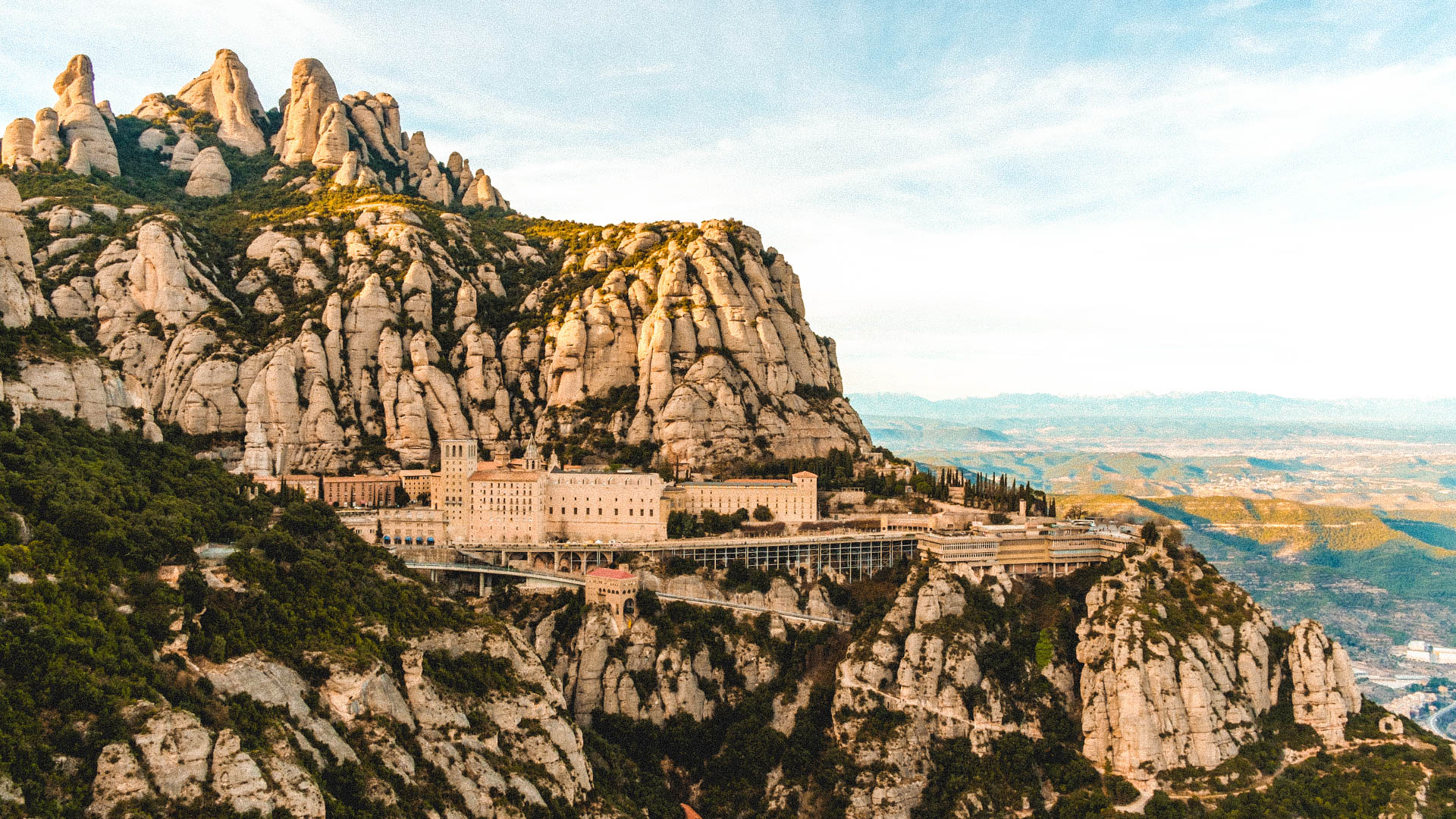
The Abbey of Montserrat: A Jewel on the Ignatian Way
Distance: 27 km / 16.8 miles
This stage takes you along rural trails and paths offering a variety of landscapes, from open plains to gentle hills. As you approach Montserrat, the scenery begins to shift—dramatic rocky mountains rise ahead, welcoming you with their majestic presence. This stretch invites reflection and rest, surrounded by a truly unique natural environment.
Arriving at Montserrat—one of Catalonia’s most iconic destinations—you’ll be greeted by the stunning Montserrat mountain, known for its distinctive shape and breathtaking views. At its summit stands the Monastery of Montserrat, a centuries-old pilgrimage site and spiritual center. At its heart is the Basilica of Montserrat, home to the revered statue of the Virgin of Montserrat, affectionately known as “La Moreneta.” This sacred place is a must-visit for pilgrims and travelers alike. The surrounding natural park also offers scenic hiking trails with panoramic vistas that are nothing short of awe-inspiring.
Montserrat’s gastronomy features regional specialties such as artisanal cheeses, rustic breads, and the beloved crema catalana. Nearby restaurants serve traditional Catalan dishes that perfectly round out your stay, making your visit to Montserrat a deeply nourishing experience—both physically and spiritually.
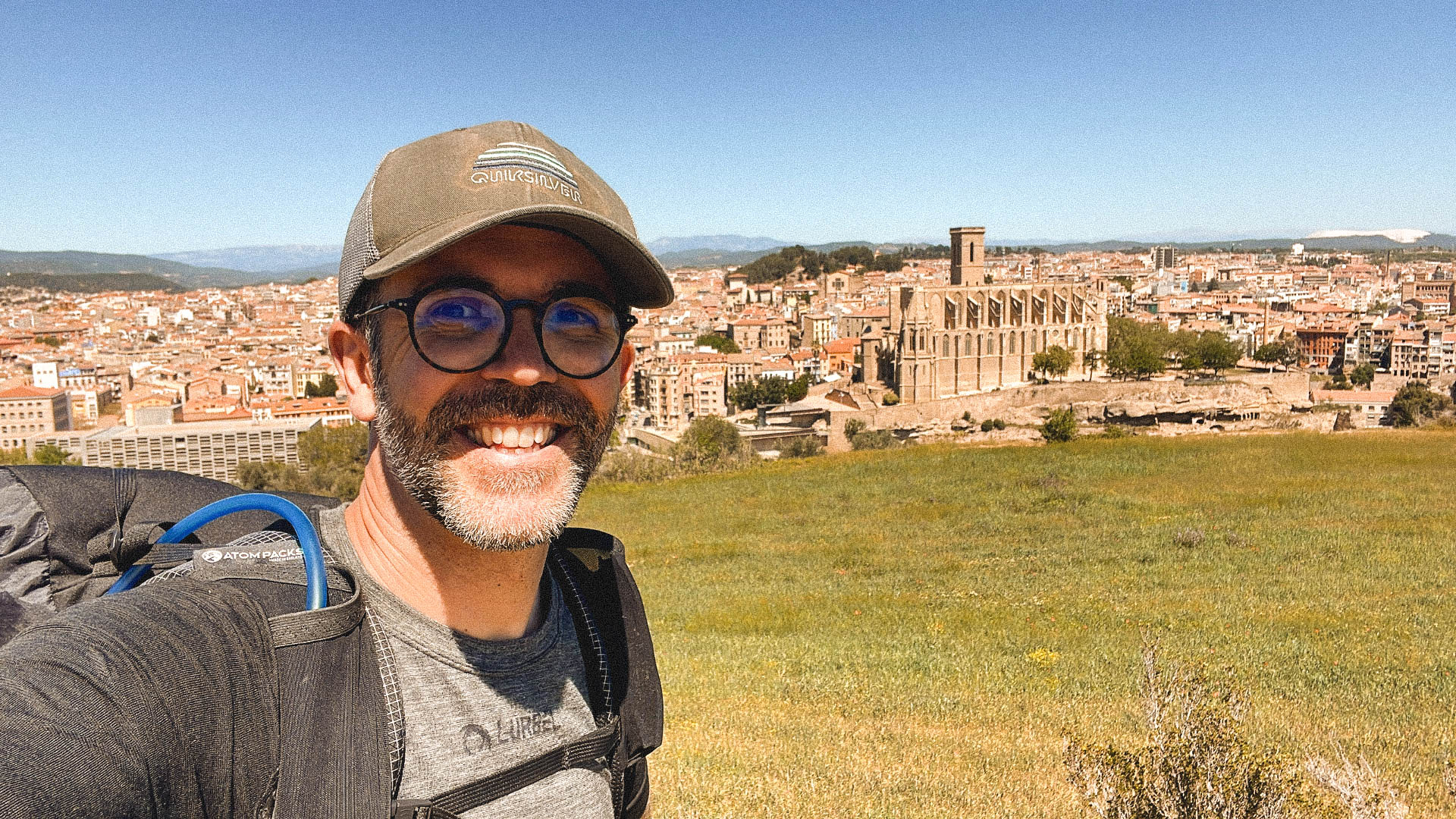
The End of Your Journey on the Ignatian Way
Distance: 24.6 km / 15.3 miles
This final stage leads you through a varied landscape, descending from the mountains of Montserrat into the valleys and farmlands of the Bages region. The terrain alternates between mountain trails and rural paths, offering a peaceful and scenic walk that invites you to savor every step.
Upon arriving in Manresa, you’ll enter a historic city of great significance along the Ignatian Way. The Gothic-style Seu Basilica is one of its most iconic landmarks. Another must-see is the Cave of Saint Ignatius, a place filled with spiritual meaning where Ignatius had a transformative experience that shaped his life. Other notable sites include the Pont de les Dominiques (Bridge of the Maidens) and the Palace of the Counts of Queralt, which offer deeper insights into the city’s rich past.
Manresa is also known for its excellent local cuisine. Traditional Catalan dishes such as canelons (stuffed pasta in béchamel) and carn d’olla (hearty meat stew) are perfect for enjoying in the city’s welcoming restaurants. This final stage offers a comforting end to your pilgrimage—both spiritually and gastronomically.
Buen Camino, pilgrim… until next time!
Route
1
Loyola - Zumárraga
The Beginning: Following in the Footsteps of Ignatius of Loyola
Distance: 11.3 miles / 18.2 km
The Ignatian Way begins at the iconic Sanctuary of Loyola, from where we follow the Urola River towards Azkoitia.
Winding through gardens, trails, and old railway lines, this stage immerses us in a landscape where history and nature blend seamlessly—marking the start of a truly unique journey. The final stretch leads us to Urretxu and Zumárraga, two towns separated only by the river.
Zumárraga, the final destination of this stage, gained independence in 1660 when it was granted town status. In the 19th century, it rose in prominence with the arrival of the Madrid-Irún railway. The town’s architectural heritage stands out with the Church of Our Lady of the Assumption, a Gothic Basque-style church begun in the 16th century. It features striking portals, a tower, and a magnificent Baroque altarpiece.
2
Zumárraga - Aránzazu
Arantzazu: A Place of History and Spirituality
Distance: 21.4 km / 13.3 miles
This stage begins at the train station, following the tracks through Telleriarte and Brinkola until reaching the road that leads to the Barrendiola Reservoir. After crossing the reservoir, the route continues along a dirt path marked by the GR-120, climbing steadily through forests and zigzagging up to the Biozkornia mountain pass.
The final stretch descends along marked trails to the Sanctuary of Arantzazu, completing a demanding day filled with breathtaking landscapes, deep history, and spiritual meaning.
Arantzazu is one of the most important spiritual centers in the Basque Country. For centuries, Franciscan friars have preserved the tradition that the Virgin Mary appeared to a shepherd at this very spot.
3
Aránzazu - Araia
Forest Trails on the Way to Araia
Distance: 18 km / 11.2 miles
Leaving the Sanctuary of Arantzazu behind, we head toward Urbía. As we ascend the trail, we reach the Erroiti spring, linked to the legend of the Virgin Mary’s apparition in Arantzazu in 1468.
The route remains clear and well-marked, passing by shepherds’ huts and offering several alternative paths. Further along, two main options emerge: continue on a wide dirt road toward Araia or take a GR-marked forest trail. The wooded path is especially recommended for walkers and briefly connects with the Camino de Santiago before rejoining a paved road.
We eventually arrive in Araia, home to the Church of San Pedro, built in the 15th century and featuring a neoclassical altarpiece. Before continuing on to Alda, it’s essential to restock water and food, as there are no shops or restaurants along the next stretch.
4
Araia - Alda
A Beautiful Stage Through Meadows and Forests
Distance: 22 km / 13.7 miles
We depart from Araia following a well-marked path that leads us through several crossroads until reaching the village of Albéniz.
Continuing along the GR-120 and following the signs along the way, we pass through open meadows and forest tracks, gradually ascending to the Alto de Iturrieta.
Although the area is sparsely populated, it is home to a nearby golf course designed by the legendary Severiano Ballesteros. Since there are no dining options in the area, the most practical solution is to take a taxi to San Vicente de Arana for food and rest.
5
Alda - Genevilla
A Route Through Forests, Sacred Art, and the Flavors of Tradition
Distance: 18.5 km / 11.5 miles
This stage begins along a dirt path leading to San Vicente de Arana, known for its traditional “Maypole of San Vicente” and its 16th-century church. From here, pilgrims can choose between two routes: one passing through Oteo and Antoñana, and the other through Orbiso. Both are well marked with GR 282/120 trail signs.
The two paths converge in Santa Cruz, where we continue along a marked trail that winds through a dense forest. After about 4.5 km, we arrive in Genevilla, a small village known for the Church of San Esteban. Originally built in the 12th century and renovated in the 16th with Gothic-Renaissance elements, it houses an extraordinary main altarpiece—considered one of the finest in Navarra—commissioned in 1549 by the Duke of Nájera.
Genevilla is also famous for its traditional white beans, a local specialty lovingly prepared by its residents. However, it’s important to note that the village has no bars, restaurants, or shops, so we recommend bringing supplies from Santa Cruz de Campezo or arranging a taxi for meals.
6
Genevilla - Laguardia
Laguardia: A Fortified Town Steeped in History
Distance: 27.3 km / 17 miles
Laguardia, the destination of this stage, is a charming town of around 2,500 residents located at the gateway to the Ebro River valley. Its imposing walls and fortified main square instantly transport visitors back to the time of Ignatius of Loyola. Legend has it that beneath the town lies a labyrinth of underground wine cellars, where the region’s renowned wines age to perfection.
One of the town’s highlights is the Church of Santa María de los Reyes, whose construction began in the 12th century and was completed in the 16th. Its magnificent Gothic stone portico, crafted in the late 14th century, is remarkably well-preserved and still retains its 17th-century polychrome decoration, as well as a main altarpiece by the artist Juan de Bascardo. Another architectural gem is the Church of San Juan Bautista, built in the 18th century.
Laguardia is also the birthplace of Jesuit missionary José Cardiel. His monument stands near the Church of Santa María. Cardiel was sent to Jesuit missions in South America but, like all Spanish Jesuits, was expelled from the Spanish territories in 1782 and died in exile in Italy.
7
Laguardia - Navarrete
The Noble Heritage of Navarrete
Distance: 19.6 km / 12.2 miles
This short and gentle stage runs close to the Ebro River and leads us to Navarrete—a town known for its traditional pottery workshops and its history as a battleground between Castilian and Navarrese forces. Perched on a hilltop, its coat-of-arms-adorned houses reflect a noble past, when the Dukes of Nájera had their palace here. King Alfonso VIII of Castile encouraged locals to settle around the fortress to strengthen defenses against the Kingdom of Navarre.
The parish church of La Asunción is an impressive ashlar-stone building with three naves and ribbed vaults. Construction began in 1553 under the direction of Juan Vallejo and Hernando de Mimenza, and was completed in 1645 with contributions from renowned stonemasons such as Juan Pérez de Solarte and Pedro de Aguilera. In the transept, a notable altarpiece dedicated to Saint Francis Xavier—painted in 1720 by Madrid-born friar Matías de Irala—adds to the church’s splendor.
Navarrete is also an important stop along the French Way of the Camino de Santiago, welcoming many Jacobean pilgrims throughout the year.
8
Navarrete - Logroño
A Gentle Walk to the Capital of La Rioja
Distance: 13 km / 8 miles
Logroño, the vibrant capital of La Rioja, is a key meeting point between the French Way and the Ebro Way of the Camino de Santiago.
Among its rich heritage, the Church of San Bartolomé stands out. Built between the 12th and 13th centuries and restored in the 15th, it features a Romanesque barrel vault, a Gothic façade, and a Mudéjar tower. Also notable is the Church of Santa María del Palacio—known as “La Imperial”—built over a palace donated by Alfonso VII and the first headquarters of the Order of the Holy Sepulchre in Castile. Its main altarpiece is the work of Renaissance sculptor Arnao de Bruselas. Pilgrims can also get their credential stamped at the Parish of San Ignacio during parish hours.
A must-do while in Logroño is to enjoy tapas on the famous Calle del Laurel. Known simply as “La Laurel,” this street is the heart of Rioja’s tapas scene and a lively gathering place where locals and travelers alike come together to savor traditional dishes paired with world-renowned Rioja wines.
9
Logroño - Alcanadre
Walking Along the Ebro Way: Arab Origins and Roman Aqueducts
Distance: 30.6 km / 19 miles
This stage leaves the French Way behind to follow the Camino de Santiago del Ebro. Our destination, Alcanadre, bears an Arabic name—”Al-Cana-Dre”—meaning “the bridges” or “arches,” a reference to the remains of an ancient bridge once spanning the nearby Ebro River.
In the Church of Santa María, built between the 16th and 18th centuries, you’ll find a Romanesque image that originally came from the 12th-century Hermitage of Aradón. One of the area’s most notable features is a 1st-century Roman aqueduct. Before reaching the village, you may even spot large vultures nesting in the cliffs of Aradón—these majestic birds can weigh up to 8 kg and reach wingspans of 2.5 meters.
Between Alcanadre and Lodosa lie the remnants of another Roman aqueduct, likely built to supply water to Calahorra. This structure includes thirteen arches stretching over twenty-five meters, along with more than thirty stone or brick pillars—known as “machones”—used to reinforce and stabilize masonry walls.
10
Alcanadre - Calahorra
Calahorra: A City with Millennia of History
Distance: 21.5 km / 13.4 miles
This mixed stage takes us along rural paths, farm tracks, and some urban stretches before arriving in Calahorra—a city with over 2,000 years of history. Known in Roman times as Calagurris and Kalakoricos by the Celtiberians, Calahorra is steeped in cultural and historical significance.
The ancient Roman Forum once stood in what is now Plaza del Raso. For Christians, this is a site of remembrance, marking the martyrdom of legionaries Celedonio and Emeterio around the year 300. Calahorra became an episcopal seat in the 4th century, granting it lasting religious and political influence throughout the region.
Conquered by the Moors in 714, their influence is still visible today in the city’s agriculture and urban layout. Calahorra is also an important stop for pilgrims, as seen in the baptismal font of the Cathedral of Santa María, adorned with scallop shells, gourds, and the image of Saint James. The city also houses the chapels of Cristo de la Agonía and Cristo de la Pelota, both deeply rooted in local devotion.
11
Calahorra - Alfaro
Destination: Alfaro
Distance: 25.6 km / 15.9 miles
This stage takes you deep into the agricultural landscapes of La Rioja Baja. The journey begins in Calahorra, a city rich in history and heritage. Leaving the city, the path winds through cultivated fields stretching across the valley, guiding you along quiet, rural trails. The terrain is gentle and, although relatively easy, offers expansive views that invite reflection.
Upon arriving in Alfaro—a small town with a deep historical legacy—you’ll be welcomed by its remarkable architecture. One of its most impressive landmarks is the Collegiate Church of San Miguel Archangel, built between the 16th and 17th centuries. This vast 3,000 m² building features a magnificent Baroque altarpiece and a sculpture of the Virgin Pilgrim, symbolizing the town’s long-standing connection to pilgrims who have passed through over the centuries.
Alfaro is also known for a unique tradition: it’s considered the “stork paradise” of Spain. It’s not uncommon to see these majestic birds nesting atop the towers of churches and historic buildings.
As for local cuisine, Alfaro offers traditional Riojan dishes, perfectly paired with wines from the prestigious Rioja Denomination of Origin.
12
Alfaro - Tudela
Tudela: A Navarrese City Rich in History and Gastronomy
Distance: 25.6 km / 15.9 miles
This stage leads you along peaceful rural paths and agricultural landscapes, offering a calm and reflective walk. You’ll pass through vast cultivated fields that set the rhythm of the day, with a mostly flat and easy terrain. Small groves and wooded areas provide welcome shade on warmer days.
Upon reaching Tudela, you’ll discover a city with deep historical roots. With a heritage that dates back to Muslim times, Tudela showcases its past through landmarks like the Cathedral of Santa María. This Romanesque structure with Gothic influences features remarkable architectural details. One of the city’s highlights is Plaza de los Fueros, surrounded by historic buildings including the Town Hall and the former Palace of the Marquis of Huarte.
Tudela is also a renowned gastronomic destination, especially for its exceptional local produce. Traditional dishes feature vegetables from the fertile Ribera region, with specialties such as cogollos de Tudela (baby lettuce hearts) and alcachofas a la tudelana (artichokes Tudela-style), often served with excellent Navarra wines. Don’t miss the chance to enjoy a hearty dish of local lamb—a perfect way to recharge after a relaxing day on the trail.
13
Tudela - Gallur
14
Gallur - Alagón
Trails and Local Flavors
Distance: 21.7 km / 13.5 miles
This stage unfolds along peaceful country paths, surrounded by cultivated fields that create a calm and relaxing atmosphere. As pilgrims move forward, the spirituality of the Camino blends naturally with the surrounding landscape, offering a deep sense of connection with nature. The nearby Ebro River adds a refreshing and serene backdrop to the journey.
Alagón, a small town with a strong agricultural tradition, provides a quiet and picturesque stop along the way. Upon arrival, pilgrims can admire the local architecture and visit the town’s historic church.
One of Alagón’s greatest treasures is its cuisine, featuring local products such as cured meats and fresh vegetables from the region. Here, travelers can enjoy a simple yet delicious homemade meal—an ideal way to recharge before continuing their pilgrimage.
15
Alagón - Zaragoza
Zaragoza: A City of Roman Heritage
Distance: 30.5 km / 18.9 miles
This stage takes pilgrims from the peaceful farmlands of Alagón to the vibrant city of Zaragoza, where history and spirituality intertwine. As you move away from the countryside, the landscape gradually transforms, leading you to a city that has witnessed centuries of human history.
Zaragoza is a highlight along the Ignatian Way, home to the magnificent Basilica of El Pilar and a rich cultural legacy. With roots tracing back to Roman times, the city stands at the crossroads of spirituality and history. Its monuments—including the cathedral, Roman ruins, and Christian traditions—make Zaragoza a significant destination for pilgrims.
The city’s gastronomy is as diverse and rich as its past. Traditional dishes such as ternasco de Aragón (roast lamb), fritada (a sauté of local vegetables), and borrajas (borage greens) offer a flavorful introduction to the region’s culinary heritage. Zaragoza provides a perfect opportunity for pilgrims to indulge in local flavors while enjoying the energy and culture of this dynamic urban center.
16
Zaragoza - Fuentes de Ebro
From City Life to the Calm of the Aragonese Countryside
Distance: 30.2 km / 18.8 miles
This stage leads you along rural paths and peaceful landscapes, surrounded by open fields and small villages. Nature takes center stage, offering a serene setting ideal for reflection and meditation. As you leave the city of Zaragoza behind, you gradually enter the quiet and calm of the countryside.
Fuentes de Ebro, a small Aragonese town, offers the perfect rural setting for a well-deserved rest. Its peaceful atmosphere and simple architecture create a warm and welcoming stop for pilgrims seeking a break on their journey.
Local cuisine in Fuentes de Ebro is another highlight. Hearty homemade dishes such as lamb stews and regional cured meats provide the nourishment needed to recharge. Enjoying a meal in this rural setting is a true experience—blending the best of nature with Aragon’s culinary traditions.
17
Fuentes de Ebro - Venta de Santa Lucía
Crossing the Aragonese Landscape
Distance: 29.6 km / 18.4 miles
This stage takes you through agricultural landscapes and gentle rolling hills, surrounded by peace and quiet. The atmosphere invites you to embrace the silence and natural beauty of the region, as you walk past fields and small villages that guide your way.
Upon reaching Venta de Santa Lucía, you’ll find a small, welcoming spot perfect for rest. Far from the noise of the world, this peaceful rural setting offers a chance to pause, reflect, and reconnect with the spiritual essence of the Camino.
The local cuisine in Venta de Santa Lucía reflects the simplicity and richness of the region’s produce. Enjoying a hearty, homemade meal here is the perfect way to recharge your energy before continuing your journey.
18
Venta de Santa Lucía - Bujaraloz
19
Bujaraloz - Candasnos
20
Candasnos - Fraga
21
Fraga - Lleida
Farewell to Aragón and Welcome to Catalonia
Distance: 33 km / 20.5 miles
This stage is perfect for enjoying the rural landscape at its finest—cultivated fields and peaceful trails allow you to walk at a relaxed pace while soaking in the serenity of the surroundings. The calm rhythm of the countryside, dotted with small villages and quiet paths, offers a great opportunity for reflection and connection with nature.
Upon reaching Lleida, one of the most important cities in the region, don’t miss a visit to the stunning Seu Vella Cathedral. This majestic historical monument, perched on a hill, offers spectacular views over the city. Other highlights include the monastery of the Poor Clares and the famous Plaça de la Paeria, both adding to the city’s rich cultural tapestry. Lleida strikes a beautiful balance between history, modern life, and nature—creating a vibrant and welcoming atmosphere.
Lleida’s cuisine is sure to impress with its variety and quality. Traditional dishes like arroz con conejo (rice with rabbit) or truita de riu (river trout) reflect the flavors of the land and nearby waters. Enjoy a delicious local meal, perfect for recharging before continuing your pilgrimage to the next stage.
22
Lleida - Palau d'Anglesola
A Gentle Stage Through Catalan Countryside
Distance: 25.7 km / 16 miles
This stage leads you through agricultural fields and rural landscapes, offering a peaceful and relaxing experience. The terrain is mostly flat, making the walk comfortable and easy. The calm of the region allows you to fully enjoy the beauty of nature and the silence, with soft hills and farmland stretching as far as the eye can see.
Upon reaching Palau d’Anglesola, a small and welcoming village, you’ll find the perfect place to rest. In the village center, you can visit several historical landmarks, such as the Church of Sant Martí, which reflects the traditional architecture of the area. The quiet charm of this Catalan village invites you to slow down and recharge before continuing on your way.
Palau d’Anglesola also offers a taste of authentic local cuisine. Regional products such as olive oil and cured meats highlight the flavors of Catalonia. Local restaurants serve homemade meals that offer a simple yet delicious culinary experience.
23
Palau d'Anglesola - Verdú
Verdú: A Town Full of History and Tradition
Distance: 24.7 km / 15.3 miles
This stage takes you through rural and hilly landscapes, offering a varied terrain that deepens your connection with nature. As you walk, the scenery encourages reflection, and the panoramic views of the surrounding hills provide moments of peace and serenity.
Upon reaching Verdú, a picturesque Catalan town, you’ll discover a place rich in history and tradition. One of its highlights is the Church of Santa Maria, dating back to the 12th century. As you stroll through the medieval streets, you’ll be immersed in the town’s timeless charm. Verdú is known for its rural beauty and warm hospitality—making it an ideal place to rest and recharge.
Verdú’s cuisine is a true delight, featuring traditional Catalan dishes that showcase the best of the region’s flavors. Local rice, hearty meat stews, and artisanal cured meats offer a unique culinary experience, perfect for enjoying after a long day on the trail.
24
Verdú - Cervera
Cervera: A Town of Traditional Cuisine and Historic Architecture
Distance: 17 km / 10.5 miles
This stage takes you along rural paths through peaceful landscapes, where fields and gentle hills alternate throughout the route. The mostly flat terrain allows for a comfortable pace, making it easy to enjoy the fresh air and the tranquility that defines this stretch of the Ignatian Way.
Upon arriving in Cervera, you’ll be welcomed by its remarkable historical heritage, starting with the Church of Santa Maria—a Gothic-style building dating back to the 15th century. This iconic monument transports visitors to another time. You can also explore the lively Plaça Major, where local events and markets bring the town to life, and visit the Castle of Cervera, which offers stunning panoramic views of the surrounding countryside.
Cervera is also known for its regional cuisine. Traditional dishes such as calçots (a type of tender onion) and roast lamb are local favorites. The town’s bars and restaurants offer the perfect setting to enjoy these specialties and refuel after a rewarding day on the trail.
25
Cervera - Igualada
A Must-See Stop: The Basilica of Igualada
Distance: 38.6 km / 24 miles
This stage guides you through rural paths, peaceful trails, and small villages—making it an ideal stretch to enjoy nature and tranquility. Cultivated fields, trees, and gentle hills create a soothing landscape that invites you to slow down and reflect.
Upon arriving in Igualada, a city rich in history, you’ll be captivated by its industrial architecture and cultural heritage. One of the highlights is the Basilica of Santa Maria de Igualada, a beautiful Gothic-style church that will leave a lasting impression. The city is also renowned for its leatherworking tradition—don’t miss the chance to visit the Leather Museum to learn more about this local craft. In Cal Font Square, you can take a well-deserved break surrounded by shops, cafés, and a welcoming atmosphere.
Local cuisine in Igualada is not to be missed. Traditional dishes such as arroz a la cazuela (casserole-style rice) and fricandó (beef stew with mushrooms) offer a delicious way to experience the flavors of the region.
26
Igualada - Montserrat
The Abbey of Montserrat: A Jewel on the Ignatian Way
Distance: 27 km / 16.8 miles
This stage takes you along rural trails and paths offering a variety of landscapes, from open plains to gentle hills. As you approach Montserrat, the scenery begins to shift—dramatic rocky mountains rise ahead, welcoming you with their majestic presence. This stretch invites reflection and rest, surrounded by a truly unique natural environment.
Arriving at Montserrat—one of Catalonia’s most iconic destinations—you’ll be greeted by the stunning Montserrat mountain, known for its distinctive shape and breathtaking views. At its summit stands the Monastery of Montserrat, a centuries-old pilgrimage site and spiritual center. At its heart is the Basilica of Montserrat, home to the revered statue of the Virgin of Montserrat, affectionately known as “La Moreneta.” This sacred place is a must-visit for pilgrims and travelers alike. The surrounding natural park also offers scenic hiking trails with panoramic vistas that are nothing short of awe-inspiring.
Montserrat’s gastronomy features regional specialties such as artisanal cheeses, rustic breads, and the beloved crema catalana. Nearby restaurants serve traditional Catalan dishes that perfectly round out your stay, making your visit to Montserrat a deeply nourishing experience—both physically and spiritually.
27
Montserrat - Manresa
The End of Your Journey on the Ignatian Way
Distance: 24.6 km / 15.3 miles
This final stage leads you through a varied landscape, descending from the mountains of Montserrat into the valleys and farmlands of the Bages region. The terrain alternates between mountain trails and rural paths, offering a peaceful and scenic walk that invites you to savor every step.
Upon arriving in Manresa, you’ll enter a historic city of great significance along the Ignatian Way. The Gothic-style Seu Basilica is one of its most iconic landmarks. Another must-see is the Cave of Saint Ignatius, a place filled with spiritual meaning where Ignatius had a transformative experience that shaped his life. Other notable sites include the Pont de les Dominiques (Bridge of the Maidens) and the Palace of the Counts of Queralt, which offer deeper insights into the city’s rich past.
Manresa is also known for its excellent local cuisine. Traditional Catalan dishes such as canelons (stuffed pasta in béchamel) and carn d’olla (hearty meat stew) are perfect for enjoying in the city’s welcoming restaurants. This final stage offers a comforting end to your pilgrimage—both spiritually and gastronomically.
Buen Camino, pilgrim… until next time!
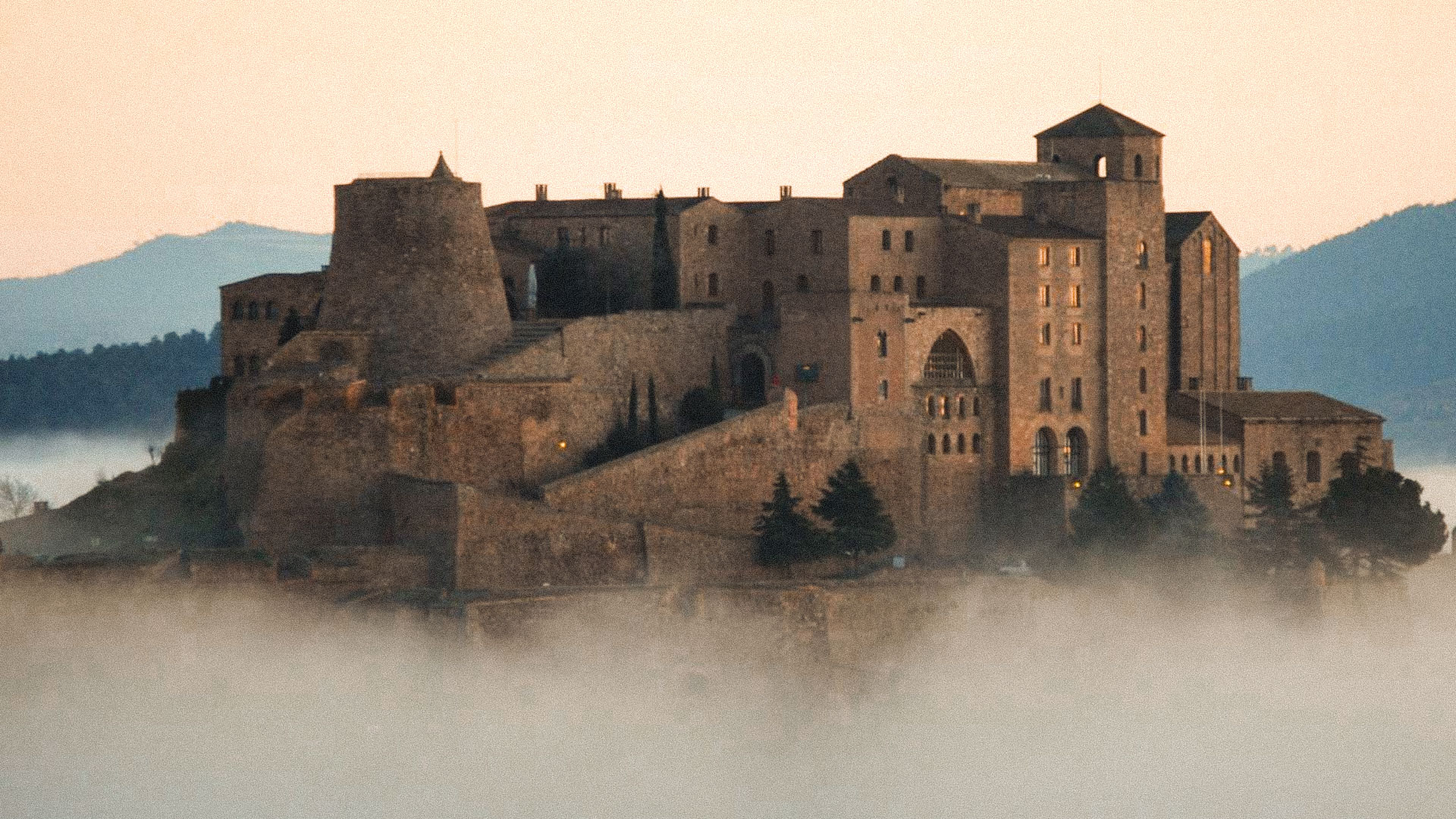
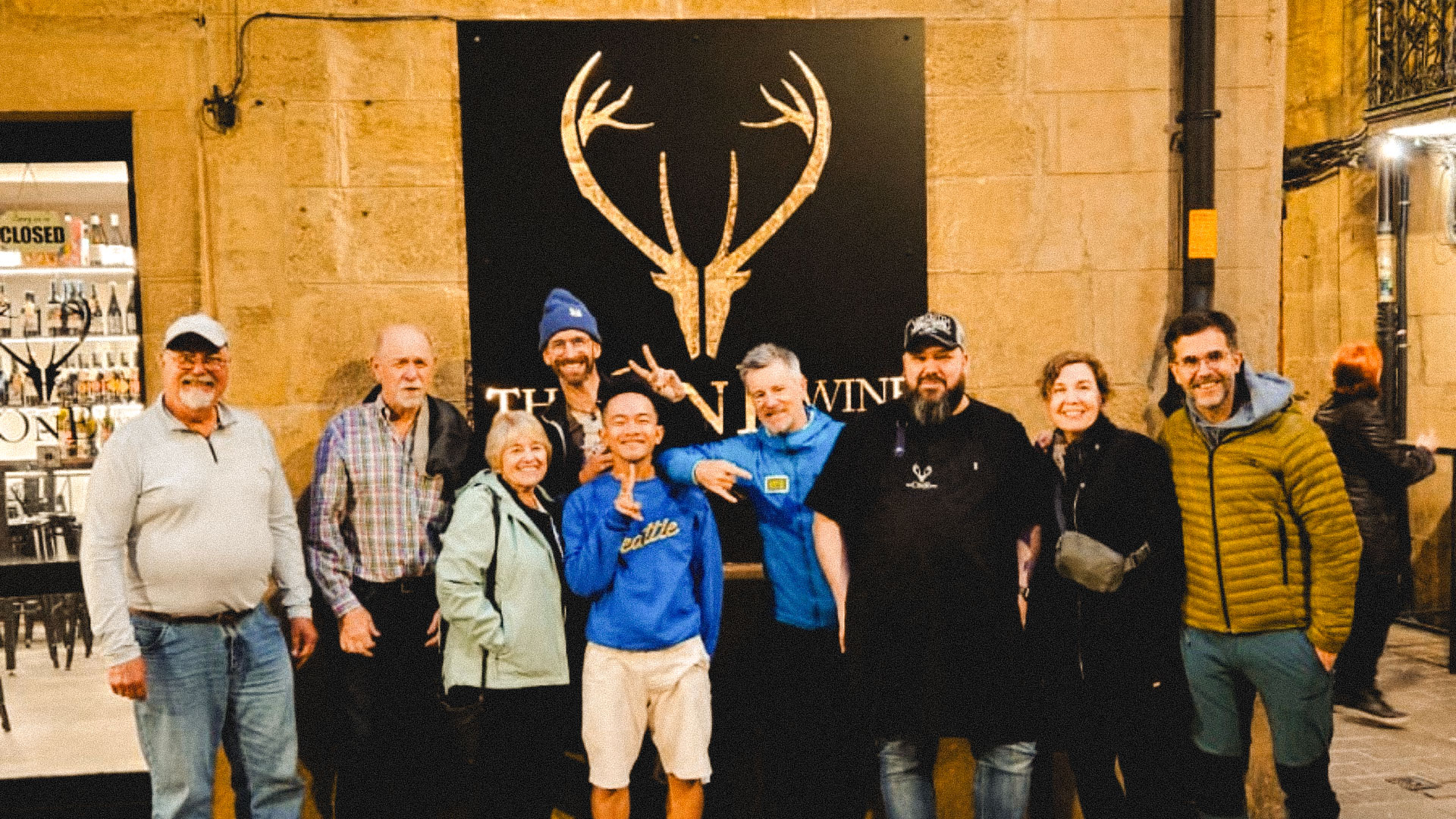
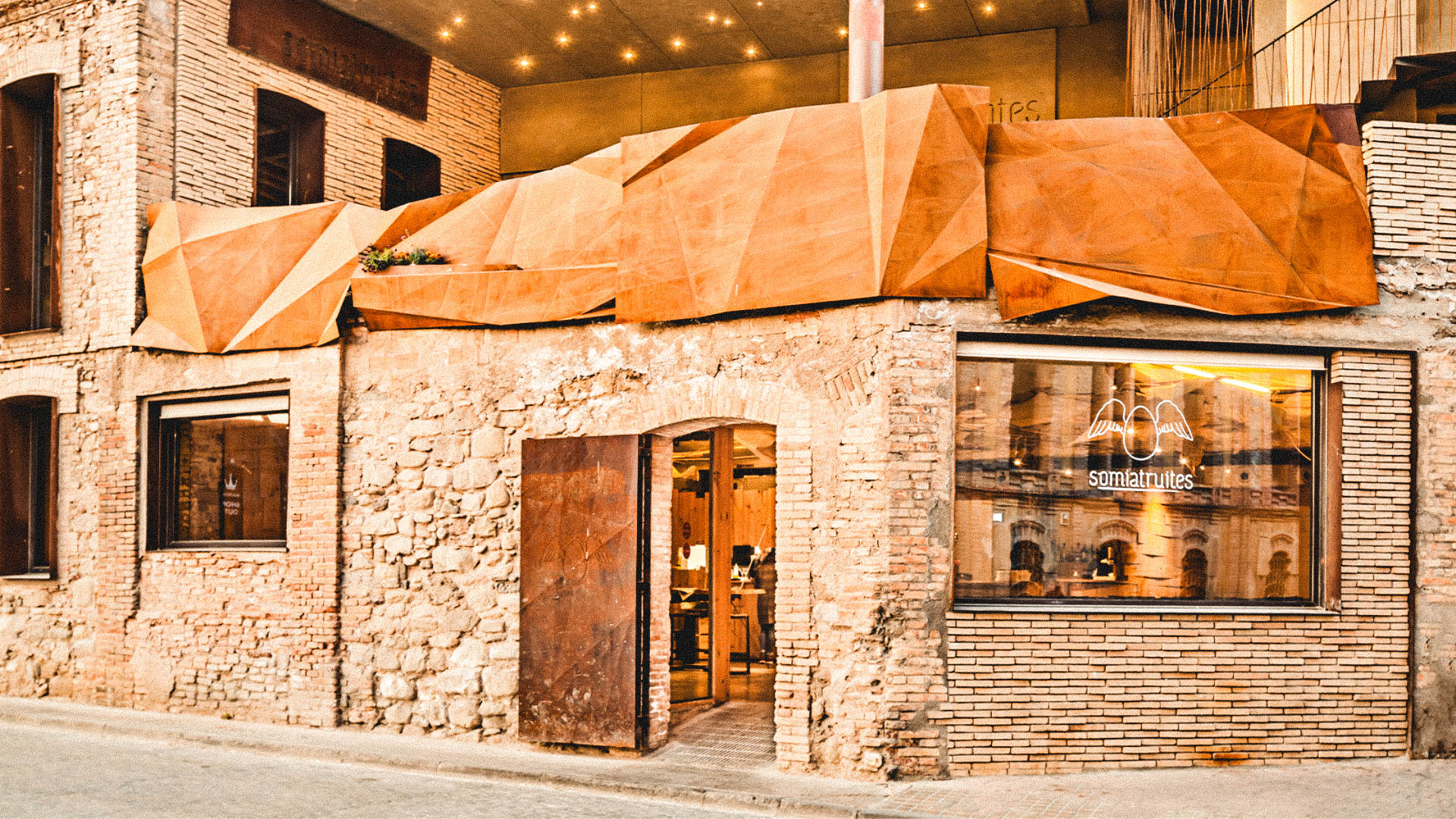
Make your Camino unique
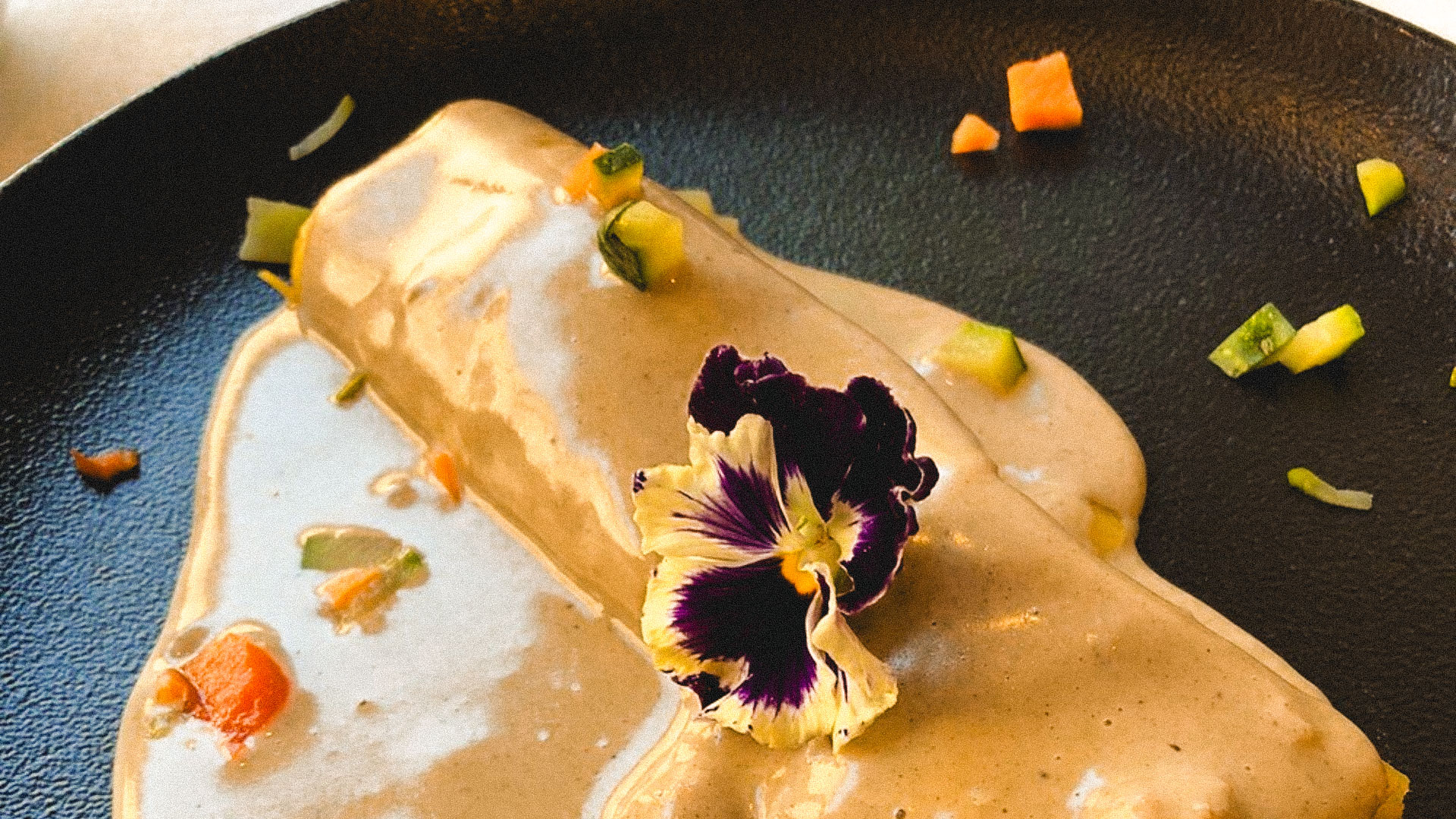
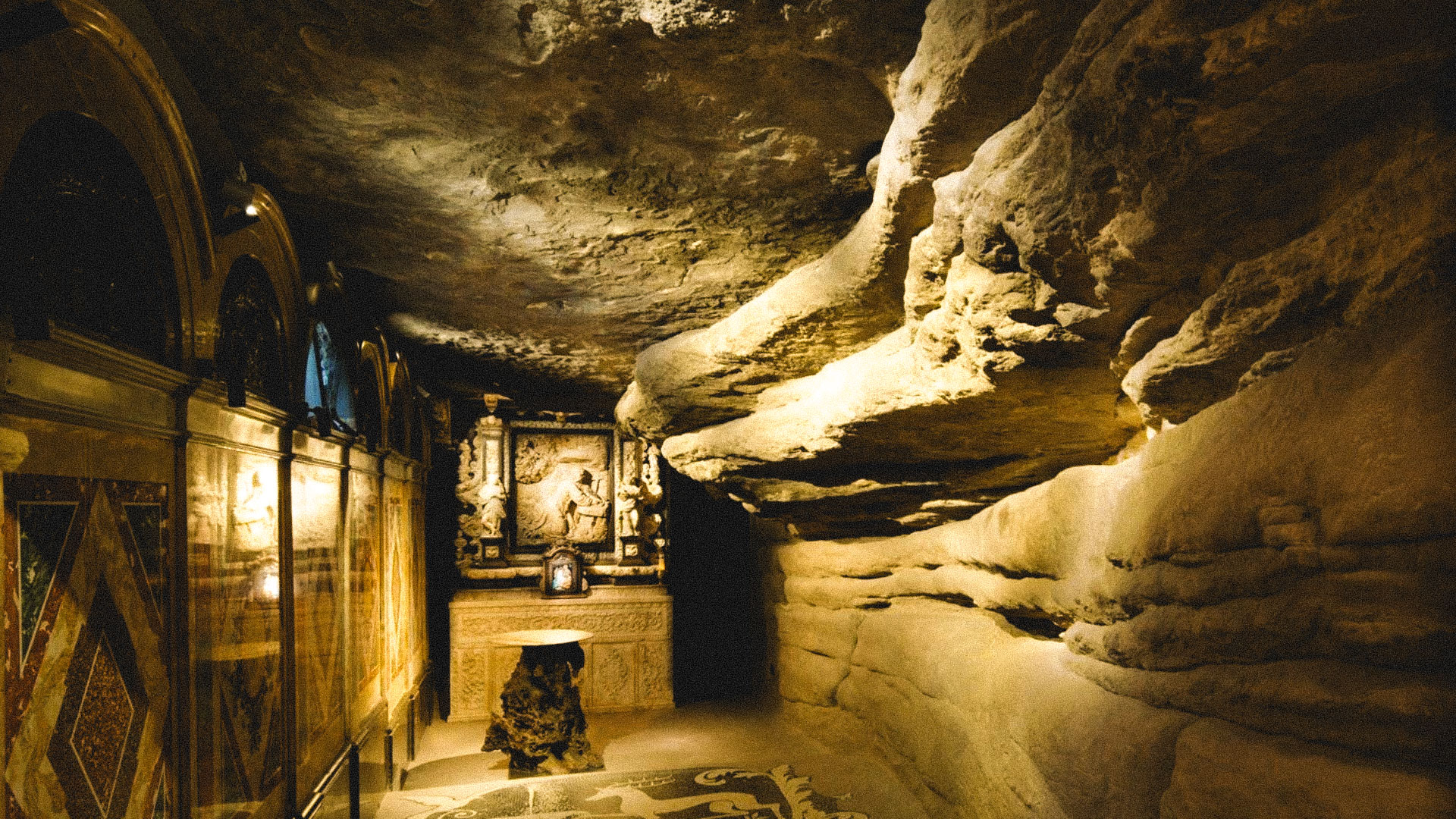
Experiences
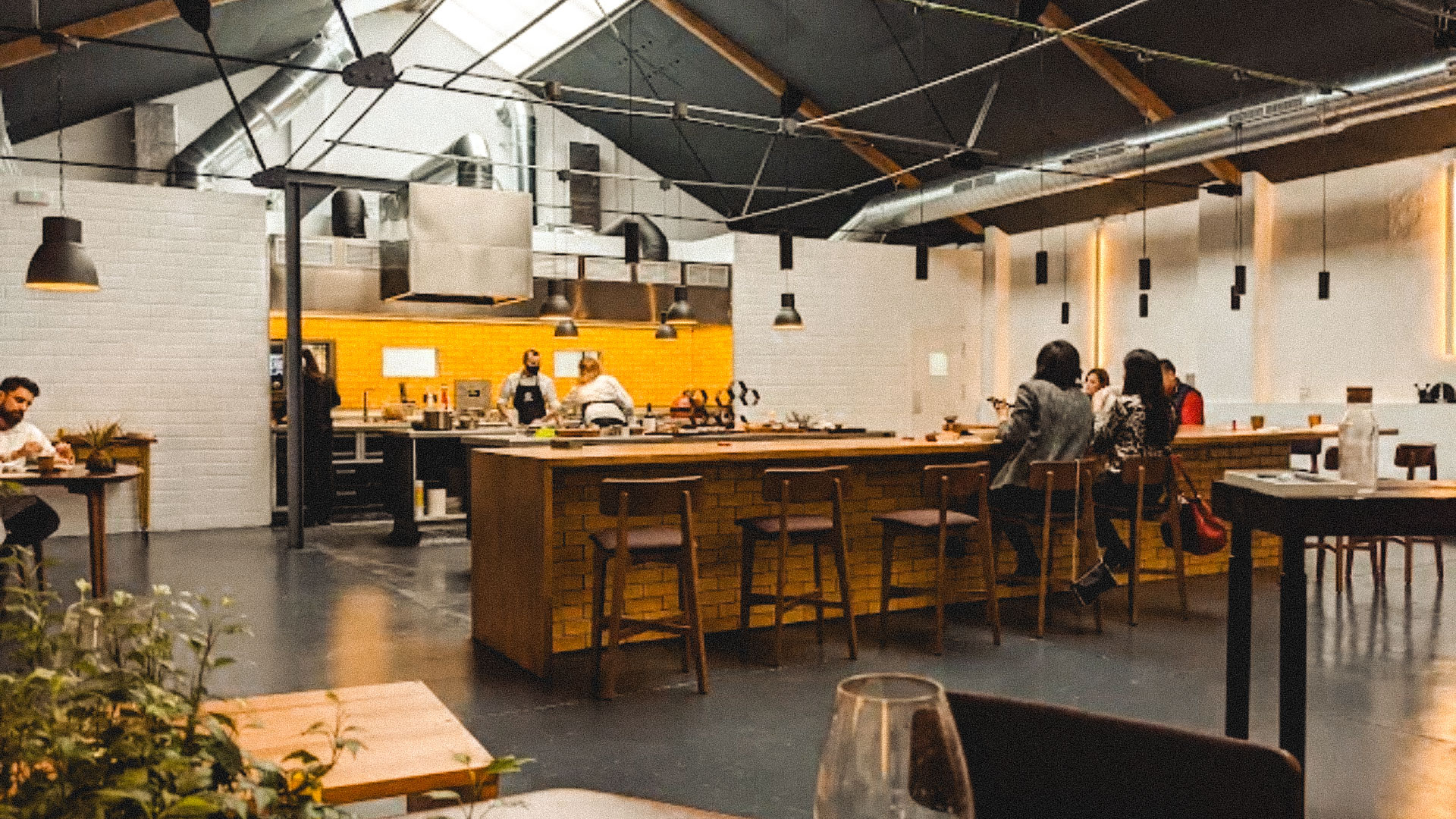
Restaurants
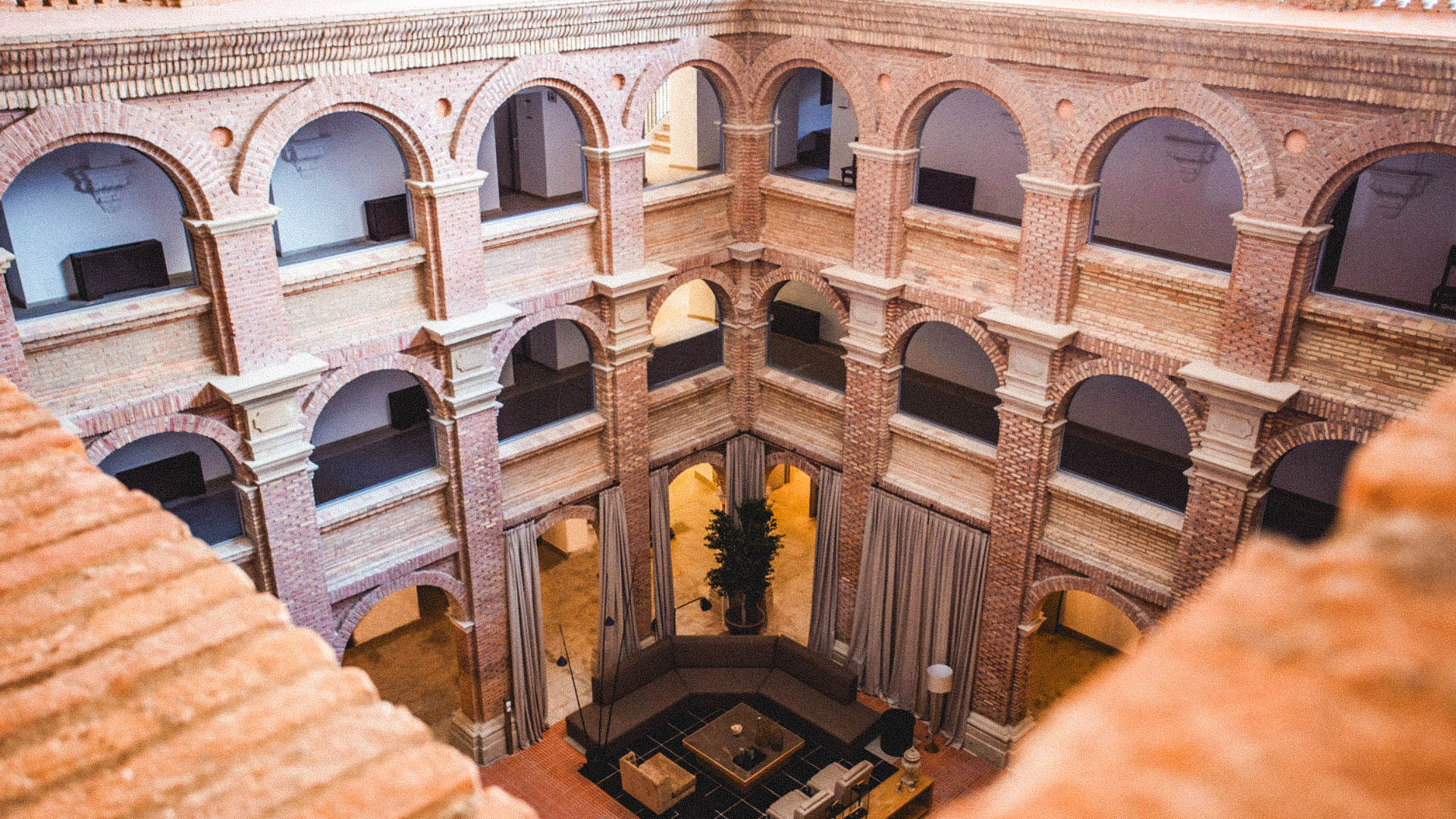
Hotels
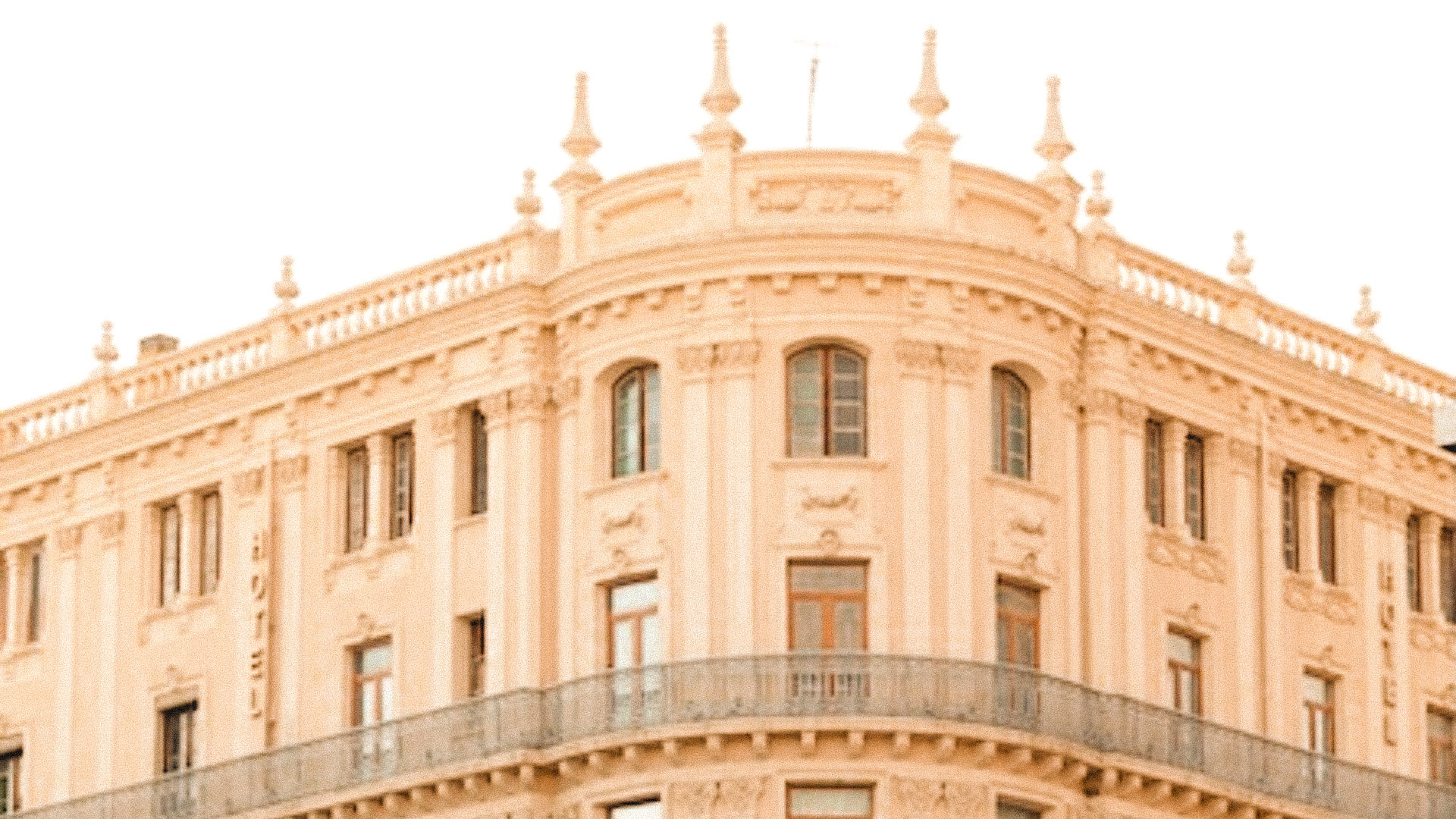
What’s included in your Camino?
Included
- Private accommodation with en-suite bathroom
- Daily breakfast
- Insurance
- 24/7 emergency phone assistance
- Detailed Camino guide with stages, maps, and tips
- Daily WhatsApp check-in and support
- Camino People welcome pack
- Personalized recommendations for meals, dinners, and local visits
- Luggage transfer between stages
Not Included
- Lunches and dinners not specified in the itinerary
- Drinks and extra snacks
- Flights or travel to the starting/ending point (optional transfer available)
- Personal expenses
- Cancellation or premium travel insurance (optional)
- Entrance fees to monuments or museums not included in the itinerary
- Tips
Extras (Available upon request)
- Guided Camino (full-time or selected stages)
- Fully organized trip with exclusive activities
- Gourmet dinners or unique gastronomic experiences
- Private cultural visits or entrance tickets with guide
- Transportation to/from airport or other off-route locations
- Extra nights before or after the Camino
- Massage, physiotherapy, or yoga services
- Cancellation or premium travel insurance
FAQ
Where can I get my credential?
You can obtain your Ignatian Way credential at various locations along the route. One of the most common places is at tourist offices in cities along the Camino, such as Tudela or Logroño.
You can also get it at pilgrim hostels, churches, or associations dedicated to the Ignatian Way.
Another option is to request it online through the official Ignatian Way website or the Association of Friends of the Ignatian Way. Remember, the credential is your official pilgrim document, allowing you to collect stamps at each stage and verify your journey.
When and where should I get my credential stamped?
Your credential must be stamped throughout the journey to prove that you have completed the different stages of the Ignatian Way. You can get your stamp at churches, hostels, tourist offices, local shops, or even in bars and restaurants. The most important thing is that each stamp is dated and corresponds to the place you visited.
Make sure to stamp your credential daily, as this is required to receive the Compostela or the official certificate upon completing the pilgrimage. Also, remember to keep your credential with you at all times during the journey.
Is the Ignatian Way difficult? Is it suitable for all pilgrims?
The Ignatian Way is considered a moderate to challenging route, as some stages feature demanding elevation changes, especially in the mountainous areas of the Basque Country and La Rioja. Additionally, there are long stretches with little shade and arid terrain, particularly in Aragón and Catalonia, which can make the journey more physically demanding, especially in the summer months.
While any motivated person can undertake the pilgrimage, it is advisable to have a minimum level of physical preparation and be accustomed to walking long distances. For those seeking a less strenuous experience, the stages can be divided or only specific sections of the route can be chosen.
Related Caminos
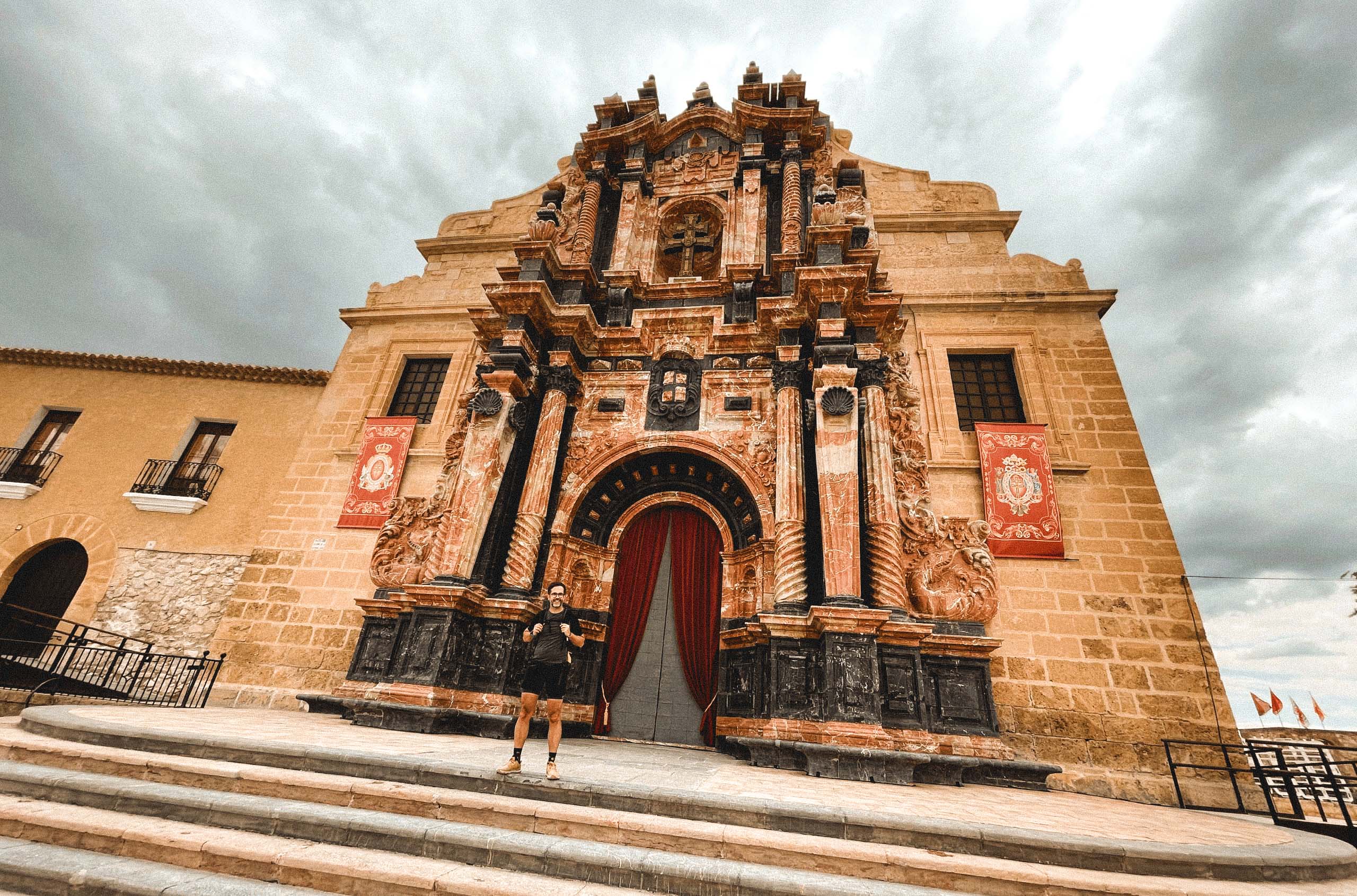
Camino de Levante – Caravaca de la Cruz
5 days - 4 nights

desde
1.400 €
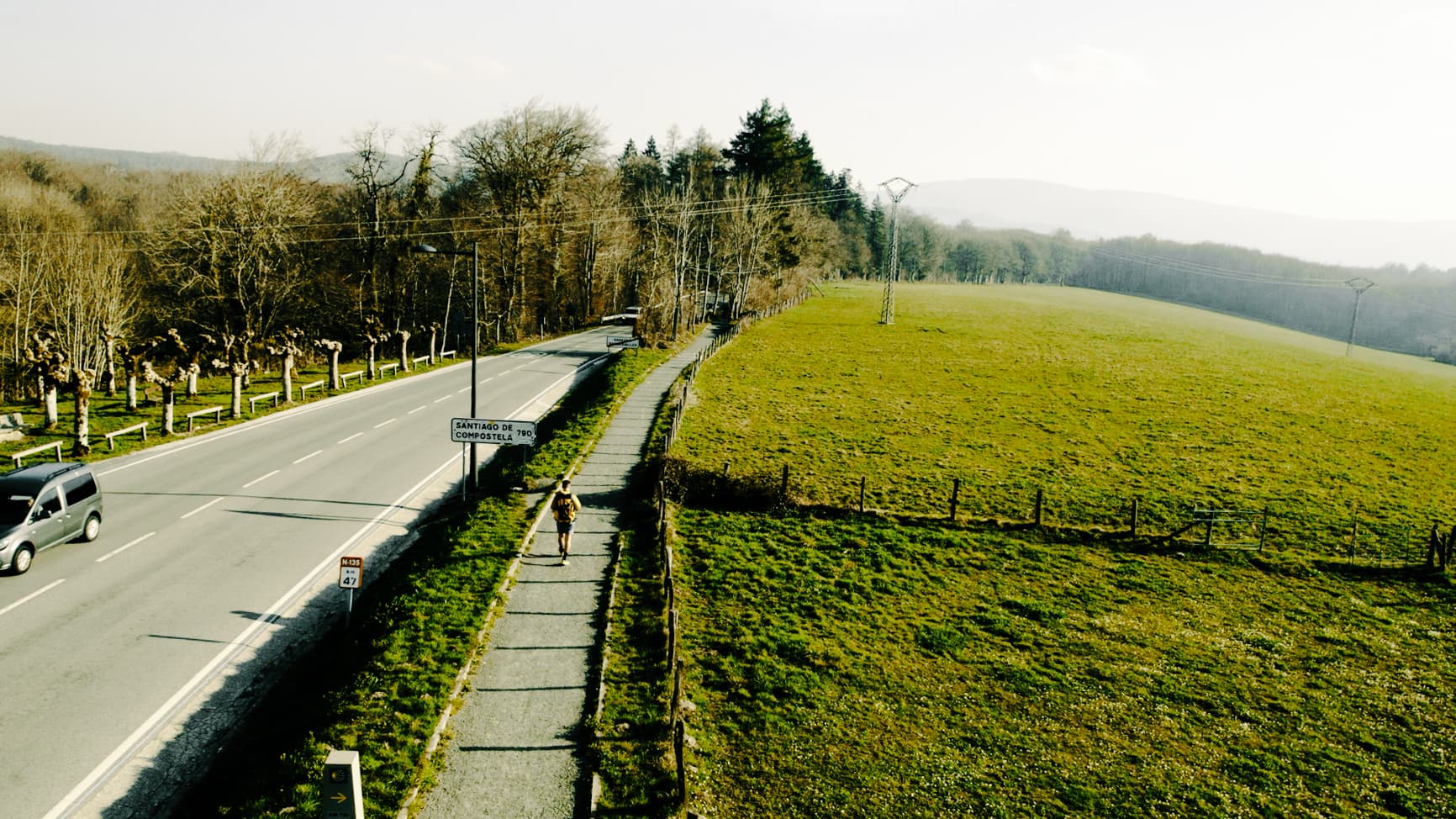
35 days - 34 nights
desde
8.000 €
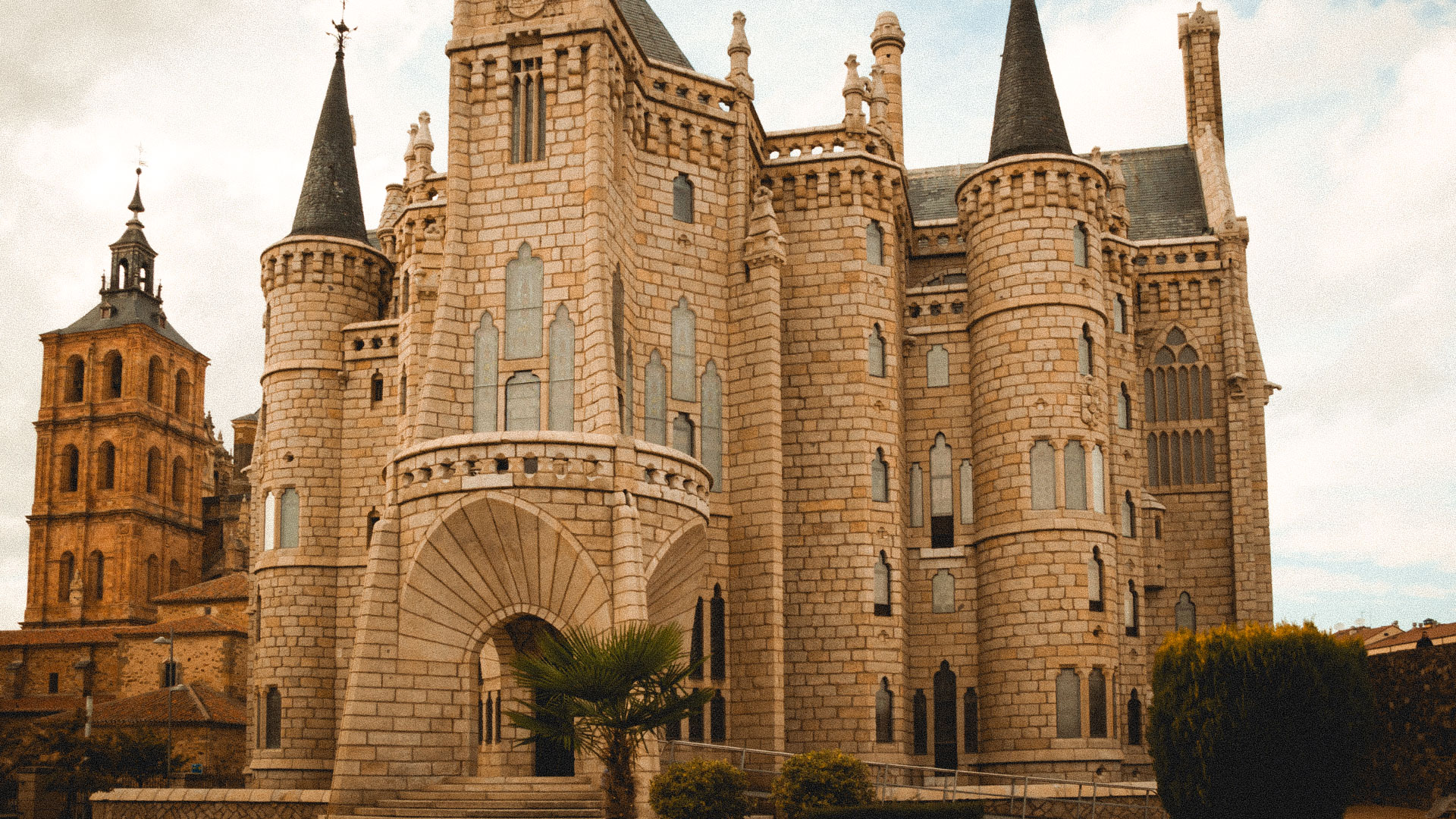
13 days - 12 nights

desde
2.700 €