Kumano Kodo – Nakahechi (Complete Route)

Passionate about the Caminos and stories, creating authentic experiences so that every pilgrim discovers the Camino like a local.
Embark on a unique spiritual journey along the Nakahechi Route of the legendary Kumano Kodo, one of Japan’s most sacred pilgrimage paths. Over seven days and six nights, you’ll follow in the footsteps of emperors, monks, and pilgrims who have walked these trails for over a thousand years in search of peace, insight, and connection.
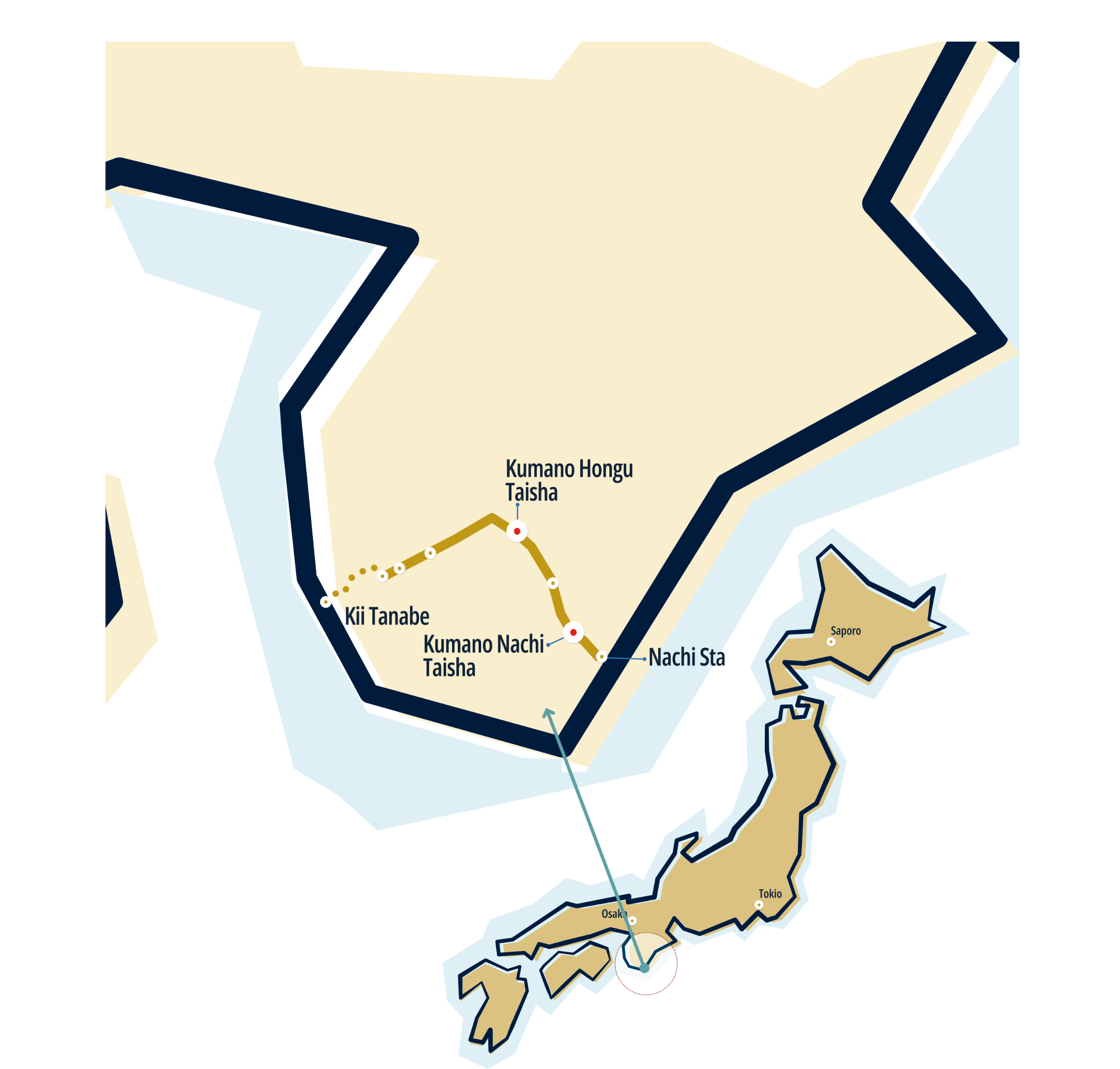
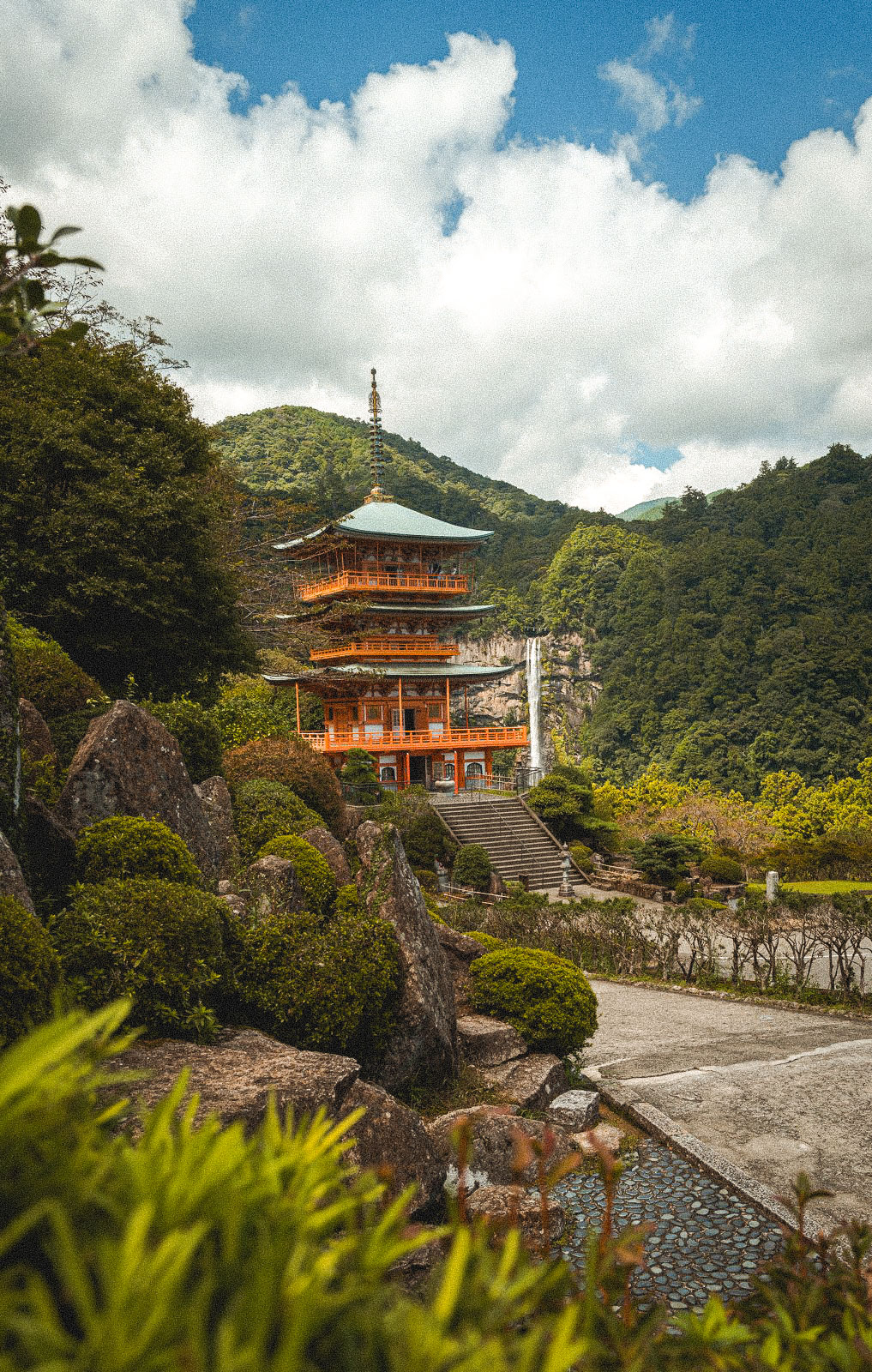
The Nakahechi Route leads you through ancient cedar forests, hidden mountain villages, and restorative hot springs, forming a single, continuous pilgrimage that connects the region’s most important spiritual sites. Along the way, you will visit Kumano Hongu Taisha, the spiritual heart of Kumano, and continue onward to Kumano Nachi Taisha, dramatically set beside the powerful Nachi Waterfall, the highest in Japan.
Together, these sacred places are part of one living pilgrimage tradition, where nature and spirituality flow as one. Each step along Nakahechi is both a physical journey and a deeply personal experience, an invitation to slow down, reflect, and reconnect. This camino is more than a walk—it is a journey inward, a return to stillness, and a profound encounter with the soul of Japan.
Are you ready to walk this ancient path, step by step?
Route
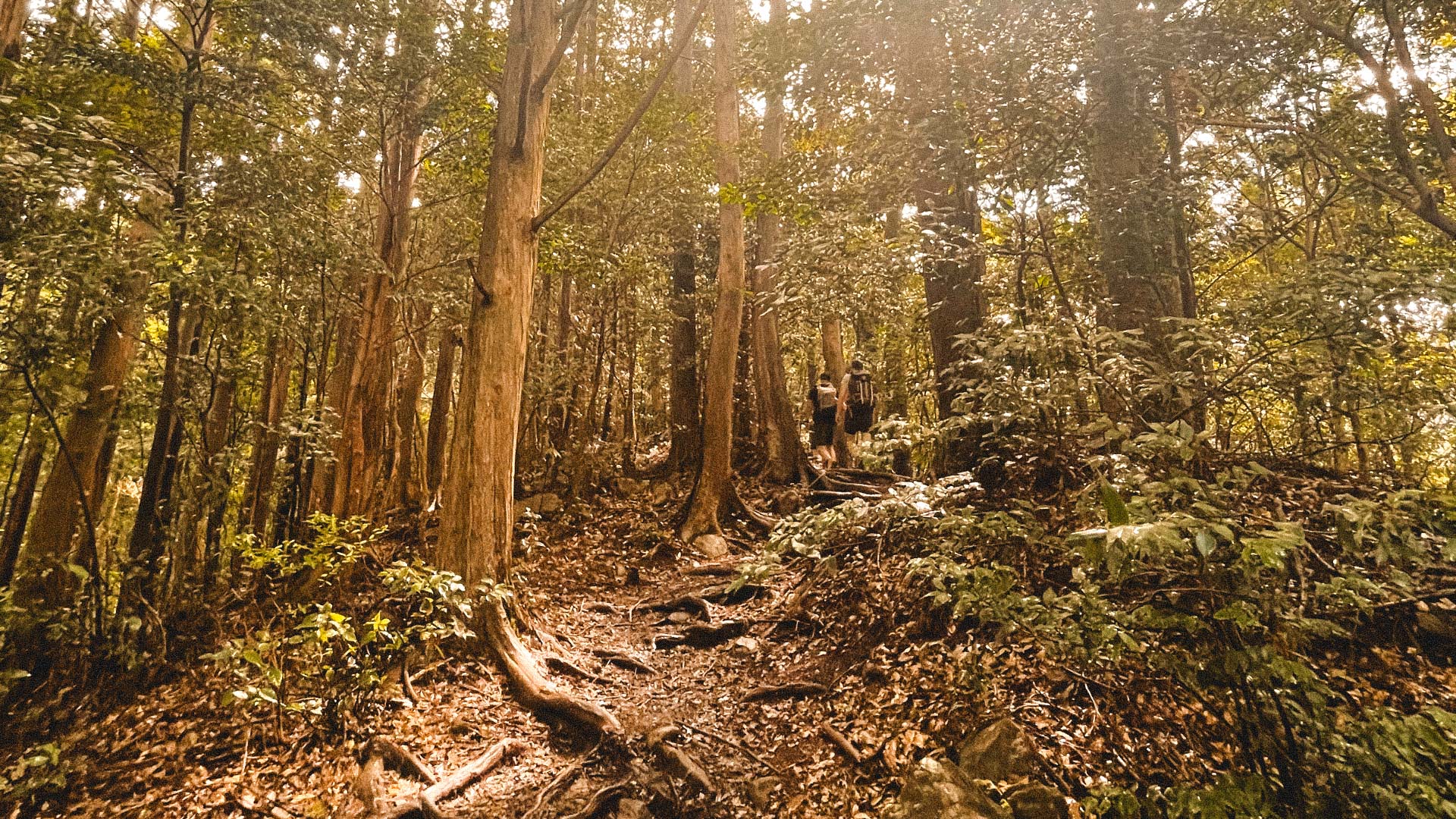 An ascent through sacred forests and breathtaking views
Distance: 3 miles – 4 km
The first day of the pilgrimage along the Nakahechi Route of the Kumano Kodo begins in Tanabe, the traditional gateway to this sacred network of trails. From Tanabe, you take a local bus to Takijiri-oji, considered the spiritual entrance to the Kumano mountains and the official starting point of the walk. This transition from city to forest marks the moment when the pilgrimage truly begins.
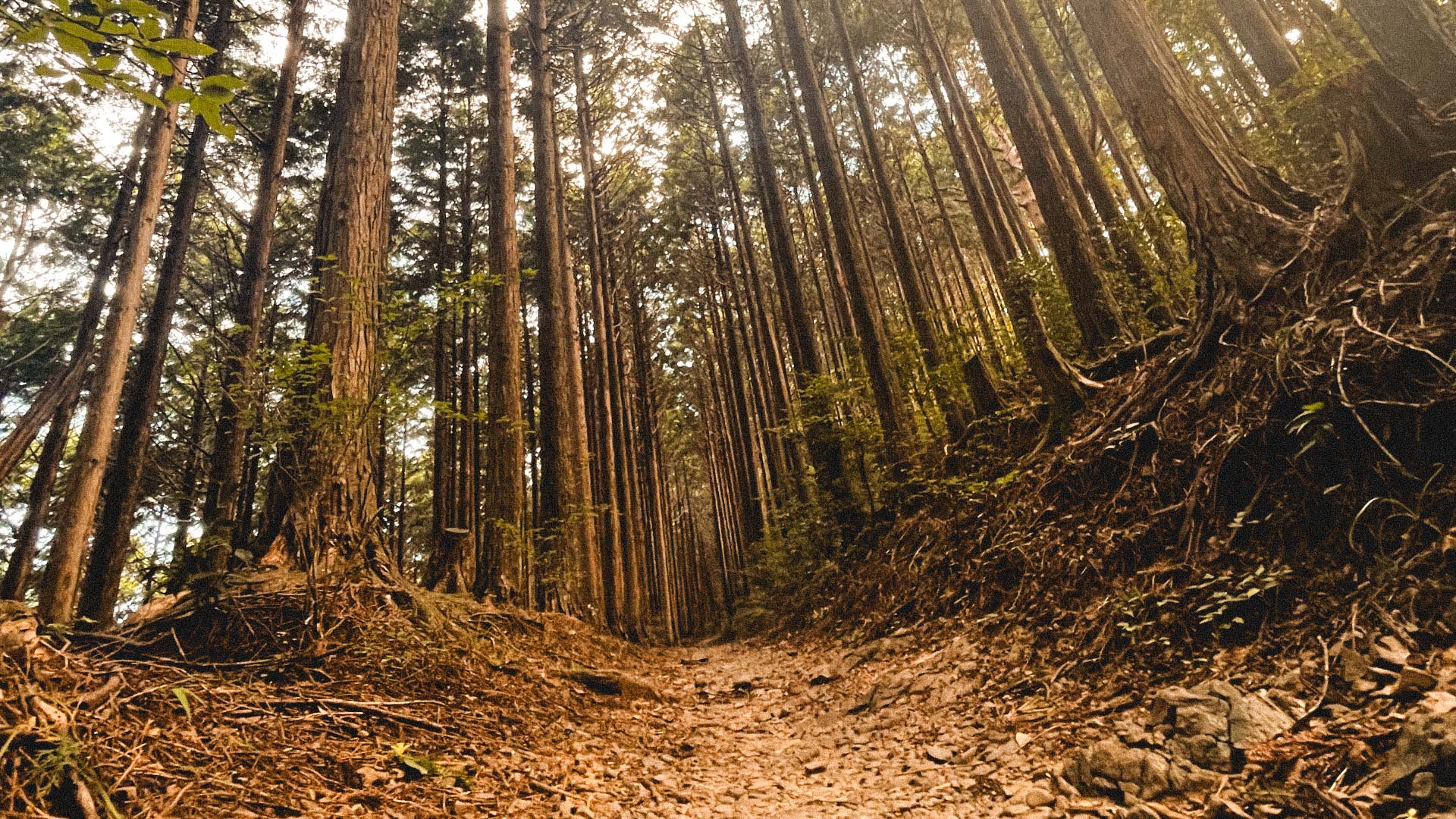
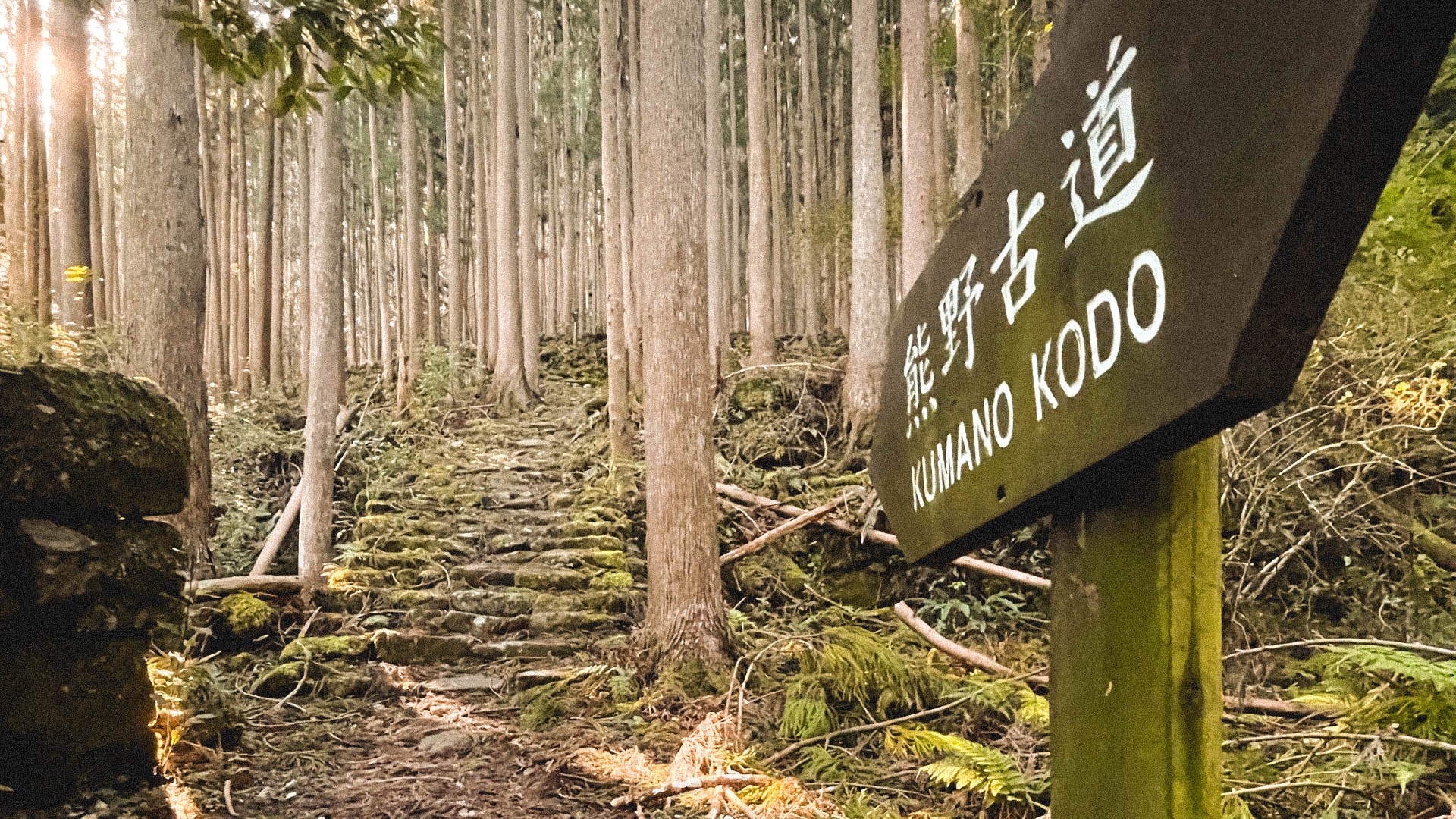
From Takijiri-oji, the walk to Takahara is approximately four kilometers, following an ancient uphill path through dense cedar forests. The trail ascends steadily, with stone steps, earth paths, and exposed roots, immersing you immediately in the natural and spiritual atmosphere of the route. Along the way, pilgrims encounter symbolic landmarks such as sacred rocks and natural formations traditionally associated with purification and renewal.
The day ends in Takahara, a small mountain village perched above the valley, offering sweeping views of the surrounding ranges. Here stands Takahara-jinja sanctuary, a serene shrine set among ancient trees, providing a quiet place for reflection. This peaceful setting, high above the lowlands, offers the perfect introduction to the rhythm, meaning, and spirit of the Kumano Kodo pilgrimage.
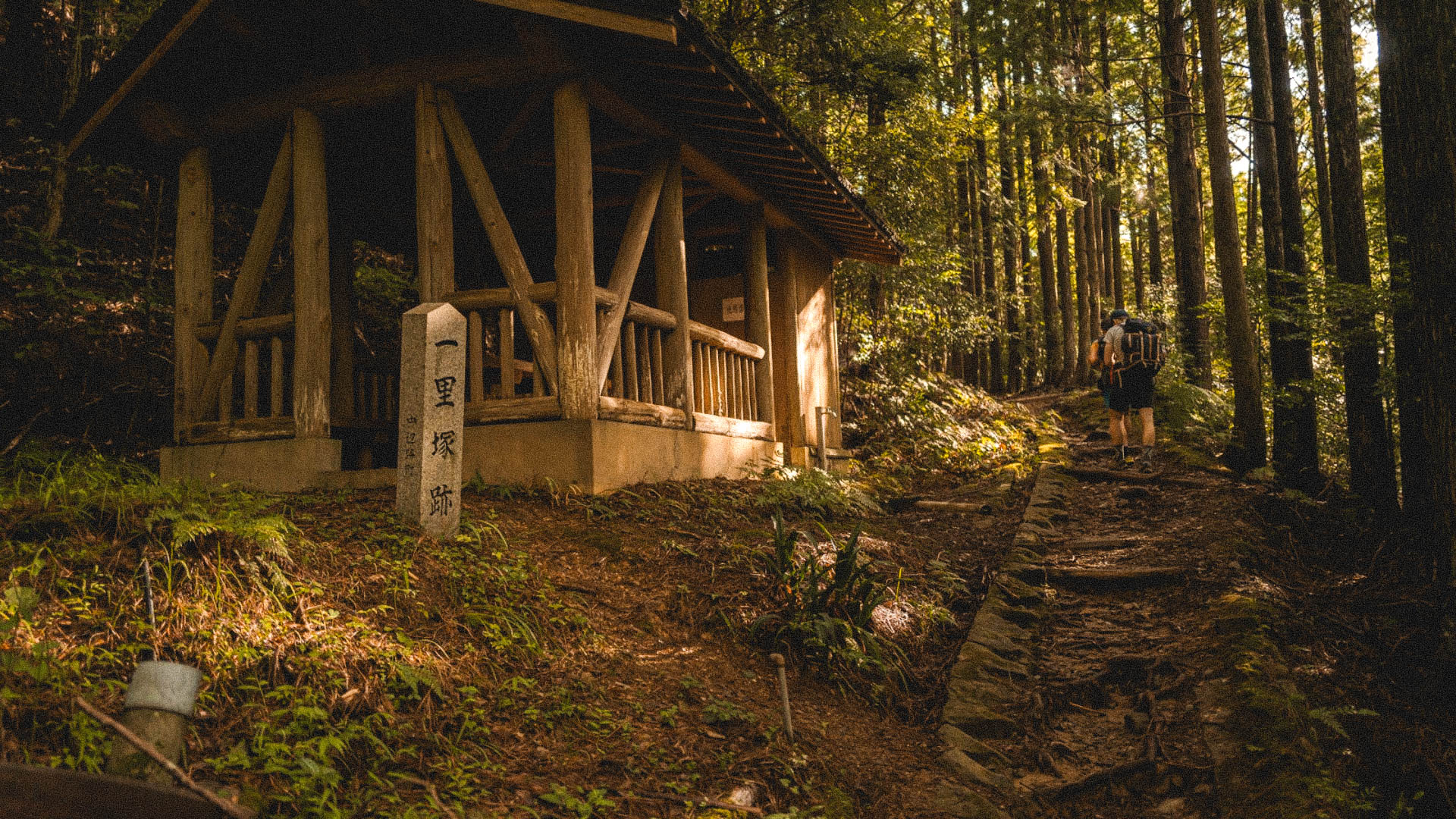 A challenging journey to the spiritual heart of Kumano
Distance: 5,6 miles – 9 km
After your first night in Takahara, you continue deeper into the sacred mountains of the Nakahechi Route. Today’s walk leads you from Takahara through peaceful cedar forests and rolling foothills toward Chikatsuyu-oji, an important oji shrine that has historically served as a resting and offering point for pilgrims along the Kumano Kodo, framing your journey with tradition and serenity.
The trail offers a mix of natural beauty and cultural resonance: shaded woodland paths, quiet mountain air, and glimpses into rural village life between steps. As with other sections of the Kumano Kodo, the way is well marked and thoughtfully maintained, allowing you to lose yourself in the rhythm of the walk while connecting with centuries of pilgrimage tradition.
Arriving in Chikatsuyu-oji feels like reaching a natural waypoint on your inward journey, this small village area blends spiritual heritage with local life, and it’s a perfect place to reflect on your first days on the trail before resting up for tomorrow’s longer stretch toward Hongu.
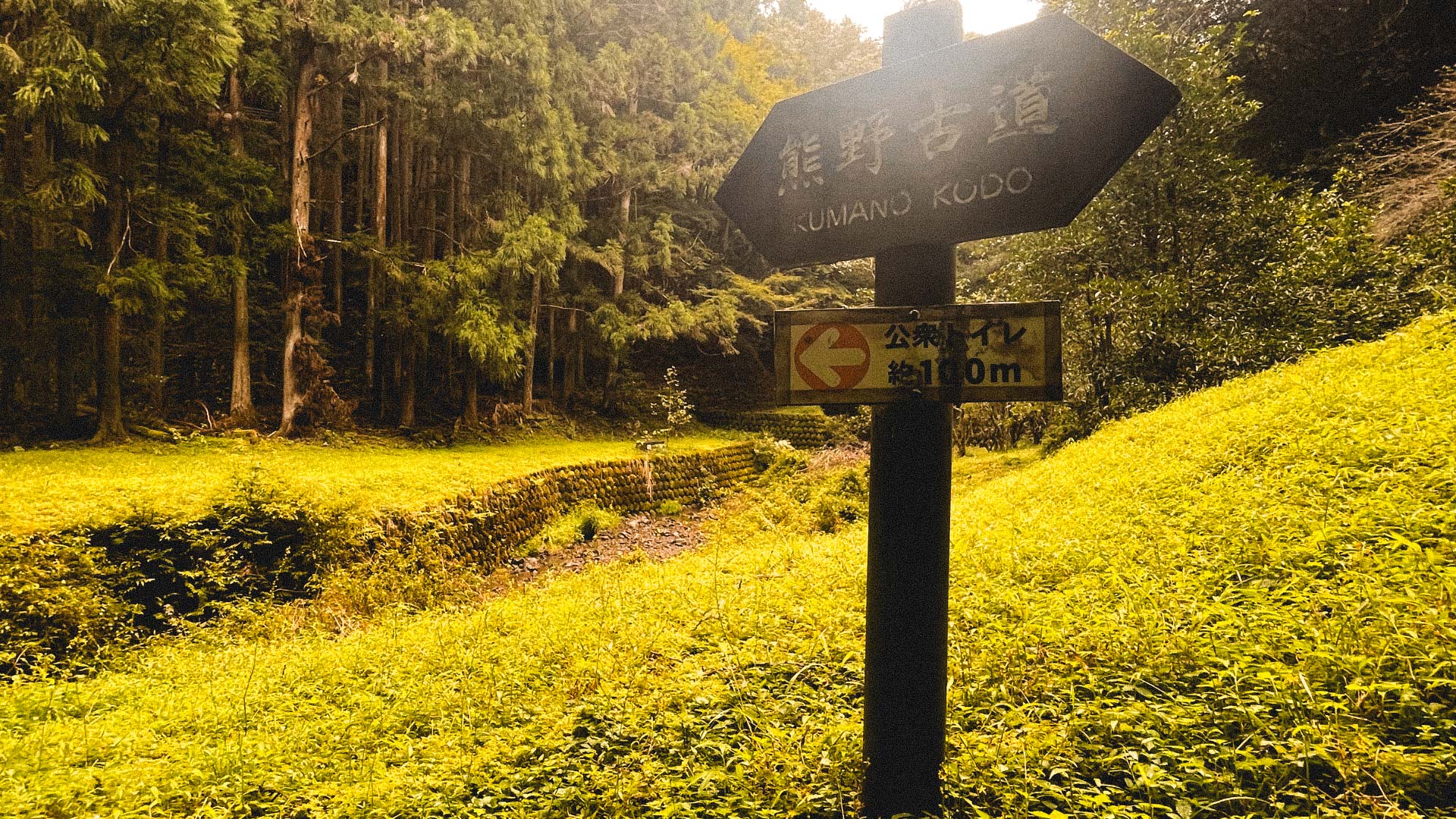 Nature, tradition, and rest in the heart of the Kumano Kodo
Distance: 15,2 miles – 24,5 km
This stage is one of the most classic and meaningful days on the Nakahechi Route. The walk from Chikatsuyu-oji toward Kumano Hongu Taisha crosses a varied landscape of rural villages, forest paths, and historic pilgrimage routes, following the same trails once used by imperial processions on their way to the sacred heart of Kumano.
As you approach the Hongu area, the sense of spirituality deepens. The path leads you to Kumano Hongu Taisha, the main shrine of the Kumano region and one of the revered Kumano Sanzan, a place long associated with purification, rebirth, and prayer. Reaching Hongu marks a powerful milestone in the pilgrimage.
After visiting the shrine, you continue a short distance to Yunomine Onsen, a historic hot spring village nestled in the mountains near Hongu. Used by pilgrims for centuries for ritual cleansing, Yunomine offers the perfect place to rest and restore body and spirit, soaking in its sacred waters before the journey continues.
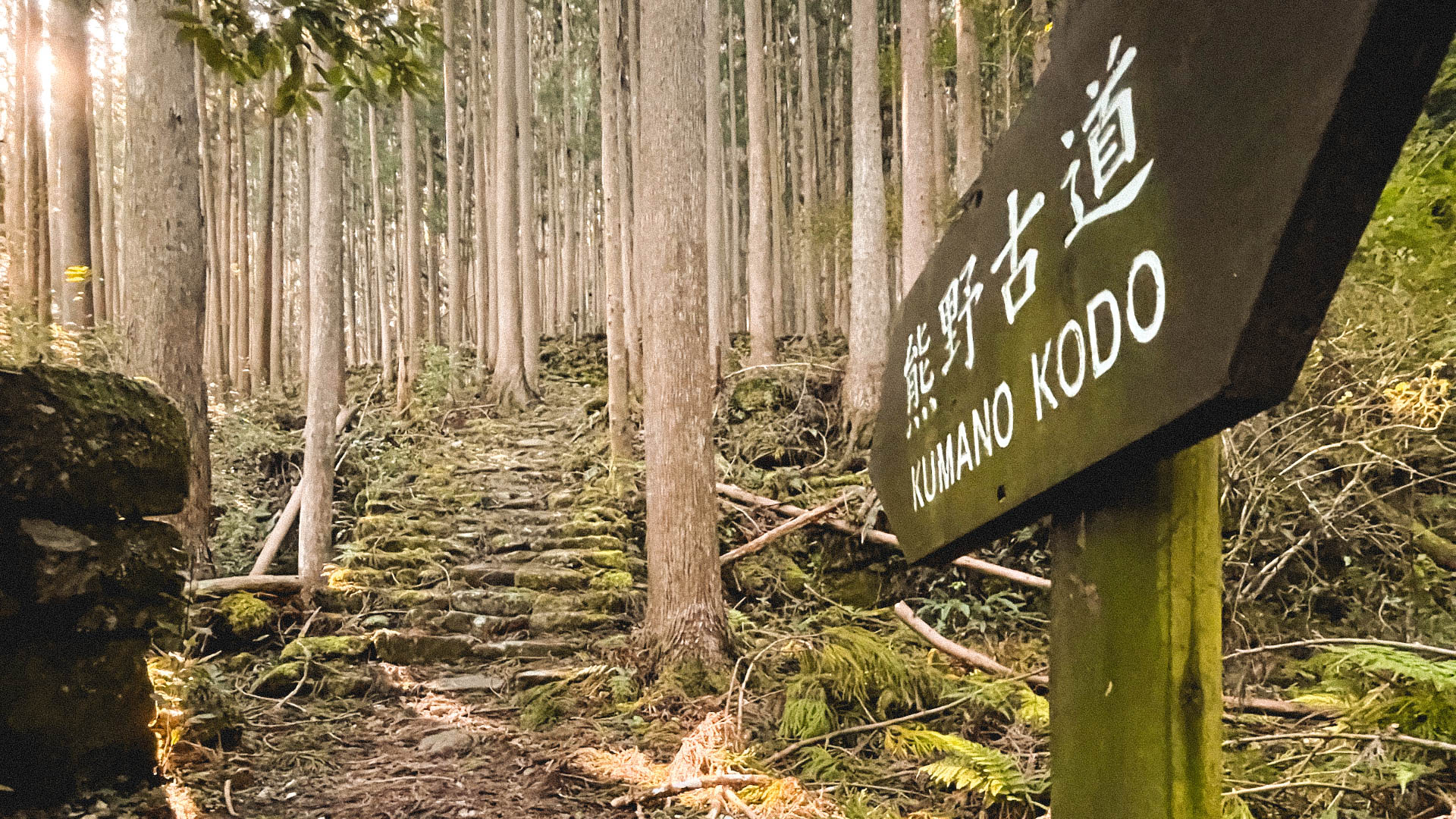 A trail through forests and rivers
Distance: 8,1 miles – 13 km
Leaving the Hongu area behind, the route toward Koguchi begins with fresh energy and renewed focus. This day’s walk takes you out of the historic shrine town and brings you back into the forested hills and river valleys that define the Kumano Kodo’s deep mountain character.
The trail follows well-worn pilgrim paths, offering a rhythmic blend of rising and descending sections, shaded woods, and occasional views over the surrounding landscape. Walking here, you feel the centuries-old connection between nature and spirituality that pilgrims have experienced for over a millennium.
Your destination, Koguchi, is a small village that acts as a gateway to the final sacred ascent toward Nachi later in the trek. It’s a place to rest, soak in the calm atmosphere, and prepare for one of the most immersive and dramatic sections of the Kumano Kodo.
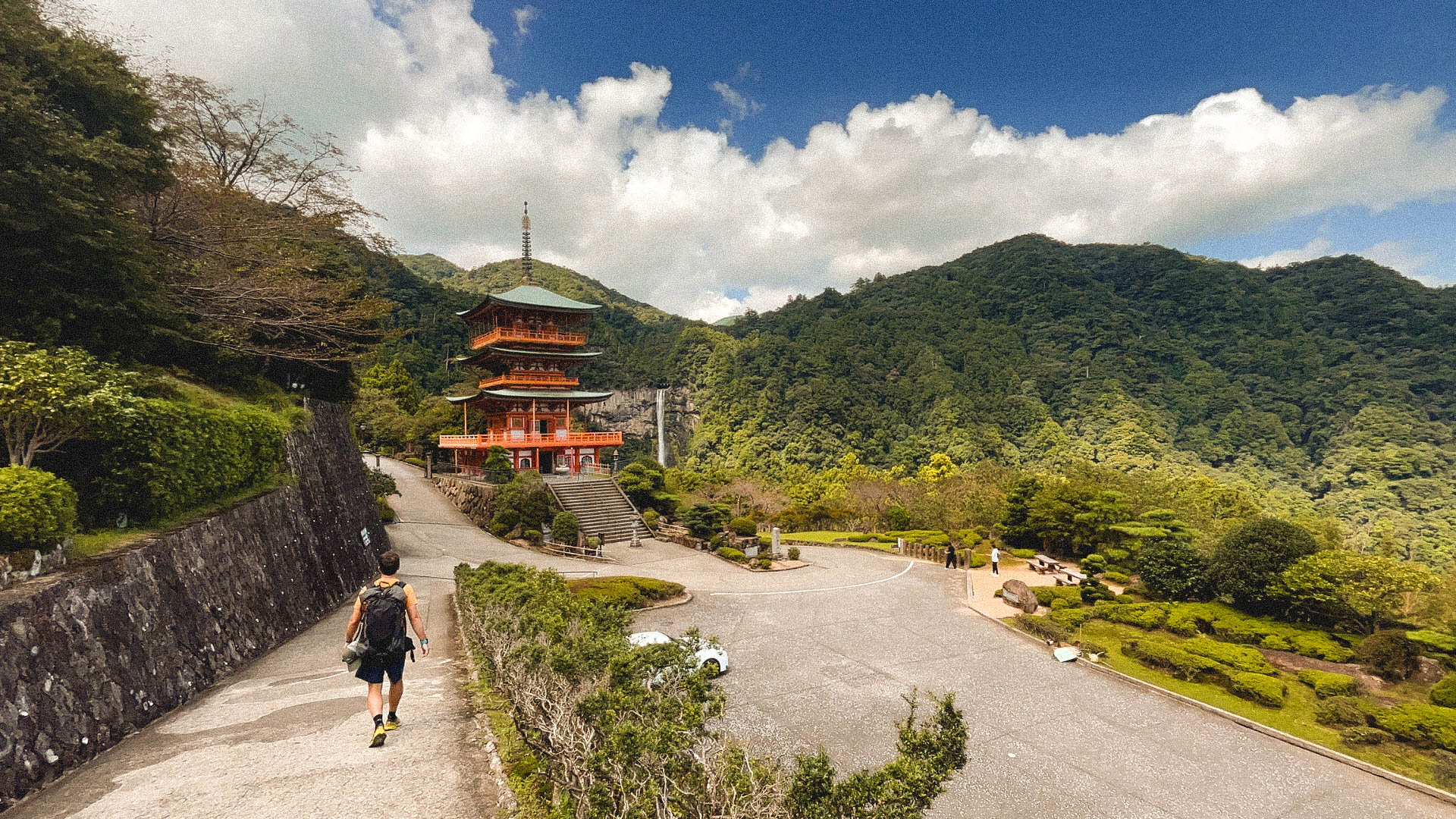 The final stage of the Nachi Way
Distance: 9 miles – 14 km
On your final walking day, you journey from Koguchi toward Kumano Nachi Taisha, completing the Nakahechi Route and reaching one of the most iconic sacred sites in Japan. This section, often considered among the most rewarding, leads you through forested ridgelines, mountainous terrain, and ancient stone paths that gradually bring you closer to the ocean and to Nachi’s towering waterfall.
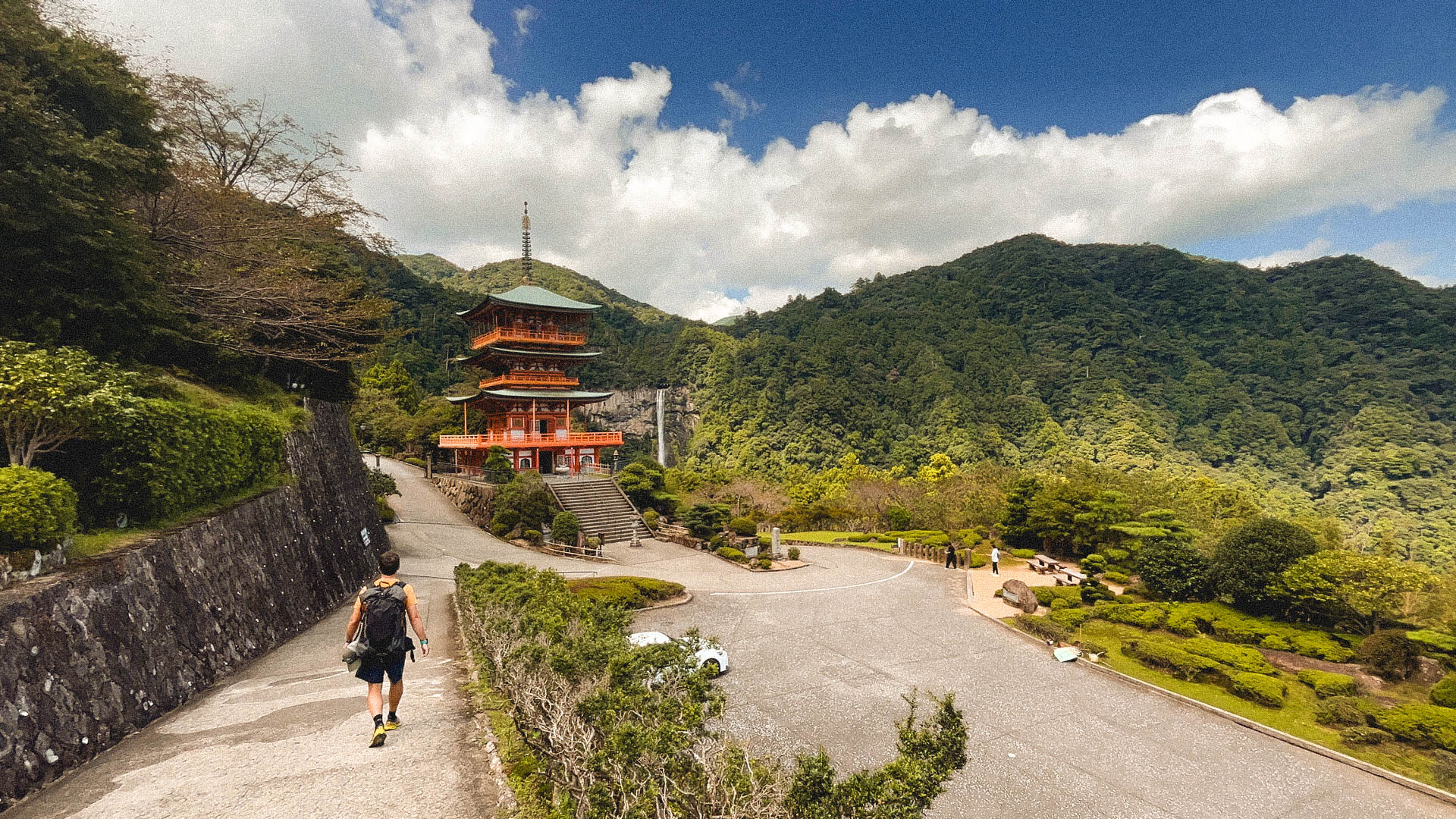
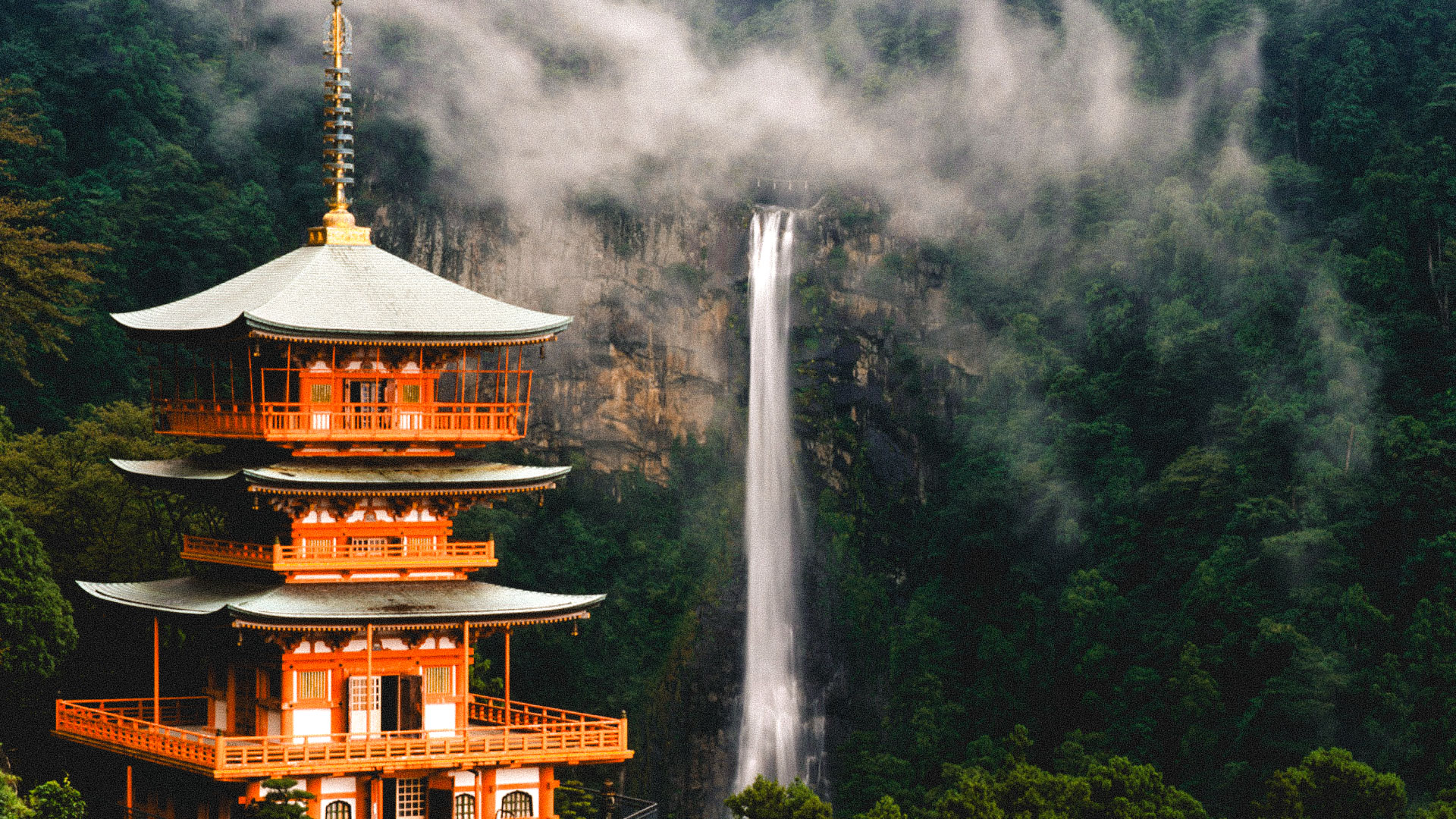
At the end of the walk, you arrive at Kumano Nachi Taisha, a grand shrine set beside Nachi-no-Otaki, the tallest waterfall in Japan. The dramatic combination of dense forest, flowing water, and centuries-old spiritual tradition creates a powerful sense of arrival and completion after days of pilgrimage.
From Kumano Nachi Taisha, you can take a local bus down to Nachi Station, making the descent comfortable after the final stage. Here, at the true conclusion of the Nakahechi pilgrimage, you stand at the culmination of your journey, a place where nature, culture, and faith converge in unforgettable harmony.
Route
An ascent through sacred forests and breathtaking views
Distance: 3 miles – 4 km
The first day of the pilgrimage along the Nakahechi Route of the Kumano Kodo begins in Tanabe, the traditional gateway to this sacred network of trails. From Tanabe, you take a local bus to Takijiri-oji, considered the spiritual entrance to the Kumano mountains and the official starting point of the walk. This transition from city to forest marks the moment when the pilgrimage truly begins.
From Takijiri-oji, the walk to Takahara is approximately four kilometers, following an ancient uphill path through dense cedar forests. The trail ascends steadily, with stone steps, earth paths, and exposed roots, immersing you immediately in the natural and spiritual atmosphere of the route. Along the way, pilgrims encounter symbolic landmarks such as sacred rocks and natural formations traditionally associated with purification and renewal.
The day ends in Takahara, a small mountain village perched above the valley, offering sweeping views of the surrounding ranges. Here stands Takahara-jinja sanctuary, a serene shrine set among ancient trees, providing a quiet place for reflection. This peaceful setting, high above the lowlands, offers the perfect introduction to the rhythm, meaning, and spirit of the Kumano Kodo pilgrimage.
A challenging journey to the spiritual heart of Kumano
Distance: 5,6 miles – 9 km
After your first night in Takahara, you continue deeper into the sacred mountains of the Nakahechi Route. Today’s walk leads you from Takahara through peaceful cedar forests and rolling foothills toward Chikatsuyu-oji, an important oji shrine that has historically served as a resting and offering point for pilgrims along the Kumano Kodo, framing your journey with tradition and serenity.
The trail offers a mix of natural beauty and cultural resonance: shaded woodland paths, quiet mountain air, and glimpses into rural village life between steps. As with other sections of the Kumano Kodo, the way is well marked and thoughtfully maintained, allowing you to lose yourself in the rhythm of the walk while connecting with centuries of pilgrimage tradition.
Arriving in Chikatsuyu-oji feels like reaching a natural waypoint on your inward journey, this small village area blends spiritual heritage with local life, and it’s a perfect place to reflect on your first days on the trail before resting up for tomorrow’s longer stretch toward Hongu.
Nature, tradition, and rest in the heart of the Kumano Kodo
Distance: 15,2 miles – 24,5 km
This stage is one of the most classic and meaningful days on the Nakahechi Route. The walk from Chikatsuyu-oji toward Kumano Hongu Taisha crosses a varied landscape of rural villages, forest paths, and historic pilgrimage routes, following the same trails once used by imperial processions on their way to the sacred heart of Kumano.
As you approach the Hongu area, the sense of spirituality deepens. The path leads you to Kumano Hongu Taisha, the main shrine of the Kumano region and one of the revered Kumano Sanzan, a place long associated with purification, rebirth, and prayer. Reaching Hongu marks a powerful milestone in the pilgrimage.
After visiting the shrine, you continue a short distance to Yunomine Onsen, a historic hot spring village nestled in the mountains near Hongu. Used by pilgrims for centuries for ritual cleansing, Yunomine offers the perfect place to rest and restore body and spirit, soaking in its sacred waters before the journey continues.
A trail through forests and rivers
Distance: 8,1 miles – 13 km
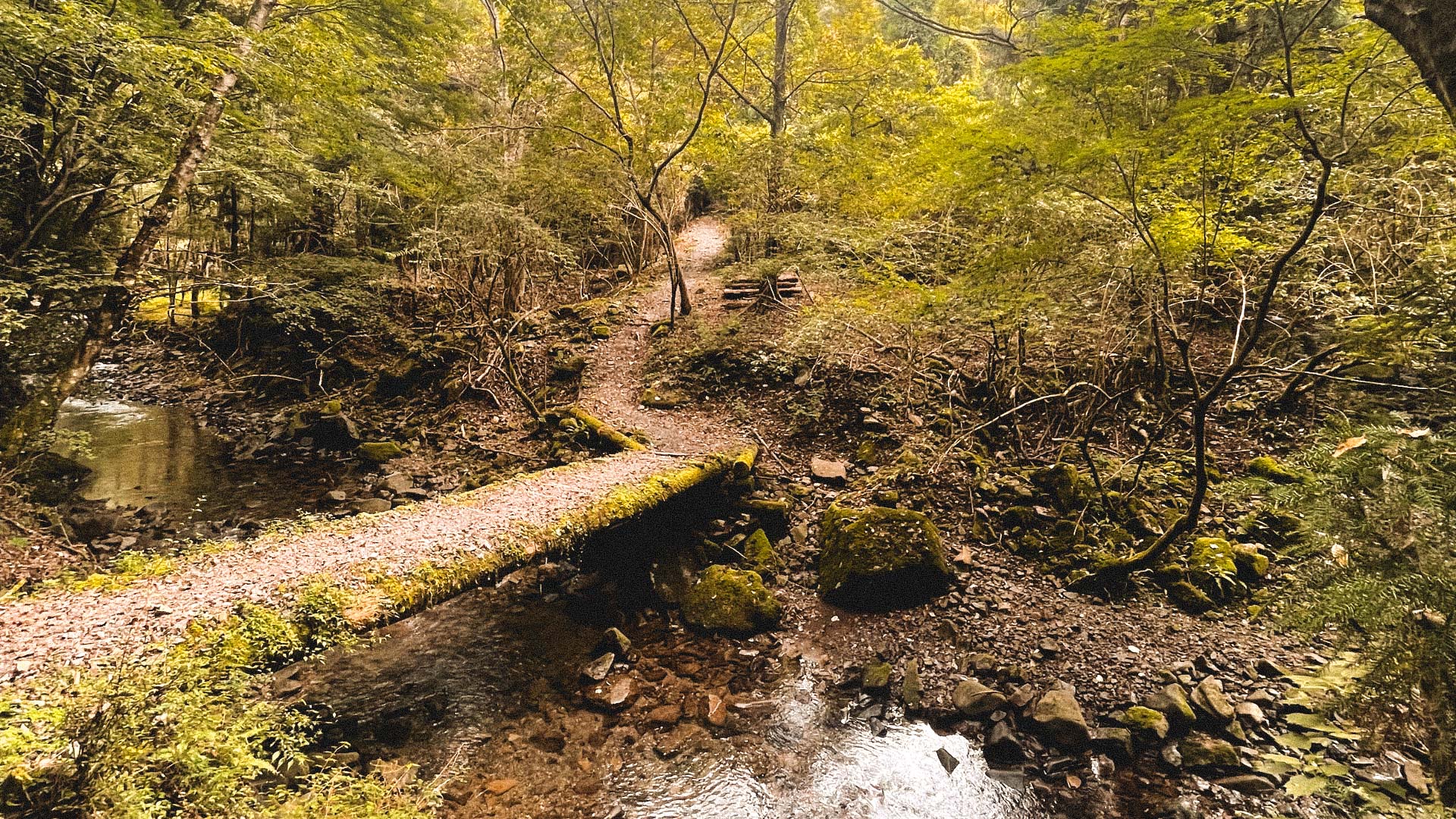
Leaving the Hongu area behind, the route toward Koguchi begins with fresh energy and renewed focus. This day’s walk takes you out of the historic shrine town and brings you back into the forested hills and river valleys that define the Kumano Kodo’s deep mountain character.
The trail follows well-worn pilgrim paths, offering a rhythmic blend of rising and descending sections, shaded woods, and occasional views over the surrounding landscape. Walking here, you feel the centuries-old connection between nature and spirituality that pilgrims have experienced for over a millennium.
Your destination, Koguchi, is a small village that acts as a gateway to the final sacred ascent toward Nachi later in the trek. It’s a place to rest, soak in the calm atmosphere, and prepare for one of the most immersive and dramatic sections of the Kumano Kodo.
The final stage of the Nachi Way
Distance: 9 miles – 14 km
On your final walking day, you journey from Koguchi toward Kumano Nachi Taisha, completing the Nakahechi Route and reaching one of the most iconic sacred sites in Japan. This section, often considered among the most rewarding, leads you through forested ridgelines, mountainous terrain, and ancient stone paths that gradually bring you closer to the ocean and to Nachi’s towering waterfall.
At the end of the walk, you arrive at Kumano Nachi Taisha, a grand shrine set beside Nachi-no-Otaki, the tallest waterfall in Japan. The dramatic combination of dense forest, flowing water, and centuries-old spiritual tradition creates a powerful sense of arrival and completion after days of pilgrimage.
From Kumano Nachi Taisha, you can take a local bus down to Nachi Station, making the descent comfortable after the final stage. Here, at the true conclusion of the Nakahechi pilgrimage, you stand at the culmination of your journey, a place where nature, culture, and faith converge in unforgettable harmony.
What’s included in your Camino?
Included
- Private accommodation with en-suite bathroom
- Daily breakfast
- Insurance
- 24/7 emergency phone assistance
- Detailed Camino guide with stages, maps, and tips
- Daily WhatsApp check-in and support
- Camino People welcome pack
- Personalized recommendations for meals, dinners, and local visits
- Luggage transfer between stages
Not Included
- Lunches and dinners not specified in the itinerary
- Drinks and extra snacks
- Flights or travel to the starting/ending point (optional transfer available)
- Personal expenses
- Cancellation or premium travel insurance (optional)
- Entrance fees to monuments or museums not included in the itinerary
- Tips
Extras (Available upon request)
- Guided Camino (full-time or selected stages)
- Fully organized trip with exclusive activities
- Gourmet dinners or unique gastronomic experiences
- Private cultural visits or entrance tickets with guide
- Transportation to/from airport or other off-route locations
- Extra nights before or after the Camino
- Cancellation or premium travel insurance
- Japan pre and post Camino trip



FAQ
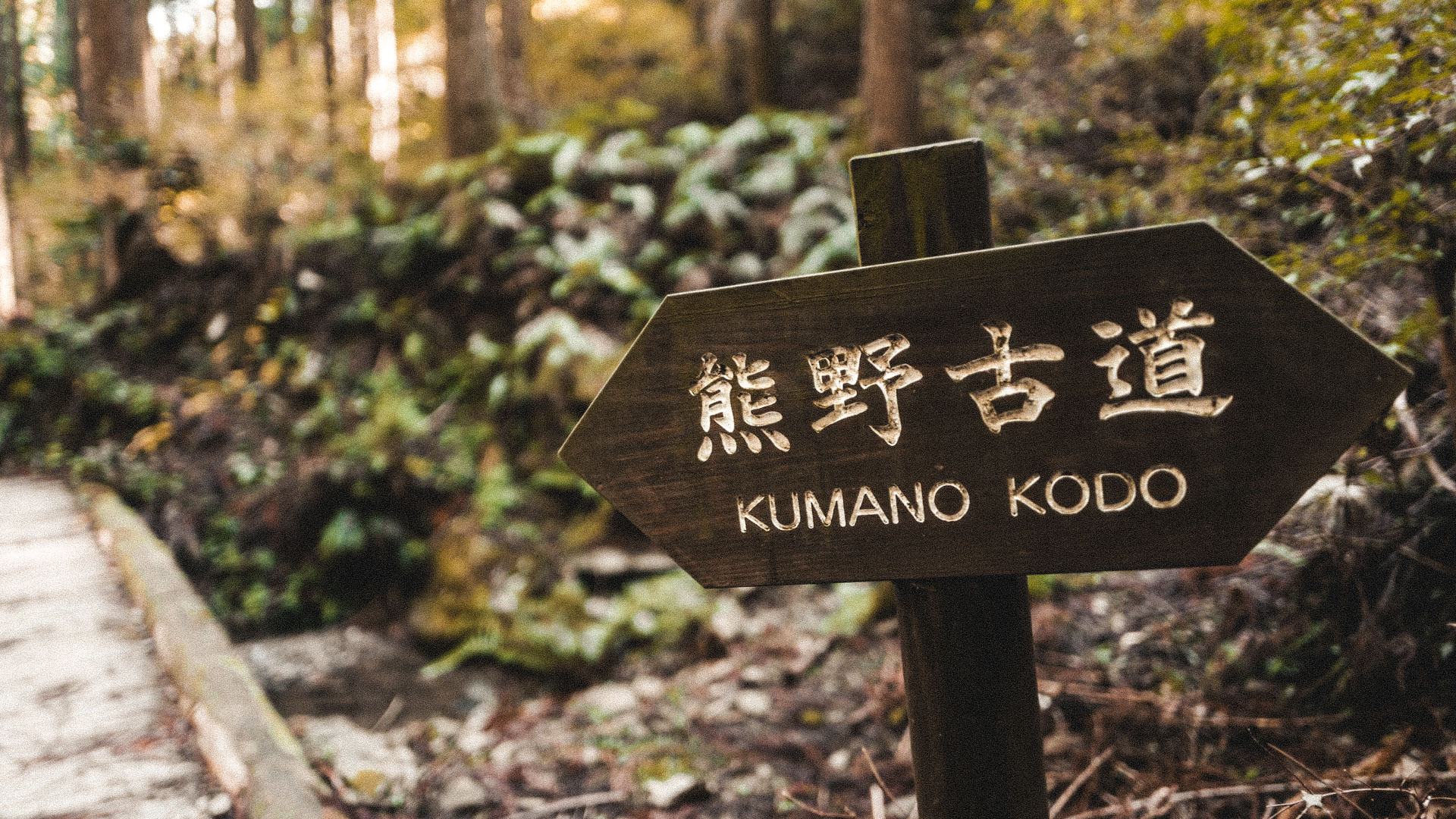
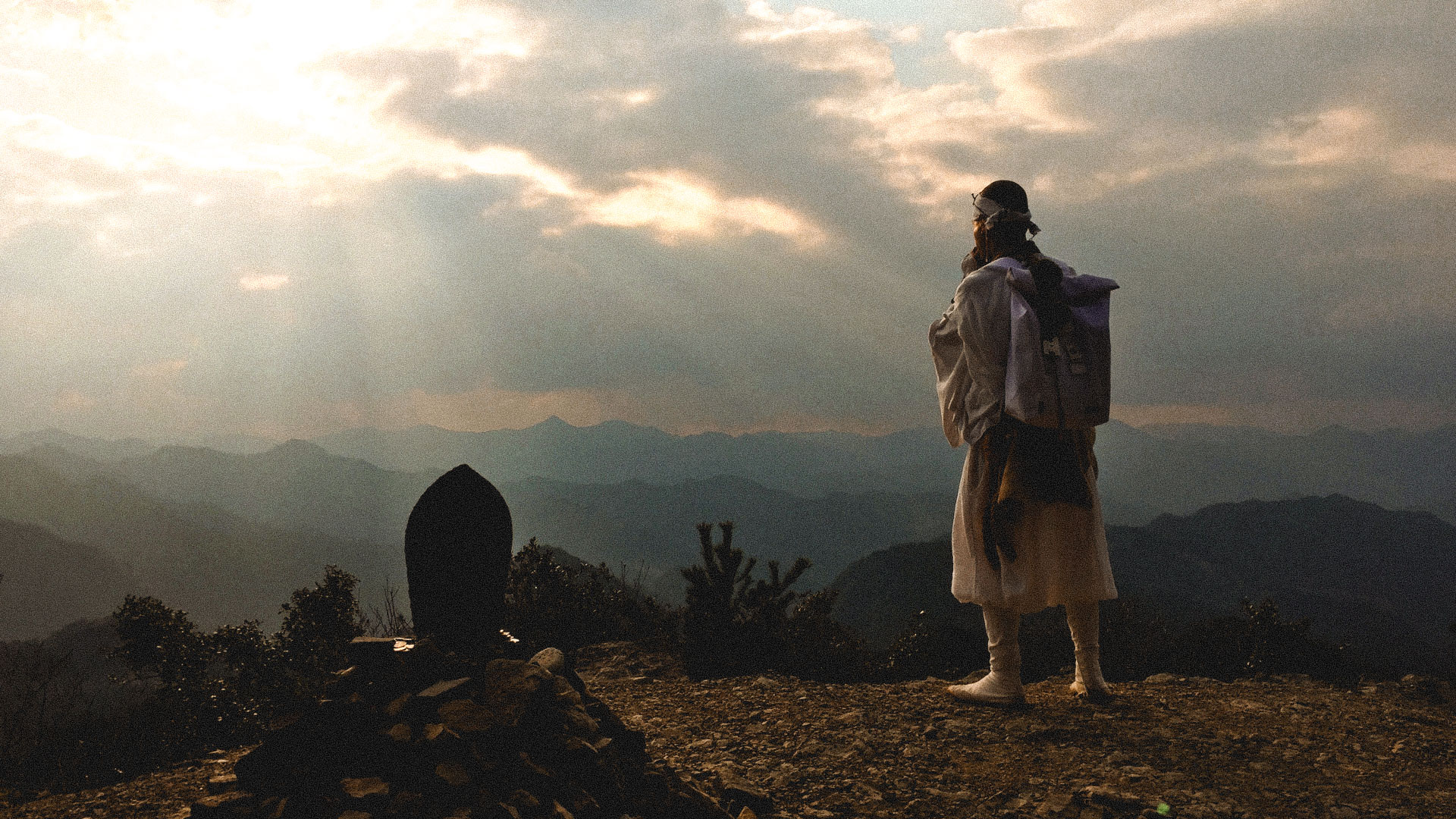
Along the Kumano Kodo, pilgrims journey through breathtaking landscapes—ancient cedar forests, rolling mountains wrapped in mist, and lush valleys that echo with silence. One of the most awe-inspiring highlights is the Nachi-no-Otaki Waterfall, Japan’s tallest, cascading beside the sacred Kumano Nachi Taisha, a revered Shinto shrine nestled deep in nature.
Each step along these sacred routes offers more than just scenery—it invites reflection, inner stillness, and a deep connection to the spiritual traditions that have shaped Japan for over a millennium. This is not just a walk—it’s a pilgrimage into the heart of nature and the soul of a timeless culture.
Along the Kumano Kodo, accommodation is more than just a place to rest—it’s part of the cultural and spiritual journey. Travelers stay in traditional minshuku (family-run guesthouses) and ryokan (Japanese inns), where warm hospitality, home-cooked meals, and tatami-mat rooms offer an authentic glimpse into rural Japan. Many of these lodgings include access to onsen (natural hot spring baths), perfect for unwinding after a day on the trail.
In key locations like Yunomine Onsen or near sacred sites, you may also stay in temple lodgings or serene hot spring villages, immersing yourself in the atmosphere of stillness and tradition. With each night, the journey deepens—not only across the landscape, but into the heart of Japanese culture.
Although the Kumano Kodo is well-marked and the trails are quite accessible, many people choose to hire a local guide to enrich their experience. A guide can provide valuable insights into the history, culture, and spiritual aspects of the route, making the journey even more meaningful.
However, for those who prefer to walk independently, there are maps and multilingual signs that make navigation easy without the need for a guide.
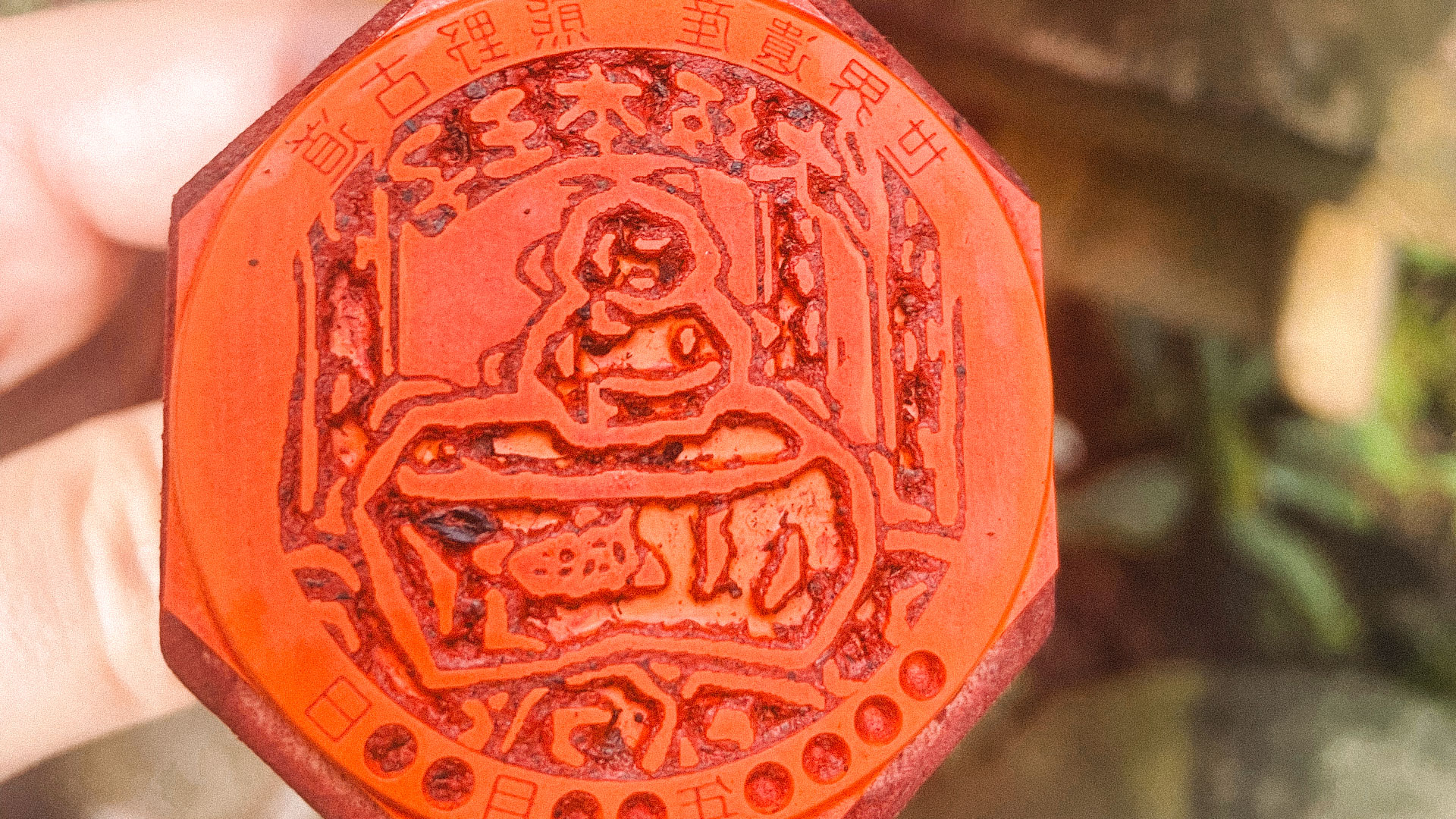
No, no special permit is required to walk the Kumano Kodo . However, it is recommended to plan your route in advance, book accommodations early, and carry the pilgrim credential, which can be stamped at various points along the trail as a souvenir and to obtain the official pilgrimage certification.
The best seasons to walk the Kumano Kodo are spring (March–May) and autumn (September–November). During these months, the weather is milder and more pleasant, with less rainfall and comfortable temperatures compared to the hot summer and cold winter.
Yes, the Kumano Kodo features elevation changes and some technically challenging sections. It is recommended to be in good physical condition and to train with prior hikes before starting the journey.
However, transportation options are available along certain sections for those who wish to reduce the difficulty of the route.
Related Caminos
Kumano Kodo – Nakahechi Route (1st part)
3 days - 2 nights


desde
Kumano Kodo – Nakahechi Route (2nd part)
2 days - 1 night
desde