Camino Francés from Astorga

From 2.700 €
Duration
13 days - 12 nights
Distance
186.4 miles - 300 km
Type
Caminos
Jose Mari Ardanaz:

Passionate about the Caminos and stories, creating authentic experiences so that every pilgrim discovers the Camino like a local.

Book now

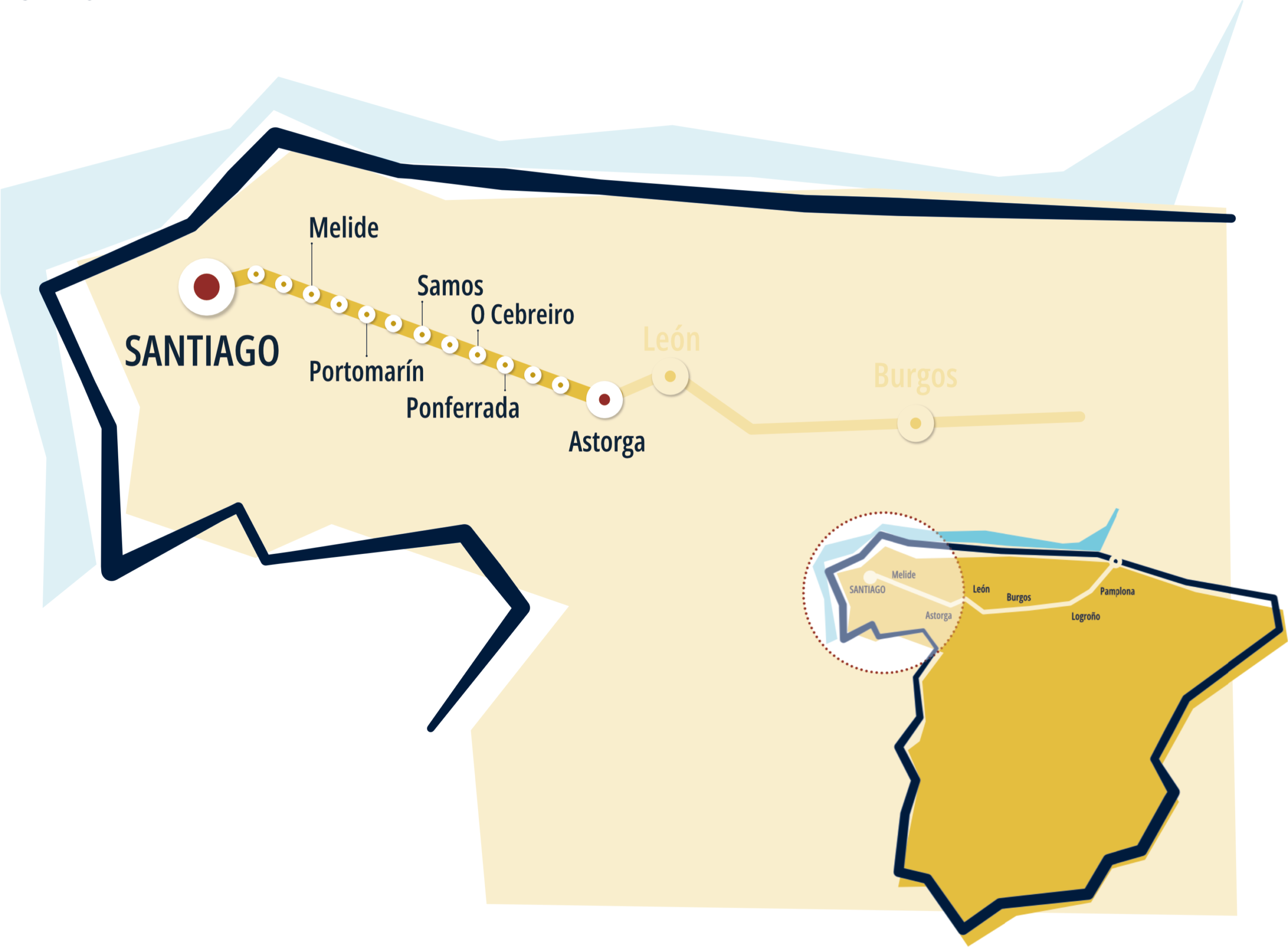
We present you with a journey that will take you from Astorga, a charming city in Castilla y León, to Santiago de Compostela in Galicia.

This route stands out for its impressive variety of landscapes, artistic heritage, and historical landmarks. Along the way, you will travel through the mountains and valleys that shape the spectacular scenery of León before immersing yourself in the lush and vibrant nature of Galicia.

If you enjoy tasting regional dishes, this Jacobean experience will also allow you to savor the best local gastronomy, rest in exclusive accommodations, and explore the hidden corners and landscapes that make the Camino de Santiago so famous.

In short, an adventure designed just for you!

Route

1
Astorga - Foncebadón
2
Foncebadón - Molinaseca
3
Molinaseca - Cacabelos
4
Cacabelos - O Cebreiro
5
O Cebreiro - Triacastela
6
Triacastela - Samos
7
Samos - Vilei
8
Vilei - Portomarín
9
Portomarín - Palas de Rei
10
Palas de Rei - Melide
11
Melide - A Calle de Ferreiros
12
A Calle de Ferreiros - Lavacolla
13
Lavacolla - Santiago de Compostela

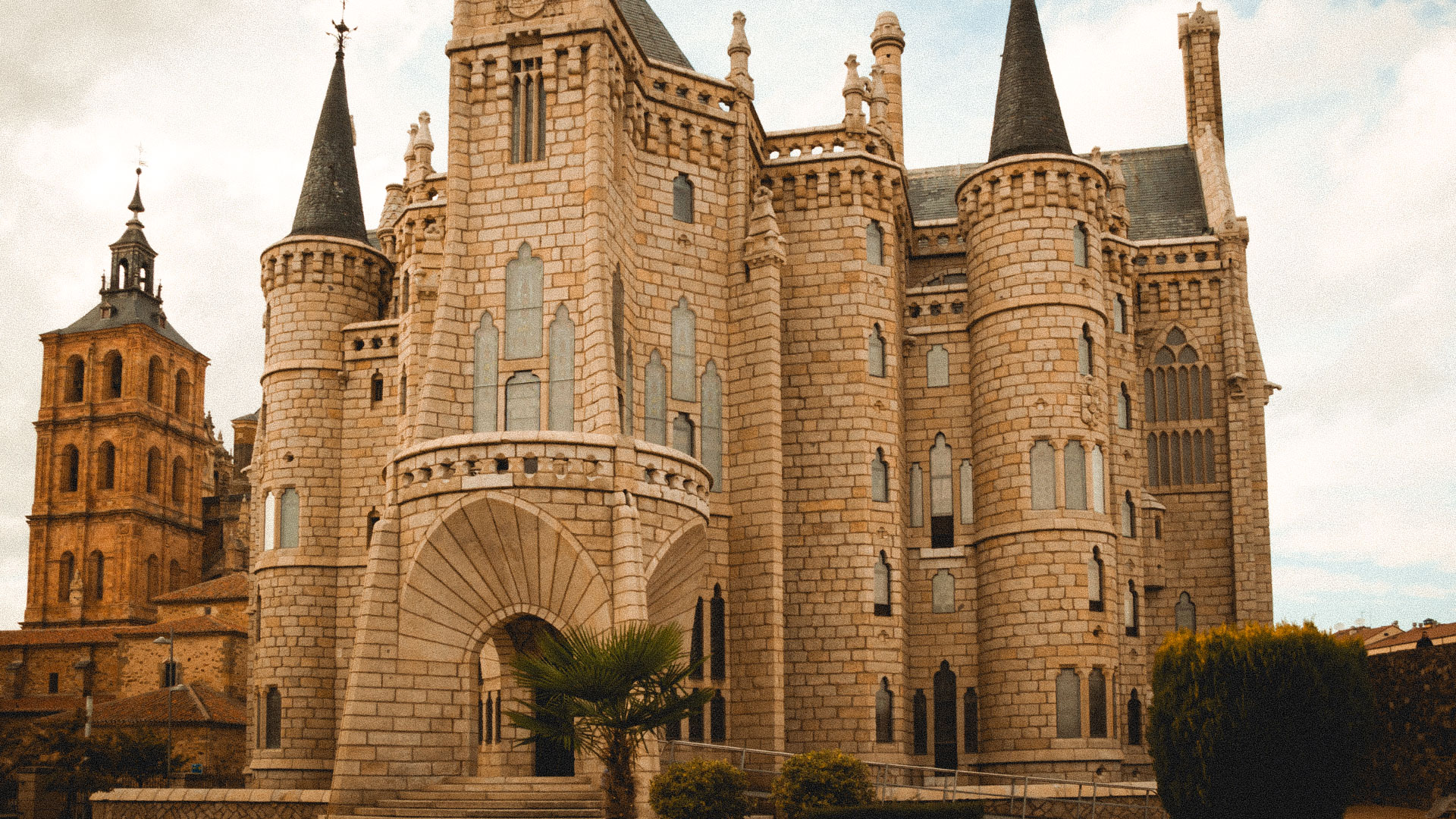
Astorga: a delight of history, architecture, and gastronomy

Distance: 16 miles – 25,8 km

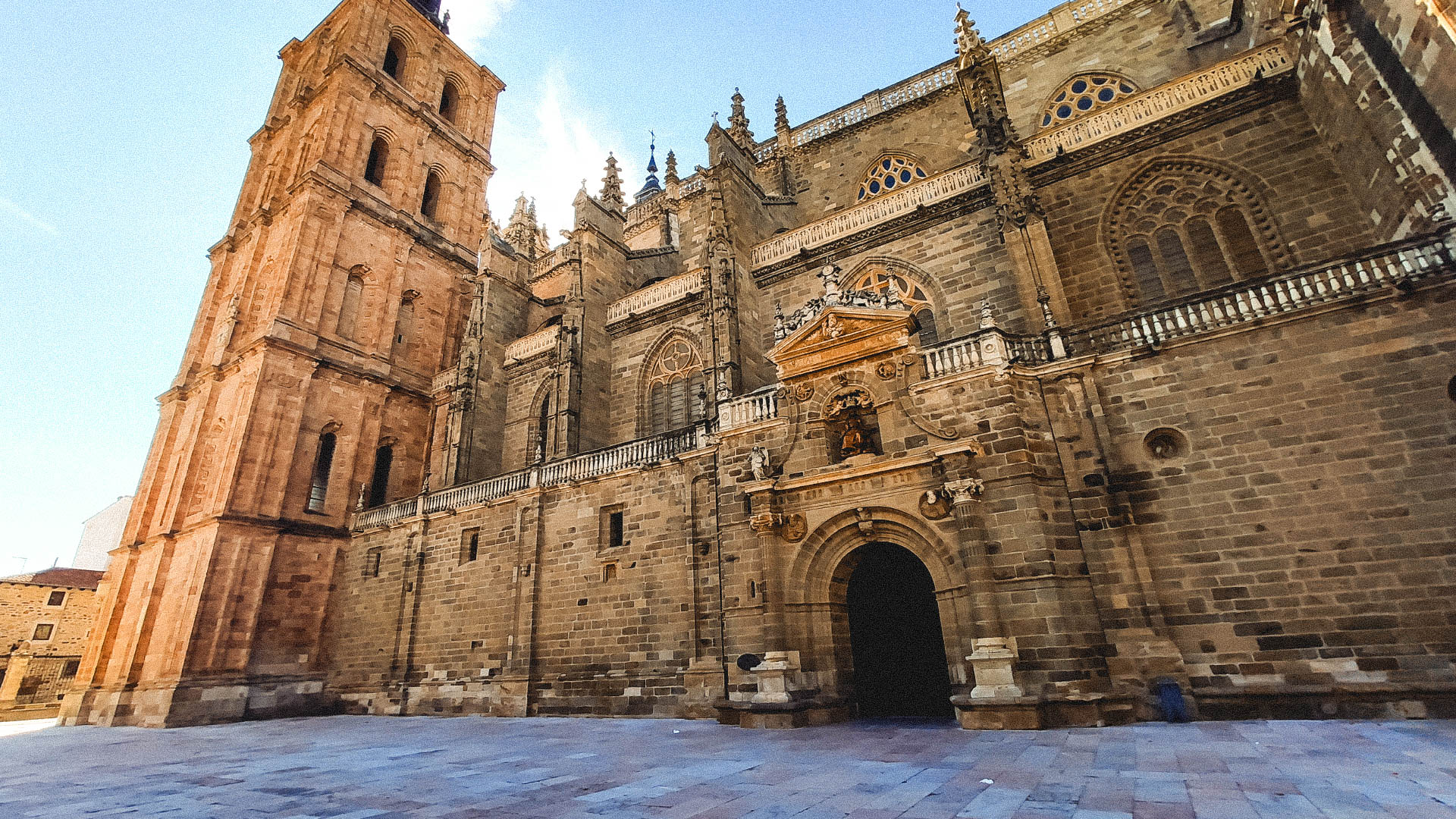
Imagine starting this stage in Astorga, a city where Roman roots, medieval streets and pilgrim history come together. Leaving Astorga behind, the Camino gradually shifts in atmosphere as urban life fades and the route begins its steady ascent, guiding you away from the plains and toward the mountains.

The path unfolds along quiet roads, open landscapes and small villages that mark the entrance to the Montes de León. With every step, the scenery becomes more rugged and expansive, inviting a slower pace and a more reflective walk. This transition makes the stage feel like a true crossing, from the known to the unknown, from comfort to challenge.

The day culminates in Foncebadón, a remote mountain hamlet deeply tied to the spirit of the Camino. Close to the legendary Cruz de Ferro, this stage is as symbolic as it is physical. The climb, the solitude, and the mountain air create a powerful sense of achievement.
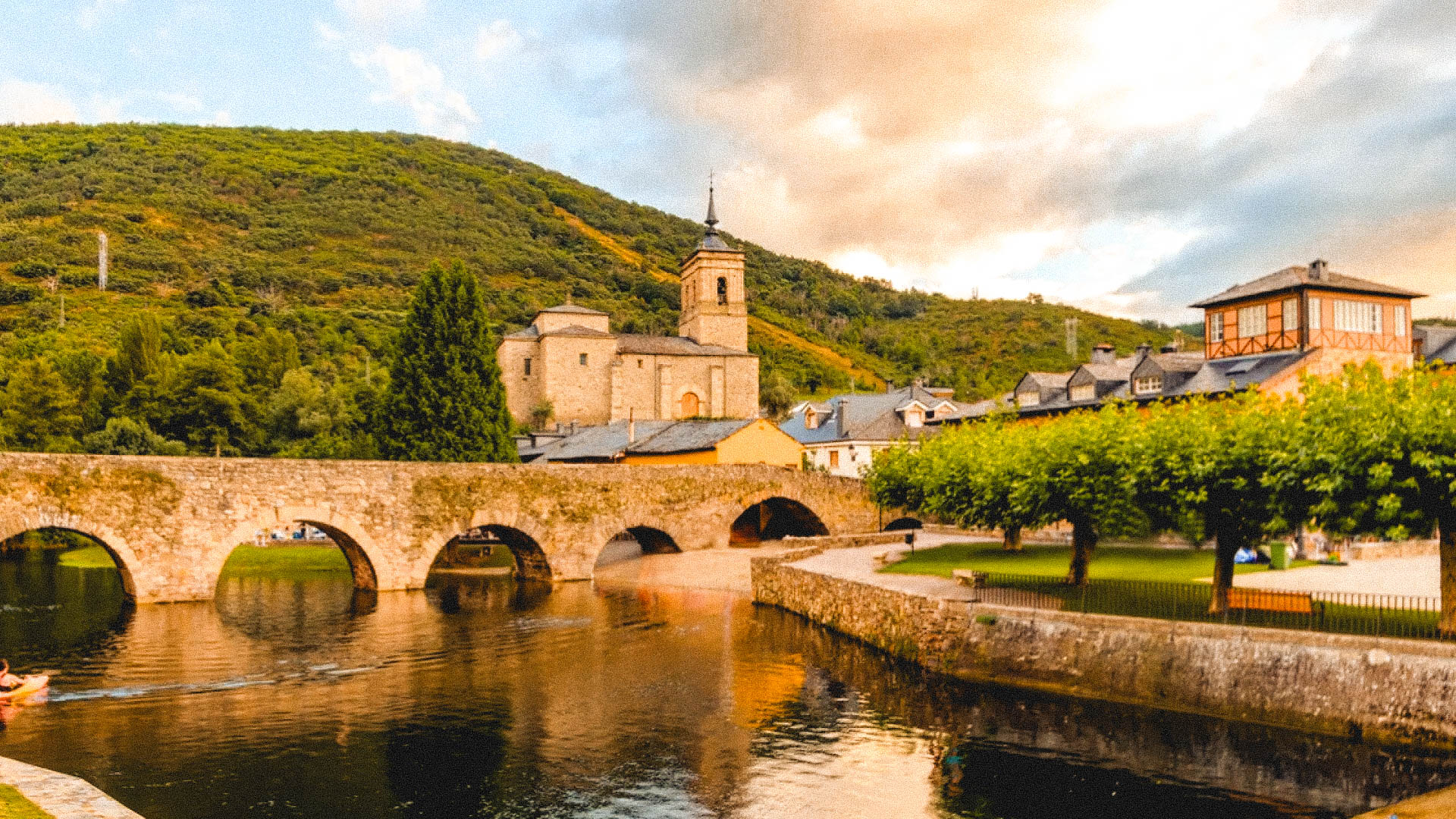
Puente romano de Molinaseca al atardecer con la Iglesia de San Nicolás de Bari al fondo, casas tradicionales a la derecha y colina verde a la izquierdaThrough mountains and small villages

Distance: 11.9 miles – 19,1 km

After reaching the highest points of the route, the day begins with a sense of calm and reflection as the landscape slowly opens up, inviting you to enjoy the mountain air and expansive views.

The path descends gently through open highlands, quiet forests, and traditional villages, offering a beautiful contrast between the rugged terrain of the Montes de León and the softer, greener valleys below. The walk is especially pleasant, allowing pilgrims to move at a relaxed pace while taking in the changing scenery and the feeling of having crossed a symbolic threshold on the Camino.

As you approach Molinaseca, the route leads you toward one of the most charming villages on the Camino. Crossing its medieval stone bridge over the Meruelo River feels like stepping into another time. With its cobbled streets and welcoming atmosphere, Molinaseca is the perfect place to rest, refresh, and celebrate the journey after a truly memorable stage.
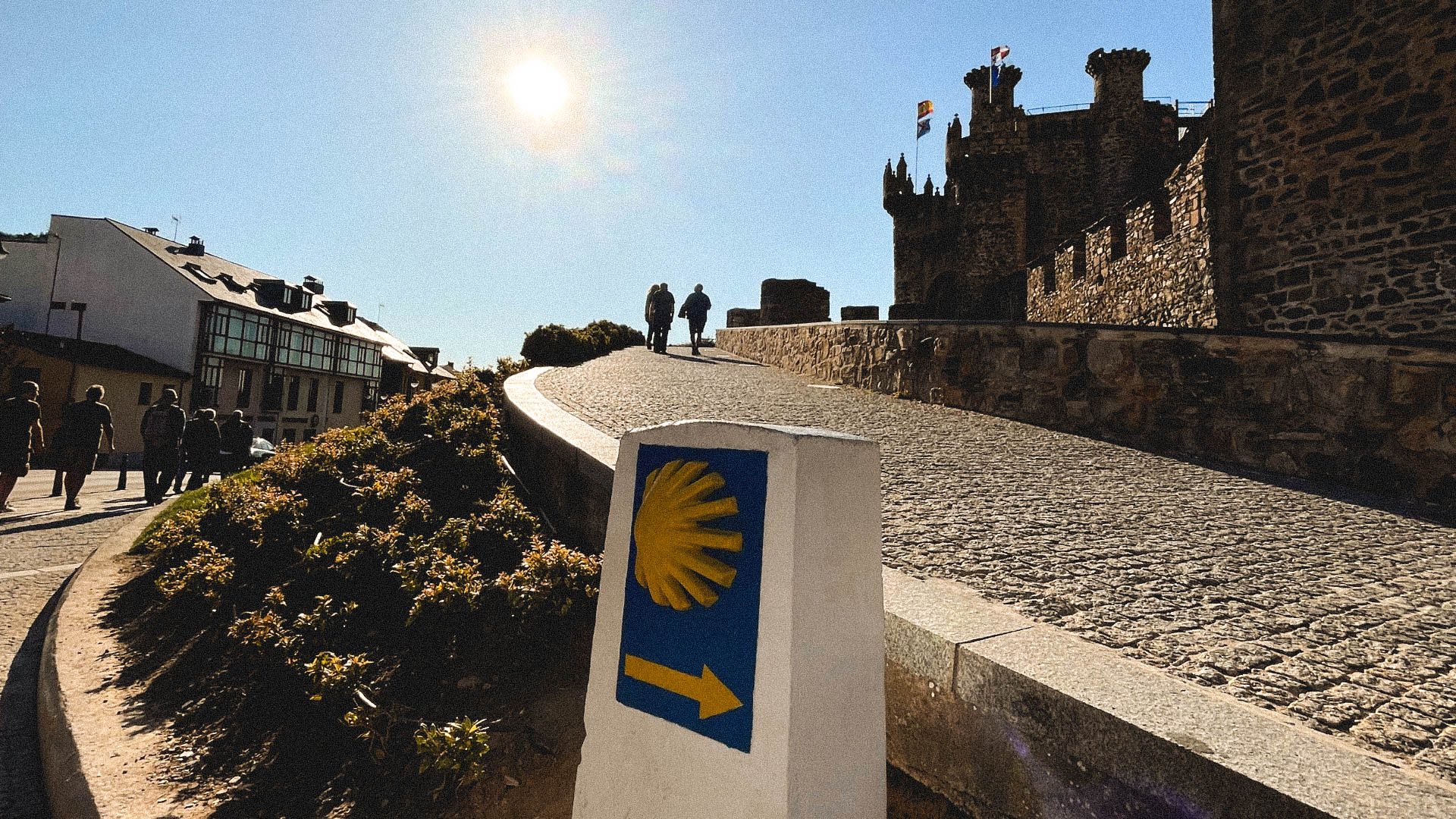
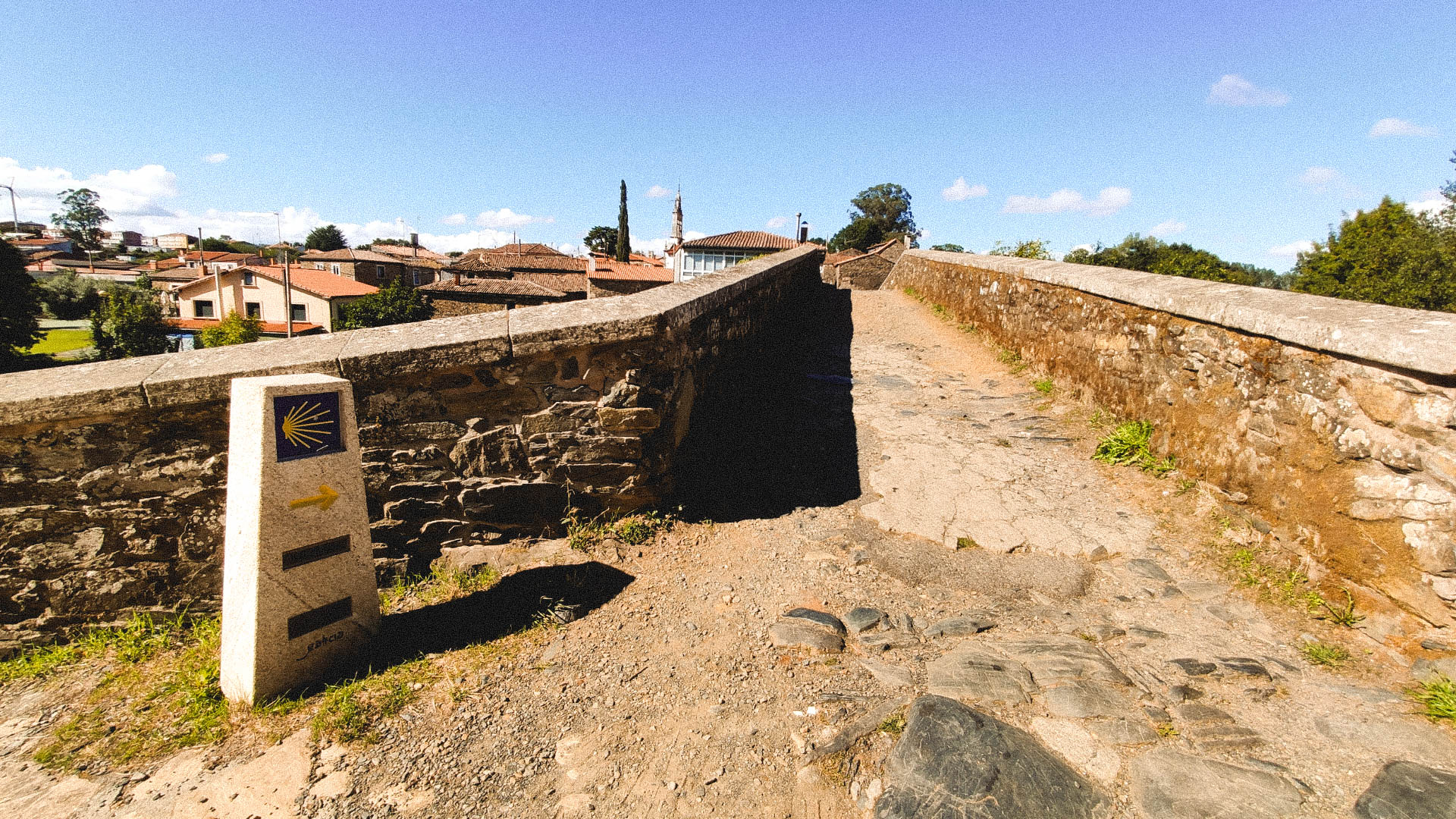
Peregrinos subiendo hacia el Castillo de los Templarios en Ponferrada con pilar de concha y flecha amarilla en primer plano y casas tradicionales a la izquierdaFrom medieval bridges to templar castles

Distance: 14,4 miles – 23,1 km

The stage from Molinaseca to Cacabelos is a gentle and varied stretch of the Camino Francés that combines history, vineyards, and the transition into the Bierzo region. Leaving Molinaseca, pilgrims continue along a peaceful route that soon leads into Ponferrada, one of the most important towns on the Camino.

As you pass through Ponferrada, the path takes you near its imposing Templar Castle, a powerful reminder of the city’s medieval past and its strategic role in protecting pilgrims. Beyond the city, the Camino becomes calmer once again, guiding you through flatter terrain, cultivated fields, and the first vineyards that characterize El Bierzo.

The stage ends in Cacabelos, a welcoming town with strong wine-growing traditions and a relaxed pilgrim atmosphere. Known for its connection to the Bierzo wine region and its riverside setting, Cacabelos offers the perfect place to rest, enjoy local cuisine, and recharge before continuing the Camino toward the heart of Galicia.
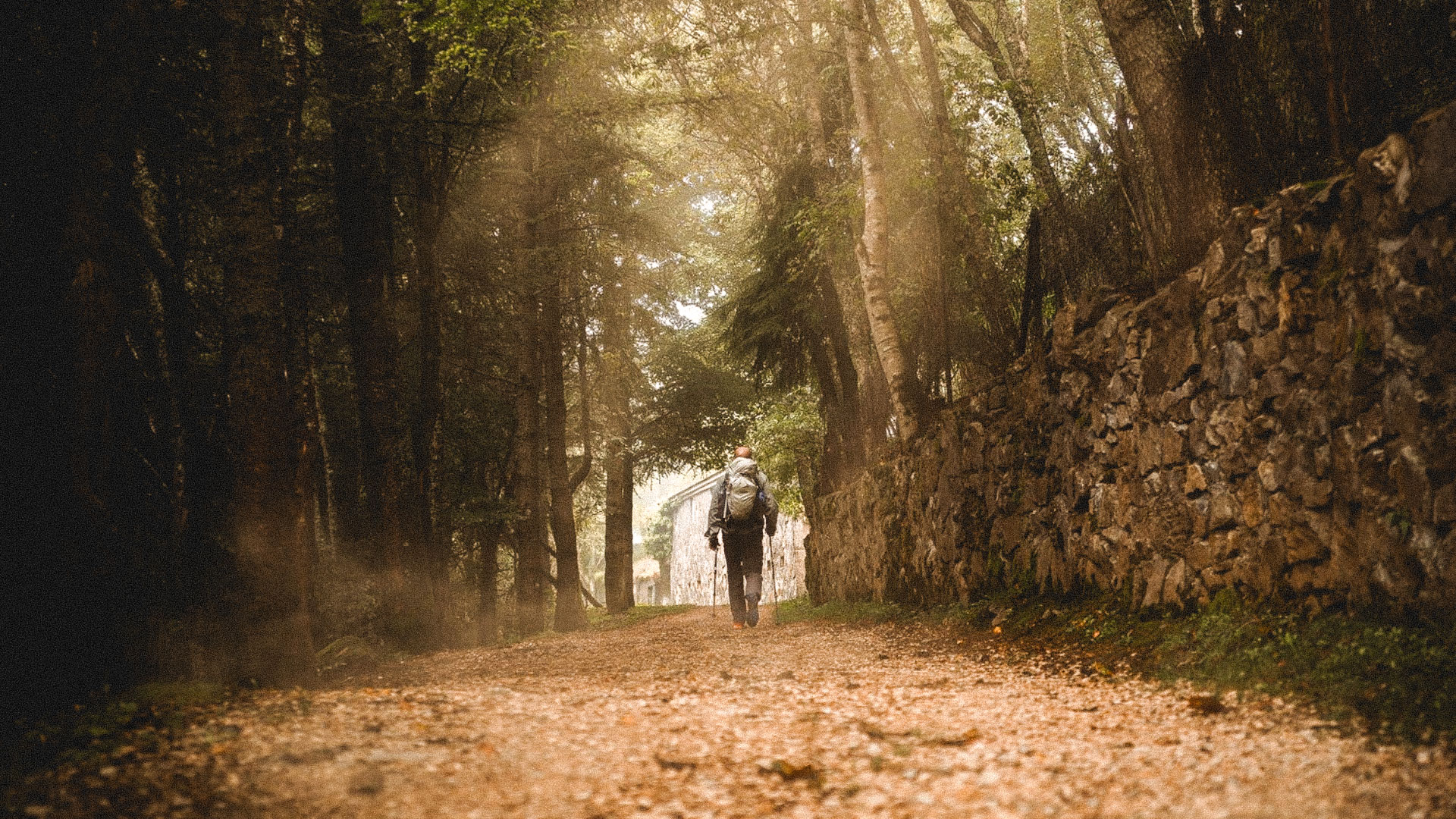
Camino de grava rodeado de bosque con peregrino al fondo y luz filtrándose entre los árbolesThe Bierzo Valley: between vineyards and pallozas

Distance: 22,1 miles – 35,6 km

Leaving behind the gentle vineyards of El Bierzo, the route gradually begins to climb, signaling a clear change in landscape, climate, and atmosphere as pilgrims approach the mountains that mark the entrance into Galicia.

As the path ascends, it passes through small villages and wooded areas, where effort and silence often go hand in hand. The steady climb encourages a slower rhythm and invites reflection, making this stage as much an inner journey as a physical one. With every step upward, the views open wider, offering moments of pause and perspective after the flatter days of El Bierzo.

The arrival at O Cebreiro is unforgettable. This legendary mountain village, with its traditional stone houses and mystical aura, feels like stepping into another world. Known for its deep spiritual significance and dramatic setting, O Cebreiro marks the gateway to Galicia.
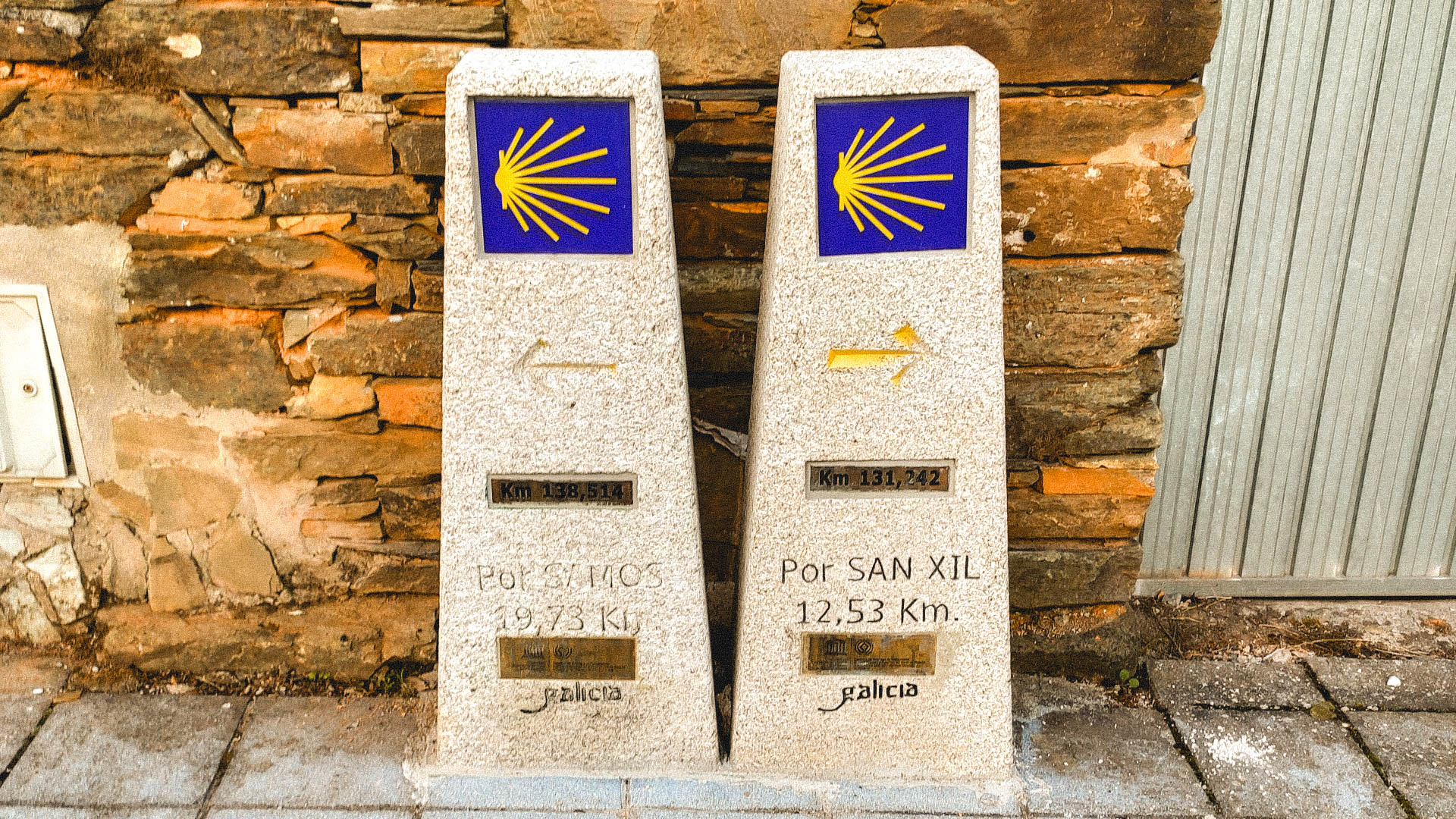
Dos pilares del Camino de Santiago en la etapa Triacastela–Sarria indicando rutas hacia San Xil y SamosA magical journey through mountains and silence

Distance: 13 miles – 21 km

The stage from O Cebreiro to Triacastela is known for its breathtaking natural beauty and peaceful atmosphere.

Starting in O Cebreiro, famous for its pallozas and the Church of Santa María la Real, the route descends into the valley, passing through charming villages like Liñares and Vega de Valcarce. Upon reaching Triacastela, you’ll encounter a crossroads the following day, where you’ll take the route towards Samos, a picturesque village home to a historic Benedictine monastery. This path offers a quieter journey surrounded by nature.

This stage stands out for its tranquility, allowing you to immerse yourself in the beauty of the Camino. It’s the perfect opportunity to reflect and truly savor the journey.
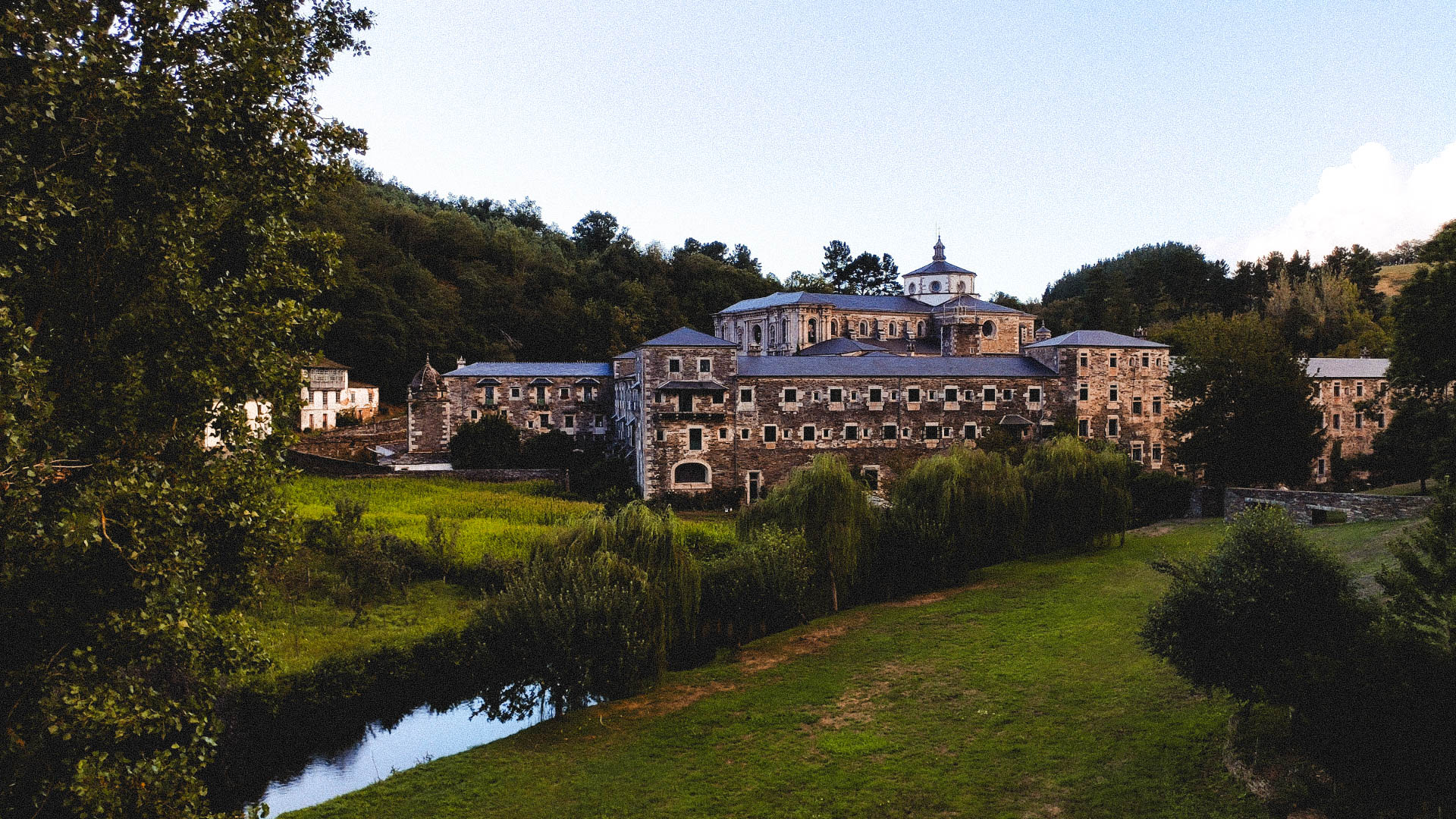
Monasterio San Julián y Santa Basilisa de Samos al atardecer, rodeado de naturaleza y frente al ríoMeeting the historic monastery

Distance: 6.8 miles – 11 km

The stage from Triacastela to Samos offers a peaceful and picturesque journey.

This easy route departs from Triacastela, leading you through a scenic valley towards Samos, passing through small villages surrounded by nature. Samos is especially renowned for its famous Benedictine monastery, the Monastery of San Julián de Samos, one of the oldest in Spain and a significant landmark on the Camino de Santiago. With over 1.500 years of history, the monastery has served as an important religious and cultural center throughout the centuries. Its impressive buildings and stunning cloister are remarkable examples of monastic architecture.

Along the way, you’ll enjoy lush green landscapes and rolling hills, experiencing a more tranquil and less crowded path compared to other sections of the French Way.
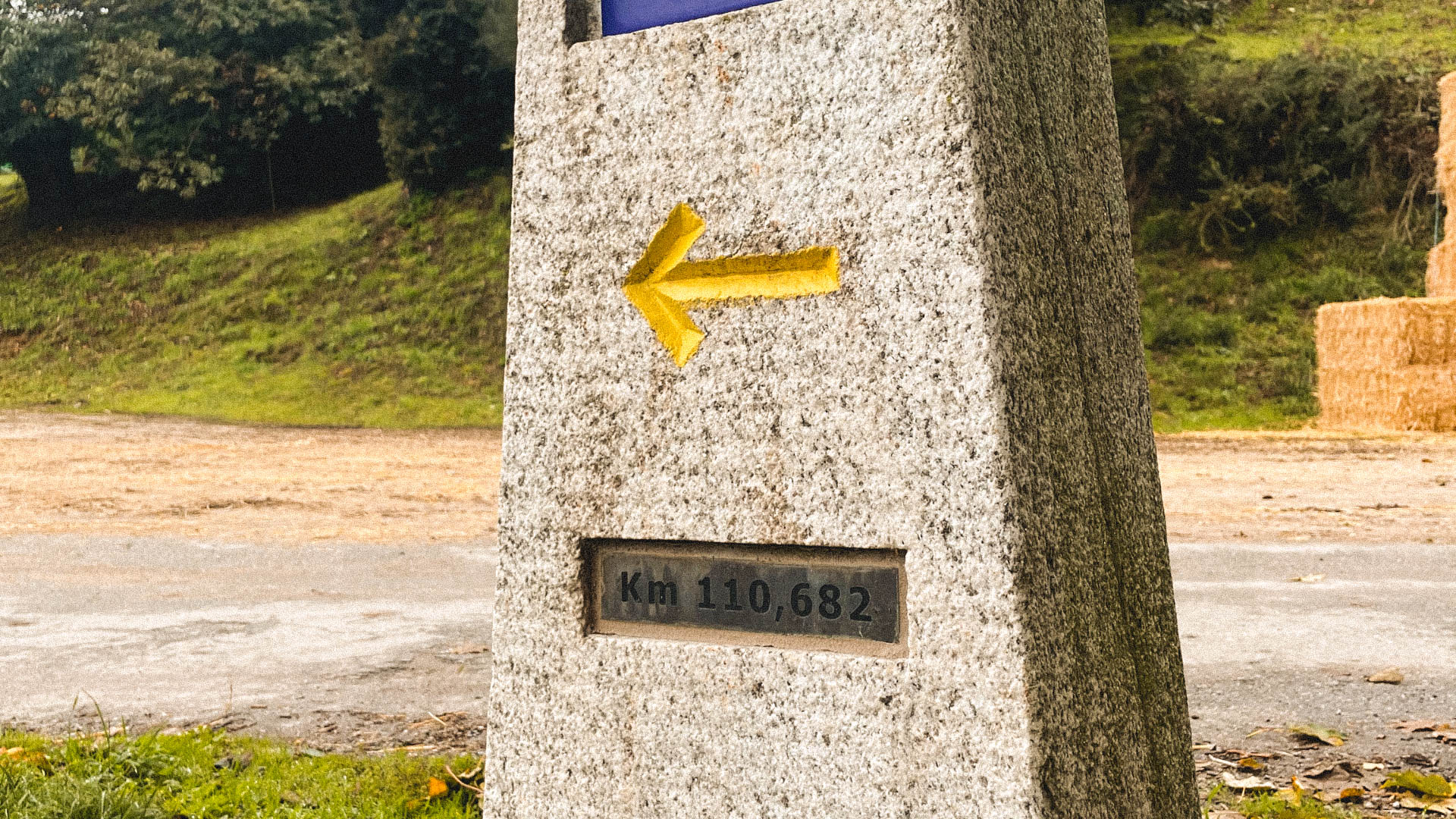
The enchanting Galician forest on the Way to Vilei

Distance: 11.9 miles – 19,15 km

Departing from Samos, one of the most iconic points on the Camino, pilgrims embark on a unique experience, starting with the impressive Monastery of San Julián, one of the oldest in Spain.

Surrounded by oak and chestnut forests along the Oribio River, the route offers an unparalleled natural setting. The path to Vilei, 4.5 miles – 7,2 km longer than the alternative via San Xil, is peaceful and allows travelers to enjoy breathtaking landscapes in close contact with nature.

This stage is perfect for those seeking a slower-paced journey immersed in nature and cultural heritage. Undoubtedly, an unforgettable part of the Camino de Santiago.
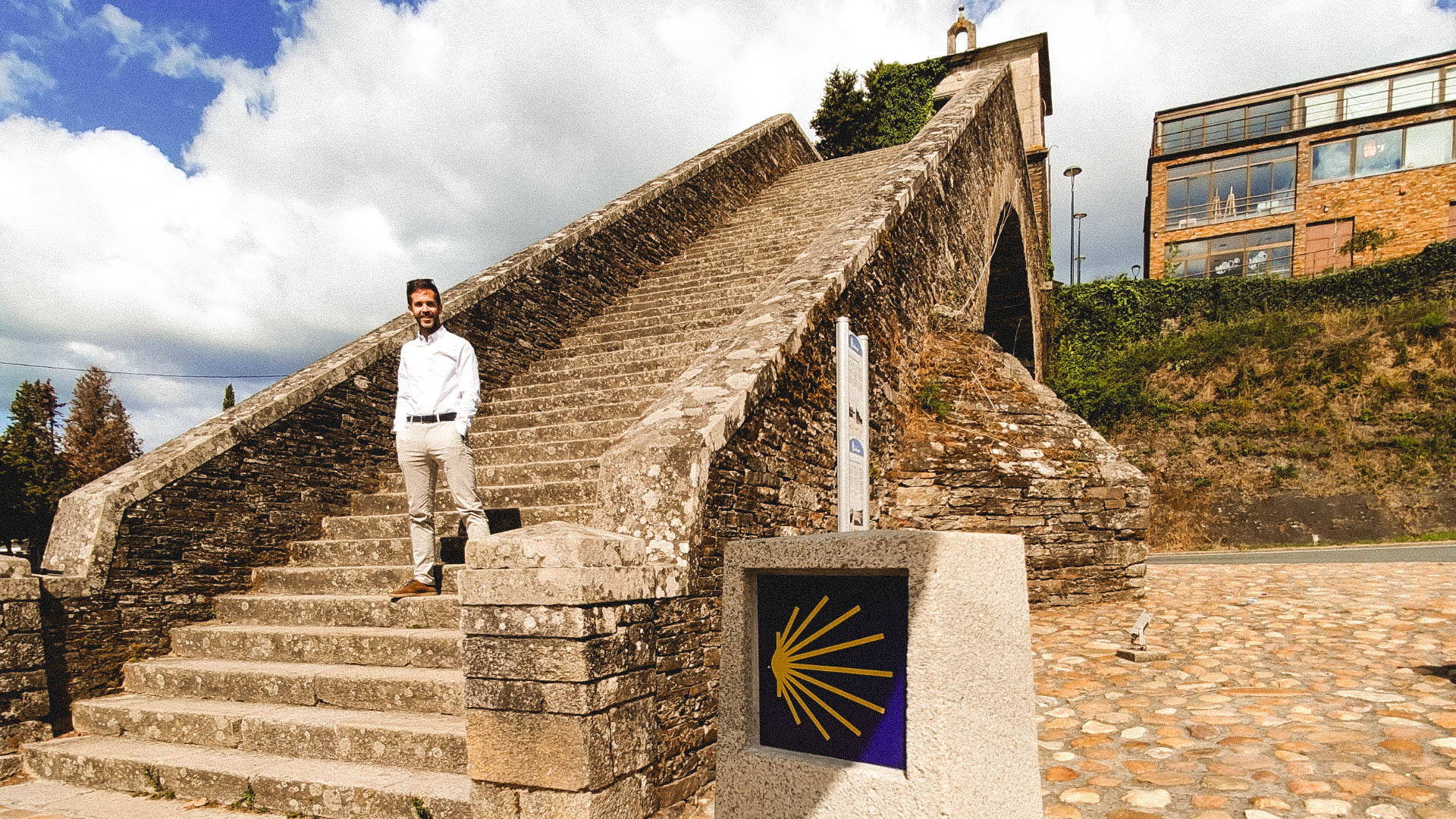
Jose Mari posando en la escalinata de la capilla de las Nieves en Portomarín con la concha del Camino de Santiago al frente en un día soleadoForests, history and medieval bridges

Distance: 11.2 miles – 18 km

The stage from Vilei to Portomarín is a peaceful and picturesque walk, perfect for enjoying the beauty of the Galician countryside. The route is not particularly challenging, making it ideal for those who want to experience the Camino at their own pace.

Throughout the journey, you will pass through forests, valleys, and small villages, all surrounded by a serene environment. As you approach Portomarín, you will admire the medieval bridge and the Church of San Juan, which was meticulously rebuilt stone by stone after being relocated due to the construction of the Belesar reservoir.

This stage, rich in history and natural beauty, is perfect for those seeking an authentic experience on the Camino de Santiago.
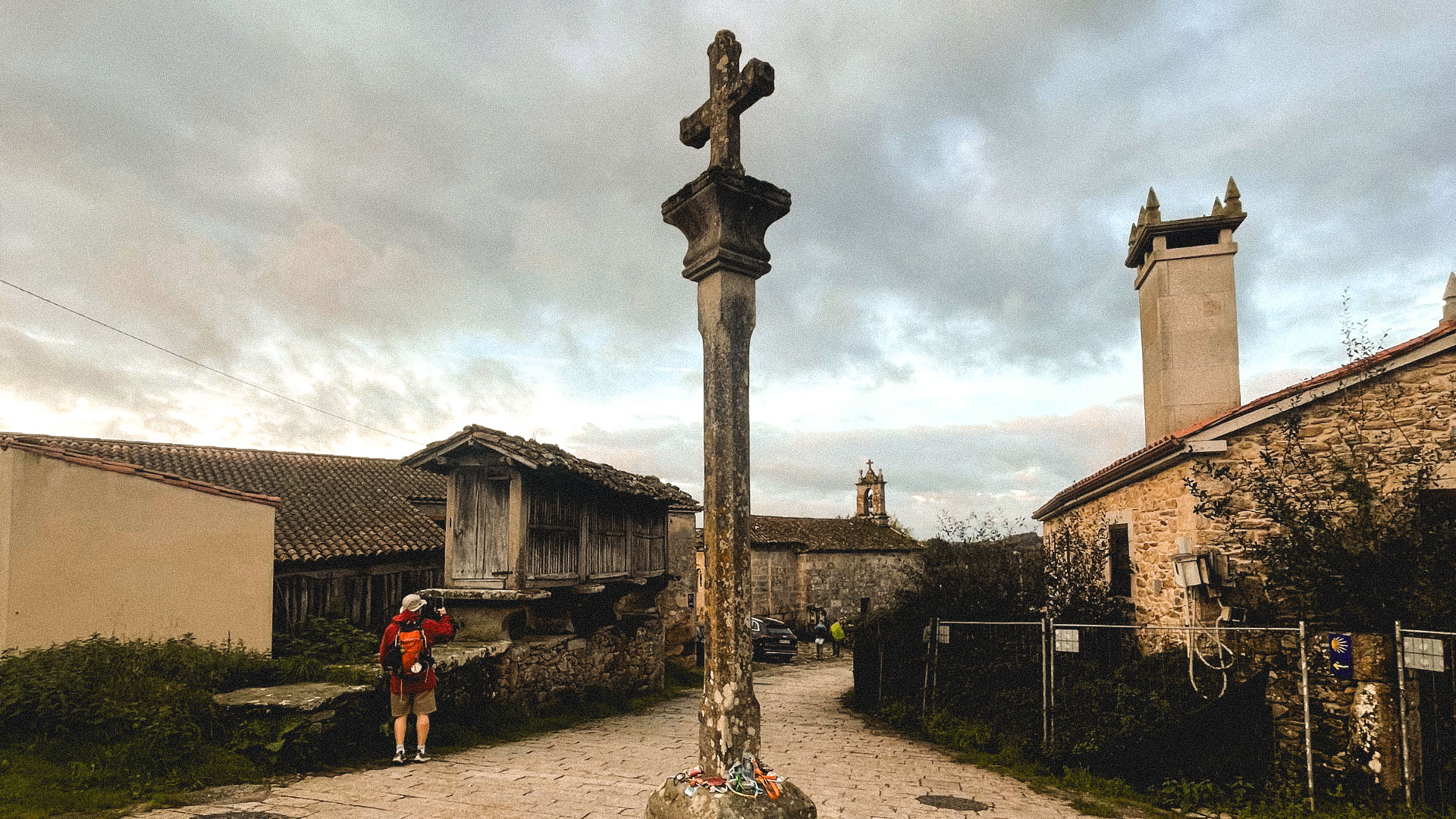
Cruceiro junto a la iglesia de San Xulián do Camiño con hórreo y peregrino tomando una foto en el Camino de SantiagoA picturesque village with cobblestone streets

Distance: 15.5 miles – 25 km

The stage from Portomarín to Palas de Rei blends nature with Galician charm. It begins in Portomarín, renowned for its medieval bridge and the Church of San Juan, which was meticulously relocated stone by stone due to the Belesar reservoir, an important historical landmark of the Camino.

The route winds through lush forests and peaceful fields, featuring gentle ascents and descents that make it accessible and enjoyable. Villages such as Gonzar, Castromaior, and A Calle offer a glimpse into the traditional rural culture of Galicia.

The stage concludes in Palas de Rei, a picturesque village with cobblestone streets, quiet squares, and a rich history. Ideal for those looking to experience the Camino at a relaxed pace, this stage offers the perfect blend of nature, heritage, and tranquility.
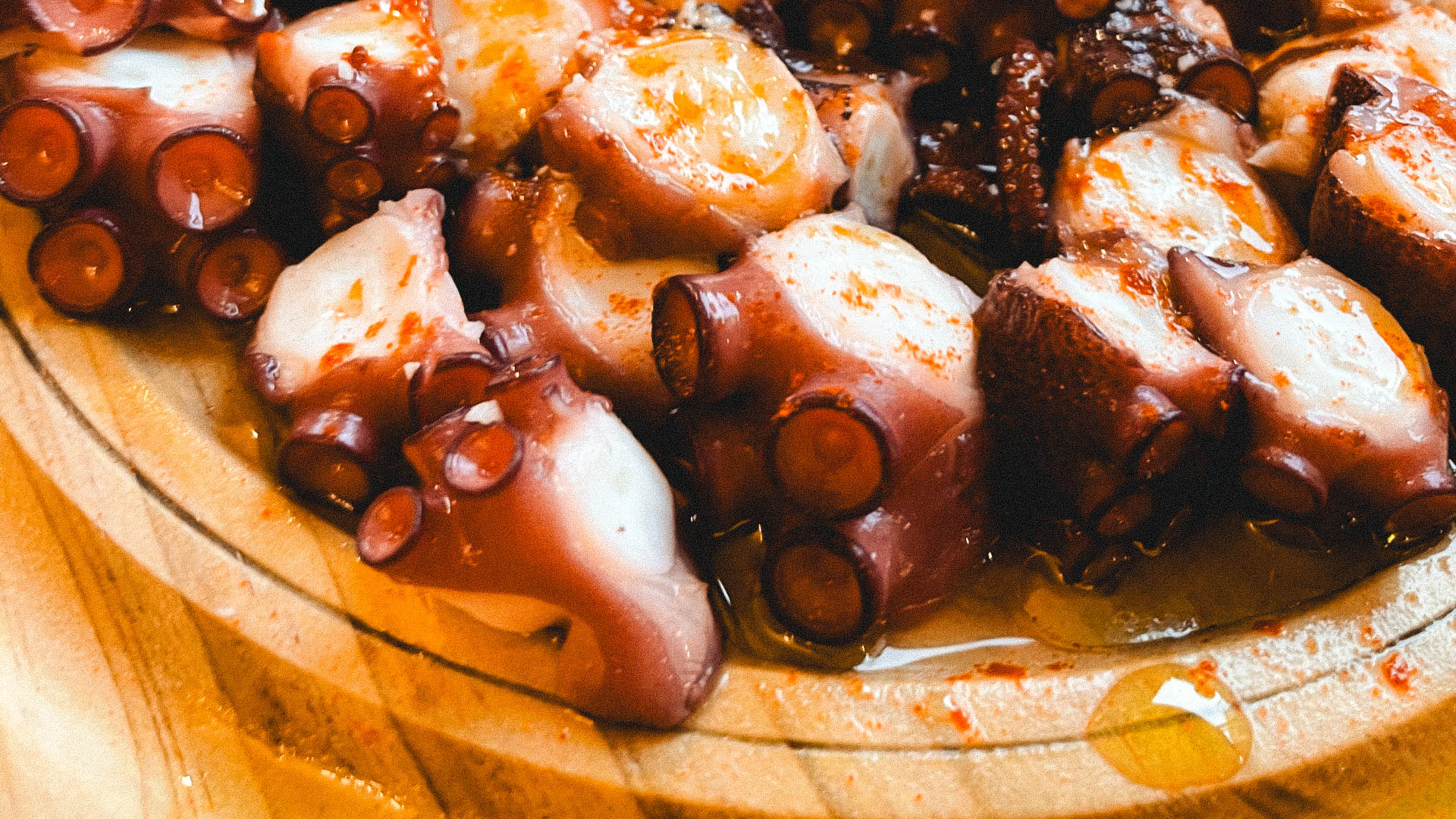
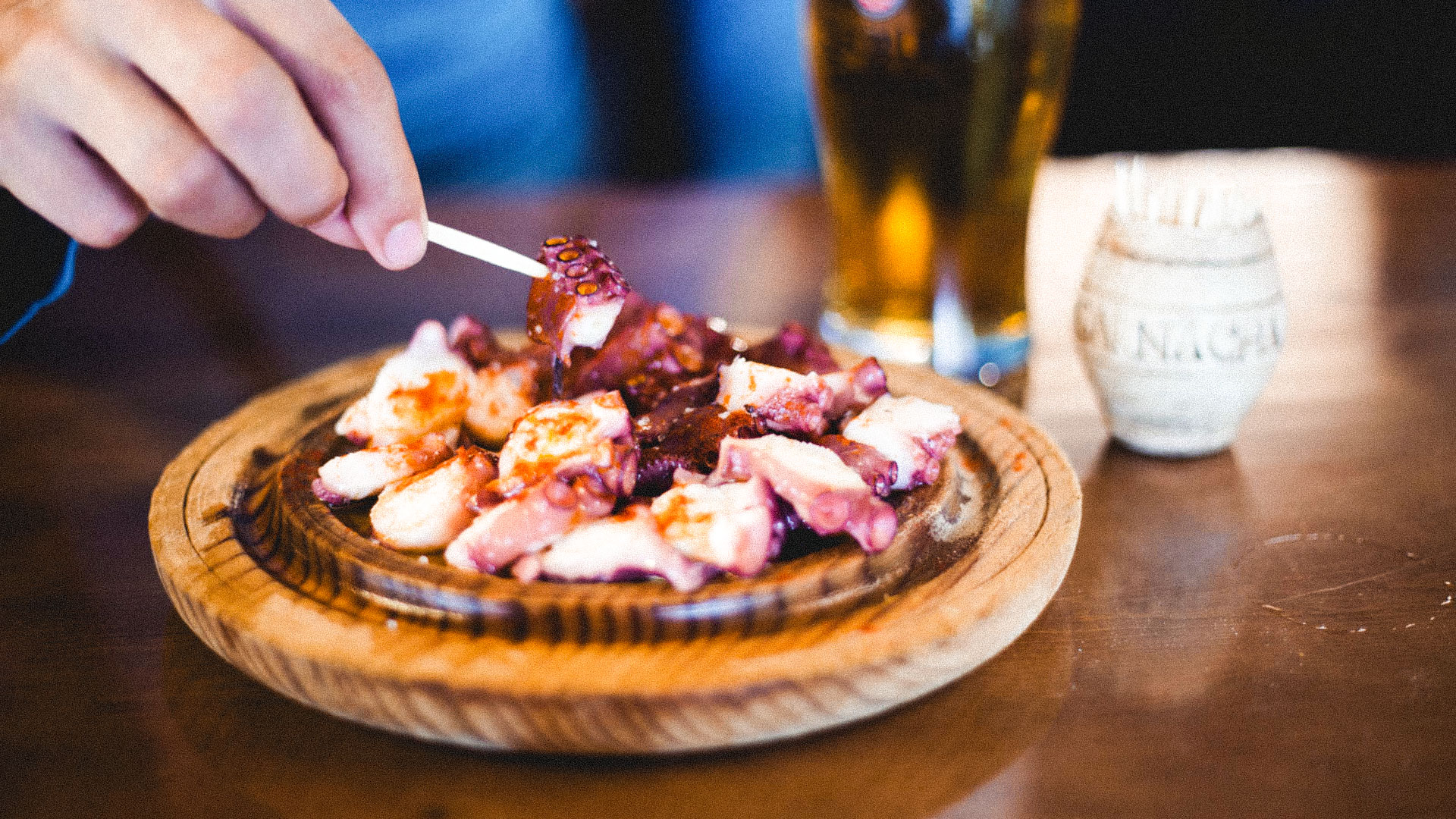
Plato de pulpo a la gallega con pimentón típico de Melide en la etapa Palas de Rei–MelideThe famous Galician octopus awaits you!

Distance: 9.3 miles – 15 km

Imagine traversing a stage through forests, small villages, and quiet roads until you reach Melide, a destination that blends history, tradition, and flavor. Leaving Palas de Rei, you’ll immerse yourself in the serenity of Galician nature as you cross charming rural landscapes.

The highlight of this stage is Melide, where its cobblestone streets and the medieval Church of Santa María transport you back in time. This historic town invites you to explore its rich past.

But what truly makes this stage unique is its gastronomy. You simply cannot miss trying the famous pulpo a la gallega at one of the traditional pulperías—a perfect stop to replenish your energy and continue the Camino with renewed vigor. An essential stage indeed!
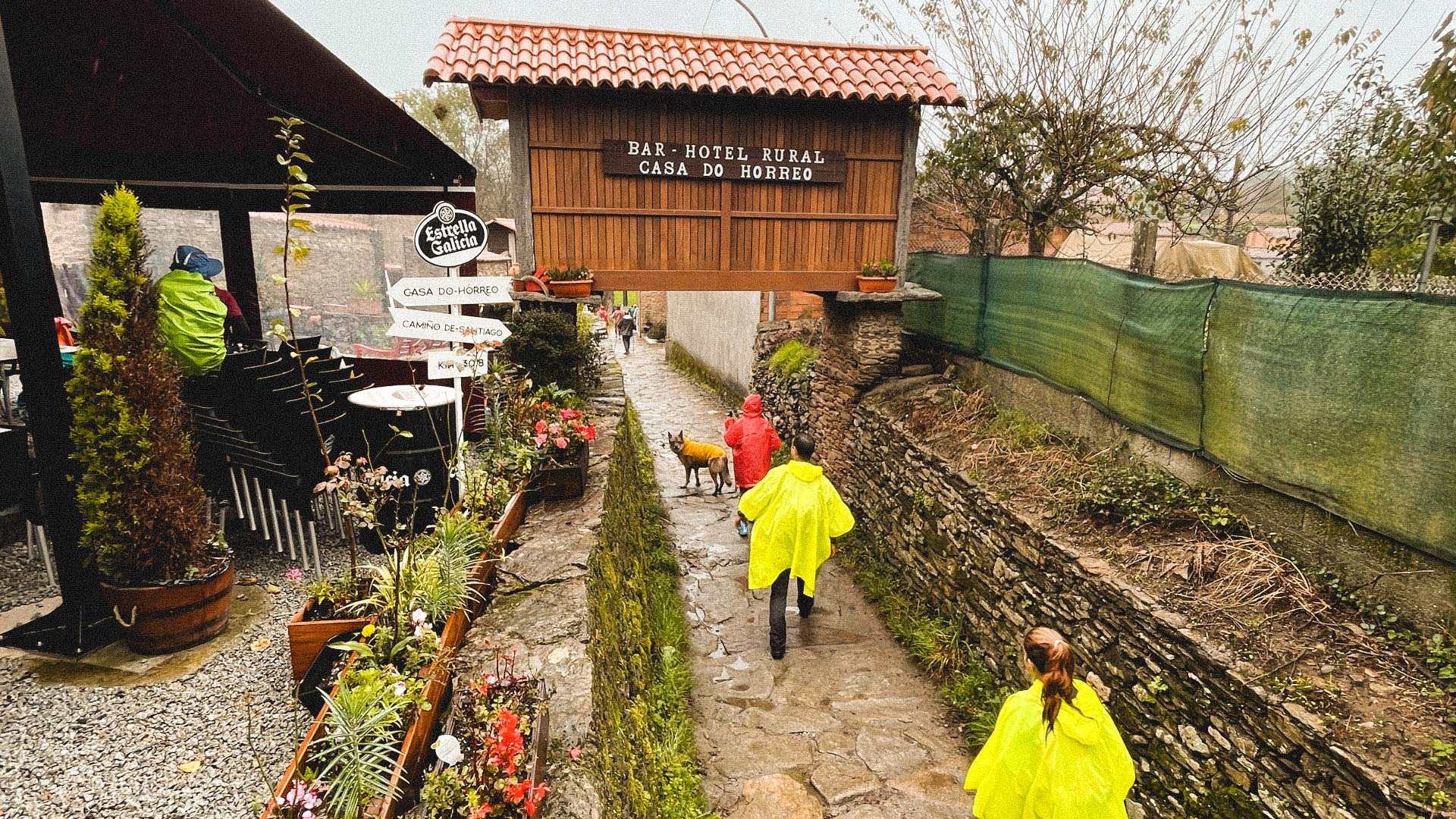
Hórreo a la entrada del hotel rural Casa do Hórreo en Ferreiros con peregrinos y naturaleza en un día encapotadoGalician nature and an internationally renowned cheese

Distance: 16.7 miles – 27 km

The stage from Melide to A Calle de Ferreiros begins in Melide, a charming village famous for its lively pulperías, where you can enjoy the renowned pulpo a la gallega. As the route progresses, the path winds through green fields, gentle hills, and small forests, offering a peaceful and serene experience in the heart of Galician nature.

The journey leads to Arzúa, a town known for its historic architecture and its creamy Arzúa-Ulloa cheese, internationally recognized for its exceptional quality. The town’s tranquil atmosphere invites you to explore its streets, churches, and, of course, indulge in its local gastronomy, making it an ideal stop for a well-deserved break.

Finally, the stage ends in A Calle de Ferreiros, a perfect spot to relax after a walk filled with history, nature, and the authentic flavors of Galicia.
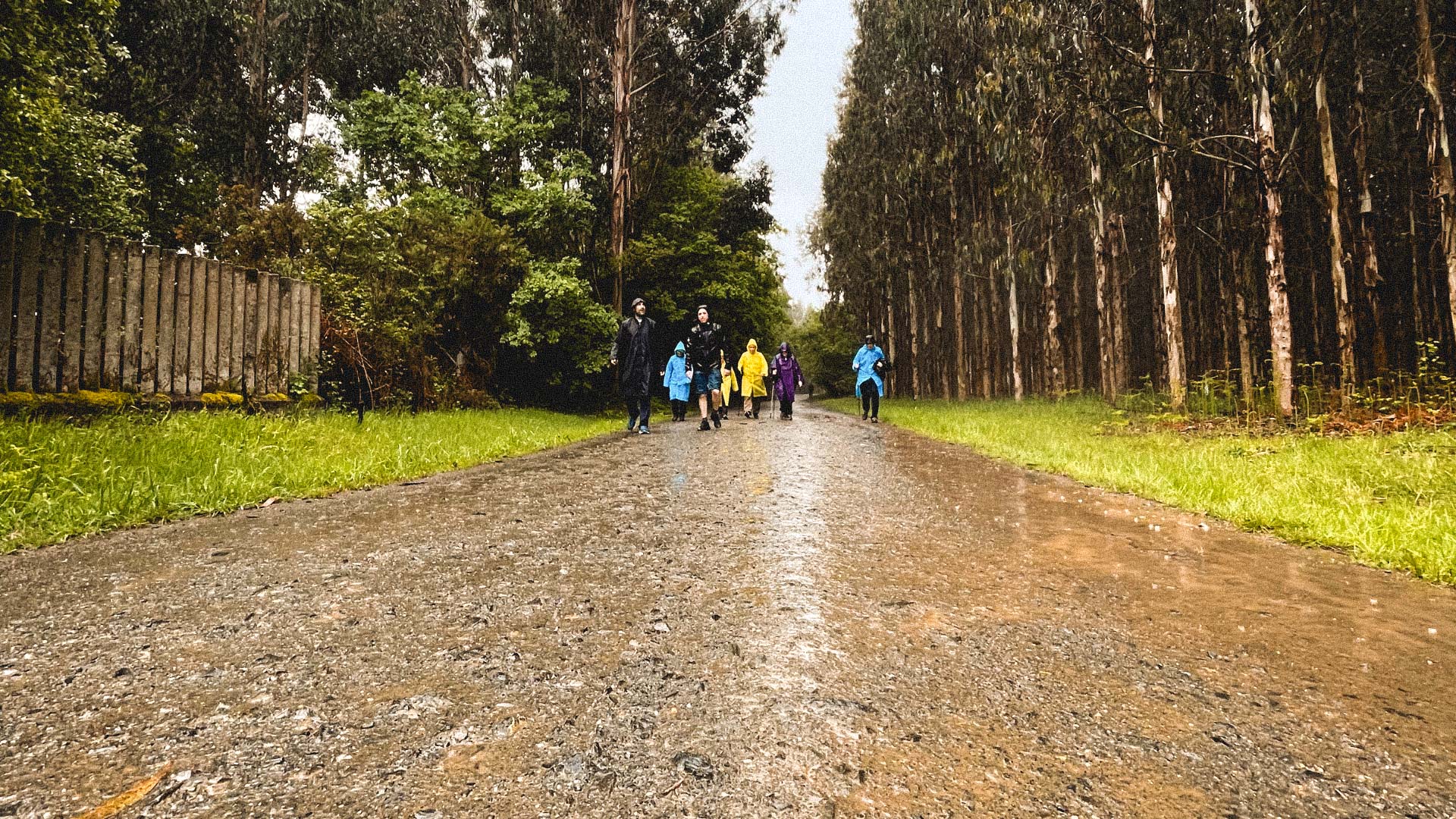
Peregrinos caminando por pista forestal de grava bajo la lluvia en el tramo hacia Lavacolla en el Camino de SantiagoThe final step towards Santiago

Distance: 14.3 miles – 23 km

The journey from A Calle de Ferreiros follows rural paths surrounded by nature, passing through gentle hills and small villages that reflect the authentic Galician way of life. This stretch offers a peaceful and serene experience in the heart of nature.

As you progress, you’ll enjoy stunning views of the Galician landscapes, drawing ever closer to Santiago. The route leads to Lavacolla, a small village that signals the proximity of the city, marking the final stop before the last stage.

Along the way, you’ll pass through O Pedrouzo, a well-known resting point for pilgrims before reaching Santiago. Finally, you’ll arrive in Lavacolla, just a few steps away from the final stage and your ultimate destination: Santiago de Compostela. You’re about to reach your goal!
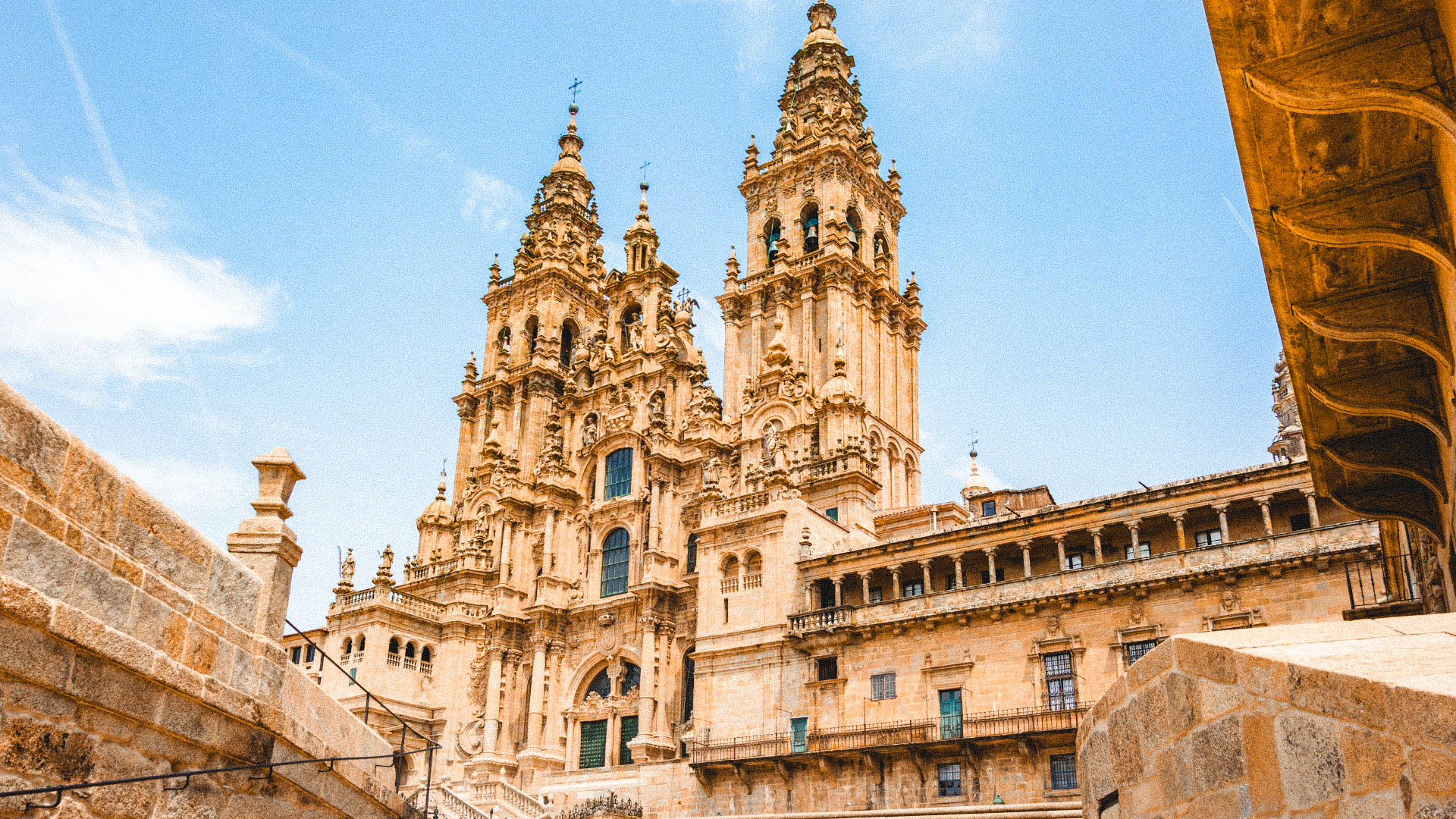
Fachada lateral de la Catedral de Santiago de Compostela vista desde la Plaza del Obradoiro en un día despejadoThe final embrace, the perfect ending to your journey

Distance: 6.2 miles – 10 km

The stage from Lavacolla to Santiago de Compostela is the last before reaching the ultimate goal of the French Way. It begins along a forest path, surrounded by beautiful landscapes that gradually open up as you approach the city.

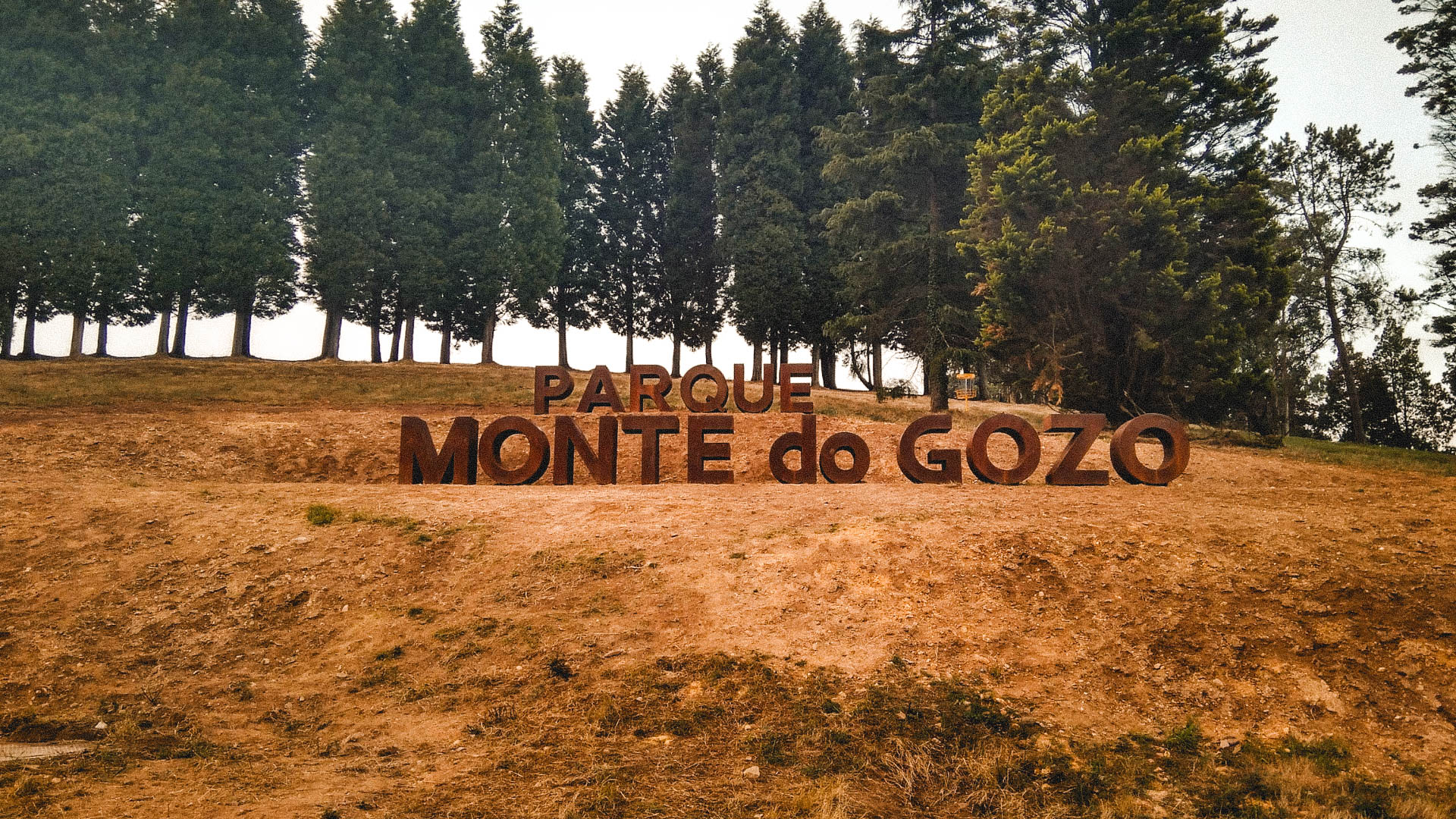
The route passes through places like San Marcos and Belvís, gently ascending to Monte do Gozo, where you can enjoy a panoramic view of Santiago and its cathedral. As you descend, you enter the city and weave through its streets until you reach the Plaza del Obradoiro, home to the magnificent cathedral.

This stage is filled with emotion, marking the culmination of a long spiritual, physical, and mental journey. Upon arriving at the Plaza del Obradoiro, you celebrate the long-awaited reunion with your final destination: Santiago de Compostela.

Congratulations pilgrim!

Route

1
Astorga - Foncebadón

Astorga: a delight of history, architecture, and gastronomy

Distance: 16 miles – 25,8 km

Imagine starting this stage in Astorga, a city where Roman roots, medieval streets and pilgrim history come together. Leaving Astorga behind, the Camino gradually shifts in atmosphere as urban life fades and the route begins its steady ascent, guiding you away from the plains and toward the mountains.

The path unfolds along quiet roads, open landscapes and small villages that mark the entrance to the Montes de León. With every step, the scenery becomes more rugged and expansive, inviting a slower pace and a more reflective walk. This transition makes the stage feel like a true crossing, from the known to the unknown, from comfort to challenge.

The day culminates in Foncebadón, a remote mountain hamlet deeply tied to the spirit of the Camino. Close to the legendary Cruz de Ferro, this stage is as symbolic as it is physical. The climb, the solitude, and the mountain air create a powerful sense of achievement.

2
Foncebadón - Molinaseca

Puente romano de Molinaseca al atardecer con la Iglesia de San Nicolás de Bari al fondo, casas tradicionales a la derecha y colina verde a la izquierdaThrough mountains and small villages

Distance: 11.9 miles – 19,1 km

After reaching the highest points of the route, the day begins with a sense of calm and reflection as the landscape slowly opens up, inviting you to enjoy the mountain air and expansive views.

The path descends gently through open highlands, quiet forests, and traditional villages, offering a beautiful contrast between the rugged terrain of the Montes de León and the softer, greener valleys below. The walk is especially pleasant, allowing pilgrims to move at a relaxed pace while taking in the changing scenery and the feeling of having crossed a symbolic threshold on the Camino.

As you approach Molinaseca, the route leads you toward one of the most charming villages on the Camino. Crossing its medieval stone bridge over the Meruelo River feels like stepping into another time. With its cobbled streets and welcoming atmosphere, Molinaseca is the perfect place to rest, refresh, and celebrate the journey after a truly memorable stage.

3
Molinaseca - Cacabelos

Peregrinos subiendo hacia el Castillo de los Templarios en Ponferrada con pilar de concha y flecha amarilla en primer plano y casas tradicionales a la izquierdaFrom medieval bridges to templar castles

Distance: 14,4 miles – 23,1 km

The stage from Molinaseca to Cacabelos is a gentle and varied stretch of the Camino Francés that combines history, vineyards, and the transition into the Bierzo region. Leaving Molinaseca, pilgrims continue along a peaceful route that soon leads into Ponferrada, one of the most important towns on the Camino.

As you pass through Ponferrada, the path takes you near its imposing Templar Castle, a powerful reminder of the city’s medieval past and its strategic role in protecting pilgrims. Beyond the city, the Camino becomes calmer once again, guiding you through flatter terrain, cultivated fields, and the first vineyards that characterize El Bierzo.

The stage ends in Cacabelos, a welcoming town with strong wine-growing traditions and a relaxed pilgrim atmosphere. Known for its connection to the Bierzo wine region and its riverside setting, Cacabelos offers the perfect place to rest, enjoy local cuisine, and recharge before continuing the Camino toward the heart of Galicia.

4
Cacabelos - O Cebreiro

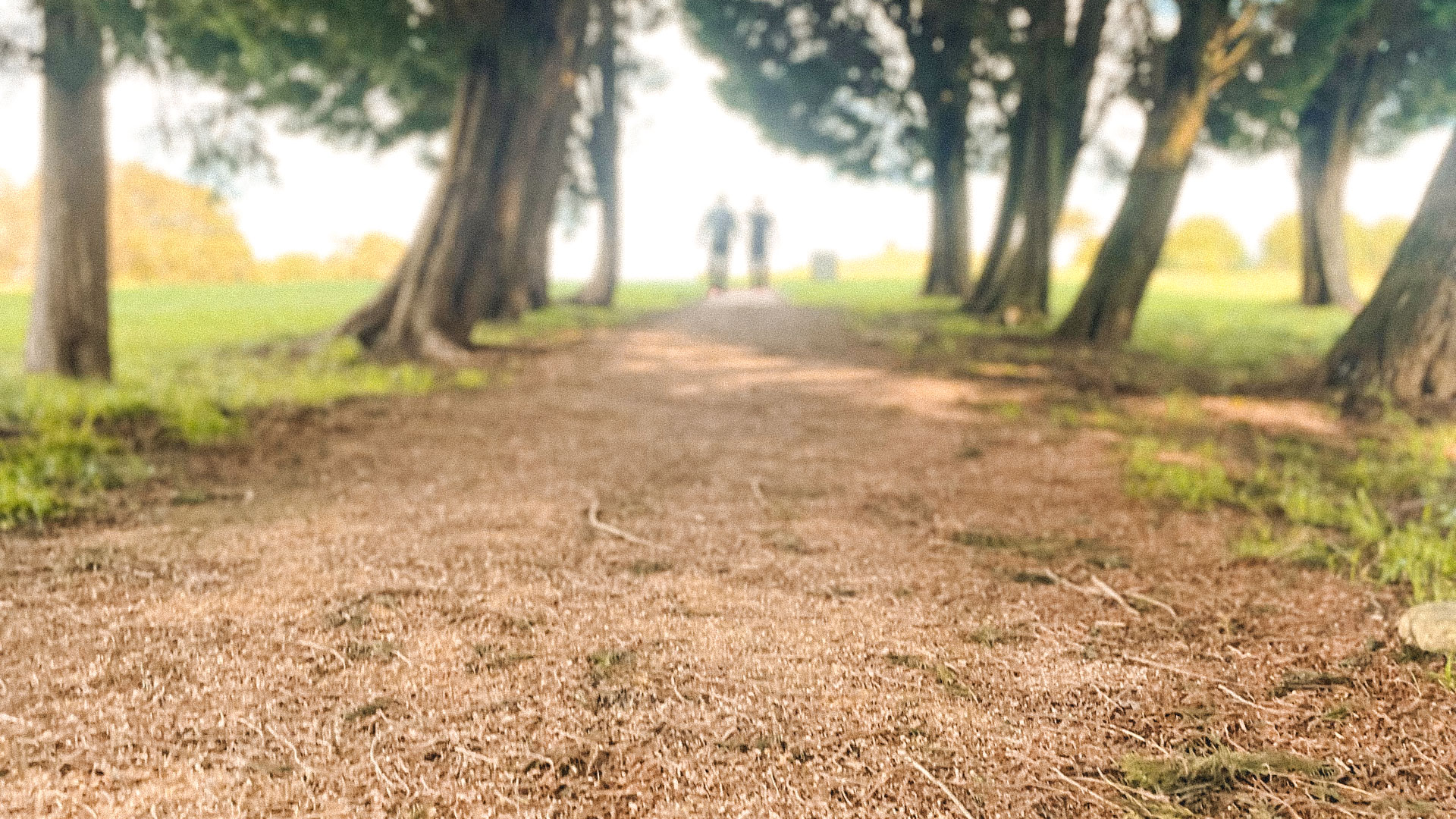
Camino de grava rodeado de bosque con peregrino al fondo y luz filtrándose entre los árbolesThe Bierzo Valley: between vineyards and pallozas

Distance: 22,1 miles – 35,6 km

Leaving behind the gentle vineyards of El Bierzo, the route gradually begins to climb, signaling a clear change in landscape, climate, and atmosphere as pilgrims approach the mountains that mark the entrance into Galicia.

As the path ascends, it passes through small villages and wooded areas, where effort and silence often go hand in hand. The steady climb encourages a slower rhythm and invites reflection, making this stage as much an inner journey as a physical one. With every step upward, the views open wider, offering moments of pause and perspective after the flatter days of El Bierzo.

The arrival at O Cebreiro is unforgettable. This legendary mountain village, with its traditional stone houses and mystical aura, feels like stepping into another world. Known for its deep spiritual significance and dramatic setting, O Cebreiro marks the gateway to Galicia.

5
O Cebreiro - Triacastela

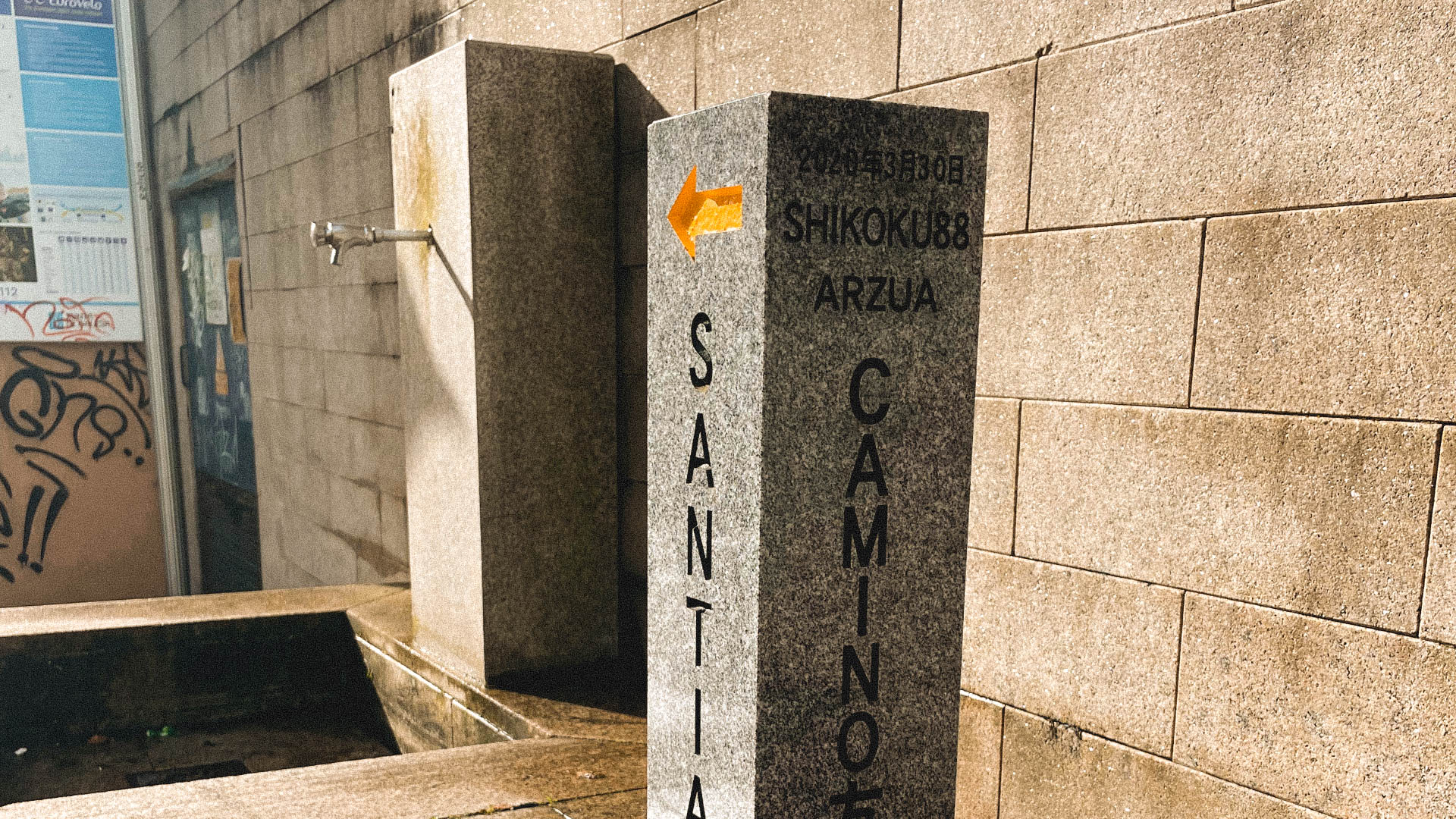
Dos pilares del Camino de Santiago en la etapa Triacastela–Sarria indicando rutas hacia San Xil y SamosA magical journey through mountains and silence

Distance: 13 miles – 21 km

The stage from O Cebreiro to Triacastela is known for its breathtaking natural beauty and peaceful atmosphere.

Starting in O Cebreiro, famous for its pallozas and the Church of Santa María la Real, the route descends into the valley, passing through charming villages like Liñares and Vega de Valcarce. Upon reaching Triacastela, you’ll encounter a crossroads the following day, where you’ll take the route towards Samos, a picturesque village home to a historic Benedictine monastery. This path offers a quieter journey surrounded by nature.

This stage stands out for its tranquility, allowing you to immerse yourself in the beauty of the Camino. It’s the perfect opportunity to reflect and truly savor the journey.

6
Triacastela - Samos

Monasterio San Julián y Santa Basilisa de Samos al atardecer, rodeado de naturaleza y frente al ríoMeeting the historic monastery

Distance: 6.8 miles – 11 km

The stage from Triacastela to Samos offers a peaceful and picturesque journey.

This easy route departs from Triacastela, leading you through a scenic valley towards Samos, passing through small villages surrounded by nature. Samos is especially renowned for its famous Benedictine monastery, the Monastery of San Julián de Samos, one of the oldest in Spain and a significant landmark on the Camino de Santiago. With over 1.500 years of history, the monastery has served as an important religious and cultural center throughout the centuries. Its impressive buildings and stunning cloister are remarkable examples of monastic architecture.

Along the way, you’ll enjoy lush green landscapes and rolling hills, experiencing a more tranquil and less crowded path compared to other sections of the French Way.

7
Samos - Vilei

The enchanting Galician forest on the Way to Vilei

Distance: 11.9 miles – 19,15 km

Departing from Samos, one of the most iconic points on the Camino, pilgrims embark on a unique experience, starting with the impressive Monastery of San Julián, one of the oldest in Spain.

Surrounded by oak and chestnut forests along the Oribio River, the route offers an unparalleled natural setting. The path to Vilei, 4.5 miles – 7,2 km longer than the alternative via San Xil, is peaceful and allows travelers to enjoy breathtaking landscapes in close contact with nature.

This stage is perfect for those seeking a slower-paced journey immersed in nature and cultural heritage. Undoubtedly, an unforgettable part of the Camino de Santiago.

8
Vilei - Portomarín

Jose Mari posando en la escalinata de la capilla de las Nieves en Portomarín con la concha del Camino de Santiago al frente en un día soleadoForests, history and medieval bridges

Distance: 11.2 miles – 18 km

The stage from Vilei to Portomarín is a peaceful and picturesque walk, perfect for enjoying the beauty of the Galician countryside. The route is not particularly challenging, making it ideal for those who want to experience the Camino at their own pace.

Throughout the journey, you will pass through forests, valleys, and small villages, all surrounded by a serene environment. As you approach Portomarín, you will admire the medieval bridge and the Church of San Juan, which was meticulously rebuilt stone by stone after being relocated due to the construction of the Belesar reservoir.

This stage, rich in history and natural beauty, is perfect for those seeking an authentic experience on the Camino de Santiago.

9
Portomarín - Palas de Rei

Cruceiro junto a la iglesia de San Xulián do Camiño con hórreo y peregrino tomando una foto en el Camino de SantiagoA picturesque village with cobblestone streets

Distance: 15.5 miles – 25 km

The stage from Portomarín to Palas de Rei blends nature with Galician charm. It begins in Portomarín, renowned for its medieval bridge and the Church of San Juan, which was meticulously relocated stone by stone due to the Belesar reservoir, an important historical landmark of the Camino.

The route winds through lush forests and peaceful fields, featuring gentle ascents and descents that make it accessible and enjoyable. Villages such as Gonzar, Castromaior, and A Calle offer a glimpse into the traditional rural culture of Galicia.

The stage concludes in Palas de Rei, a picturesque village with cobblestone streets, quiet squares, and a rich history. Ideal for those looking to experience the Camino at a relaxed pace, this stage offers the perfect blend of nature, heritage, and tranquility.

10
Palas de Rei - Melide

Plato de pulpo a la gallega con pimentón típico de Melide en la etapa Palas de Rei–MelideThe famous Galician octopus awaits you!

Distance: 9.3 miles – 15 km

Imagine traversing a stage through forests, small villages, and quiet roads until you reach Melide, a destination that blends history, tradition, and flavor. Leaving Palas de Rei, you’ll immerse yourself in the serenity of Galician nature as you cross charming rural landscapes.

The highlight of this stage is Melide, where its cobblestone streets and the medieval Church of Santa María transport you back in time. This historic town invites you to explore its rich past.

But what truly makes this stage unique is its gastronomy. You simply cannot miss trying the famous pulpo a la gallega at one of the traditional pulperías—a perfect stop to replenish your energy and continue the Camino with renewed vigor. An essential stage indeed!

11
Melide - A Calle de Ferreiros

Hórreo a la entrada del hotel rural Casa do Hórreo en Ferreiros con peregrinos y naturaleza en un día encapotadoGalician nature and an internationally renowned cheese

Distance: 16.7 miles – 27 km

The stage from Melide to A Calle de Ferreiros begins in Melide, a charming village famous for its lively pulperías, where you can enjoy the renowned pulpo a la gallega. As the route progresses, the path winds through green fields, gentle hills, and small forests, offering a peaceful and serene experience in the heart of Galician nature.

The journey leads to Arzúa, a town known for its historic architecture and its creamy Arzúa-Ulloa cheese, internationally recognized for its exceptional quality. The town’s tranquil atmosphere invites you to explore its streets, churches, and, of course, indulge in its local gastronomy, making it an ideal stop for a well-deserved break.

Finally, the stage ends in A Calle de Ferreiros, a perfect spot to relax after a walk filled with history, nature, and the authentic flavors of Galicia.

12
A Calle de Ferreiros - Lavacolla

Peregrinos caminando por pista forestal de grava bajo la lluvia en el tramo hacia Lavacolla en el Camino de SantiagoThe final step towards Santiago

Distance: 14.3 miles – 23 km

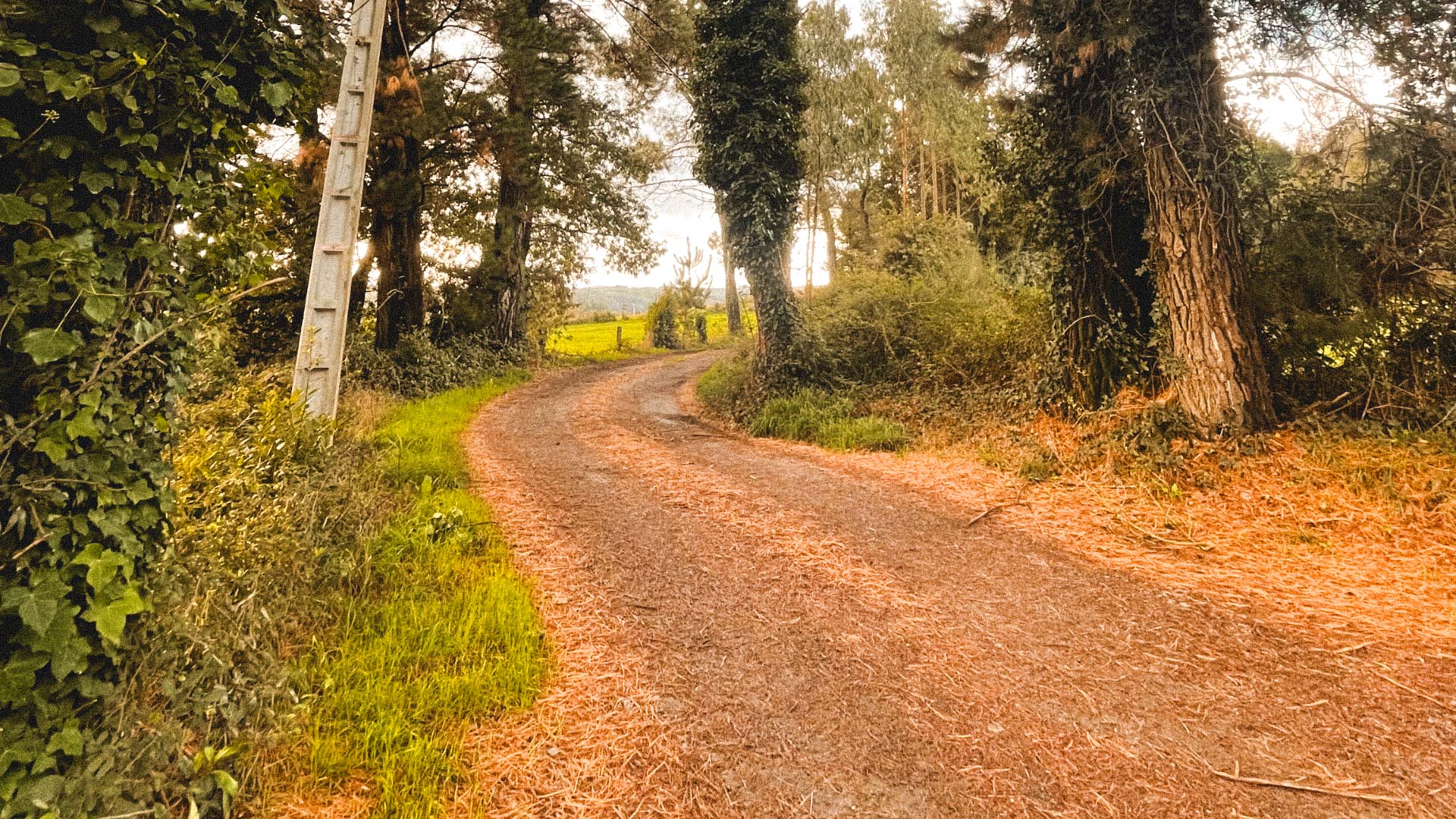
The journey from A Calle de Ferreiros follows rural paths surrounded by nature, passing through gentle hills and small villages that reflect the authentic Galician way of life. This stretch offers a peaceful and serene experience in the heart of nature.

As you progress, you’ll enjoy stunning views of the Galician landscapes, drawing ever closer to Santiago. The route leads to Lavacolla, a small village that signals the proximity of the city, marking the final stop before the last stage.

Along the way, you’ll pass through O Pedrouzo, a well-known resting point for pilgrims before reaching Santiago. Finally, you’ll arrive in Lavacolla, just a few steps away from the final stage and your ultimate destination: Santiago de Compostela. You’re about to reach your goal!

13
Lavacolla - Santiago de Compostela

Fachada lateral de la Catedral de Santiago de Compostela vista desde la Plaza del Obradoiro en un día despejadoThe final embrace, the perfect ending to your journey

Distance: 6.2 miles – 10 km

The stage from Lavacolla to Santiago de Compostela is the last before reaching the ultimate goal of the French Way. It begins along a forest path, surrounded by beautiful landscapes that gradually open up as you approach the city.

The route passes through places like San Marcos and Belvís, gently ascending to Monte do Gozo, where you can enjoy a panoramic view of Santiago and its cathedral. As you descend, you enter the city and weave through its streets until you reach the Plaza del Obradoiro, home to the magnificent cathedral.

This stage is filled with emotion, marking the culmination of a long spiritual, physical, and mental journey. Upon arriving at the Plaza del Obradoiro, you celebrate the long-awaited reunion with your final destination: Santiago de Compostela.

Congratulations pilgrim!
BOOK

Make your Camino unique

Experiences
Restaurants
Hotels

Tapas tour in Santiago de Compostela

SEE MORE
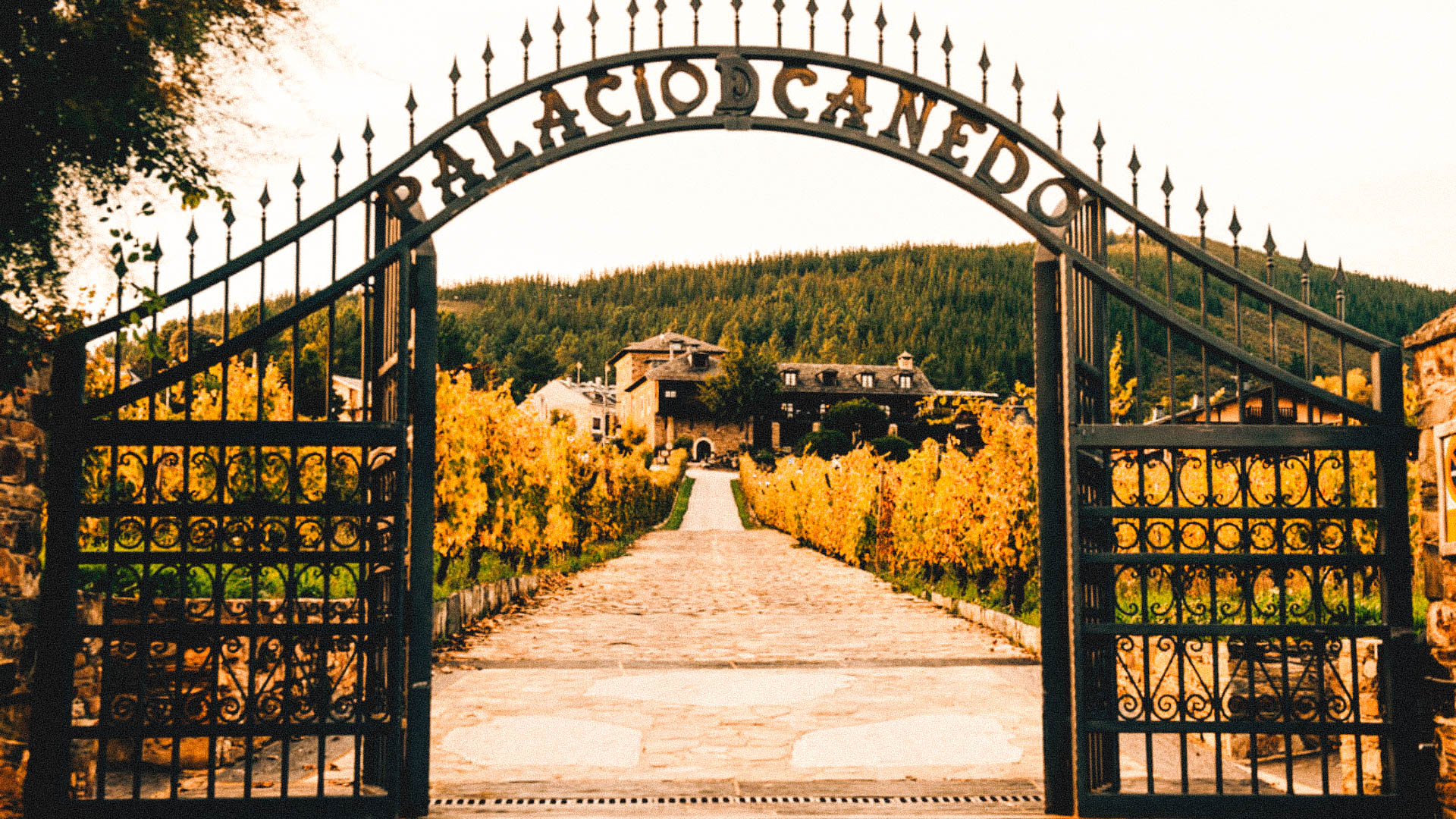
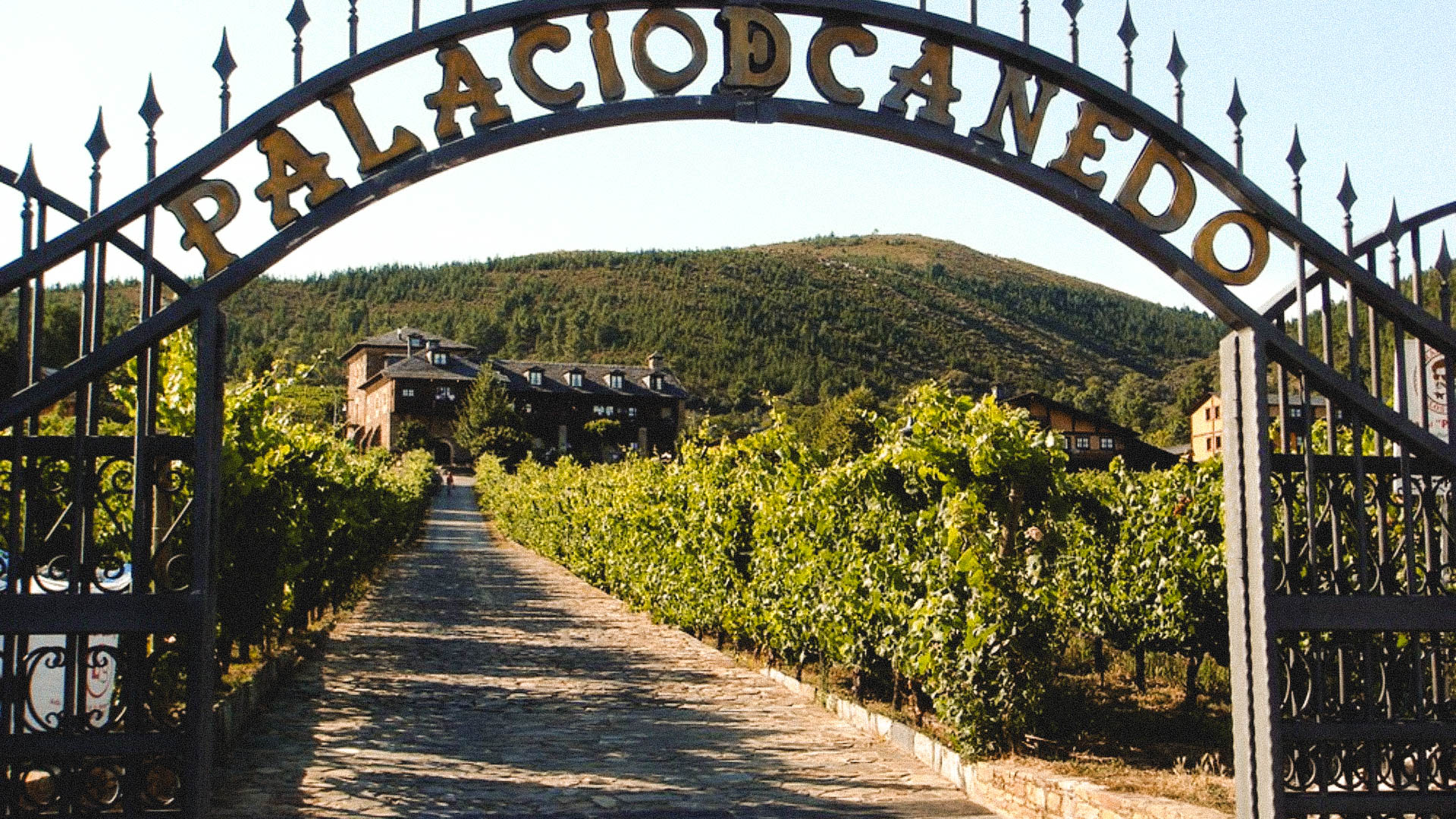
Entrada al Palacio de Canedo, hotel con bodega y viñedos en Canedo durante la etapa Molinaseca–Cacabelos

Visit bodega Prada a Tope – Palacio de Canedo

SEE MORE

Night visit to the Cathedral of Santiago de Compostela

SEE MORE

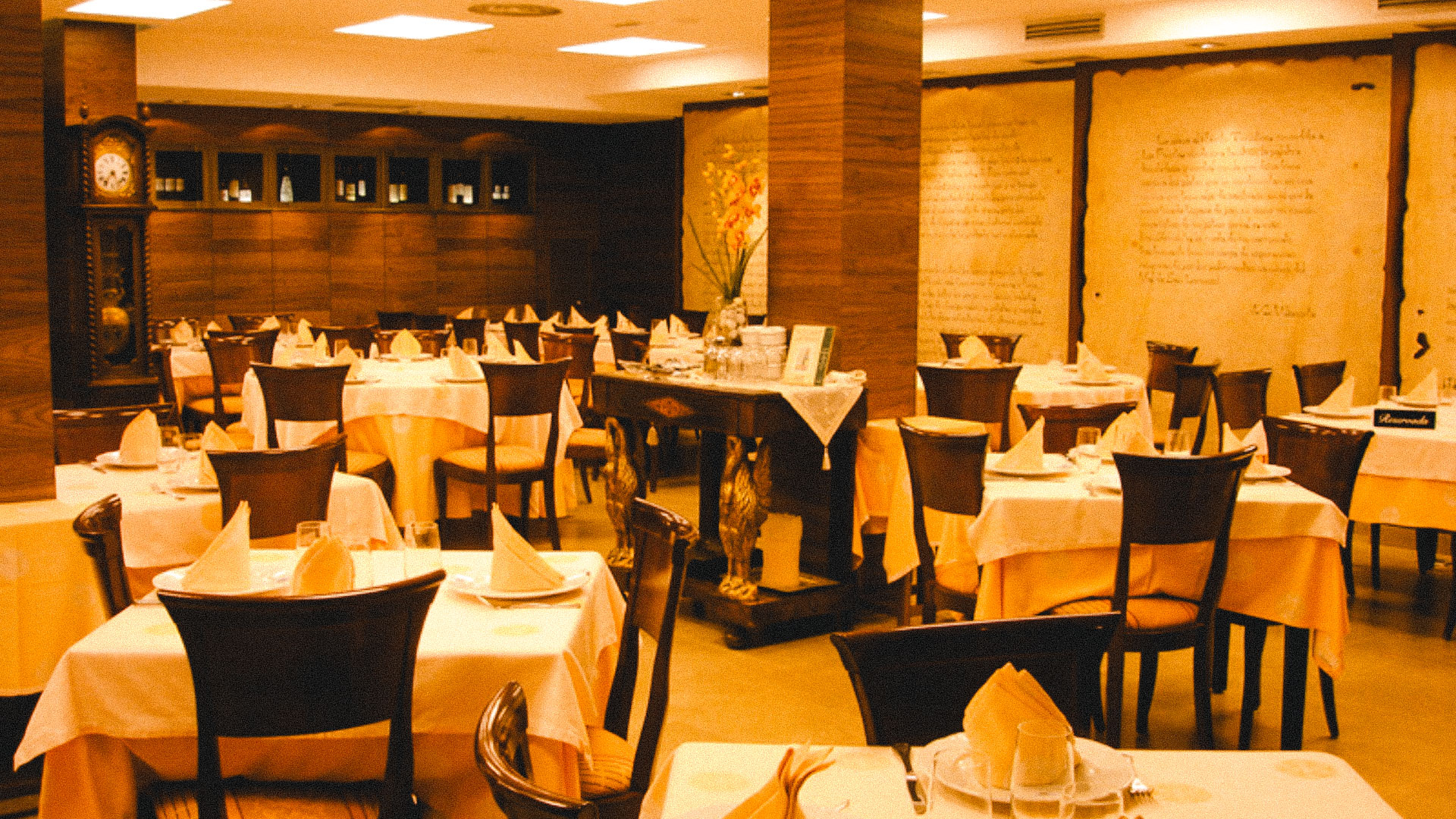
Restaurante La Peseta

SEE MORE

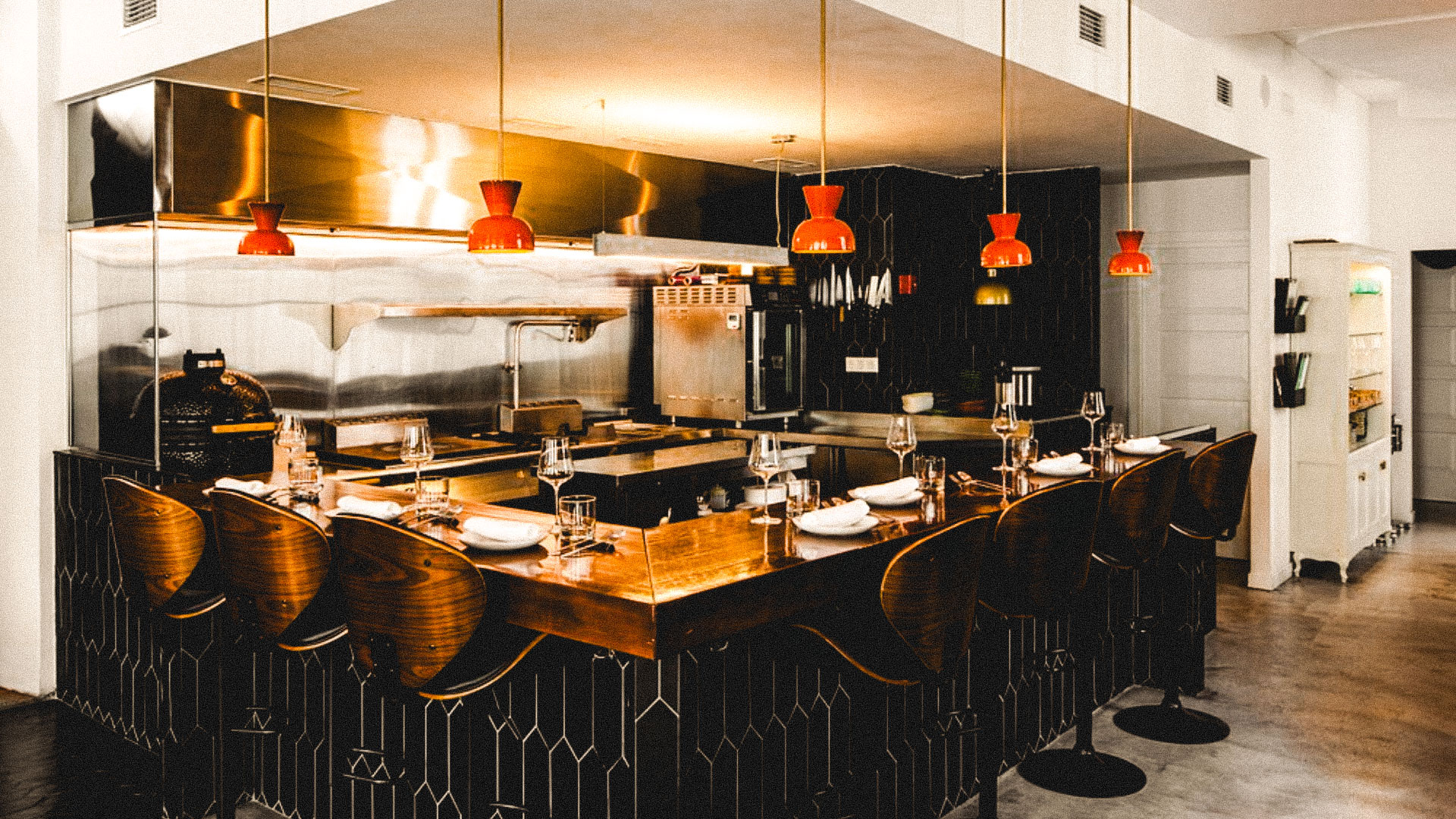
Restaurante Gaio

SEE MORE

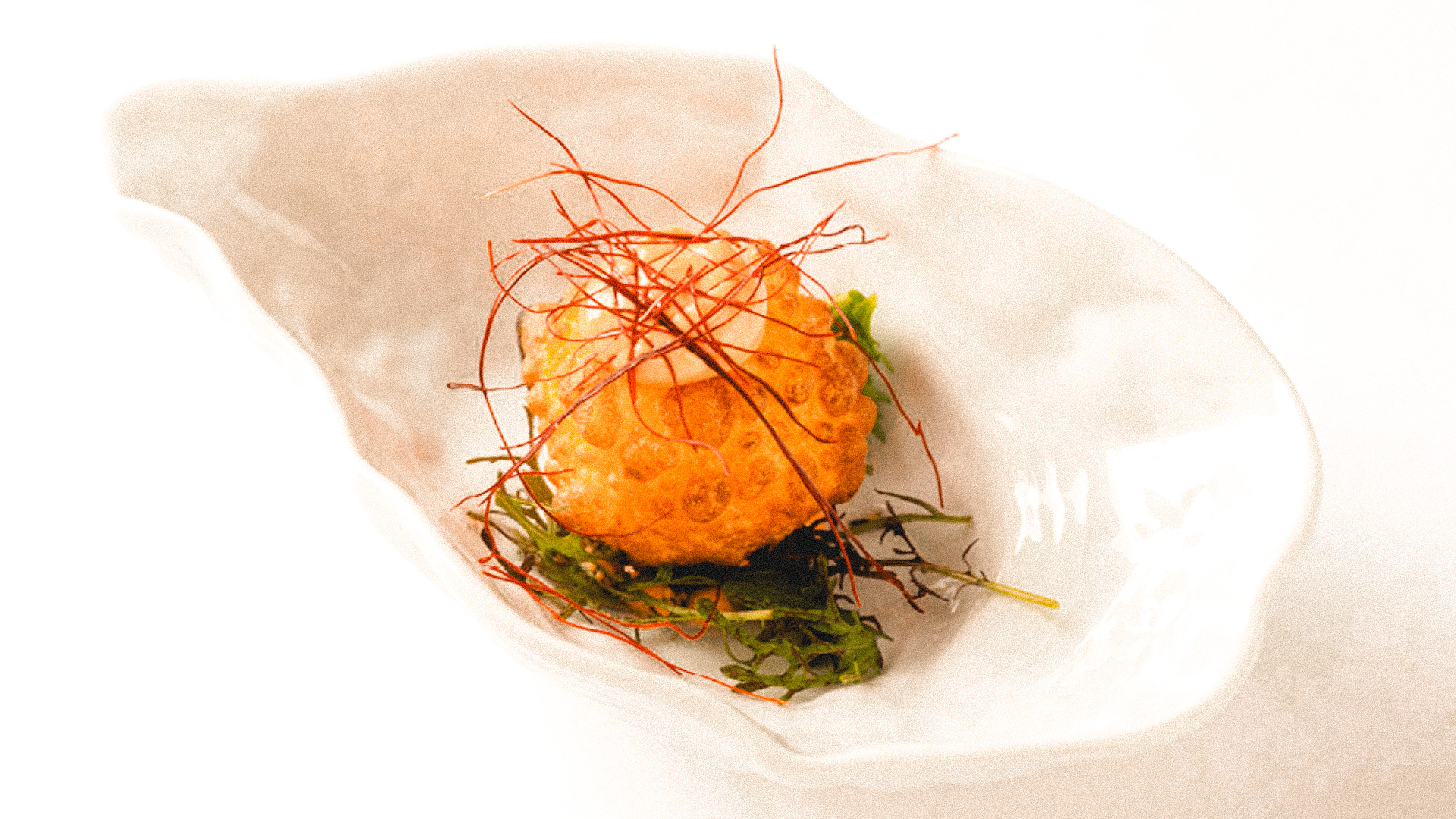
Pulpería A Garnacha

SEE MORE

Prada a Tope – Palacio de Canedo

SEE MORE

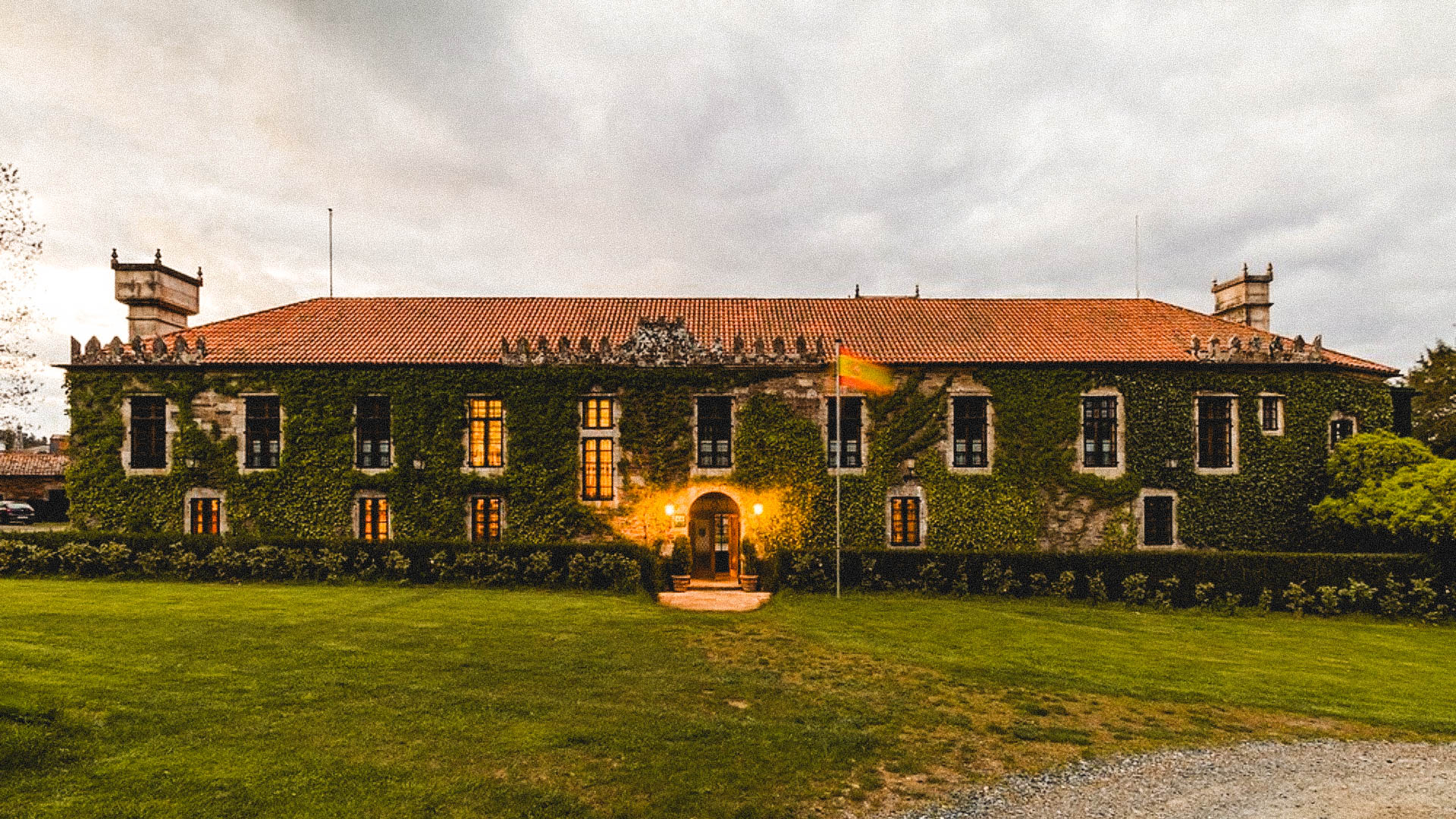
Pazo Brandeso

SEE MORE

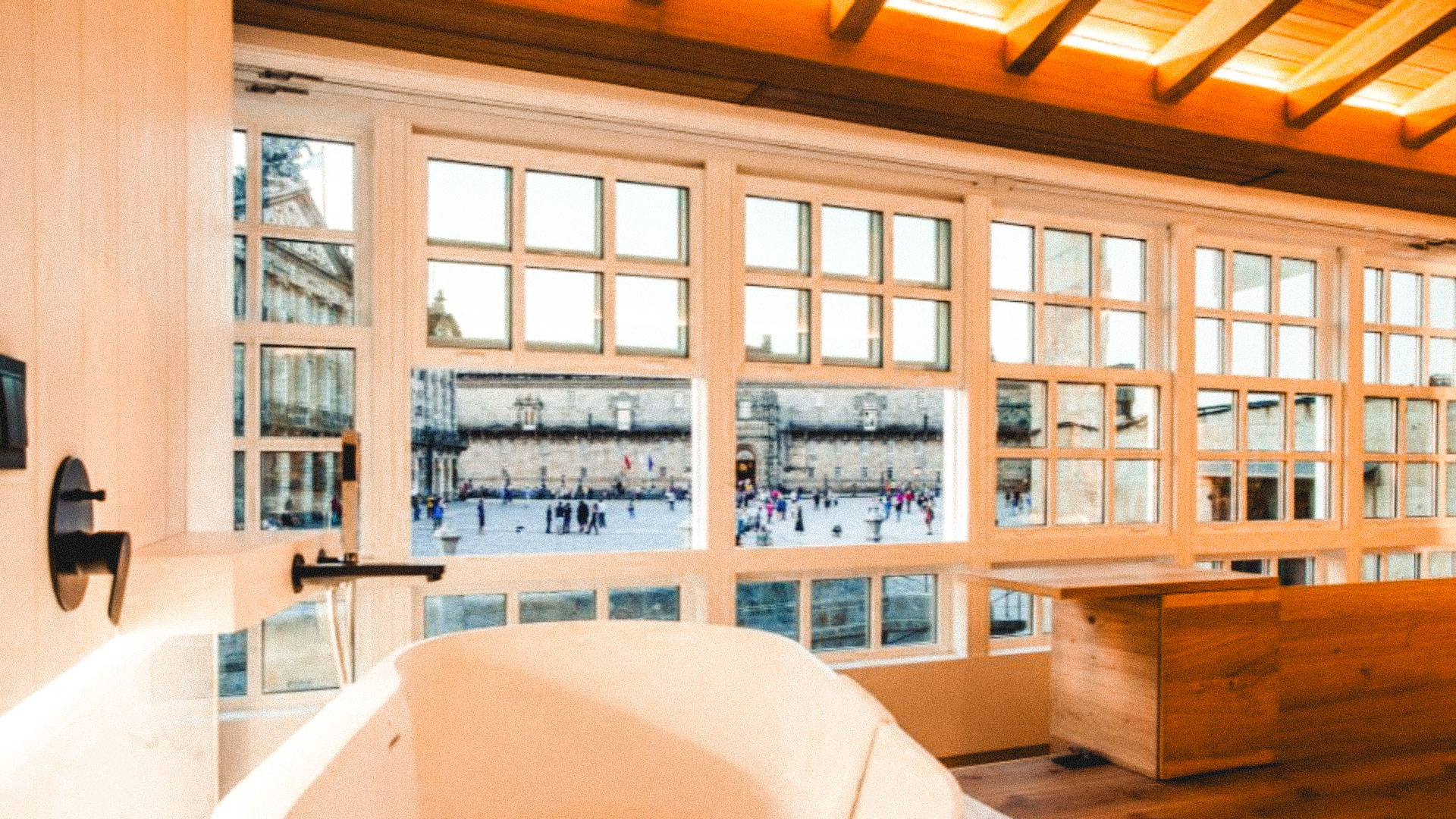
Hotel Plaza Obradoiro

SEE MORE

What’s included in your Camino?

Included

  • Private accommodation with en-suite bathroom (depending on chosen category)
  • Daily breakfast
  • Insurance
  • 24/7 emergency phone assistance
  • Detailed Camino guide with stages, maps, and tips
  • Daily WhatsApp check-in and support
  • Camino People welcome pack
  • Personalized recommendations for meals, dinners, and local visits
  • Luggage transfer between stages

Not Included

  • Lunches and dinners not specified in the itinerary
  • Drinks and extra snacks
  • Flights or travel to the starting/ending point (optional transfer available)
  • Personal expenses
  • Cancellation or premium travel insurance (optional)
  • Entrance fees to monuments or museums not included in the itinerary
  • Tips

Extras (Available upon request)

  • Guided Camino (full-time or selected stages)
  • Fully organized trip with exclusive activities
  • Gourmet dinners or unique gastronomic experiences
  • Private cultural visits or entrance tickets with guide
  • Transportation to/from airport or other off-route locations
  • Extra nights before or after the Camino
  • Massage, physiotherapy, or yoga services
  • Cancellation or premium travel insurance
Hito del Camino de Santiago en la etapa Palas de Rei–Arzúa con flecha amarilla

FAQ

Can I stay more days in Santiago?

Absolutely! At El Camino People, we can customize your experience to fit your needs.

Santiago de Compostela offers a wide range of options to enjoy its history, culture, and beauty. You can stay as long as you like to explore the city, rest, or take part in activities such as guided tours, attending Mass at the Cathedral, or savoring its incredible gastronomy.

Tell us—how would you like us to personalize Your Camino?

What are the must-see spots on the route from Astorga to Santiago?

Along the way, there are several standout locations.

The Cruz de Ferro, the highest point on the French Way, is one of the most symbolic, along with the Foncebadón Pass. As you enter Galicia, the landscapes of forests, rivers, and villages create a striking change, making you feel more connected to nature. And, of course, reaching the imposing Cathedral of Santiago is the grand finale of the journey.

What services can I find on the route from Astorga to Santiago?

The Camino is well-prepared for pilgrims, especially during the spring and summer seasons.

Along the route, you will find hostels, restaurants, and shops where you can rest, recharge, and enjoy the rich Galician cuisine.

Without a doubt, this is a comfortable and well-equipped journey, as it is part of the most traveled route: the French Way.

Related Caminos

Camino de grava rodeado de bosque con peregrino al fondo y luz filtrándose entre los árboles

Camino Francés from O Cebreiro

9 days - 8 nights

desde

2.500 €

Camino Francés from Sarria (6 stages)

6 days - 5 nights

desde

1.500 €

Camino Francés from Sarria (5 stages)

5 days - 4 nights

desde

1.300 €