
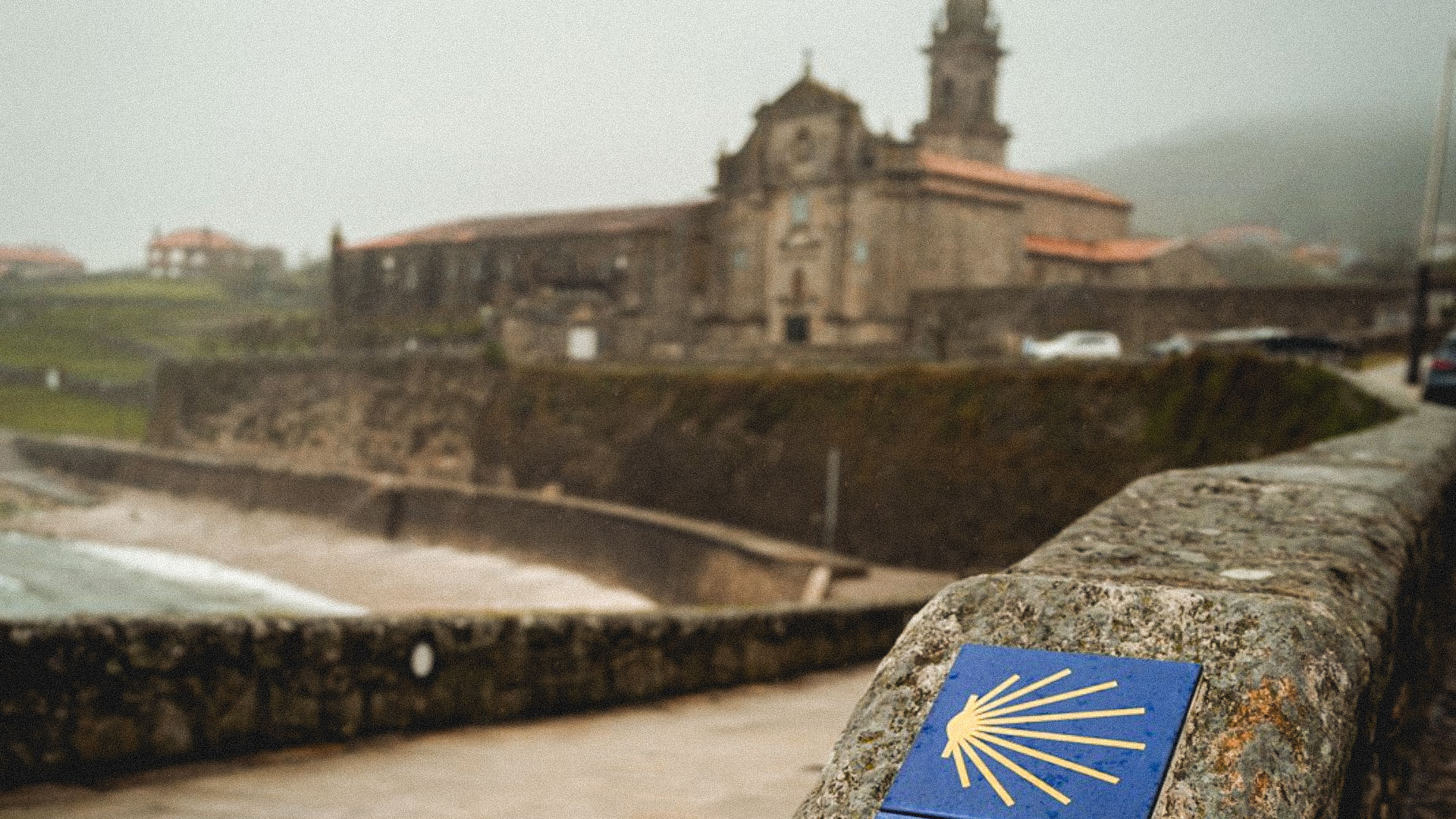

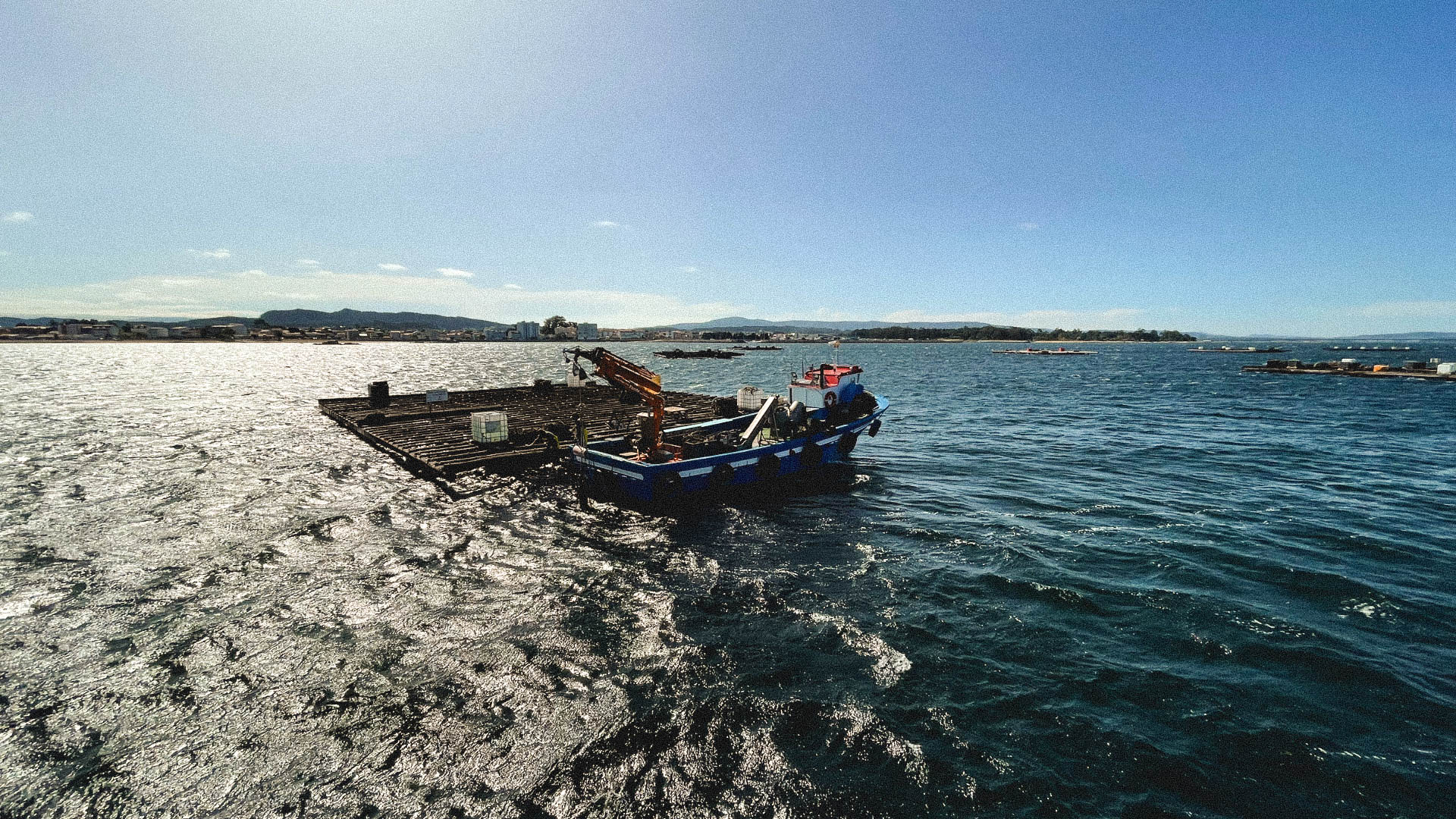
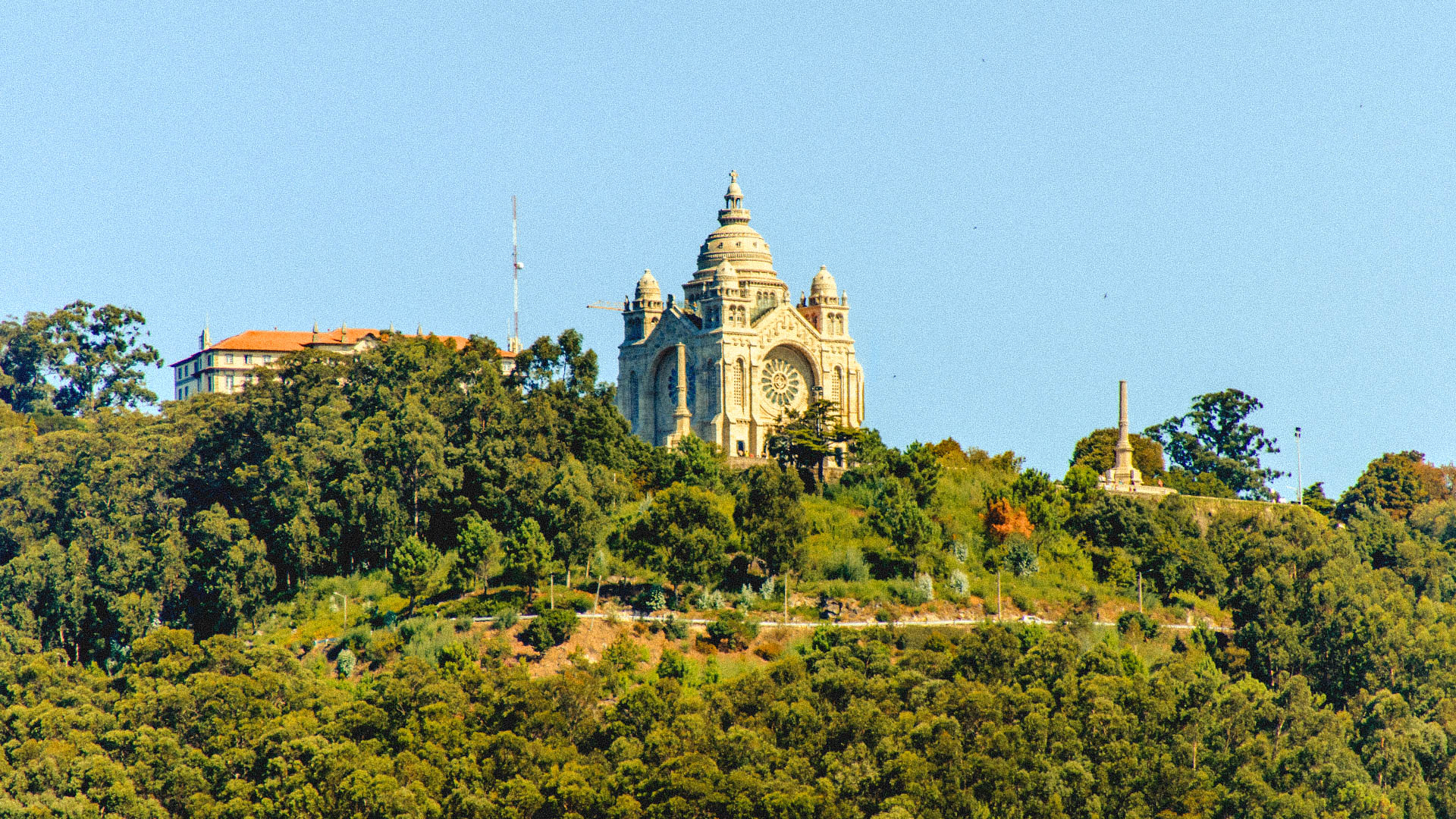
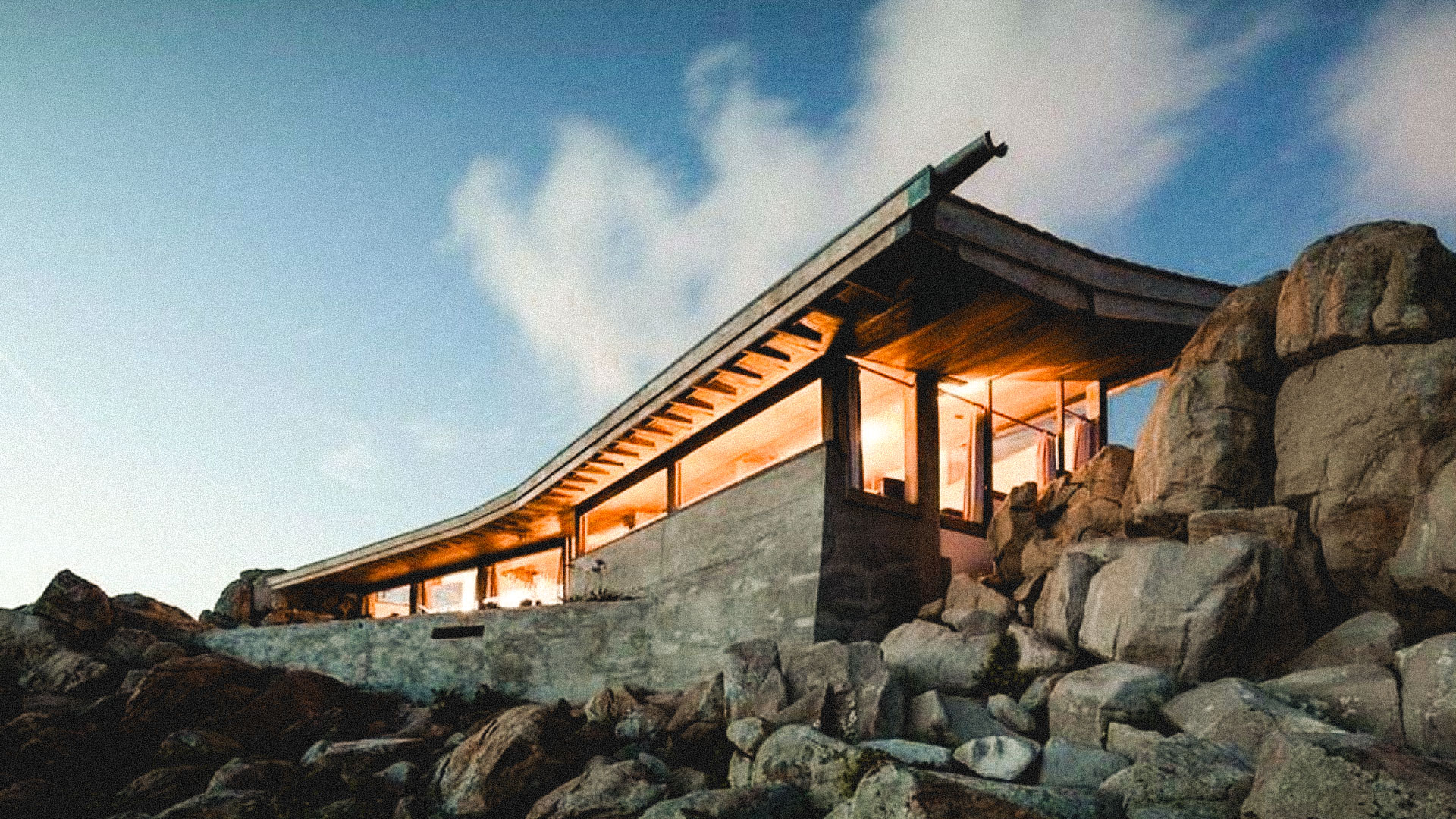

It’s important to pack comfortable, lightweight clothing and proper footwear for long walks. A rain poncho or waterproof jacket is recommended, along with sunscreen, a water bottle, and a light backpack with essentials. Don’t forget your Pilgrim Passport (Credencial del Camino) and some emergency money.
Discover the Portuguese Coastal Way, a Jacobean route that combines the charm of the Atlantic with the history and spirituality of the Camino de Santiago.
Starting from the vibrant city of Porto, this route winds along the Portuguese and Galician coasts, passing through picturesque towns such as Viana do Castelo, A Guarda, and Vigo, before merging with the Central Way in Redondela.
With stunning landscapes, a mild climate, and an easy-to-follow path, this route is perfect for any pilgrim—whether seeking tranquility in autumn or walking under the summer sun. Embark on a unique journey where the sea will be your travel companion.
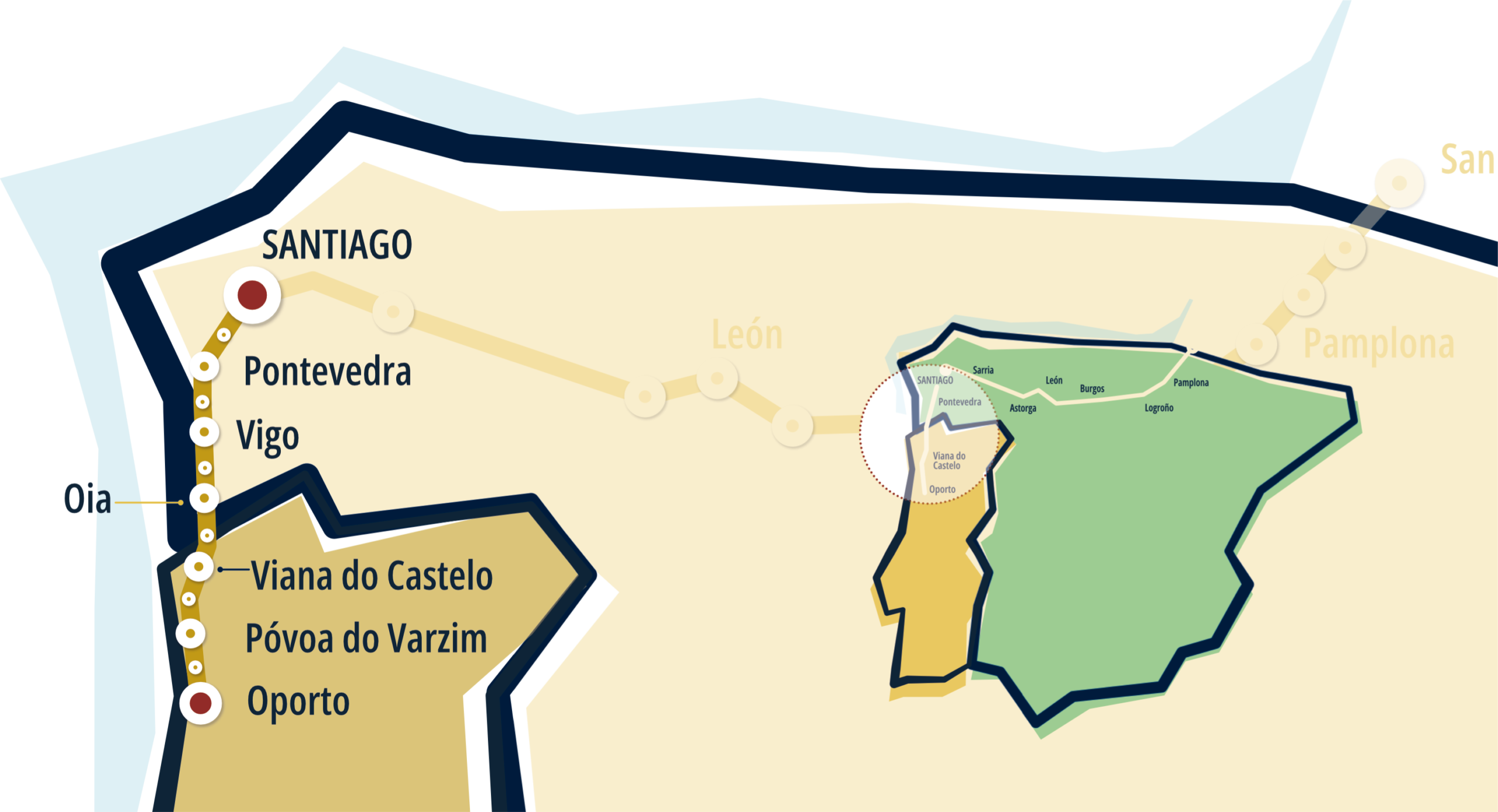
Route
1
Oporto - Labrugue 2
Labruge - Póvoa do Varzim 3
Póvoa do Varzim - Esposende 4
Esposende - Viana do Castelo 5
Viana do Castelo - Caminha 6
Caminha - Oia 7
Oia - Baiona 8
Baiona - Vigo 9
Vigo - Redondela 10
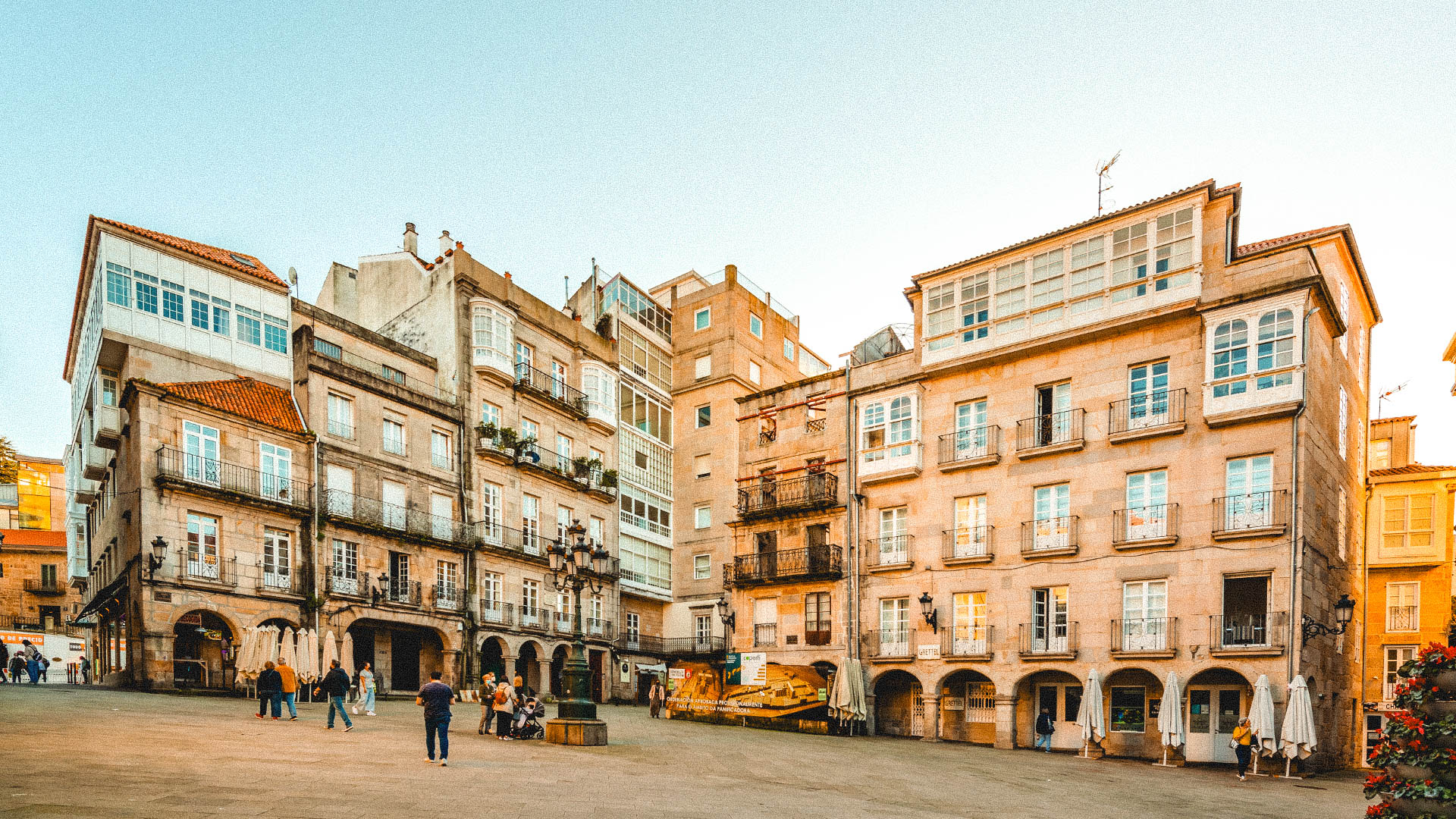
Redondela - Pontevedra 11
Pontevedra - Armenteira 12
Armenteira - Vilanova de Arousa 13
Vilanova de Arousa - Santiago de Compostela 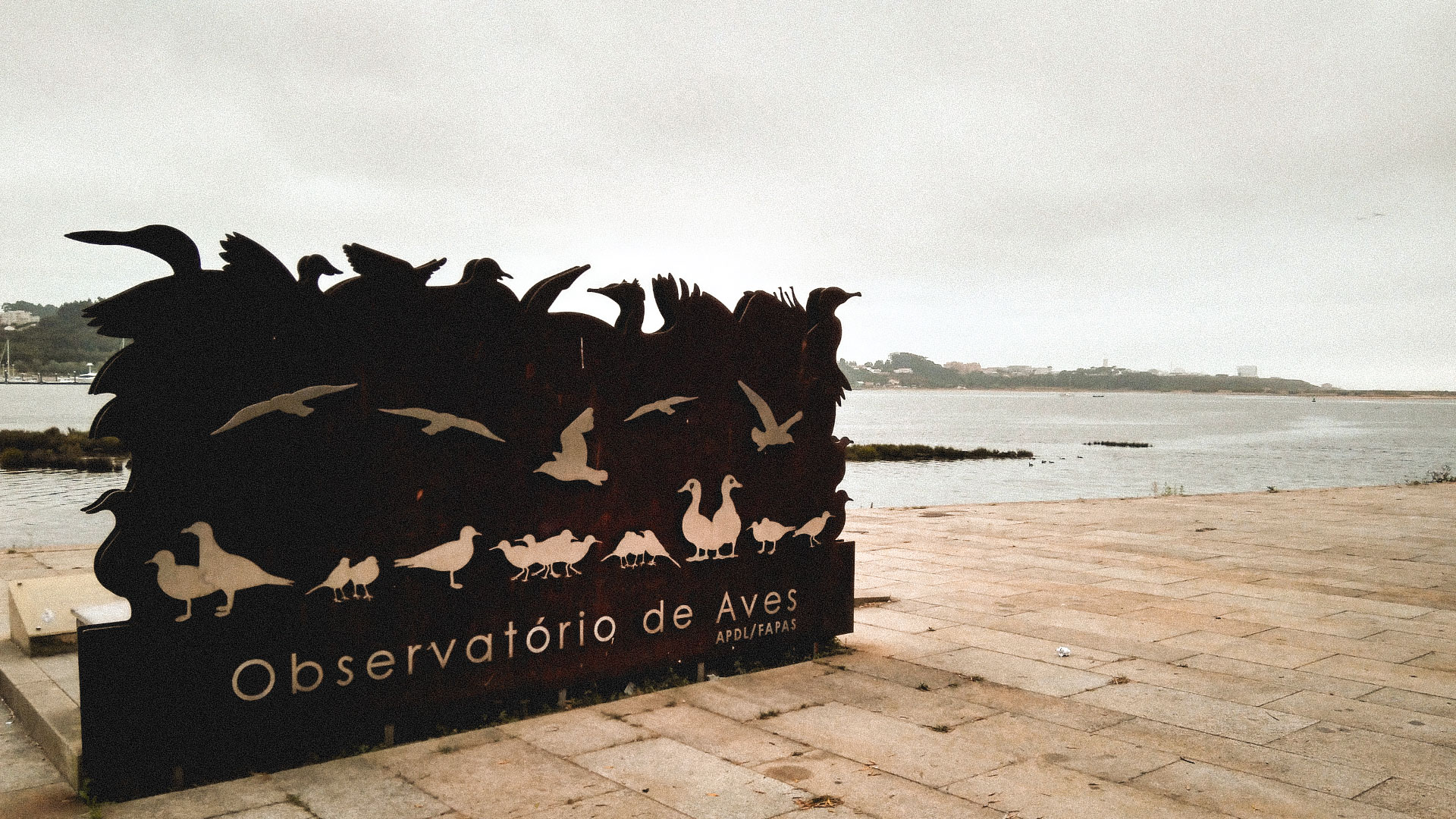 Here begins your journey along the Portuguese Coastal Way
Distance: 15.2 miles – 24,5 km
The stage of the Portuguese Coastal Way from Porto to Labruge is a truly captivating section that offers pilgrims an enriching experience full of beauty.
Along this route, walkers will witness some of the most stunning landscapes of northern Portugal’s coastline. Starting in Foz do Douro and passing by Castelo do Queijo, highlights include the Piscina das Marés, a unique architectural masterpiece, and the Faro da Boa Nova, offering spectacular views of the Atlantic.
From golden sandy beaches to rugged cliffs and charming fishing villages, every step unveils a new sight that delights the senses.
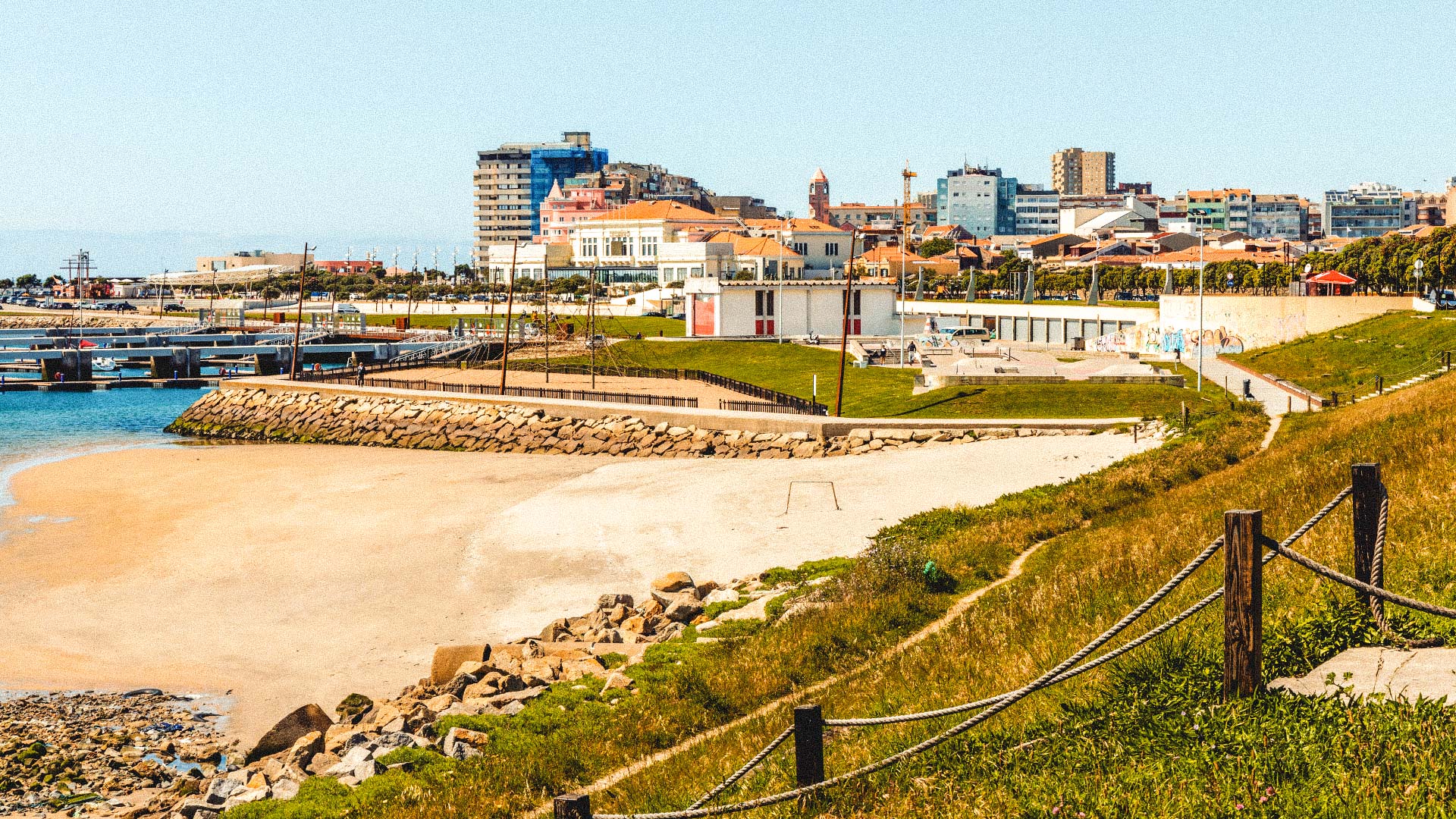 An authentic setting of coastal landscapes and history
Distance: 8.7 miles – 14 km
The second stage of the route combines breathtaking landscapes, charming fishing villages, and a rich history.
As you progress along the path, you will admire Praia Castro Sampaio, with its crystal-clear waters and serene surroundings, the picturesque fishermen’s houses in Vila Chã, or the imposing Monastery of Santa Clara and its textile tradition in Vila do Conde.
Póvoa do Varzim awaits at the end of this stage, offering a vibrant atmosphere, welcoming beaches, and a delightful gastronomic scene. You can also admire the majestic 18th-century Igreja Matriz.
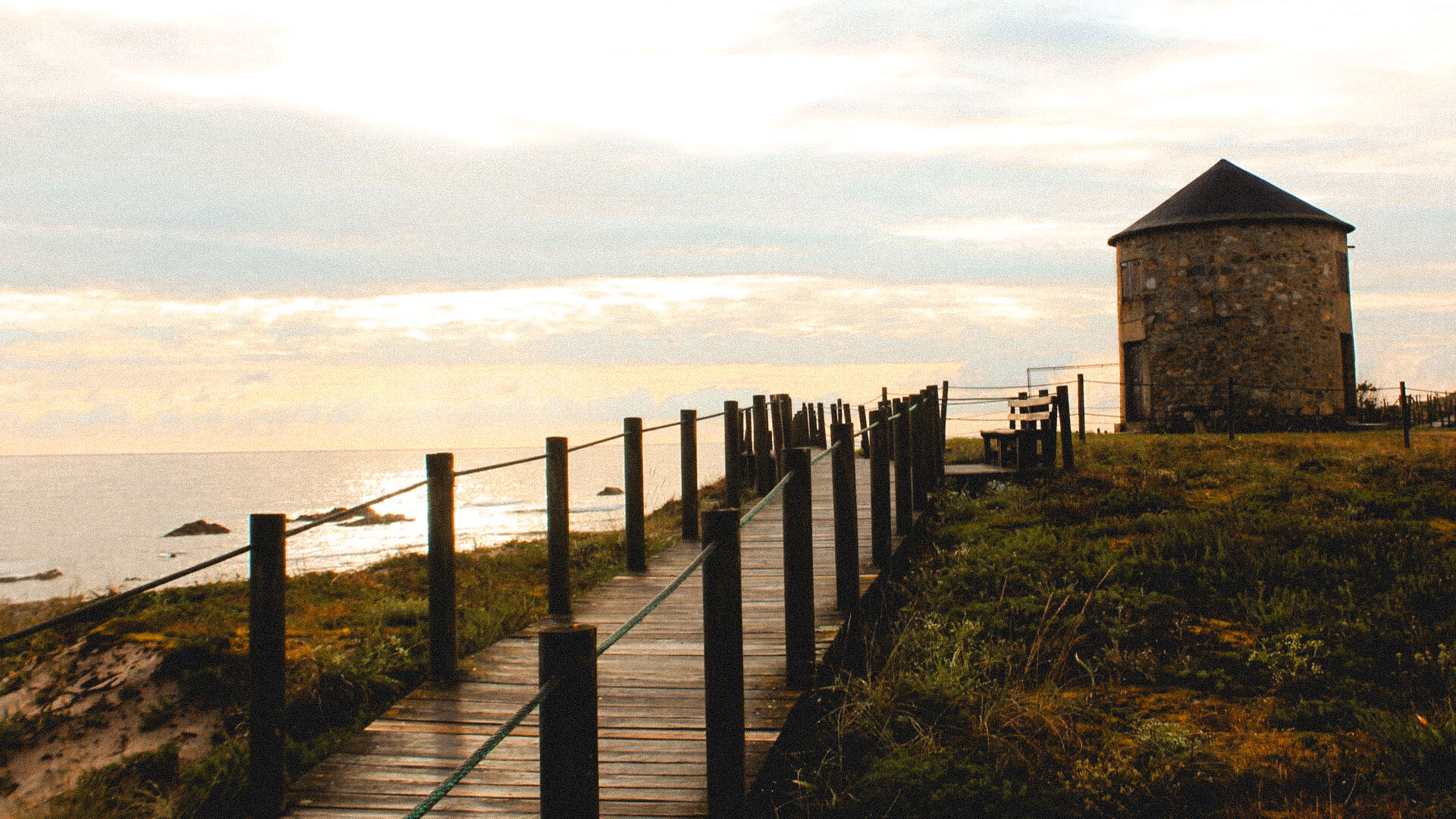 From dunes to fortresses: a captivating journey to Esposende
Distance: 12.4 miles – 20 km
This section blends stunning natural landscapes with charming coastal towns. You’ll enjoy breathtaking ocean views and immerse yourself in the serenity of the surrounding nature.
Along the way, you’ll discover Praia de Santo André, surrounded by dunes and wooden walkways. The Passadiços da Aguçadoura offer spectacular coastal views, while the 16th-century São João Baptista Fortress impresses with its military architecture and panoramic vistas.
Your final destination, Esposende, welcomes you with its coastal charm and rich history. Explore its beaches, admire the beauty of the Cávado River estuary, and experience the warmth of local hospitality as you complete the third stage of this exciting journey along the Portuguese Coastal Way.
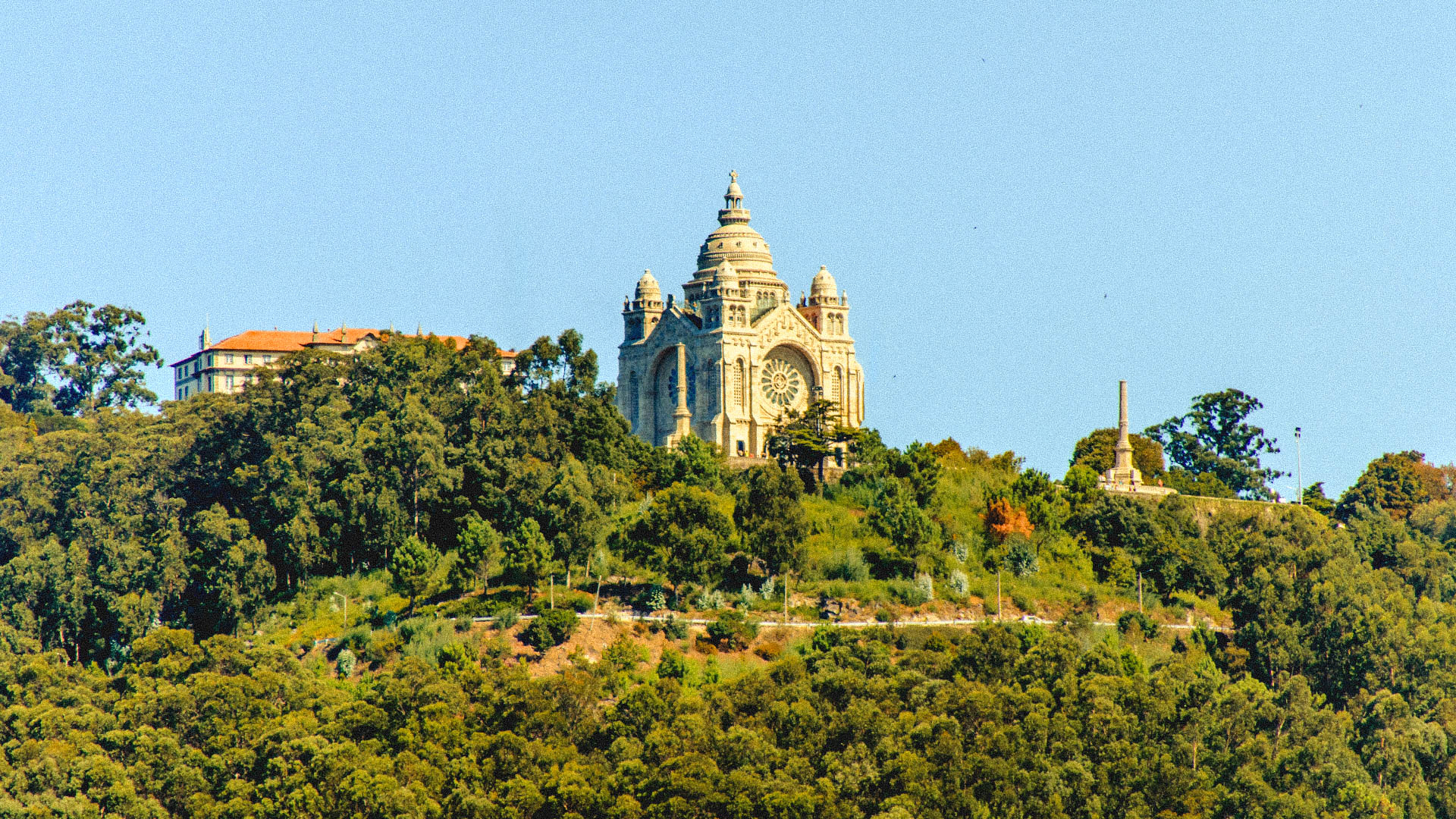 From the Neiva river to the history of Viana do Castelo
Distance: 16.2 miles – 26 km
Today’s journey takes place entirely inland, offering some of the most beautiful landscapes along this route, including the scenic path that descends to the banks of the Neiva River.
For those eager to immerse themselves in the cultural richness of Viana do Castelo, exploring the city is a fascinating option. Its historic center welcomes visitors with cobbled streets, historic buildings, and charming squares that invite leisurely strolls while admiring traditional architecture.
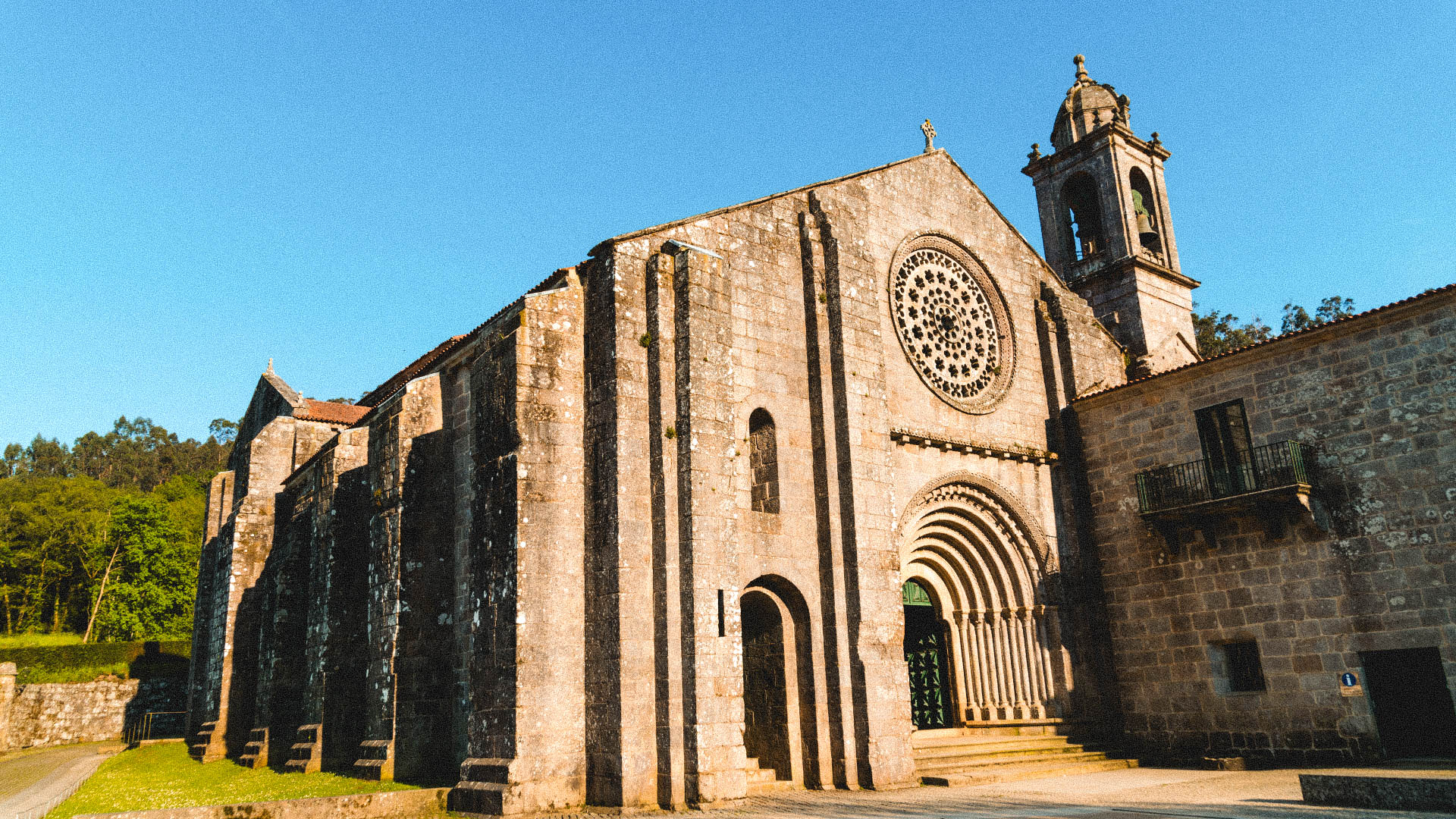
Additionally, the Igreja e Mosteiro de São Romão do Neiva, with its impressive façade and blend of Gothic and Renaissance styles, is an architectural gem that reflects the region’s rich religious history. Without a doubt, it is a must-see for pilgrims.
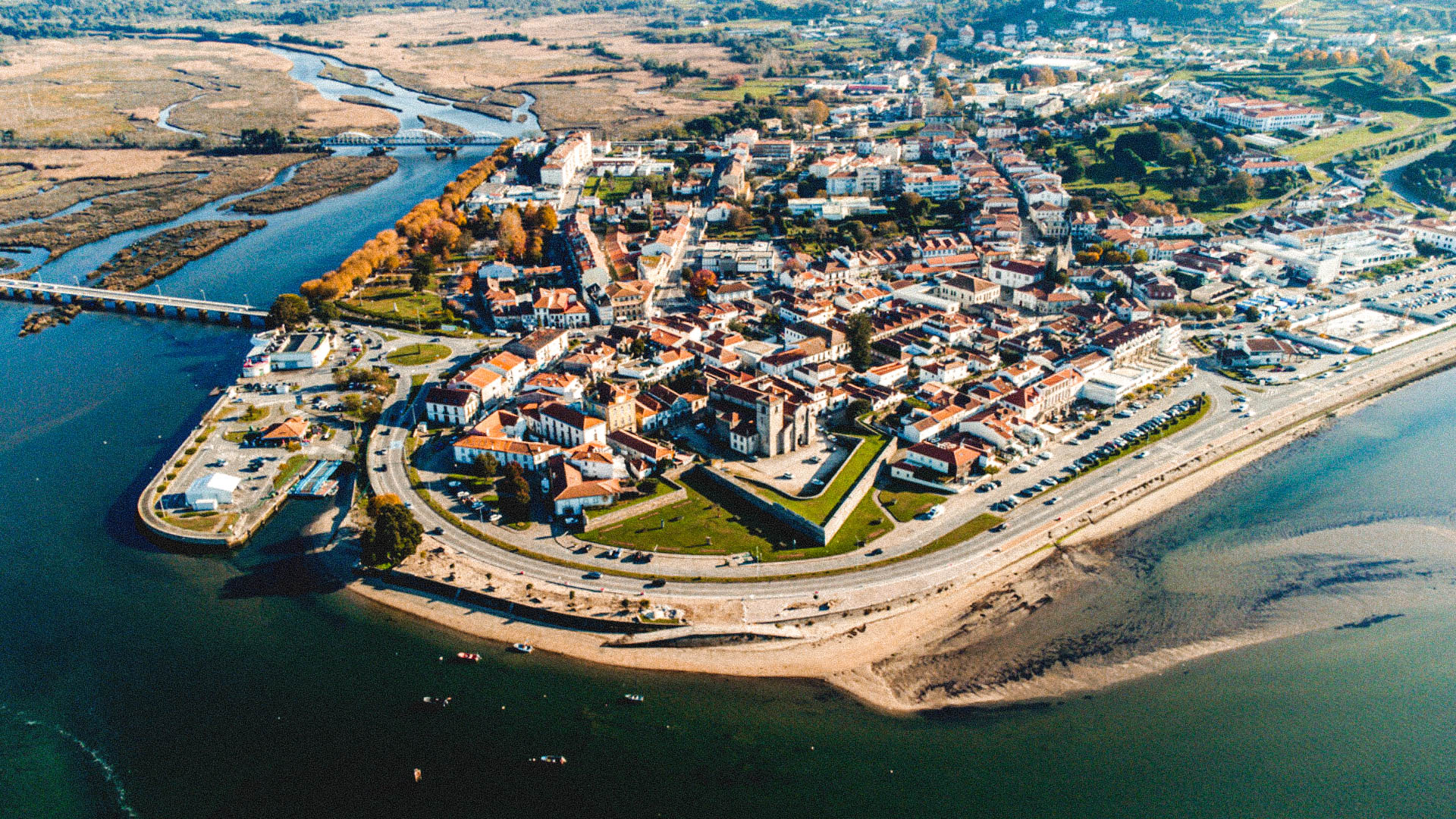 Places of worship, coastal gastronomy and a fortress full of history
Distance: 16.7 miles – 26,8 km
The route between Viana do Castelo and Caminha will take you through stunning coastal landscapes and picturesque villages. You’ll enjoy panoramic views of the Atlantic Ocean and feel the refreshing sea breeze.
Along this stretch, you’ll pass through charming fishing villages like Castelo do Neiva and Vila Praia de Âncora, where you can experience authentic maritime life and savor delicious fresh seafood dishes. You’ll also have the chance to visit several chapels and churches with impressive architectural details, as well as the 17th-century Forte da Lagarteira, built to protect the coast from invasions and offering insight into the region’s military history.
Finally, the town of Caminha welcomes you, where strolling through its historic center is a must.
We set sail for Spain
Distance: 10.7 miles – 17,2 km
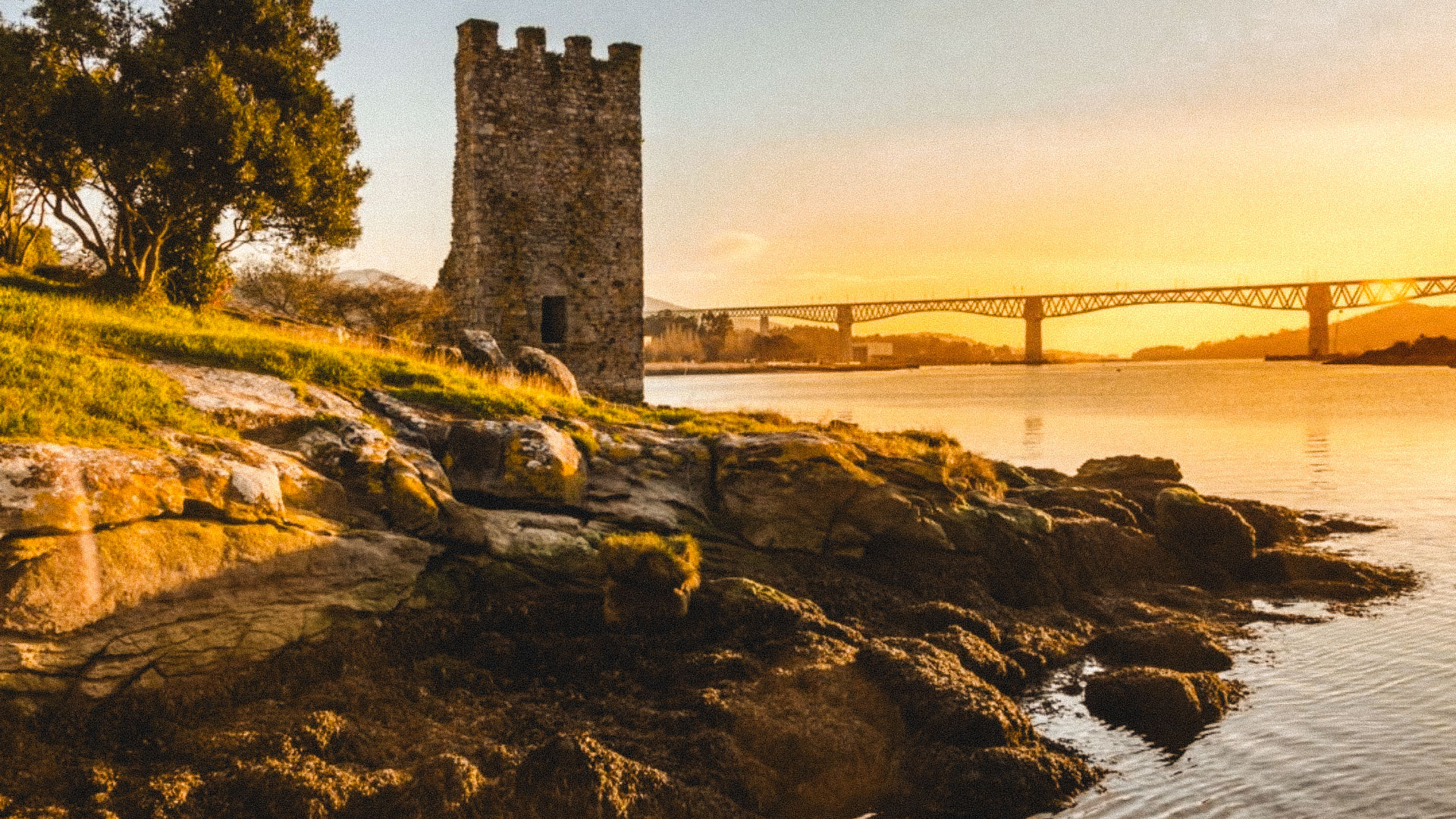
The stage from Caminha to Oia is exciting and unique, as it begins with a special moment: crossing the Miño River into Spain.
Your first steps of the day will lead you to the dock, where you’ll board a picturesque boat to cross to the other shore. This short journey offers stunning views of the river and its surroundings as you enter Spanish territory. Once in Oia, you can explore its medieval-style cobbled streets or visit the Church of Santa María de Oia, an impressive example of Romanesque architecture.
The natural beauty of the area is breathtaking, with rugged cliffs and pristine beaches that will leave you in awe. Strolling along the coast and taking in the panoramic views is an unforgettable experience.
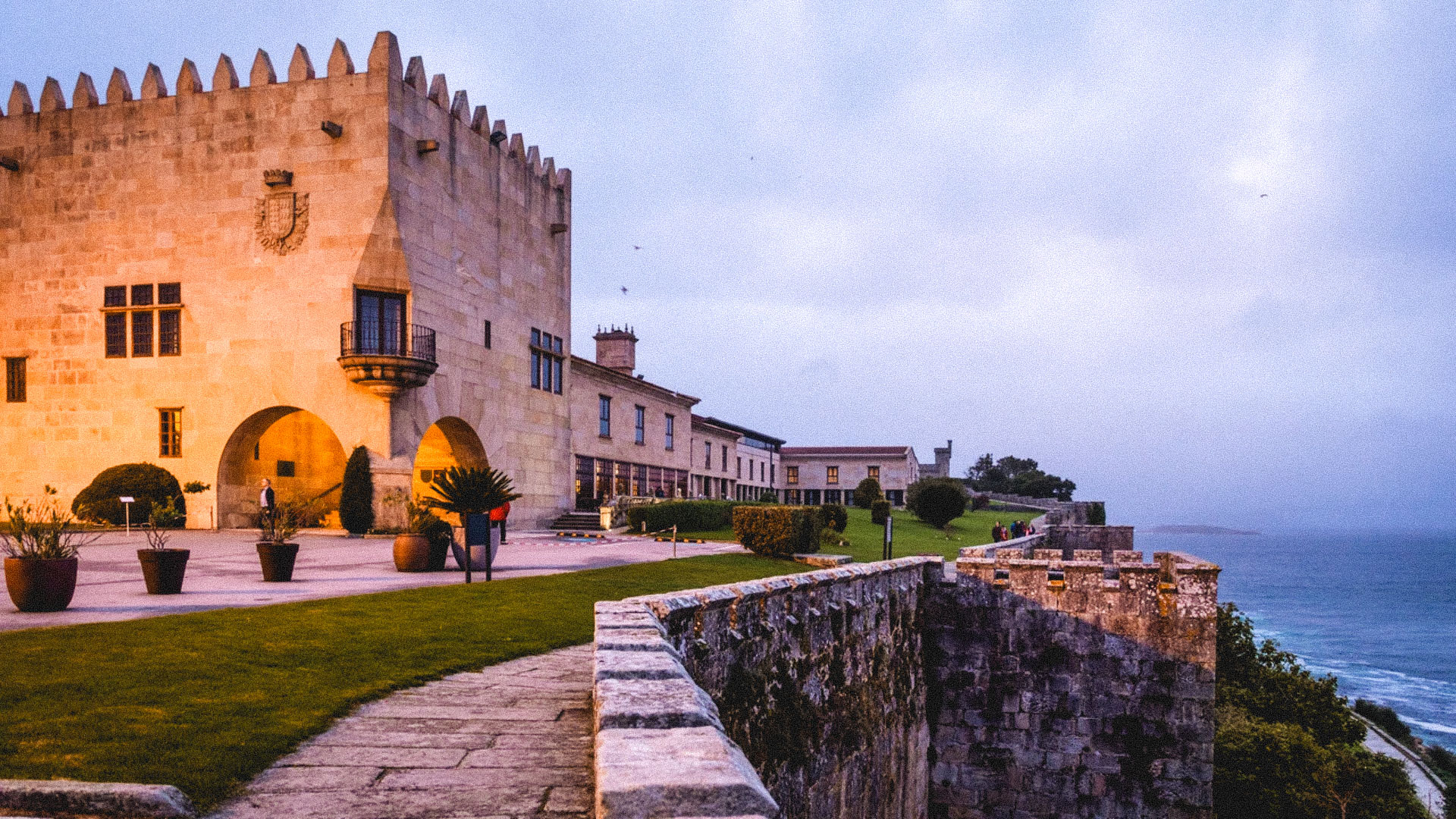 Between cliffs, coves and history
Distance: 11.8 miles – 19 km
The stage from Oia to Baiona is an exciting and picturesque section of the Portuguese Coastal Way.
The path winds along the coastline, offering panoramic views of the Atlantic Ocean and golden beaches. As you progress, you’ll encounter stunning cliffs, small coves, and captivating natural landscapes. The fresh sea breeze and the soothing sound of the waves will accompany you along this part of the journey.
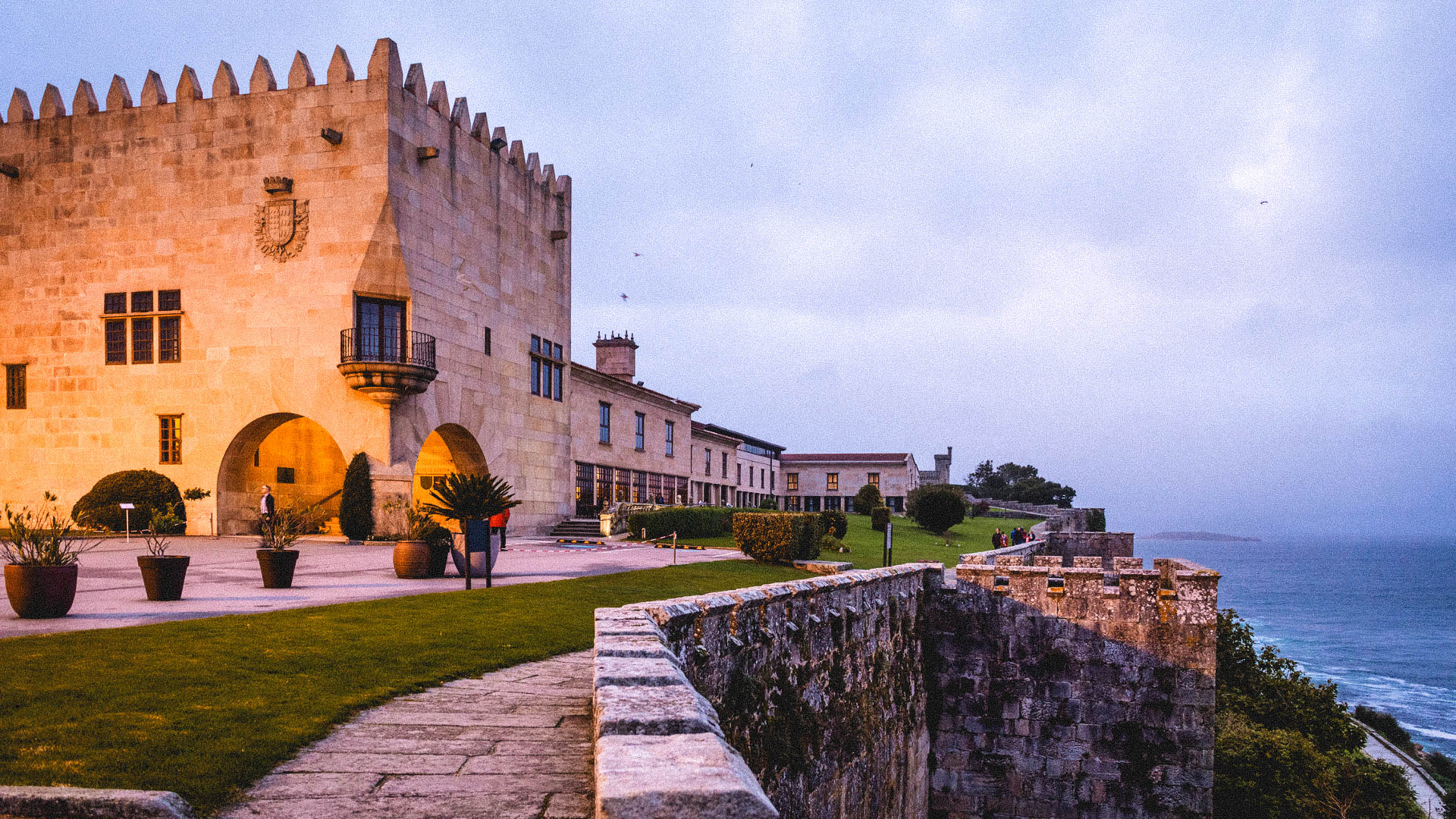
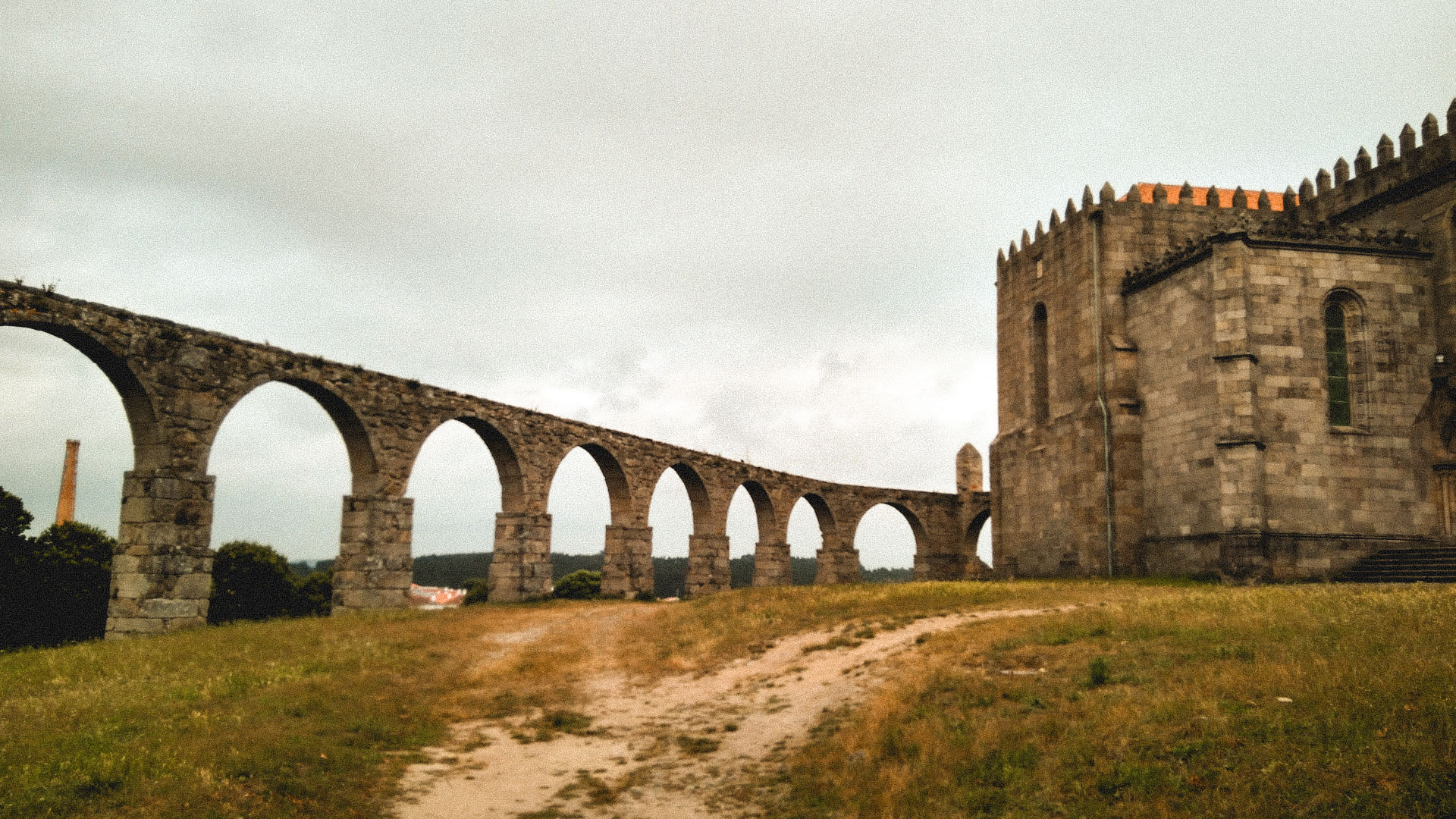
Upon arriving in Baiona, you’ll be welcomed by its charming harbor and historic old town. The city is famous for its medieval fortress, the Monterreal Castle, which offers breathtaking panoramic views of the coast and ocean. You’ll also find cobbled streets, lively squares, and a variety of restaurants and shops inviting you to explore and immerse yourself in the local culture.
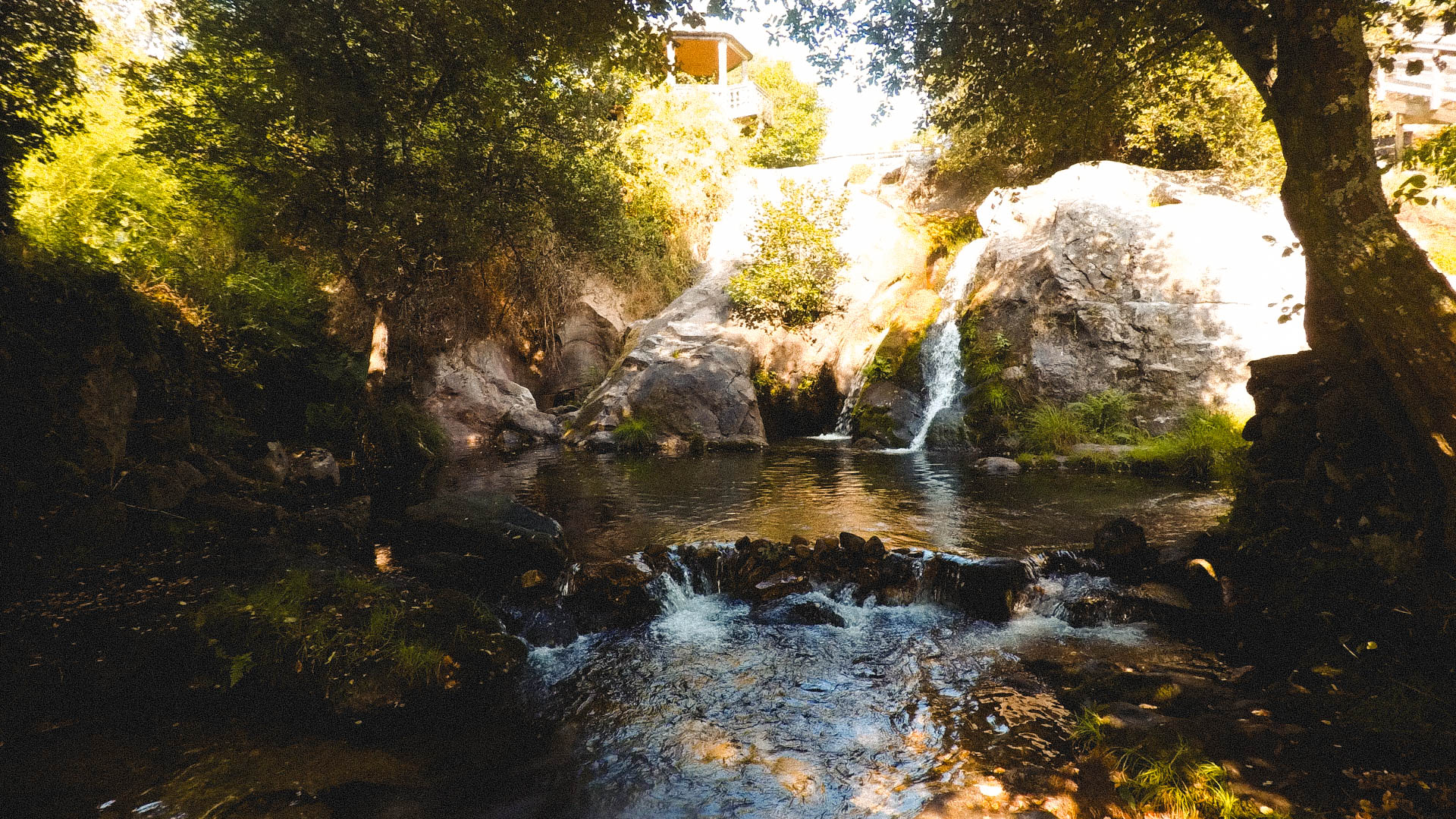 A unique and less-traveled alternative route
Distance: 15.5 miles – 25 km
The stage from Baiona to Vigo offers an unofficial route that follows the Galician coast, providing spectacular views of the Atlantic Ocean. Along the way, pilgrims will enjoy breathtaking sea panoramas and unique natural landscapes.
This stretch takes us through picturesque fishing villages, charming beaches, and towering cliffs, offering an unparalleled visual experience. The blue waters and golden sands define the scenery, while the sea breeze accompanies every step.
Choosing the unofficial coastal route allows you to escape the more crowded paths and immerse yourself in the serenity of the surroundings. Every moment is an opportunity to embrace the peaceful beauty of the Galician coast.
 A crossroads on the Camino
Distance: 10 miles – 16 km
The stage from Vigo to Redondela presents two options for continuing your journey: the traditional route along the Portuguese Way or the new alternative via the Vía Verde.
The traditional option follows the original Camino route, which, while offering an authentic experience, can be challenging and somewhat more hazardous due to vehicle traffic on the road.
However, since 2023, pilgrims have the option of taking the newly completed Vía Verde, a shorter and safer alternative. This specially designed path for pedestrians and cyclists provides a peaceful journey without concerns about traffic, ensuring a more relaxed and enjoyable experience.
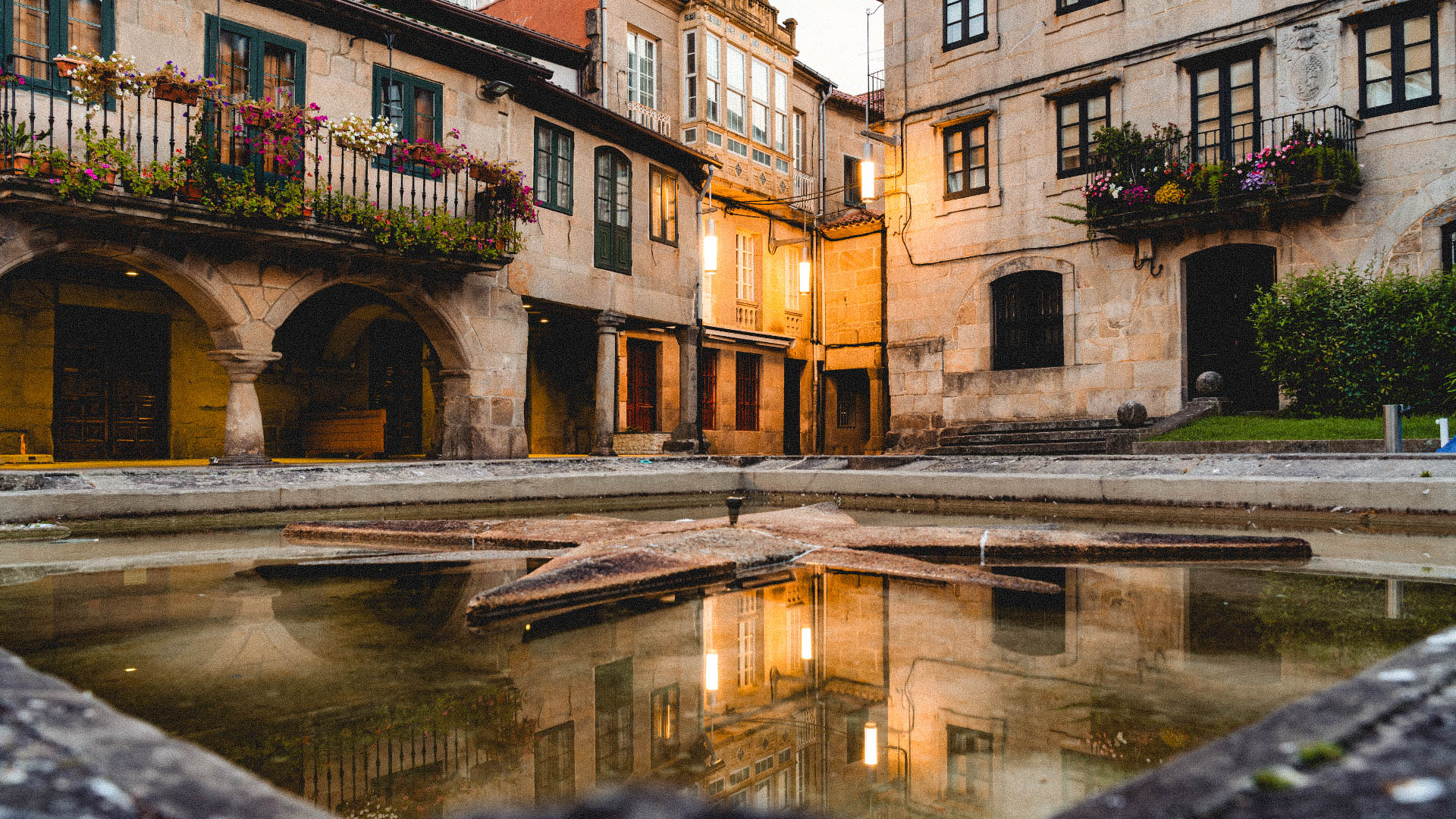
 The medieval beauty of Pontevedra
Distance: 12.4 miles – 20 km
The last stage before taking the Spiritual Variant is a short urban section, yet it still offers fascinating stretches for pilgrims.
Throughout the day, we will encounter two ascents—one with a 120-meter elevation gain and another with 135 meters. Fortunately, both are gradual and do not pose significant difficulties. The reward comes in the form of a beautiful riverside path that leads us directly to the provincial capital, Pontevedra.
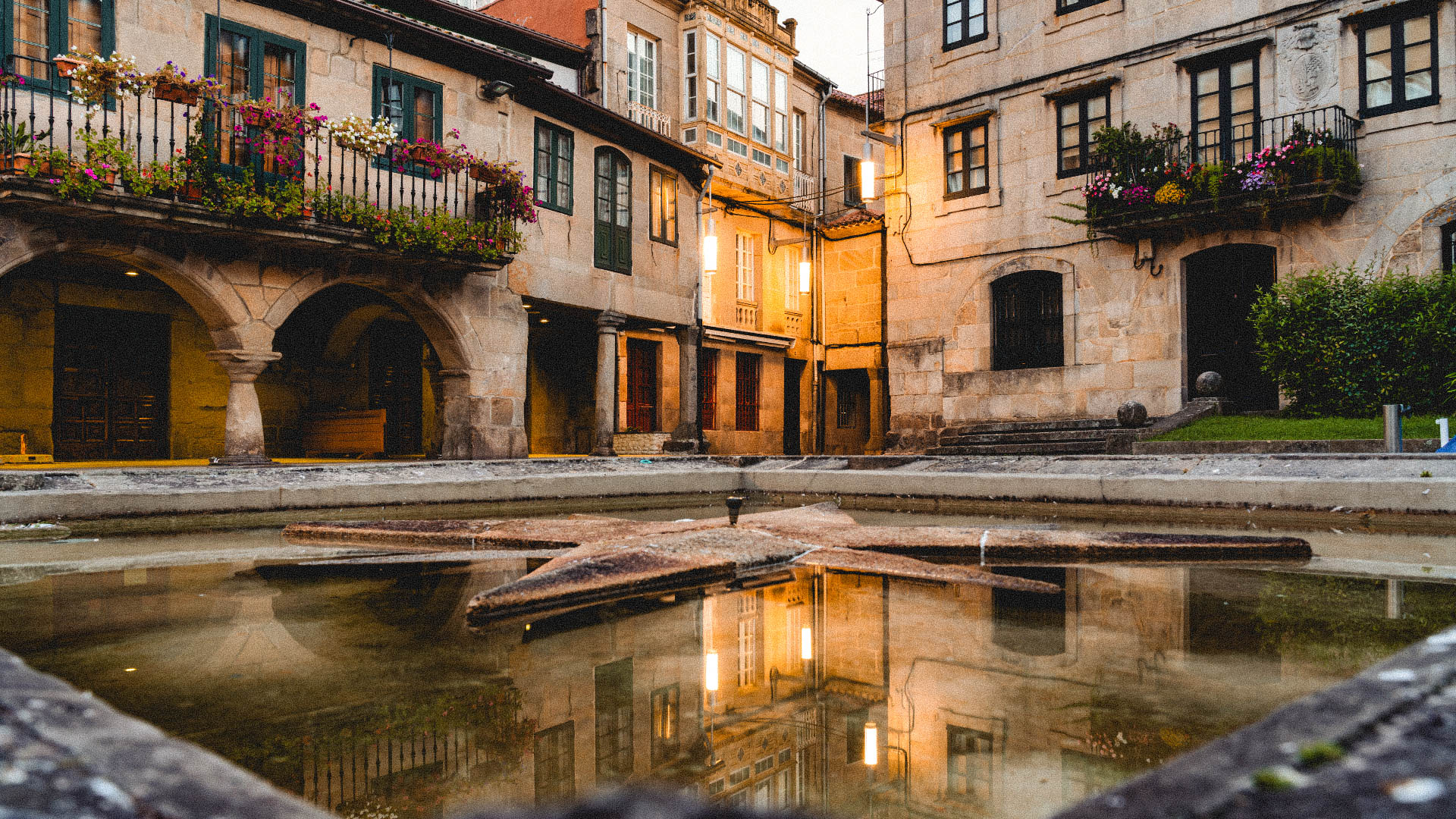
This historic city welcomes us with its medieval charm and cobbled streets. The old town is a perfect place to explore, with lively squares, ancient churches, and impressive architecture.
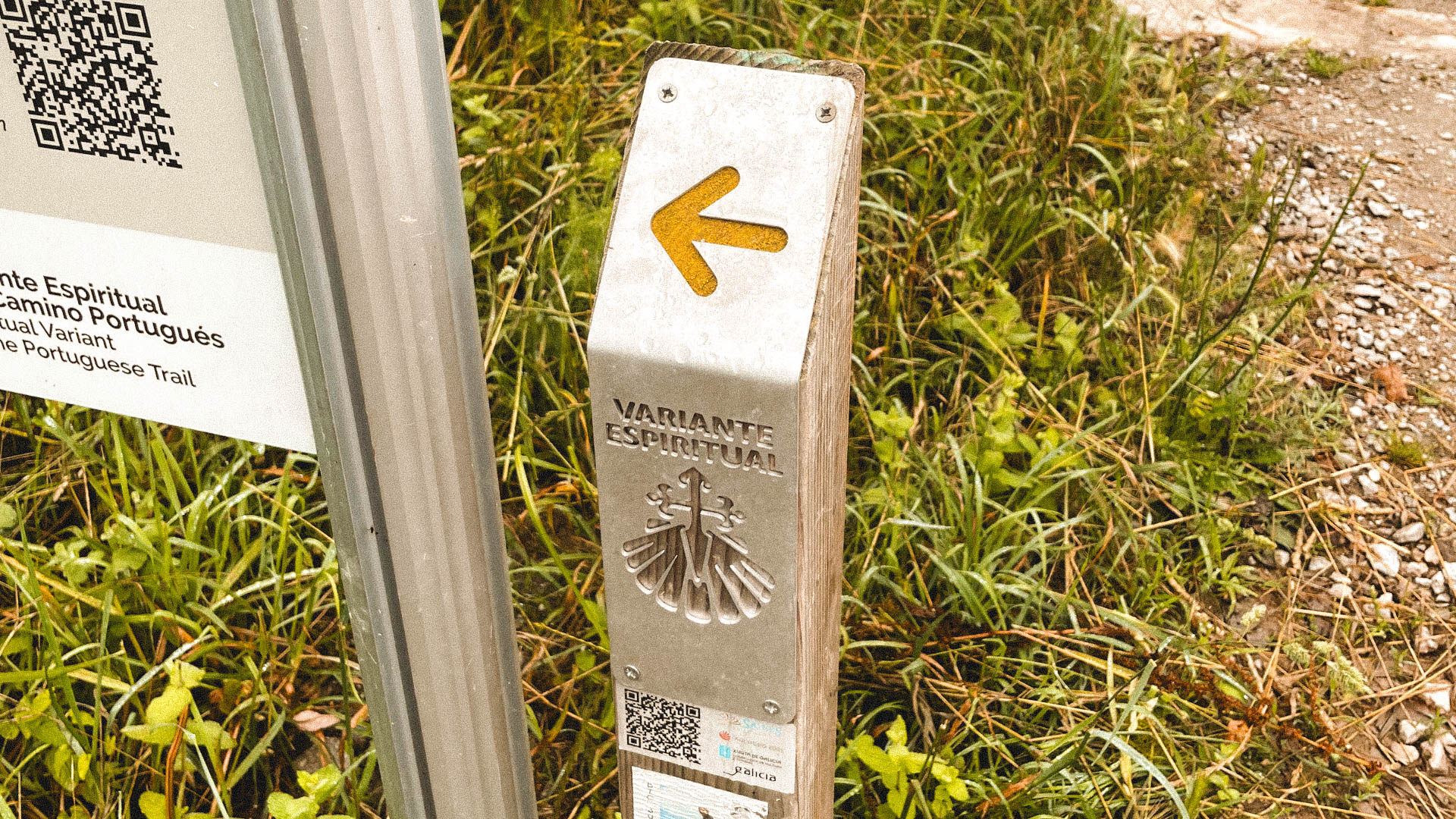
 The Traslatio route: a journey through mountains and sea
Distance: 14.3 miles – 23 km
This is the Camino de Santiago variant that combines the Portuguese Way with the Traslatio Route.
Also known as the Route of the Sea of Arousa and the Ulla River, it is the origin of all the Caminos. It consists of three stages, starting in Pontevedra and ending in Pontecesures, where it joins the final stage of the Portuguese Way.
What makes this variant unique is that the first two stages are completed on foot, crossing the beautiful region of O Salnés, while the final stage is completed by boat from Vilanova de Arousa to Pontecesures. This journey takes you across the waters of the Arousa Estuary and concludes along the last navigable stretch of the Ulla River.
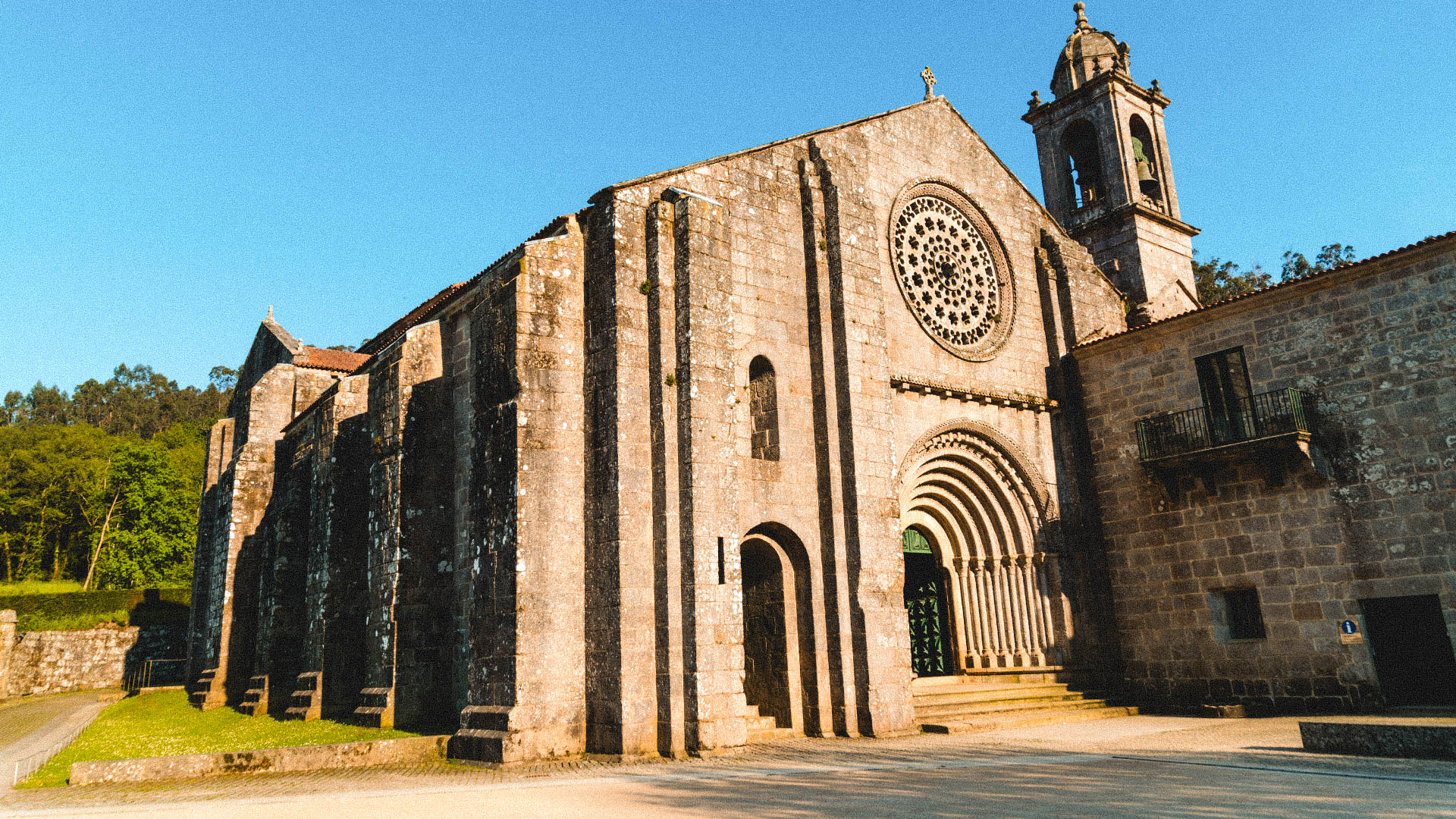
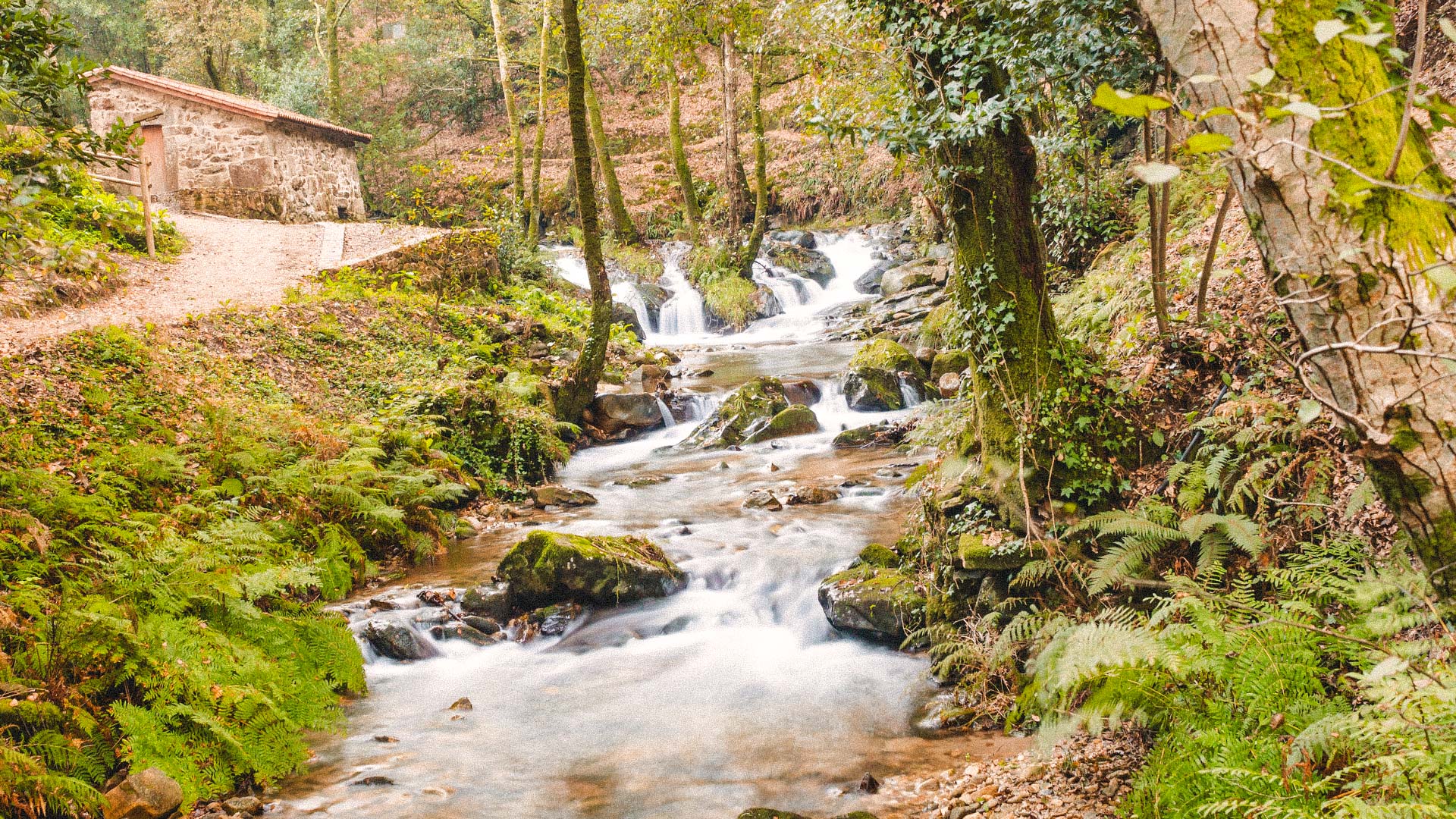 Ruta da Pedra e da Auga
Distance: 14.5 miles – 23,4 km
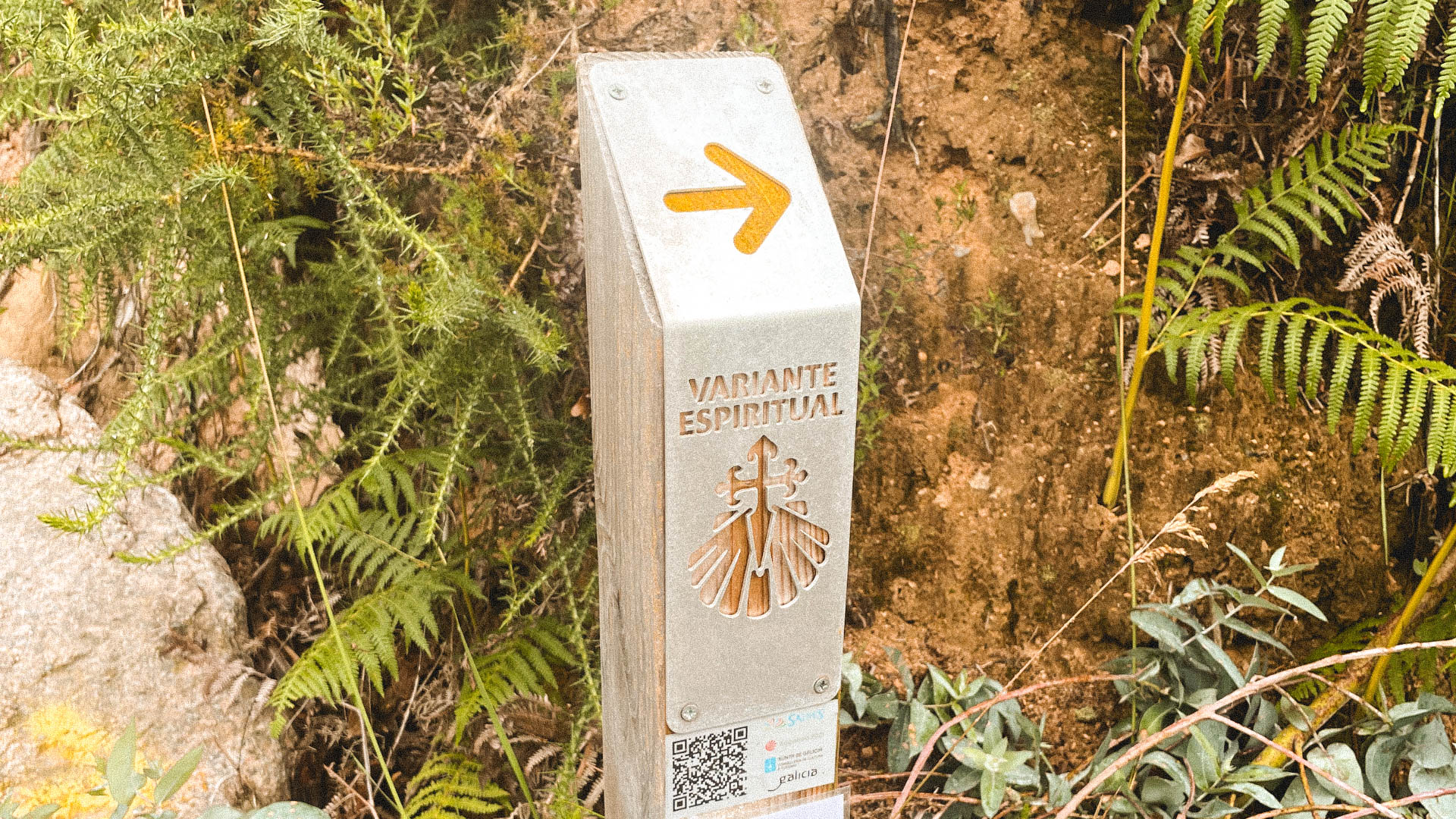
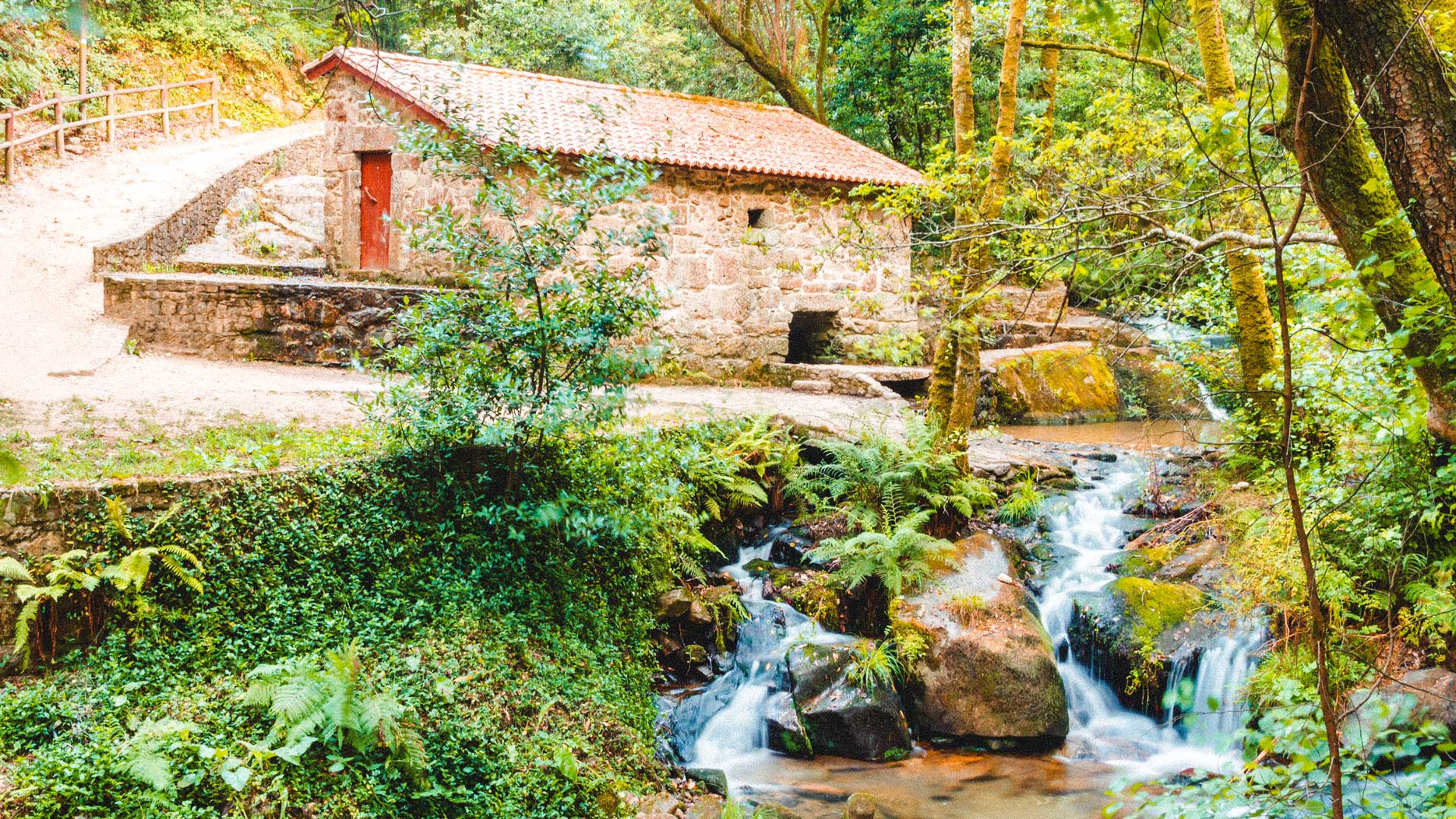
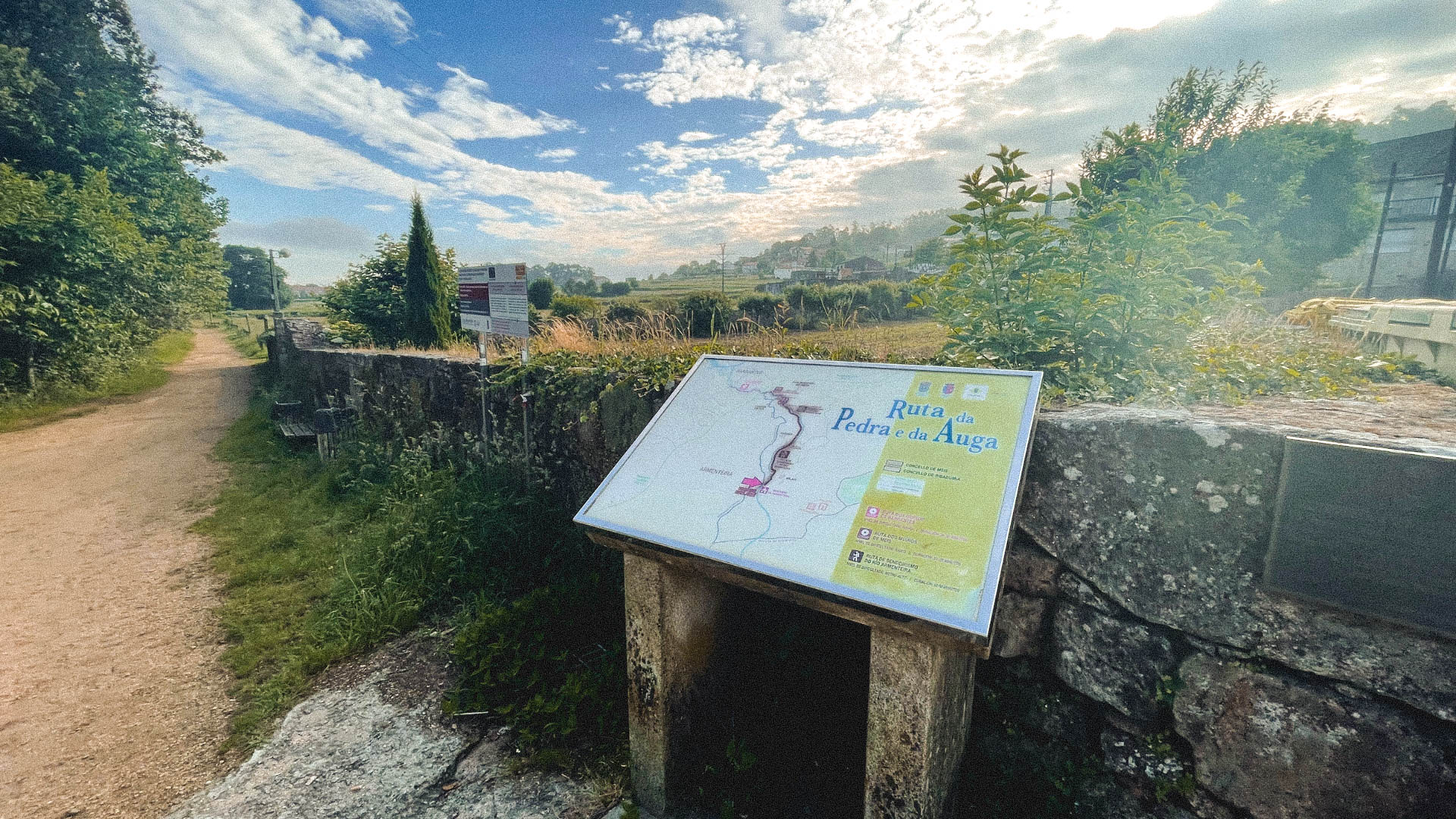
The second stage begins along the evocative Ruta da Pedra e da Auga, a trail that follows the small Armenteira River, framed by lush vegetation and peaceful, picturesque corners. The journey continues north through Ribadumia and Pontearnelas before reaching the coast in Vilanova de Arousa.
The Ruta da Pedra e da Auga is just the beginning of an enriching journey through this beautiful region. As you head north, you can enjoy the charm of Ribadumia and Pontearnelas, two towns rich in history and culture.
Finally, the route arrives in Vilanova de Arousa, a stunning coastal town with dreamy beaches and a wide range of outdoor activities to enjoy. There’s no doubt that this region offers a unique experience, blending natural beauty with Galicia’s rich history and culture.
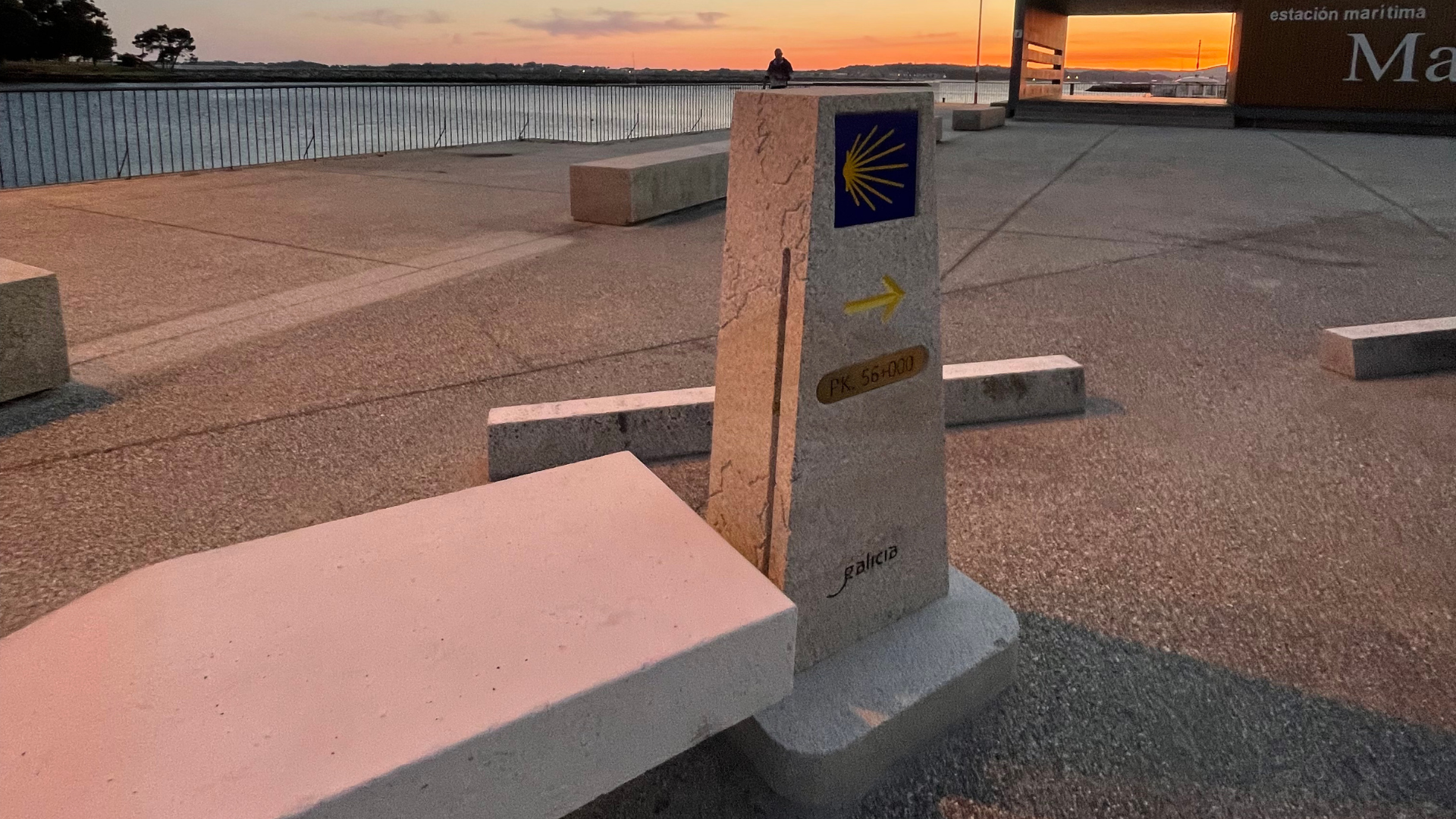 Sailing towards the end of the Way
Distance: 17.4 miles – 28 km
This final stage of the Camino de Santiago combines the excitement of arriving in Compostela with the natural beauty of the Arousa Estuary and the Ulla River. It is a unique variant of the Portuguese Way, where maritime and land traditions merge in a journey that recalls the historic Traslatio—the legendary voyage in which the remains of Apostle Saint James were said to have been transported by boat to Galicia.
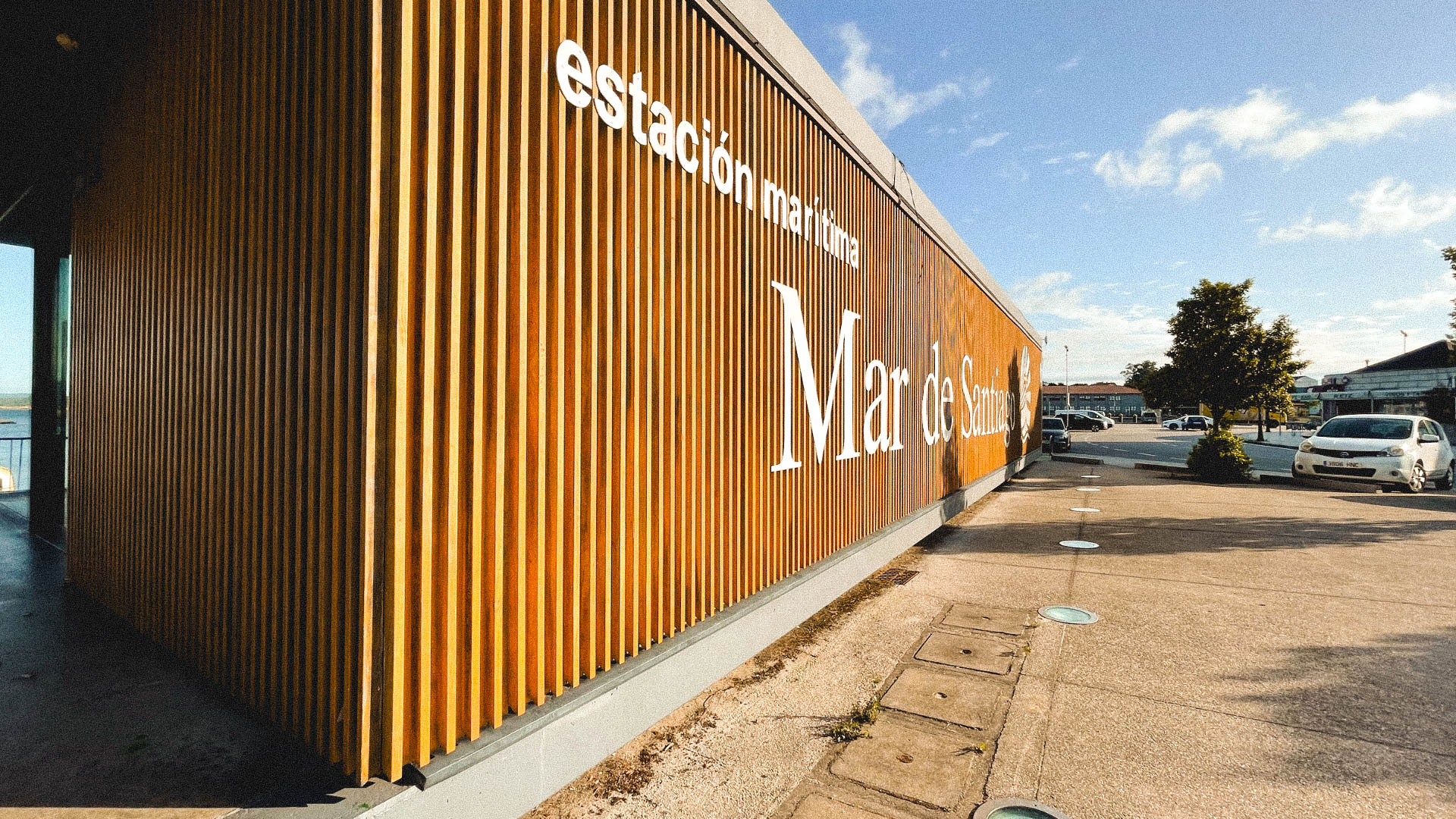
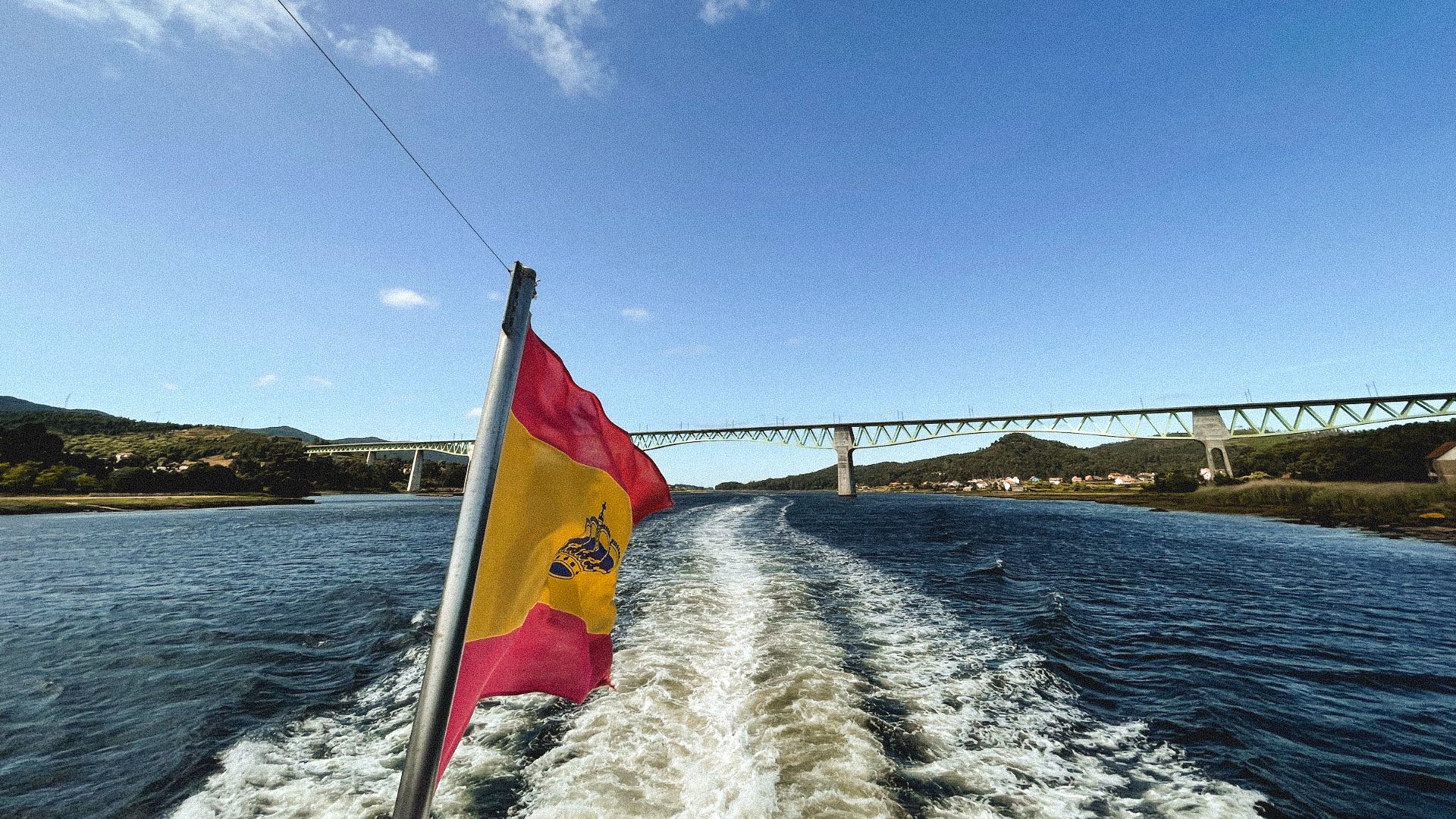
The journey begins in Vilanova de Arousa, where many pilgrims choose to follow the Maritime Route of Saint James (Ruta Marítima Xacobea), sailing to Pontecesures. During this boat trip, you can see the iconic stone crosses (cruceiros) in the water, marking the entrance to Compostela’s lands. From Pontecesures, the Camino continues on foot, reconnecting with the final stage of the Portuguese Way.
From here, the route passes through towns such as Padrón, a key place in the Jacobean tradition, before reaching the final kilometers toward Santiago de Compostela. The arrival at Praza do Obradoiro, with the majestic Cathedral of Santiago, is an unforgettable moment, filled with emotion and deep meaning for all pilgrims who have followed this ancient route.
Route
1
Oporto - Labrugue
Here begins your journey along the Portuguese Coastal Way
Distance: 15.2 miles – 24,5 km
The stage of the Portuguese Coastal Way from Porto to Labruge is a truly captivating section that offers pilgrims an enriching experience full of beauty.
Along this route, walkers will witness some of the most stunning landscapes of northern Portugal’s coastline. Starting in Foz do Douro and passing by Castelo do Queijo, highlights include the Piscina das Marés, a unique architectural masterpiece, and the Faro da Boa Nova, offering spectacular views of the Atlantic.
From golden sandy beaches to rugged cliffs and charming fishing villages, every step unveils a new sight that delights the senses.
2
Labruge - Póvoa do Varzim
An authentic setting of coastal landscapes and history
Distance: 8.7 miles – 14 km
The second stage of the route combines breathtaking landscapes, charming fishing villages, and a rich history.
As you progress along the path, you will admire Praia Castro Sampaio, with its crystal-clear waters and serene surroundings, the picturesque fishermen’s houses in Vila Chã, or the imposing Monastery of Santa Clara and its textile tradition in Vila do Conde.
Póvoa do Varzim awaits at the end of this stage, offering a vibrant atmosphere, welcoming beaches, and a delightful gastronomic scene. You can also admire the majestic 18th-century Igreja Matriz.
3
Póvoa do Varzim - Esposende
From dunes to fortresses: a captivating journey to Esposende
Distance: 12.4 miles – 20 km
This section blends stunning natural landscapes with charming coastal towns. You’ll enjoy breathtaking ocean views and immerse yourself in the serenity of the surrounding nature.
Along the way, you’ll discover Praia de Santo André, surrounded by dunes and wooden walkways. The Passadiços da Aguçadoura offer spectacular coastal views, while the 16th-century São João Baptista Fortress impresses with its military architecture and panoramic vistas.
Your final destination, Esposende, welcomes you with its coastal charm and rich history. Explore its beaches, admire the beauty of the Cávado River estuary, and experience the warmth of local hospitality as you complete the third stage of this exciting journey along the Portuguese Coastal Way.
4
Esposende - Viana do Castelo
From the Neiva river to the history of Viana do Castelo
Distance: 16.2 miles – 26 km
Today’s journey takes place entirely inland, offering some of the most beautiful landscapes along this route, including the scenic path that descends to the banks of the Neiva River.
For those eager to immerse themselves in the cultural richness of Viana do Castelo, exploring the city is a fascinating option. Its historic center welcomes visitors with cobbled streets, historic buildings, and charming squares that invite leisurely strolls while admiring traditional architecture.
Additionally, the Igreja e Mosteiro de São Romão do Neiva, with its impressive façade and blend of Gothic and Renaissance styles, is an architectural gem that reflects the region’s rich religious history. Without a doubt, it is a must-see for pilgrims.
5
Viana do Castelo - Caminha
Places of worship, coastal gastronomy and a fortress full of history
Distance: 16.7 miles – 26,8 km
The route between Viana do Castelo and Caminha will take you through stunning coastal landscapes and picturesque villages. You’ll enjoy panoramic views of the Atlantic Ocean and feel the refreshing sea breeze.
Along this stretch, you’ll pass through charming fishing villages like Castelo do Neiva and Vila Praia de Âncora, where you can experience authentic maritime life and savor delicious fresh seafood dishes. You’ll also have the chance to visit several chapels and churches with impressive architectural details, as well as the 17th-century Forte da Lagarteira, built to protect the coast from invasions and offering insight into the region’s military history.
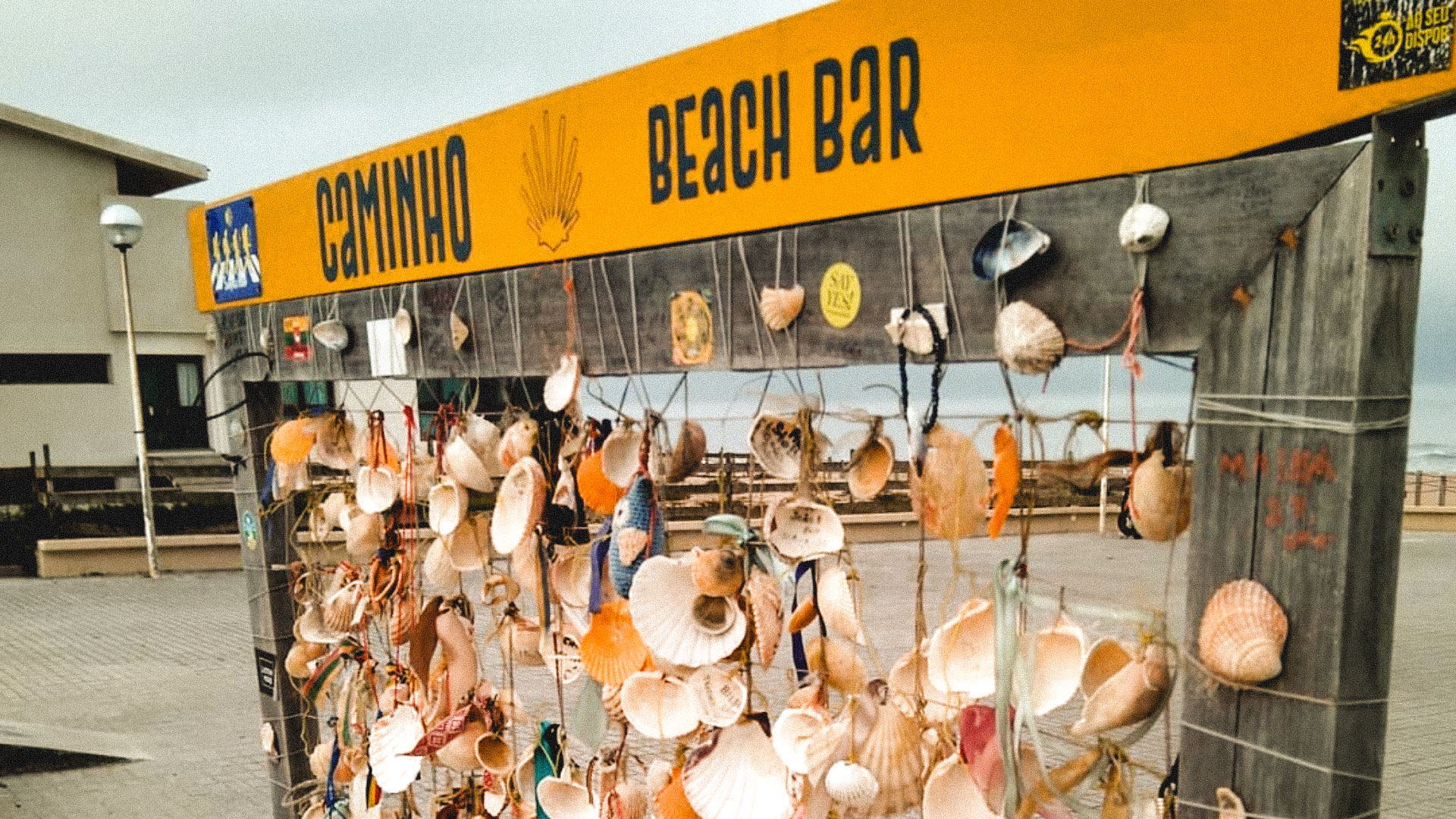
Finally, the town of Caminha welcomes you, where strolling through its historic center is a must.
6
Caminha - Oia
We set sail for Spain
Distance: 10.7 miles – 17,2 km
The stage from Caminha to Oia is exciting and unique, as it begins with a special moment: crossing the Miño River into Spain.
Your first steps of the day will lead you to the dock, where you’ll board a picturesque boat to cross to the other shore. This short journey offers stunning views of the river and its surroundings as you enter Spanish territory. Once in Oia, you can explore its medieval-style cobbled streets or visit the Church of Santa María de Oia, an impressive example of Romanesque architecture.
The natural beauty of the area is breathtaking, with rugged cliffs and pristine beaches that will leave you in awe. Strolling along the coast and taking in the panoramic views is an unforgettable experience.
7
Oia - Baiona
Between cliffs, coves and history
Distance: 11.8 miles – 19 km
The stage from Oia to Baiona is an exciting and picturesque section of the Portuguese Coastal Way.
The path winds along the coastline, offering panoramic views of the Atlantic Ocean and golden beaches. As you progress, you’ll encounter stunning cliffs, small coves, and captivating natural landscapes. The fresh sea breeze and the soothing sound of the waves will accompany you along this part of the journey.
Upon arriving in Baiona, you’ll be welcomed by its charming harbor and historic old town. The city is famous for its medieval fortress, the Monterreal Castle, which offers breathtaking panoramic views of the coast and ocean. You’ll also find cobbled streets, lively squares, and a variety of restaurants and shops inviting you to explore and immerse yourself in the local culture.
8
Baiona - Vigo
A unique and less-traveled alternative route
Distance: 15.5 miles – 25 km
The stage from Baiona to Vigo offers an unofficial route that follows the Galician coast, providing spectacular views of the Atlantic Ocean. Along the way, pilgrims will enjoy breathtaking sea panoramas and unique natural landscapes.
This stretch takes us through picturesque fishing villages, charming beaches, and towering cliffs, offering an unparalleled visual experience. The blue waters and golden sands define the scenery, while the sea breeze accompanies every step.
Choosing the unofficial coastal route allows you to escape the more crowded paths and immerse yourself in the serenity of the surroundings. Every moment is an opportunity to embrace the peaceful beauty of the Galician coast.
9
Vigo - Redondela
A crossroads on the Camino
Distance: 10 miles – 16 km
The stage from Vigo to Redondela presents two options for continuing your journey: the traditional route along the Portuguese Way or the new alternative via the Vía Verde.
The traditional option follows the original Camino route, which, while offering an authentic experience, can be challenging and somewhat more hazardous due to vehicle traffic on the road.
However, since 2023, pilgrims have the option of taking the newly completed Vía Verde, a shorter and safer alternative. This specially designed path for pedestrians and cyclists provides a peaceful journey without concerns about traffic, ensuring a more relaxed and enjoyable experience.
10
Redondela - Pontevedra
The medieval beauty of Pontevedra
Distance: 12.4 miles – 20 km
The last stage before taking the Spiritual Variant is a short urban section, yet it still offers fascinating stretches for pilgrims.
Throughout the day, we will encounter two ascents—one with a 120-meter elevation gain and another with 135 meters. Fortunately, both are gradual and do not pose significant difficulties. The reward comes in the form of a beautiful riverside path that leads us directly to the provincial capital, Pontevedra.
This historic city welcomes us with its medieval charm and cobbled streets. The old town is a perfect place to explore, with lively squares, ancient churches, and impressive architecture.
11
Pontevedra - Armenteira
The Traslatio route: a journey through mountains and sea
Distance: 14.3 miles – 23 km
This is the Camino de Santiago variant that combines the Portuguese Way with the Traslatio Route.
Also known as the Route of the Sea of Arousa and the Ulla River, it is the origin of all the Caminos. It consists of three stages, starting in Pontevedra and ending in Pontecesures, where it joins the final stage of the Portuguese Way.
What makes this variant unique is that the first two stages are completed on foot, crossing the beautiful region of O Salnés, while the final stage is completed by boat from Vilanova de Arousa to Pontecesures. This journey takes you across the waters of the Arousa Estuary and concludes along the last navigable stretch of the Ulla River.
12
Armenteira - Vilanova de Arousa
Ruta da Pedra e da Auga
Distance: 14.5 miles – 23,4 km
The second stage begins along the evocative Ruta da Pedra e da Auga, a trail that follows the small Armenteira River, framed by lush vegetation and peaceful, picturesque corners. The journey continues north through Ribadumia and Pontearnelas before reaching the coast in Vilanova de Arousa.
The Ruta da Pedra e da Auga is just the beginning of an enriching journey through this beautiful region. As you head north, you can enjoy the charm of Ribadumia and Pontearnelas, two towns rich in history and culture.
Finally, the route arrives in Vilanova de Arousa, a stunning coastal town with dreamy beaches and a wide range of outdoor activities to enjoy. There’s no doubt that this region offers a unique experience, blending natural beauty with Galicia’s rich history and culture.
13
Vilanova de Arousa - Santiago de Compostela
Sailing towards the end of the Way
Distance: 17.4 miles – 28 km
This final stage of the Camino de Santiago combines the excitement of arriving in Compostela with the natural beauty of the Arousa Estuary and the Ulla River. It is a unique variant of the Portuguese Way, where maritime and land traditions merge in a journey that recalls the historic Traslatio—the legendary voyage in which the remains of Apostle Saint James were said to have been transported by boat to Galicia.
The journey begins in Vilanova de Arousa, where many pilgrims choose to follow the Maritime Route of Saint James (Ruta Marítima Xacobea), sailing to Pontecesures. During this boat trip, you can see the iconic stone crosses (cruceiros) in the water, marking the entrance to Compostela’s lands. From Pontecesures, the Camino continues on foot, reconnecting with the final stage of the Portuguese Way.
From here, the route passes through towns such as Padrón, a key place in the Jacobean tradition, before reaching the final kilometers toward Santiago de Compostela. The arrival at Praza do Obradoiro, with the majestic Cathedral of Santiago, is an unforgettable moment, filled with emotion and deep meaning for all pilgrims who have followed this ancient route.
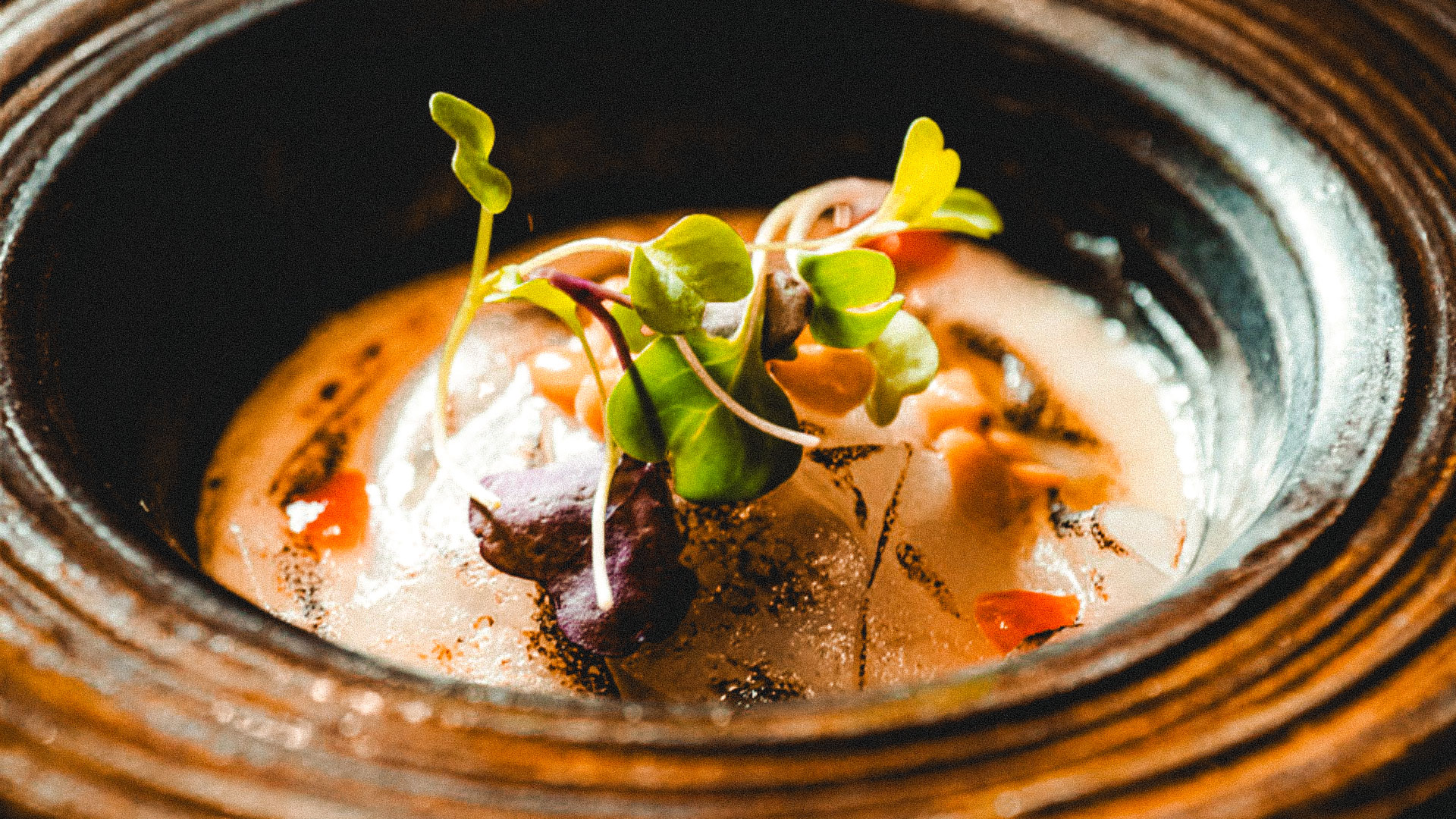
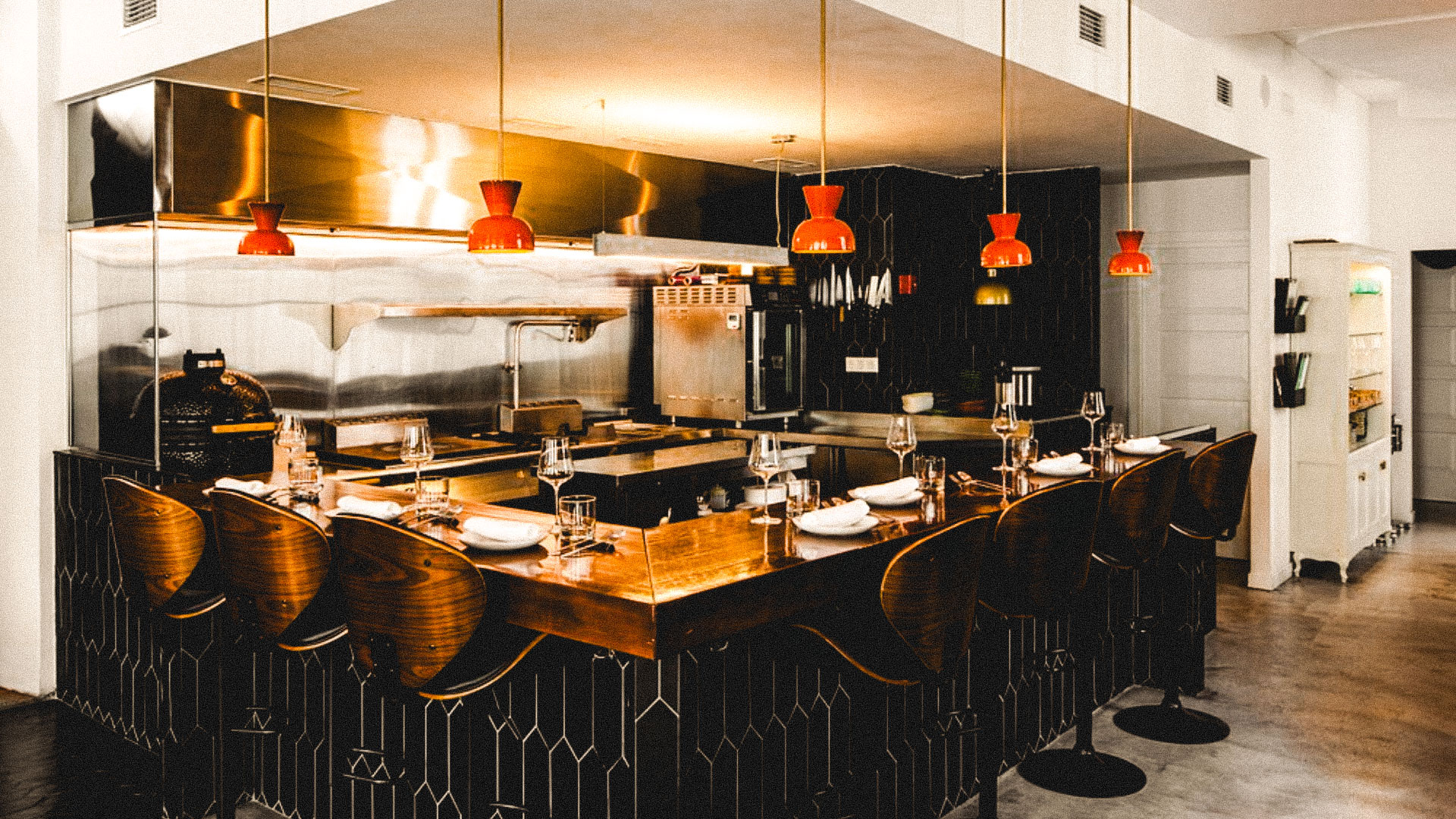
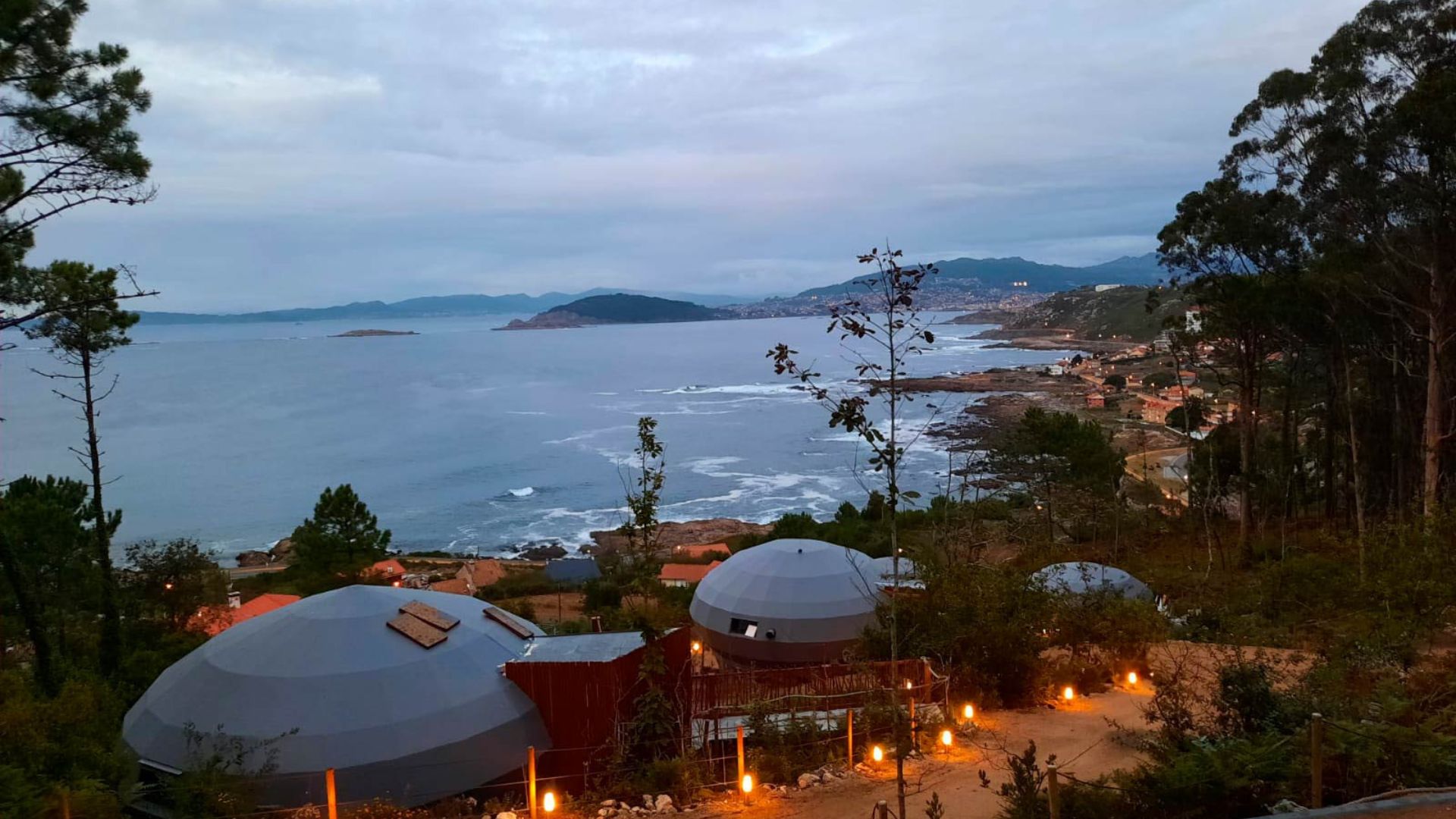
Make your Camino unique
Experiences
Restaurants
Hotels
What’s included in your Camino?
Included
- Private accommodation with en-suite bathroom
- Daily breakfast
- Insurance
- 24/7 emergency phone assistance
- Detailed Camino guide with stages, maps, and tips
- Daily WhatsApp check-in and support
- Camino People welcome pack
- Personalized recommendations for meals, dinners, and local visits
- Luggage transfer between stages
Not included
- Lunches and dinners not specified in the itinerary
- Drinks and extra snacks
- Flights or travel to the starting/ending point (optional transfer available)
- Personal expenses
- Cancellation or premium travel insurance (optional)
- Entrance fees to monuments or museums not included in the itinerary
- Tips
Extras (Available upon request)
- Guided Camino (full-time or selected stages)
- Fully organized trip with exclusive activities
- Gourmet dinners or unique gastronomic experiences
- Private cultural visits or entrance tickets with guide
- Transportation to/from airport or other off-route locations
- Extra nights before or after the Camino
- Massage, physiotherapy, or yoga services
- Cancellation or premium travel insurance
FAQ
What is the total distance of the Portuguese Coastal Way?
The Portuguese Coastal Way covers approximately 168.4 miles – 271 km, from Porto to Santiago de Compostela. This route follows the Atlantic coast of Portugal and Spain, offering stunning seaside landscapes and visits to charming coastal towns.
Is the Portuguese Coastal Way difficult?
The difficulty level of the Portuguese Coastal Way varies by stage, but overall, it is considered a moderate route. The stages are relatively short (between 12.4-15.5 miles/ 20-25 km per day), and the terrain is mostly flat, although there are some ascents and descents, especially when crossing cliffs and coastal villages.
What should I bring on the Portuguese Coastal Way?
Related Caminos
Camino Portugués Coastal Spiritual Variant
3 days - 2 nights


desde
750 €
6 days - 5 nights
desde
1.550 €
Camino Portugués Central from Porto
11 days - 10 nights
desde
3.200 €