
If you’re looking for a unique pilgrimage experience, the Portuguese Central Way from Porto is a journey that has it all: history, gastronomy, breathtaking landscapes and a special connection between two cultures.
This route dates back to the 14th century and is the second most traveled after the French Way, making it a less crowded alternative. Along the way, you’ll pass through charming villages and cities full of tradition, from the vibrant soul of Porto to the serenity of Galicia’s forests.
Another great advantage is its accessibility and ease of navigation. The yellow arrows will guide you effortlessly. This Camino will offer you unforgettable moments, the warm hospitality of Portugal and Galicia, and the incomparable satisfaction of reaching Obradoiro Square with a heart full of experiences.
Are you ready? Discover your own Camino!
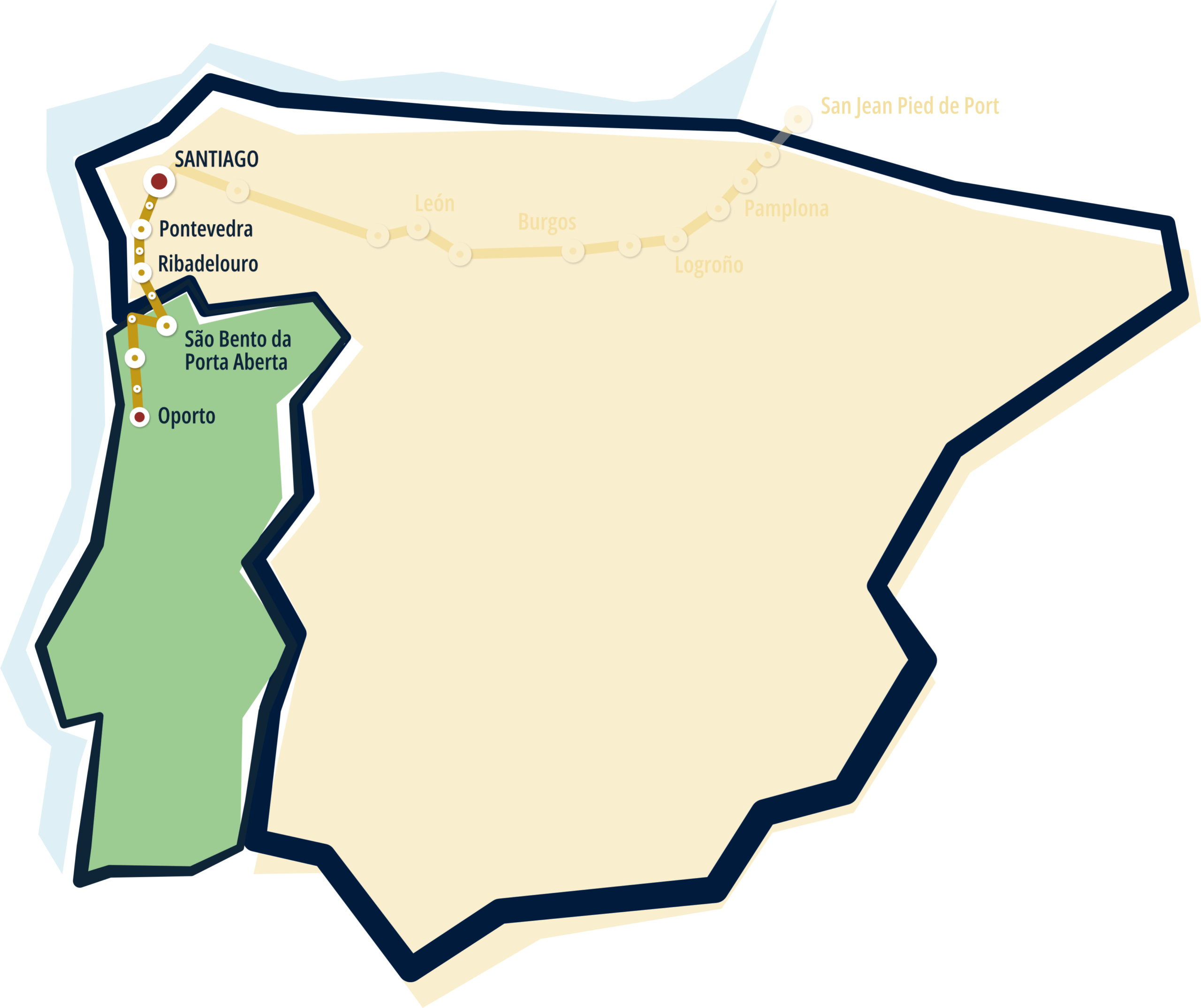
Route
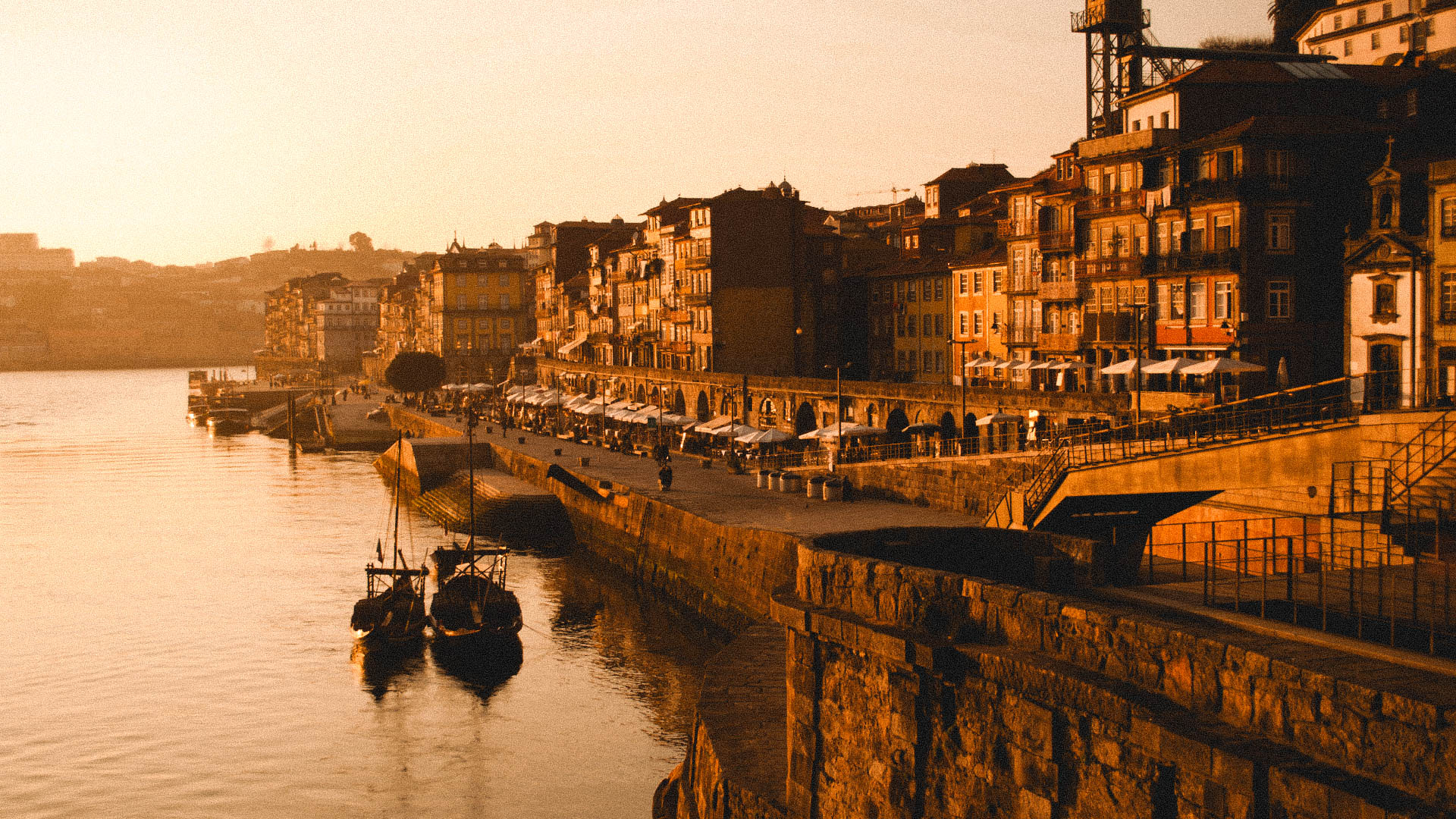 The beginning of your own Camino
Distance: 13.7 miles – 22 km
The adventure begins in Porto, Portugal’s second-largest city. From Carlos Alberto Square, the route follows Rúa Cedofeita to Capela da Ramada Alta, then continues along Rúa da Constituição to Igreja de Araújo. From there, the path leads straight to Moreira da Maia, crossing the Ponte de Moreira, and then heads toward Mosteiró.
This stage consists mainly of urban and asphalt sections but is well-marked with yellow arrows. While some pilgrims choose to take the metro to skip Porto’s outskirts, walking through the city is a highly recommended part of the experience.
The stage ends in Gião, where the landscape shifts, and the atmosphere becomes quieter and more rural.
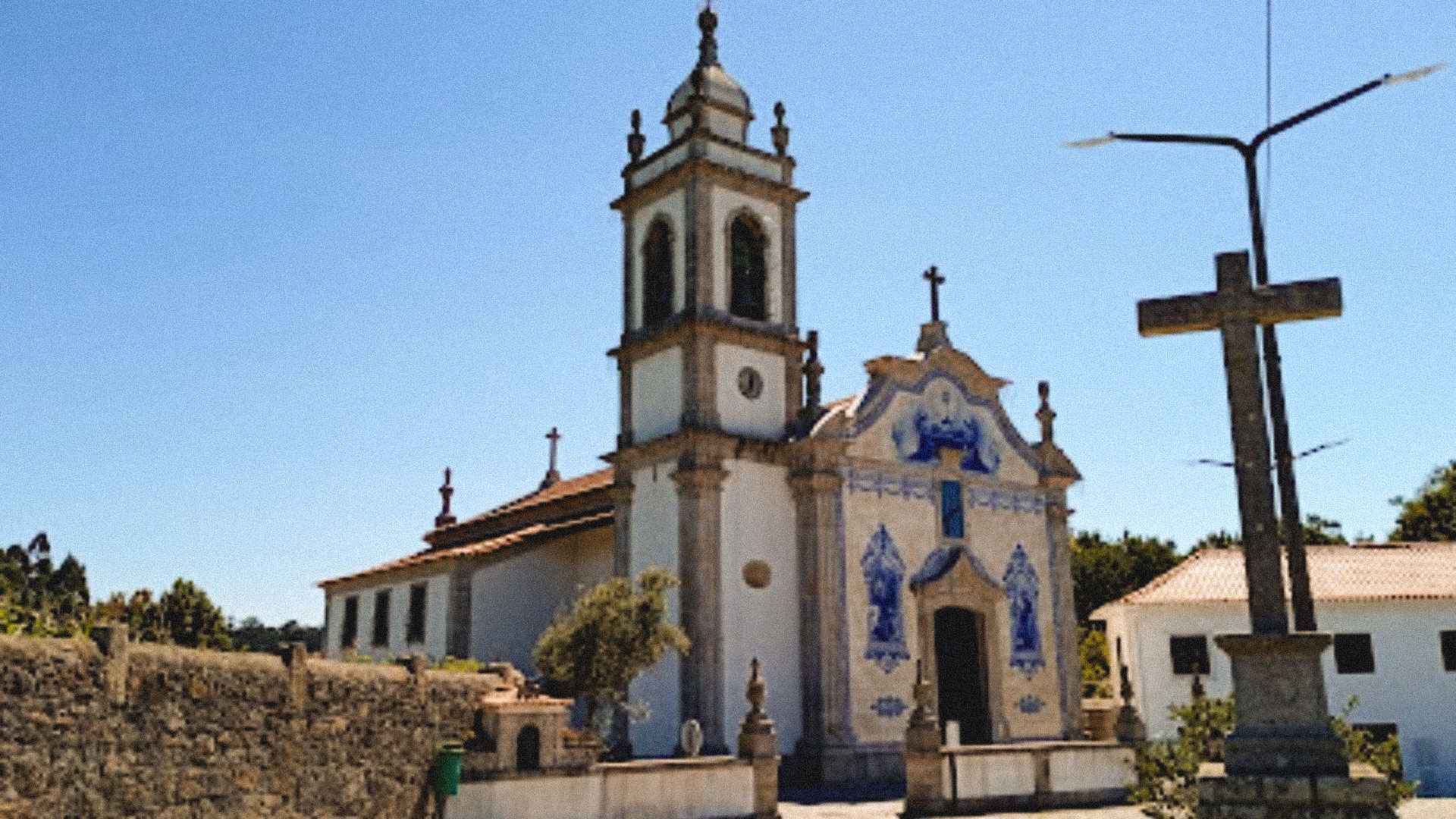 A journey through history and rural tranquility
Distance: 9.3 miles – 15 km
Leaving the urban landscape behind, we enter a peaceful and beautiful rural setting, where dirt paths and local roads lead us through charming villages and hamlets.
We will cross the impressive medieval bridge of Zameiro and reach the welcoming Chapel of São Mamede, a site rich in history. The path continues toward Estalagem das Pulgas, an ancient pilgrim refuge, before revealing the majestic Monastery of São Simão da Junqueira, founded in the 11th century.
Finally, our route takes us to São Pedro de Rates, home to one of the most stunning Romanesque churches in Portugal, where this stage comes to an end.
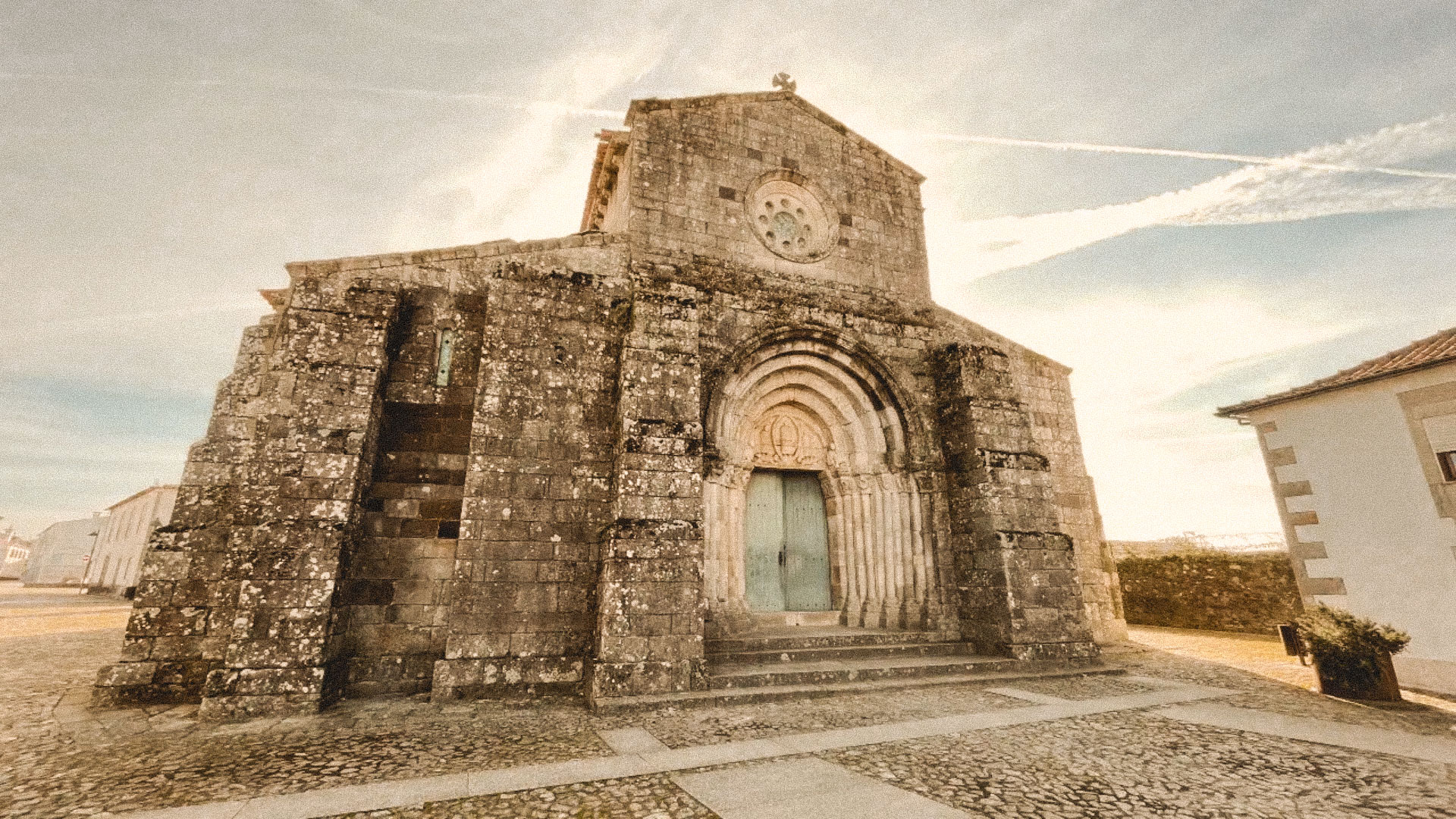 A journey to the spiritual and natural heart of Portugal
Distance: 15.5 miles – 25 km
Leaving São Pedro de Rates behind, the route leads you to Balugães.
Your first stop is the Sanctuary of Nossa Senhora Aparecida. Continuing along the path, you’ll reach the Igreja de Balugães, an 18th-century architectural gem. Don’t miss the Chapel of São Bento, located in the heart of the village, standing as a symbol of local spirituality and the community’s deep connection to its roots.
The surroundings of Balugães are truly enchanting—its cobblestone streets and stone houses look like something out of a fairy tale, offering a genuine connection to the essence of Portugal.
 The Oldest City in Portugal
Distance: 11.8 miles – 19 km
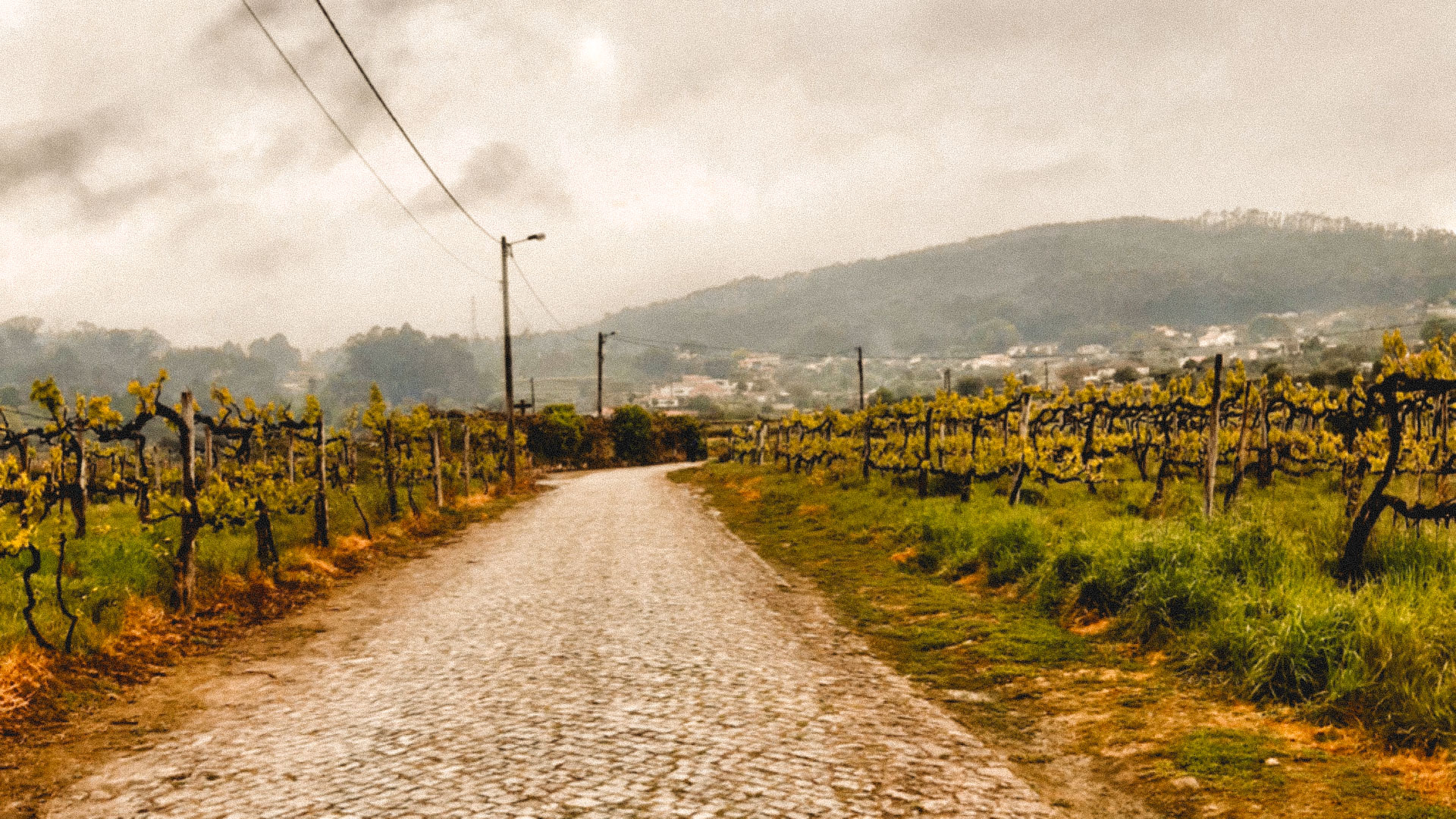
The route follows cobbled paths that connect various parishes and pass through cultivated lands.
The trail continues along stone-walled paths, with iron trellises forming a natural tunnel overhead. Along the way, you can stop at local cafés, where you can enjoy traditional music.
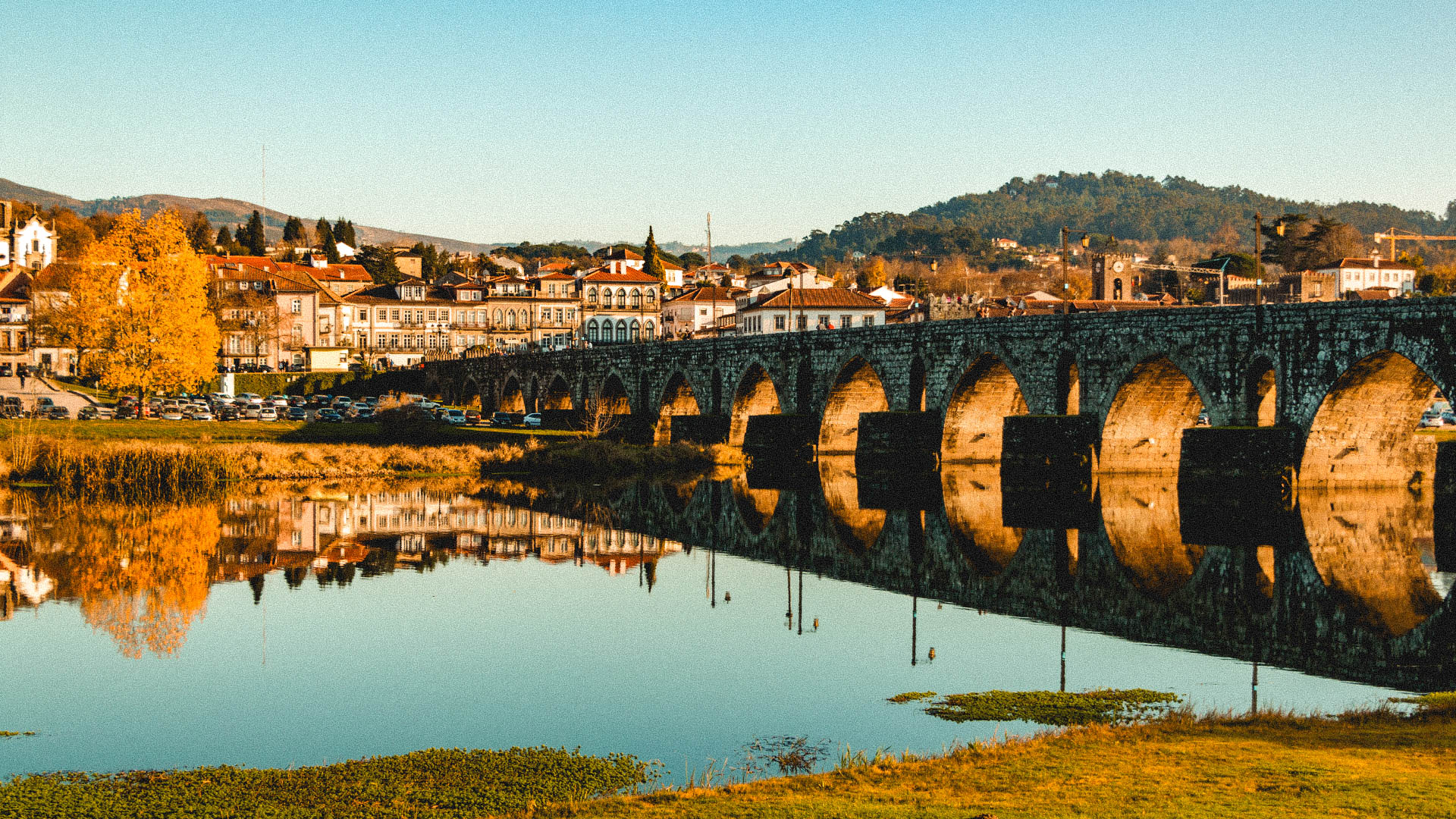
This stage ends in Ponte de Lima, the oldest city in Portugal, renowned for its rich history and monuments, including a representation of the Roman legion. Located on the banks of the Lima river, Ponte de Lima is tied to the legend of the River Lethe, which was once believed to erase the memory of those who crossed it.
 Few steps from the Spanish border
Distance: 13 miles – 21 km
The stage between Ponte de Lima and São Bento da Porta Aberta begins with the ascent to Alto da Portela Grande de Labruja, the most significant ascent on the Portuguese Camino.
After this climb, the trail becomes quieter and more secluded, running mostly through forest paths. It’s important to be prepared for this remote section, as there are few resupply points. However, the beautiful and peaceful scenery makes up for the challenge.
The stage ends in São Bento da Porta Aberta, just 8.7 miles – 14 km from Valença, the last Portuguese town before crossing into Spain.
 Leaving Portugal to Enter “A Terriña”
Distance: 14.3 miles – 23 km
The stage between São Bento da Porta Aberta and Ribadelouro is of moderate length.
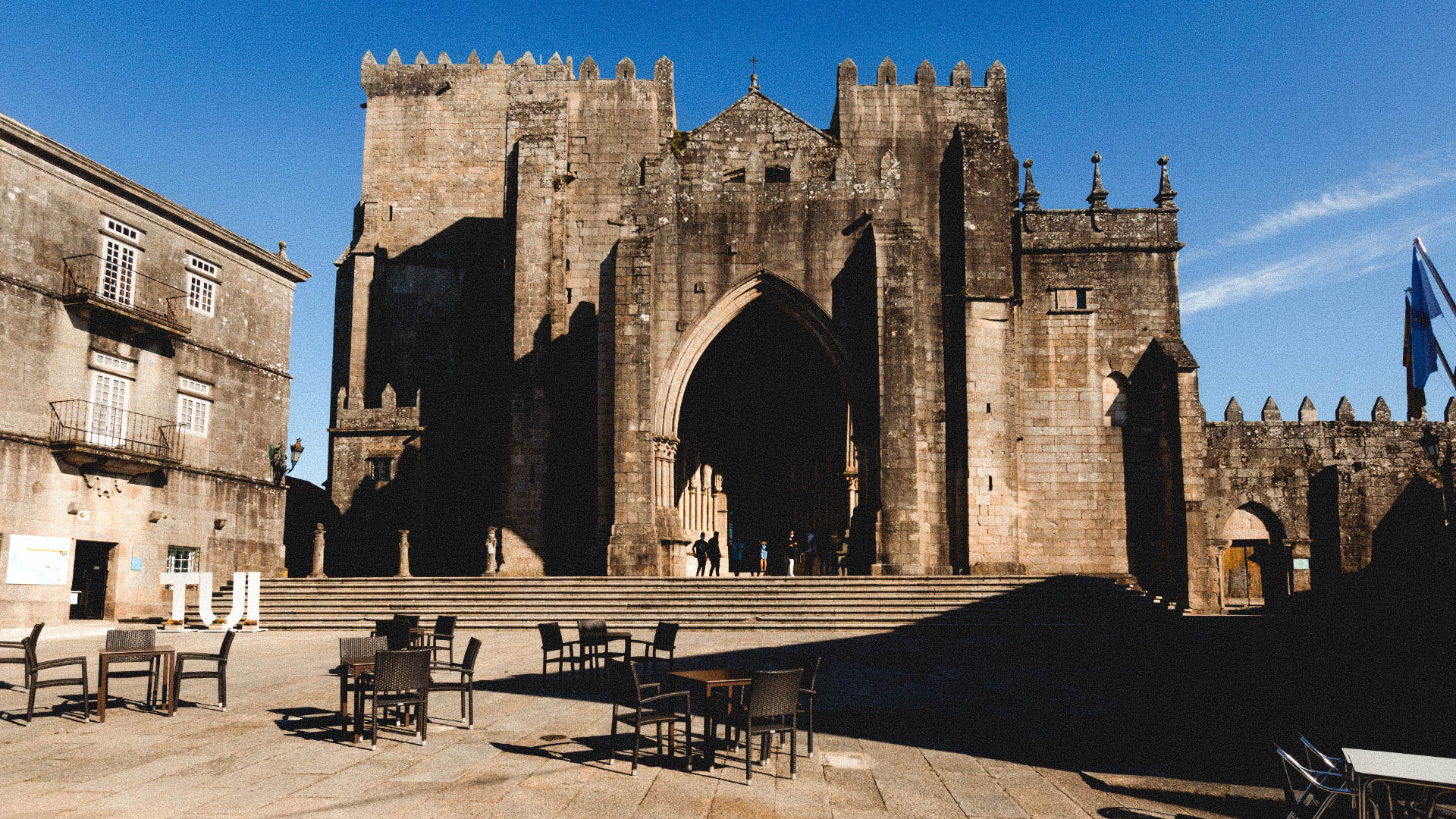
The most notable stops at the end of this stage are Valença do Minho, known for its fortress, and Tui, both rich in cultural heritage and offering excellent hostels and accommodations.
Along the way, pilgrims cross the border between Portugal and Spain via the international bridge over the Miño River, which features a pedestrian walkway separate from traffic.
 Views and flavors that define the Camino
Distance: 14.9 miles – 24 km
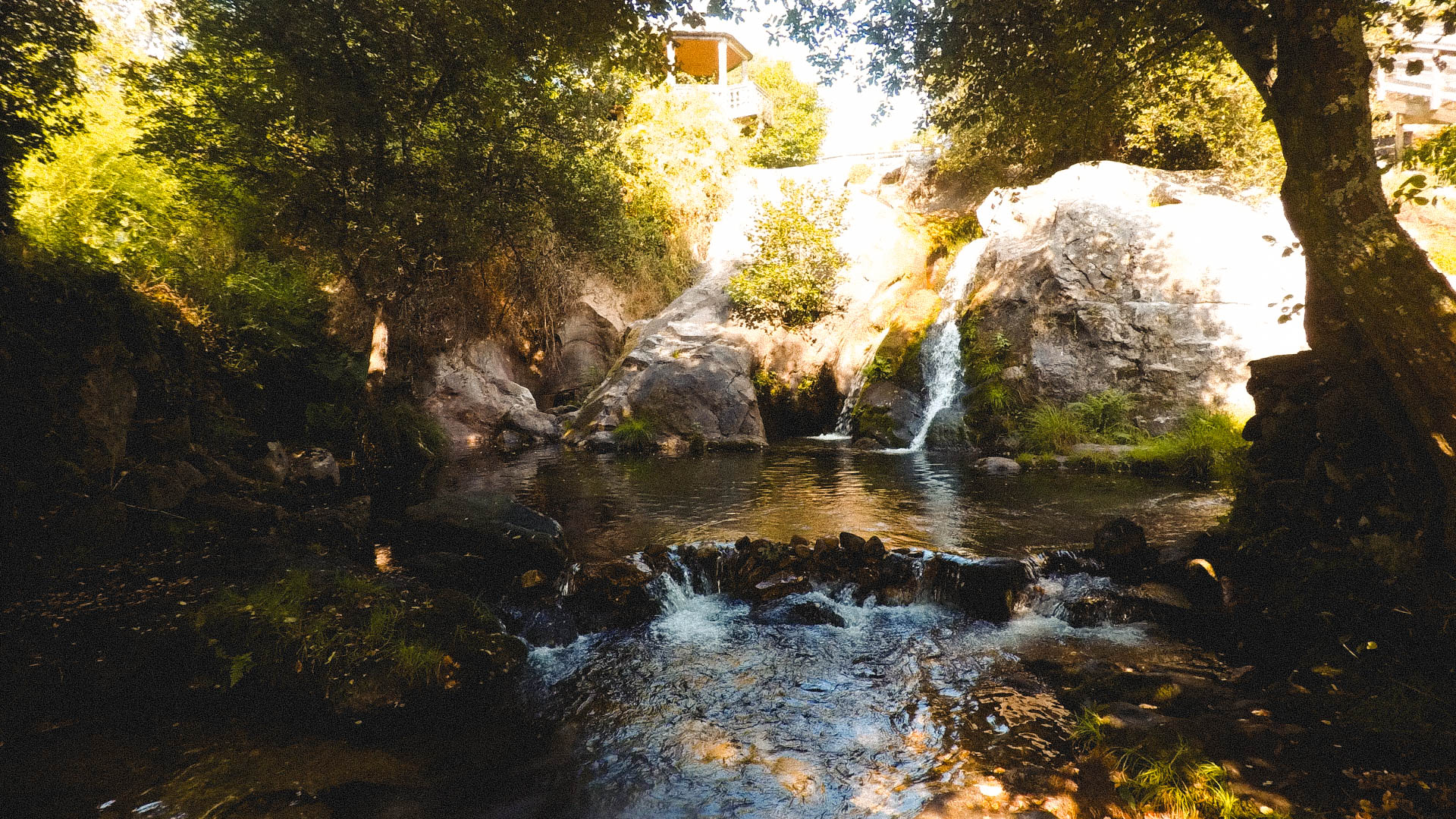
The only major challenge of the day is the ascent to the Chapel of Santiaguiño. On the way to Redondela, pilgrims will have the chance to experience a town rich in history, nature, and gastronomy.
The Rande Bridge, which connects Moaña with Redondela, is one of the area’s most iconic landmarks. Nearby viewpoints offer breathtaking views of the ría, the Cíes Islands, and San Simón Bay, making it an ideal stop for nature lovers.
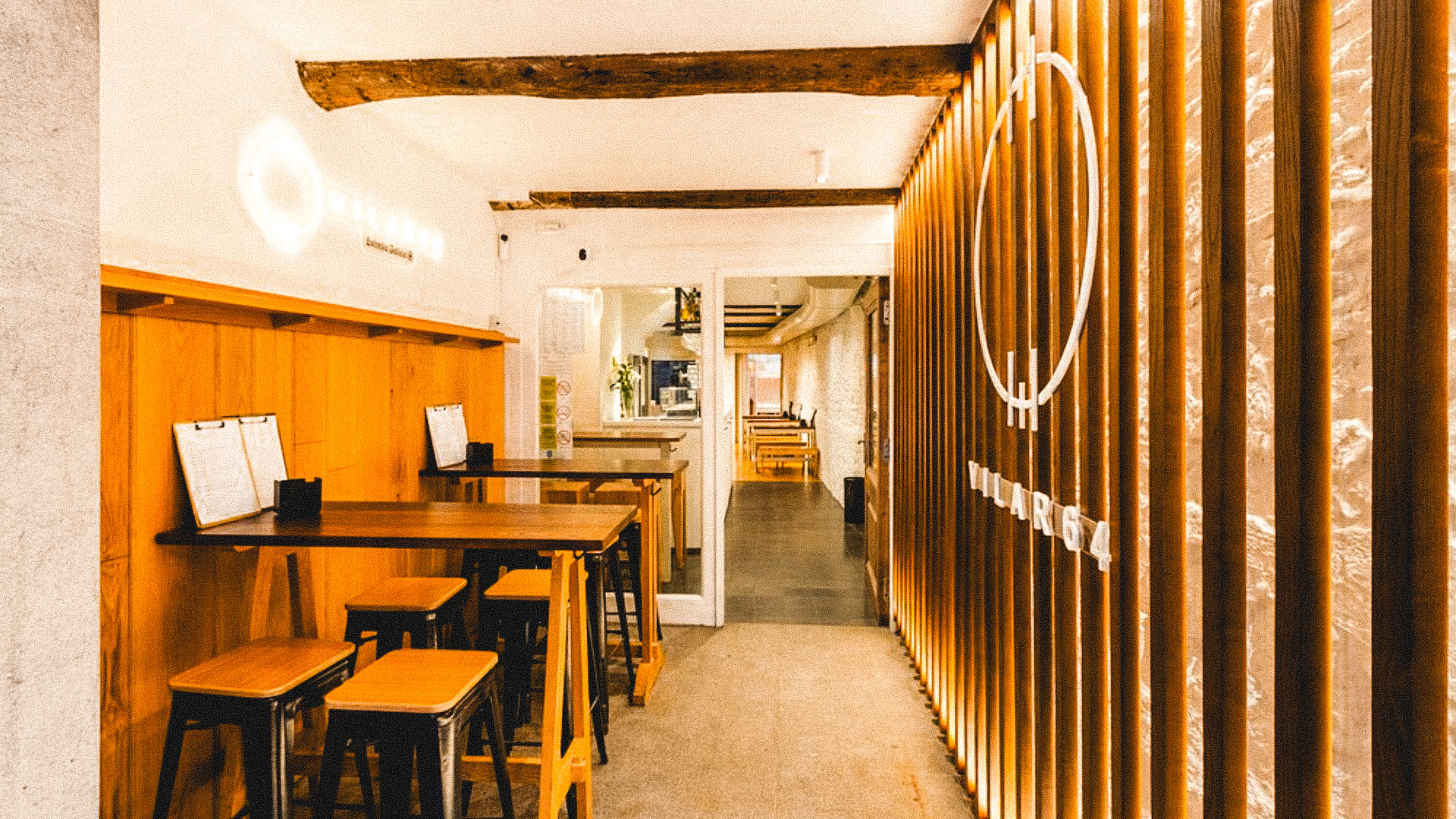
Additionally, Redondela is an excellent gastronomic destination, with restaurants such as Lemos, Casas, Antolín, Bahía de Chapela, 78 GastroBar, and Vilarosa, where visitors can enjoy delicious local cuisine. Without a doubt, this town perfectly blends history, landscapes, and great food.
 Pontevedra: a stroll through medieval charm
Distance: 12.4 miles – 20 km
The final stage before taking the Spiritual Variant is a short and mostly urban route, though it includes segments that offer great appeal for pilgrims.
Along the way, there are two ascents—one with 120 meters of elevation gain and another with 135 meters. Both are gradual and not too difficult, though the first is slightly more demanding. The reward for these small challenges comes with a beautiful riverside path that leads directly to Pontevedra, the provincial capital.
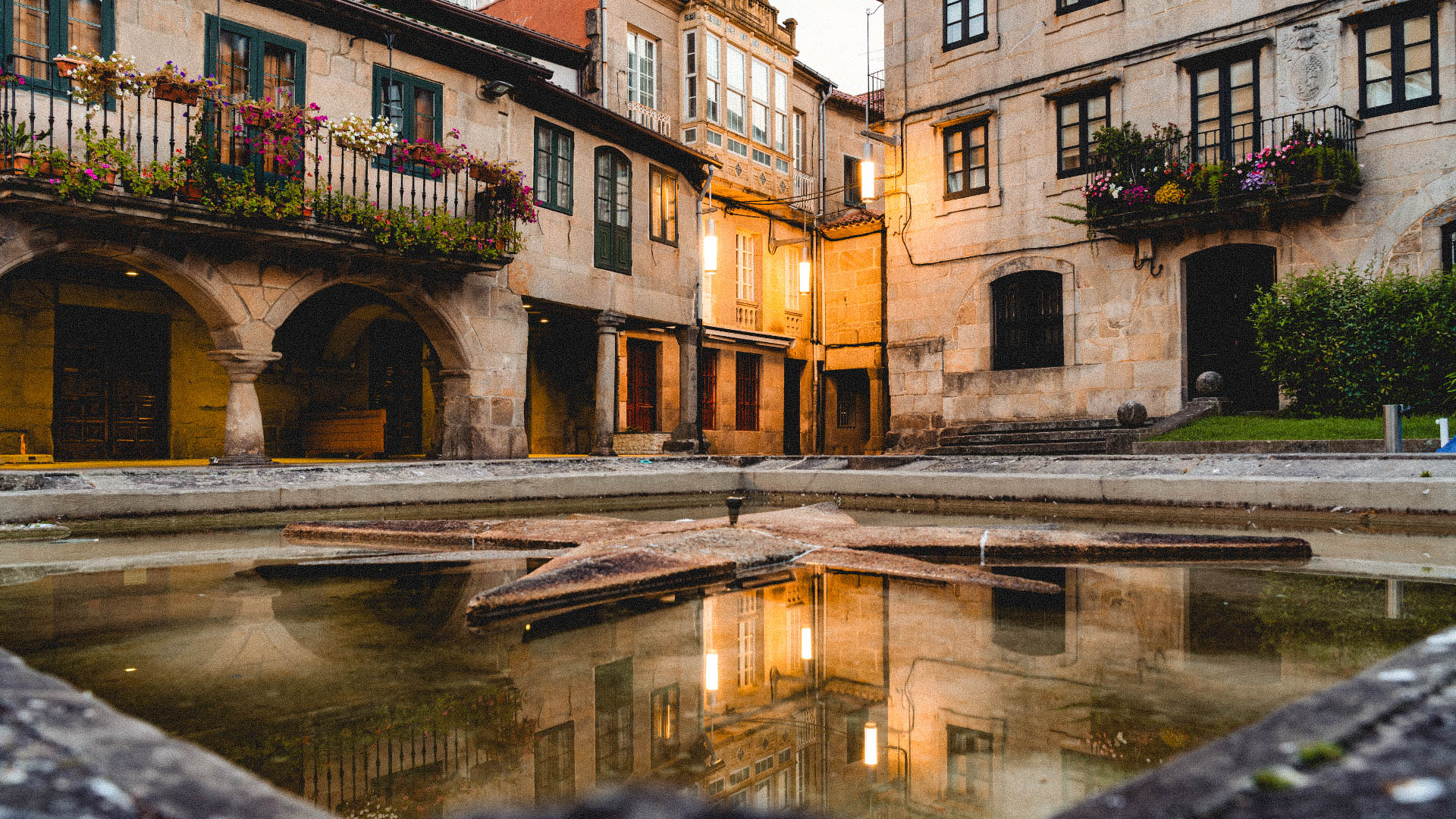
With its medieval-style old town, Pontevedra welcomes visitors with historic architecture and cobbled streets. It is the perfect place to explore lively squares, historically significant churches, and a captivating atmosphere.
 From Pontevedra to Caldas de Reis: an accessible and historic route
Distance: 13 miles – 21 km
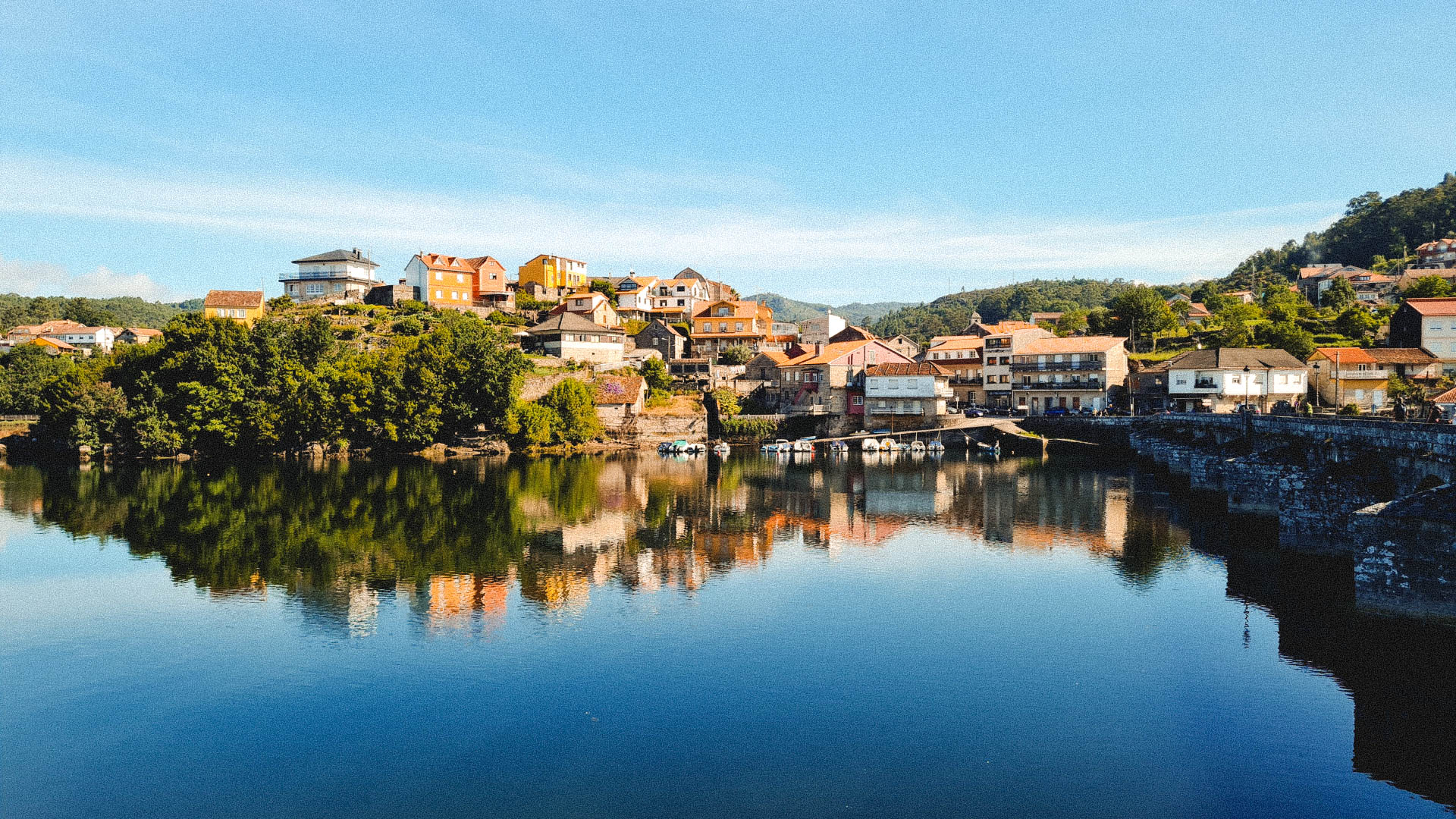
The stage between Pontevedra and Caldas de Reis is short, easy, and with minimal elevation changes, following the N-550 along comfortable dirt and asphalt paths.
This route features several points of interest, including the 16th-century Church of Santa María de Alba and the Chapel of San Caetano in Guxilde. About 3 km from Pontevedra, pilgrims have the option to take the Spiritual Variant, a route that is gaining popularity, leading to Pontecesures.
The journey ends in Caldas de Reis, a town famous for its thermal baths, where pilgrims can relax and enjoy local services.
 The Pedrón of Padrón and other historical gems
Distance: 11.8 miles – 19 km
The Portuguese Camino stage from Caldas de Reis to Padrón is scenically remarkable, featuring moderate elevation changes throughout the route.
The journey begins in Caldas de Reis, passing by the Sanctuary of Santa Mariña de Carracedo, and continues through rural landscapes lined with oak and eucalyptus trees.
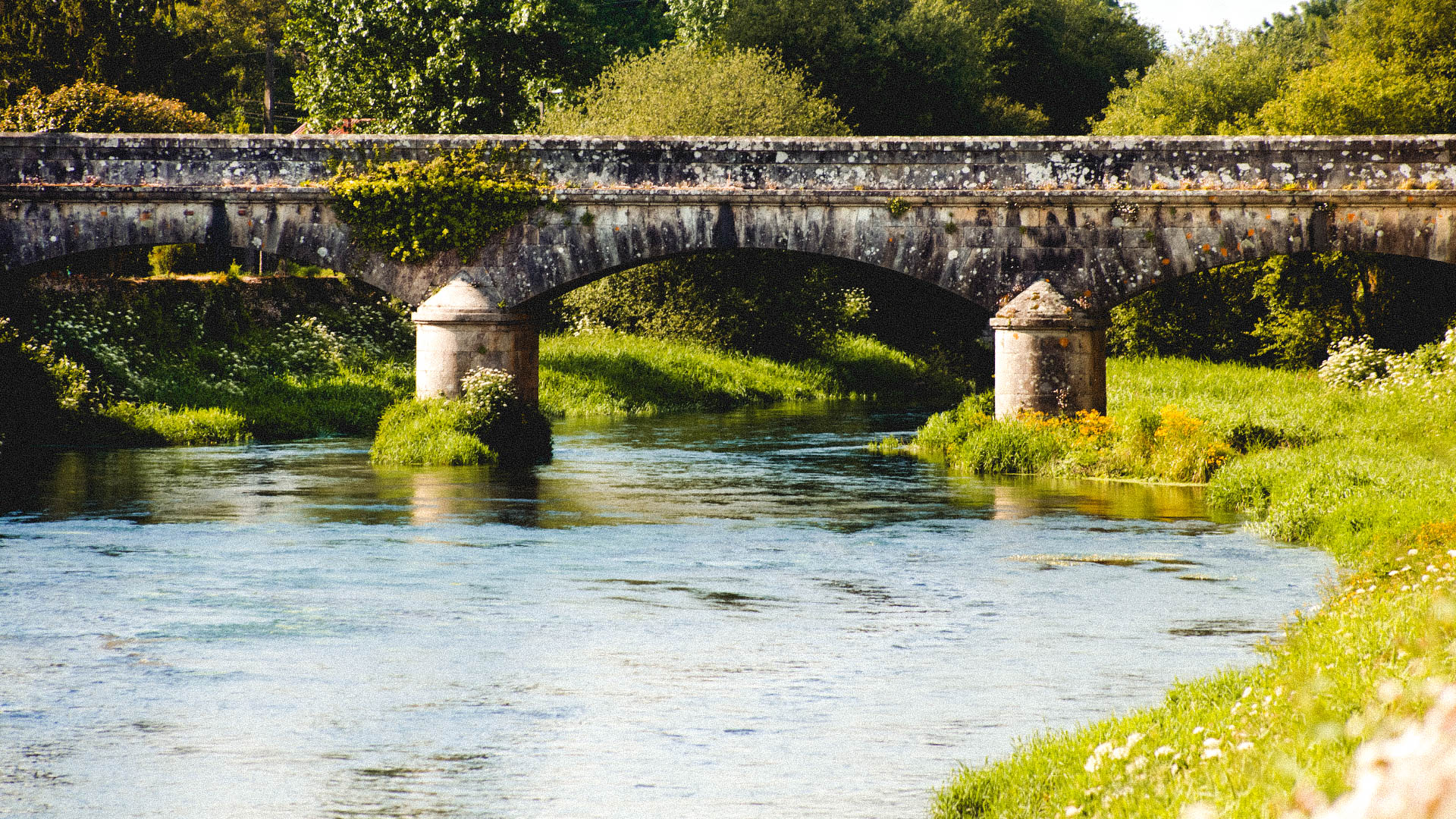
In Pontecesures, after crossing the bridge over the Ulla River, the path leads to Padrón, where pilgrims can admire the monument to Camilo José Cela and visit the Church of Santiago, which houses the pedrón—the ancient stone where, according to legend, the remains of the Apostle Saint James first arrived.
 From Padrón to Santiago: the final walk to the Cathedral
Distance: 15.2 miles – 24,4 km
The journey begins by crossing the picturesque Sar River valley and passing the Sanctuary of A Escravitude, before continuing toward the ascent to O Milladoiro. Known as the “humilladoiro,” this symbolic spot was where pilgrims would kneel upon seeing the Santiago Cathedral for the first time.
The route continues with a moderate ascent to Agro dos Monteiros, the last physical challenge before reaching the city. Along the way, a highlight is the Collegiate Church of Iria Flavia, Galicia’s first cathedral, which houses the tomb of Nobel Prize-winning writer Camilo José Cela, adding a touch of history and culture to the journey.
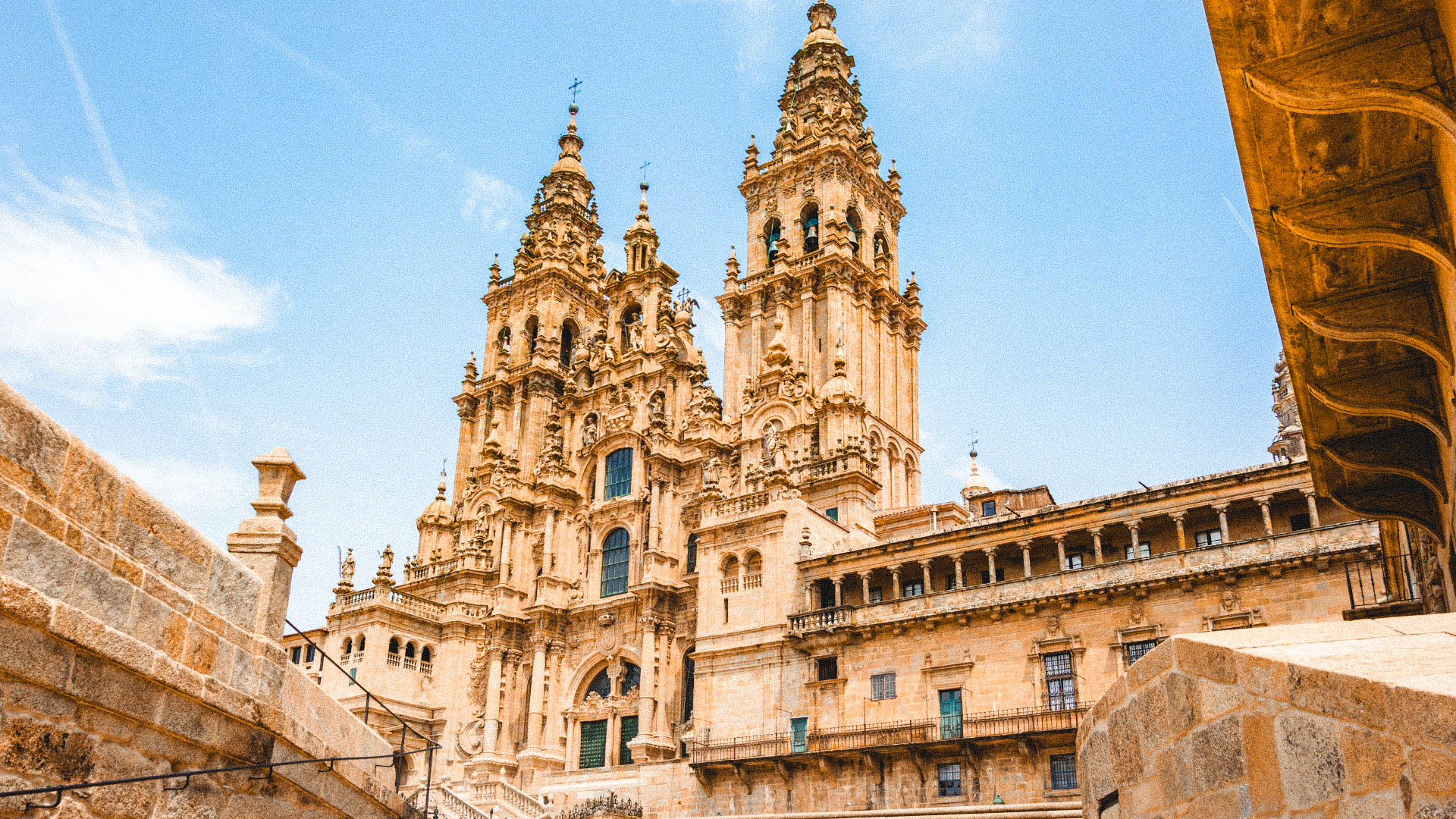
The stage culminates with the arrival in Santiago de Compostela, where every step of effort is rewarded. Pilgrims cross the Sar River, pass through the lively historic center, and finally arrive at Obradoiro Square, standing before the majestic cathedral—an unforgettable and deeply emotional moment.
Congratulations pilgrim!
Route
The beginning of your own Camino
Distance: 13.7 miles – 22 km
The adventure begins in Porto, Portugal’s second-largest city. From Carlos Alberto Square, the route follows Rúa Cedofeita to Capela da Ramada Alta, then continues along Rúa da Constituição to Igreja de Araújo. From there, the path leads straight to Moreira da Maia, crossing the Ponte de Moreira, and then heads toward Mosteiró.
This stage consists mainly of urban and asphalt sections but is well-marked with yellow arrows. While some pilgrims choose to take the metro to skip Porto’s outskirts, walking through the city is a highly recommended part of the experience.
The stage ends in Gião, where the landscape shifts, and the atmosphere becomes quieter and more rural.
A journey through history and rural tranquility
Distance: 9.3 miles – 15 km
Leaving the urban landscape behind, we enter a peaceful and beautiful rural setting, where dirt paths and local roads lead us through charming villages and hamlets.
We will cross the impressive medieval bridge of Zameiro and reach the welcoming Chapel of São Mamede, a site rich in history. The path continues toward Estalagem das Pulgas, an ancient pilgrim refuge, before revealing the majestic Monastery of São Simão da Junqueira, founded in the 11th century.
Finally, our route takes us to São Pedro de Rates, home to one of the most stunning Romanesque churches in Portugal, where this stage comes to an end.
A journey to the spiritual and natural heart of Portugal
Distance: 15.5 miles – 25 km
Leaving São Pedro de Rates behind, the route leads you to Balugães.
Your first stop is the Sanctuary of Nossa Senhora Aparecida. Continuing along the path, you’ll reach the Igreja de Balugães, an 18th-century architectural gem. Don’t miss the Chapel of São Bento, located in the heart of the village, standing as a symbol of local spirituality and the community’s deep connection to its roots.
The surroundings of Balugães are truly enchanting—its cobblestone streets and stone houses look like something out of a fairy tale, offering a genuine connection to the essence of Portugal.
The Oldest City in Portugal
Distance: 11.8 miles – 19 km
The route follows cobbled paths that connect various parishes and pass through cultivated lands.
The trail continues along stone-walled paths, with iron trellises forming a natural tunnel overhead. Along the way, you can stop at local cafés, where you can enjoy traditional music.
This stage ends in Ponte de Lima, the oldest city in Portugal, renowned for its rich history and monuments, including a representation of the Roman legion. Located on the banks of the Lima river, Ponte de Lima is tied to the legend of the River Lethe, which was once believed to erase the memory of those who crossed it.
Few steps from the Spanish border
Distance: 13 miles – 21 km
The stage between Ponte de Lima and São Bento da Porta Aberta begins with the ascent to Alto da Portela Grande de Labruja, the most significant ascent on the Portuguese Camino.
After this climb, the trail becomes quieter and more secluded, running mostly through forest paths. It’s important to be prepared for this remote section, as there are few resupply points. However, the beautiful and peaceful scenery makes up for the challenge.
The stage ends in São Bento da Porta Aberta, just 8.7 miles – 14 km from Valença, the last Portuguese town before crossing into Spain.
Leaving Portugal to Enter “A Terriña”
Distance: 14.3 miles – 23 km
The stage between São Bento da Porta Aberta and Ribadelouro is of moderate length.
The most notable stops at the end of this stage are Valença do Minho, known for its fortress, and Tui, both rich in cultural heritage and offering excellent hostels and accommodations.
Along the way, pilgrims cross the border between Portugal and Spain via the international bridge over the Miño River, which features a pedestrian walkway separate from traffic.
Views and flavors that define the Camino
Distance: 14.9 miles – 24 km
The only major challenge of the day is the ascent to the Chapel of Santiaguiño. On the way to Redondela, pilgrims will have the chance to experience a town rich in history, nature, and gastronomy.
The Rande Bridge, which connects Moaña with Redondela, is one of the area’s most iconic landmarks. Nearby viewpoints offer breathtaking views of the ría, the Cíes Islands, and San Simón Bay, making it an ideal stop for nature lovers.
Additionally, Redondela is an excellent gastronomic destination, with restaurants such as Lemos, Casas, Antolín, Bahía de Chapela, 78 GastroBar, and Vilarosa, where visitors can enjoy delicious local cuisine. Without a doubt, this town perfectly blends history, landscapes, and great food.
Pontevedra: a stroll through medieval charm
Distance: 12.4 miles – 20 km
The final stage before taking the Spiritual Variant is a short and mostly urban route, though it includes segments that offer great appeal for pilgrims.
Along the way, there are two ascents—one with 120 meters of elevation gain and another with 135 meters. Both are gradual and not too difficult, though the first is slightly more demanding. The reward for these small challenges comes with a beautiful riverside path that leads directly to Pontevedra, the provincial capital.
With its medieval-style old town, Pontevedra welcomes visitors with historic architecture and cobbled streets. It is the perfect place to explore lively squares, historically significant churches, and a captivating atmosphere.
From Pontevedra to Caldas de Reis: an accessible and historic route
Distance: 13 miles – 21 km
The stage between Pontevedra and Caldas de Reis is short, easy, and with minimal elevation changes, following the N-550 along comfortable dirt and asphalt paths.
This route features several points of interest, including the 16th-century Church of Santa María de Alba and the Chapel of San Caetano in Guxilde. About 3 km from Pontevedra, pilgrims have the option to take the Spiritual Variant, a route that is gaining popularity, leading to Pontecesures.
The journey ends in Caldas de Reis, a town famous for its thermal baths, where pilgrims can relax and enjoy local services.
The Pedrón of Padrón and other historical gems
Distance: 11.8 miles – 19 km
The Portuguese Camino stage from Caldas de Reis to Padrón is scenically remarkable, featuring moderate elevation changes throughout the route.
The journey begins in Caldas de Reis, passing by the Sanctuary of Santa Mariña de Carracedo, and continues through rural landscapes lined with oak and eucalyptus trees.
In Pontecesures, after crossing the bridge over the Ulla River, the path leads to Padrón, where pilgrims can admire the monument to Camilo José Cela and visit the Church of Santiago, which houses the pedrón—the ancient stone where, according to legend, the remains of the Apostle Saint James first arrived.
From Padrón to Santiago: the final walk to the Cathedral
Distance: 15.2 miles – 24,4 km
The journey begins by crossing the picturesque Sar River valley and passing the Sanctuary of A Escravitude, before continuing toward the ascent to O Milladoiro. Known as the “humilladoiro,” this symbolic spot was where pilgrims would kneel upon seeing the Santiago Cathedral for the first time.
The route continues with a moderate ascent to Agro dos Monteiros, the last physical challenge before reaching the city. Along the way, a highlight is the Collegiate Church of Iria Flavia, Galicia’s first cathedral, which houses the tomb of Nobel Prize-winning writer Camilo José Cela, adding a touch of history and culture to the journey.
The stage culminates with the arrival in Santiago de Compostela, where every step of effort is rewarded. Pilgrims cross the Sar River, pass through the lively historic center, and finally arrive at Obradoiro Square, standing before the majestic cathedral—an unforgettable and deeply emotional moment.
Congratulations pilgrim!
Make your Camino unique

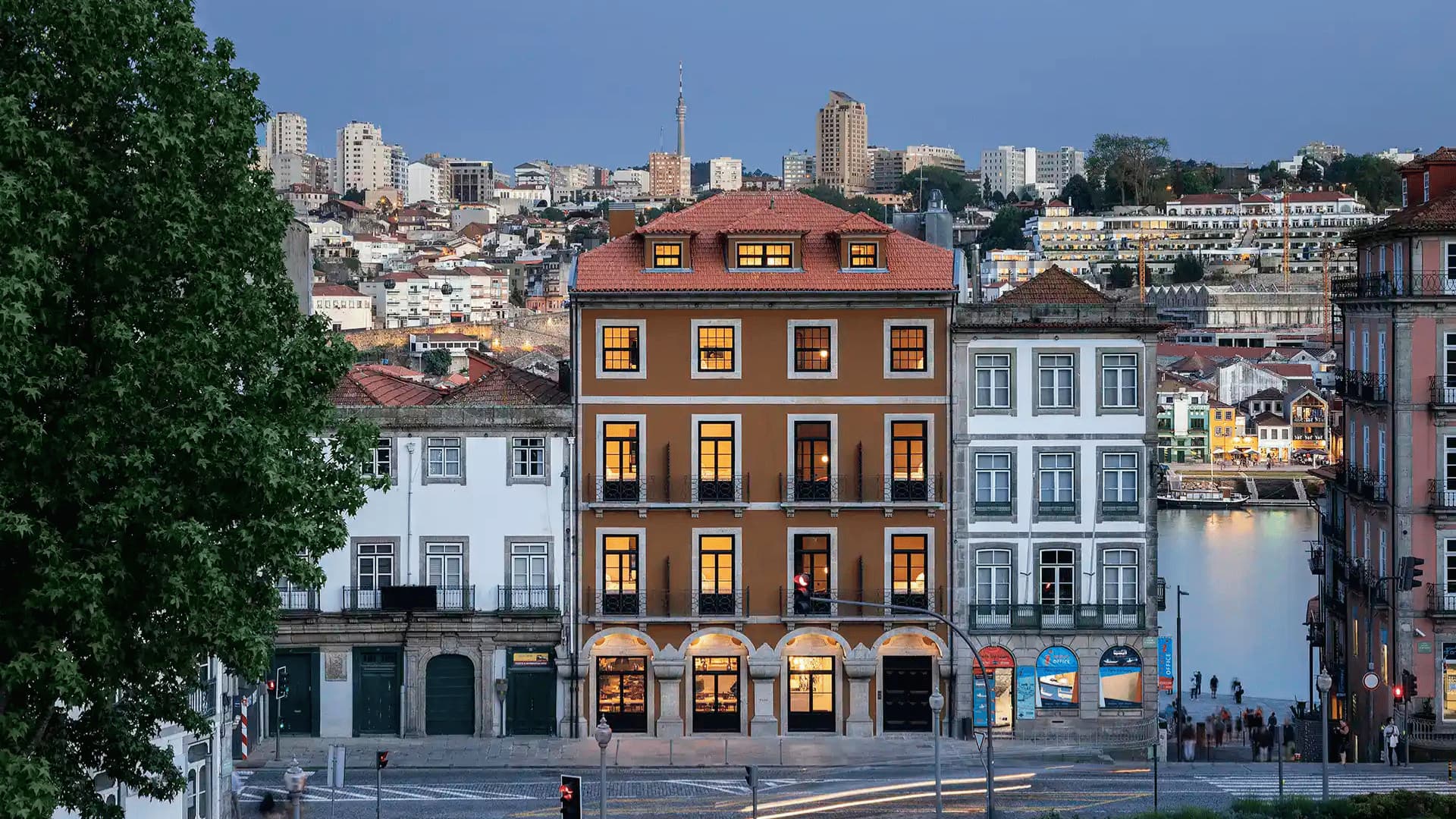
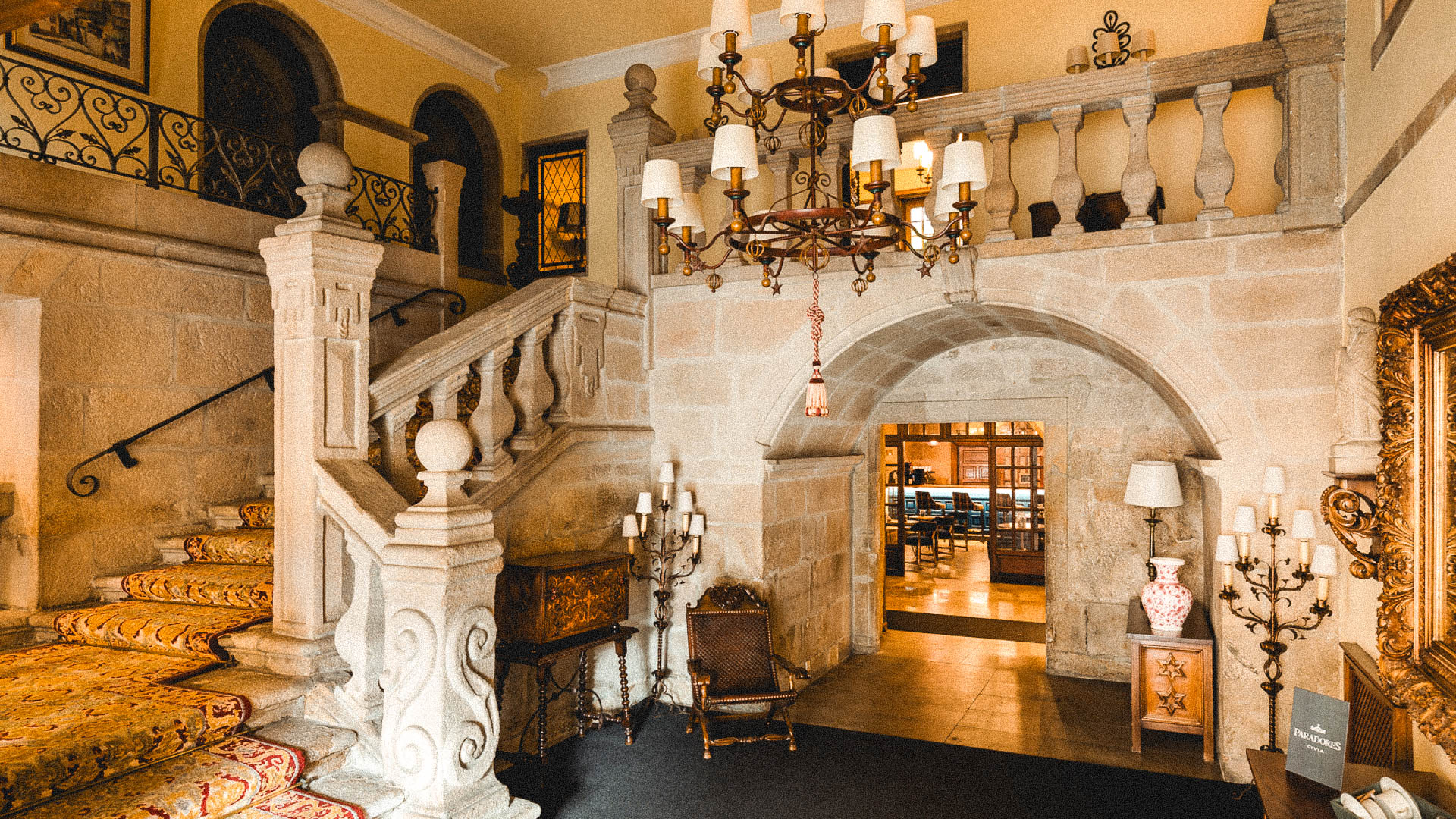
What’s included in your Camino?
Included
- Private accommodation with en-suite bathroom
- Daily breakfast
- Insurance
- 24/7 emergency phone assistance
- Detailed Camino guide with stages, maps, and tips
- Daily WhatsApp check-in and support
- Camino People welcome pack
- Personalized recommendations for meals, dinners, and local visits
- Luggage transfer between stages
Not included
- Lunches and dinners not specified in the itinerary
- Drinks and extra snacks
- Flights or travel to the starting/ending point (optional transfer available)
- Personal expenses
- Cancellation or premium travel insurance (optional)
- Entrance fees to monuments or museums not included in the itinerary
- Tips
Extras (Available upon request)
- Guided Camino (full-time or selected stages)
- Fully organized trip with exclusive activities
- Gourmet dinners or unique gastronomic experiences
- Private cultural visits or entrance tickets with guide
- Transportation to/from airport or other off-route locations
- Extra nights before or after the Camino
- Massage, physiotherapy, or yoga services
- Cancellation or premium travel insurance
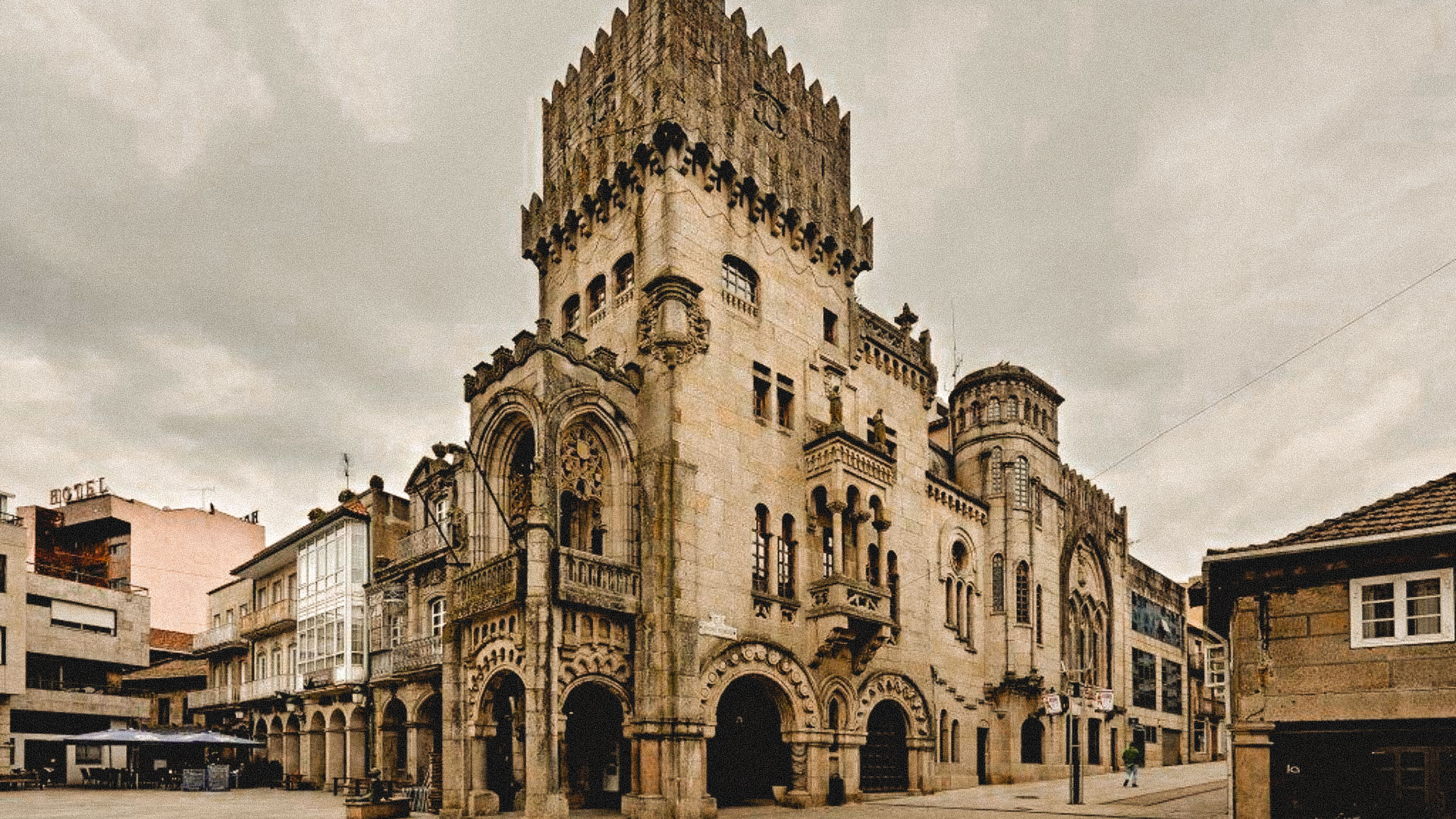
FAQ
The best time to walk the Portuguese Camino is from spring (April to June) to autumn (September to October). During these months, the weather is milder, making the walks more comfortable. Additionally, nature is at its best, and hostels and services are fully operational.
It’s best to avoid the colder winter months, as some routes may be more challenging due to rain and low temperatures.
The Portuguese Camino has two main routes: one starting in Lisbon, covering about 379 miles – 610 km to Santiago de Compostela, and another beginning in Porto, spanning approximately 149 miles – 240 km.
The route from Porto is the most popular option, ideal for those seeking a shorter yet equally breathtaking journey, passing through stunning landscapes and charming towns along the way.
Although the Portuguese Way has a strong connection to Christian tradition and the pilgrimage to Santiago de Compostela, it is open to all walkers, regardless of their religious beliefs.
Many people undertake the journey for spiritual reasons, but it is also a deeply enriching experience in terms of culture, nature, history and self-discovery.
Related Caminos
Camino Portugués Coastal from Porto
13 days - 12 nights

desde
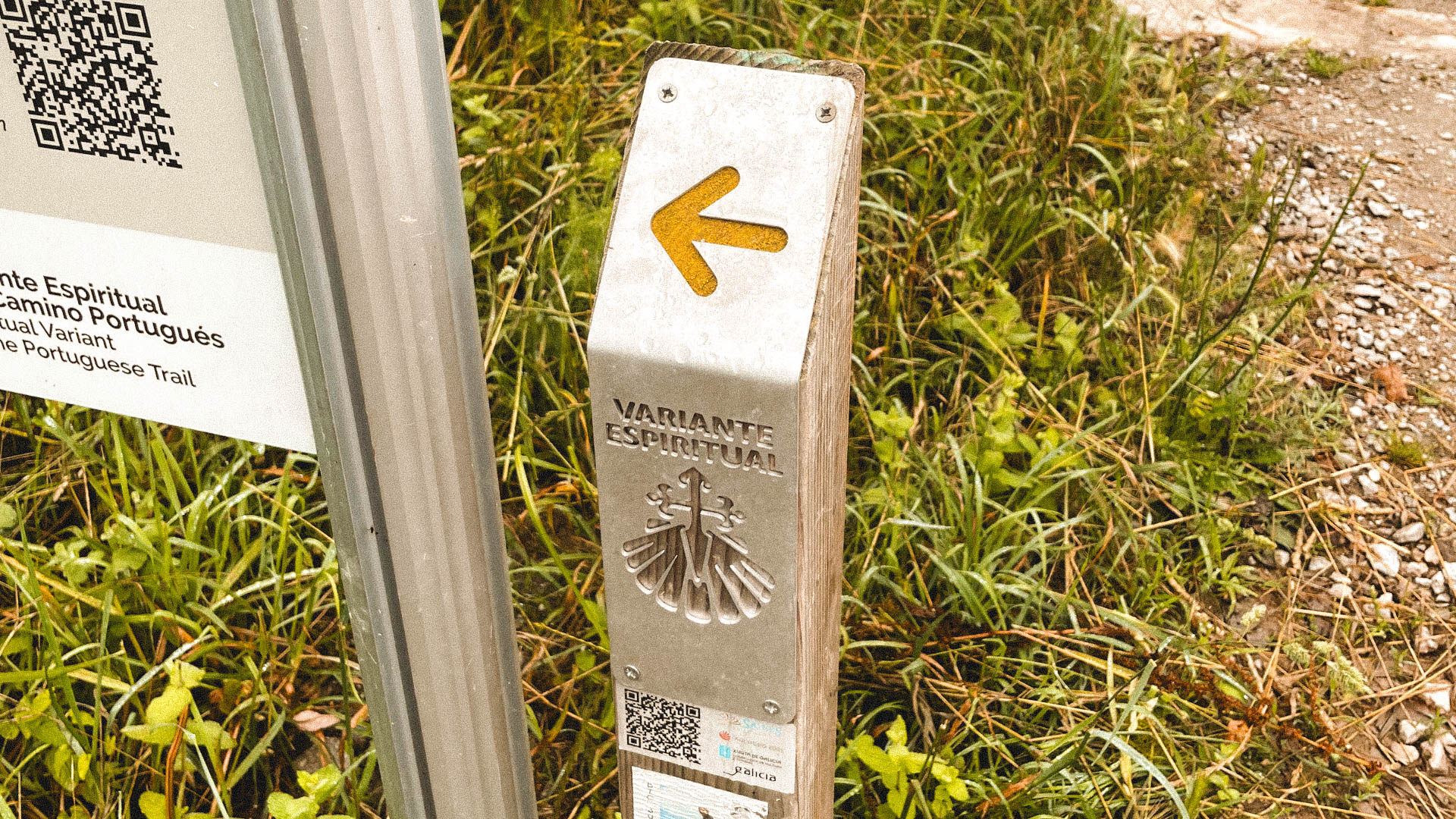
Camino Portugués Coastal Spiritual Variant
3 days - 2 nights

desde
6 days - 5 nights
desde