Camino Francés from O Cebreiro

From 2.500 €
Duration
9 days - 8 nights
Distance
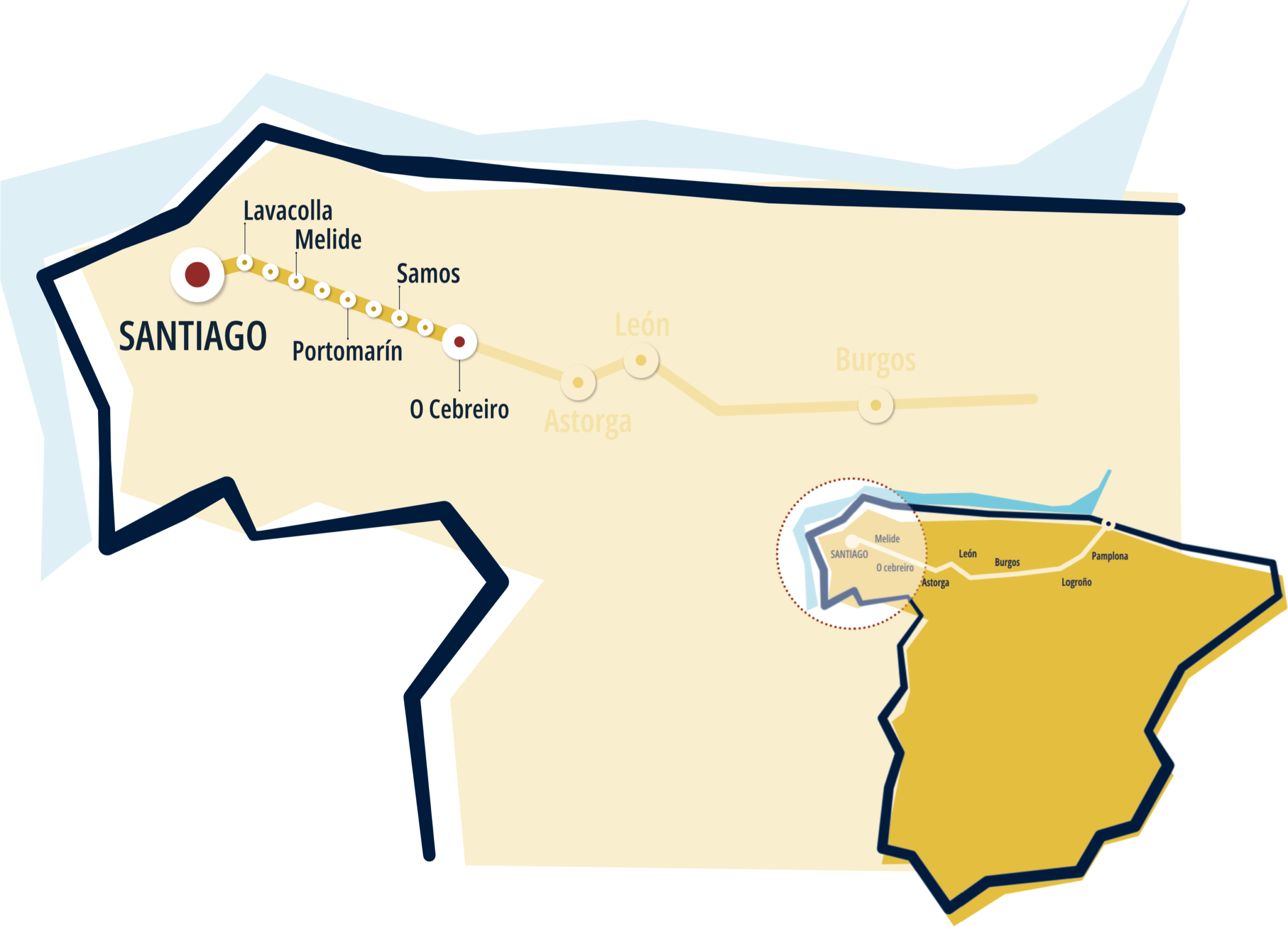
99 miles - 159,5 km
Type
Caminos
Jose Mari Ardanaz:

Passionate about the Caminos and stories, creating authentic experiences so that every pilgrim discovers the Camino like a local.

Book now

Embark on a unique adventure along the French Way from O Cebreiro, an Iconic entry point into Galicia.

This route, rich in history, spirituality, and nature, will take you through breathtaking landscapes, from the mountains of O Cebreiro to the vibrant city of Santiago de Compostela. Along the way, you’ll walk through mountain trails, charming villages, and experience the warm hospitality of Galicia, while savoring its exquisite local cuisine and connecting with fellow pilgrims from around the world.

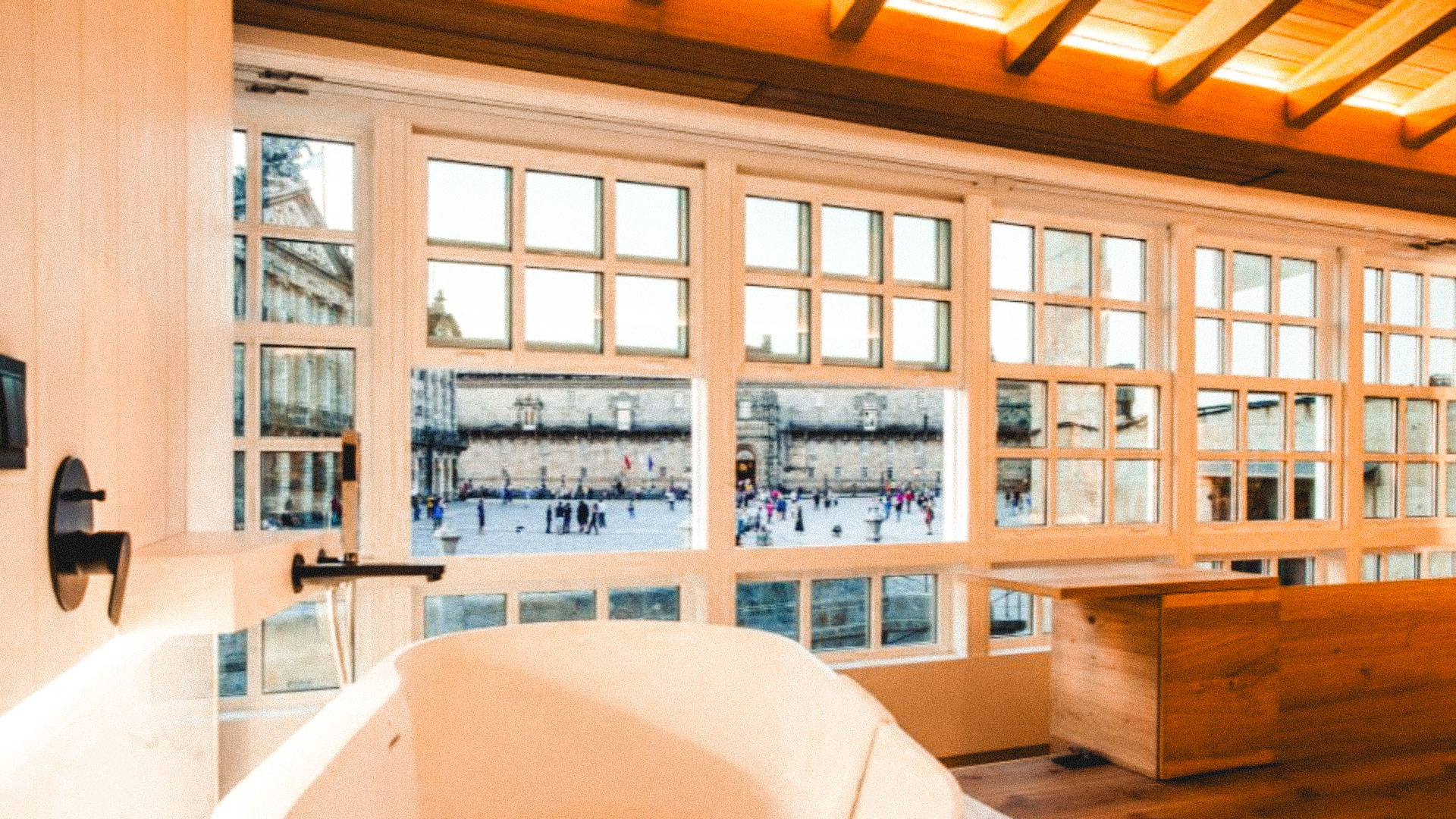
Upon reaching the majestic Plaza del Obradoiro, in front of the impressive Cathedral of Santiago, you will feel the pride and satisfaction of completing a historic pilgrimage, one that not only leads to a physical destination but also to a profound inner awakening.

Make the Camino de Santiago an adventure that transforms your life!

Route

1
O Cebreiro - Triacastela
2
Triacastela - Samos
3
Samos - Vilei
4
Vilei - Portomarín
5
Portomarín - Palas de Rei
6
Palas de Rei - Melide
7
Melide - A Calle de Ferreiros
8
A Calle de Ferreiros - Lavacolla
9
Lavacolla - Santiago de Compostela

A day of mountains, nature and traditions

Distance: 12.8 miles – 20,6 km

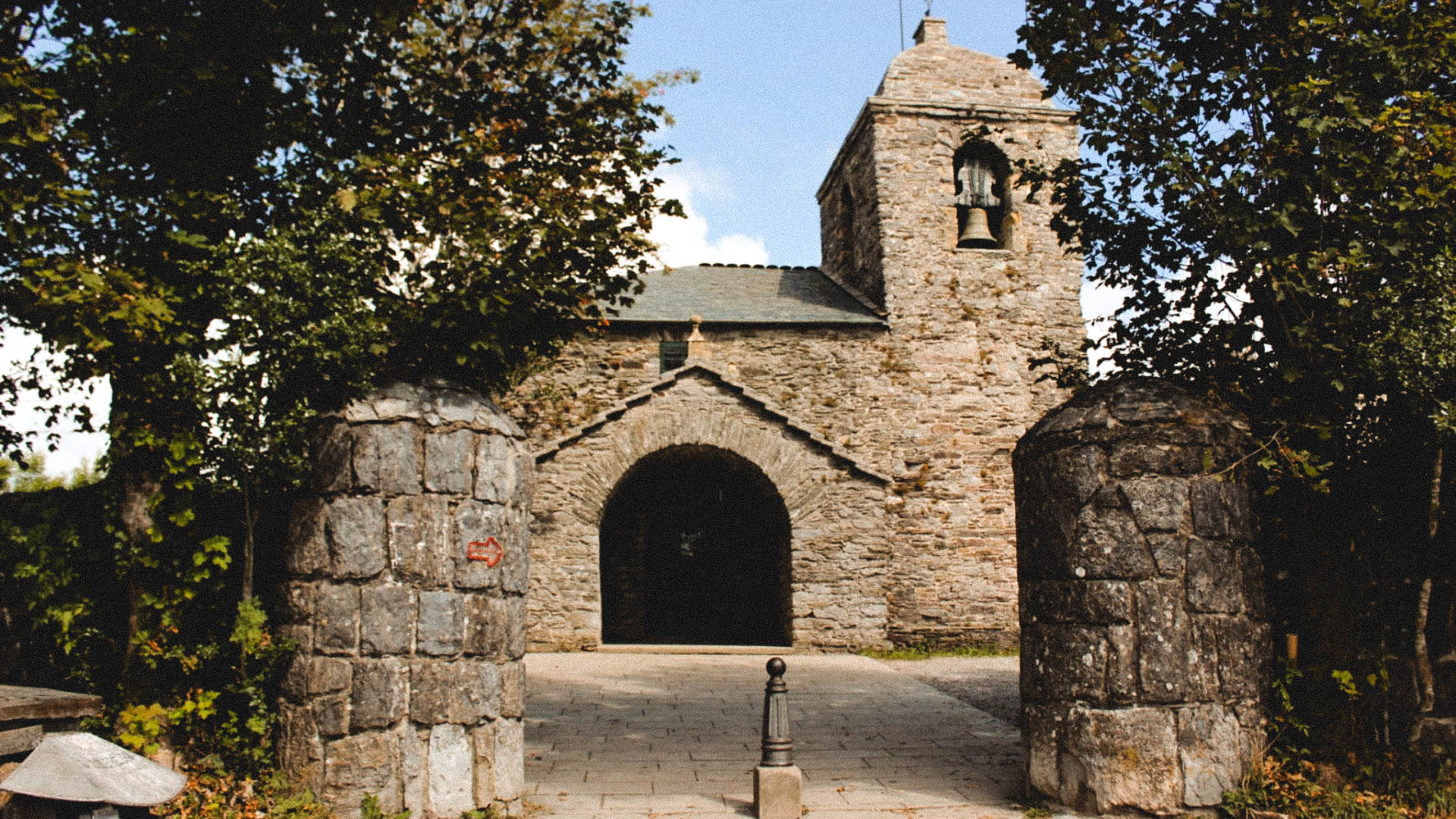
From the picturesque village of O Cebreiro, your route will take you through the stunning Galician landscapes, leading to Triacastela on an easy and charming journey. Along the way, you’ll enjoy breathtaking views of lush meadows and dense forests, where oaks, chestnuts, pines, and eucalyptus trees create a truly unique setting.

You’ll also have the chance to explore quaint villages, each home to Romanesque churches that stand as silent witnesses to the region’s rich history. Every corner of the path invites you to pause, take in the peaceful surroundings, and embrace the traditions of these timeless places.

Upon arriving in Triacastela, you’ll be welcomed by the Church of Santiago, featuring its Romanesque architecture and Baroque façade, a site of great beauty and serenity. You may also visit the Eiros Cave, a prehistoric site dating back over 35,000 years, offering a fascinating glimpse into humanity’s early history. A journey filled with nature, history, and a touch of mystery awaits you.
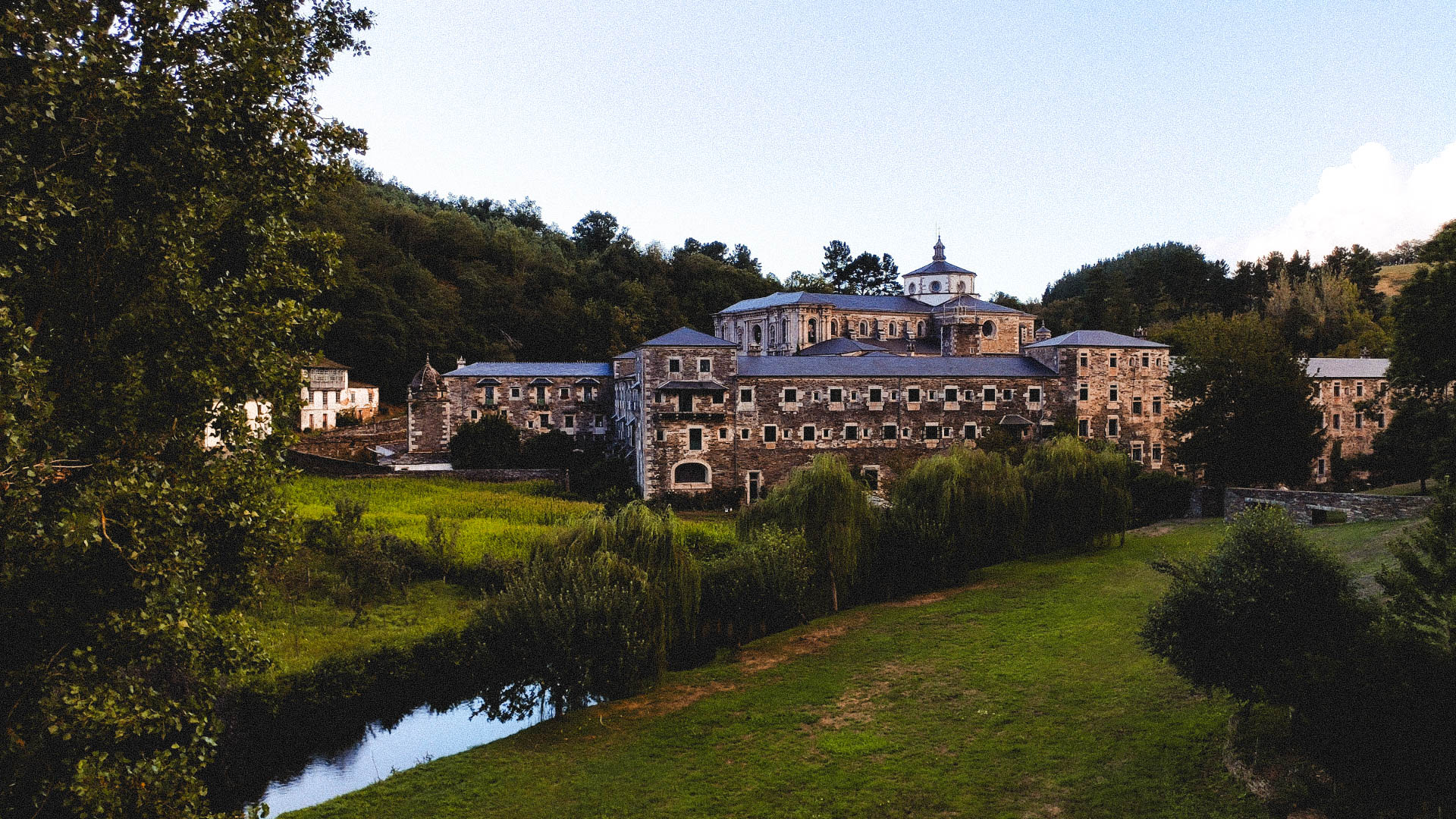
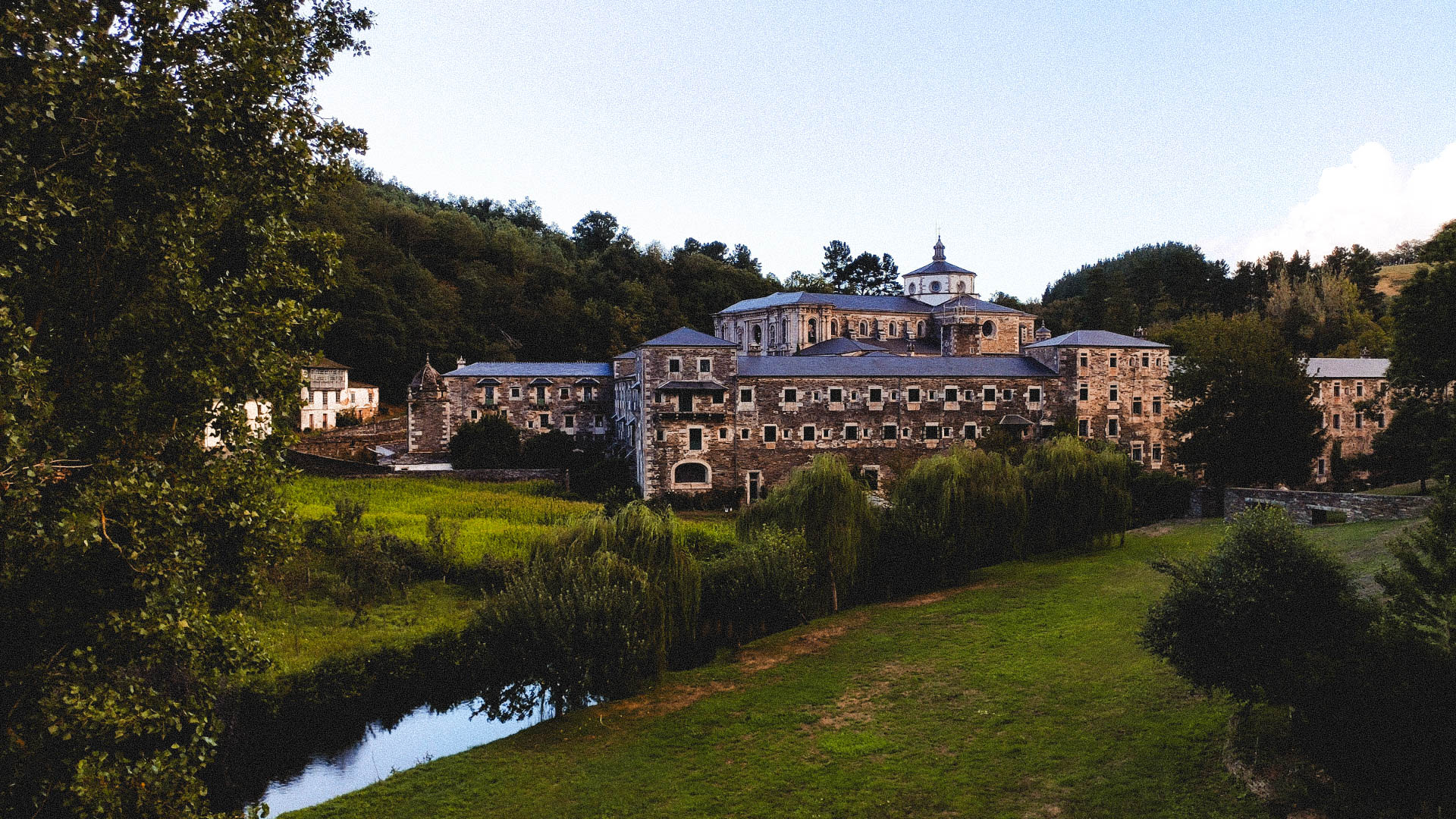
Monasterio San Julián y Santa Basilisa de Samos al atardecer, rodeado de naturaleza y frente al ríoHistoric architecture and the lush, captivating landscape

Distance: 6.3 miles – 10,2 km

The stage from Triacastela to Samos, spanning approximately 11 km, is one of the most relaxing and enchanting sections of the Camino. The journey begins in Triacastela and winds through the picturesque Samos Valley, surrounded by lush vegetation and charming villages.

The final destination, Samos, is home to the magnificent Monastery of San Julián, a true historical treasure. With over 1,500 years of history, this monastery stands as one of the oldest in Spain. Its impressive architecture and peaceful cloister invite reflection, immersing you in the serenity of this place of great religious and cultural significance.

Throughout this stage, you’ll be surrounded by green valleys and rolling hills, offering a much more tranquil setting compared to other sections of the Camino.
Vilei: a hidden alternative

Distance: 11.2 miles – 18,1 km

Samos is best known for its impressive Monastery of Samos, a 16th-century Benedictine complex surrounded by mountains, forests, and silence. Walking away from the monastery feels almost ceremonial, as nature and spirituality merge from the very first steps.

Along the way, the Camino approaches Sarria, one of the most important towns on the Camino Francés. With its long pilgrim tradition, wide range of services, and historical landmarks such as the Torre da Fortaleza, Sarria represents a lively contrast to the tranquility of Samos and marks the symbolic beginning of the final 100 kilometers to Santiago.

Leaving Sarria behind, the path leads to Vilei, a small rural village that offers a warm and authentic pilgrim atmosphere. Surrounded by greenery and far from the bustle, Vilei is an ideal place to rest, reflect, and regain strength.
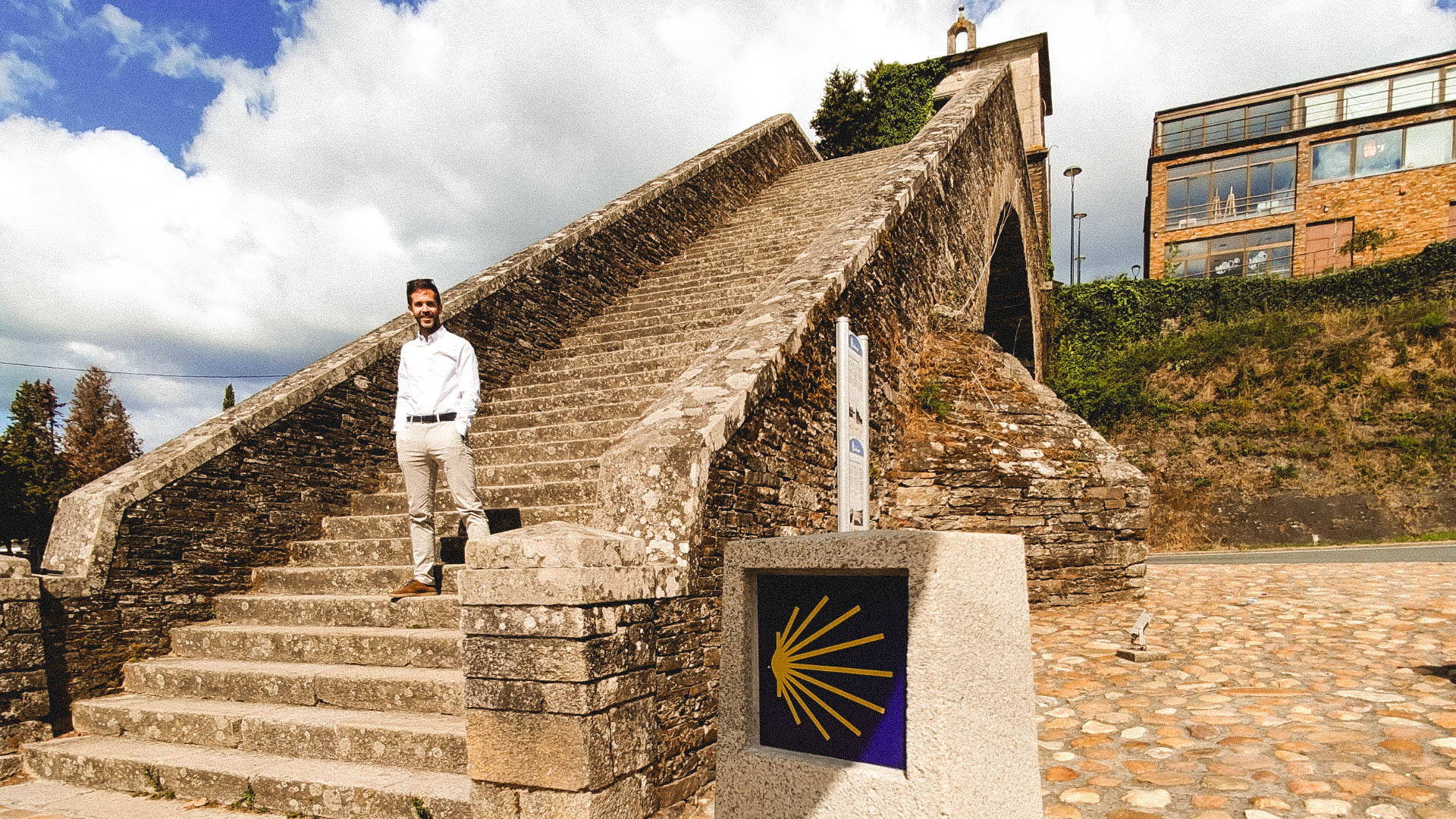
Jose Mari posando en la escalinata de la capilla de las Nieves en Portomarín con la concha del Camino de Santiago al frente en un día soleadoFrom Sarria, we face the final 6.2 miles – 100 kilometers

Distance: 11.6 miles – 18,6 km

The Camino crosses green meadows and dense oak and chestnut forests, where shade and birdsong accompany pilgrims along peaceful paths that invite an unhurried pace.

As the route progresses, it follows traditional lanes bordered by stone walls, passing small hamlets and farmland that reflect the essence of Galician rural life. This landscape, shaped by centuries of tradition, offers a strong sense of authenticity and connection to the land.

The stage concludes in Portomarín, a historic town set above the Miño River. Here, pilgrims are welcomed by architectural landmarks such as the Church of San Nicolás, a striking fortress church that tells the story of the town’s relocation stone by stone. With its gentle terrain, shaded trails, and rich history, this stage is a peaceful and rewarding journey through the heart of Galicia.
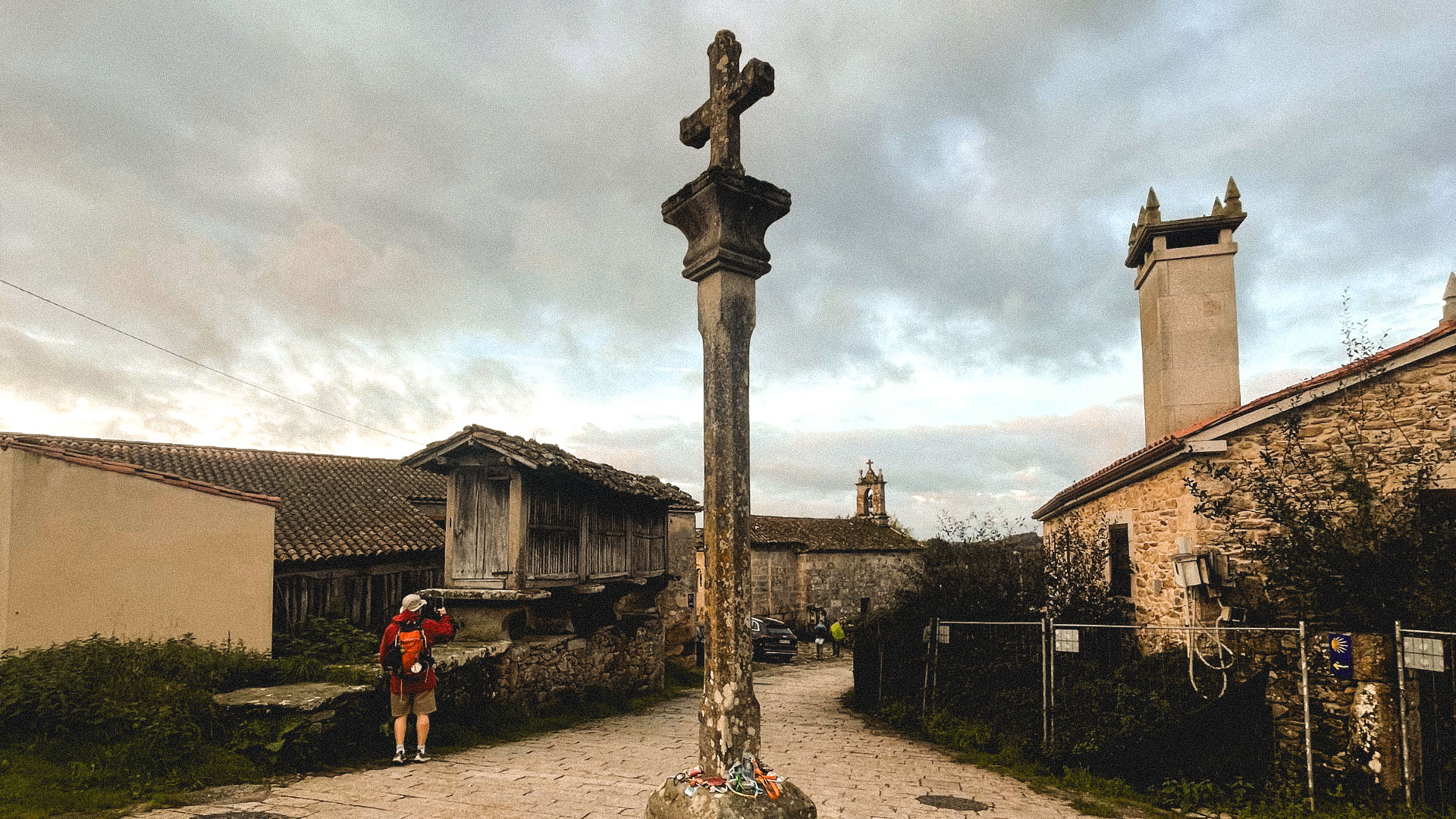
Cruceiro junto a la iglesia de San Xulián do Camiño con hórreo y peregrino tomando una foto en el Camino de SantiagoCrossing traditional Galicia

Distance: 15.4 miles – 24,8 km

Starting in Portomarín, this village was rebuilt stone by stone after the creation of the Belesar reservoir. Along the way, you can admire the 12th-century Fortress Church, a magnificent example of medieval Galician architecture with an imposing presence.

The journey continues toward Castro de Castromaior, an Iron Age archaeological site that offers a glimpse into Galicia’s prehistoric past. Here, surrounded by mountains and green fields, history comes alive, providing a unique cultural and natural immersion.

Arriving in Palas de Rei, the stage ends with a look at its architectural heritage, including the 12th-century Church of San Tirso and the 18th-century Church of Santiago. In this charming Galician town, pilgrims enjoy a peaceful and traditional atmosphere, surrounded by the natural beauty of the region.
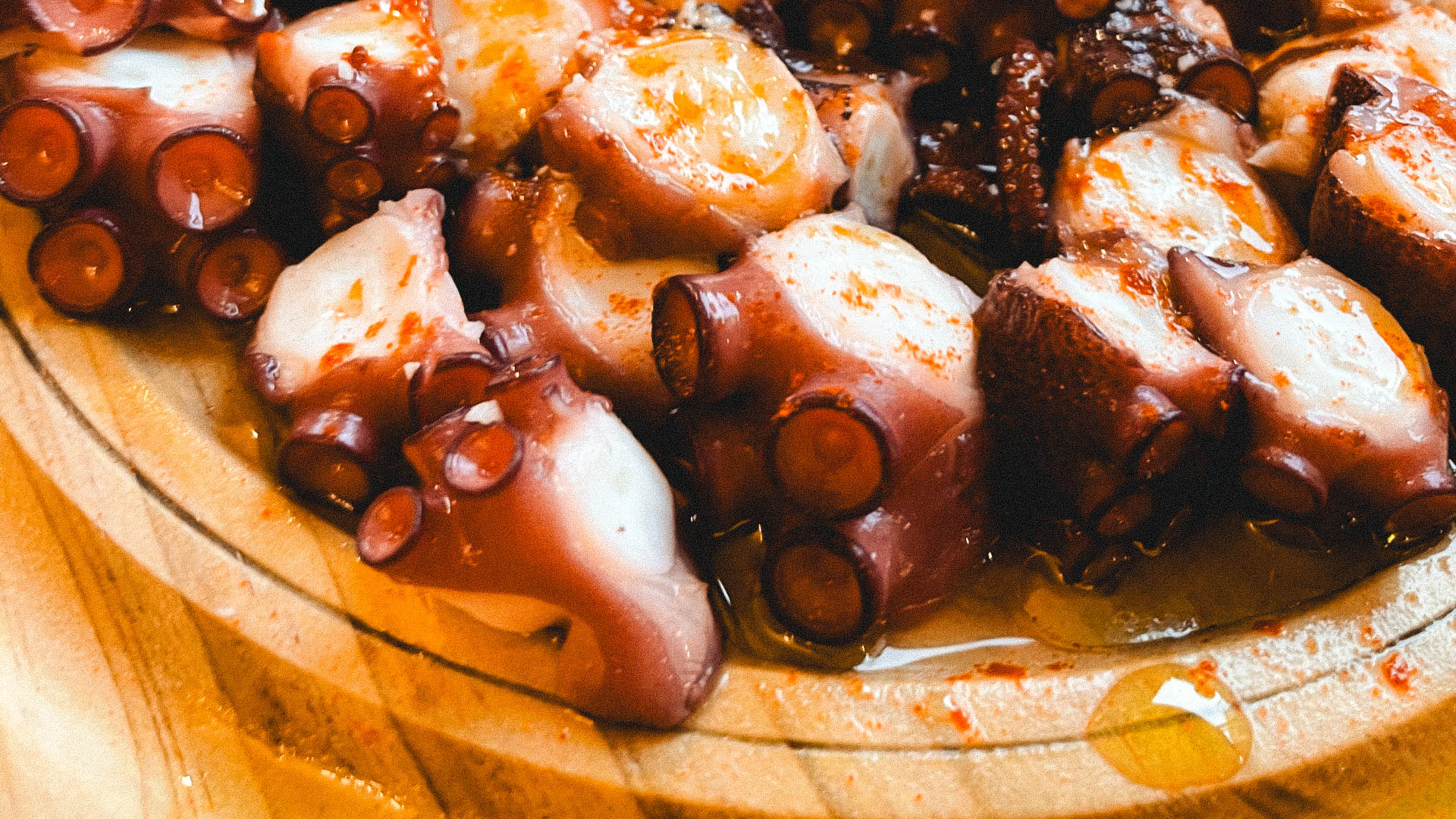
Plato de pulpo a la gallega con pimentón típico de Melide en la etapa Palas de Rei–MelideTraditional pulperías await you

Distance: 8.9 miles – 14,4 km

The Palas de Rei to Melide stage takes you through beautiful forests, green meadows, and picturesque villages in the Ulloa region.

This stage marks the transition from Lugo to A Coruña, immersing you even further in the essence of rural Galicia. As you progress, the landscape becomes more diverse, with peaceful trails leading to your final destination: Melide.

Here, you’ll have the chance to savor one of its most iconic delicacies: pulpo a la gallega. Melide is one of the most famous spots along the Camino de Santiago to enjoy this exquisite culinary tradition
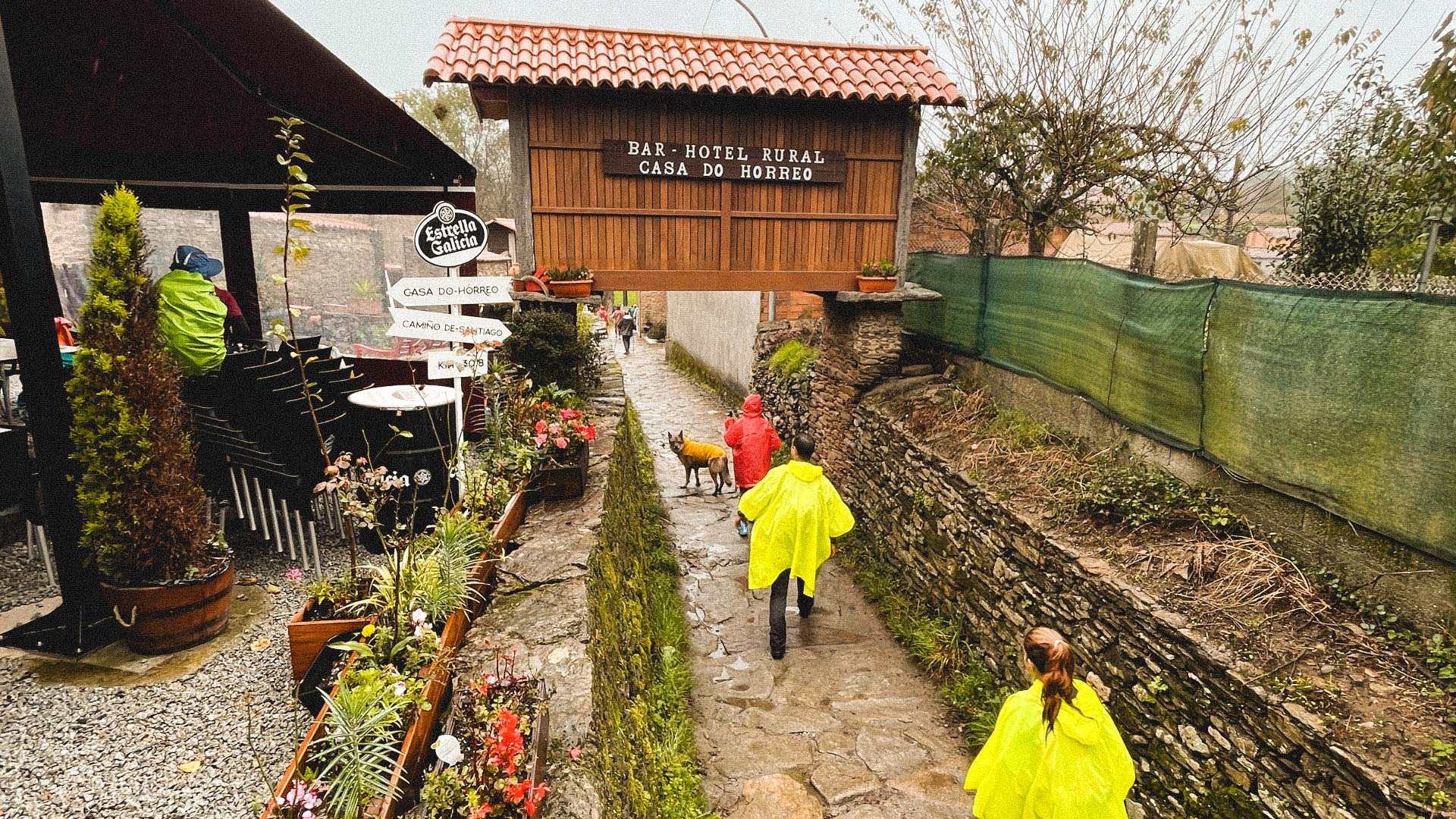
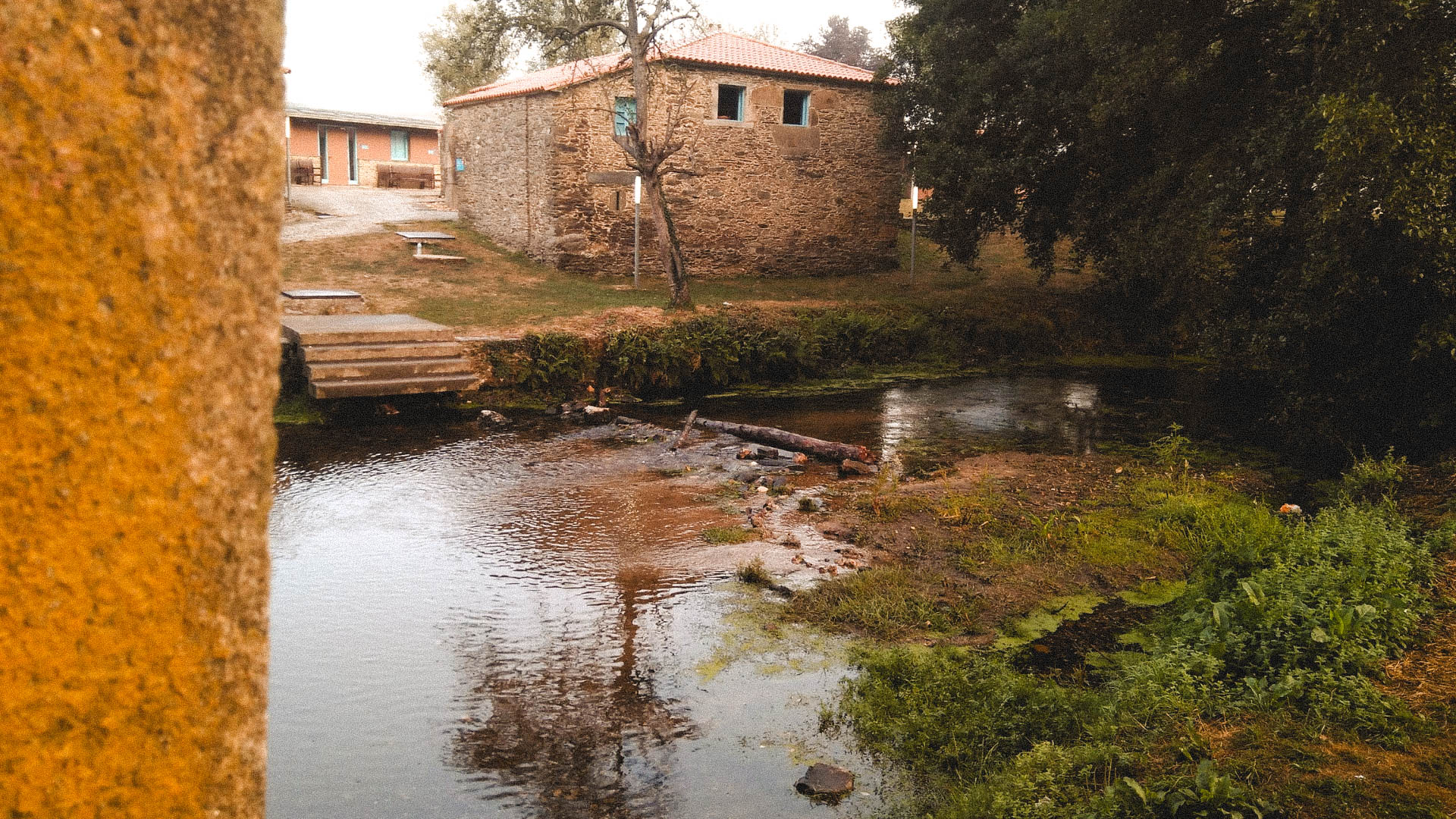
Hórreo a la entrada del hotel rural Casa do Hórreo en Ferreiros con peregrinos y naturaleza en un día encapotadoForests and streams accompany you

Distance: 13.4 miles – 21,6 km

Leaving Melide, the Camino continues through a tranquil landscape of forests, fields, and small rural settlements, maintaining the gentle character of the Galician interior. This stage is comfortable and flowing, ideal for walking mindfully and appreciating the simplicity of the journey.

The path alternates between woodland trails and country lanes bordered by stone walls, passing through villages that seem untouched by time. These quiet stretches encourage reflection and highlight the strong bond between the Camino, the land, and the people who have lived here for generations.

The day ends in Calle de Ferreiros, a small and peaceful pilgrim stop surrounded by greenery. Its rural setting and welcoming atmosphere make it an ideal place to rest and recharge, continuing the Camino with renewed energy and a deeper sense of connection to Galicia’s landscape and spirit.
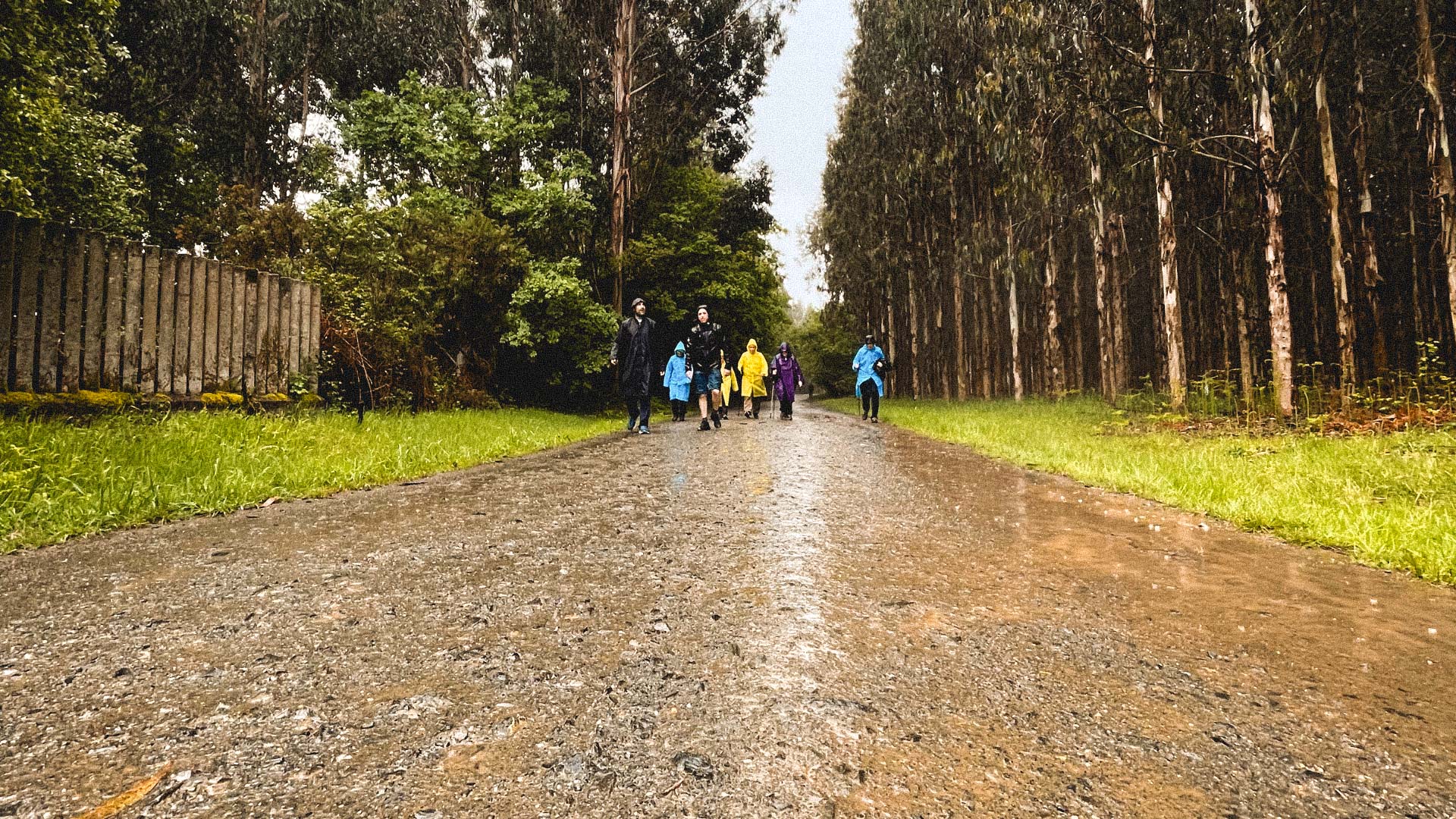
Peregrinos caminando por pista forestal de grava bajo la lluvia en el tramo hacia Lavacolla en el Camino de SantiagoThe final stage of the journey to Santiago

Distance: 13.2 miles – 21,3 km

Lavacolla is traditionally known as the place where pilgrims performed a final act of purification before entering Santiago. According to historical accounts, walkers washed themselves in the waters of the Sionlla River, symbolically cleansing body and spirit in preparation for reaching their ultimate destination.

This ritual is documented in the Codex Calixtinus, reinforcing Lavacolla’s importance within the Jacobean tradition. Far from being just a passing village, it represents a meaningful threshold, a moment of pause, reflection, and emotional preparation before the culmination of the pilgrimage.

In the village, pilgrims can visit the Parish of San Pelayo de Sabugueira, a classical-style church built in 1840 that adds historical and spiritual depth to the stop. Thanks to its close proximity to Cathedral of Santiago, Lavacolla marks the final overnight stage for many pilgrims, heightening the sense of anticipation and emotion before the long-awaited arrival in Santiago de Compostela.
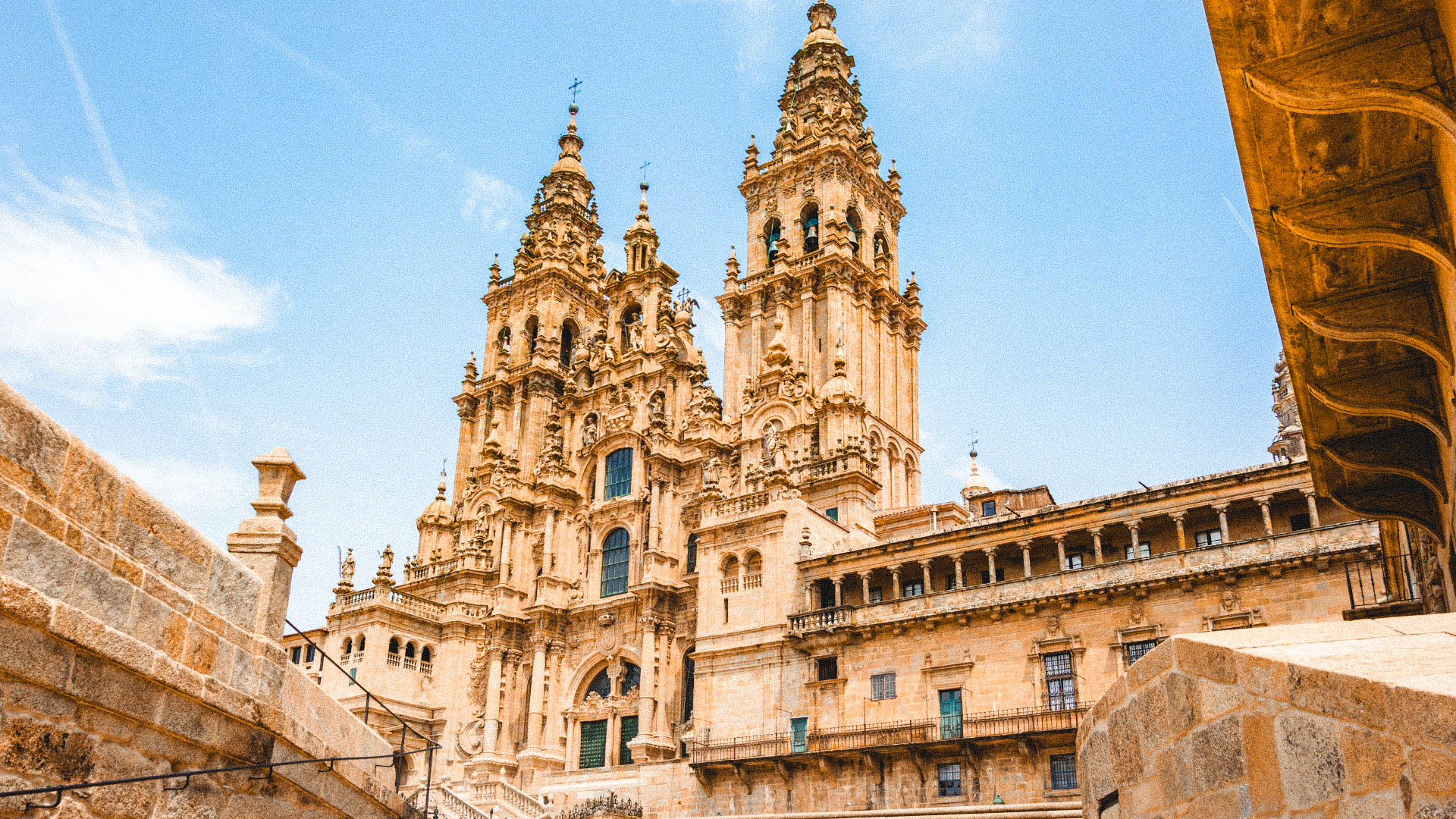
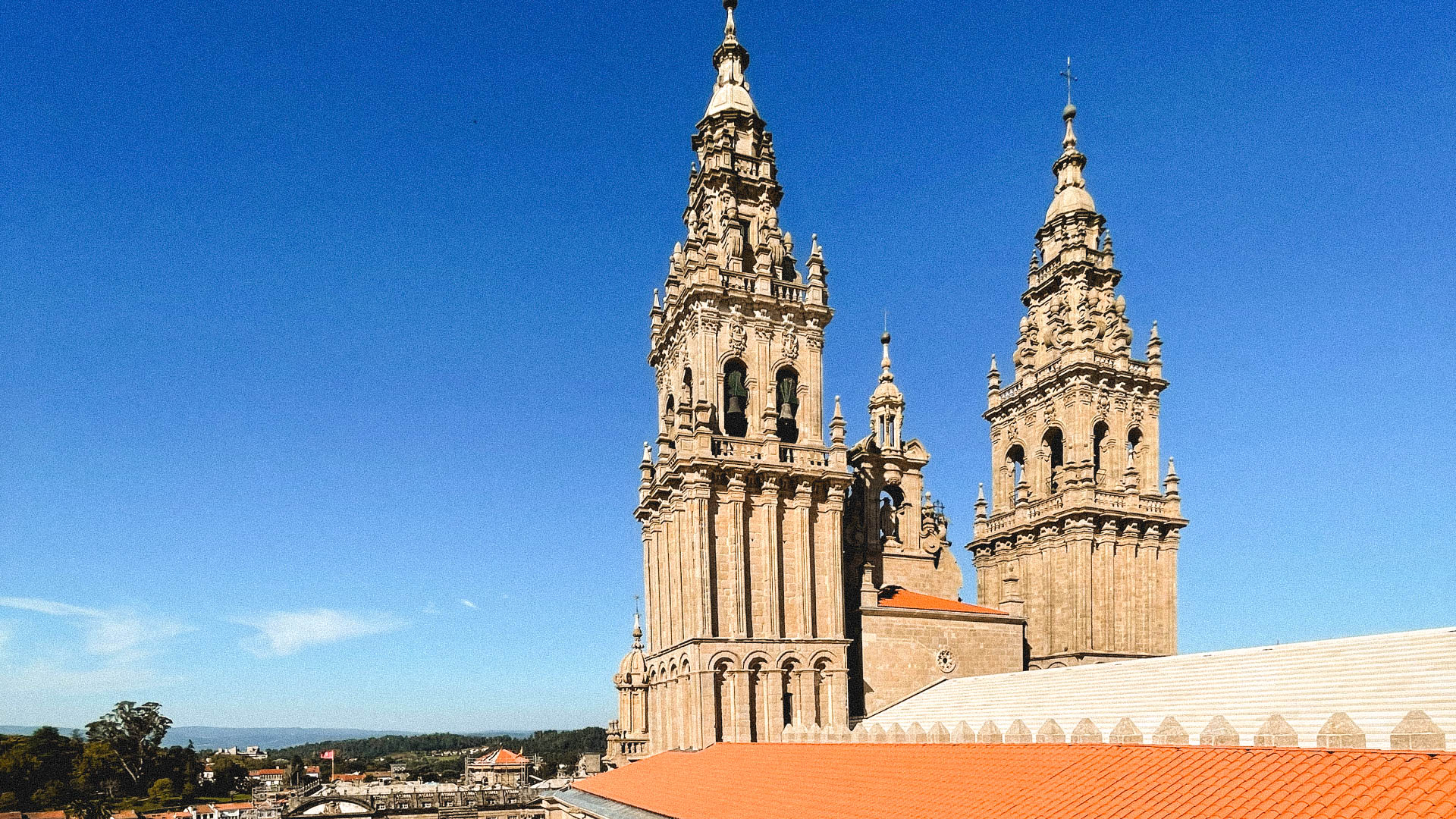
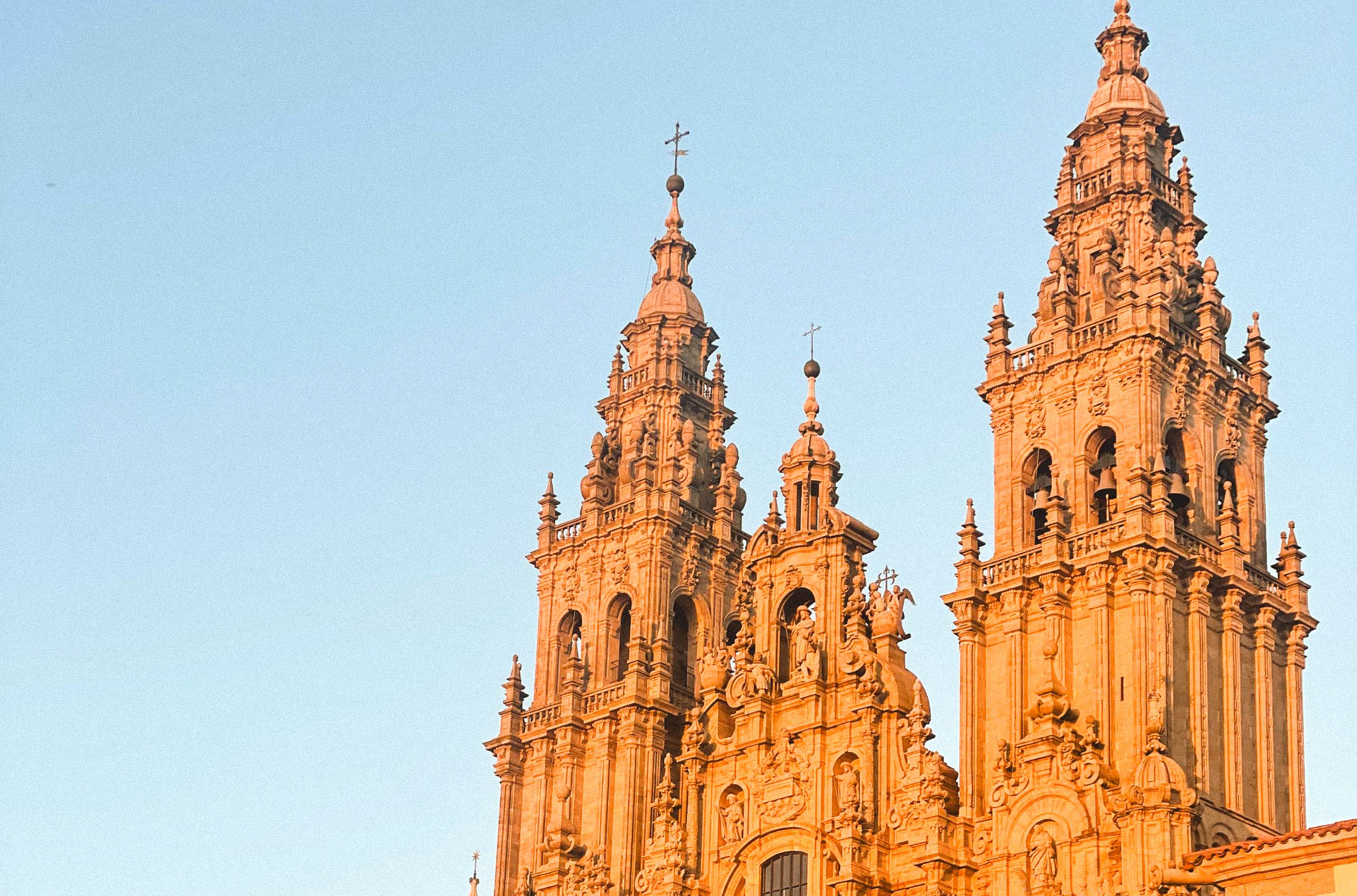
Fachada lateral de la Catedral de Santiago de Compostela vista desde la Plaza del Obradoiro en un día despejadoThe final touch to your own journey

Distance: 6.2 miles – 10 km

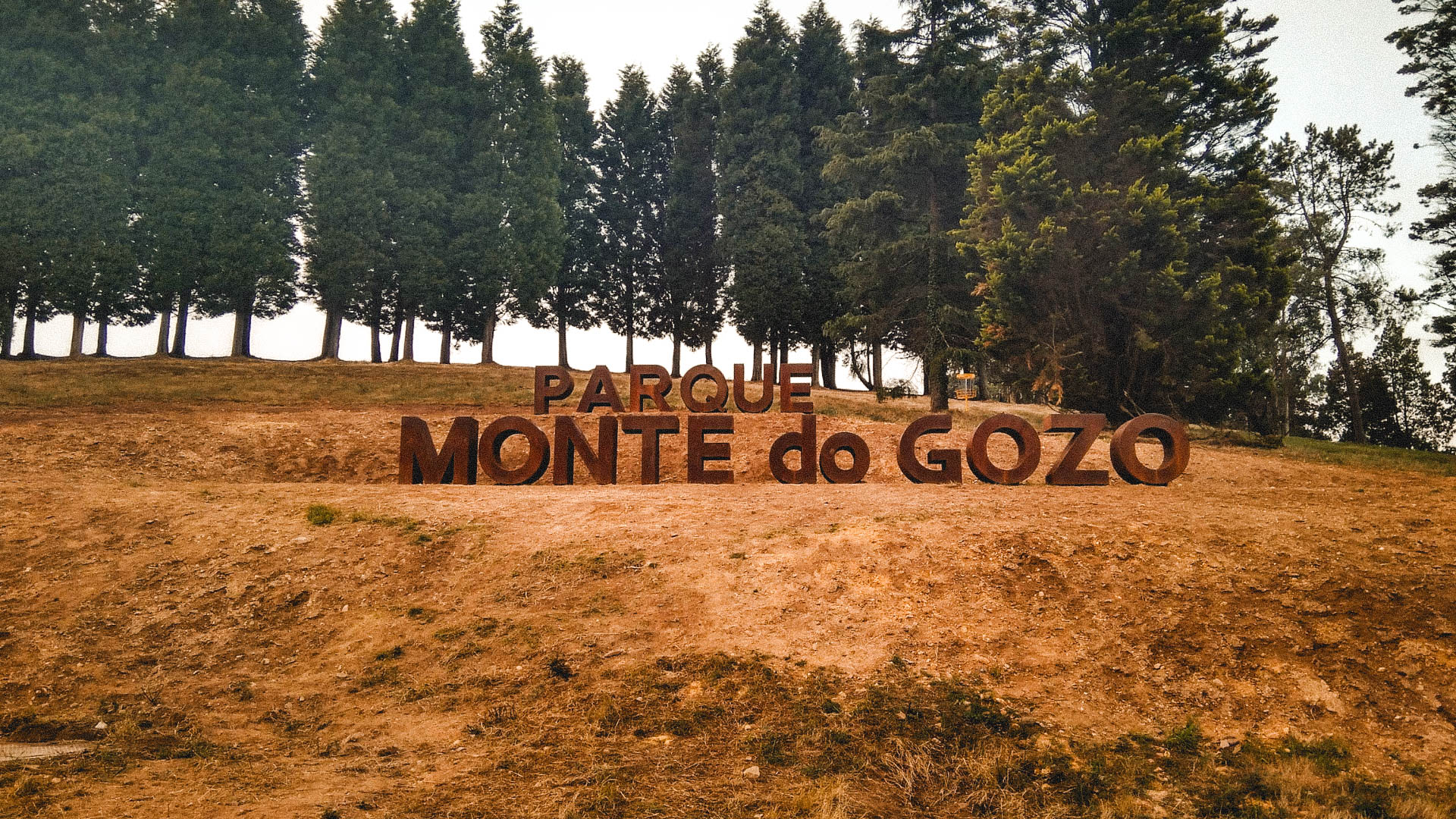
The moderate ascent to Monte do Gozo is the final challenge before the great reward. Upon reaching Monte do Gozo, you will feel the closeness of your destination, with the first views of the cathedral appearing on the horizon and filling you with emotion. The excitement builds as you approach the heart of Santiago.

Finally, you will arrive at the Plaza del Obradoiro, Santiago’s heart, completing your pilgrimage with the embrace of the Saint, a visit to his tomb, attending the Pilgrim’s Mass, or collecting your Compostela. Take time to celebrate the moment by enjoying Santiago’s local gastronomy, tasting fresh seafood, traditional Galician dishes, and a well-deserved glass of wine.

This marks the end of a unique experience that will remain in your memory as a journey of self-reflection, achievement, and gratitude.

Congratulations, pilgrim!

Route

1
O Cebreiro - Triacastela

A day of mountains, nature and traditions

Distance: 12.8 miles – 20,6 km

From the picturesque village of O Cebreiro, your route will take you through the stunning Galician landscapes, leading to Triacastela on an easy and charming journey. Along the way, you’ll enjoy breathtaking views of lush meadows and dense forests, where oaks, chestnuts, pines, and eucalyptus trees create a truly unique setting.

You’ll also have the chance to explore quaint villages, each home to Romanesque churches that stand as silent witnesses to the region’s rich history. Every corner of the path invites you to pause, take in the peaceful surroundings, and embrace the traditions of these timeless places.

Upon arriving in Triacastela, you’ll be welcomed by the Church of Santiago, featuring its Romanesque architecture and Baroque façade, a site of great beauty and serenity. You may also visit the Eiros Cave, a prehistoric site dating back over 35,000 years, offering a fascinating glimpse into humanity’s early history. A journey filled with nature, history, and a touch of mystery awaits you.

2
Triacastela - Samos

Monasterio San Julián y Santa Basilisa de Samos al atardecer, rodeado de naturaleza y frente al ríoHistoric architecture and the lush, captivating landscape

Distance: 6.3 miles – 10,2 km

The stage from Triacastela to Samos, spanning approximately 11 km, is one of the most relaxing and enchanting sections of the Camino. The journey begins in Triacastela and winds through the picturesque Samos Valley, surrounded by lush vegetation and charming villages.

The final destination, Samos, is home to the magnificent Monastery of San Julián, a true historical treasure. With over 1,500 years of history, this monastery stands as one of the oldest in Spain. Its impressive architecture and peaceful cloister invite reflection, immersing you in the serenity of this place of great religious and cultural significance.

Throughout this stage, you’ll be surrounded by green valleys and rolling hills, offering a much more tranquil setting compared to other sections of the Camino.

3
Samos - Vilei

Vilei: a hidden alternative

Distance: 11.2 miles – 18,1 km

Samos is best known for its impressive Monastery of Samos, a 16th-century Benedictine complex surrounded by mountains, forests, and silence. Walking away from the monastery feels almost ceremonial, as nature and spirituality merge from the very first steps.

Along the way, the Camino approaches Sarria, one of the most important towns on the Camino Francés. With its long pilgrim tradition, wide range of services, and historical landmarks such as the Torre da Fortaleza, Sarria represents a lively contrast to the tranquility of Samos and marks the symbolic beginning of the final 100 kilometers to Santiago.

Leaving Sarria behind, the path leads to Vilei, a small rural village that offers a warm and authentic pilgrim atmosphere. Surrounded by greenery and far from the bustle, Vilei is an ideal place to rest, reflect, and regain strength.

4
Vilei - Portomarín

Jose Mari posando en la escalinata de la capilla de las Nieves en Portomarín con la concha del Camino de Santiago al frente en un día soleadoFrom Sarria, we face the final 6.2 miles – 100 kilometers

Distance: 11.6 miles – 18,6 km

The Camino crosses green meadows and dense oak and chestnut forests, where shade and birdsong accompany pilgrims along peaceful paths that invite an unhurried pace.

As the route progresses, it follows traditional lanes bordered by stone walls, passing small hamlets and farmland that reflect the essence of Galician rural life. This landscape, shaped by centuries of tradition, offers a strong sense of authenticity and connection to the land.

The stage concludes in Portomarín, a historic town set above the Miño River. Here, pilgrims are welcomed by architectural landmarks such as the Church of San Nicolás, a striking fortress church that tells the story of the town’s relocation stone by stone. With its gentle terrain, shaded trails, and rich history, this stage is a peaceful and rewarding journey through the heart of Galicia.

5
Portomarín - Palas de Rei

Cruceiro junto a la iglesia de San Xulián do Camiño con hórreo y peregrino tomando una foto en el Camino de SantiagoCrossing traditional Galicia

Distance: 15.4 miles – 24,8 km

Starting in Portomarín, this village was rebuilt stone by stone after the creation of the Belesar reservoir. Along the way, you can admire the 12th-century Fortress Church, a magnificent example of medieval Galician architecture with an imposing presence.

The journey continues toward Castro de Castromaior, an Iron Age archaeological site that offers a glimpse into Galicia’s prehistoric past. Here, surrounded by mountains and green fields, history comes alive, providing a unique cultural and natural immersion.

Arriving in Palas de Rei, the stage ends with a look at its architectural heritage, including the 12th-century Church of San Tirso and the 18th-century Church of Santiago. In this charming Galician town, pilgrims enjoy a peaceful and traditional atmosphere, surrounded by the natural beauty of the region.

6
Palas de Rei - Melide

Plato de pulpo a la gallega con pimentón típico de Melide en la etapa Palas de Rei–MelideTraditional pulperías await you

Distance: 8.9 miles – 14,4 km

The Palas de Rei to Melide stage takes you through beautiful forests, green meadows, and picturesque villages in the Ulloa region.

This stage marks the transition from Lugo to A Coruña, immersing you even further in the essence of rural Galicia. As you progress, the landscape becomes more diverse, with peaceful trails leading to your final destination: Melide.

Here, you’ll have the chance to savor one of its most iconic delicacies: pulpo a la gallega. Melide is one of the most famous spots along the Camino de Santiago to enjoy this exquisite culinary tradition

7
Melide - A Calle de Ferreiros

Hórreo a la entrada del hotel rural Casa do Hórreo en Ferreiros con peregrinos y naturaleza en un día encapotadoForests and streams accompany you

Distance: 13.4 miles – 21,6 km

Leaving Melide, the Camino continues through a tranquil landscape of forests, fields, and small rural settlements, maintaining the gentle character of the Galician interior. This stage is comfortable and flowing, ideal for walking mindfully and appreciating the simplicity of the journey.

The path alternates between woodland trails and country lanes bordered by stone walls, passing through villages that seem untouched by time. These quiet stretches encourage reflection and highlight the strong bond between the Camino, the land, and the people who have lived here for generations.

The day ends in Calle de Ferreiros, a small and peaceful pilgrim stop surrounded by greenery. Its rural setting and welcoming atmosphere make it an ideal place to rest and recharge, continuing the Camino with renewed energy and a deeper sense of connection to Galicia’s landscape and spirit.

8
A Calle de Ferreiros - Lavacolla

Peregrinos caminando por pista forestal de grava bajo la lluvia en el tramo hacia Lavacolla en el Camino de SantiagoThe final stage of the journey to Santiago

Distance: 13.2 miles – 21,3 km

Lavacolla is traditionally known as the place where pilgrims performed a final act of purification before entering Santiago. According to historical accounts, walkers washed themselves in the waters of the Sionlla River, symbolically cleansing body and spirit in preparation for reaching their ultimate destination.

This ritual is documented in the Codex Calixtinus, reinforcing Lavacolla’s importance within the Jacobean tradition. Far from being just a passing village, it represents a meaningful threshold, a moment of pause, reflection, and emotional preparation before the culmination of the pilgrimage.

In the village, pilgrims can visit the Parish of San Pelayo de Sabugueira, a classical-style church built in 1840 that adds historical and spiritual depth to the stop. Thanks to its close proximity to Cathedral of Santiago, Lavacolla marks the final overnight stage for many pilgrims, heightening the sense of anticipation and emotion before the long-awaited arrival in Santiago de Compostela.

9
Lavacolla - Santiago de Compostela

Fachada lateral de la Catedral de Santiago de Compostela vista desde la Plaza del Obradoiro en un día despejadoThe final touch to your own journey

Distance: 6.2 miles – 10 km

The moderate ascent to Monte do Gozo is the final challenge before the great reward. Upon reaching Monte do Gozo, you will feel the closeness of your destination, with the first views of the cathedral appearing on the horizon and filling you with emotion. The excitement builds as you approach the heart of Santiago.

Finally, you will arrive at the Plaza del Obradoiro, Santiago’s heart, completing your pilgrimage with the embrace of the Saint, a visit to his tomb, attending the Pilgrim’s Mass, or collecting your Compostela. Take time to celebrate the moment by enjoying Santiago’s local gastronomy, tasting fresh seafood, traditional Galician dishes, and a well-deserved glass of wine.

This marks the end of a unique experience that will remain in your memory as a journey of self-reflection, achievement, and gratitude.

Congratulations, pilgrim!
BOOK

Make your Camino unique

Experiences
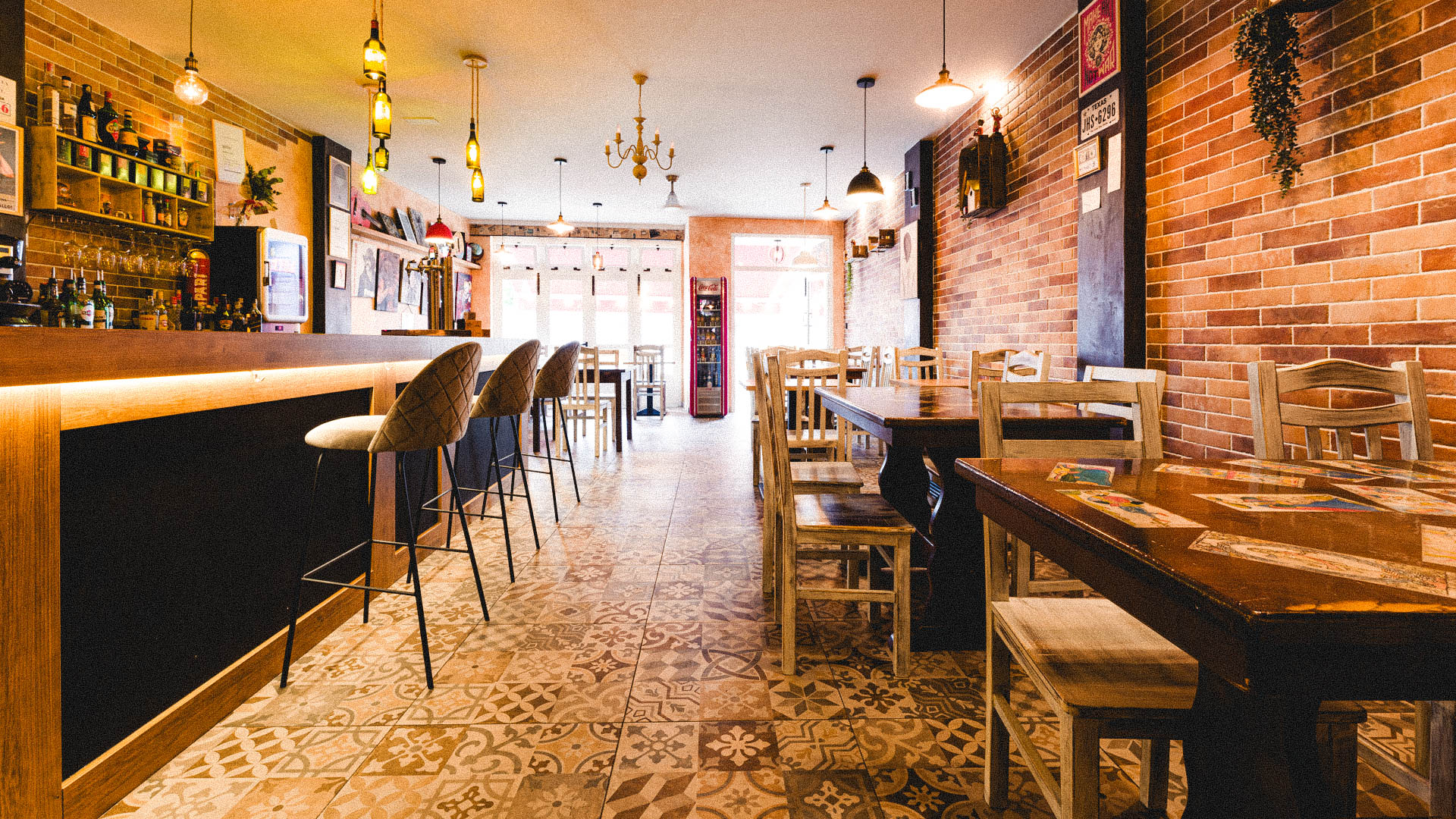
Restaurants
Hotels

Exploring the Cathedral of Santiago de Compostela rooftops

SEE MORE

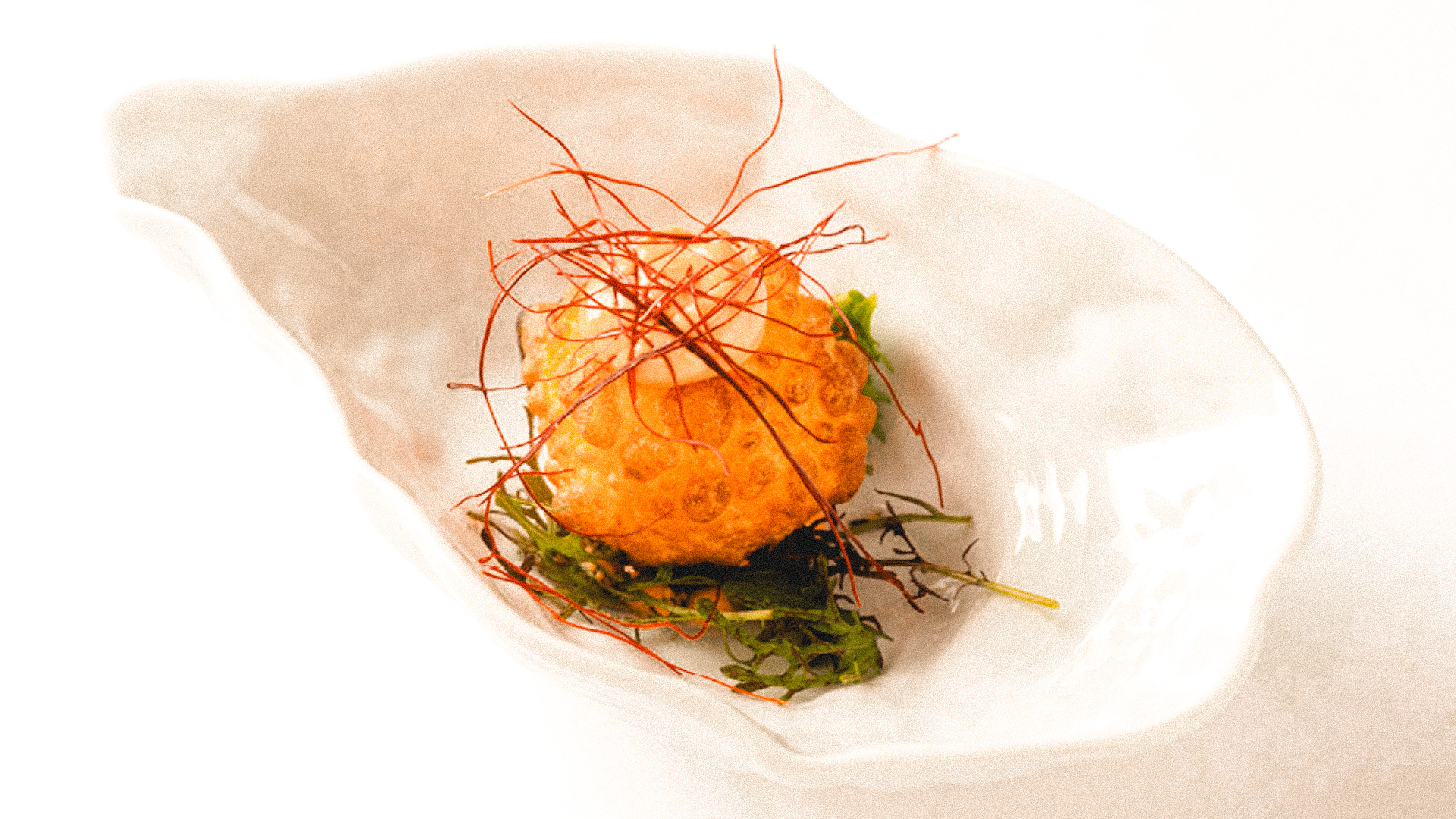
Exploring Santiago de Compostela: history and gastronomy

SEE MORE

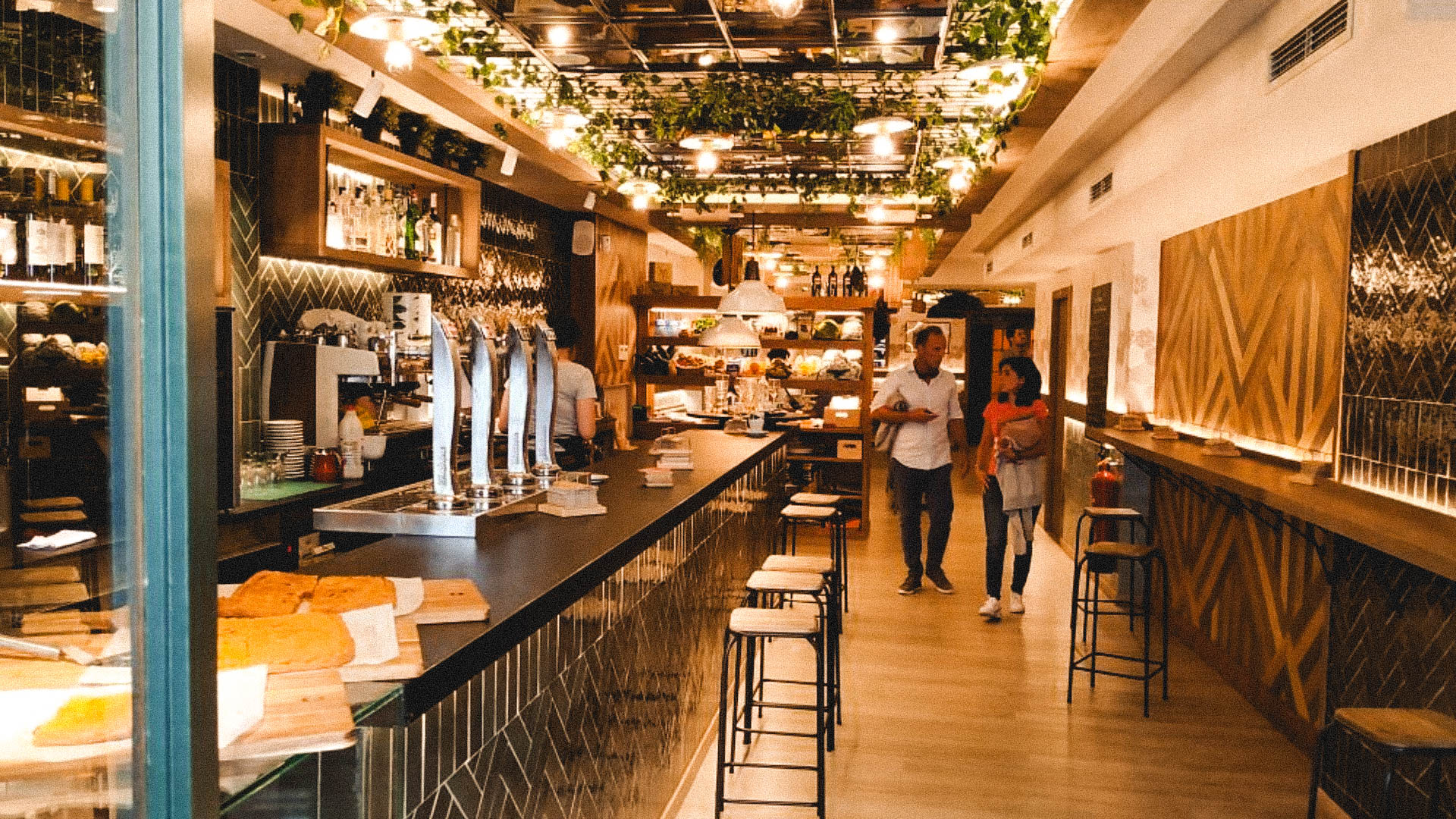
Tapas tour in Santiago de Compostela

SEE MORE

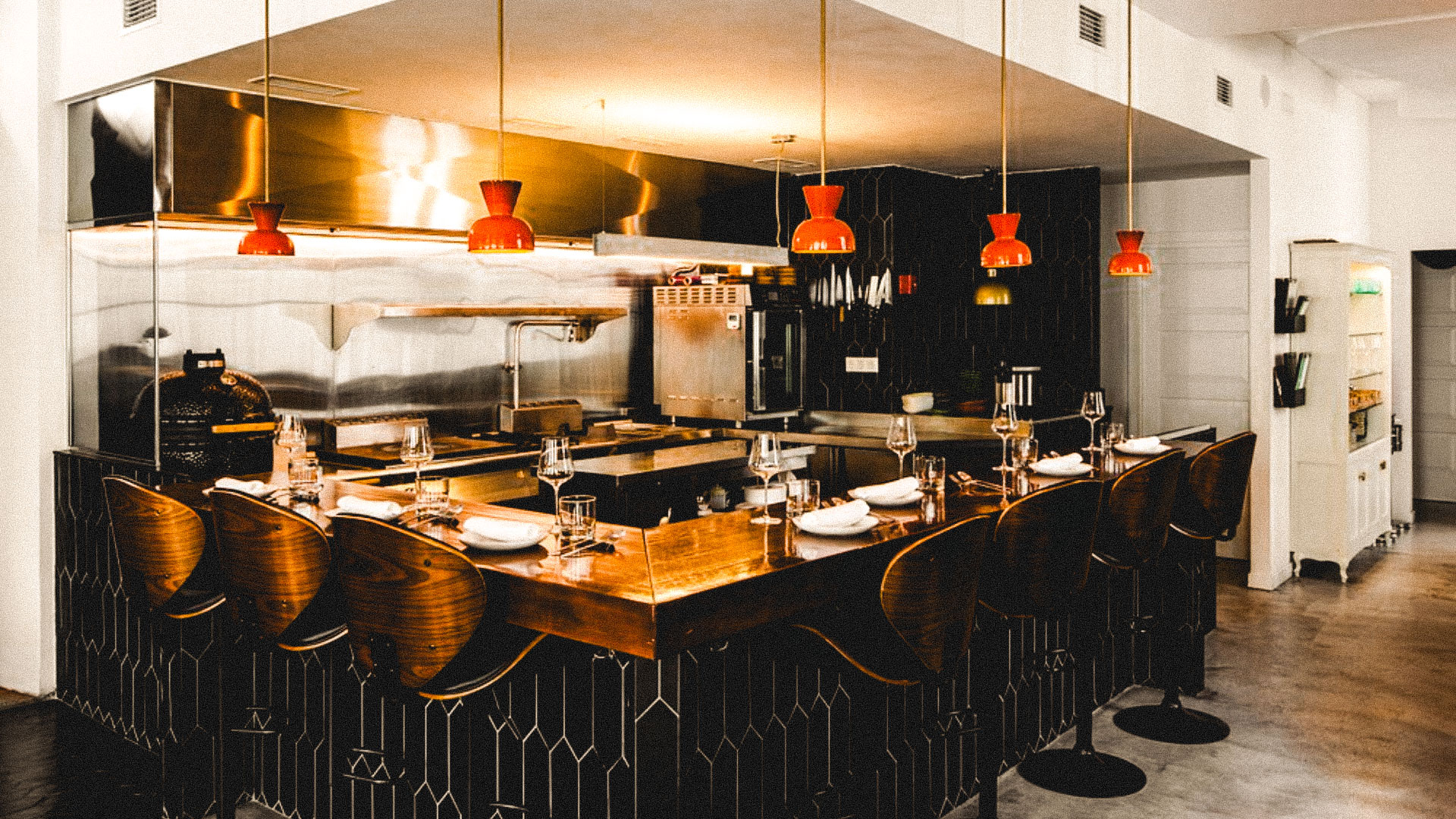
Il Fornaccio restaurant

SEE MORE

Gaio restaurant

SEE MORE

ANACO restaurant

SEE MORE

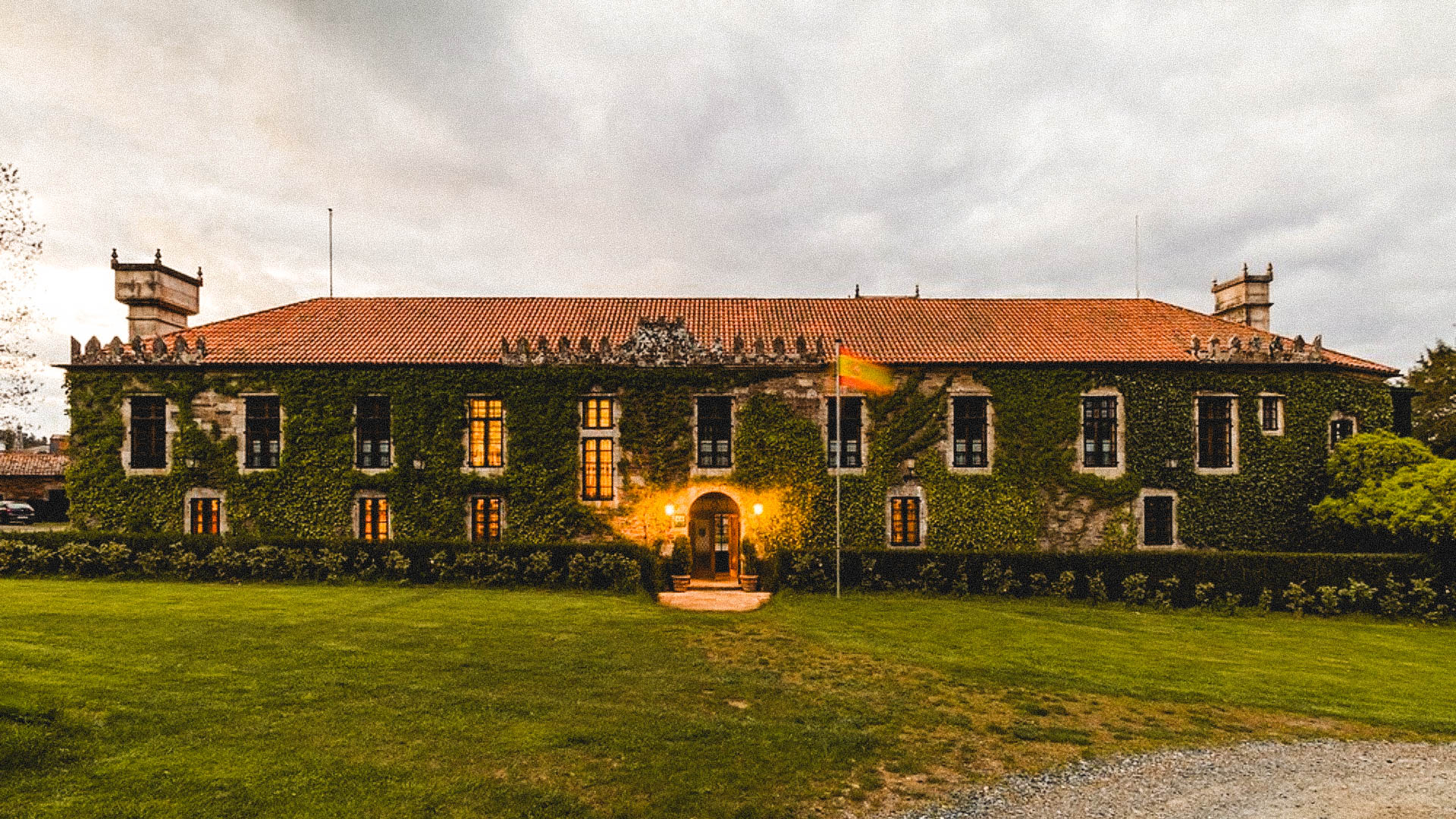
The Pazo Brandeso

SEE MORE

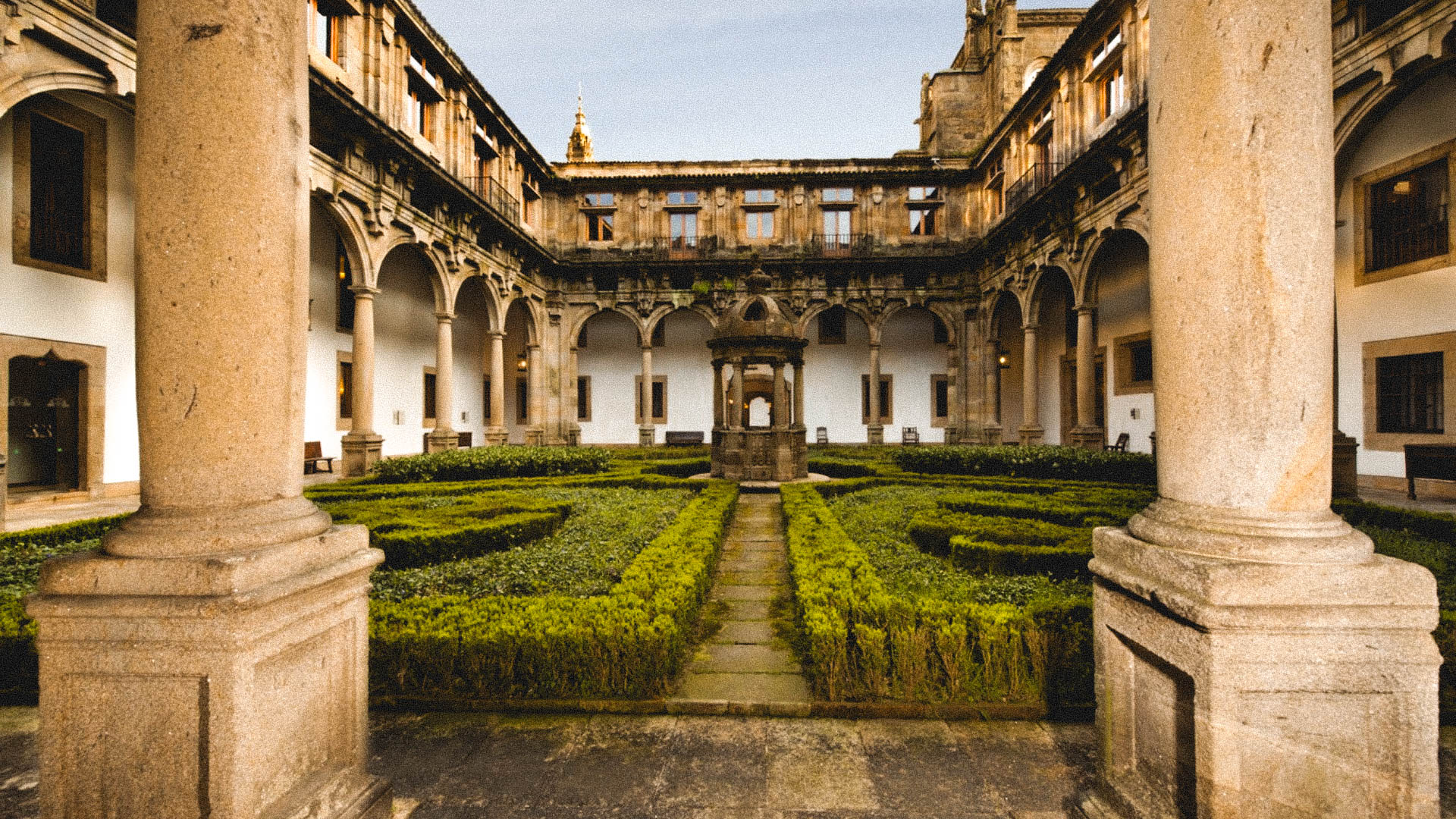
The Parador de Santiago

SEE MORE

Plaza Obradoiro Hotel

SEE MORE

What’s included in your Camino?

Included

  • Private accommodation with en-suite bathroom (depending on chosen category)
  • Daily breakfast
  • Insurance
  • 24/7 emergency phone assistance
  • Detailed Camino guide with stages, maps, and tips
  • Daily WhatsApp check-in and support
  • Camino People welcome pack
  • Personalized recommendations for meals, dinners, and local visits
  • Luggage transfer between stages

Not Included

  • Lunches and dinners not specified in the itinerary
  • Drinks and extra snacks
  • Flights or travel to the starting/ending point (optional transfer available)
  • Personal expenses
  • Cancellation or premium travel insurance (optional)
  • Entrance fees to monuments or museums not included in the itinerary
  • Tips

Extras (Available upon request)

  • Guided Camino (full-time or selected stages)
  • Fully organized trip with exclusive activities
  • Gourmet dinners or unique gastronomic experiences
  • Private cultural visits or entrance tickets with guide
  • Transportation to/from airport or other off-route locations
  • Extra nights before or after the Camino
  • Massage, physiotherapy, or yoga services
  • Cancellation or premium travel insurance
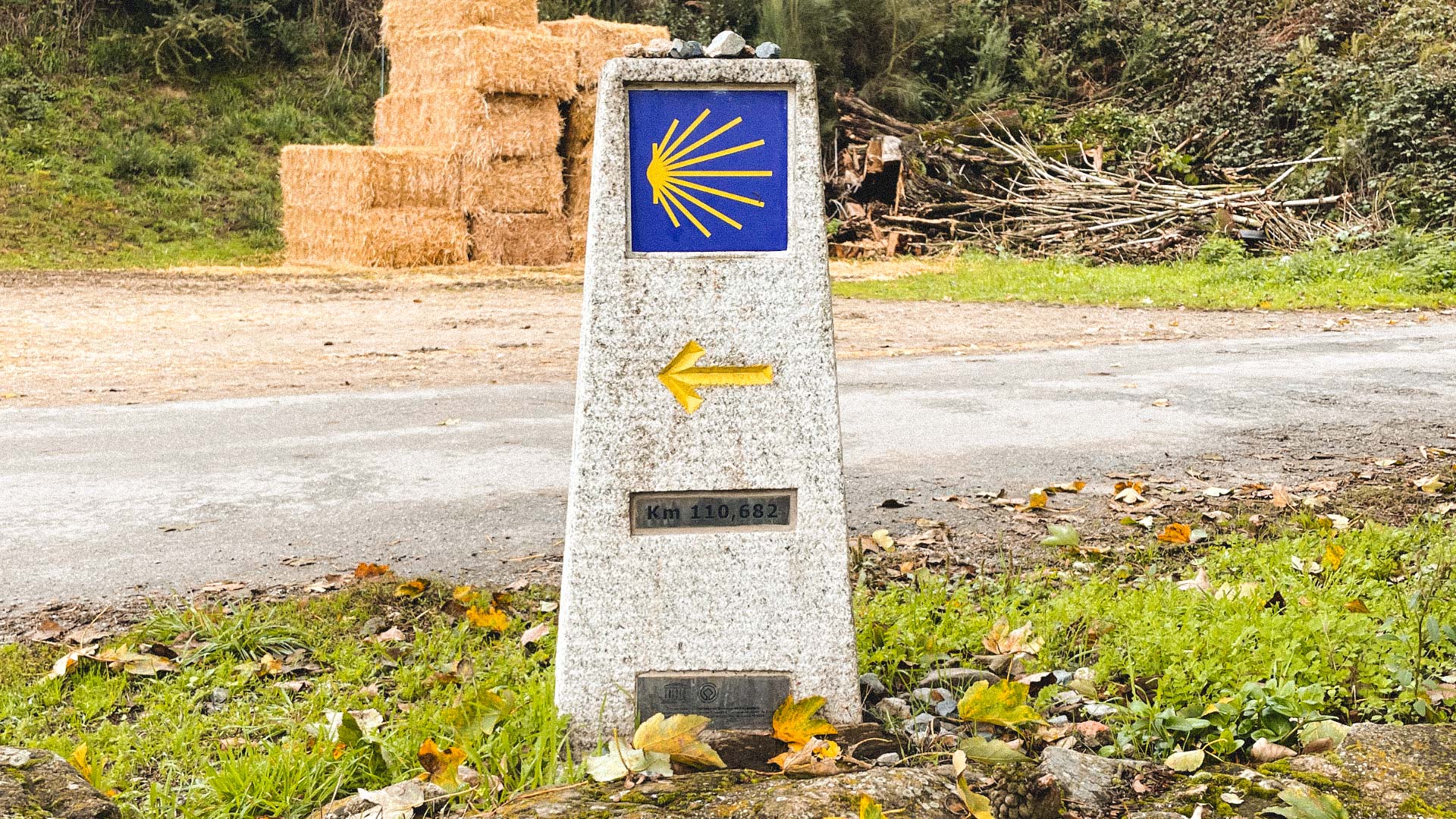
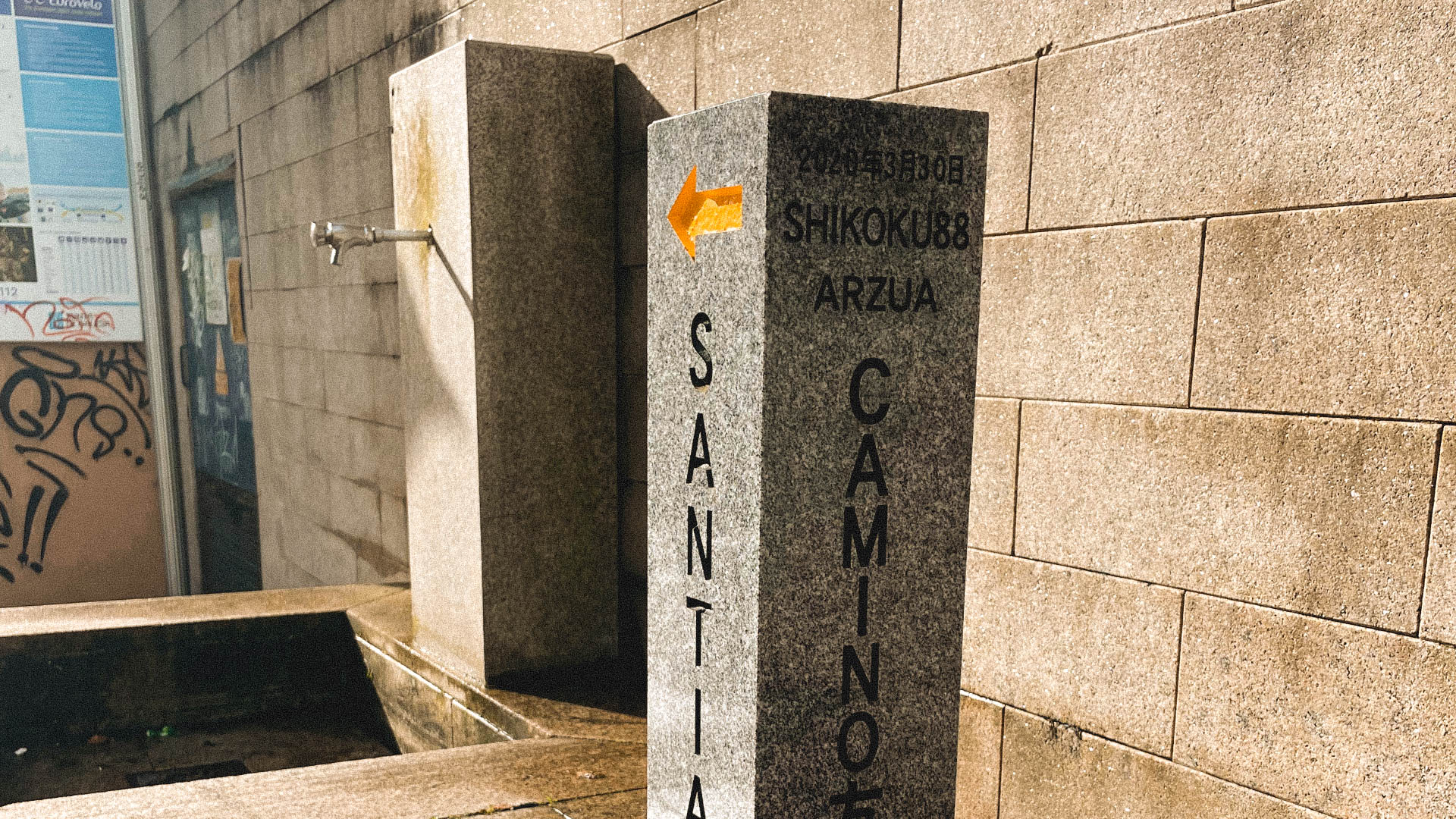
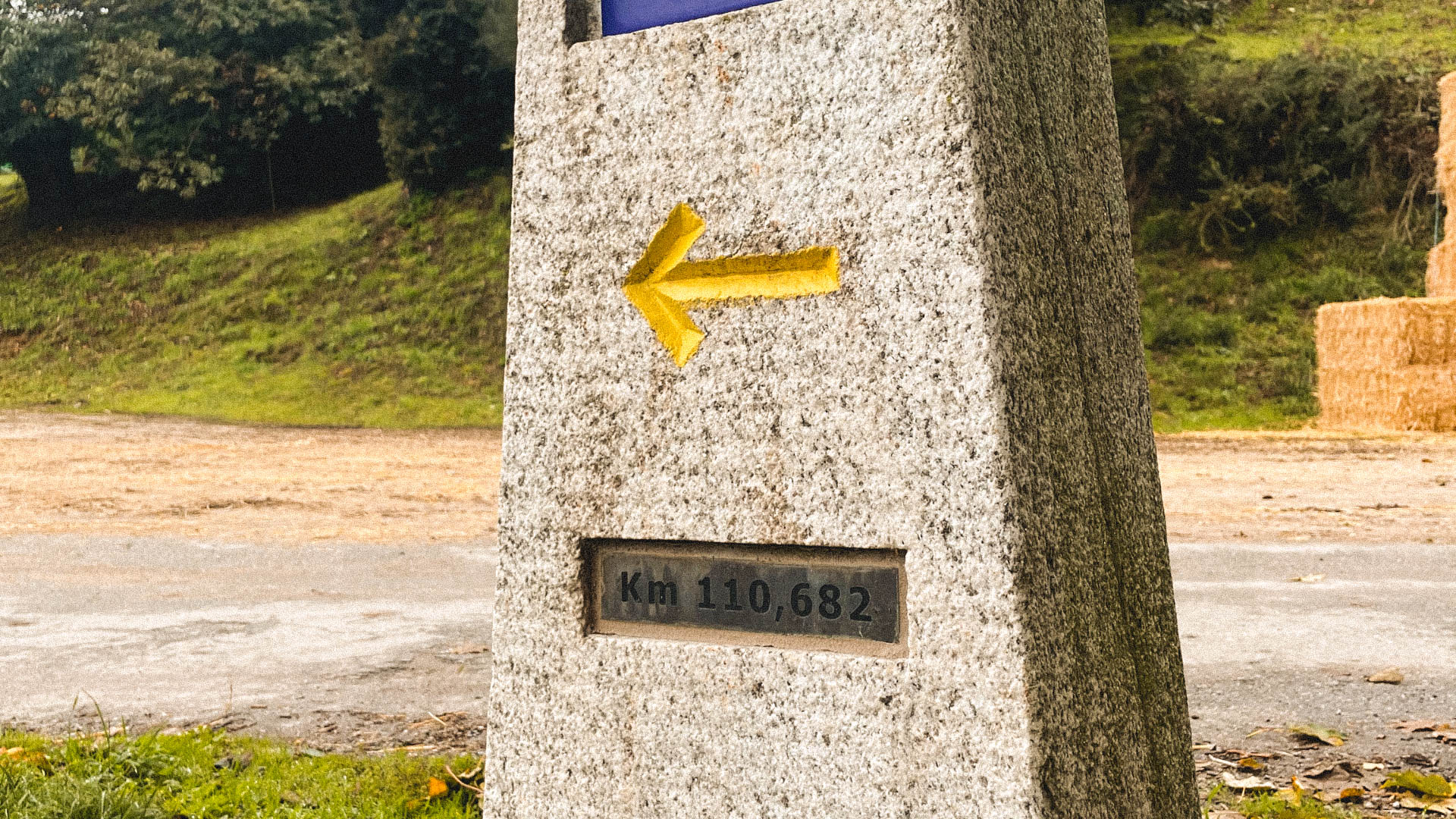
Hito del Camino de Santiago en la etapa Palas de Rei–Arzúa con flecha amarilla
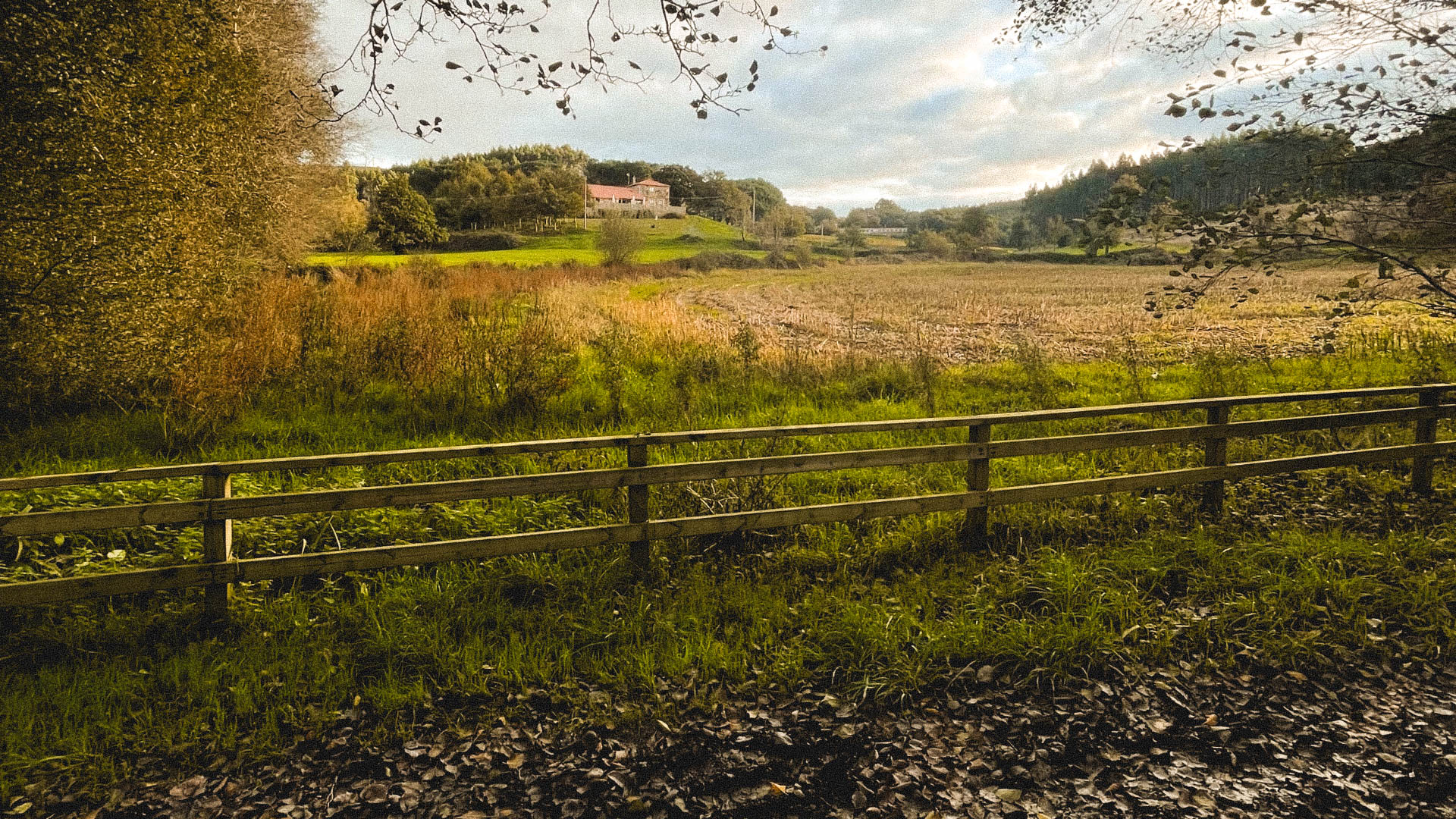
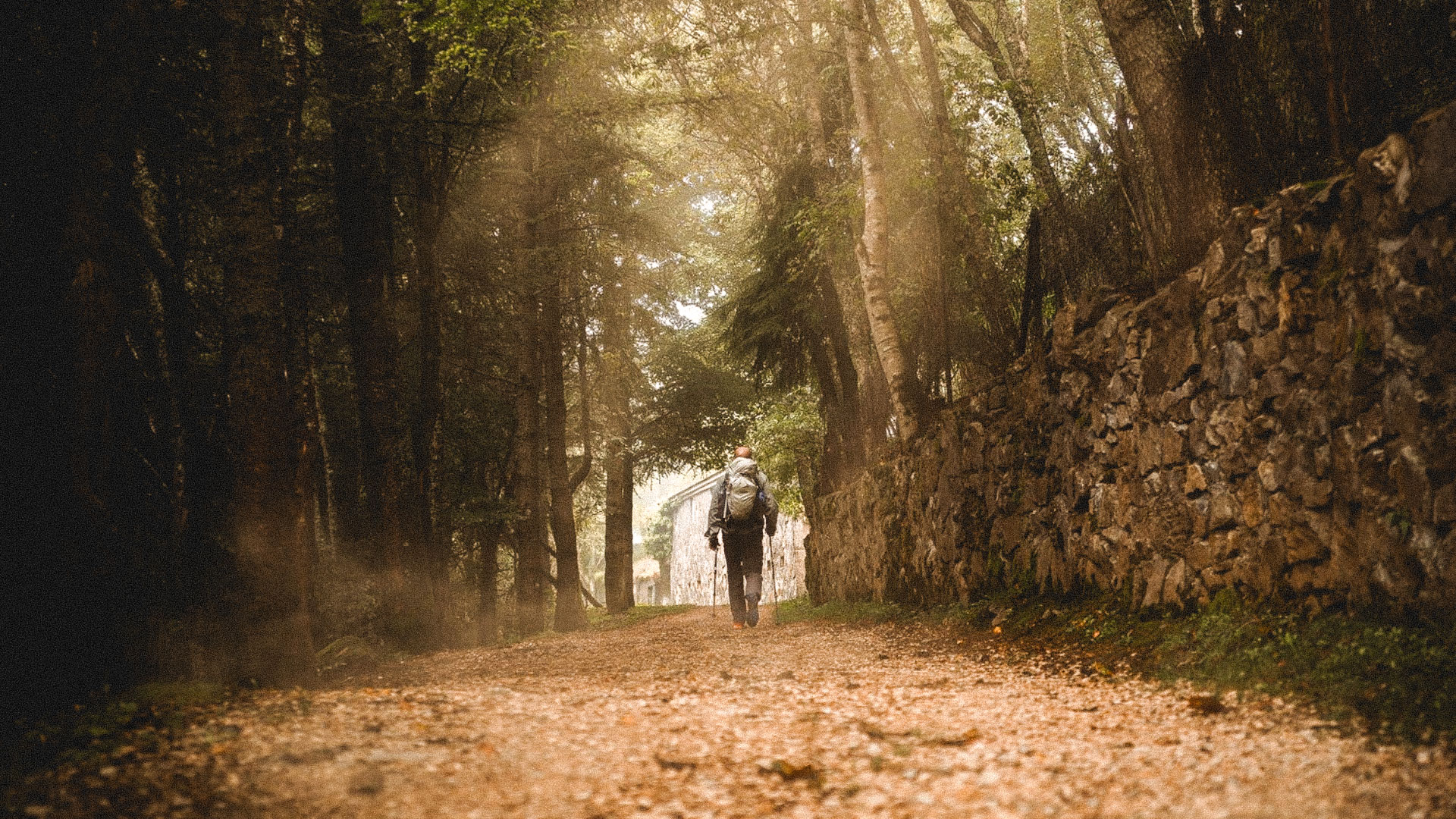
Camino de grava rodeado de bosque con peregrino al fondo y luz filtrándose entre los árboles

FAQ

How many days does it take to walk from O Cebreiro to Santiago de Compostela?

The stage from O Cebreiro to Santiago de Compostela covers approximately 93.2 miles – 150 kilometers. Pilgrims usually take between 5 and 7 days to complete it, depending on their pace, stops, and available time. It is recommended to divide the journey into 5 or 6 stages to fully enjoy the experience without rushing.

Is this stage difficult for walkers?

In general, this route does not present major technical difficulties, but some sections can be challenging due to the ascents and descents, especially in the early stages. The initial part of the Camino crosses mountains and forests, but it is entirely accessible for walkers with some prior experience.

What can I do in Santiago de Compostela after arriving?

Once you reach Santiago, the most common tradition is visiting the Cathedral of Santiago for the symbolic embrace of the Saint and a visit to his tomb. Many pilgrims also attend the Pilgrim’s Mass, held at noon in the cathedral.

Beyond the spiritual experience, Santiago offers a rich history, stunning monuments, lively bars, and charming shops where pilgrims can relax and share their journey with others.

You can also explore some of the activities we recommend in the “Experiences” section.

Related Caminos

Camino de Santiago Francés

35 days - 34 nights

desde

8.000 €

Camino Francés from Astorga

13 days - 12 nights

desde

2.700 €

Camino Francés from Sarria (6 stages)

6 days - 5 nights

desde

1.500 €