 History, nature and a bridge to the past
Distance: 13,8 miles – 22,2 km
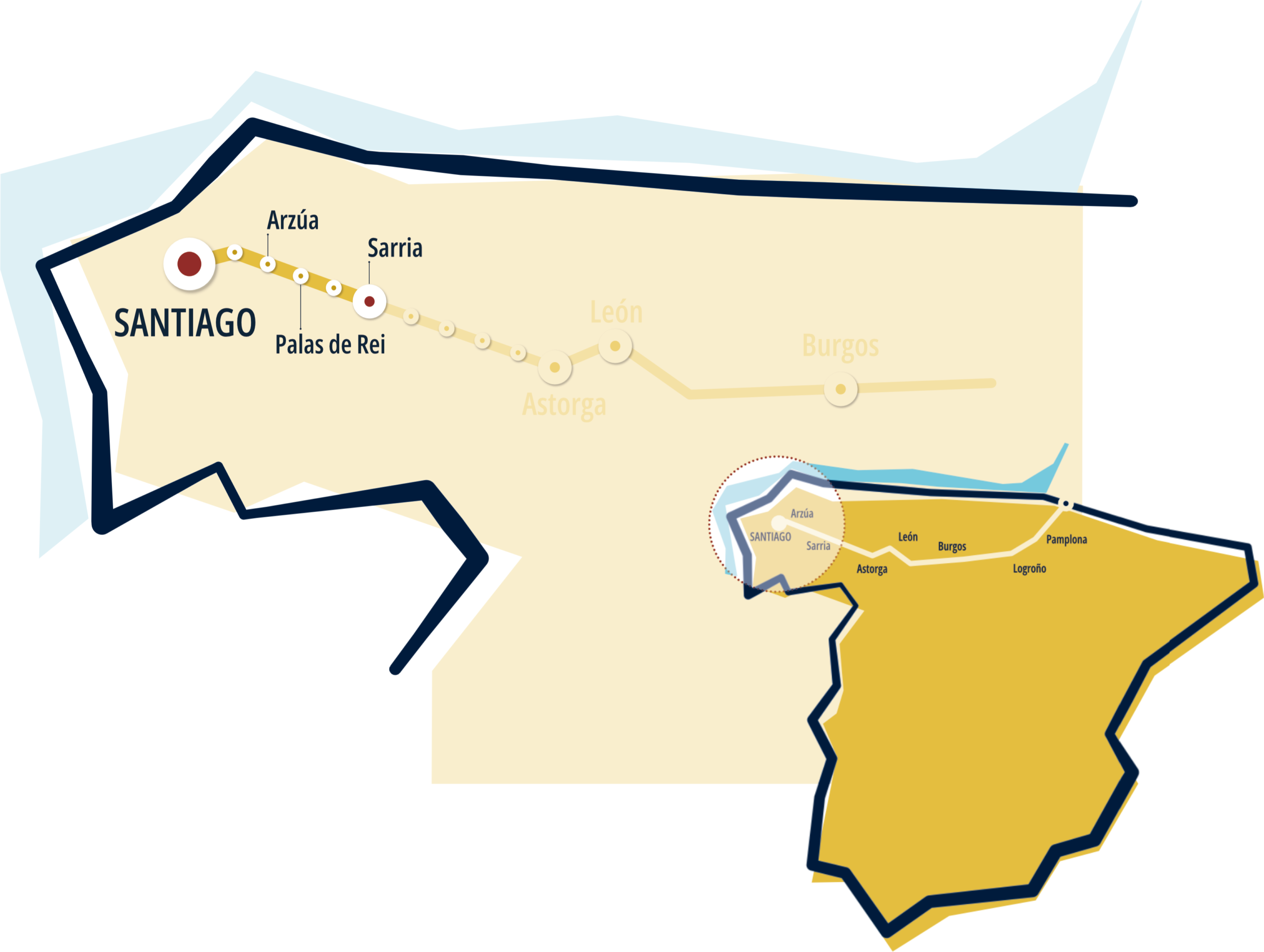
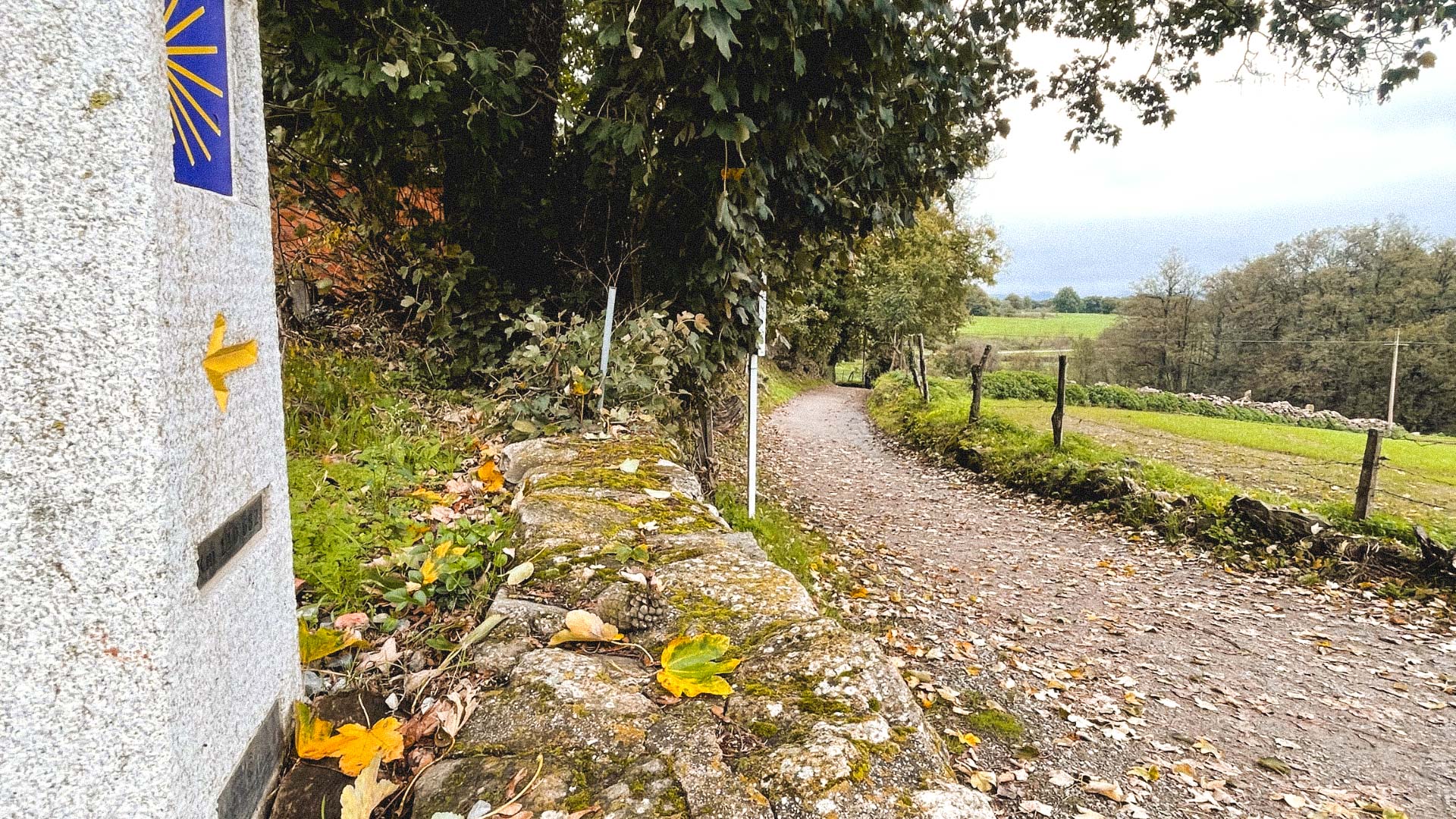
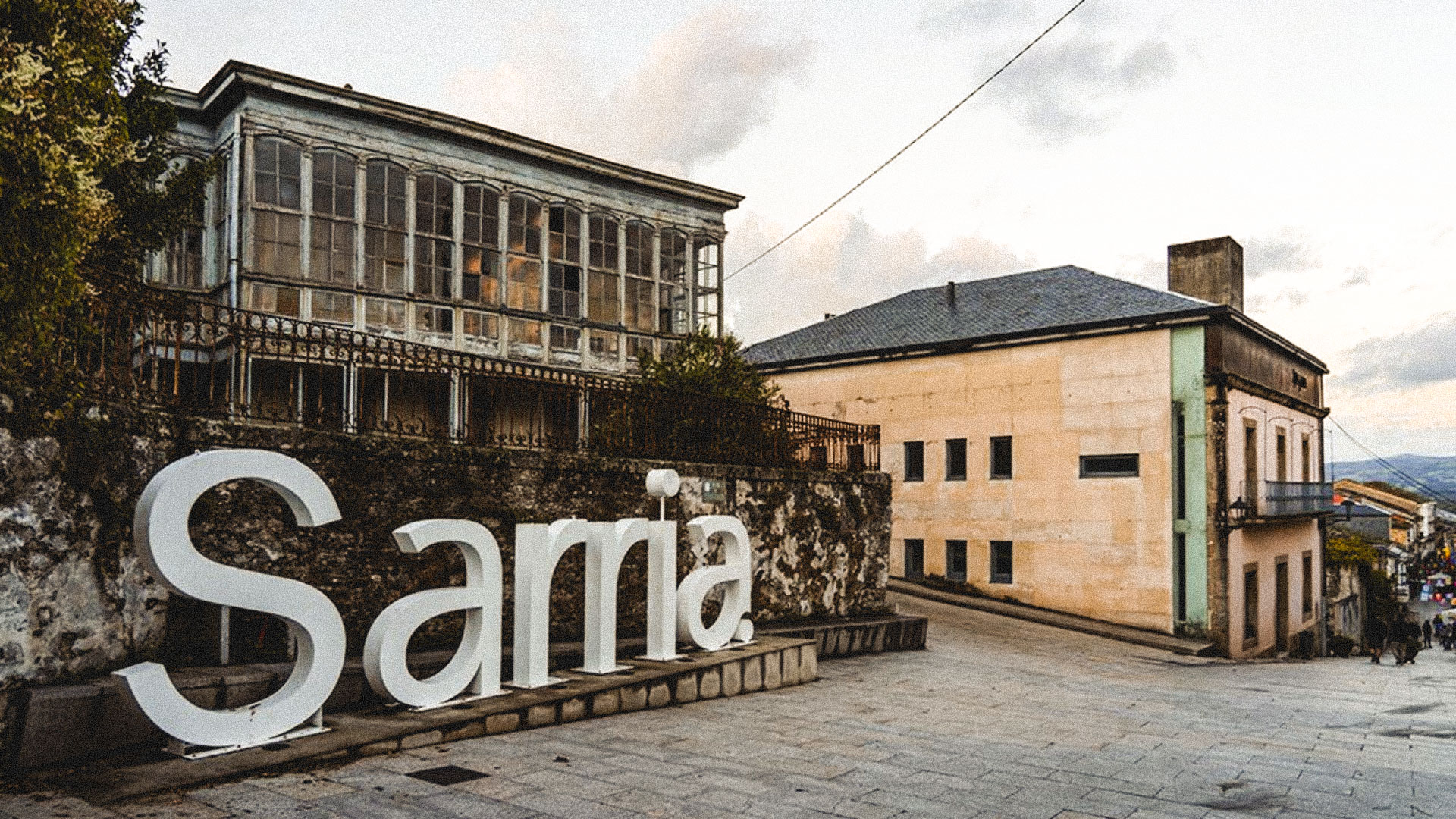
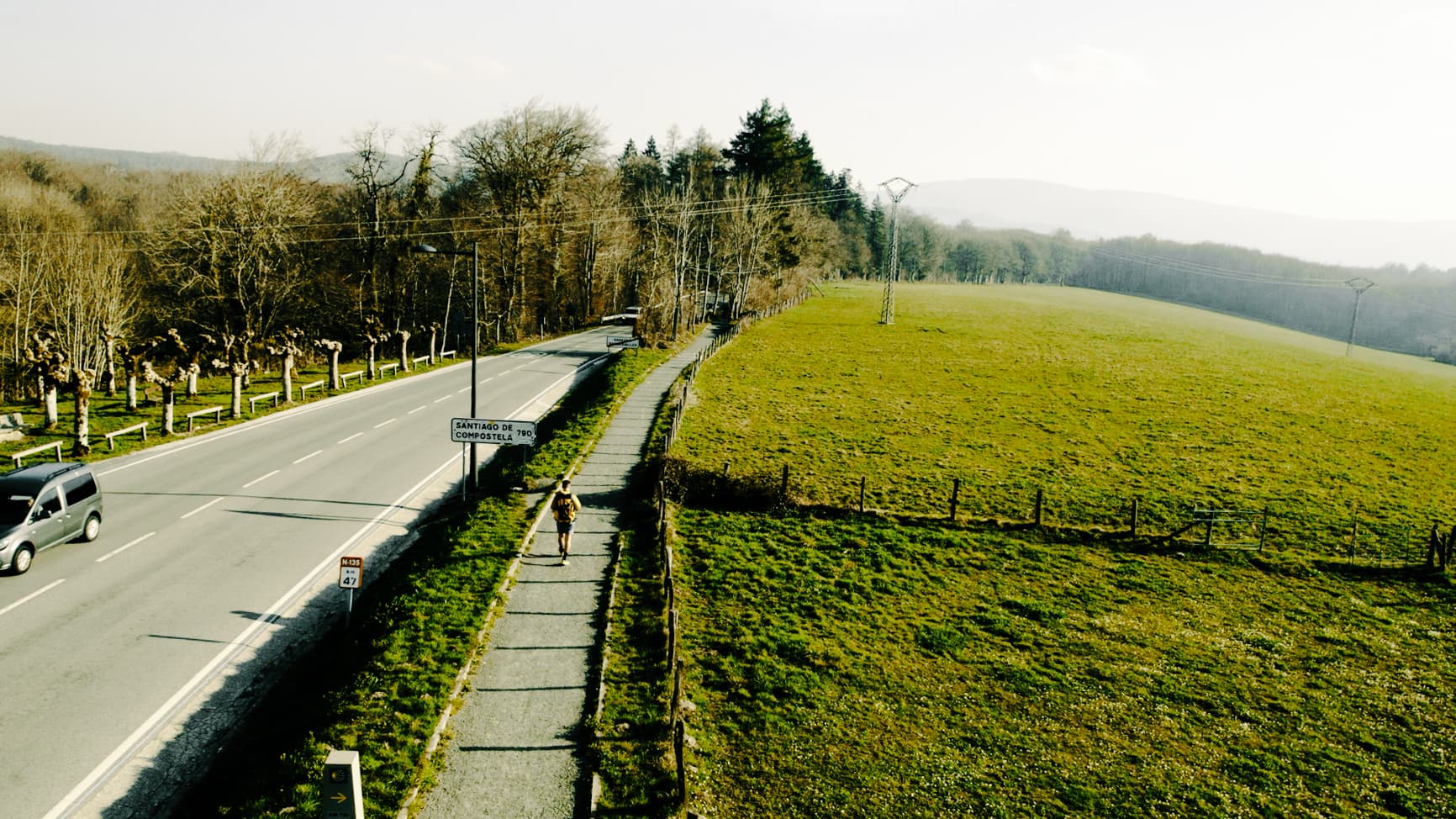
We start the Camino in Sarria, one of the most common points for pilgrims, just 100 km from the capital, Santiago. This stage, which takes us to Portomarín, is very popular and full of history.
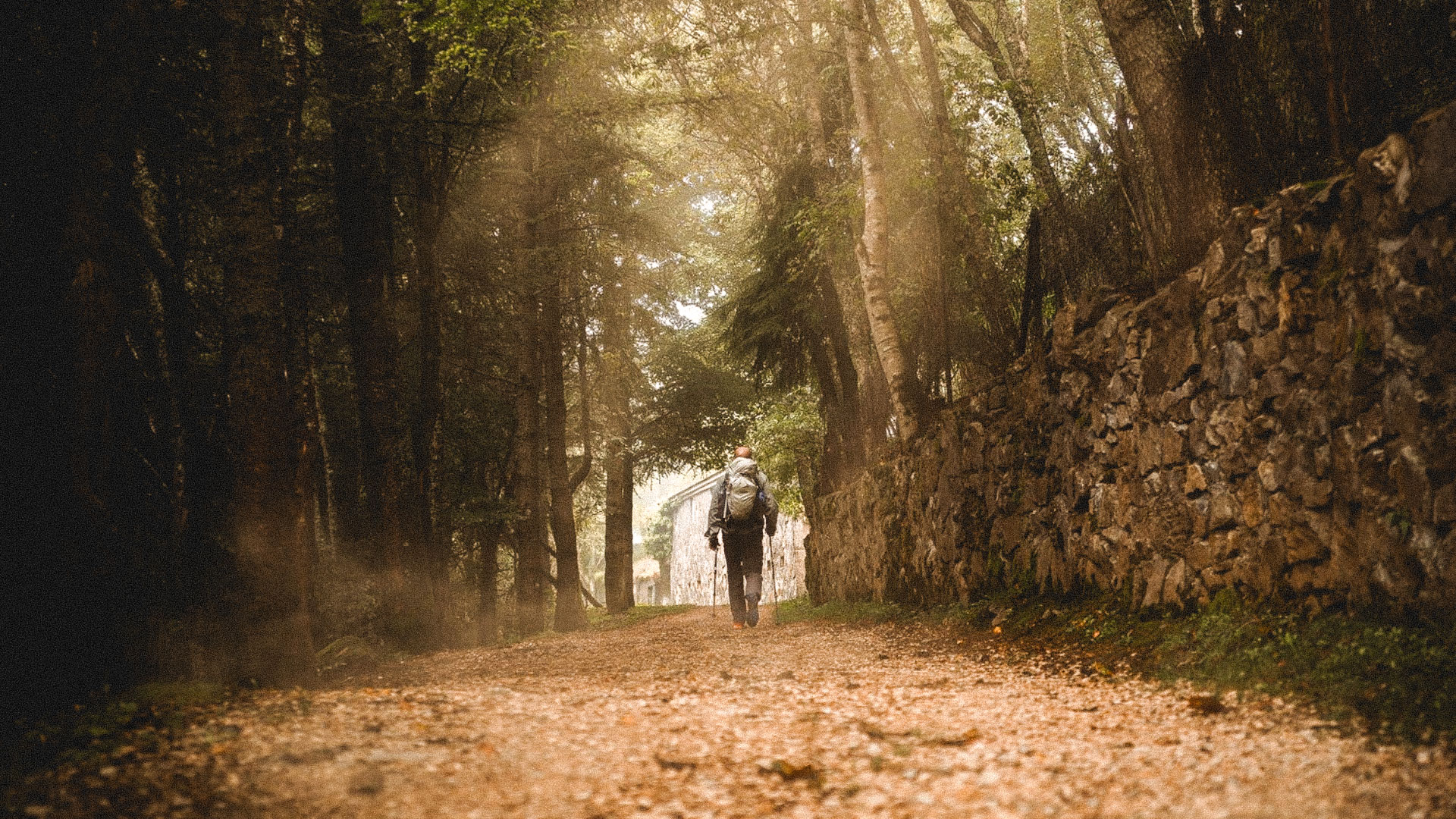
Sarria, besides being an emblematic place to start, has monuments such as the Church of Santa Mariña and the Castle Tower, from the 13th century. The route is accessible, passing through meadows and forests of oak and chestnut trees, with some ups and downs.
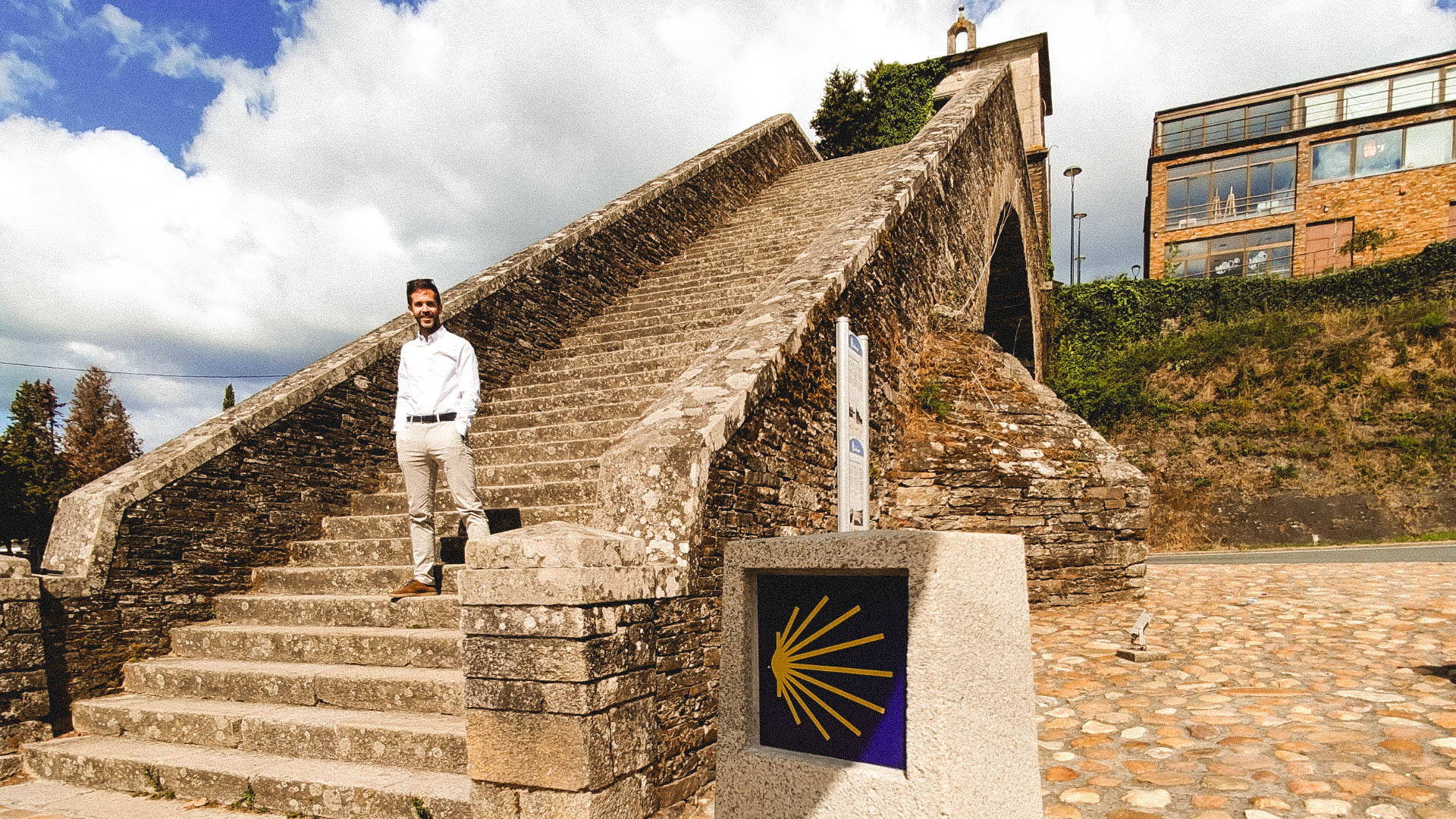
Finally, we arrive at Portomarín, a picturesque village next to the river Miño. We will cross a long bridge, climb the iconic medieval stairs (don’t forget the photo!) and pass by the Capilla de las Nieves before reaching the town center, a stop full of charm and history.
 Stunning landscapes and architecture of past centuries
Distance: 15,4 miles – 24,8 km
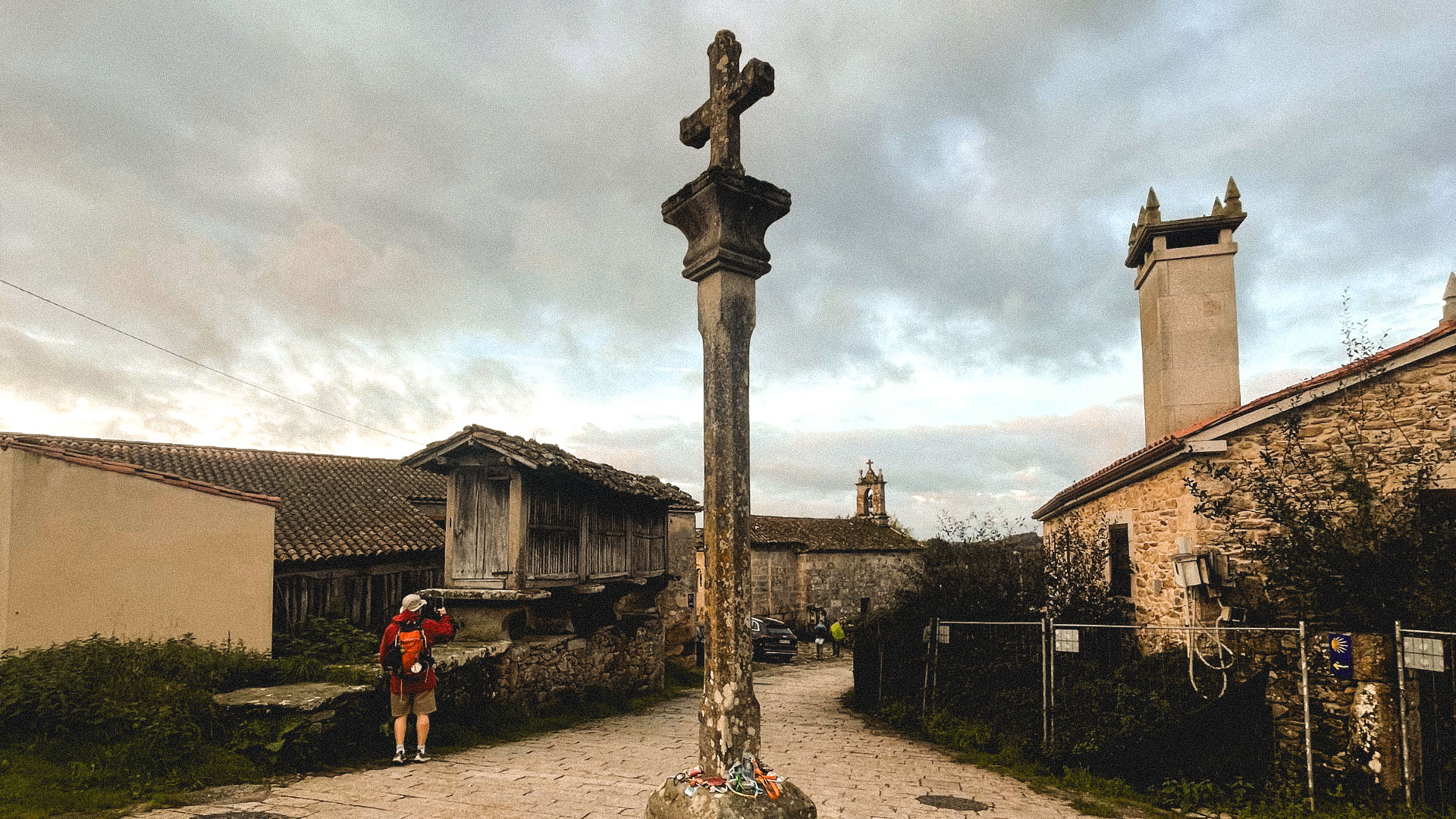
Portomarín, as we know it today, is a reconstruction of the ancient Roman and medieval city that was submerged in 1963 under the waters of the Belesar reservoir. The most valuable buildings, including the 12th-century Fortress Church, were carefully moved stone by stone, preserving their historical and cultural significance.
The road toward Palas de Rei offers breathtaking views of the Ulloa landscape and the chance to discover the Castro de Castromaior, an Iron Age settlement that reflects the rich castro culture of the region and its ancient roots.
Upon reaching Palas de Rei, pilgrims can enjoy its architectural heritage, particularly the 12th-century Church of San Tirso and the 18th-century Church of Santiago. This is a stage full of history and beauty that you simply cannot miss.
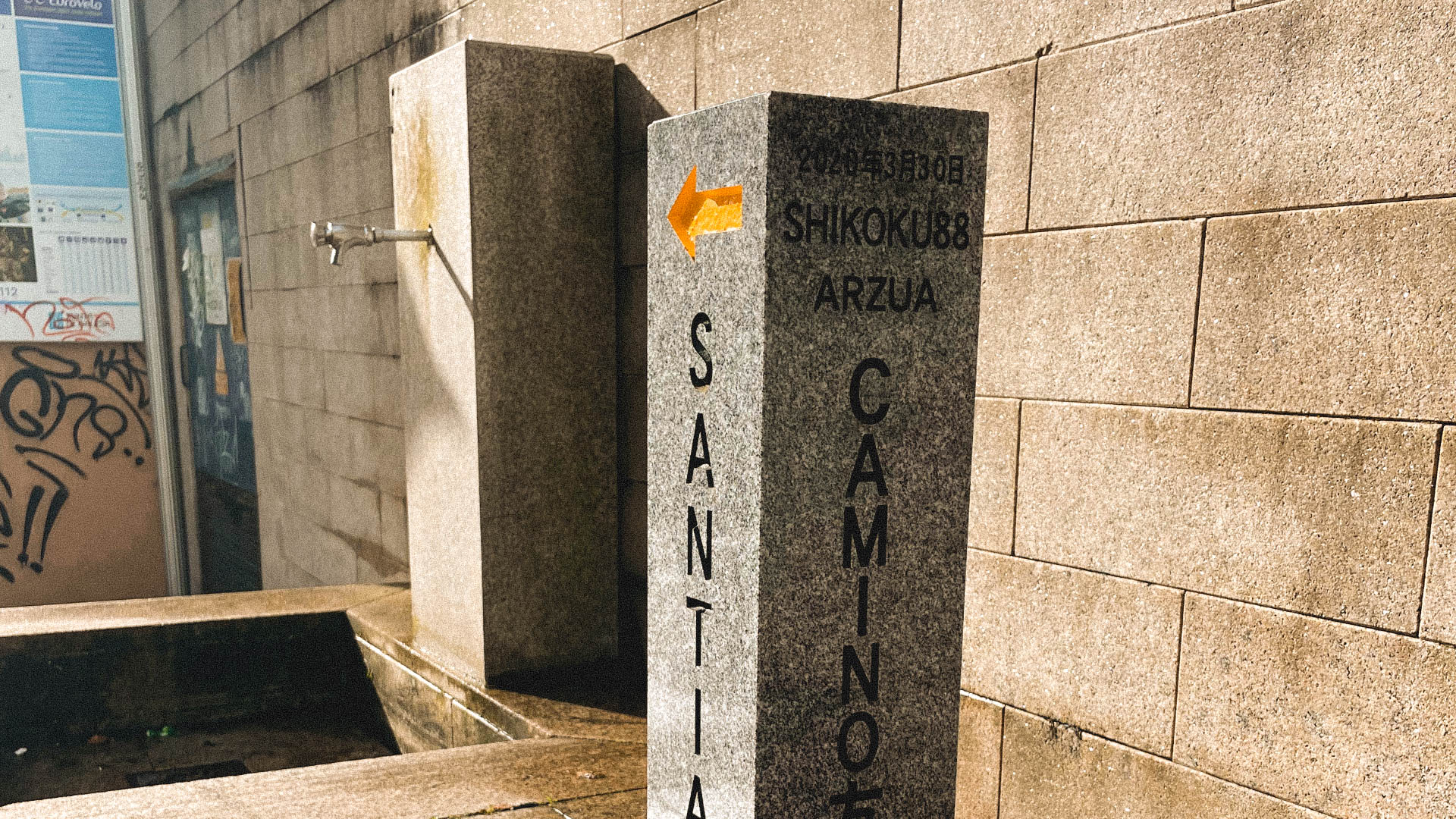 A journey full of nature and Galician delights
Distance: 17.7 miles – 28,5 km
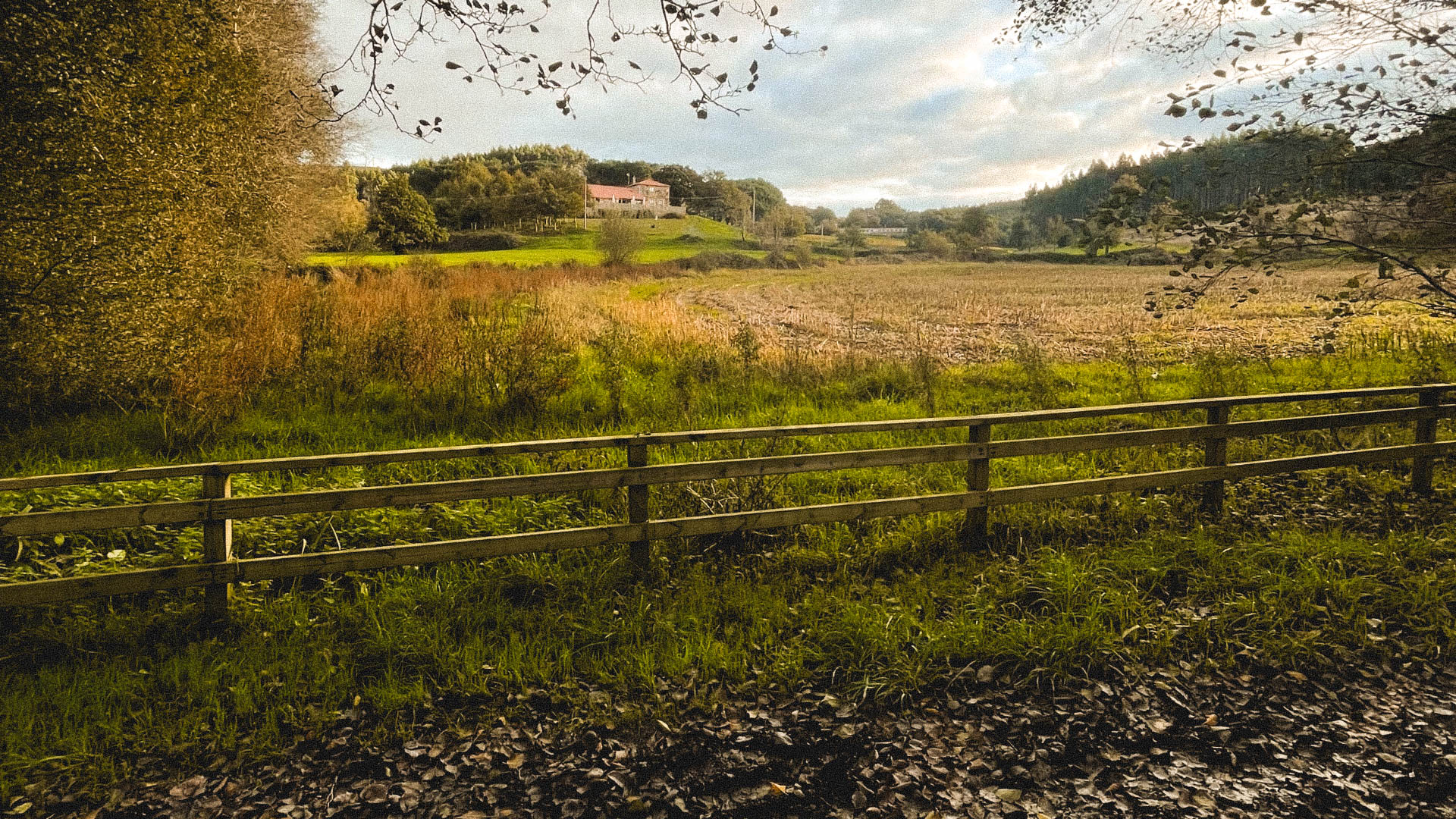
Palas del Rei, founded around a castle built to protect pilgrims, marks the starting point of a short and comfortable stage through the Ulloa region. This gentle walk allows pilgrims to enjoy the rural Galician landscape at an easy pace, making it an ideal day to relax and take in the surroundings.
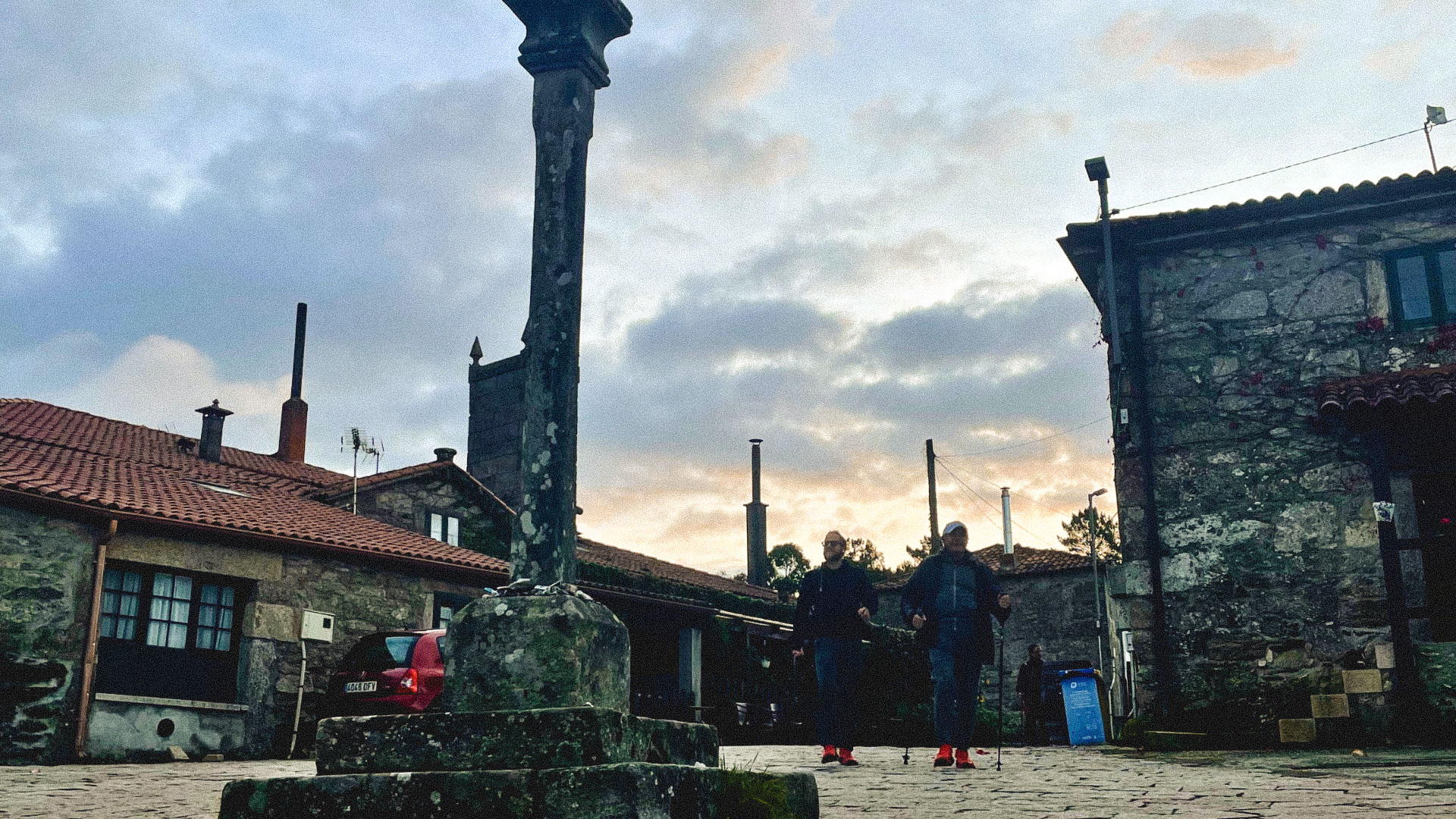
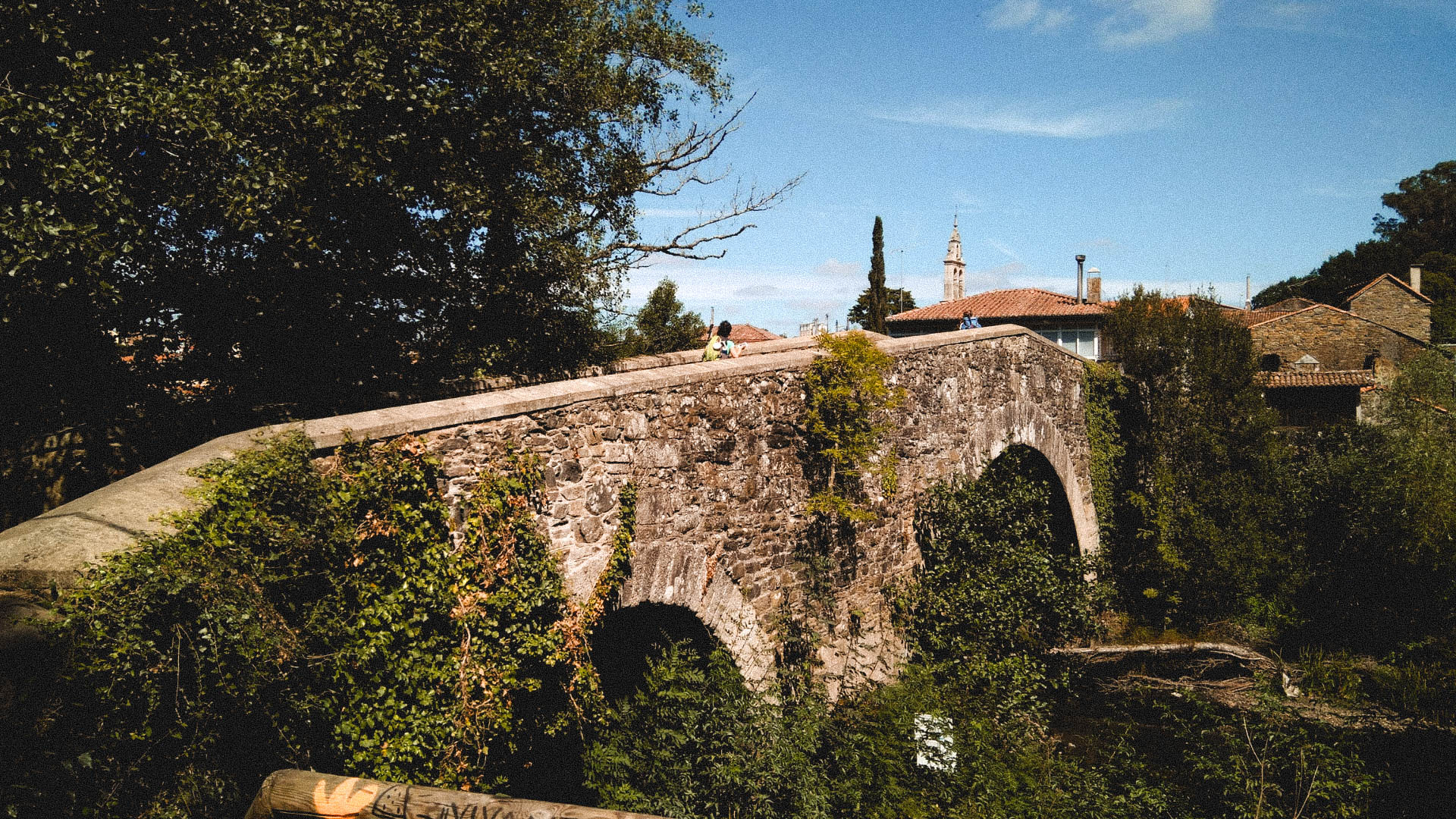
Along the way, you will pass places full of charm and history, such as the Roman bridge of Furelos and the Church of Leboreiro, a beautiful example of rural Romanesque architecture that reflects the medieval soul of the Camino.
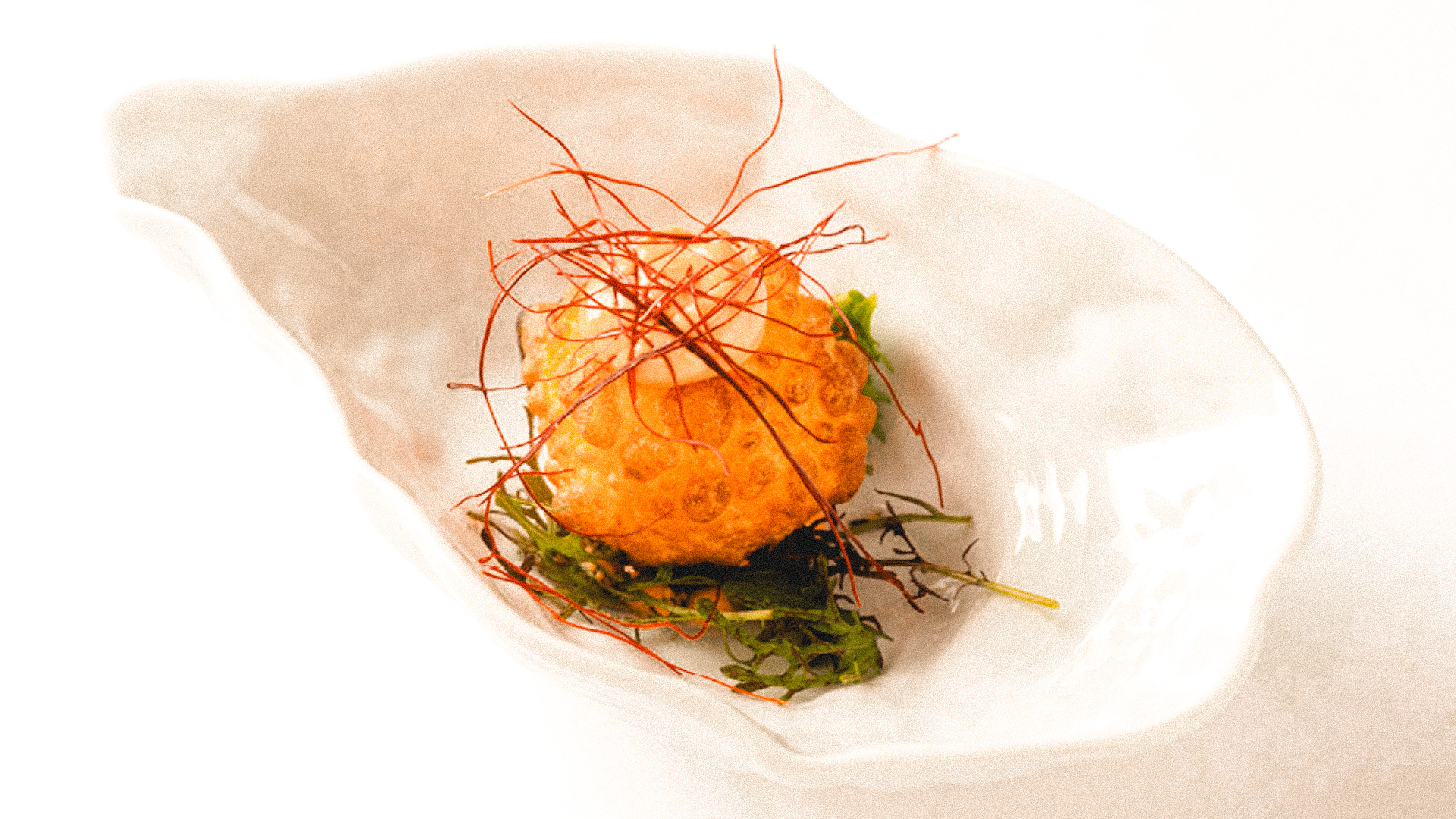
Upon reaching Melide, several highlights await, including the Church of Santa María, an outstanding example of 12th-century Romanesque style. You may also choose to stroll through the Natural Park of Ría do Burgo and, of course, a stop at one of Melide’s famous pulperías is a must to enjoy the best of Galician cuisine. A stage rich in history, landscapes, and flavors that will truly captivate you.
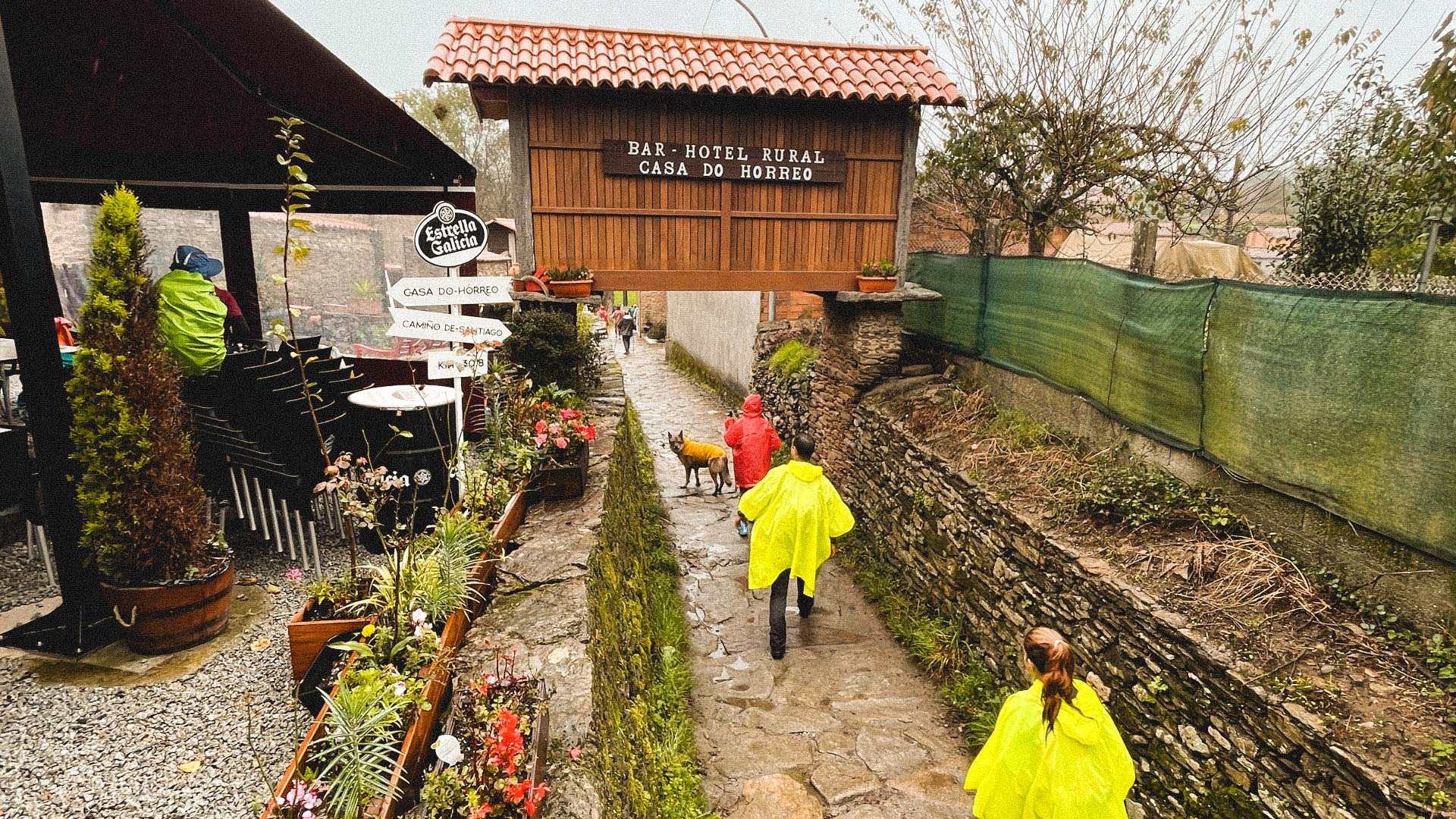 On the way to O Pedrouzo: the gateway to Santiago
Distance: 12 miles – 19,3 km
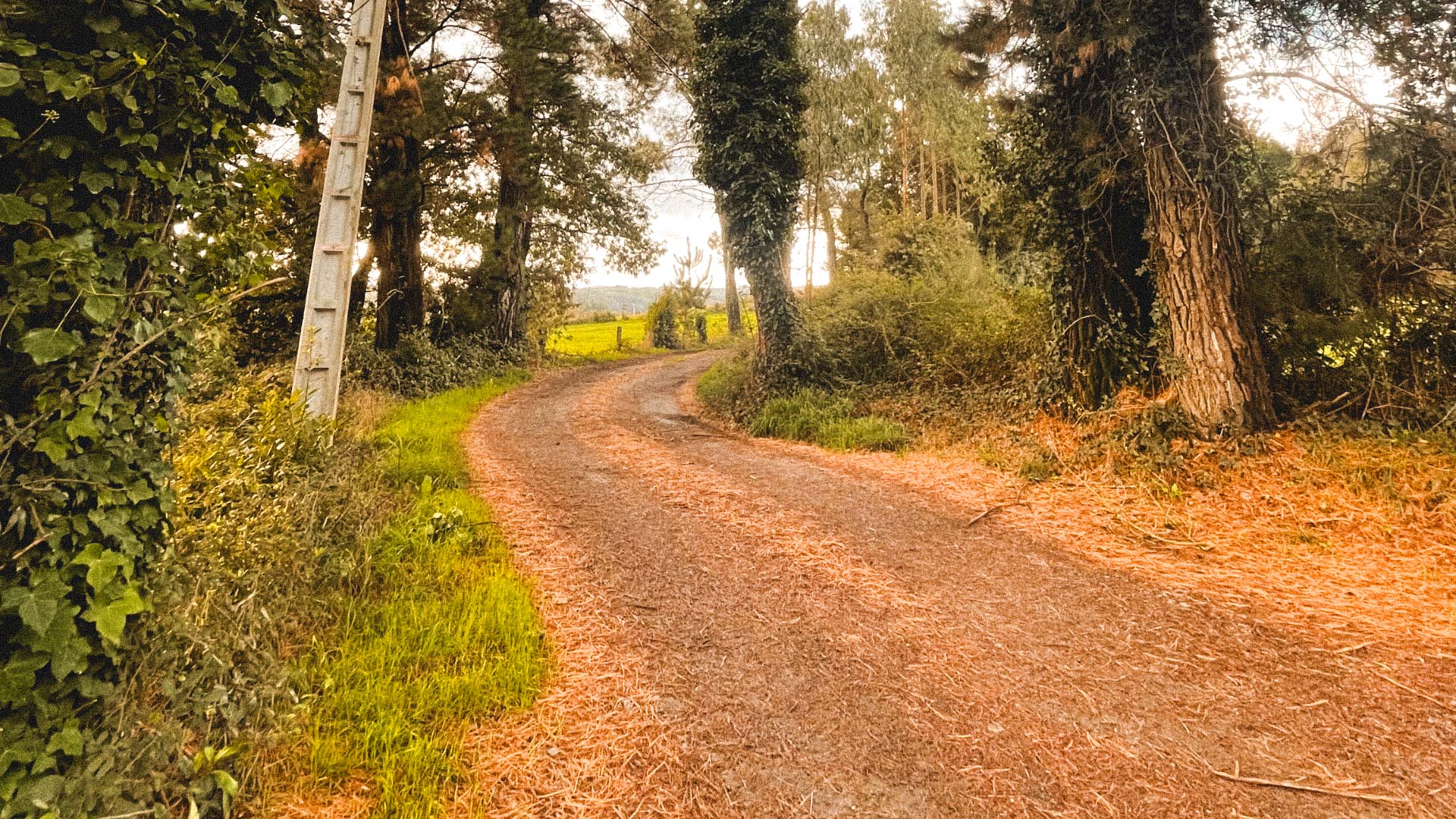
Today, the Camino continues along long forest paths, woods, and open meadows, in a stage very similar to the previous one. Take time to enjoy these green and peaceful landscapes, as the closer we get to Santiago, the more the presence of the city slowly begins to be felt.
The day’s destination is O Pedrouzo, a small town that has grown around the Camino and is closely linked to the final steps of the pilgrimage. Together with Monte do Gozo, Pedrouzo marks the last overnight stop before reaching Santiago, heightening the sense of anticipation.
Staying here allows pilgrims to arrive in Santiago early the following day, in time to attend the Pilgrim’s Mass and, with some luck, witness the impressive flight of the Botafumeiro inside the Cathedral of Santiago. Without a doubt, this is a stage filled with excitement, emotion, and the feeling that the journey’s great moment is just around the corner.
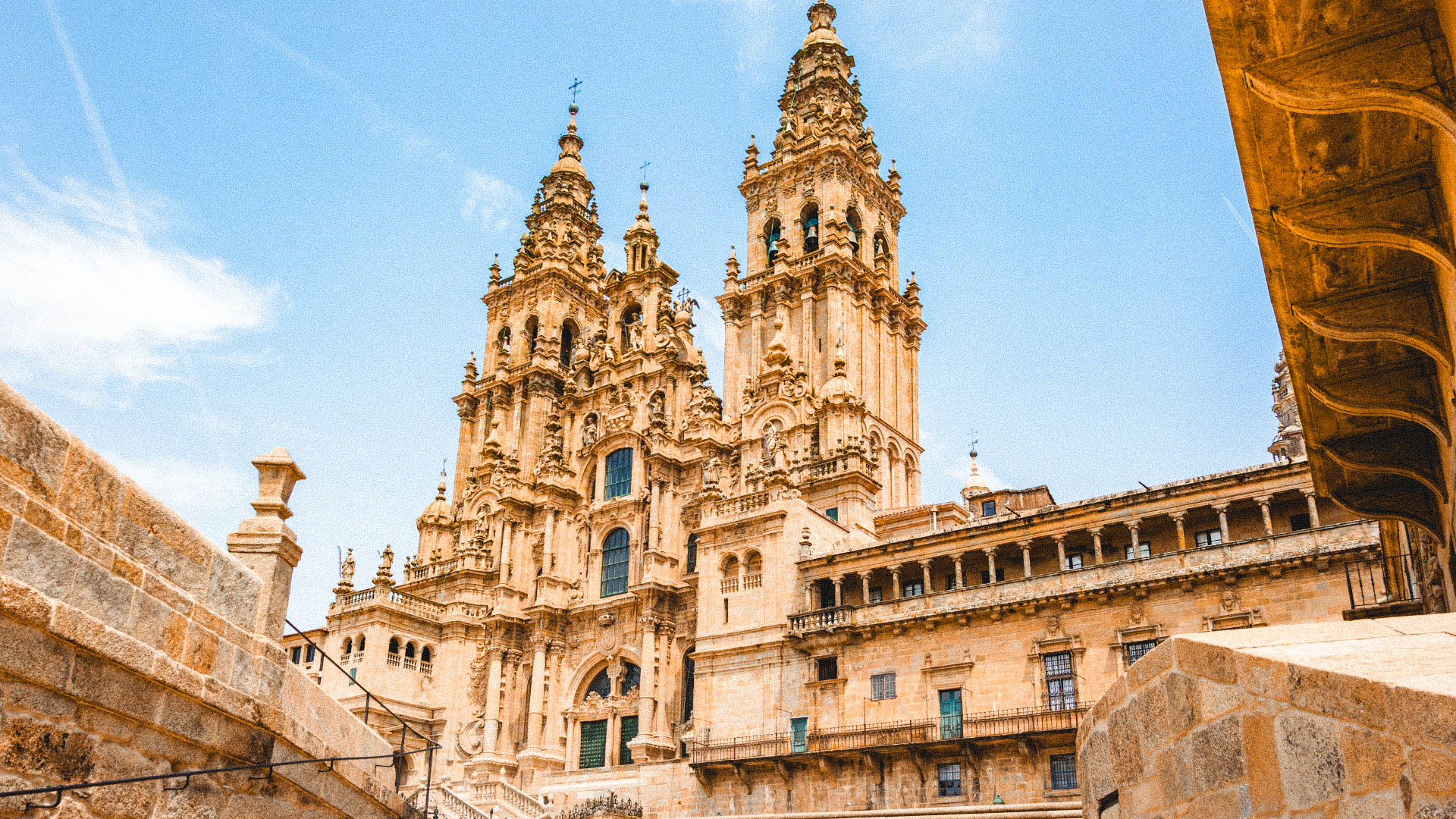 The final stage to Santiago: a wave of emotion and tradition
Distance: 12,1 miles – 19,4 km
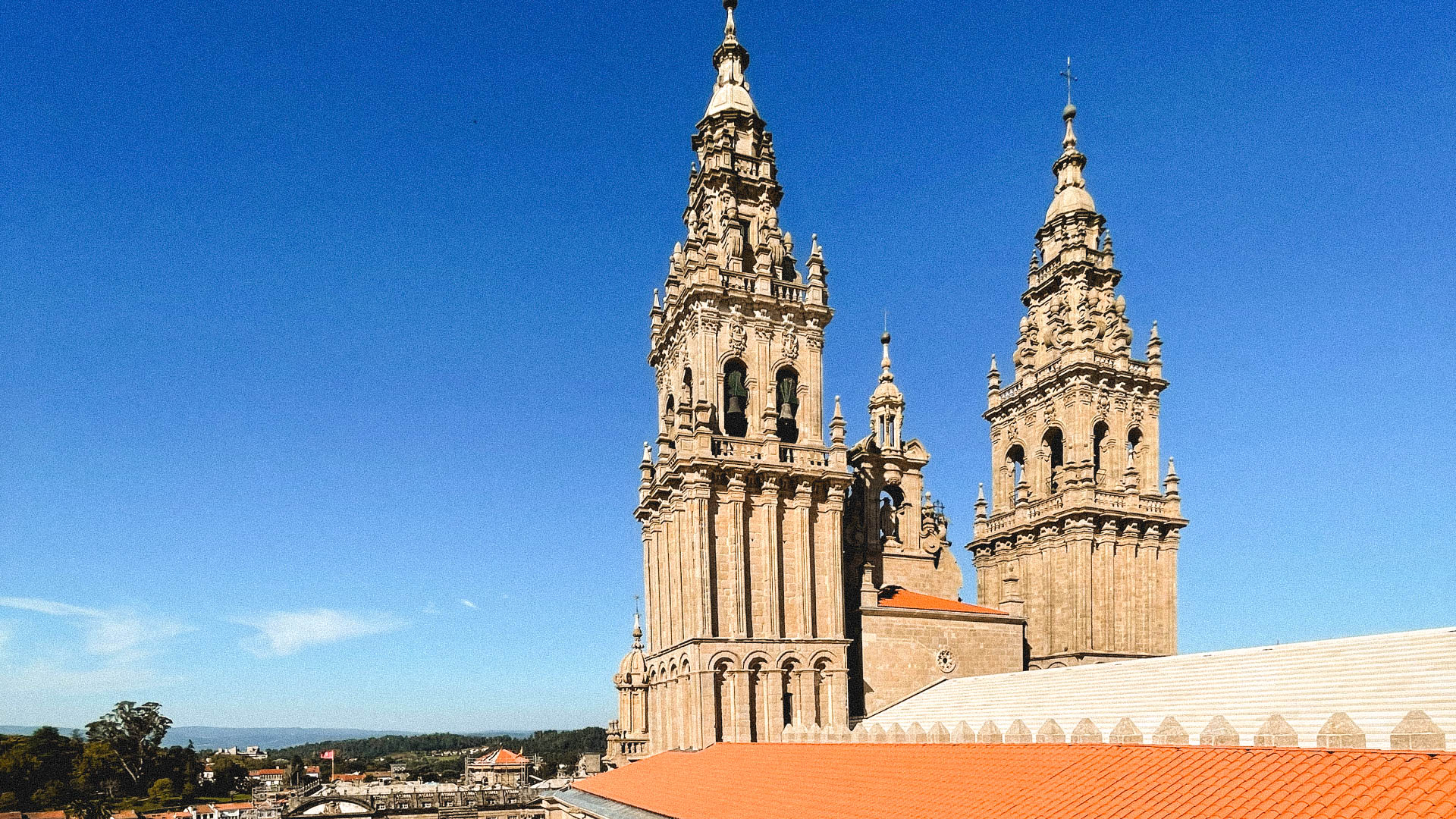
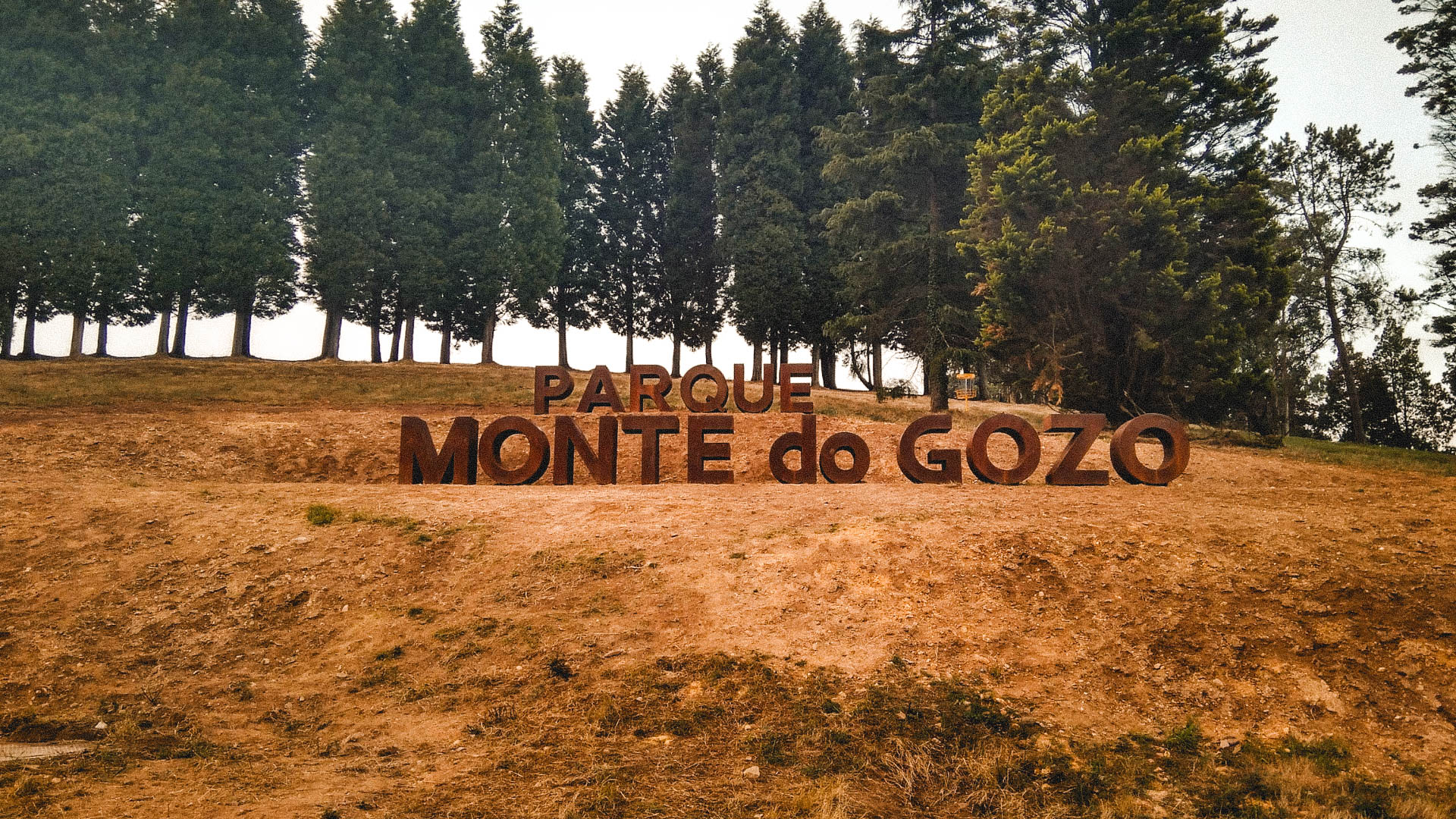
Today, we take on the last stage, mostly urban, where you’ll notice a striking contrast with the peaceful days spent among chestnut, oak, and eucalyptus forests. As you descend from Monte do Gozo, with the cathedral’s spires already in sight, the excitement of reaching Santiago makes it all worthwhile.
This stretch is meant to be savored: stroll through the historic streets of the old town until you reach the Plaza del Obradoiro. Complete the pilgrim’s rituals, climb the cathedral steps, greet the apostle, attend the Pilgrim’s Mass, and admire the Pórtico de la Gloria.
A unique experience you will always remember. Afterwards, if you wish, you can collect your Compostela at the pilgrim’s office and finally enjoy the local cuisine in the vibrant Galician capital.