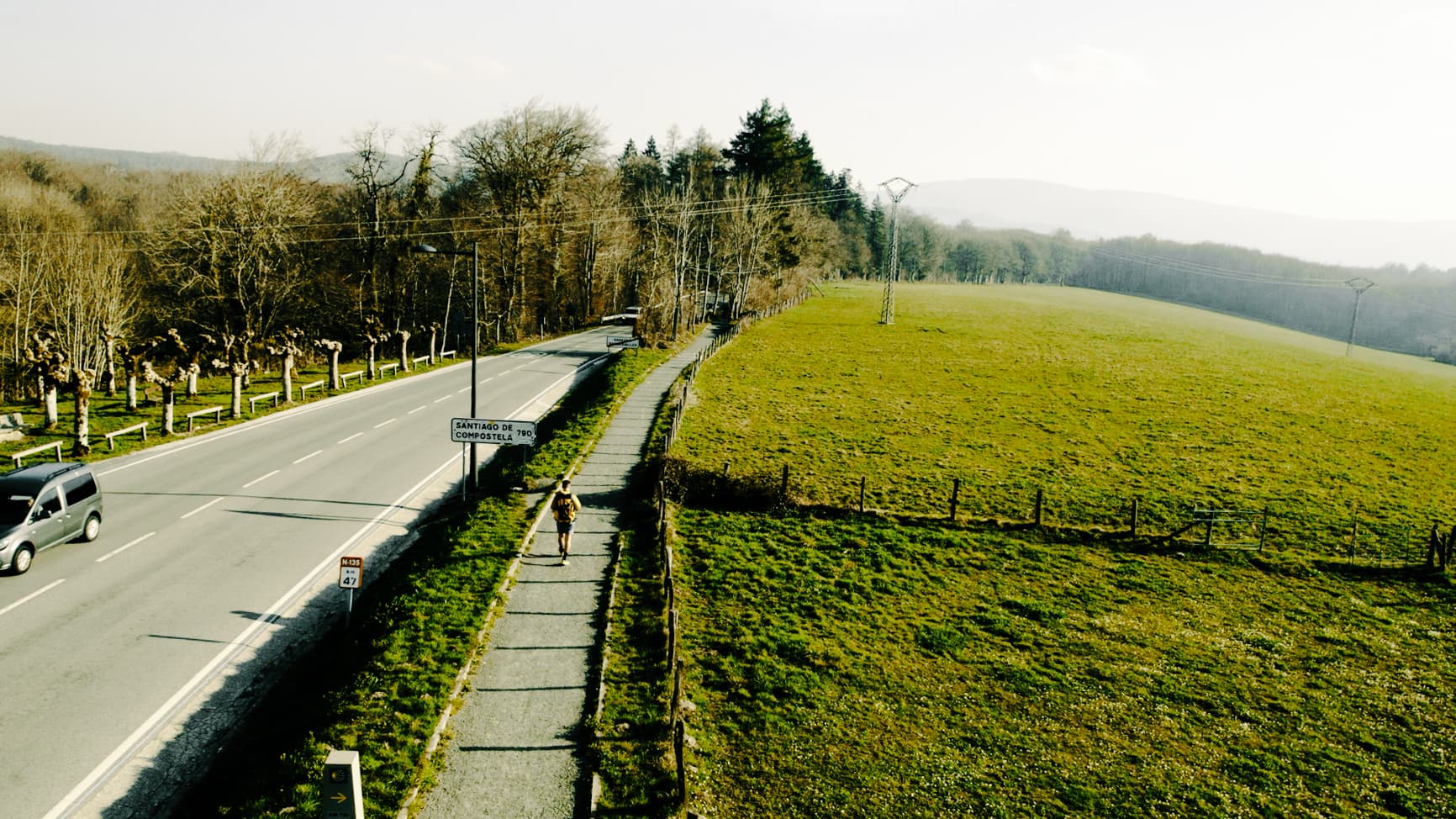
Epilogue Fisterra & Muxía

From 1000 €
Duration
7 days - 6 nights
Distance
71 miles - 114,2 km
Type
Caminos
Jose Mari Ardanaz:

Passionate about the Caminos and stories, creating authentic experiences so that every pilgrim discovers the Camino like a local.

Book now

The Fisterra-Muxía Way is not only a route to the sea, it is an experience of profound transformation. This final stretch of the Camino de Santiago takes you to the Marian sanctuaries of Muxía and Fisterra, where centuries of history mingle with ancestral legends.

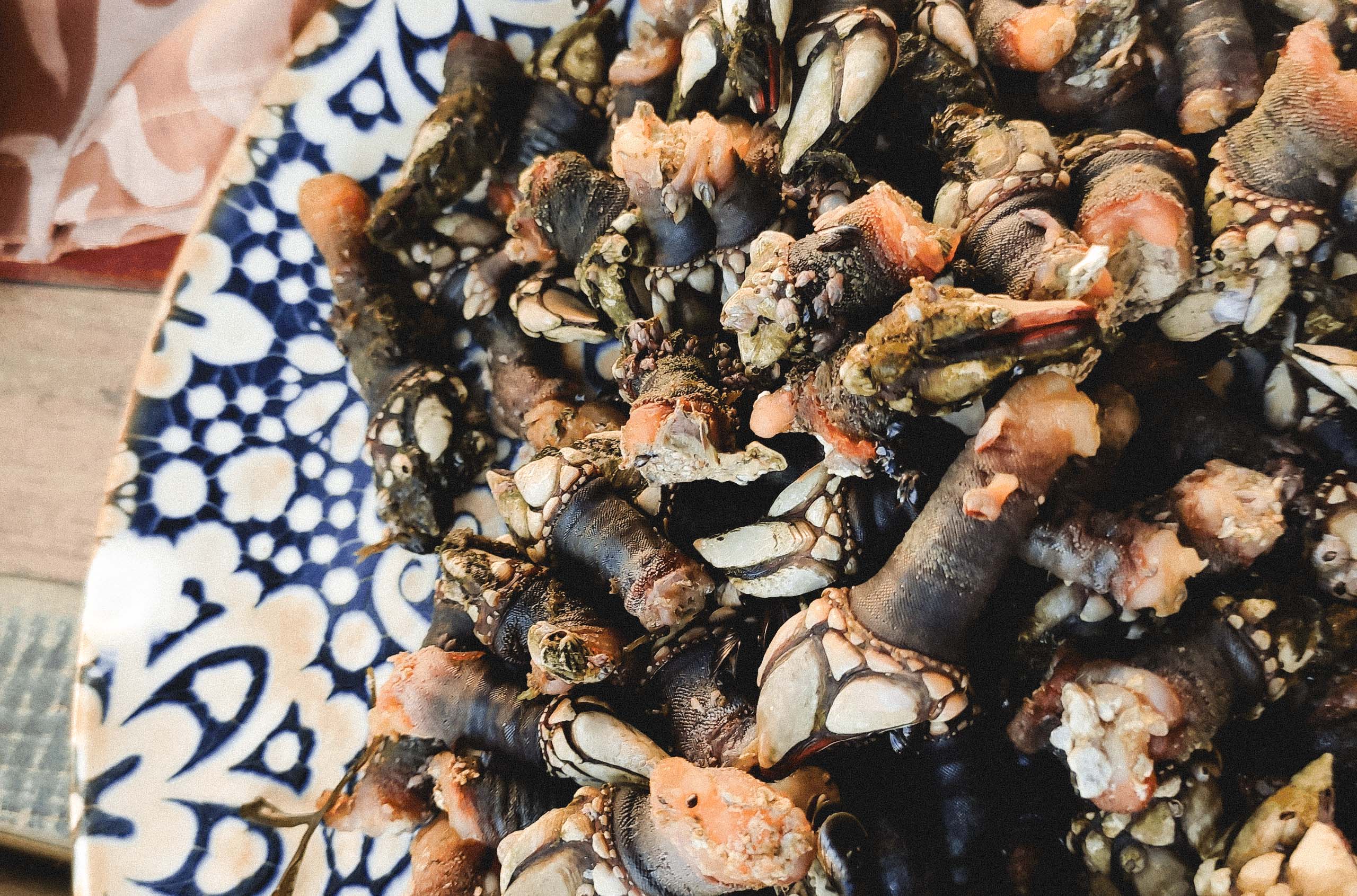
Here, bathing in the waters of Fisterra is not just a rite, it is a symbolism of rebirth. Collecting the scallop shell on the shore, symbol of a fulfilled journey, becomes an experience of renewal. A path that connects you with the essence of life, the end of the world, and the beginning of something new.

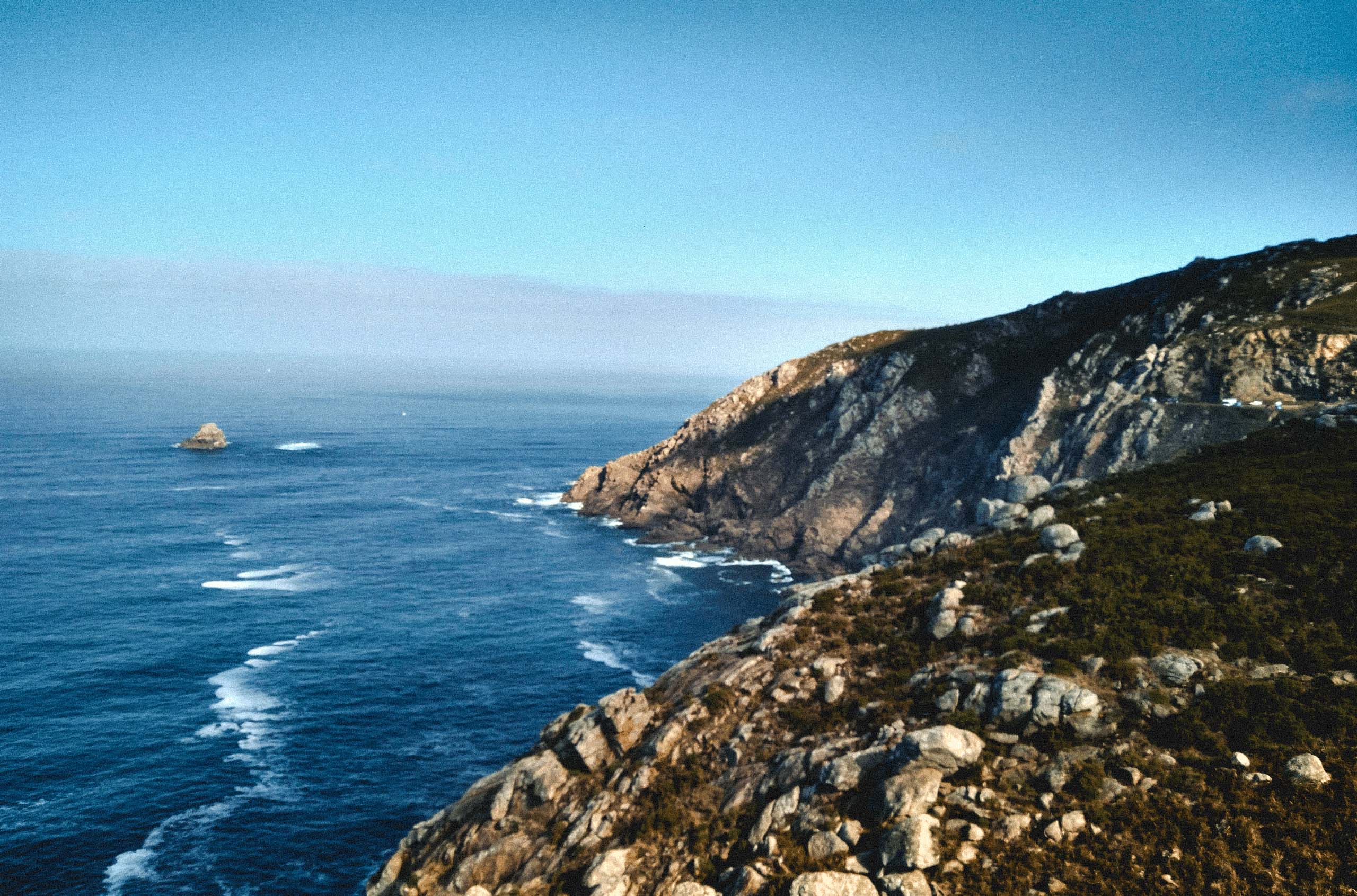
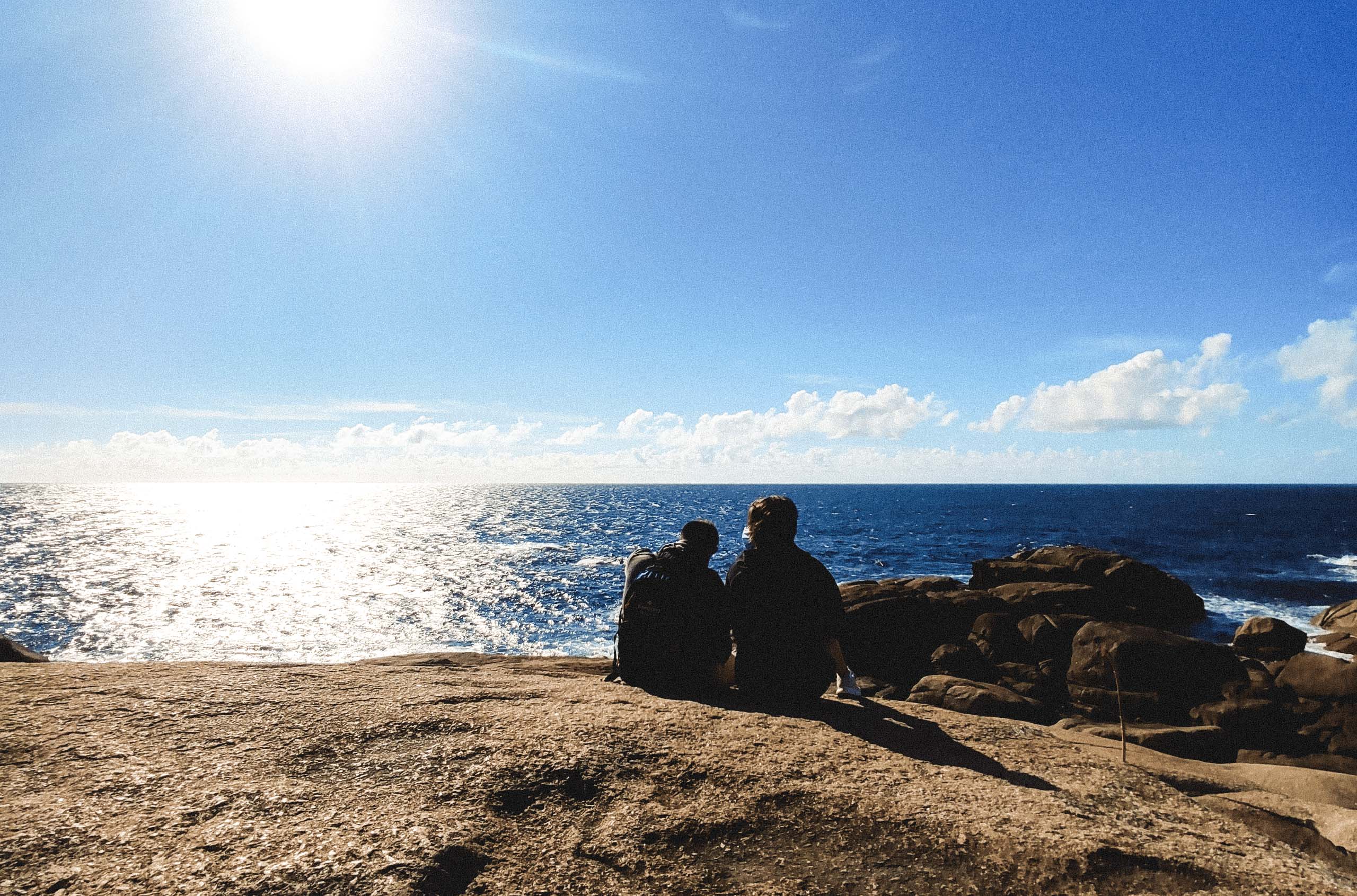
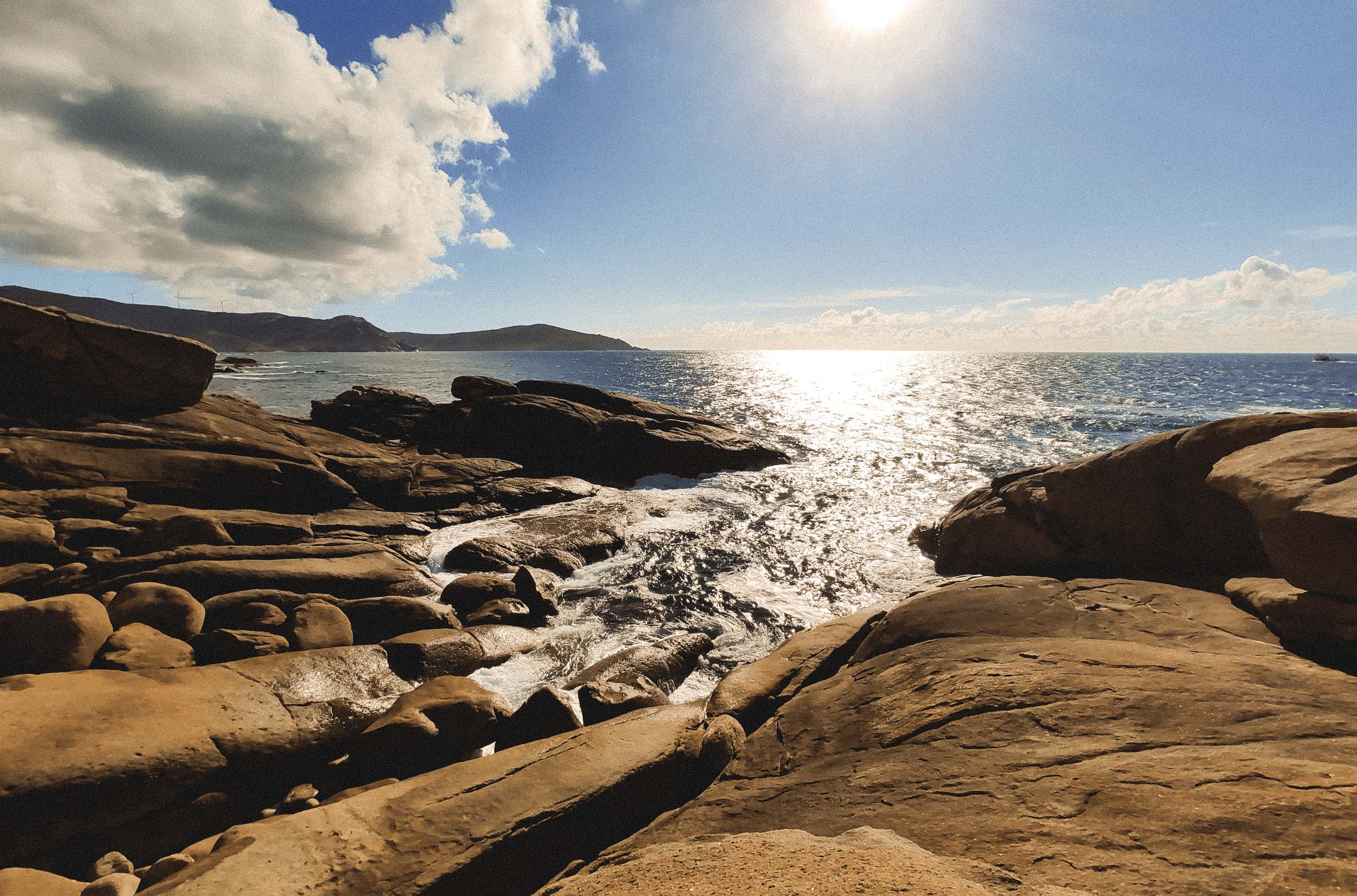
Following the ancestral tradition of walking following the course of the sun, many pilgrims culminate their journey here, allowing themselves to be moved by the majesty of the ocean and the sunset over the Costa da Morte, once considered the limit of the known world.

Come and discover your own Camino!

Route

1
Santiago de Compostela - Negreira
2
Negreira - As Maroñas
3
As Maroñas - Olveiroa
4
Olveiroa - Corcubión
5
Corcubión - Fisterra
6
Fisterra - Lires
7
Lires - Muxía

Towards the End of the World

Distance: 12,8 miles – 20,6 km

The stage from Santiago de Compostela to Negreira begins at the iconic Praza do Obradoiro, leaving behind the Cathedral and entering a more rural and peaceful landscape of forests, small villages, and country paths.

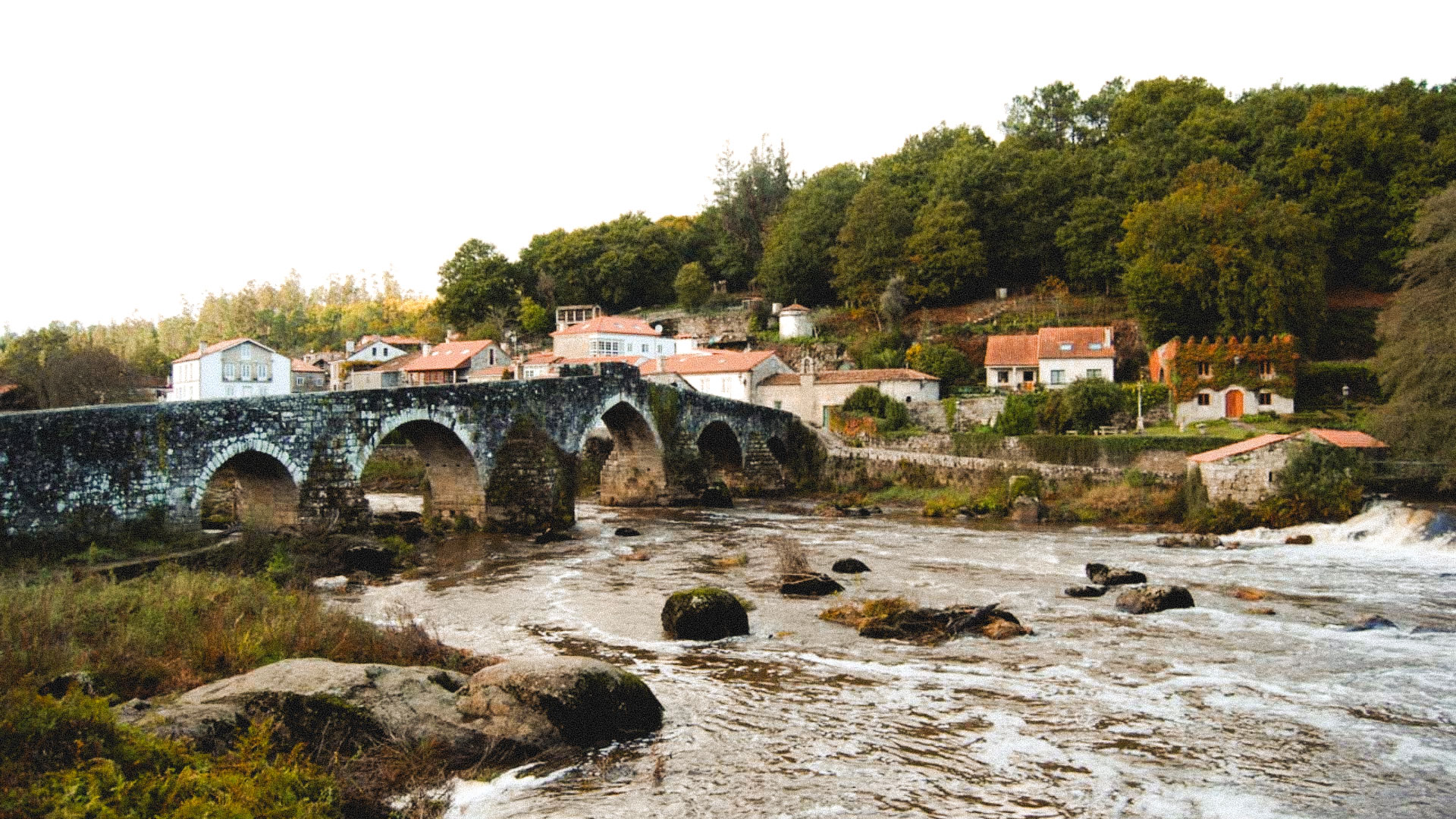
One of the most memorable moments of the day is the climb to Alto do Mar de Ovellas and the later descent toward Ponte Maceira, one of the most beautiful villages on this route. Its medieval bridge over the Tambre River, surrounded by greenery and old water mills, offers a perfect place to pause, rest, and take in the atmosphere of this historic setting.

The final stretch leads gently into Negreira, marking the end of the first day on the Camino to Finisterre. It is a meaningful stage that blends physical effort with moments of beauty and reflection, setting the tone for the journey toward the Atlantic and the symbolic End of the World.
Landscapes and rural magic

Distance: 12,2 miles – 19,7 km

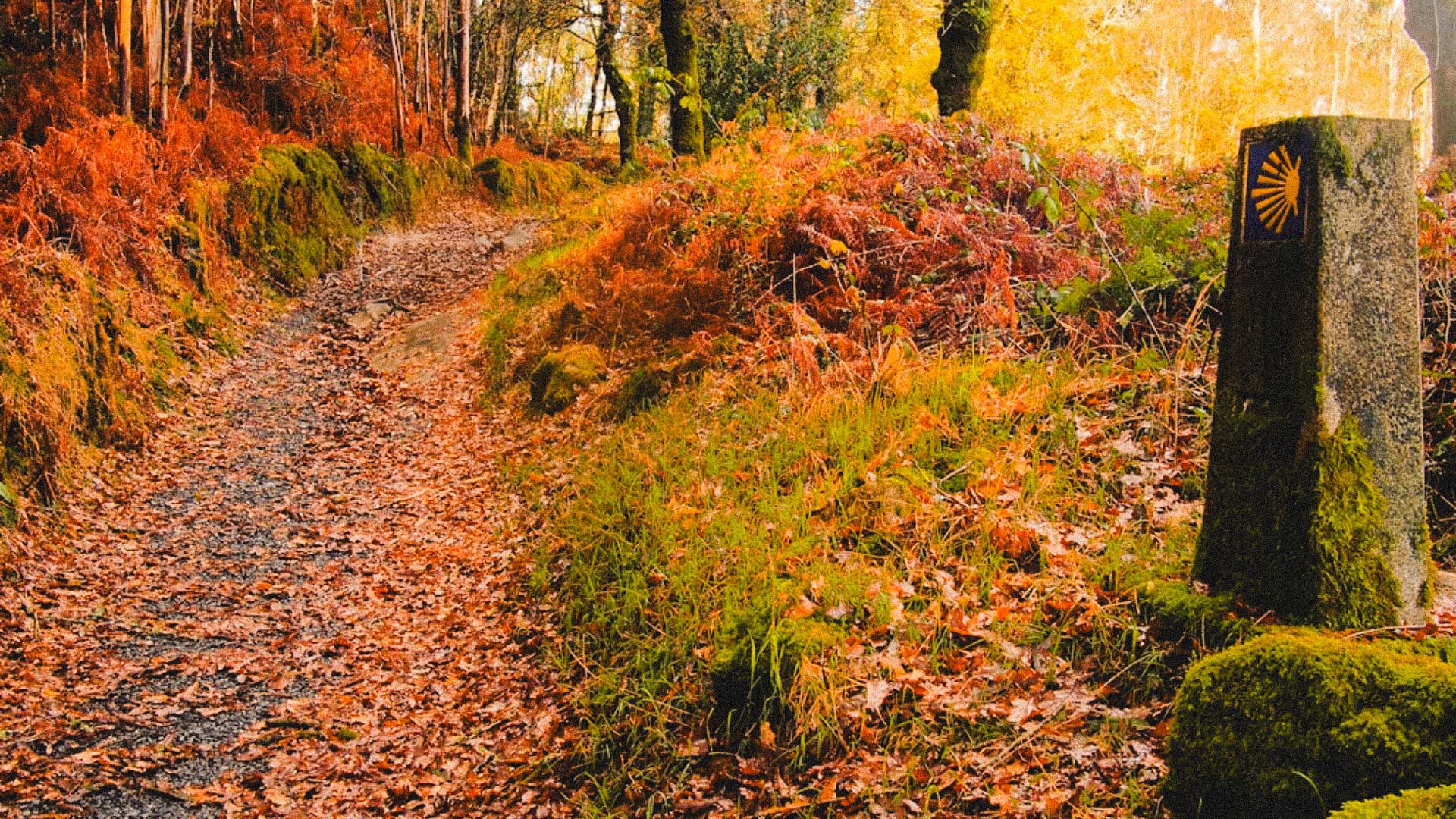
The stage from Negreira to As Maroñas offers a journey through the most authentic and tranquil landscapes of rural Galicia. The path unfolds among rolling hills, small villages, and green forests, creating an atmosphere of calm that invites pilgrims to walk slowly and fully enjoy their surroundings.

Although the route includes some uneven terrain, each effort is rewarded with charming hamlets, stone churches, and quiet stretches where nature takes center stage. This is a day to experience the Camino with all the senses, letting the rhythm of walking blend with the sounds, colors, and scents of the countryside.

As the day draws to a close in As Maroñas, the feeling of progress and anticipation grows stronger. With renewed energy, pilgrims prepare for the next challenge ahead, knowing that the Camino to Fisterra continues to reveal new landscapes and unexpected moments at every step.
A quiet walk among hórreos (granaries)

Distance: 8,6 miles – 13,9 km

The third stage of the Way to Fisterra is quiet and picturesque, surrounding Monte Aro on its northern slope. The route offers a gentle descent and the option to visit a viewpoint overlooking the Fervenza reservoir and the Xallas valleys.

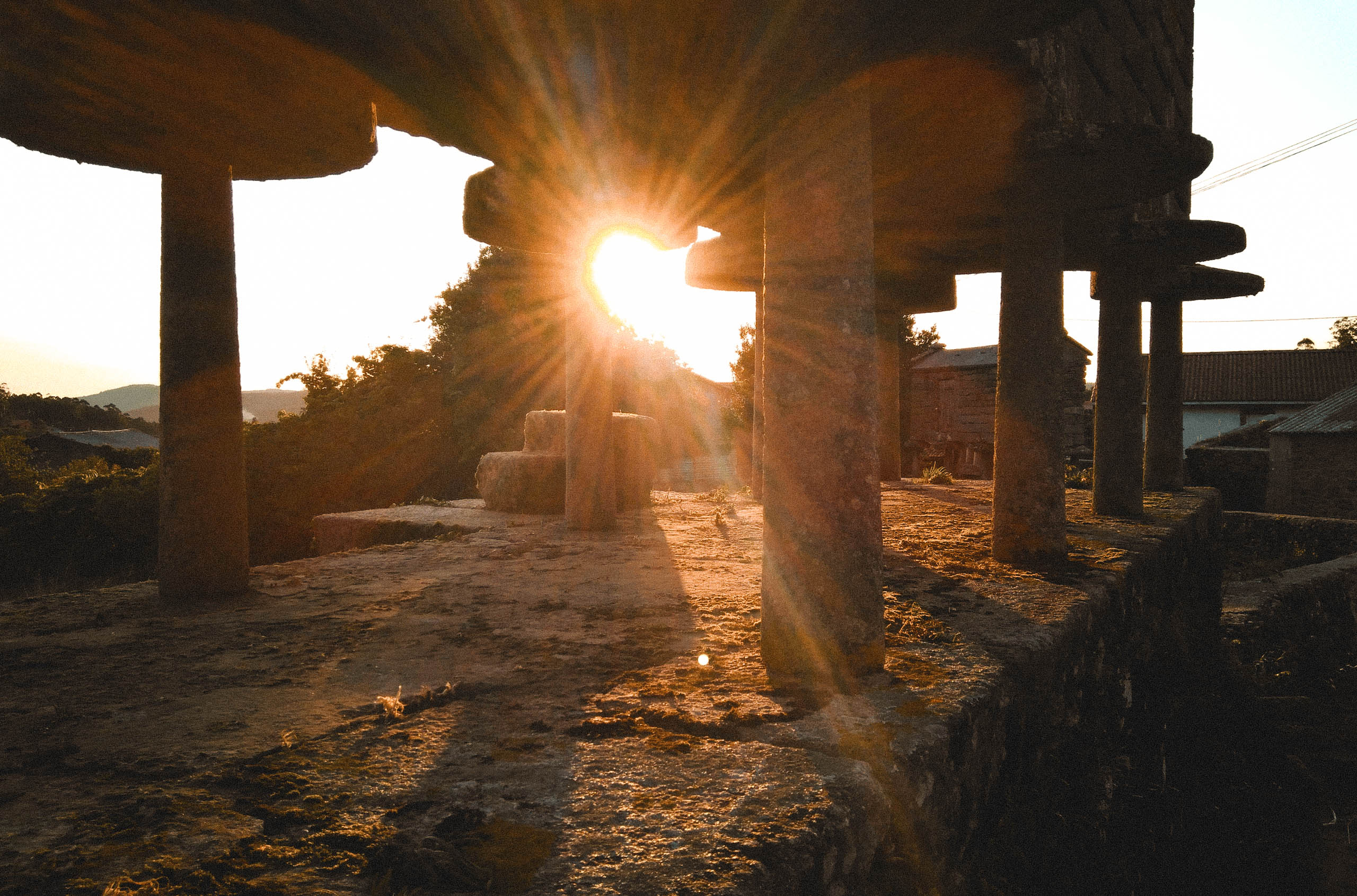
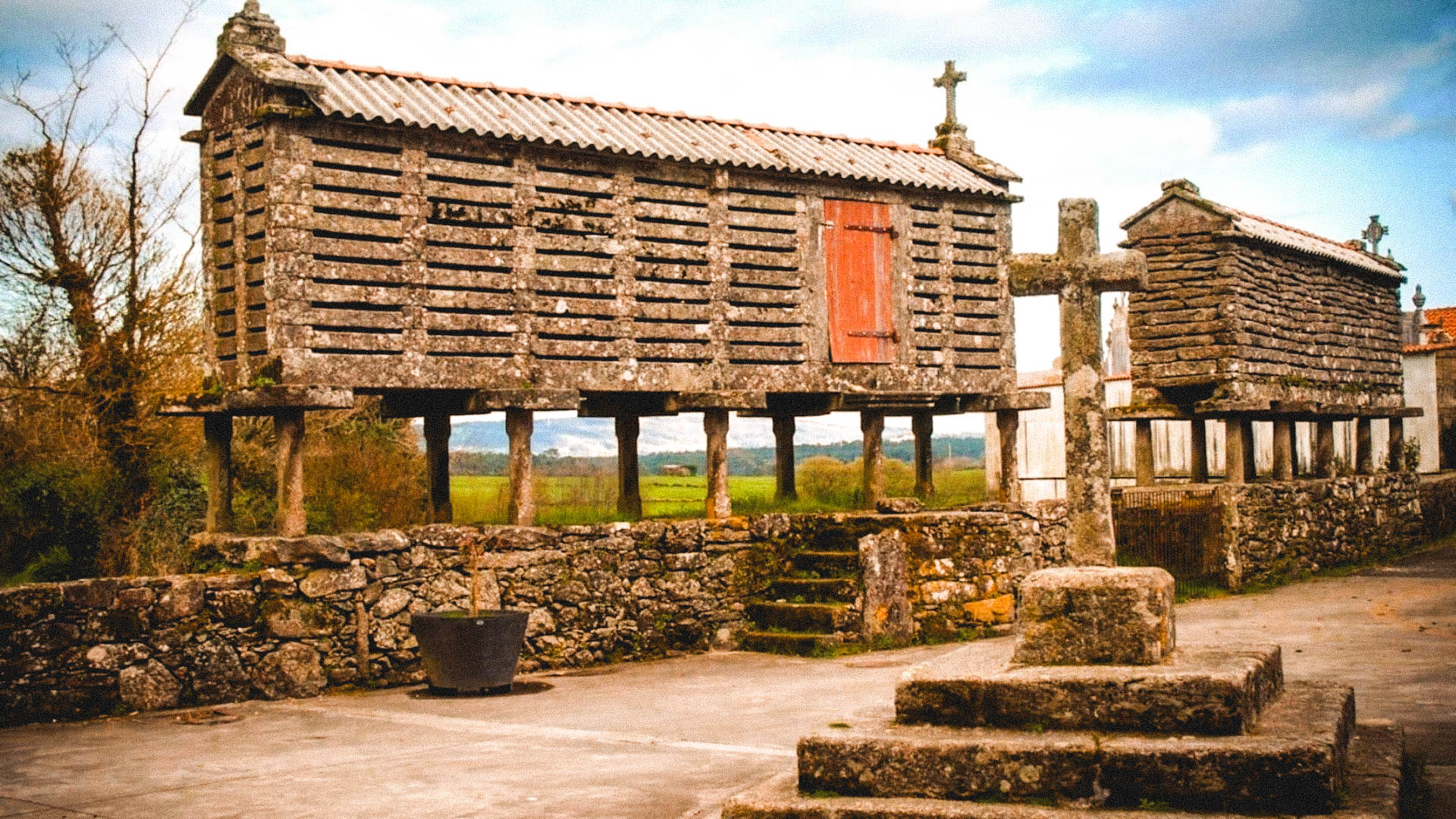
Along the way, you can see the typical Galician hórreos, traditional structures used to store products, which add charm to the rural landscape.

The route crosses small rural villages and reaches the church of San Cristóbal de Corzón, before crossing the Xallas River at Ponte Olveiroa and ending in Olveiroa, a village with a medieval layout that offers services for pilgrims.
Sea in sight!

Distance: 13.3 miles – 21,4 km

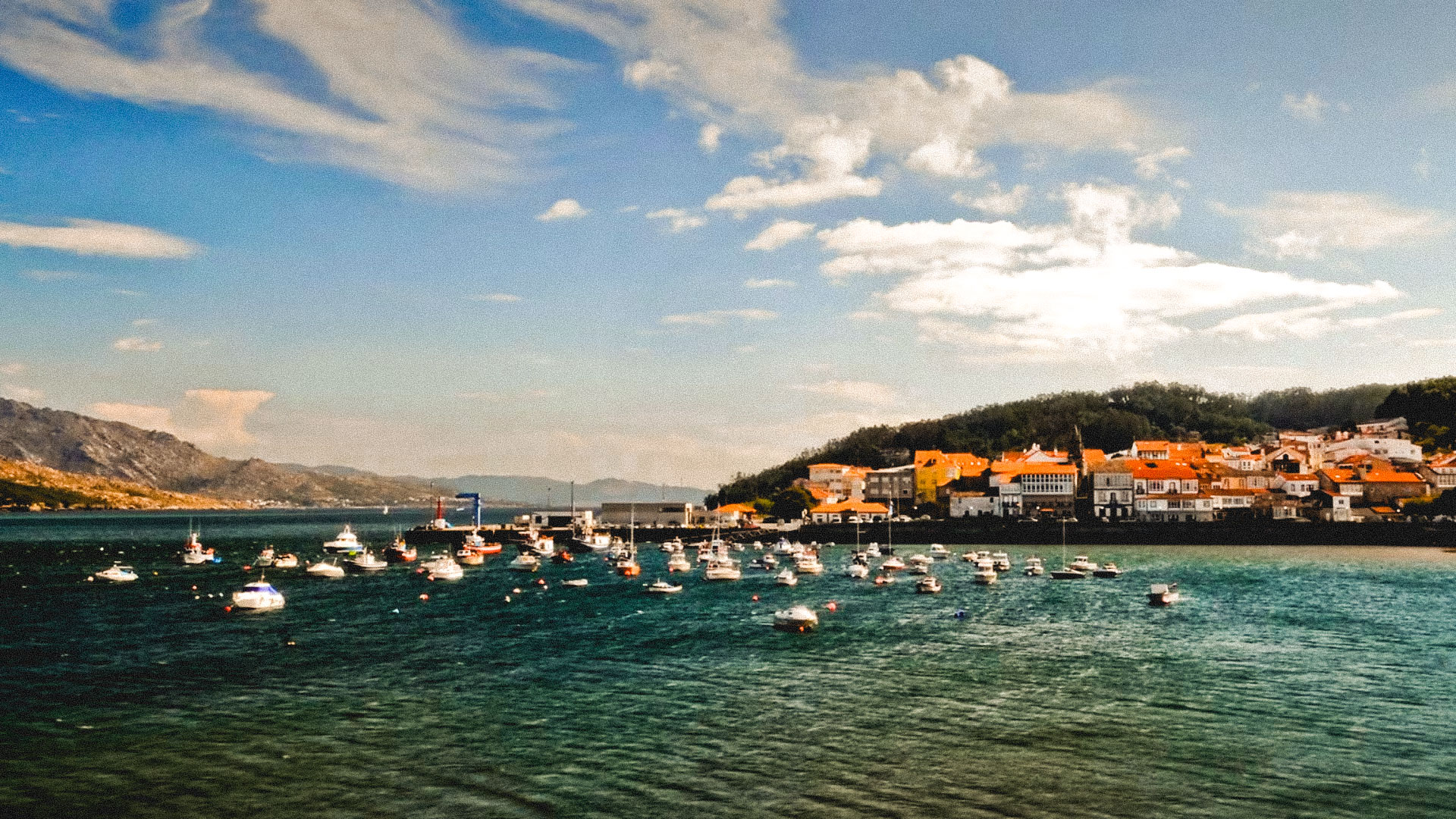
The stage from Olveiroa to Corcubión marks the long-awaited reunion with the Atlantic Ocean after several days walking inland. The route unfolds through gentle hills and open landscapes, gradually bringing pilgrims closer to the coast and filling the day with a sense of arrival and excitement.

Around kilometer 16, the path begins a long descent toward the estuary, offering one of the most spectacular views of the entire Camino to Fisterra. From this point, the ocean appears on the horizon, creating a powerful moment that combines effort with beauty and anticipation.

Upon reaching Corcubión, a charming coastal town with a lively atmosphere, pilgrims find a perfect place to rest and celebrate the journey so far. With its welcoming accommodations and seaside bars, Corcubión becomes an ideal ending point for a day defined by scenery, emotion, and the first true encounter with the sea.
A journey of reflection and connection at the Cape of Finisterre

Distance: 6,7 miles – 10,6 km

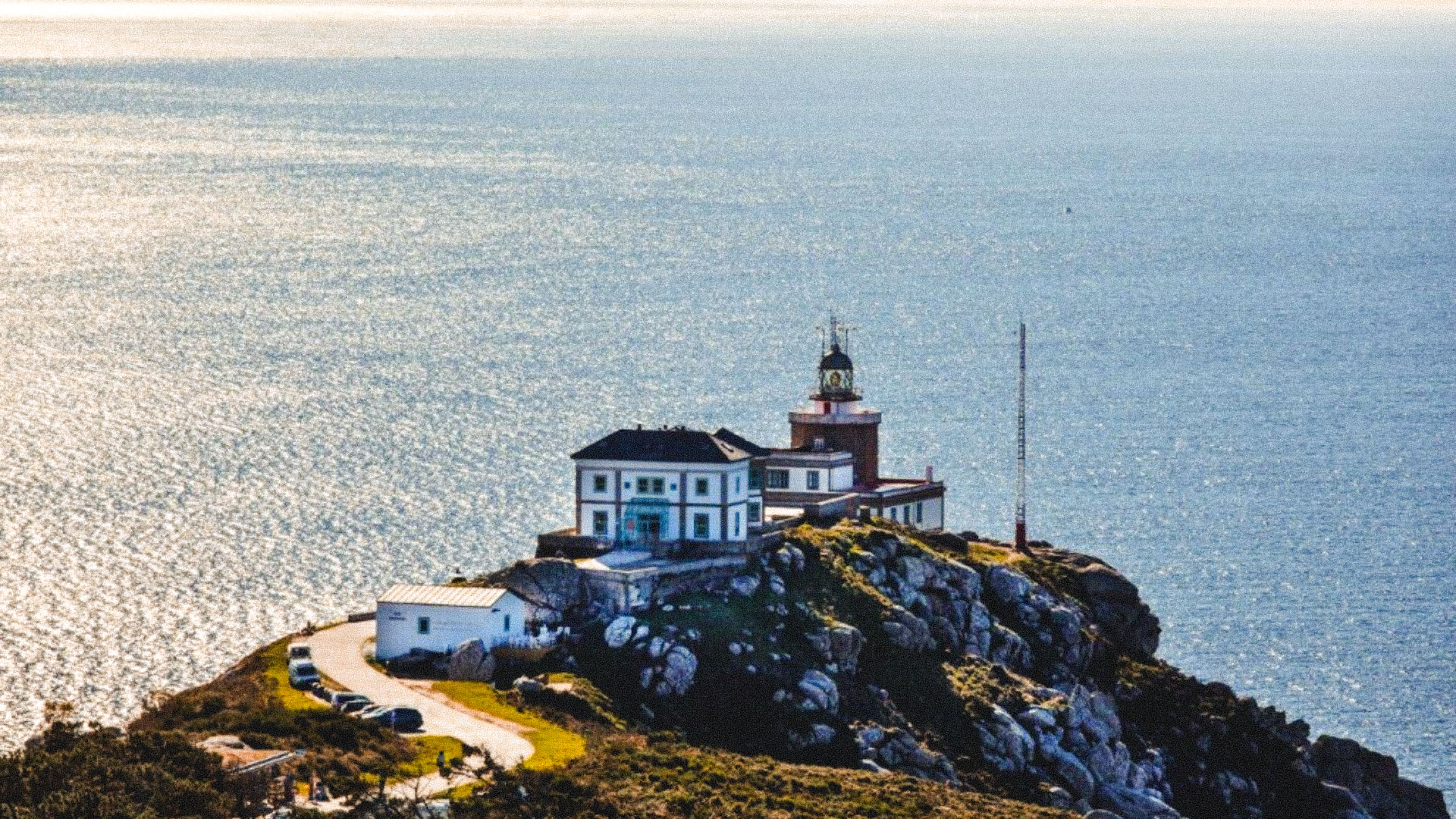
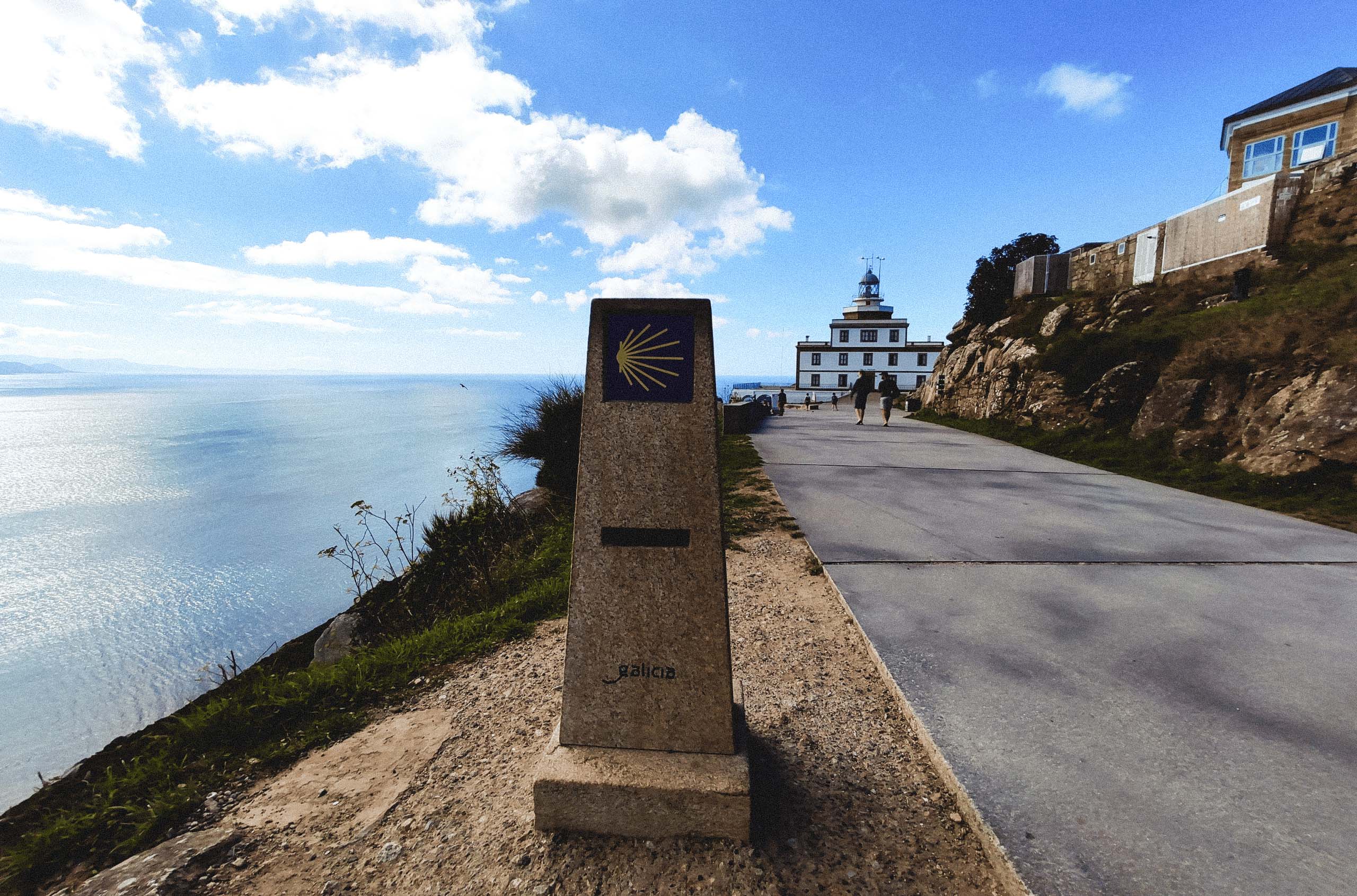
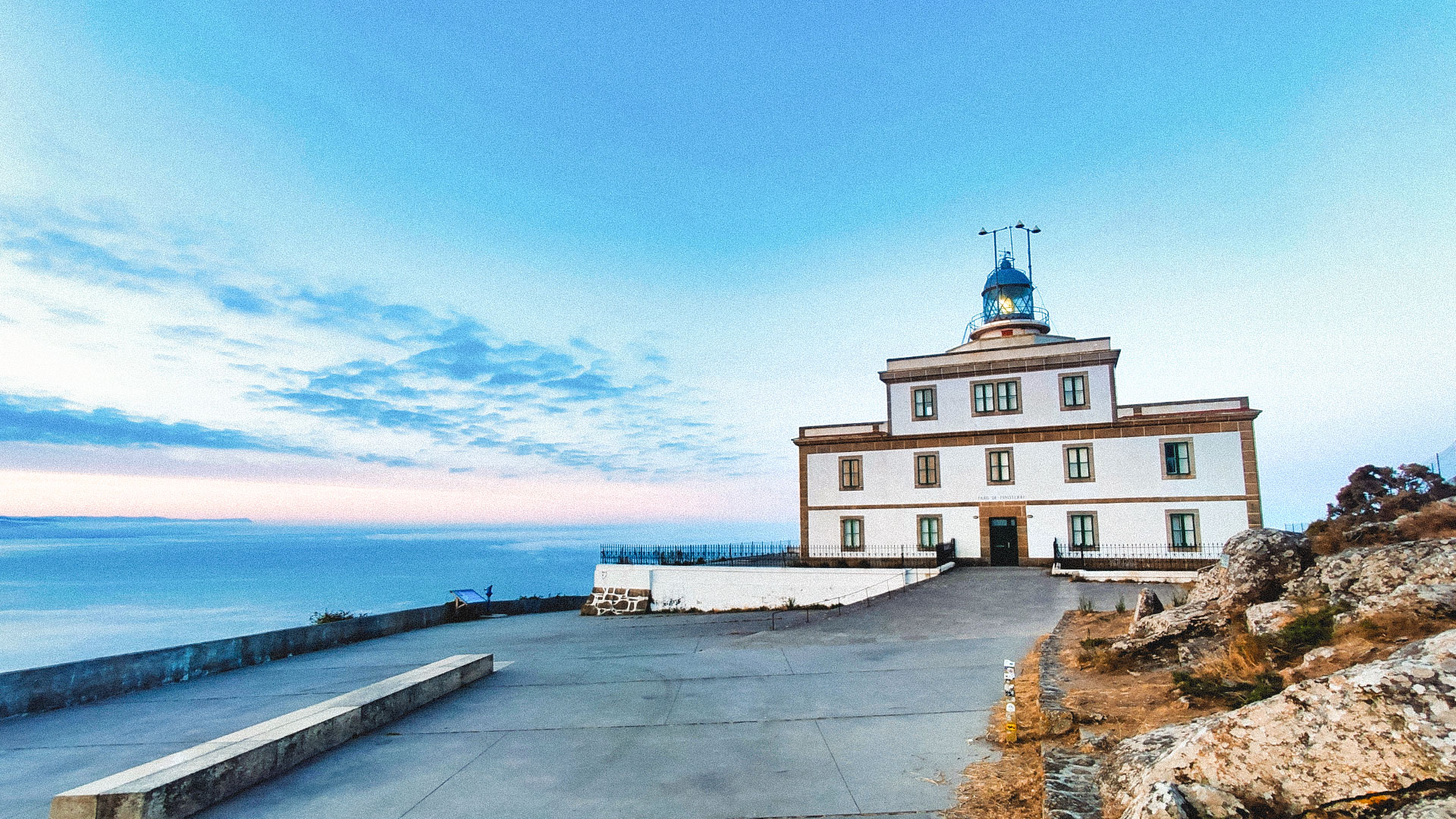
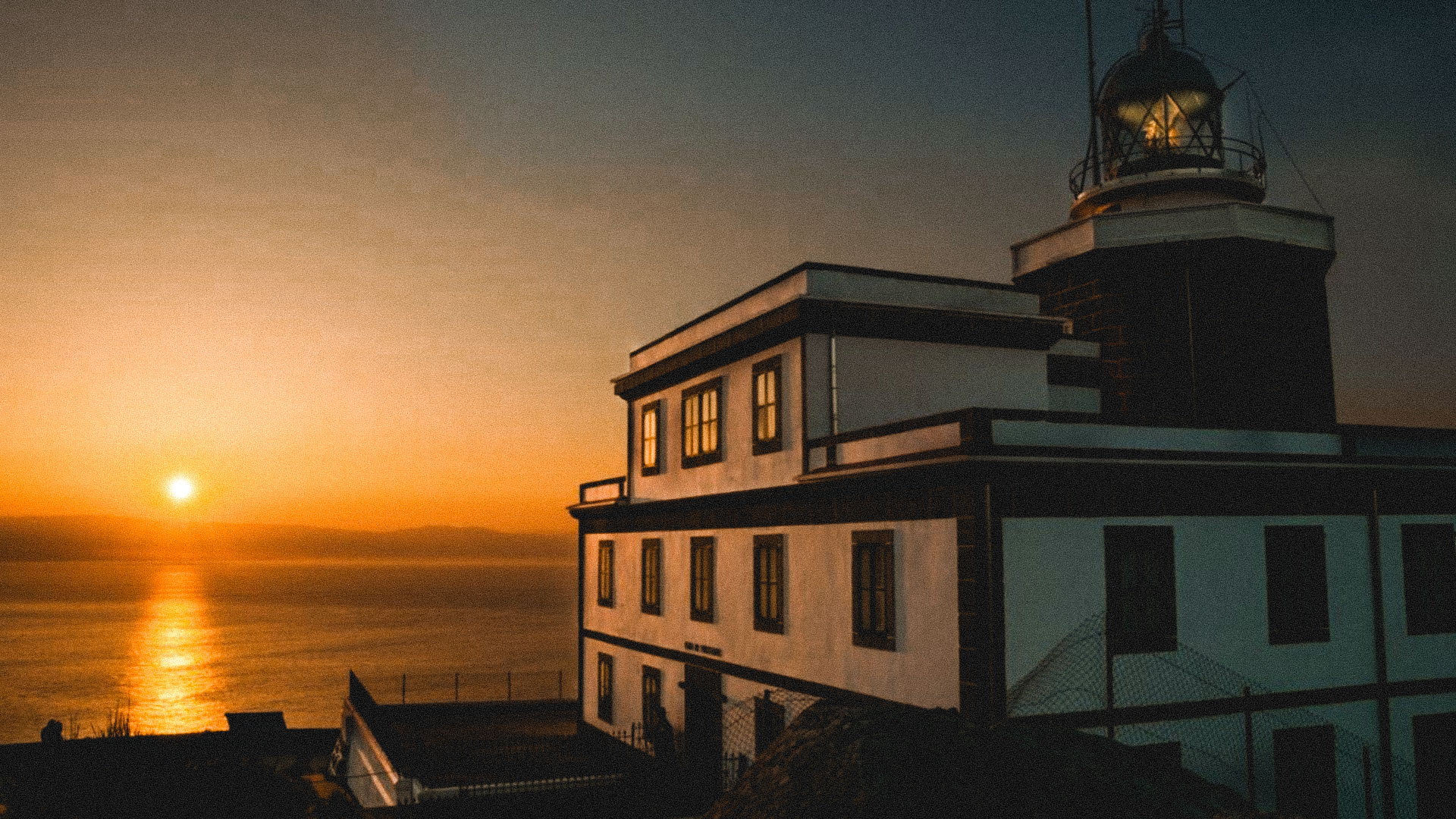
Today, we divide the day in two parts: a first one relaxing by the sea, crossing coastal landscapes, pine forests and stunning beaches. Arriving in Fisterra, we will pick up the Fisterrana, the official recognition of the End of the World. Then, in the afternoon, without backpacks, we will travel the 3,2 km to Cape Finisterre, where the sunset seen from the boat will mark the perfect closing of this trip.

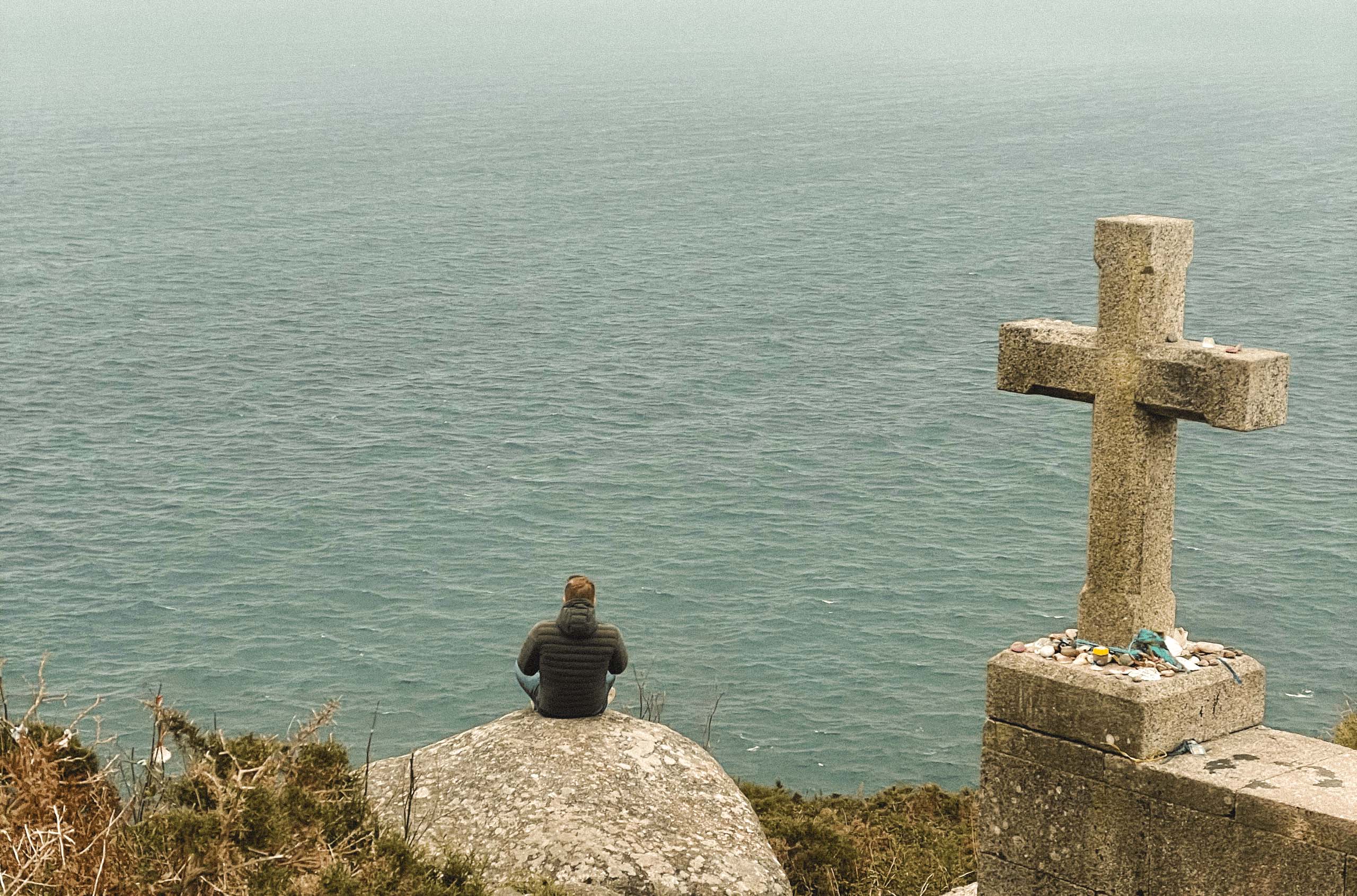
This last stretch is not only a destination, but a symbolic act. Cape Finisterre, considered the end of the world for centuries, invites reflection. It is a sacred place to take stock of the journey, sharing emotion and embraces with other pilgrims.

It is a profound ending that reminds us that the Camino does not end here. Every step is part of us, and even if this stretch concludes, the teachings of the Camino will live on in our hearts.
On the way to Muxía we make a stop in Lires

Distance: 8,3 miles – 13,3 km

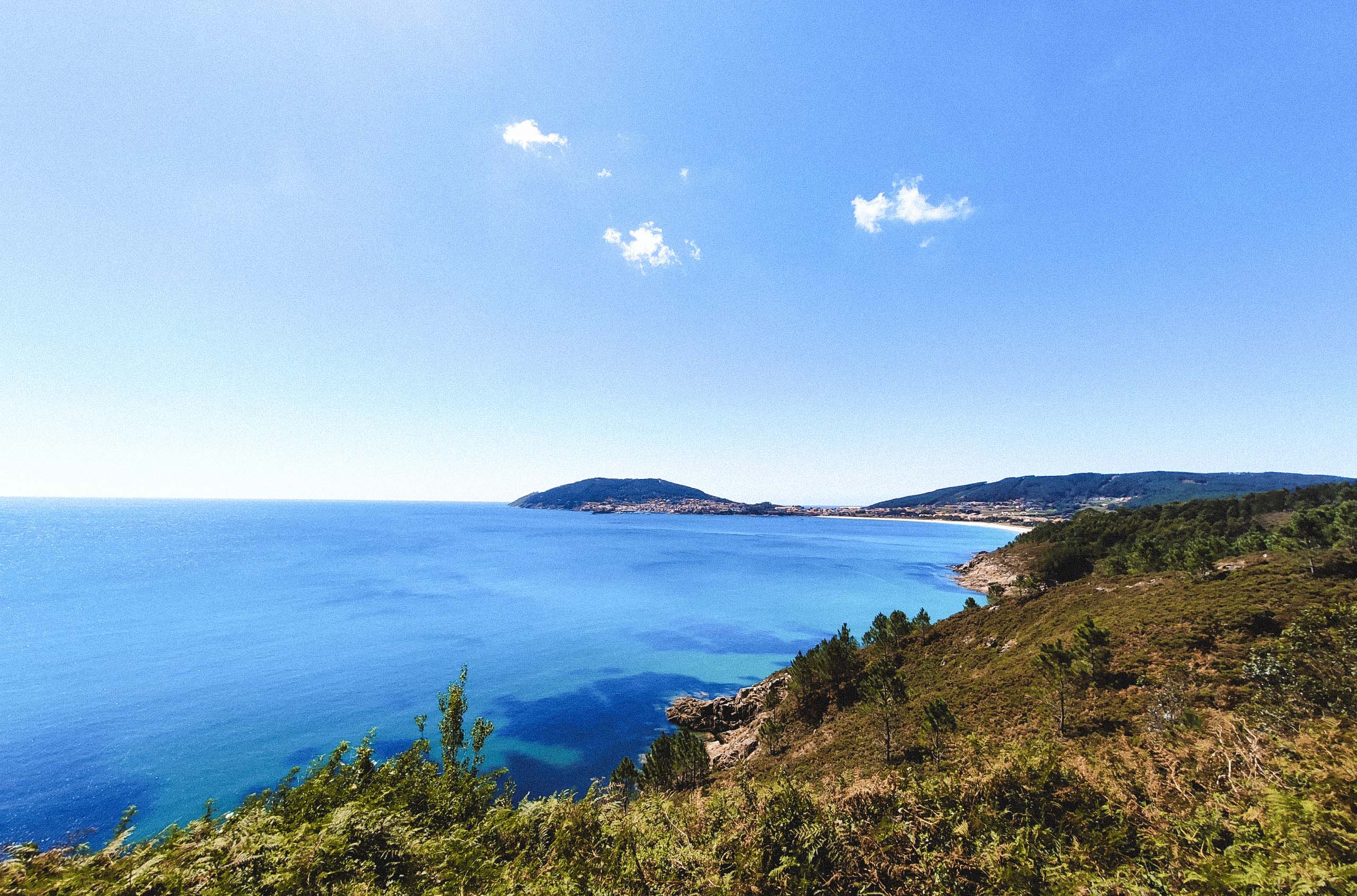
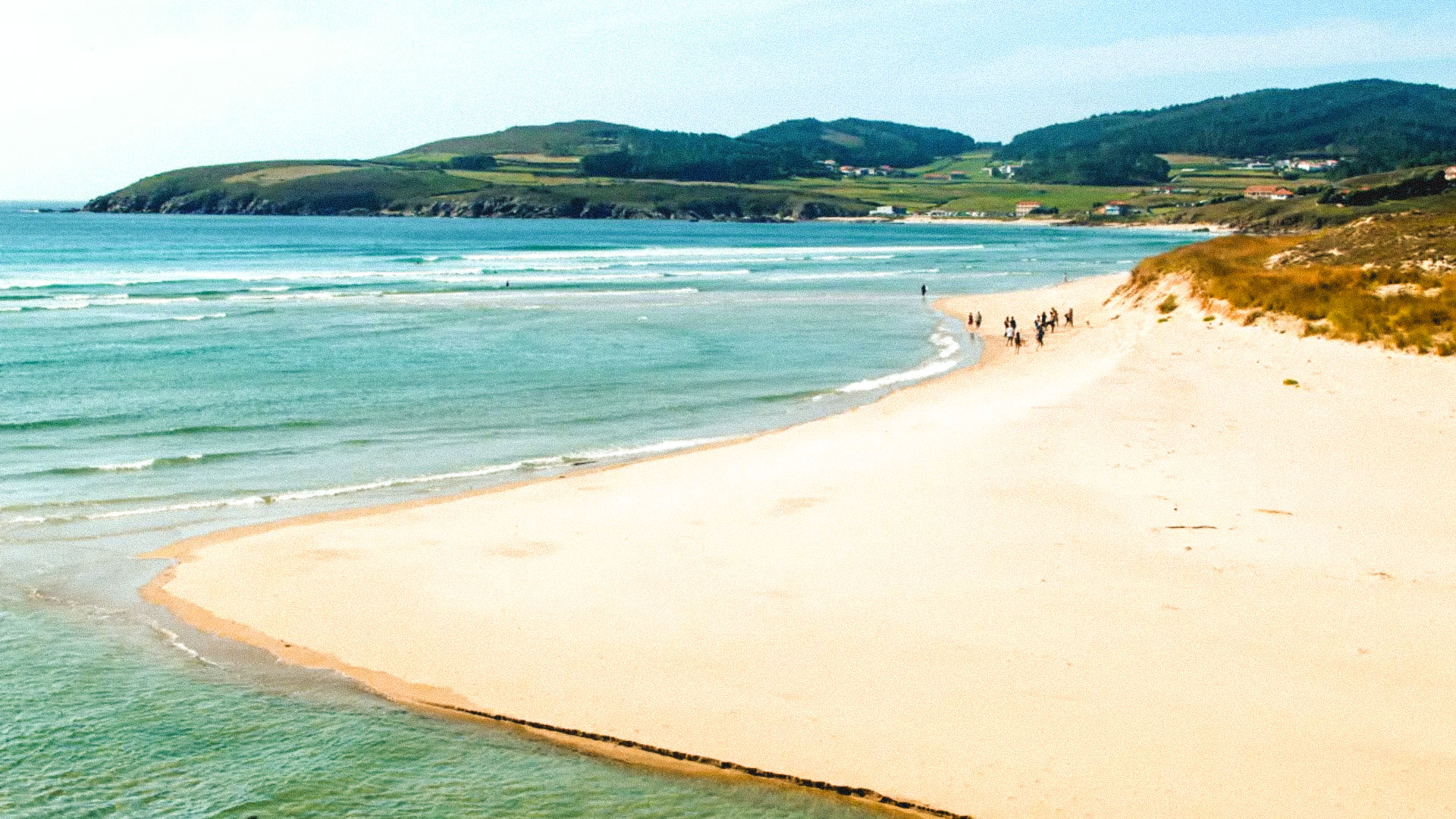
The stage from Fisterra to Lires follows the wild and beautiful Atlantic coastline, offering one of the most scenic and emotional days of the Camino. The path runs alongside cliffs, beaches, and small coastal villages, where the sound of the ocean and the fresh sea air accompany every step of the journey.

This stretch combines open coastal views with quieter inland paths, creating a perfect balance between nature and reflection. The changing light over the water, the rugged landscape, and the sense of walking at the edge of the world make this stage especially memorable for pilgrims.

Arriving in Lires, a peaceful village near the sea, provides a calm and welcoming end to the day. It is a place to rest, share experiences with fellow pilgrims, and prepare for the final steps of the Camino, surrounded by the tranquility of Galicia’s most remote and authentic coastline.
Through Rural Landscapes and Wild Coasts: The Route from Lires to Muxía

Distance: 8,9 miles – 14,3 km

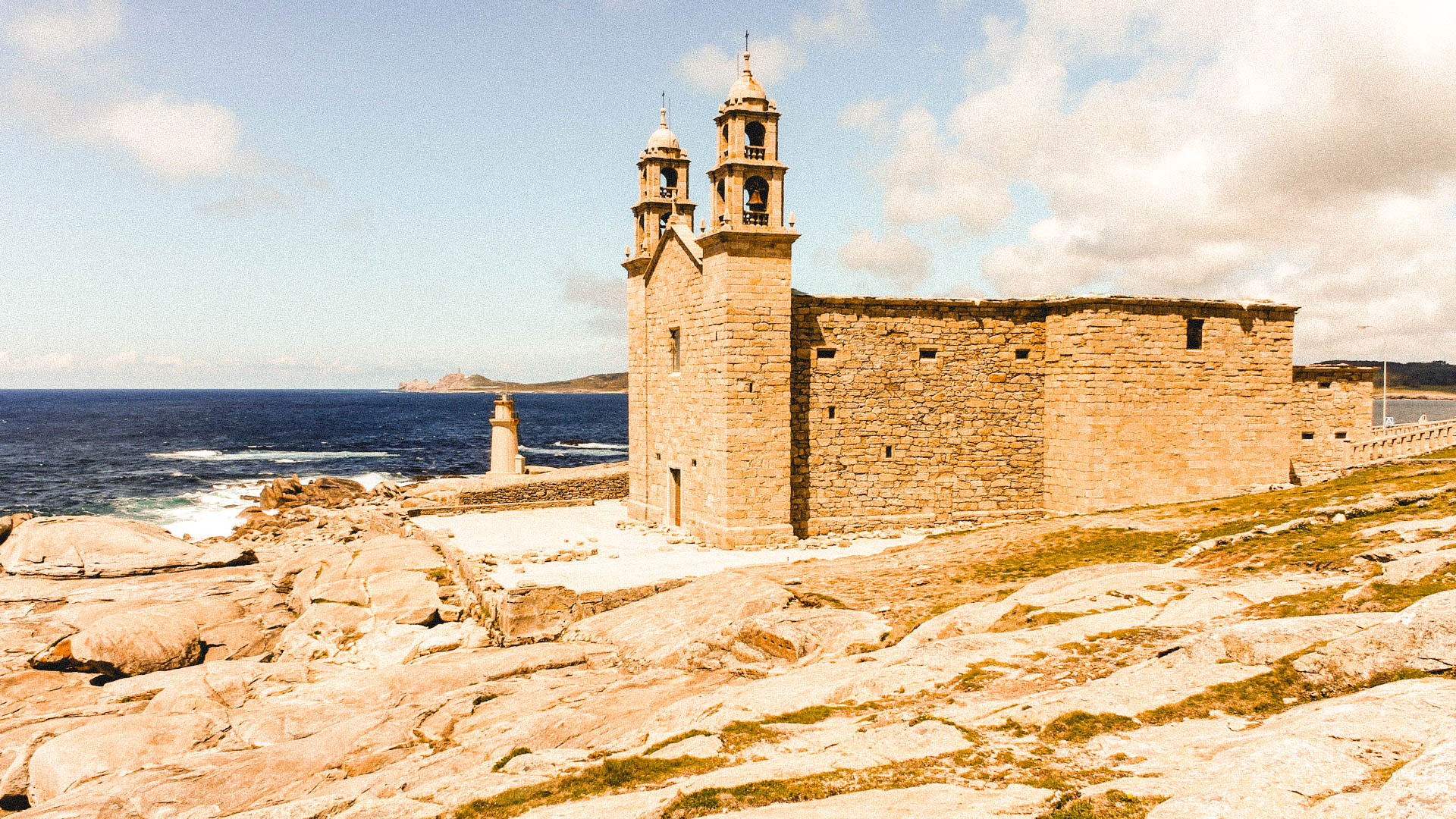
The path winds through coastal landscapes, green hills, and small fishing villages, offering constant views of the ocean and a strong sense of connection with nature.

This last stretch invites pilgrims to walk slowly and take in every moment, reflecting on the days of effort and discovery that have led here. The sound of the waves and the open horizon create a perfect setting for gratitude and contemplation as the journey nears its end.

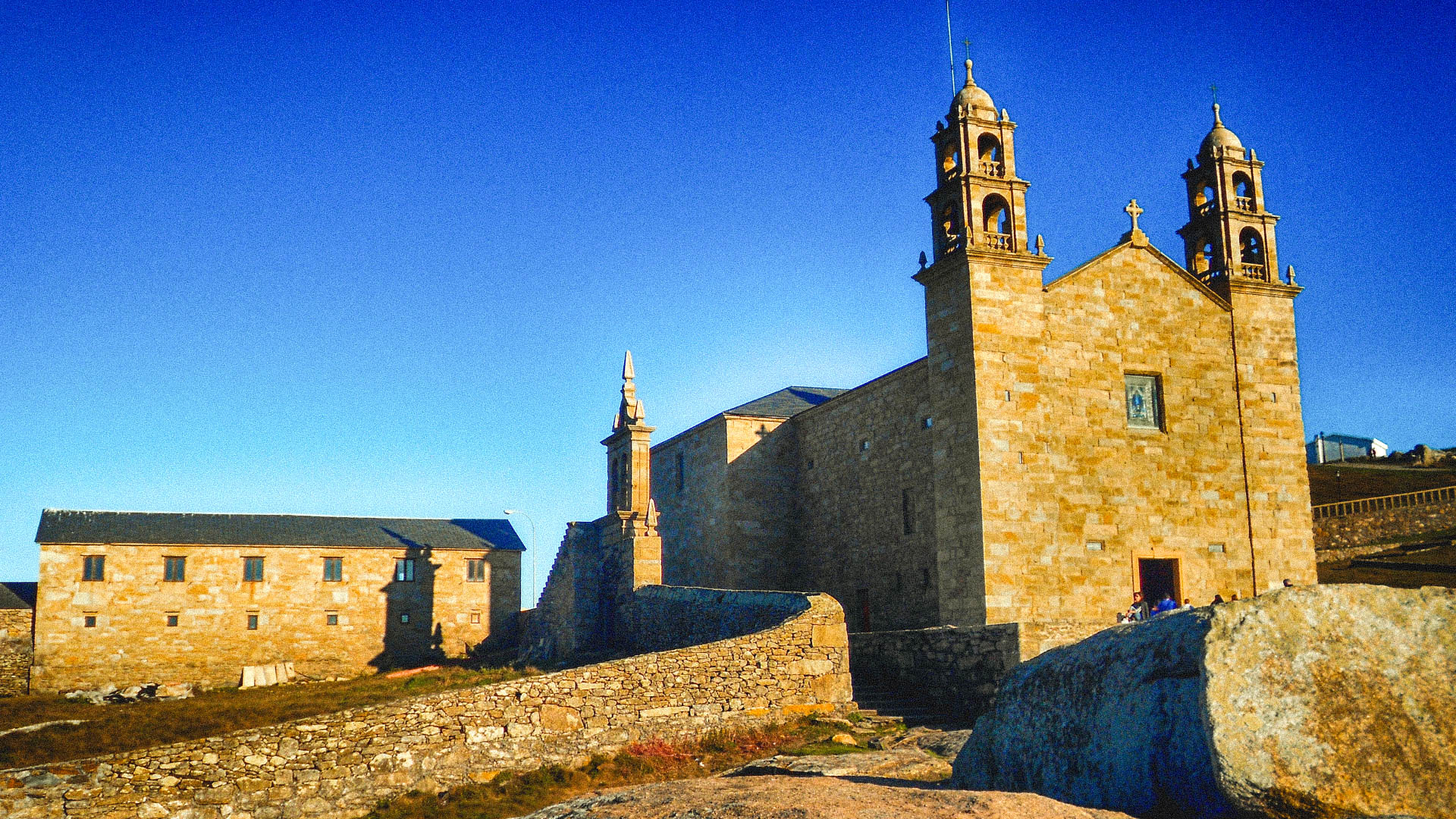
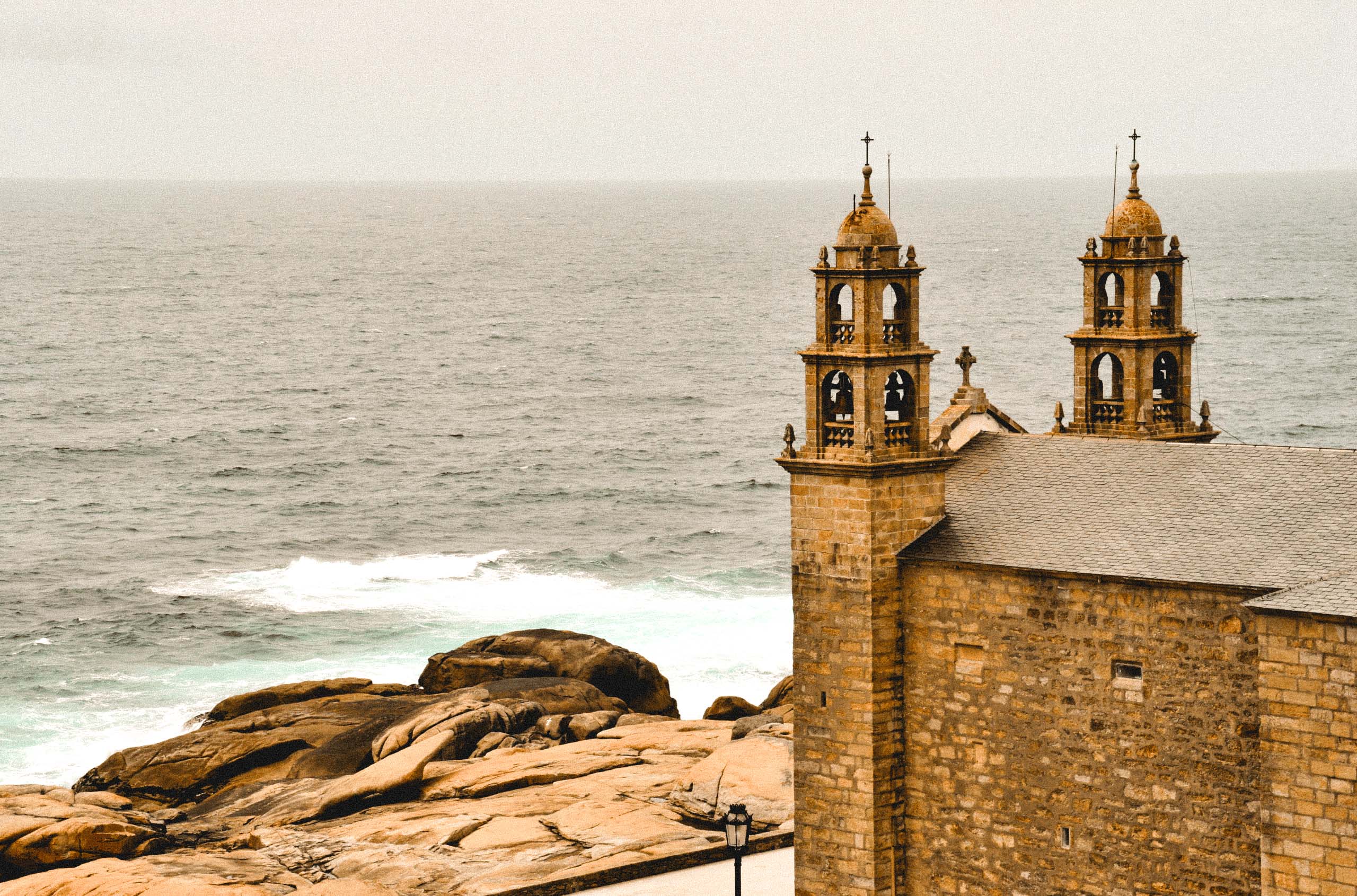
Arriving in Muxía, with its famous Sanctuary of Virxe da Barca overlooking the sea, marks a meaningful conclusion to the Camino. It is a place of tradition and spirituality, where the pilgrimage ends not with noise, but with calm, emotion, and the feeling of having reached a truly special destination.

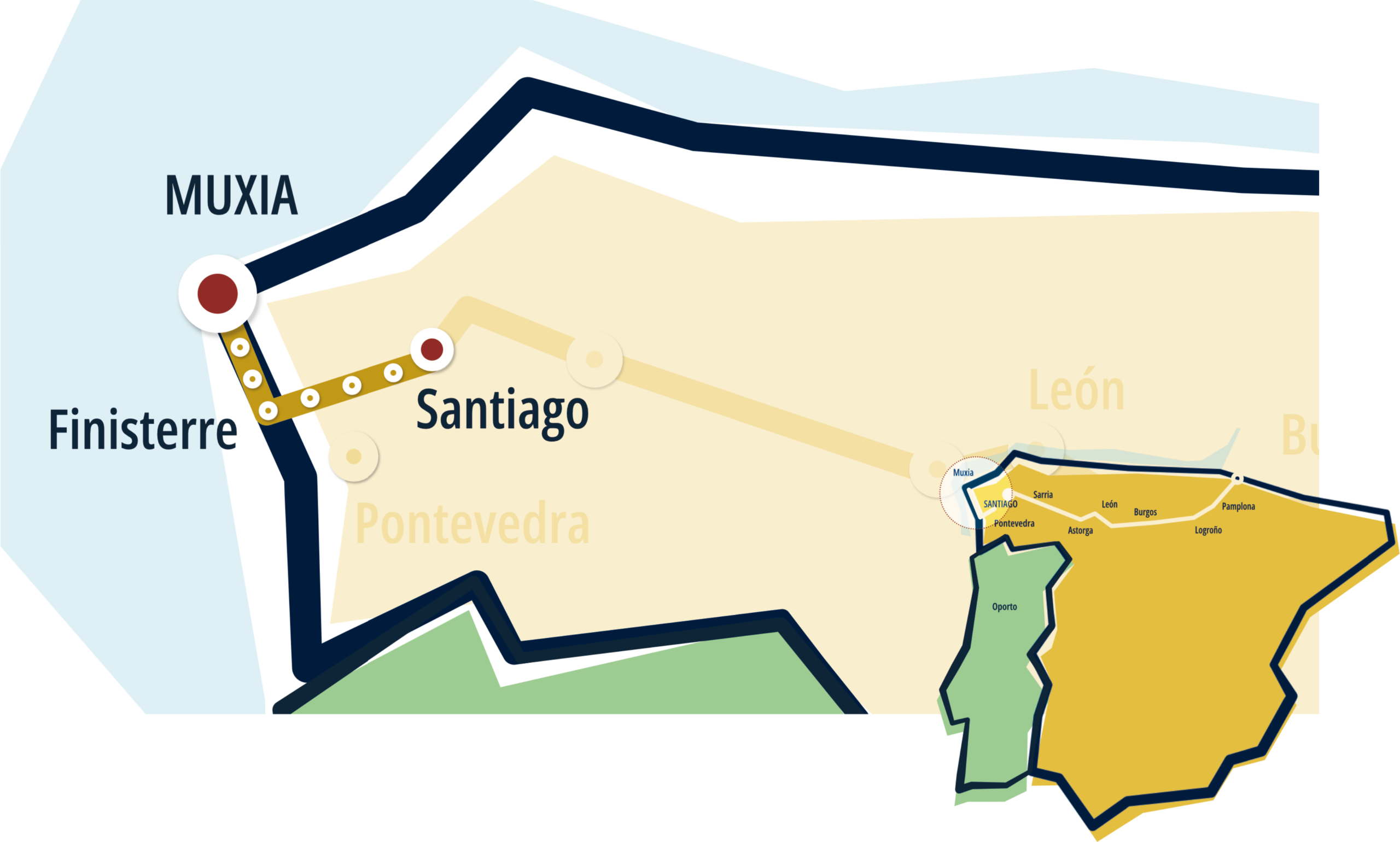
Route

1
Santiago de Compostela - Negreira

Towards the End of the World

Distance: 12,8 miles – 20,6 km

The stage from Santiago de Compostela to Negreira begins at the iconic Praza do Obradoiro, leaving behind the Cathedral and entering a more rural and peaceful landscape of forests, small villages, and country paths.

One of the most memorable moments of the day is the climb to Alto do Mar de Ovellas and the later descent toward Ponte Maceira, one of the most beautiful villages on this route. Its medieval bridge over the Tambre River, surrounded by greenery and old water mills, offers a perfect place to pause, rest, and take in the atmosphere of this historic setting.

The final stretch leads gently into Negreira, marking the end of the first day on the Camino to Finisterre. It is a meaningful stage that blends physical effort with moments of beauty and reflection, setting the tone for the journey toward the Atlantic and the symbolic End of the World.

2
Negreira - As Maroñas

Landscapes and rural magic

Distance: 12,2 miles – 19,7 km

The stage from Negreira to As Maroñas offers a journey through the most authentic and tranquil landscapes of rural Galicia. The path unfolds among rolling hills, small villages, and green forests, creating an atmosphere of calm that invites pilgrims to walk slowly and fully enjoy their surroundings.

Although the route includes some uneven terrain, each effort is rewarded with charming hamlets, stone churches, and quiet stretches where nature takes center stage. This is a day to experience the Camino with all the senses, letting the rhythm of walking blend with the sounds, colors, and scents of the countryside.

As the day draws to a close in As Maroñas, the feeling of progress and anticipation grows stronger. With renewed energy, pilgrims prepare for the next challenge ahead, knowing that the Camino to Fisterra continues to reveal new landscapes and unexpected moments at every step.

3
As Maroñas - Olveiroa

A quiet walk among hórreos (granaries)

Distance: 8,6 miles – 13,9 km

The third stage of the Way to Fisterra is quiet and picturesque, surrounding Monte Aro on its northern slope. The route offers a gentle descent and the option to visit a viewpoint overlooking the Fervenza reservoir and the Xallas valleys.

Along the way, you can see the typical Galician hórreos, traditional structures used to store products, which add charm to the rural landscape.

The route crosses small rural villages and reaches the church of San Cristóbal de Corzón, before crossing the Xallas River at Ponte Olveiroa and ending in Olveiroa, a village with a medieval layout that offers services for pilgrims.

4
Olveiroa - Corcubión

Sea in sight!

Distance: 13.3 miles – 21,4 km

The stage from Olveiroa to Corcubión marks the long-awaited reunion with the Atlantic Ocean after several days walking inland. The route unfolds through gentle hills and open landscapes, gradually bringing pilgrims closer to the coast and filling the day with a sense of arrival and excitement.

Around kilometer 16, the path begins a long descent toward the estuary, offering one of the most spectacular views of the entire Camino to Fisterra. From this point, the ocean appears on the horizon, creating a powerful moment that combines effort with beauty and anticipation.

Upon reaching Corcubión, a charming coastal town with a lively atmosphere, pilgrims find a perfect place to rest and celebrate the journey so far. With its welcoming accommodations and seaside bars, Corcubión becomes an ideal ending point for a day defined by scenery, emotion, and the first true encounter with the sea.

5
Corcubión - Fisterra

A journey of reflection and connection at the Cape of Finisterre

Distance: 6,7 miles – 10,6 km

Today, we divide the day in two parts: a first one relaxing by the sea, crossing coastal landscapes, pine forests and stunning beaches. Arriving in Fisterra, we will pick up the Fisterrana, the official recognition of the End of the World. Then, in the afternoon, without backpacks, we will travel the 3,2 km to Cape Finisterre, where the sunset seen from the boat will mark the perfect closing of this trip.

This last stretch is not only a destination, but a symbolic act. Cape Finisterre, considered the end of the world for centuries, invites reflection. It is a sacred place to take stock of the journey, sharing emotion and embraces with other pilgrims.

It is a profound ending that reminds us that the Camino does not end here. Every step is part of us, and even if this stretch concludes, the teachings of the Camino will live on in our hearts.

6
Fisterra - Lires

On the way to Muxía we make a stop in Lires

Distance: 8,3 miles – 13,3 km

The stage from Fisterra to Lires follows the wild and beautiful Atlantic coastline, offering one of the most scenic and emotional days of the Camino. The path runs alongside cliffs, beaches, and small coastal villages, where the sound of the ocean and the fresh sea air accompany every step of the journey.

This stretch combines open coastal views with quieter inland paths, creating a perfect balance between nature and reflection. The changing light over the water, the rugged landscape, and the sense of walking at the edge of the world make this stage especially memorable for pilgrims.

Arriving in Lires, a peaceful village near the sea, provides a calm and welcoming end to the day. It is a place to rest, share experiences with fellow pilgrims, and prepare for the final steps of the Camino, surrounded by the tranquility of Galicia’s most remote and authentic coastline.

7
Lires - Muxía

Through Rural Landscapes and Wild Coasts: The Route from Lires to Muxía

Distance: 8,9 miles – 14,3 km

The path winds through coastal landscapes, green hills, and small fishing villages, offering constant views of the ocean and a strong sense of connection with nature.

This last stretch invites pilgrims to walk slowly and take in every moment, reflecting on the days of effort and discovery that have led here. The sound of the waves and the open horizon create a perfect setting for gratitude and contemplation as the journey nears its end.

Arriving in Muxía, with its famous Sanctuary of Virxe da Barca overlooking the sea, marks a meaningful conclusion to the Camino. It is a place of tradition and spirituality, where the pilgrimage ends not with noise, but with calm, emotion, and the feeling of having reached a truly special destination.
BOOK

Make your Camino unique

Experiences
Restaurants
Hotels

Fisterra – Muxía tour

SEE MORE

Finisterre and Muxía: the end of the Camino and a legend land

SEE MORE

Visit Muxía: A Virxe da Barca sanctuary and the Pedra de Abalar

SEE MORE

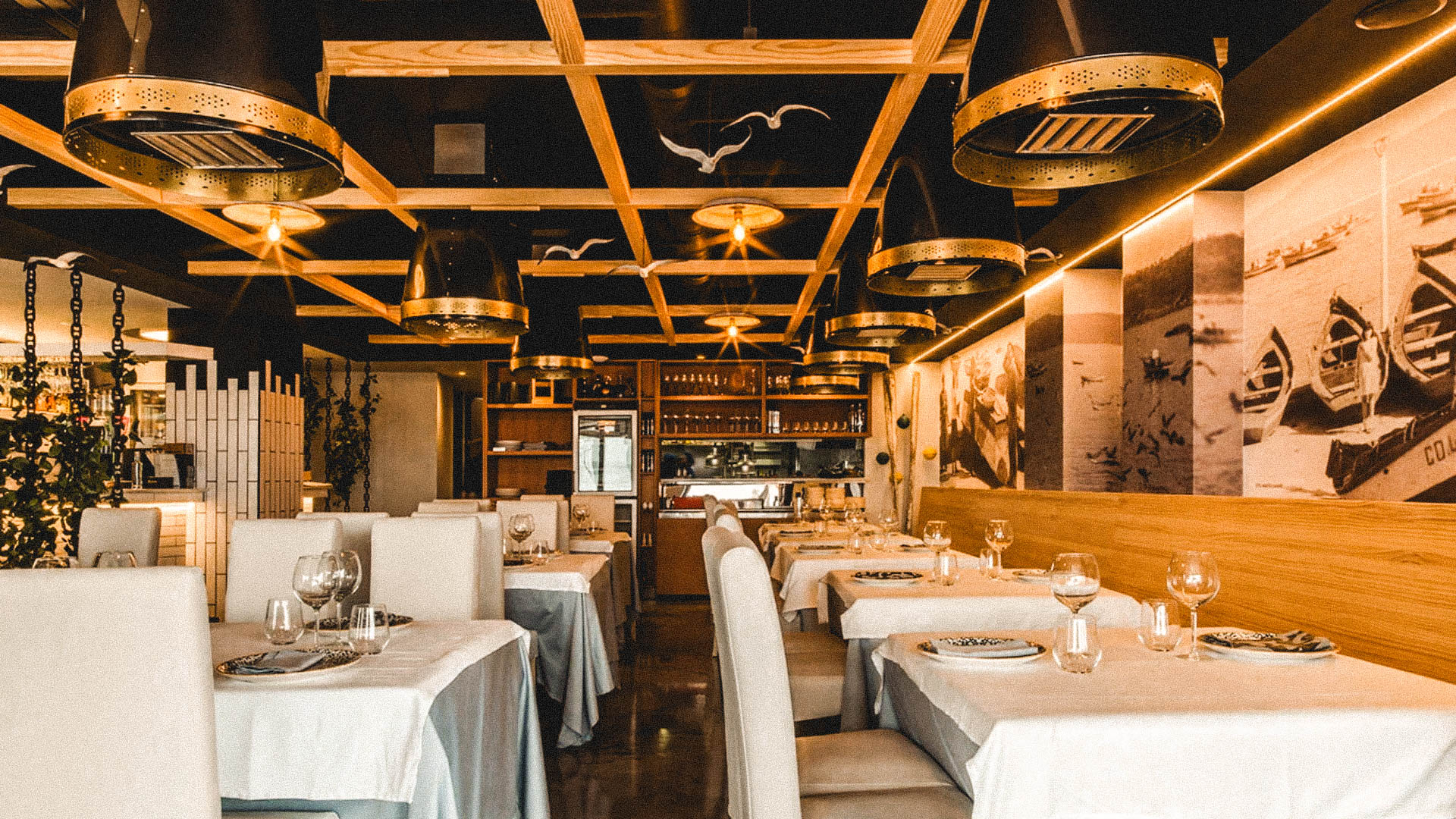
Restaurante A Lonxa de Álvaro

SEE MORE

O Semaforo Fisterra

SEE MORE

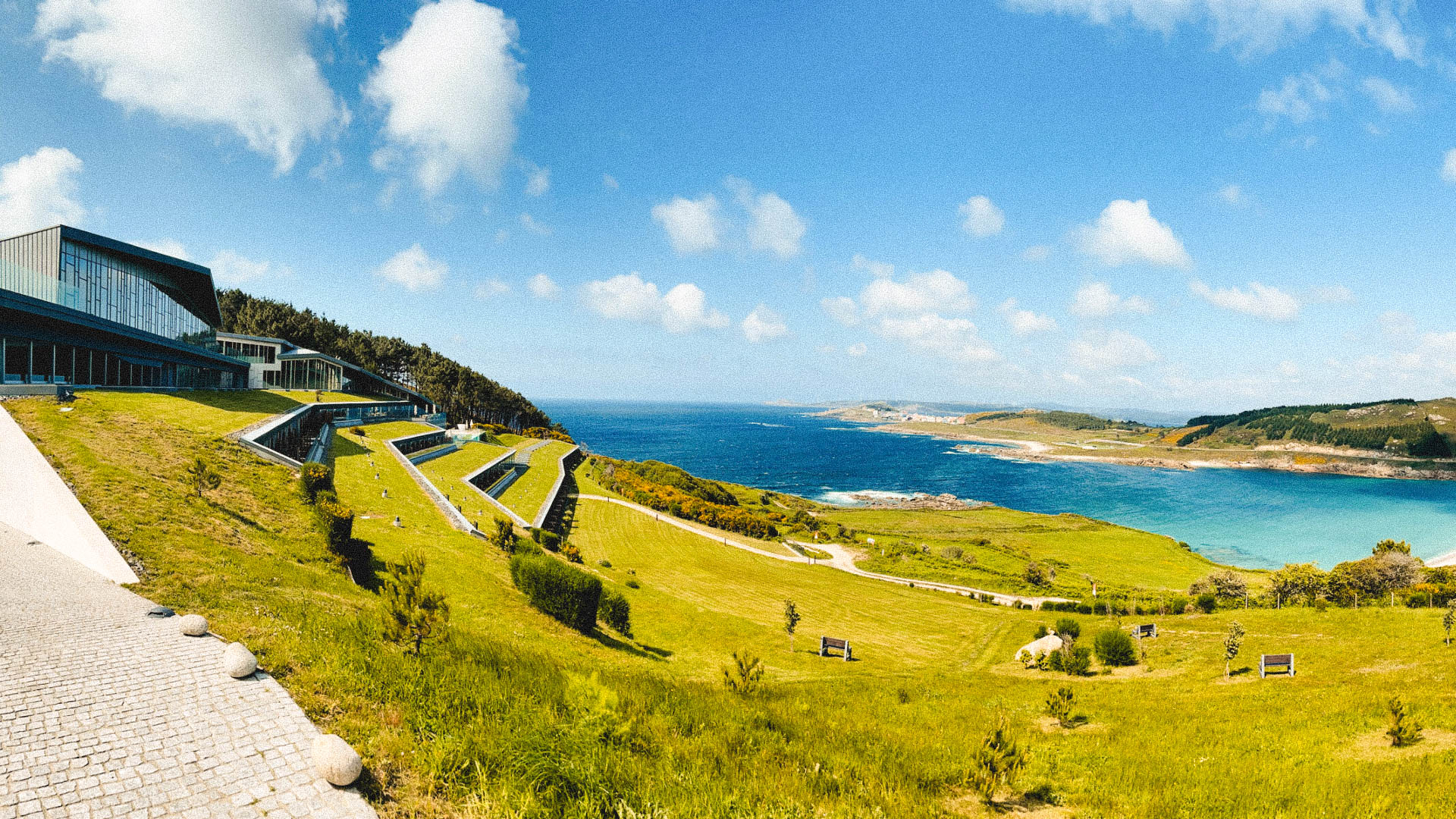
Parador Costa da Morte

SEE MORE

What’s included in your Camino?

Included

  • Private accommodation with en-suite bathroom (depending on chosen category)
  • Daily breakfast
  • Basic insurance
  • 24/7 emergency phone assistance
  • Detailed Camino guide with stages, maps, and tips
  • Daily WhatsApp check-in and support
  • Camino People welcome pack
  • Personalized recommendations for meals, dinners, and local visits
  • Luggage transfer between stages

Not Included

  • Lunches and dinners not specified in the itinerary
  • Drinks and extra snacks
  • Flights or travel to the starting/ending point (optional transfer available)
  • Laundry service
  • Personal expenses
  • Cancellation or comprehensive travel insurance (optional)
  • Entrance fees to monuments or museums not included in the itinerary
  • Tips

Extras (available upon request)

  • Guided Camino (full-time or selected stages)
  • Fully organized trip with exclusive activities
  • Gourmet dinners or unique gastronomic experiences
  • Private cultural visits or entrance tickets with guide
  • Transportation to/from airport or other off-route locations
  • Extra nights before or after the Camino
  • Massage, physiotherapy, or yoga services
  • Cancellation or extended travel insurance

FAQ

Is there enough signage to avoid getting lost on this Camino?

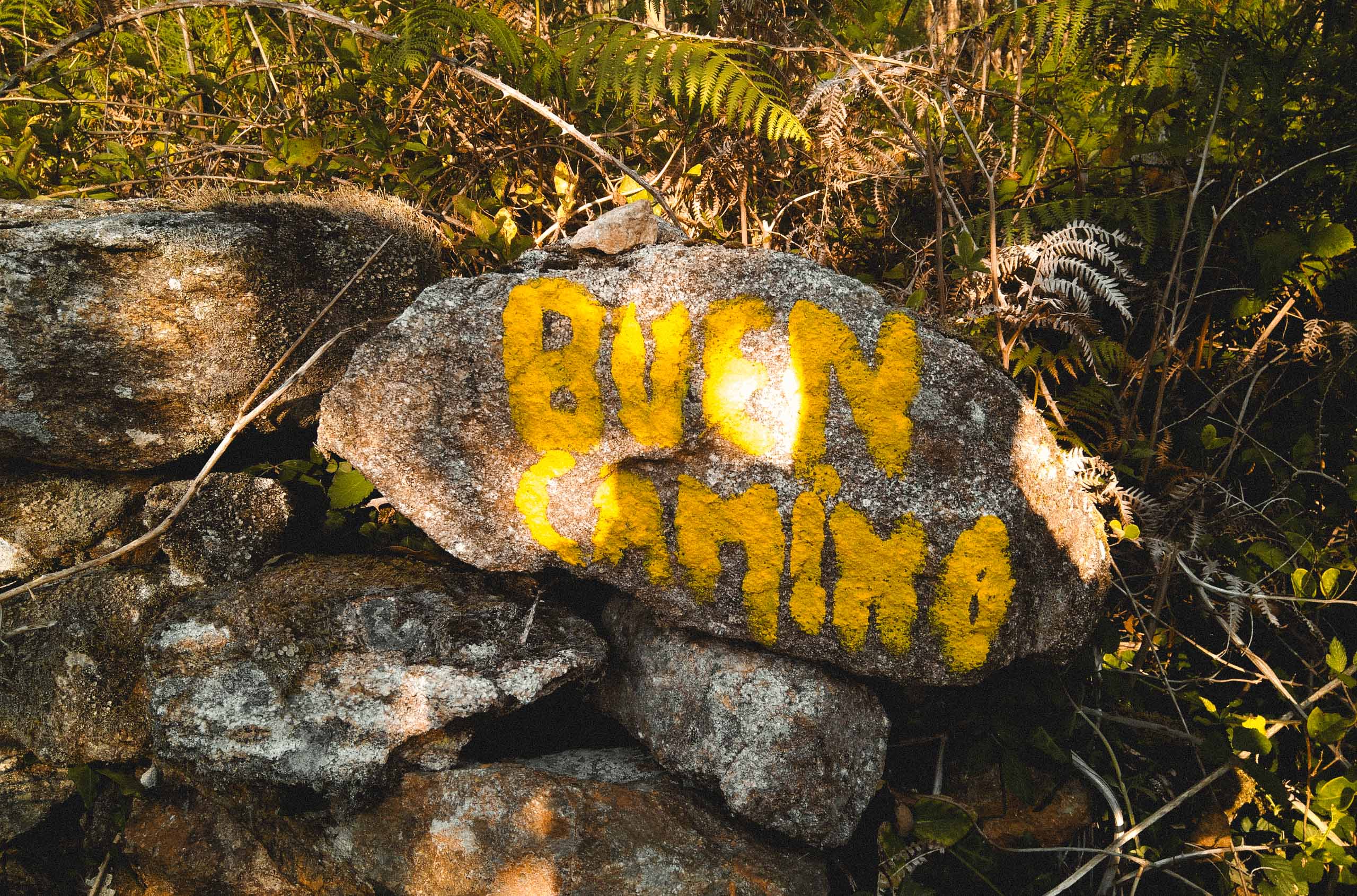
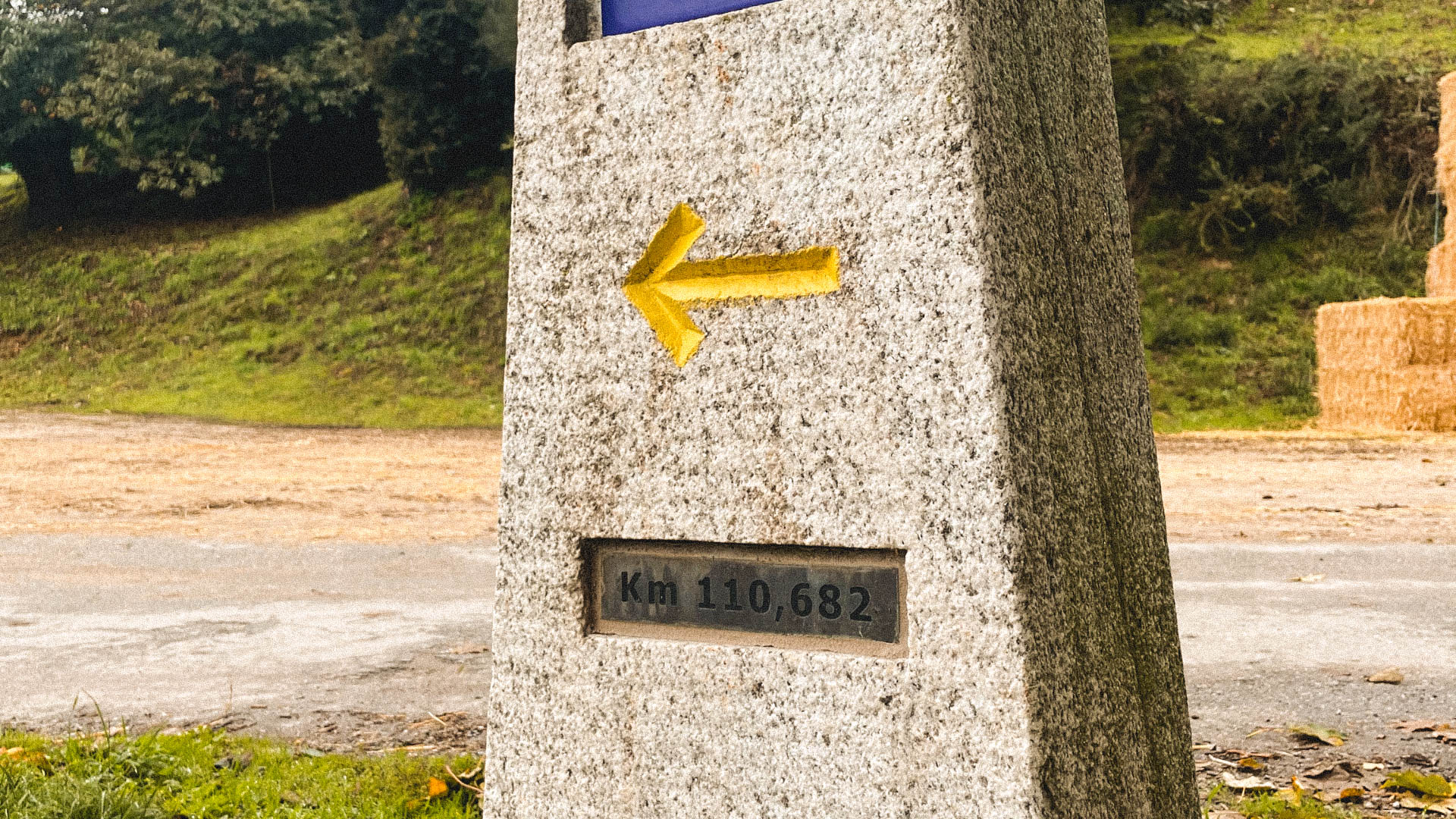
Yes, the route is well signposted in both directions. Along the way, you will find double cairns at crossroads, and arrows painted with the letters “F” (for Fisterra) and “M” (for Muxía), which makes orientation easier. However, it is always advisable to carry a map or GPS for safety.

Is it safe to swim at the beaches along this stage?

Although the beaches along the stage, such as Rostro beach or Lires beach, are beautiful, it is important to be cautious. The currents and tide on the Atlantic coasts can be dangerous. It is recommended not to bathe due to the risks associated with strong currents and waves.

Can I take a detour along the coast at this stage?

Yes, it is possible to take an alternative detour along the coast between Lires and Fisterra, following the Camiño dos Faros. This route offers breathtaking views and borders the coves of Area Grande and Area Pequena. However, it is a slightly longer detour with a more demanding profile, so if you prefer a simpler option, you can continue along the official route.

Related Caminos

Camino Francés desde Sarria (5 etapas)

5 días - 4 noches

desde

1.300 €

Camino Francés desde Sarria (6 etapas)

6 días - 5 noches

desde

1.500 €

Camino de Santiago Francés

35 días - 34 noches

desde

8.000 €