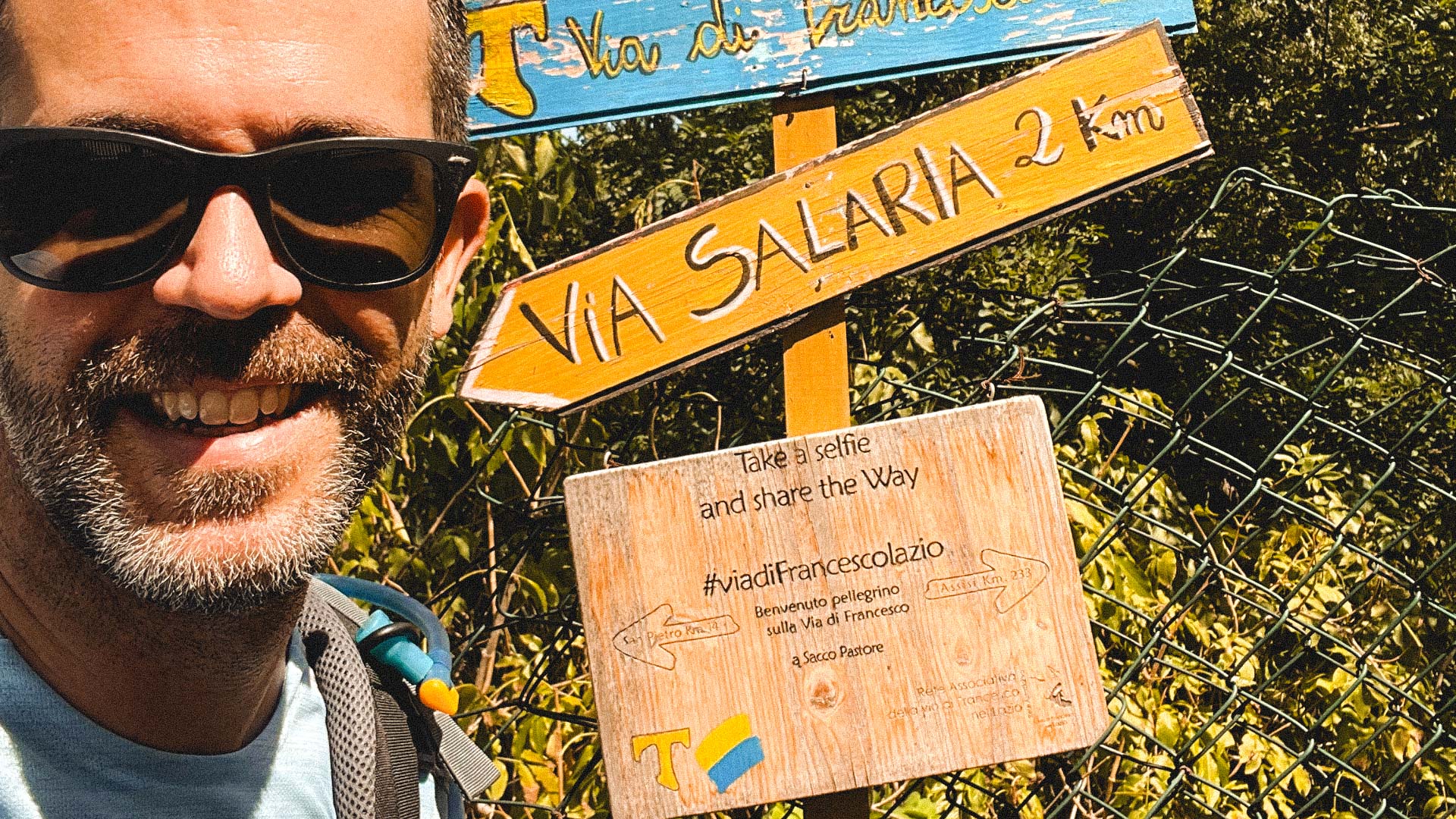
 The beginning of your own way
Distance: 9.6 miles – 15,4 km
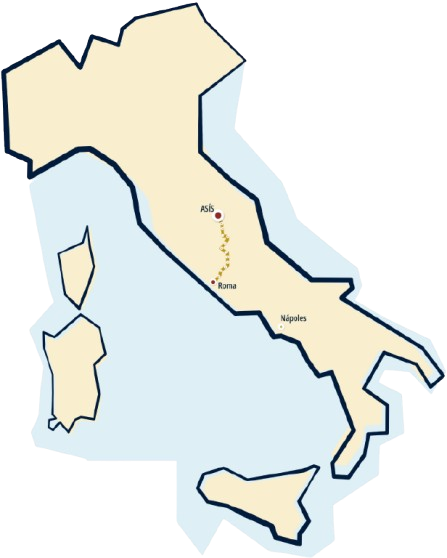
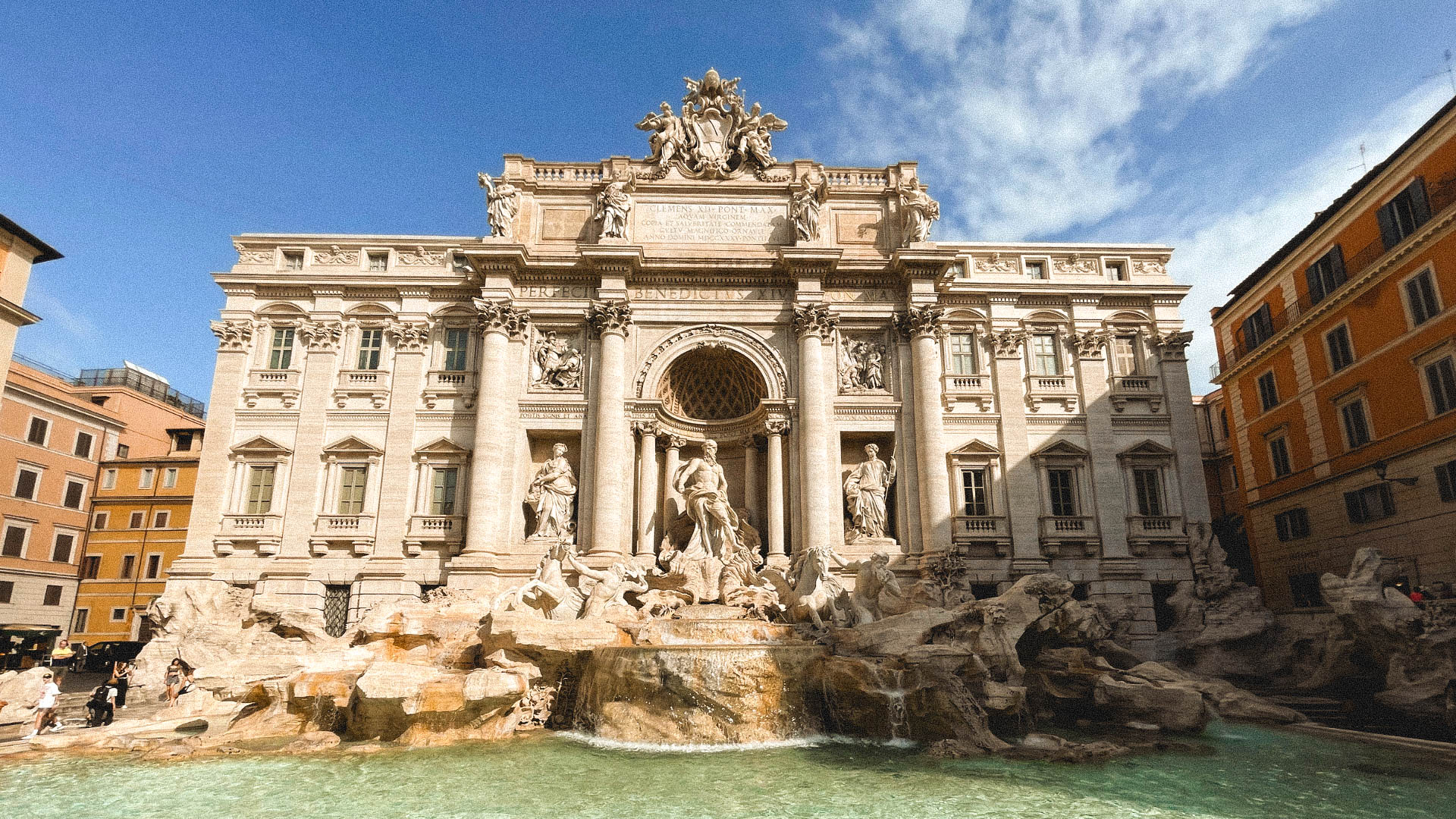
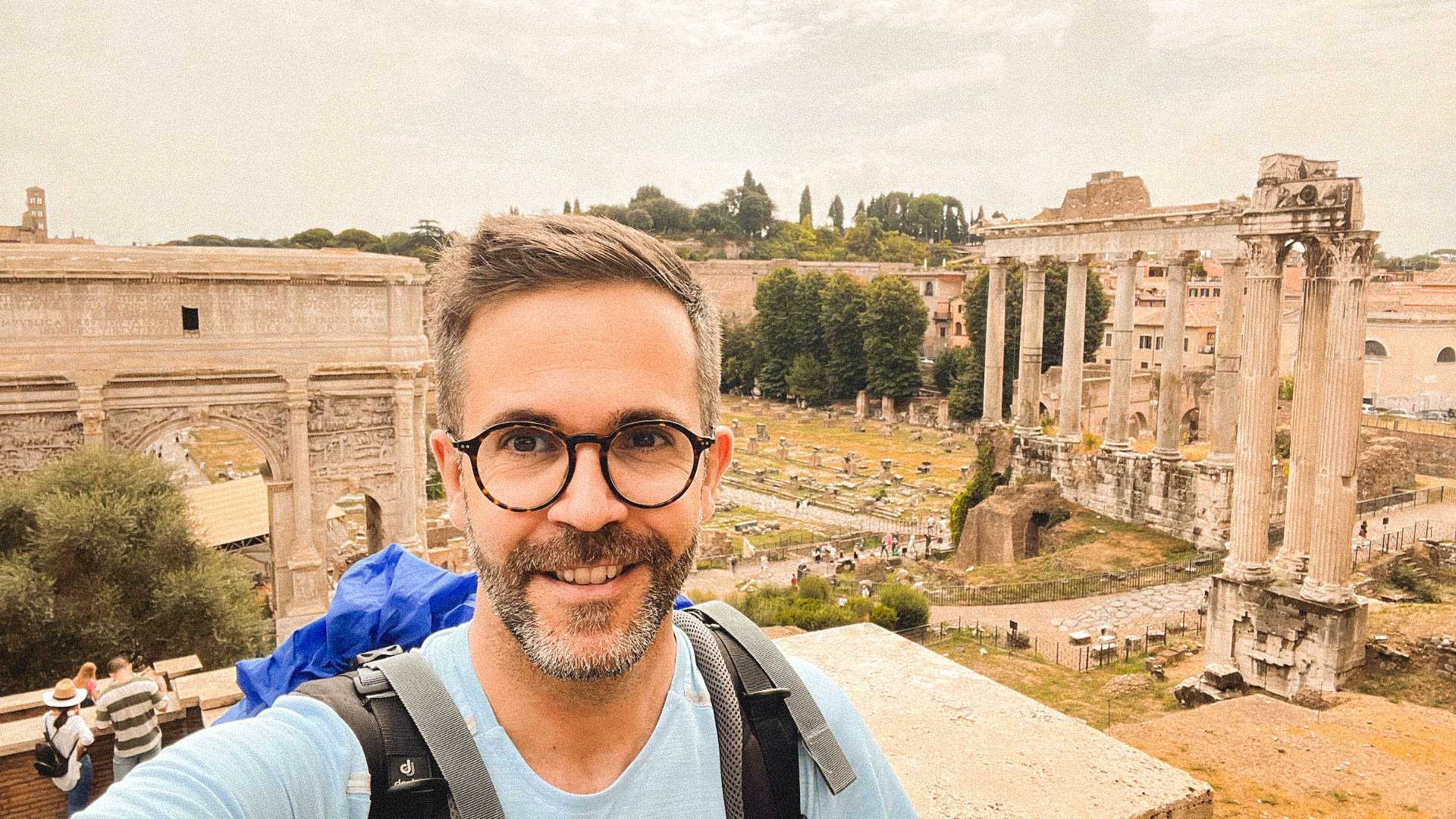
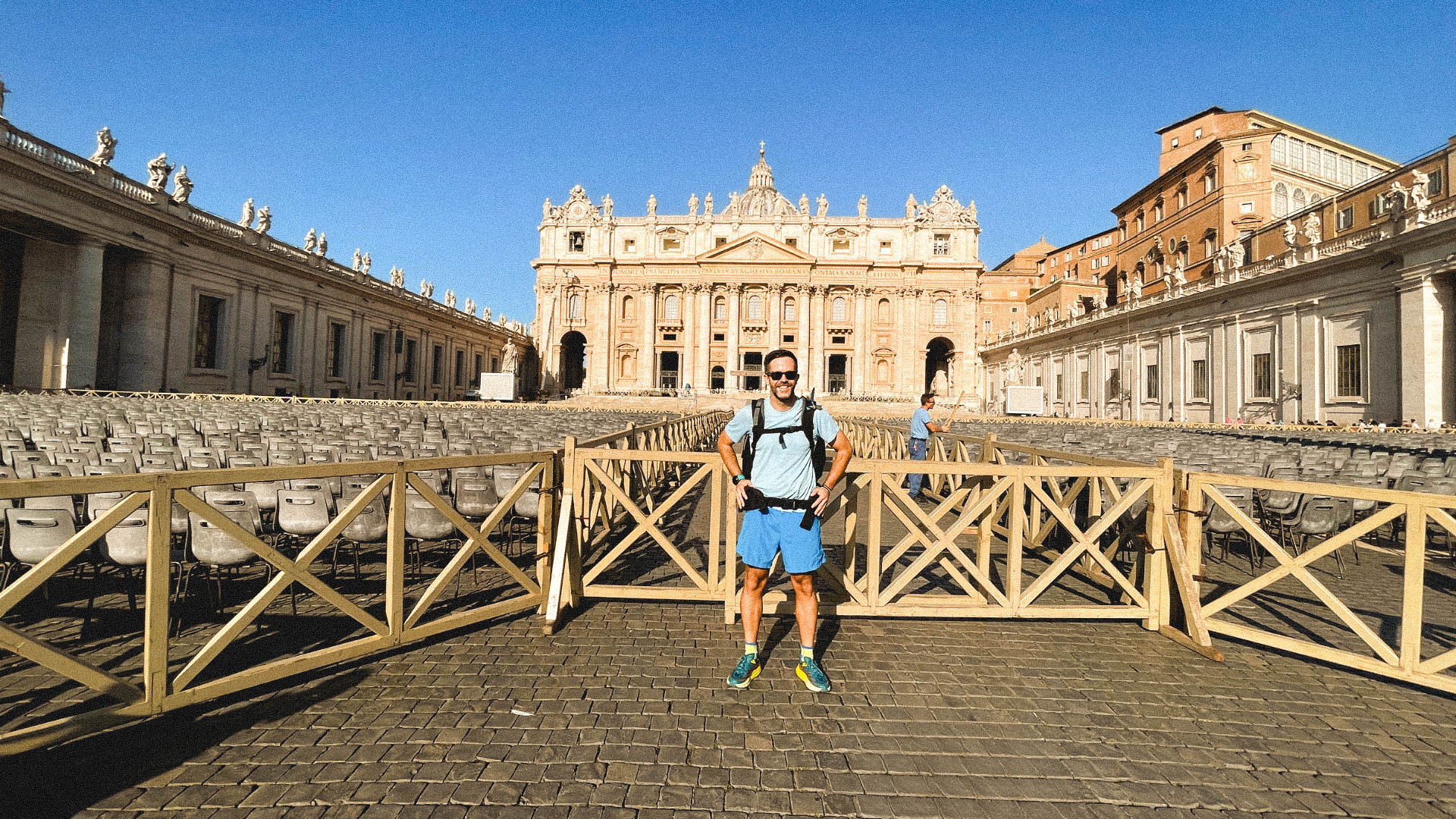
The St. Francis Way begins in the heart of Rome, the Eternal City, where the bustling streets contrast with the excitement of embarking on a journey filled with history and spirituality. From the majestic St. Peter’s Basilica, the path winds through ancient streets, crossing iconic squares and monuments, before gradually transitioning into quieter areas, marking the shift from urban energy to a more peaceful setting.
Little by little, the landscape changes, leading to Villa Ada Park, a green oasis that provides a welcome break from the city’s fast pace. Here, pilgrims begin to feel the spirit of the Camino, leaving behind the paved roads to immerse themselves in a more natural environment. The journey continues to Monte Sacro, a historic Roman district, whose name recalls ancient Republican legends.
Monte Sacro is the perfect place to rest after this first stage. Its calm atmosphere allows pilgrims to absorb the first impressions of the journey, while its gastronomy invites you to savor Roman specialties such as pasta all’amatriciana, porchetta, and suppli.
 Walking into the heart of Italy
Distance: 11.2 miles – 18 km
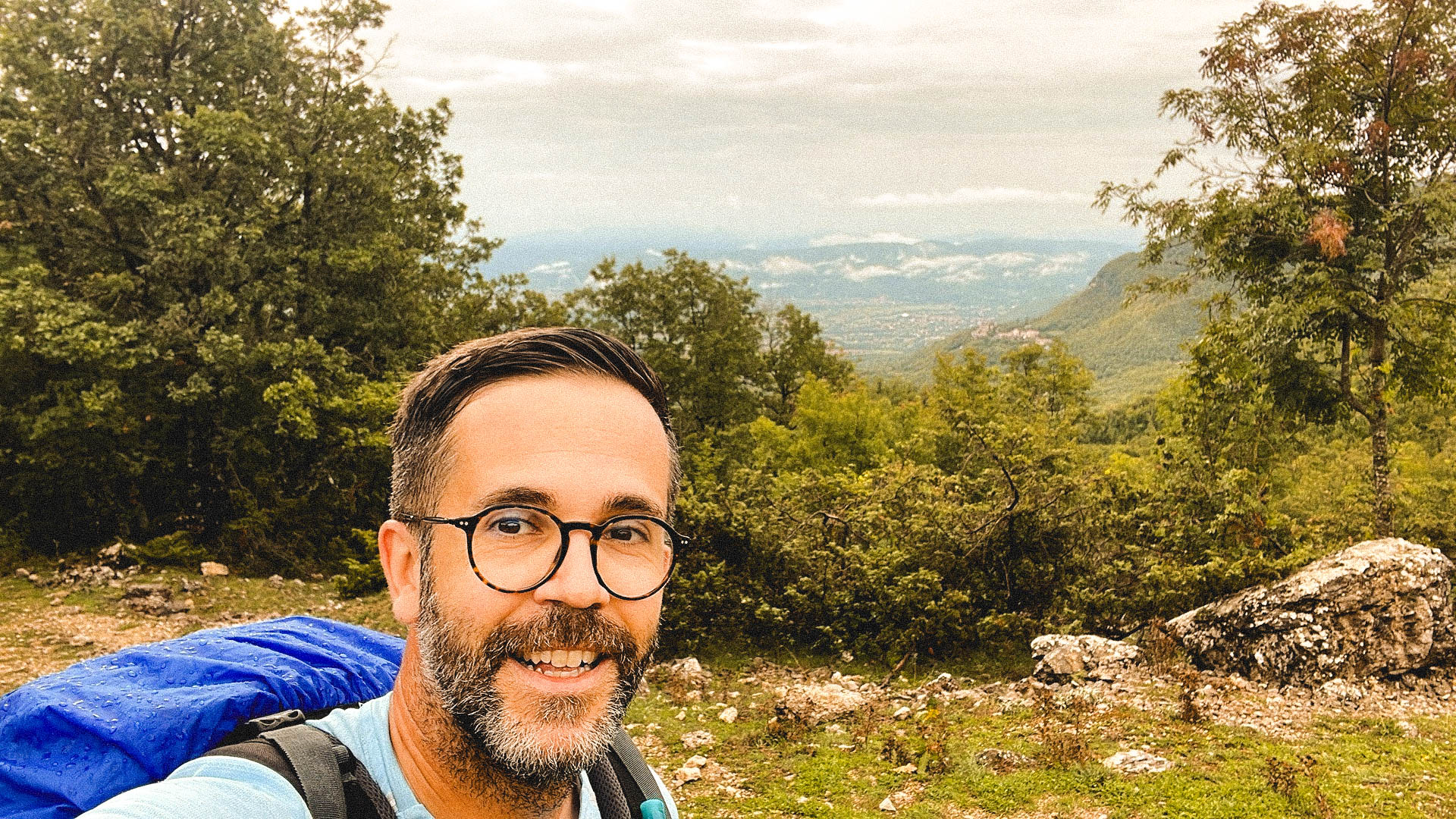
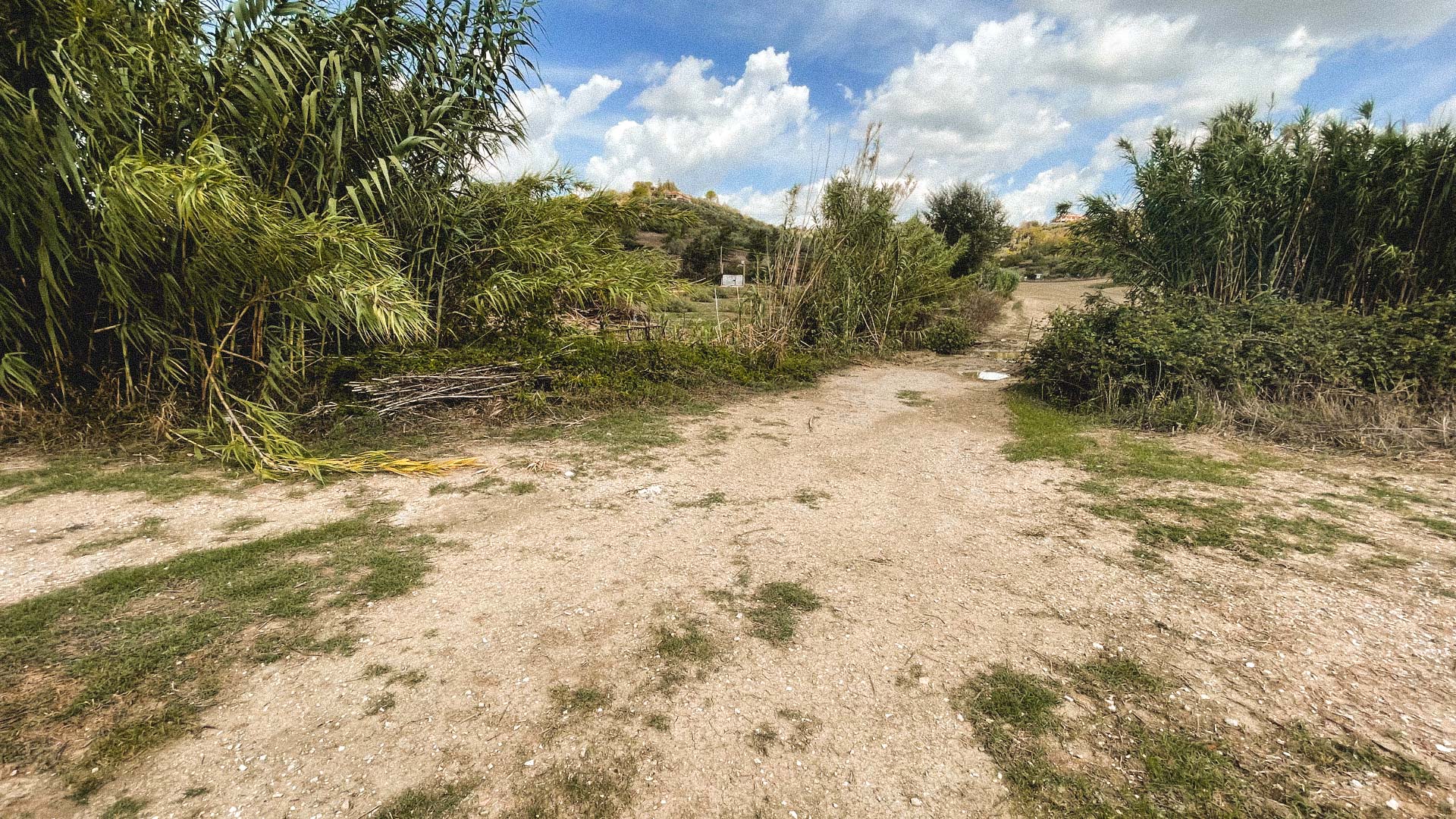
After leaving Monte Sacro, the route continues moving away from the bustle of Rome, entering a more rural landscape, where fields and rolling hills begin to dominate the horizon. This stage marks the first true immersion into the spirit of St. Francis Way, following ancient Roman roads and natural trails that invite reflection and connection with nature.
The path winds through small villages and wooded areas, offering a peaceful break from the city’s fast pace. As you progress, the air feels fresher, and the landscape opens up, with gentle hills signaling the approach to Monterotondo, a town with a strong medieval character and a rich history tied to the Popes and noble Roman families.
Monterotondo welcomes you with its well-preserved historic center and the impressive Duomo di Santa Maria Maddalena. It’s the perfect place to enjoy a traditional dinner, featuring dishes like pasta alla gricia, abbacchio (roast lamb), and local wine from the Lazio region. A transitional stage that marks the true beginning of the spiritual journey to Assisi.
 The challenge begins!
Distance: 17.9 miles – 28,8 km
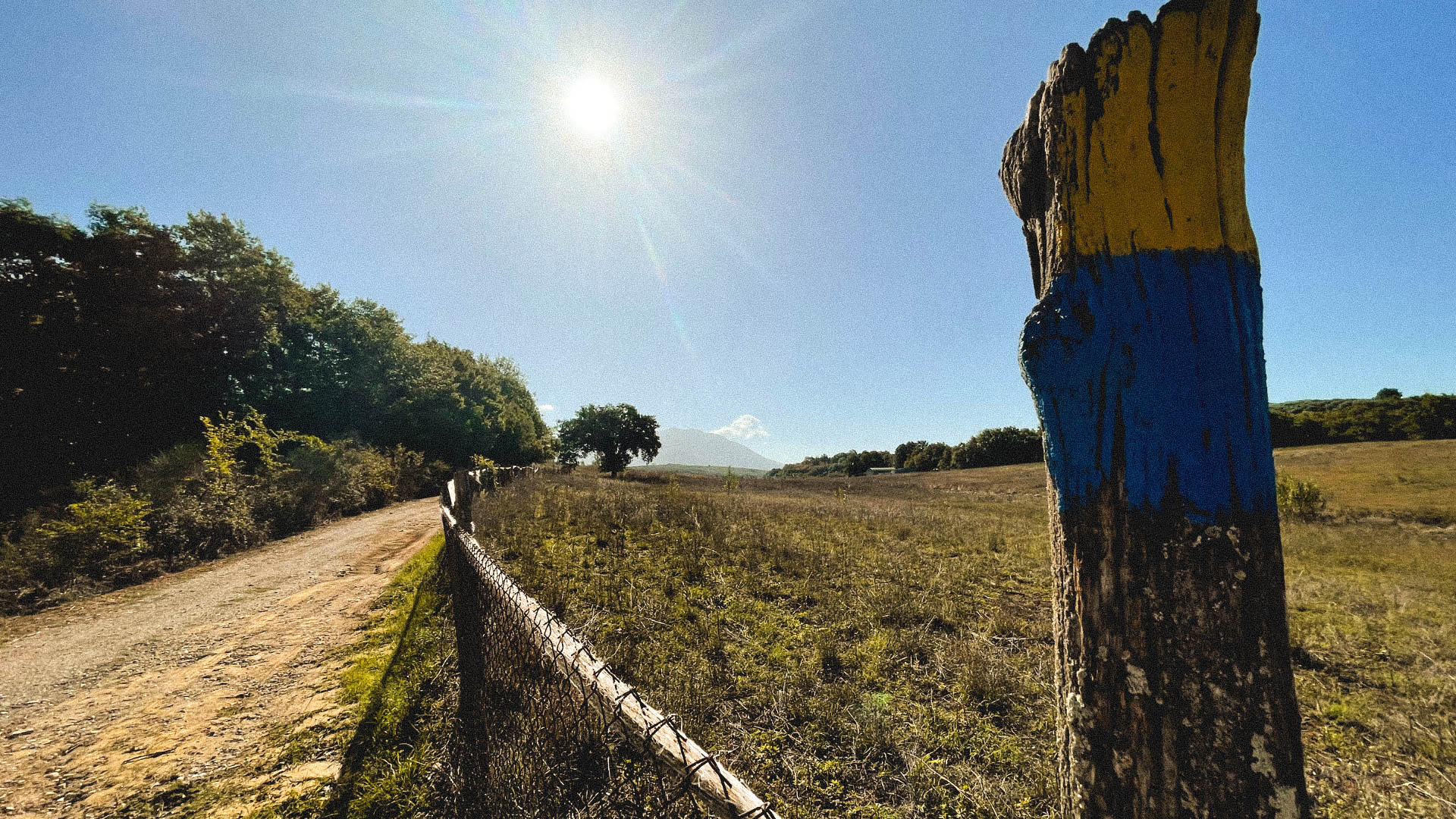
This stage marks the definitive transition from urban landscapes to the tranquility of the Lazio countryside, bringing the pilgrim closer to the pure essence of the St. Francis Way. Leaving Monterotondo behind, the path winds through rolling hills and rural trails, offering panoramic views of the surrounding valleys. With an elevation gain of nearly 0.6 miles – 1,000 meters, this stage is demanding but rewarding.
The route passes through small villages rich in history, where medieval architecture and ancient churches reflect the deep spiritual tradition of the region. Gradually, the journey becomes more introspective, with long stretches through forests, vineyards, and olive groves, creating the perfect setting for reflection and a deep connection with nature.
The day ends in Ponticelli di Scandriglia, a peaceful mountain village, where you can feel the serenity of the ancient Franciscan paths. Here, the warm hospitality of the locals and the regional cuisine offer a well-earned reward, featuring pasta cacio e pepe, bruschette with local olive oil, and a fine wine from the region.
A day of pure immersion in the essence of the Camino.
 Through forests and historic trails
Distance: 12.55 miles – 20,2 km
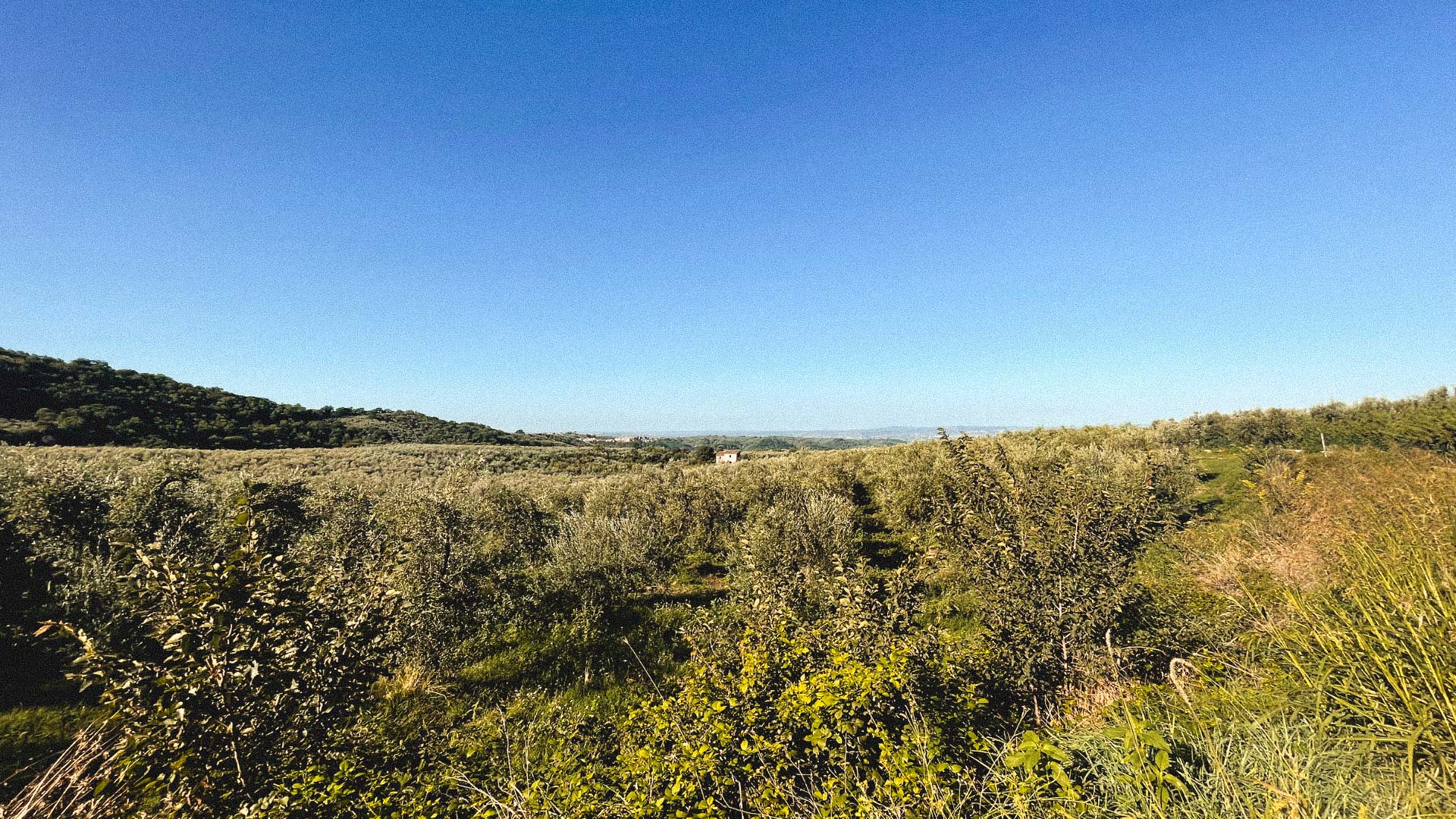
This stage of the St. Francis Way takes you deep into the green heart of Sabina, a region known for its centuries-old olive trees, ancient traditions, and strong Franciscan heritage. From Ponticelli di Scandriglia, the Camino follows trails lined with oak and holm oak forests, winding through gentle hills that offer moments of peace and reflection.
The route passes near ancient monasteries and small hidden hermitages, reminders of St. Francis’ legacy in these lands. Gradually, the landscape opens up, revealing spectacular views of the Lazio valleys before reaching Poggio San Lorenzo, a charming medieval village with cobbled streets and a welcoming atmosphere.
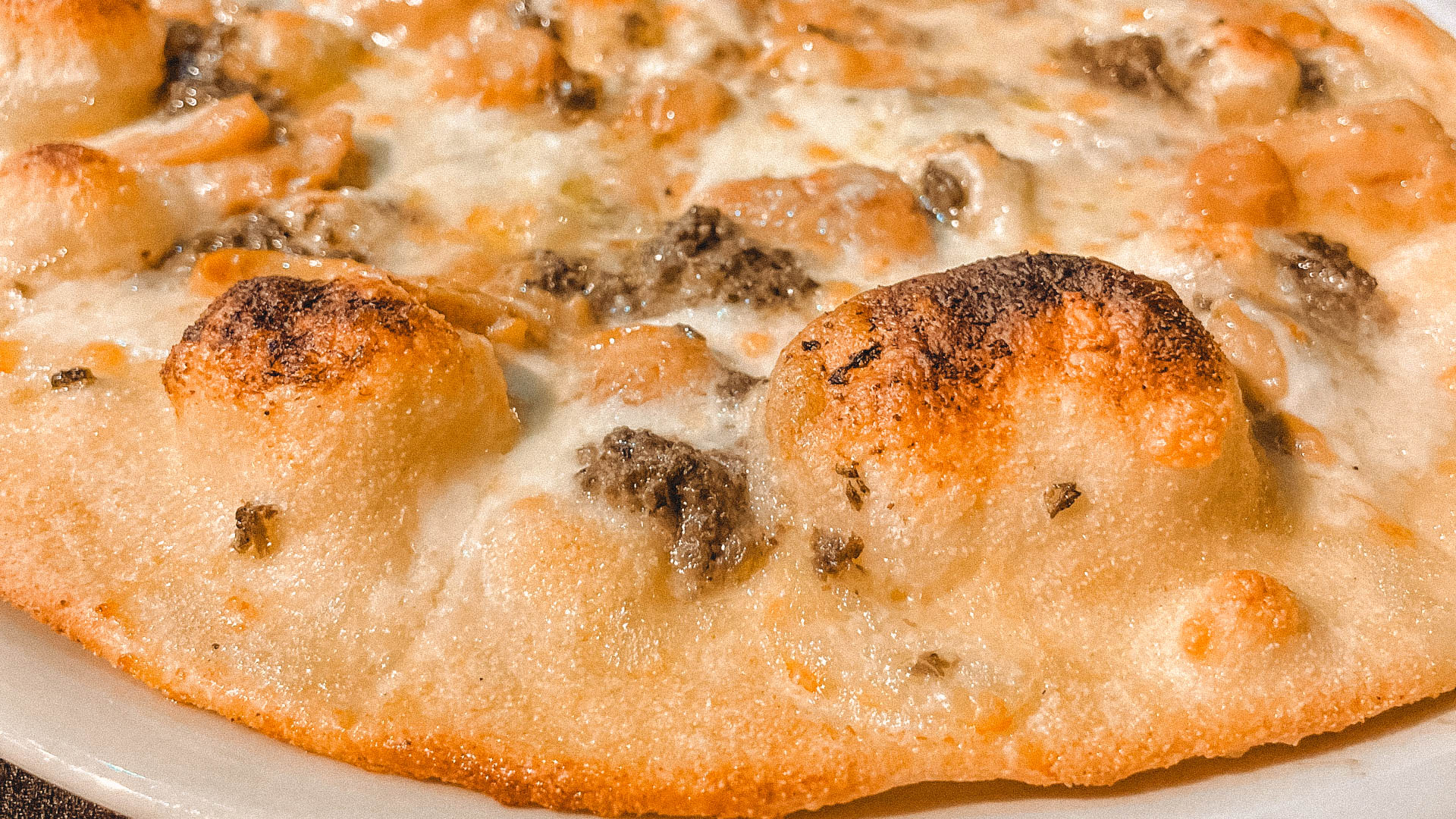
Here, local gastronomy plays a key role, and there’s no better way to recharge than with a delicious plate of fettuccine with truffle, Sabina olives, and a glass of local wine. A stage filled with connection to nature and history, where each step brings you closer to the Franciscan spirit.
 On the way to the land of Franciscan sanctuaries
Distance: 13.4 miles – 21,6 km
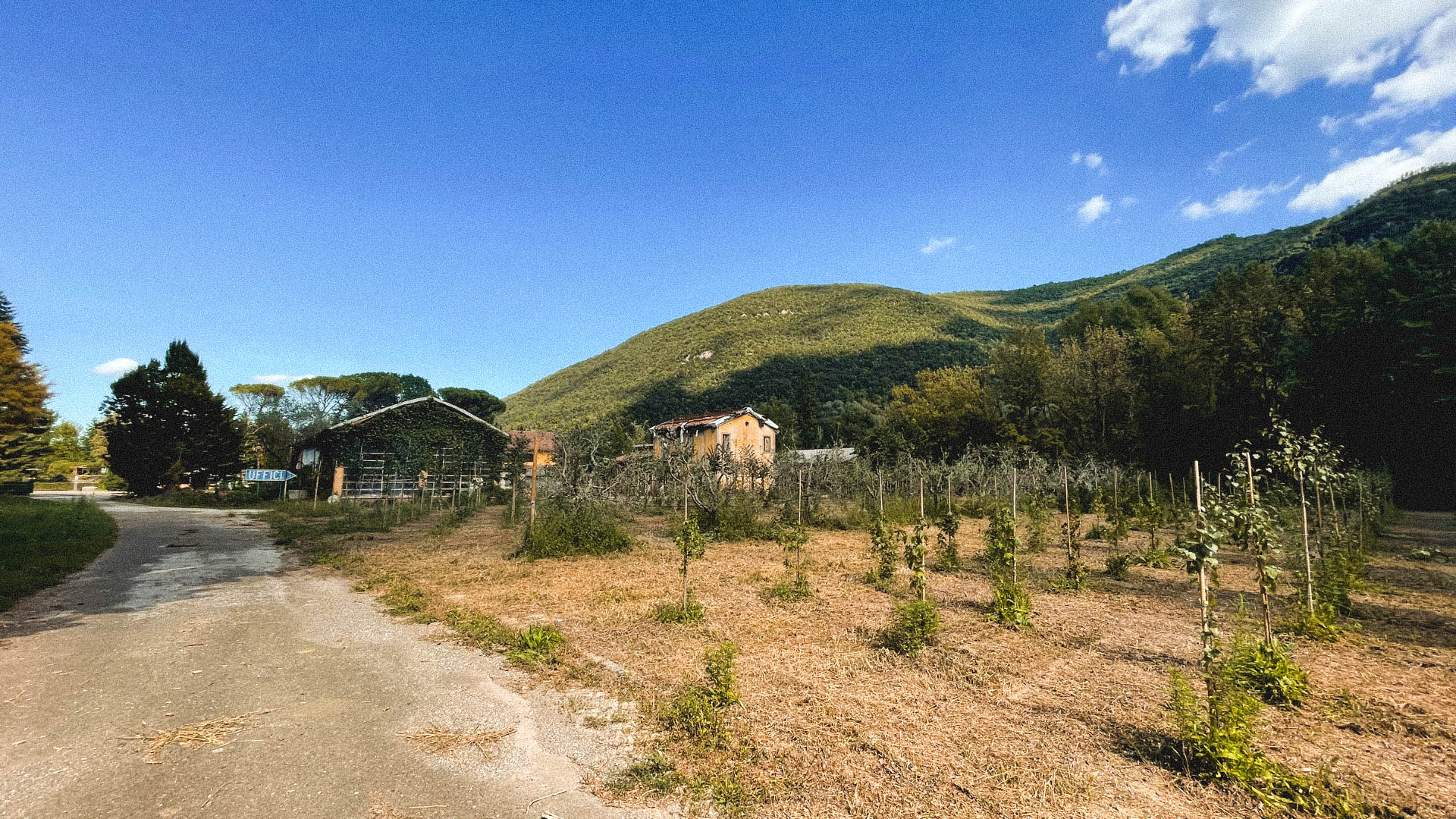
This stage of the St. Francis Way takes us to Rieti, one of the most important cities on the route and a key place in the life of St. Francis. From Poggio San Lorenzo, the path winds through rolling hills, olive groves, and forested trails, following ancient medieval routes that once connected the small villages of the Sabina region.
Along the way, you’ll pass through historic villages and enjoy panoramic views of the surrounding valleys. As the landscape gradually shifts, the final descent leads to Rieti, known as the “Navel of Italy” due to its central geographical position in the country. Its historic center, with medieval walls and the majestic Cathedral of Santa Maria, is the perfect place to immerse yourself in history and Franciscan spirituality.
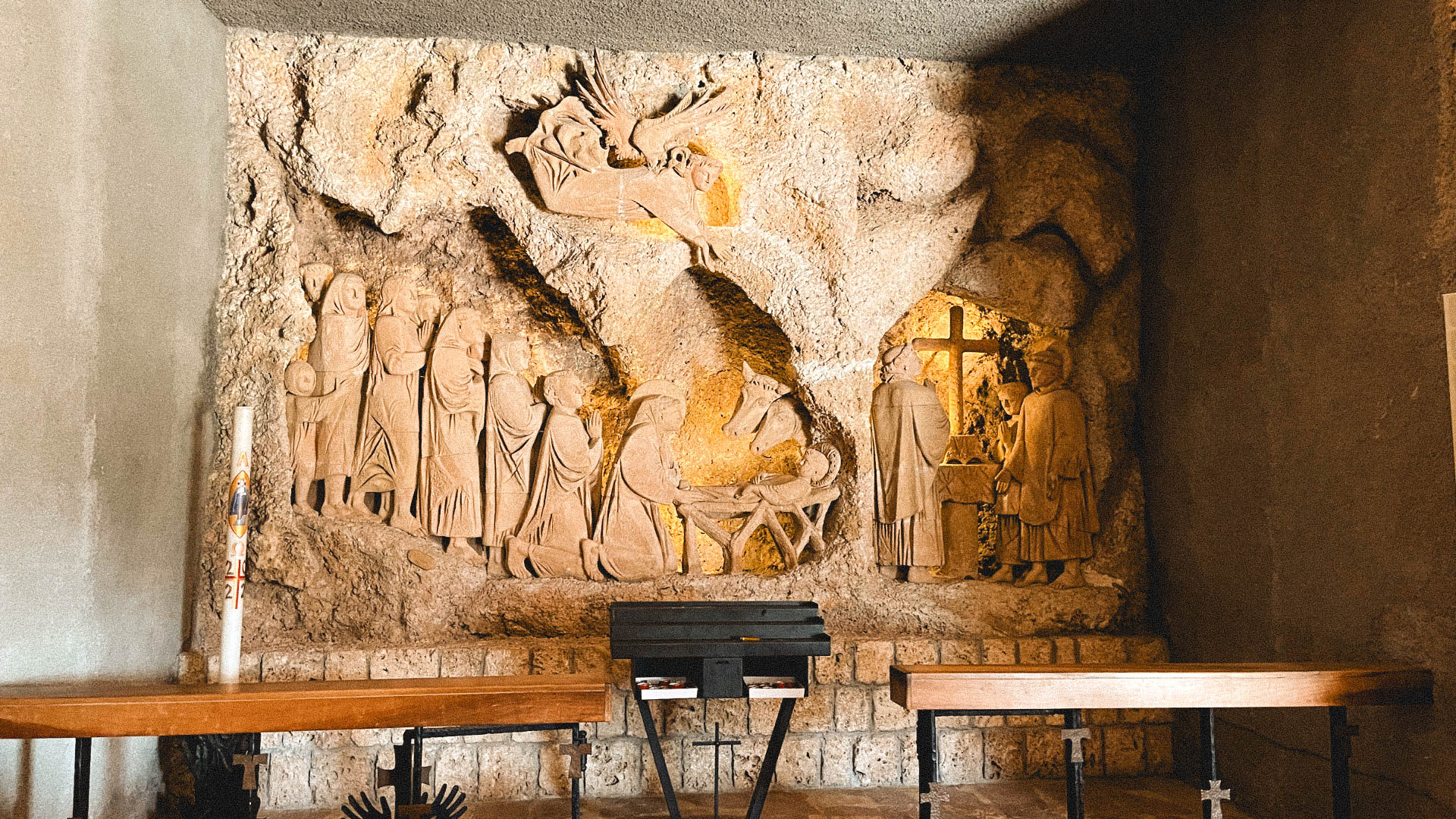
Rieti is also the gateway to the Franciscan Sanctuaries of the Rieti Valley, four significant sites in St. Francis’ life (Fonte Colombo, La Foresta, Poggio Bustone, and Greccio). To end the day, there’s nothing better than savoring the local cuisine, with specialties like pasta all’amatriciana, porchetta reatina, and tozzetti with sweet wine. An unforgettable stage in a city with a soul of its own.
 In the footsteps of St. Francis of Assisi
Distance: 10.7 miles – 17,2 km
Leaving Rieti, the route begins on flat terrain, following rural paths through farmland and centuries-old olive groves, where the peaceful surroundings invite reflection.
As you progress, the landscape shifts, and the climb to Poggio Bustone becomes more noticeable. This stretch offers breathtaking views of the Rieti Valley, known as the “Holy Valley” due to its numerous Franciscan sanctuaries. Just before reaching the village, the Sanctuary of Poggio Bustone, nestled in the mountains, provides a moment of contemplation. It is said that St. Francis received a vision of his life’s mission here and greeted the locals with his famous words: “Buongiorno, buona gente!” (Good morning, good people!).
The medieval streets and serene atmosphere of Poggio Bustone make it the perfect place to rest and immerse yourself in the spirituality of the Camino. To recharge, indulge in local cuisine with a delicious plate of fettuccine with mushrooms and traditional cured meats from the Sabina region.
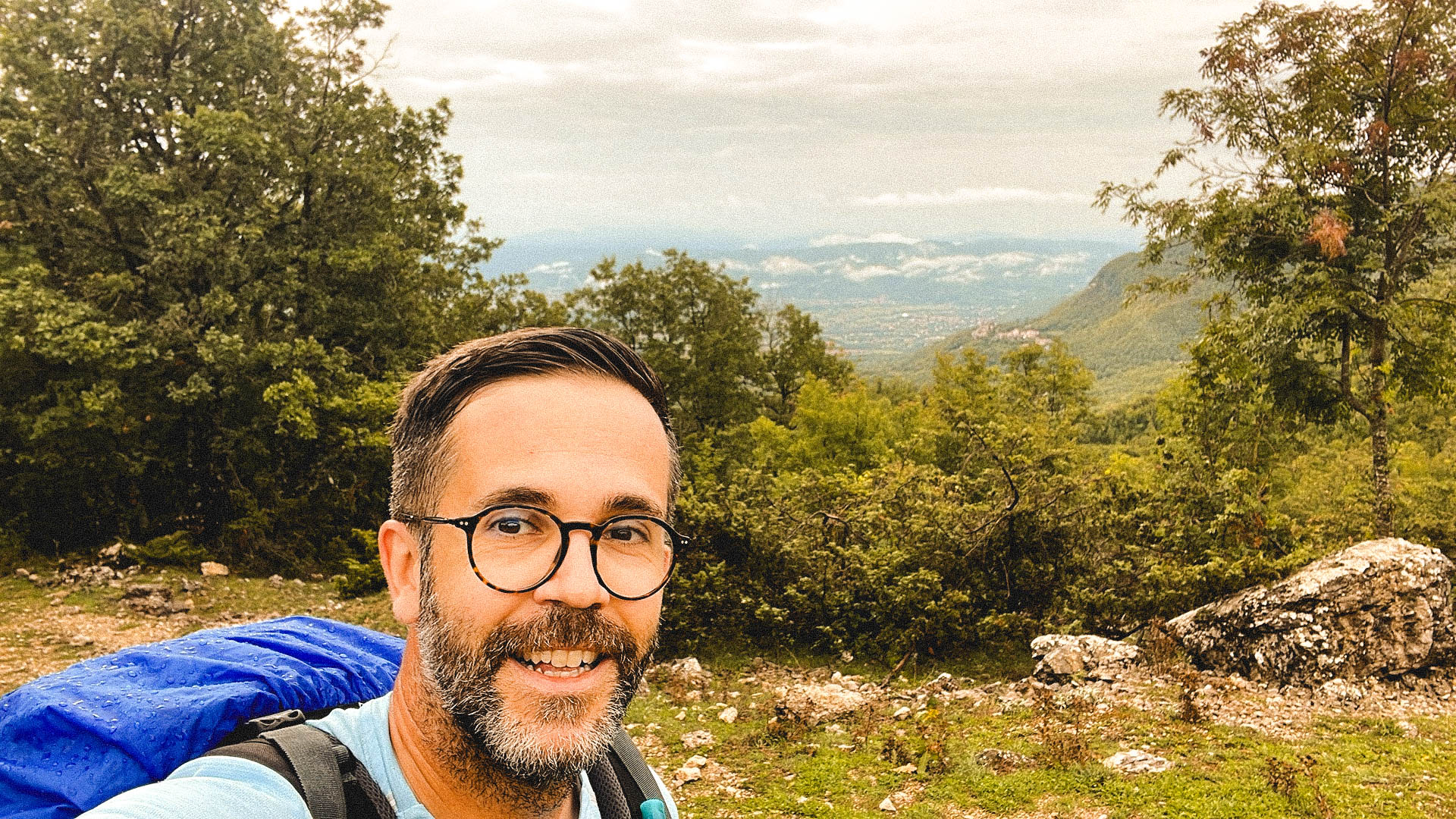 The lake of Piediluco awaits you
Distance: 14.2 miles – 22,9 km
From Poggio Bustone, the path gently descends through wooded trails and open valleys, offering breathtaking views of the Rieti Valley. This stretch is perfect for walking in peace, allowing pilgrims to absorb the serenity of places so deeply connected to St. Francis’ life.
Midway through the journey, it’s worth taking a slight detour to visit Labro, a spectacular medieval village with cobbled streets, stone houses, and flower-filled balconies. Its castle and scenic viewpoints provide unparalleled panoramic views of the lakes and mountains, making it a truly unforgettable stop on the Camino.
The final stretch leads into a more humid and forested landscape, eventually reaching Piediluco, a charming village on the shores of the lake of the same name. Its tranquil atmosphere and the picturesque Church of St. Francis invite you to rest and reflect, while the local cuisine delights with specialties such as lake fish, pasta with truffle, and wines from the Umbria region.
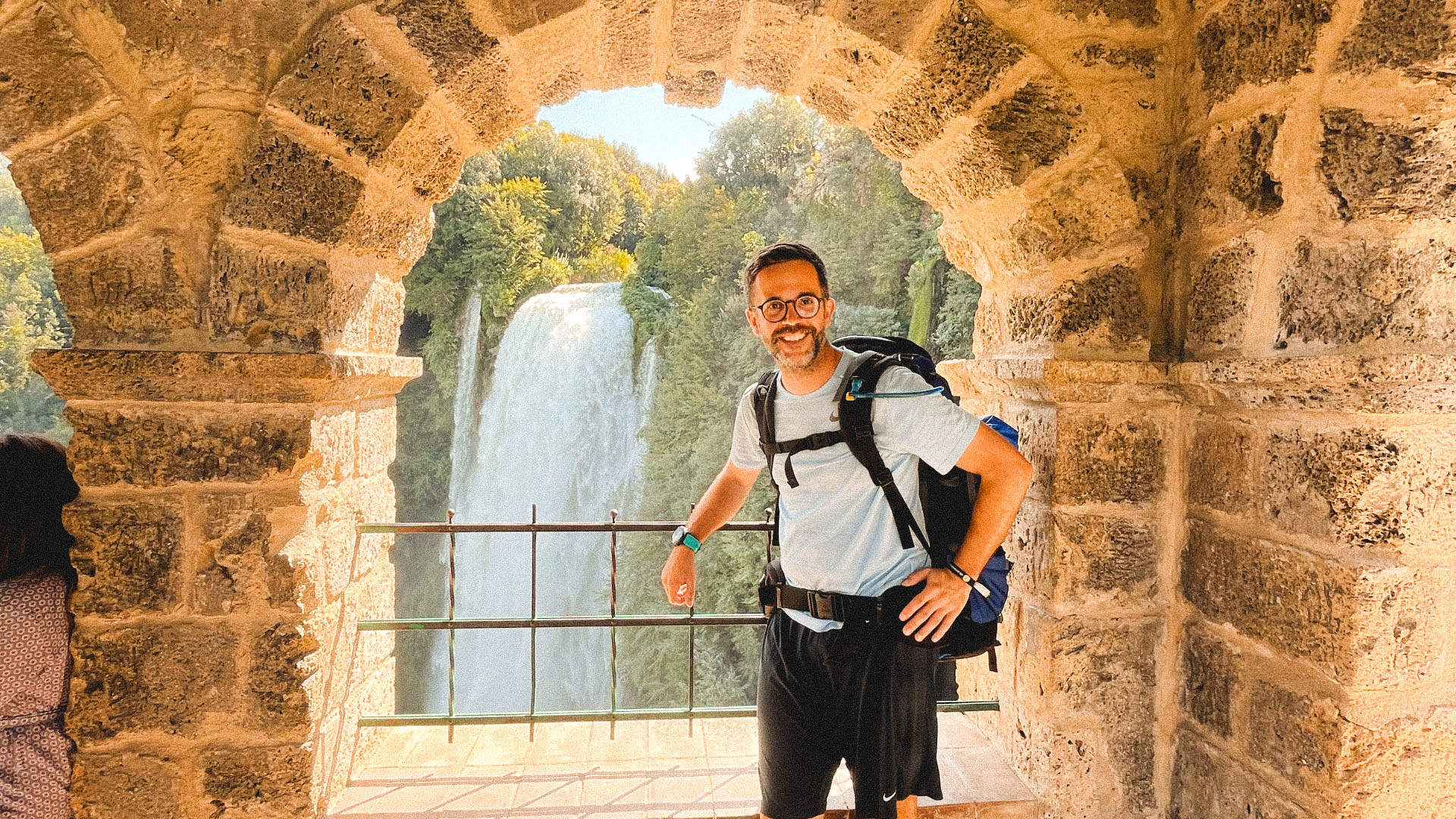 Walking between water and nature
Distance: 8.1 miles – 13 km
This short yet enchanting stage of the St. Francis Way allows you to soak in the breathtaking landscapes surrounding Lake Piediluco and the Nera River, following shaded trails and quiet country roads lined with lush vegetation. From Piediluco, the path takes a gentle route, perfect for walking at a relaxed pace and connecting with nature.
Along the way, you’ll enjoy spectacular views of the rolling hills and the Nera River Park, a highly valuable ecological area. The sound of flowing water accompanies the journey, creating an atmosphere of peace and serenity that echoes St. Francis’ love for nature. Just before reaching Arrone, the landscape opens up to a fertile valley dotted with olive groves and small farms.
With its well-preserved medieval structure, Arrone is the perfect place to rest and immerse yourself in the tranquility of the Nera Valley. Here, Umbrian cuisine awaits, featuring torta al testo (a traditional stuffed flatbread), cacciagione (wild game meat), and Montefalco wine. A short stage, but one filled with beauty and the Franciscan spirit.
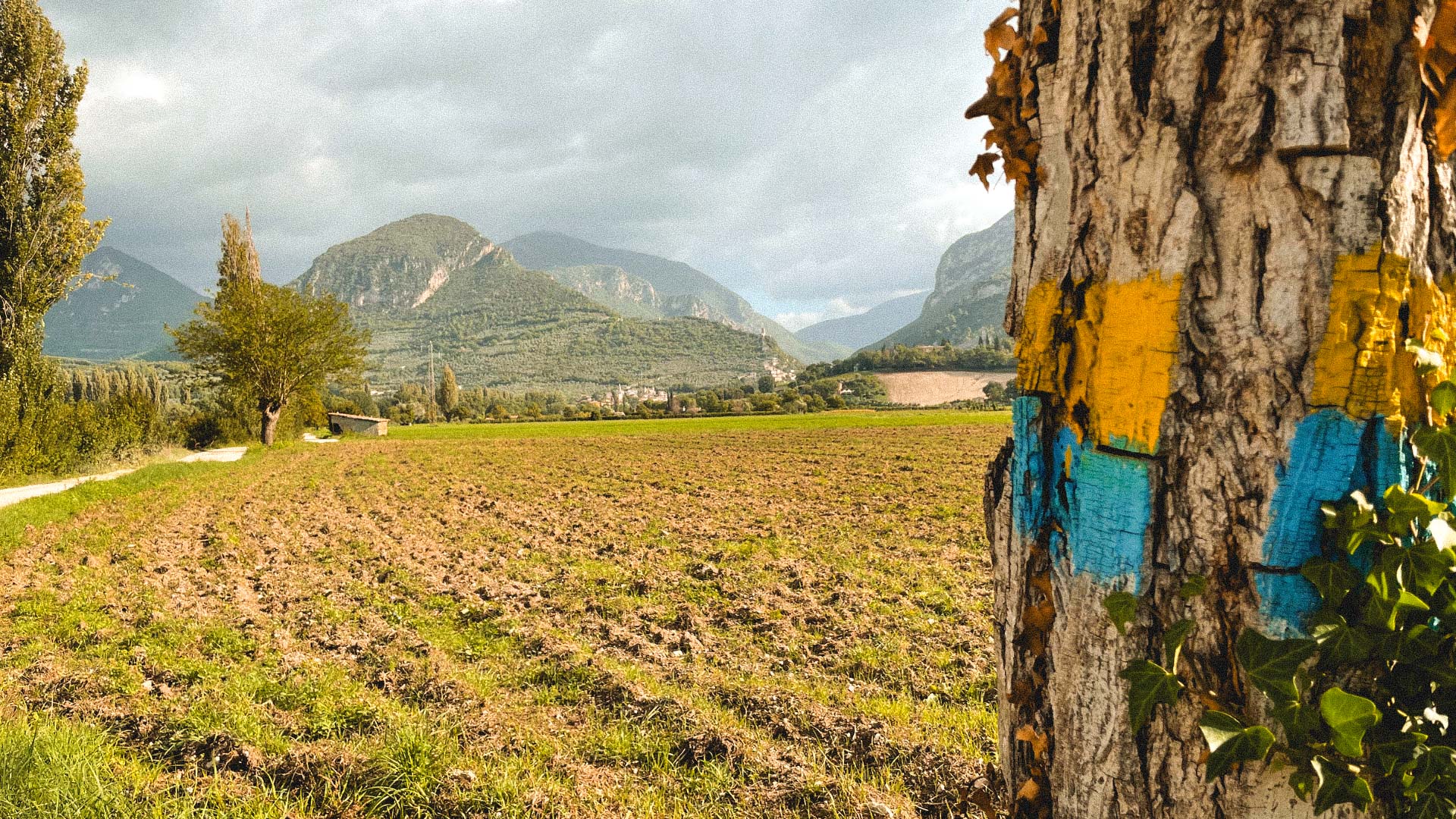 Walking through the heart of the Nera Valley
Distance: 9.3 miles – 15 km
This stage takes you deep into the breathtaking Nera River Park, a landscape where water, lush vegetation, and ancient medieval villages create a magical atmosphere. From Arrone, the path winds through hills and olive groves, following the course of the Nera River on one of the most picturesque routes of the Camino.
As you walk, the sound of flowing water and the shade of the forests provide a peaceful and introspective journey. Along the way, the route passes near Ferentillo, known for its ancient Benedictine abbey and its eerie Museum of the Mummies—though on this variant, the route bypasses the village to shorten the stage.
Reaching Ceselli marks the end of the day in a setting of absolute tranquility. This small village retains its medieval charm and is the perfect place to rest before continuing the Way. To recharge, indulge in Umbrian cuisine, with specialties like pasta with truffle, palomba alla ghiotta (braised pigeon), and the region’s traditional bread. A short stage, but one rich in natural beauty.
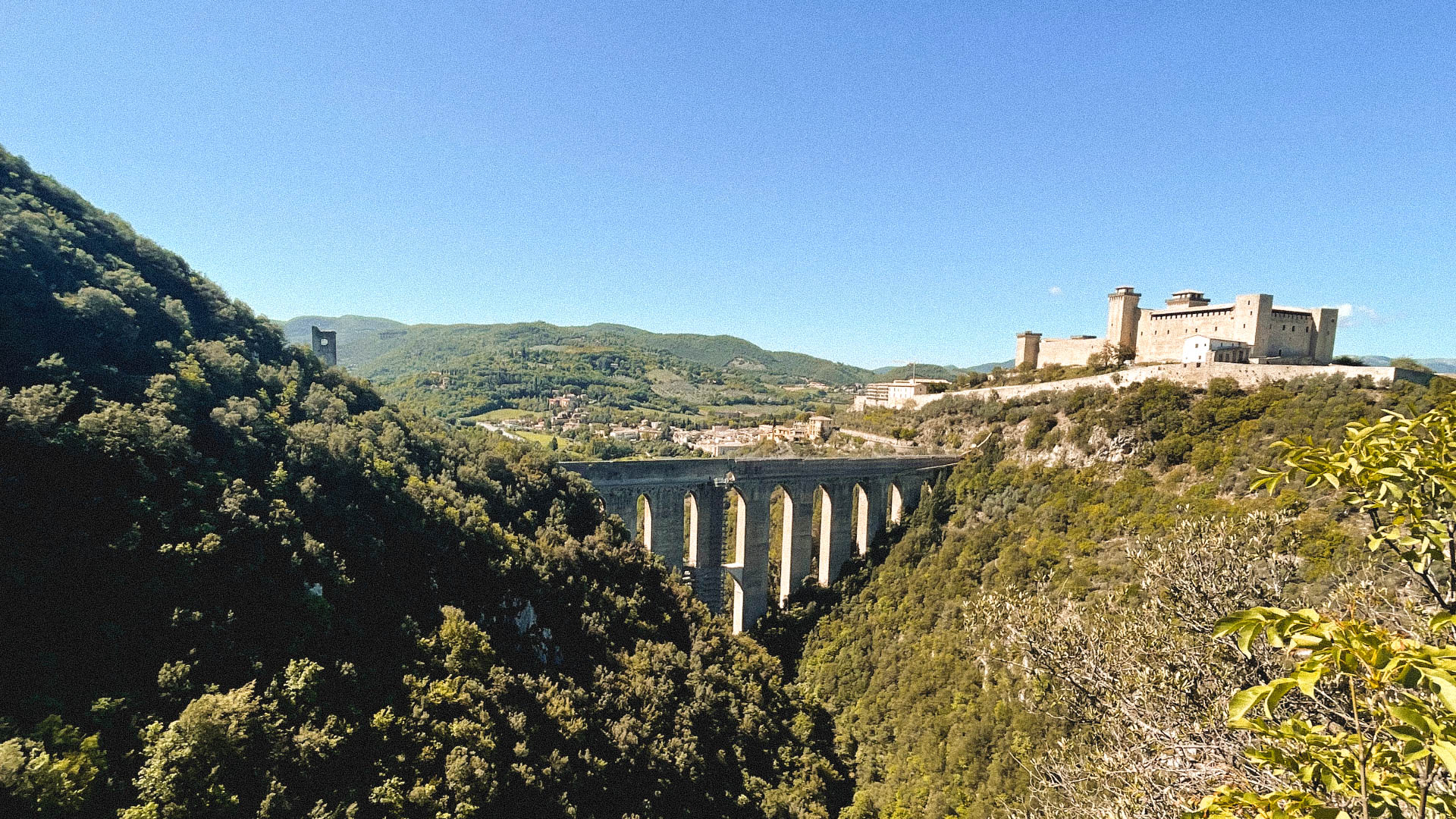 From the forests of Nera to the medieval grandeur of Spoleto
Distance: 9.9 miles – 16 km
From Ceselli, the path winds through forest-lined trails, featuring gentle ascents and descents that allow pilgrims to fully enjoy the landscape, though some sections include moderate elevation changes.
As you progress, the scenery opens up to rolling hills covered in olive groves and small vineyards, a preview of the rich agricultural heritage of the region. The arrival in Spoleto is truly breathtaking—this medieval city, with its imposing Ponte delle Torri (Bridge of Towers) and the majestic Cathedral of the Assumption of Mary, has been a witness to centuries of history and spirituality. Its cobbled streets and medieval atmosphere immerse pilgrims in a unique and timeless setting.
After an intense yet rewarding day, there’s no better way to unwind than by indulging in Umbrian cuisine, with dishes such as strangozzi al tartufo (truffle pasta), crescionda (a traditional Spoleto dessert), and a fine Montefalco wine. A stage that perfectly blends natural beauty with the rich cultural heritage of Umbria.
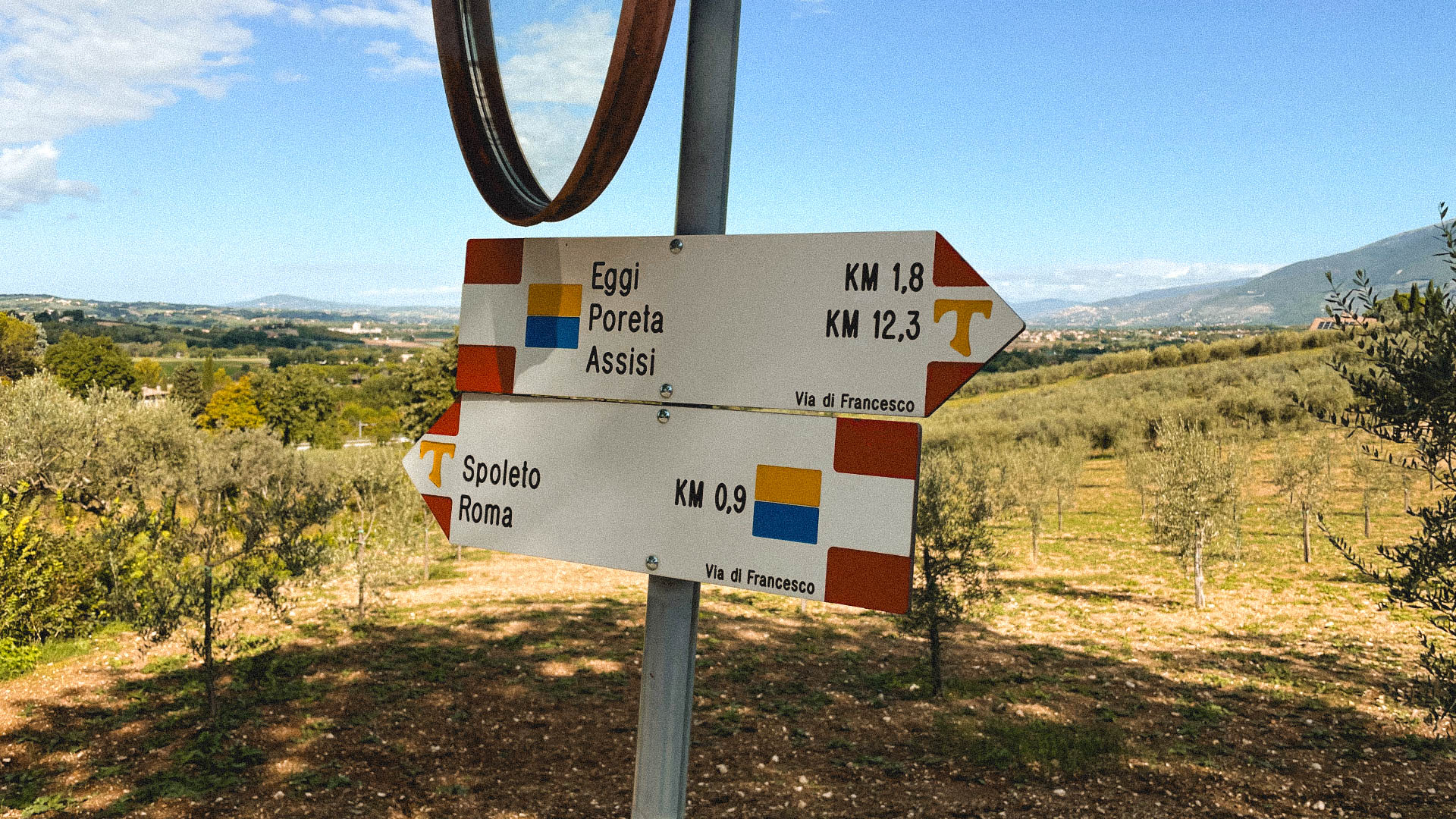 Among vineyards, olive groves, and the spirit of Umbria
Distance: 9.3 miles – 15 km
This stage of the St. Francis Way offers a short but enchanting journey, passing through the authentic Umbrian landscape, with rolling hills covered in olive trees, vineyards, and medieval villages frozen in time. From Spoleto, the trail gently ascends, providing one last panoramic view of the city before entering the peaceful countryside.
The path follows ancient rural routes that once connected monasteries and fortresses, passing through Campello sul Clitunno, famous for its sacred springs, which once inspired poets and Roman emperors. Here, the crystal-clear waters and serene atmosphere invite pilgrims to take a brief pause before continuing toward Poreta, a hidden medieval gem perched on a hillside.
Arriving in Poreta is a welcome relief for both body and soul. In this tranquil village, surrounded by centuries-old olive trees, you’ll experience Umbrian hospitality and indulge in local gastronomy, featuring bruschetta with DOP Umbrian olive oil, hearty lentil soup, and artisanal cured meats.
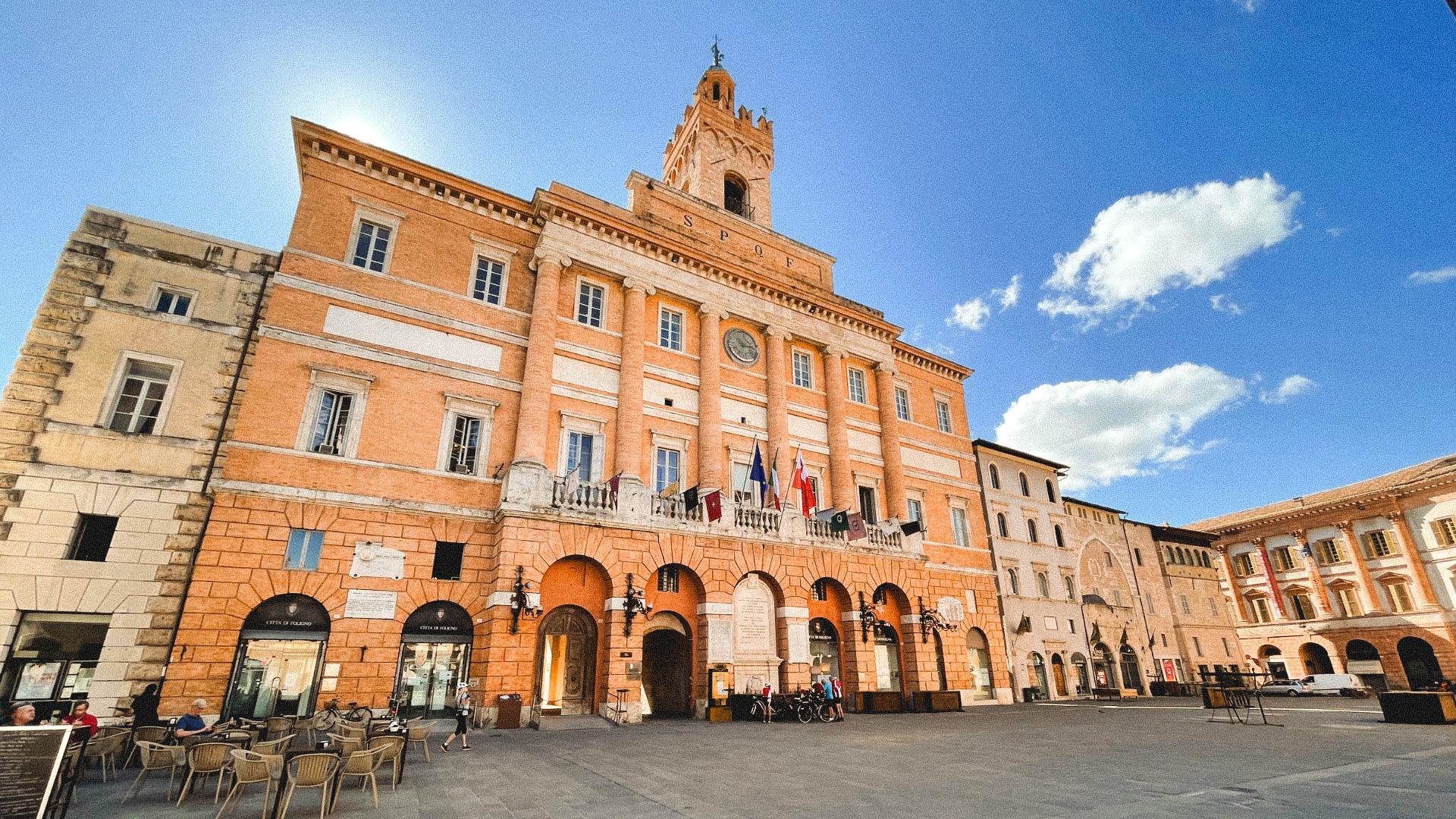 From medieval charm to urban vitality
Distance: 7.8 miles – 12,5 km
This stage offers a gentle descent from the hills of Trevi to the lively city of Foligno, blending rural landscapes with the history and culture of one of Umbria’s most vibrant towns. From Trevi, the path winds through centuries-old olive groves and golden fields, offering panoramic views of the Clitunno Valley.
Along the way, you’ll pass small rural villages and ancient churches, reminders of the region’s deep Franciscan heritage. As you approach Foligno, the scenery becomes more urban, signaling the arrival in one of Umbria’s most dynamic cities, known for its history, art, and lively atmosphere.
In Foligno, you can explore its elegant historic center, home to treasures like the Cathedral of San Feliciano and the Palazzo Trinci, before indulging in the region’s exceptional cuisine. Be sure to try rocciata (a local dessert similar to strudel), strangozzi al tartufo, and a glass of Sagrantino di Montefalco wine.
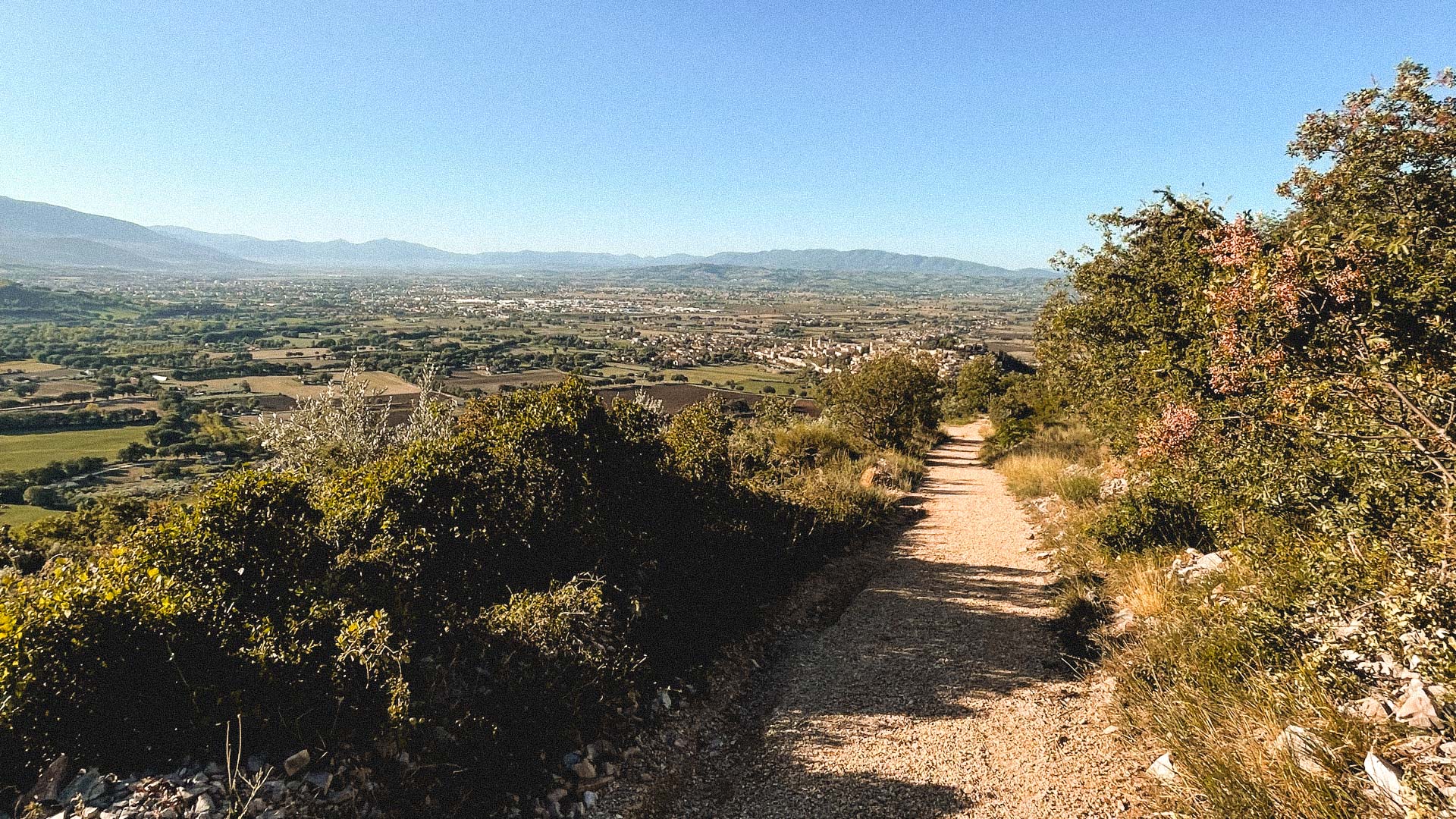 The final journey to the city of St. Francis