
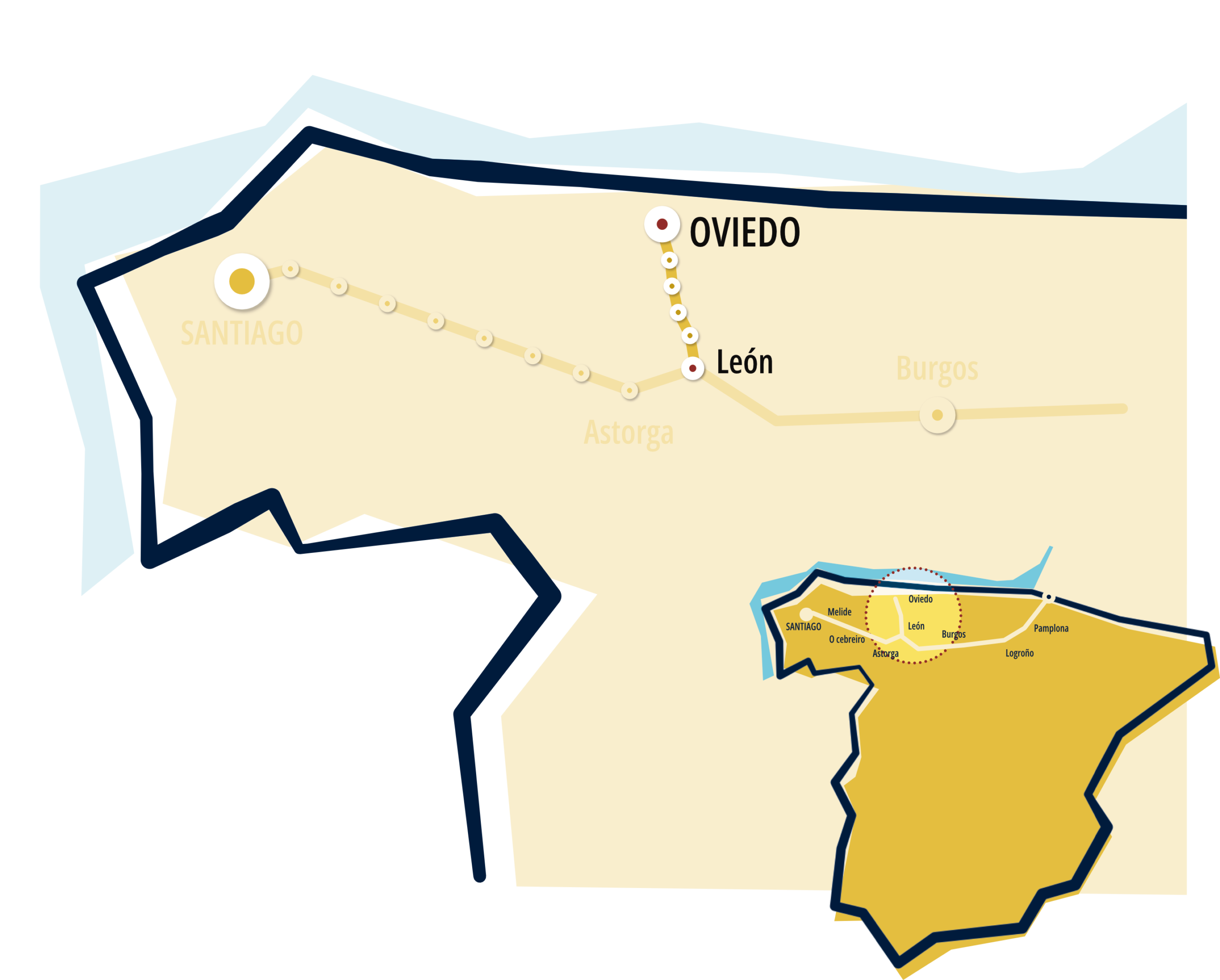
The Camino de El Salvador is one of the most special and less traveled Jacobean routes, ideal for those seeking an authentic experience of great natural beauty. It connects León with Oviedo, passing through spectacular mountain scenery and following the medieval tradition of visiting the Cathedral of San Salvador de Oviedo before continuing on to Santiago.
The Camino de El Salvador is somewhat demanding, with some notable slopes, but its reward is unique: lush forests, majestic mountains and an atmosphere of seclusion difficult to find on other routes. In addition, its heritage is exceptional, with jewels such as the Cathedral of León, the Collegiate Church of Arbás del Puerto and, of course, the impressive Cathedral of San Salvador de Oviedo, where sacred relics of Christianity are kept.
If you are looking for an epic Camino of history and nature, the Camino de El Salvador is a perfect choice.
Route
 A start among the history and landscapes of León
Distance: 16.9 miles – 27,2 km
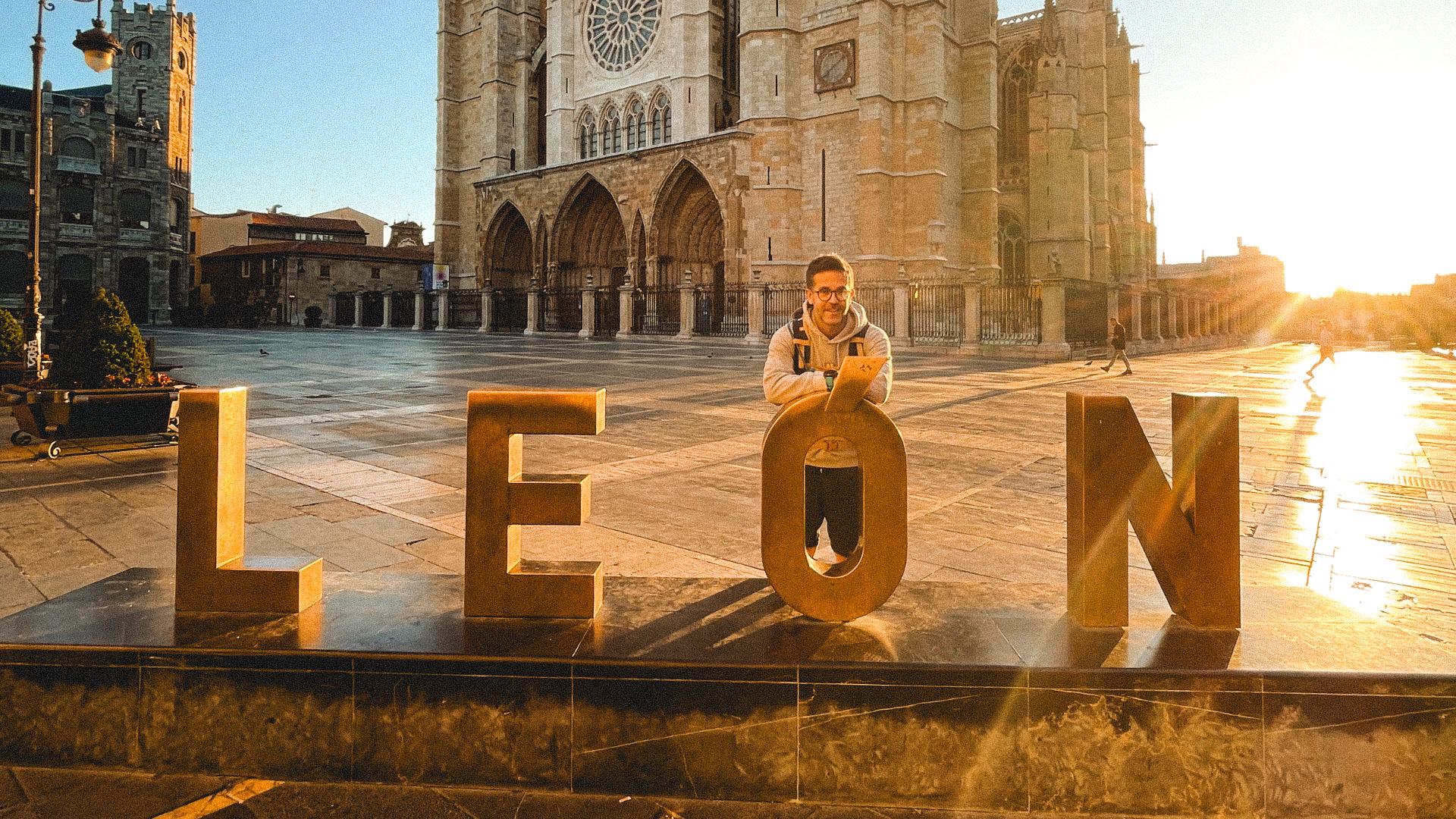
The Camino de El Salvador begins in León, a city with an impressive historical legacy. The Cathedral of Santa María, with its spectacular stained glass windows, and the Basilica of San Isidoro, where the “Pantheon of the Kings” is located, are essential visits before setting off.
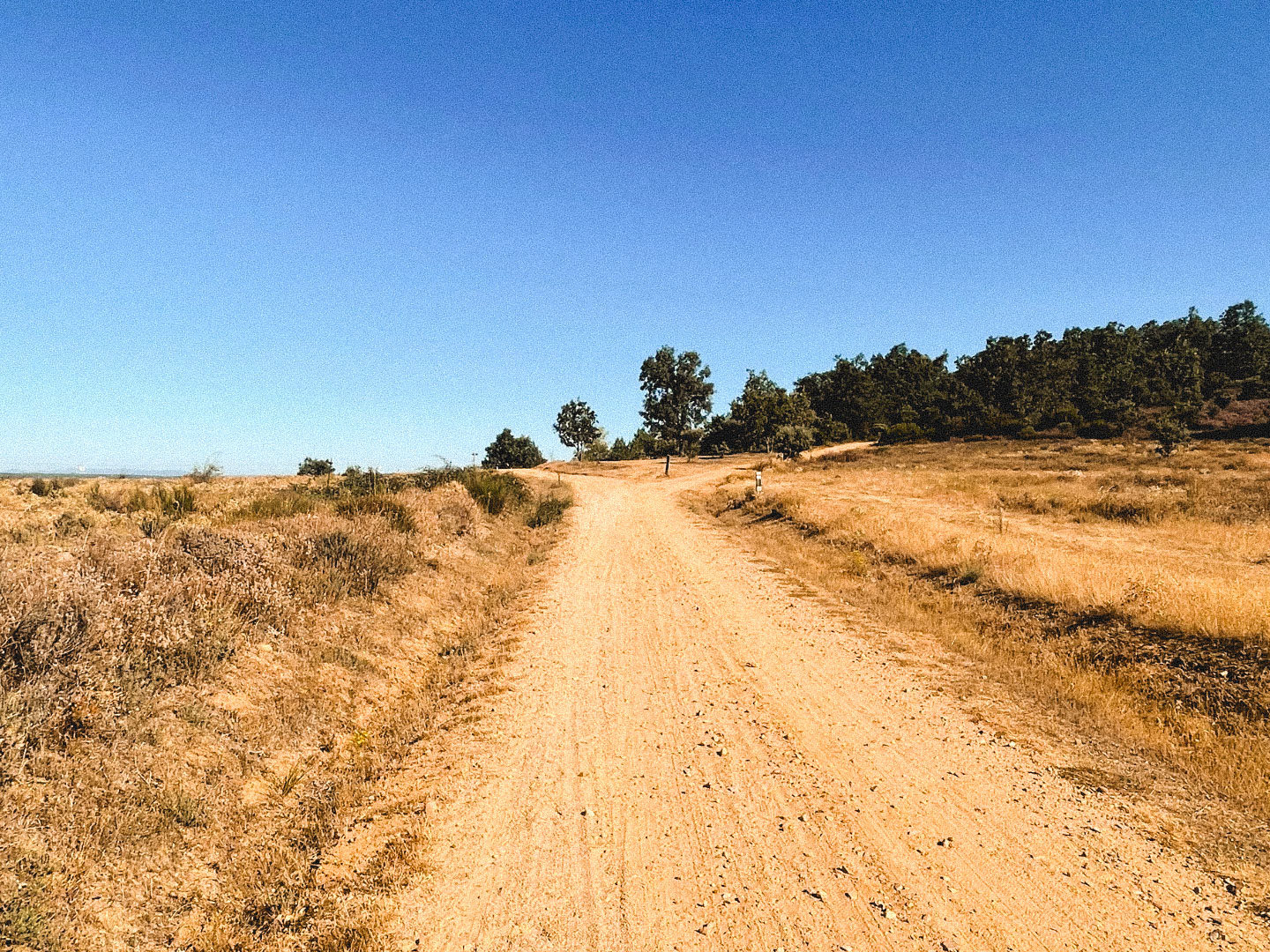
The stage is relatively simple, following rural roads and secondary roads. We pass through towns such as Puente Castro and Cabanillas, where the agricultural landscapes and the wide horizons of León set the pace of the day. Towards the end, the surroundings become more mountainous, heralding the transition to the Cantabrian Mountains.
The arrival at La Robla, a town with an industrial tradition, offers the opportunity to taste the Leonese cuisine, with dishes such as the botillo, cecina (cured beef jerky) and Valdeón cheese. An accessible first stage, but which already gives a glimpse of the harshness and beauty of the road ahead.
 Towards the mountains
Distance: 14.5 miles – 23,3 km
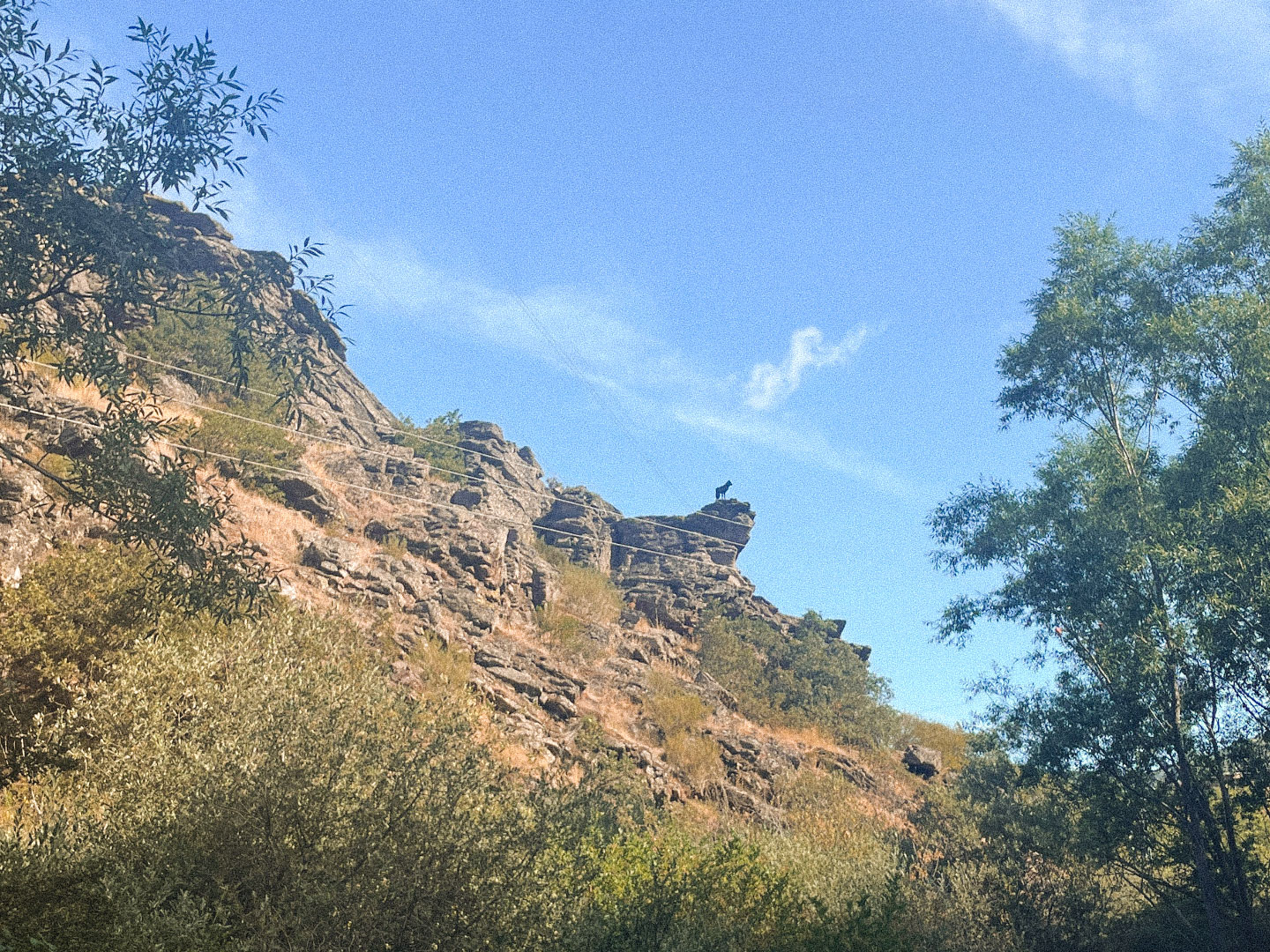
This stage is the entrance to a more mountainous terrain, where the Camino begins to show its most demanding side. From La Robla, the ascent is progressive, crossing small villages such as Puente de Alba and La Pola de Gordón, where you can admire the first views of the mountains that will dominate the next few days.
The final stretch is spectacular, with trails surrounded by forests and meadows until you reach Poladura de la Tercia, a small rural village nestled in the mountains. Here the tranquility is absolute, with just a handful of houses and hostels where pilgrims rest before the great challenge of the next day.
Gastronomically, the area offers homemade dishes such as mountain broth and game meat. A stage that serves as a prelude to one of the most impressive stretches of the Camino de El Salvador.
 The great crossing of the Cantabrian Mountains
Distance: 14.9 miles – 24 km
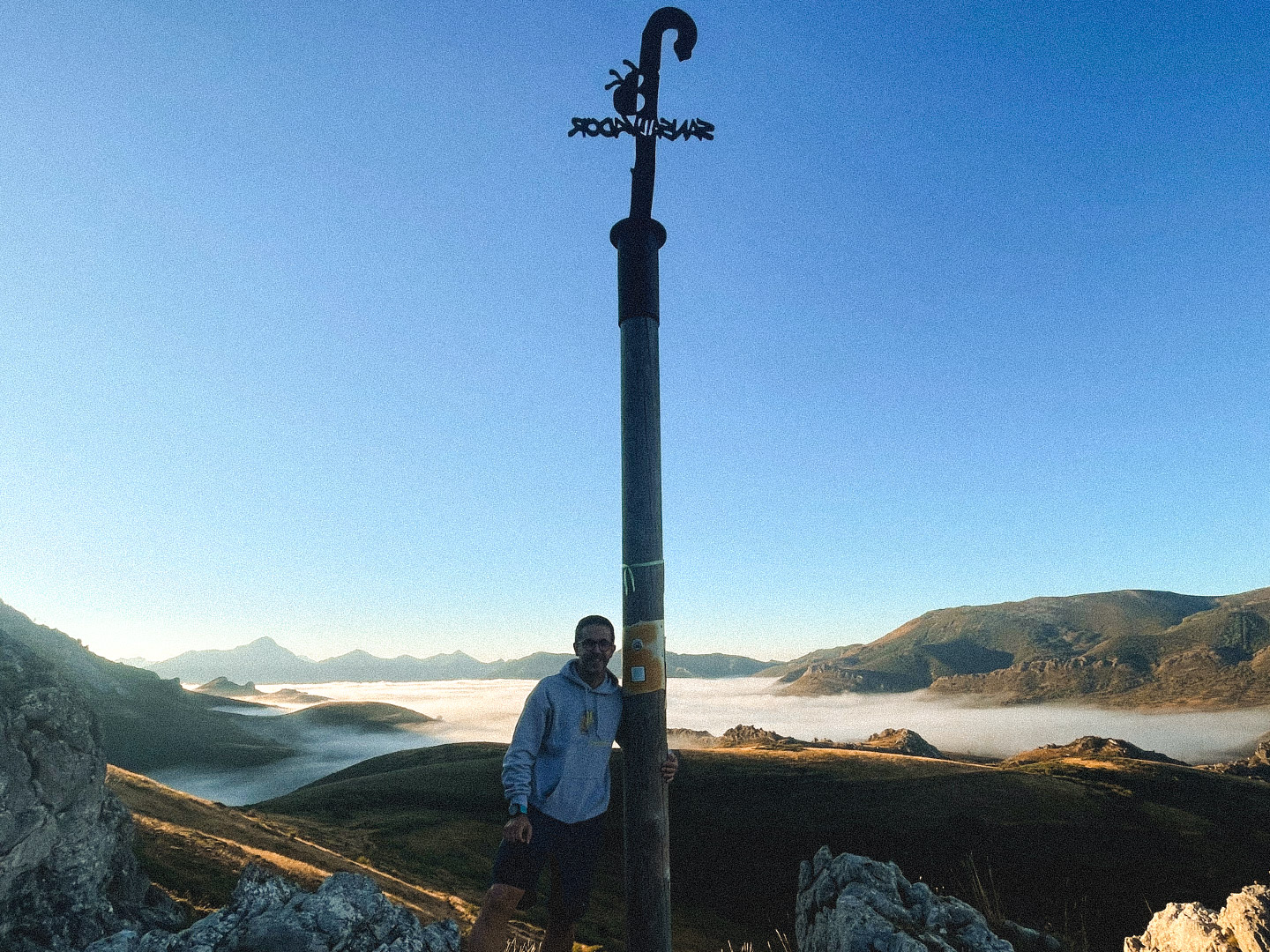
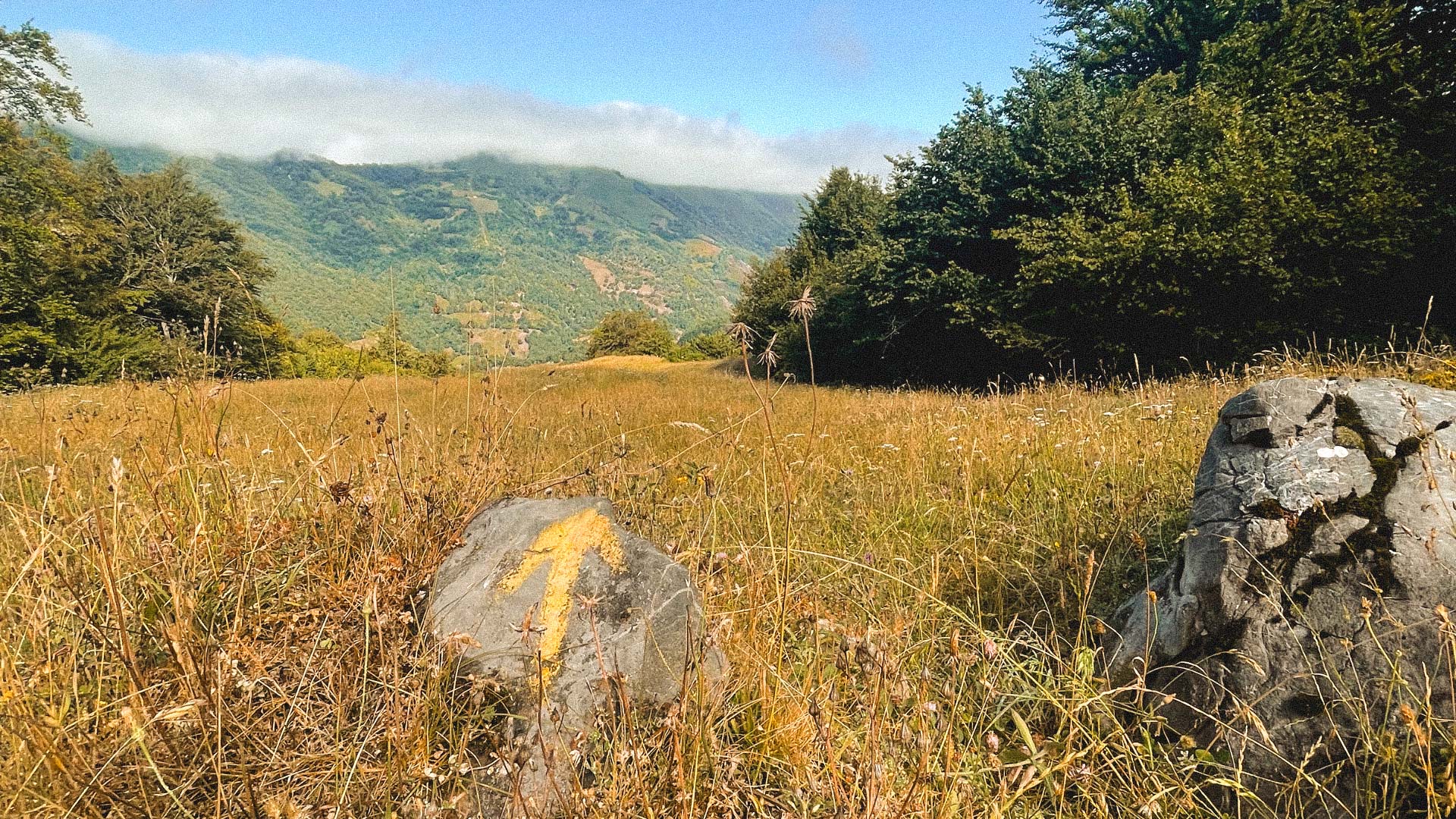
This stage is one of the most spectacular and demanding of the Camino de El Salvador, crossing the Cantabrian Mountains and entering Asturias. From Poladura de la Tercia, the trail climbs rapidly through high mountain meadows, with stunning views of the Picos de Europa on clear days.
The highest point of the day is Canto la Tusa (1,572 m), from where a long, technical descent begins. Along the way, pilgrims cross the remains of old pilgrims’ hospitals and hermitages hidden in the mountains. After a demanding descent, they reach Pajares, a small village that serves as a rest before the last stretch of the day.
From Pajares, the descent continues to Puente de los Fierros, already at the bottom of the valley, where the vegetation changes drastically, giving way to lush Atlantic forests. At this point, Asturian gastronomy is present with dishes such as pote asturiano and Cabrales cheese, perfect to regain strength after a day in the mountains.
 Following the valley of the caudal
Distance: 14.8 miles – 23,8 km
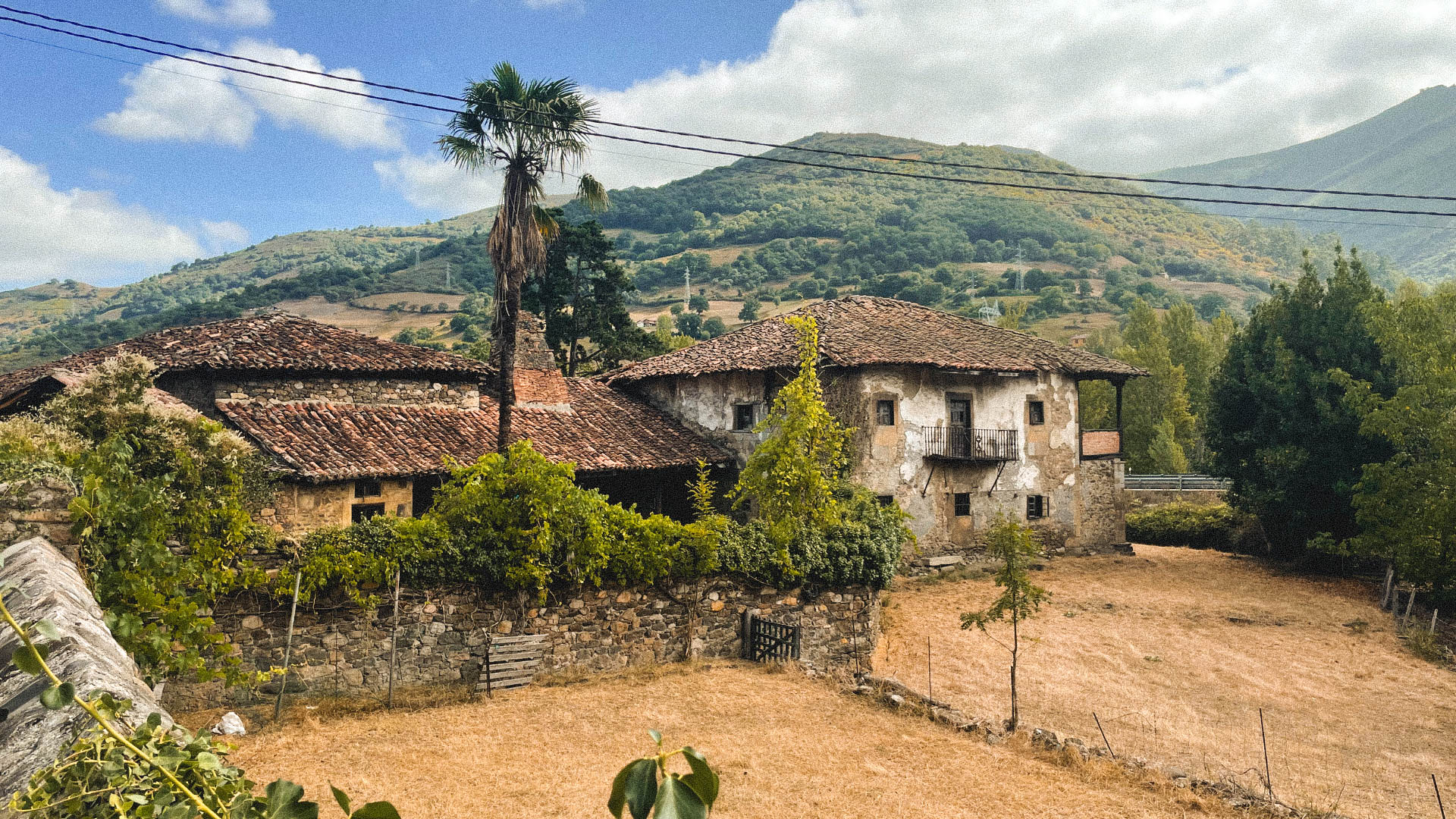
From Puente de los Fierros, the route advances parallel to the Caudal river, crossing green valleys and small charming villages such as Herías and Campomanes.
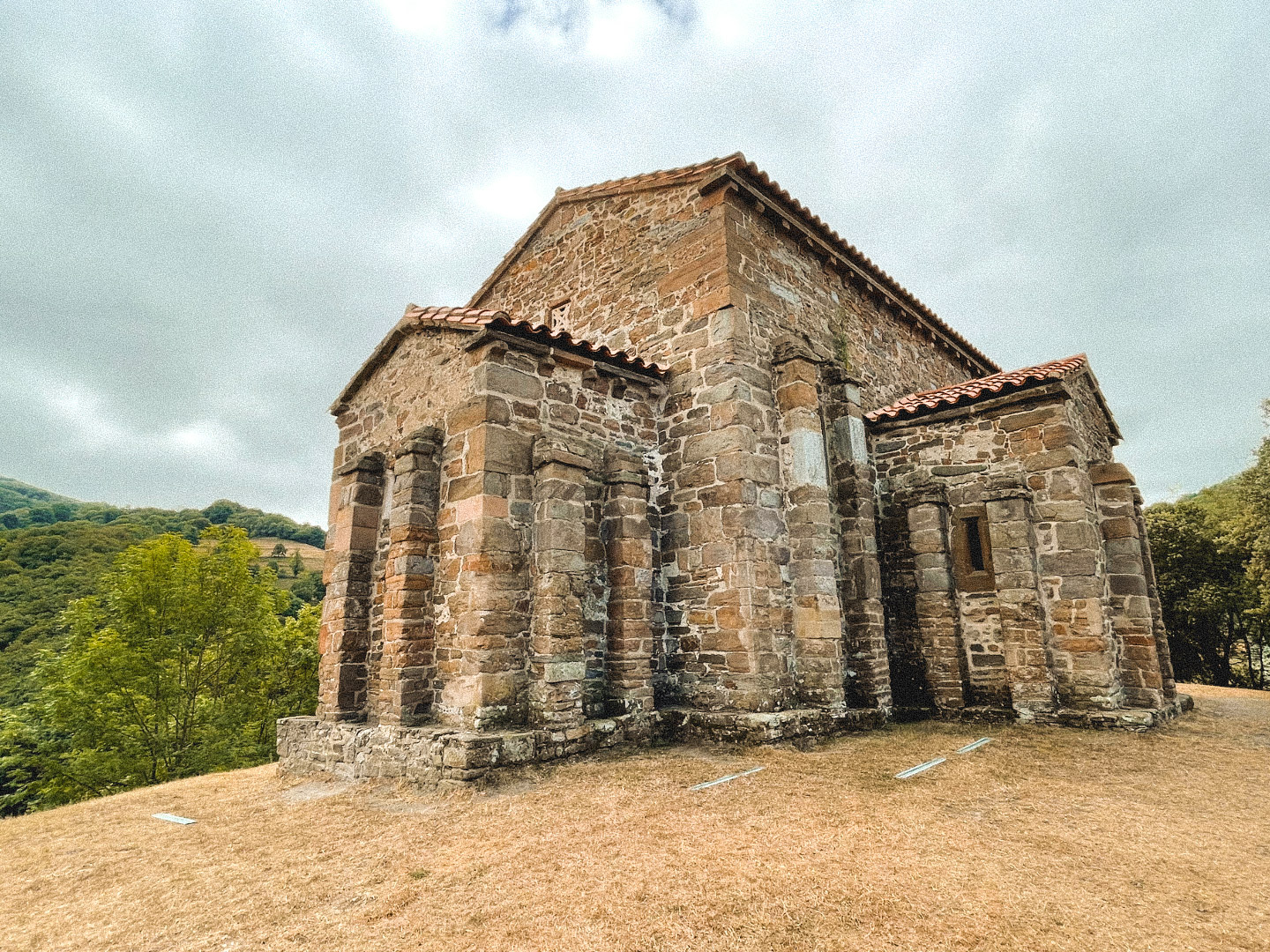
One of the highlights is Pola de Lena, where pilgrims can stop to visit the impressive pre-Romanesque church of Santa Cristina de Lena, declared a World Heritage Site. From here, the route continues along wooded paths until reaching Mieres del Camino, a town with a strong mining past and a great Jacobean tradition.
In Mieres, gastronomy is a strong point, with specialties such as carne gobernada, tortos de maíz con picadillo and Asturian cider. It is an ideal place to rest before the last stretch to Oviedo.
 The Cathedral of San Salvador, the end of your Way
Distance: 11.2 miles – 18 km
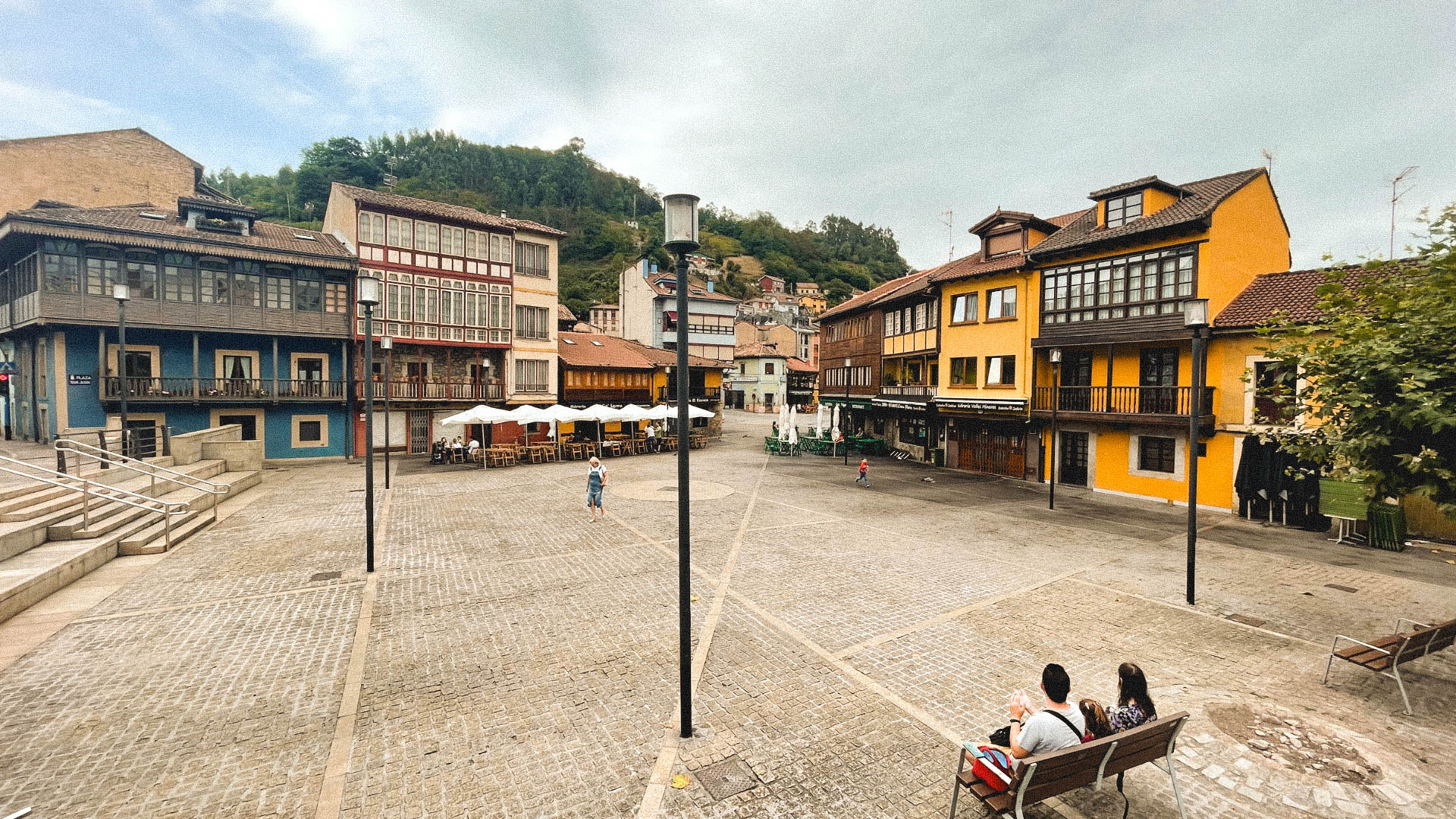
The last kilometers are full of excitement, with the expectation of reaching Oviedo. From Mieres, the road ascends towards El Padrún, a high point from where the first views of the city can be seen. The subsequent descent is pleasant, crossing villages such as Olloniego, with its ancient medieval bridge.
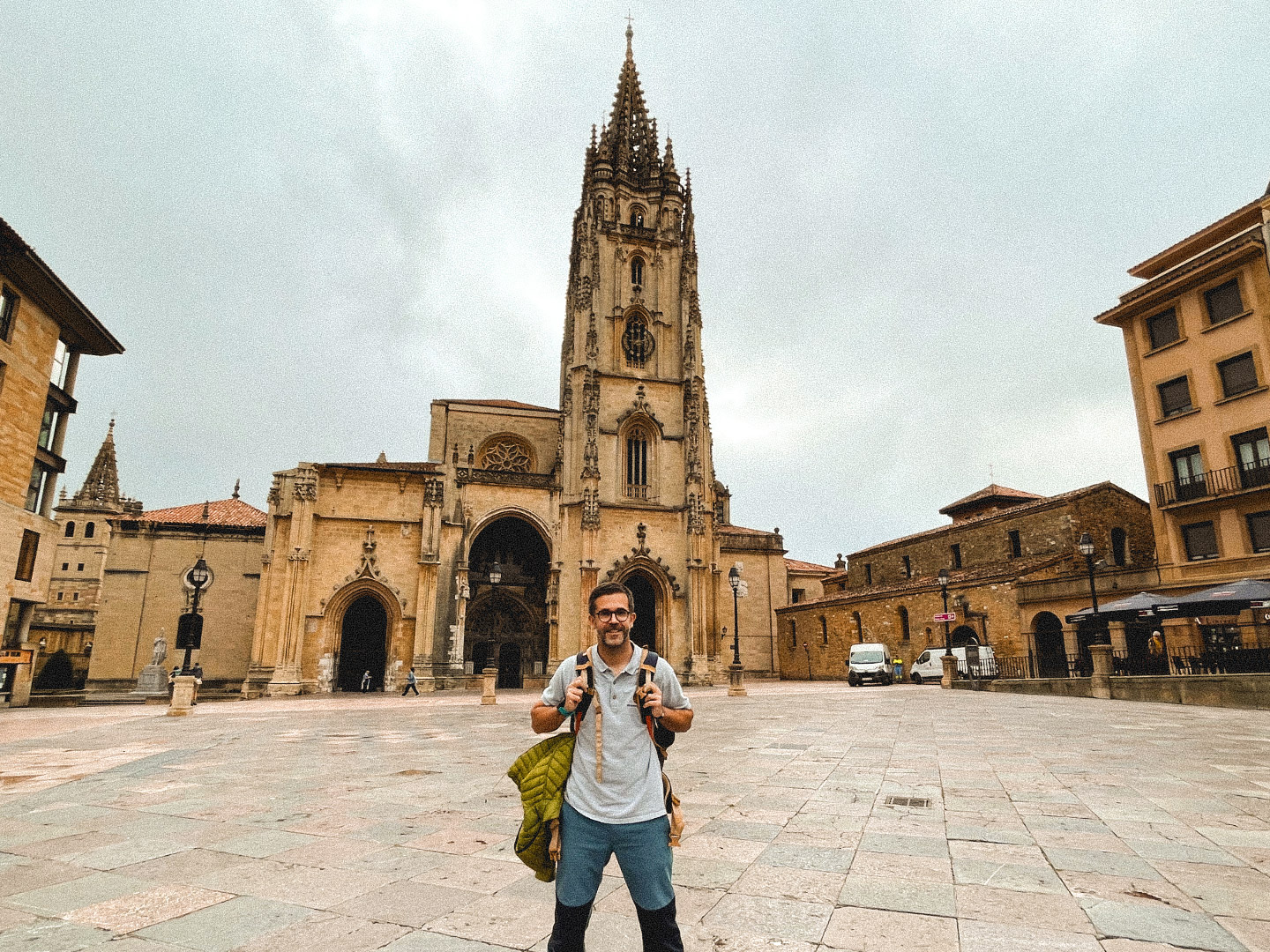
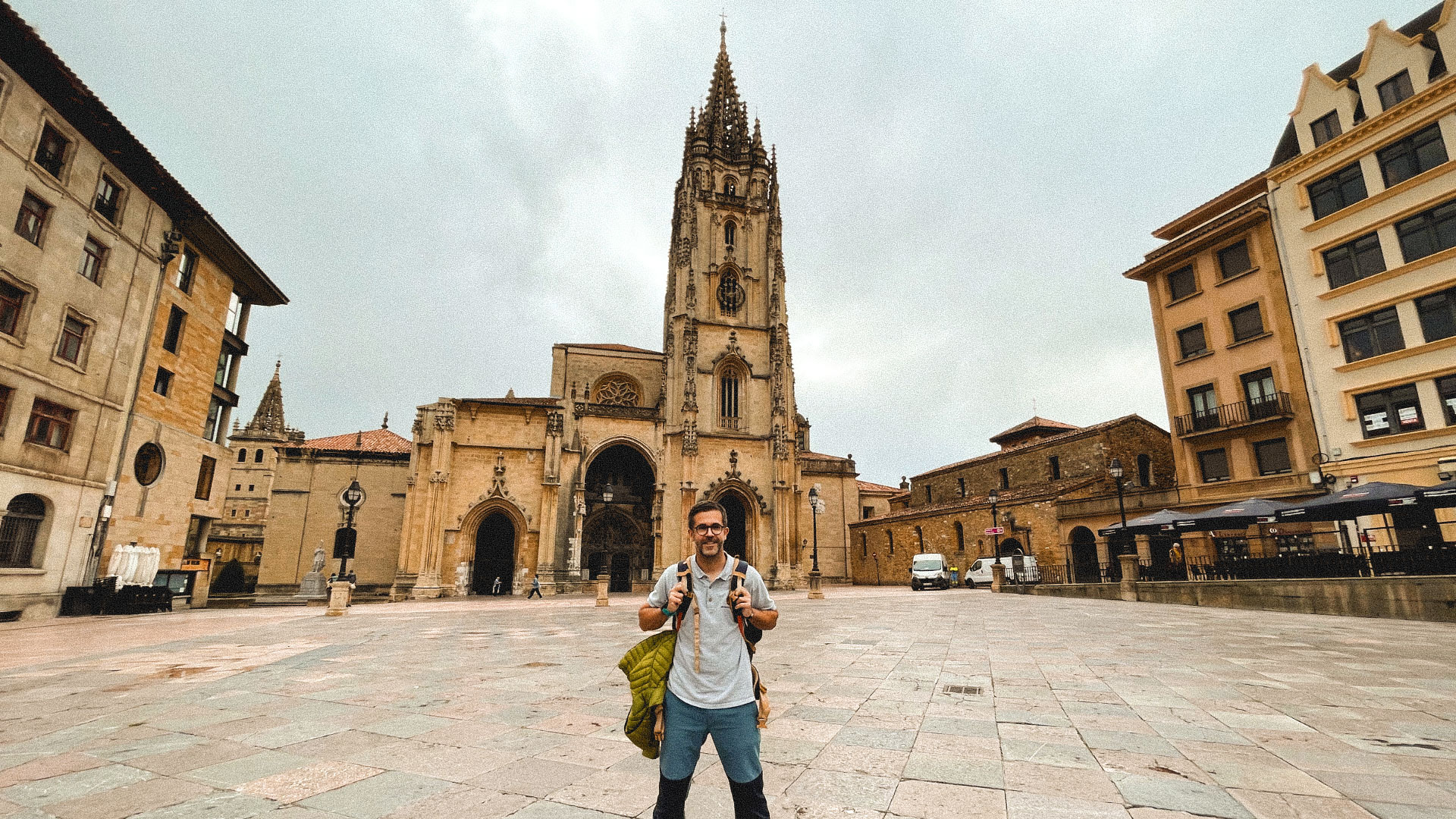
The final stretch is special. Upon entering Oviedo, pilgrims follow the historic streets to the imposing Cathedral of San Salvador, the final destination of this pilgrimage. Inside is the Holy Chamber, where relics venerated since the Middle Ages, such as the Holy Shroud, are kept.
To celebrate the end of the Camino, nothing better than enjoying the gastronomy of Oviedo with dishes such as Gamonéu cheese, Asturian bean stew and cider in one of the city’s cider houses. A perfect end to one of the most beautiful and demanding Jacobean routes.
Route
A start among the history and landscapes of León
Distance: 16.9 miles – 27,2 km
The Camino de El Salvador begins in León, a city with an impressive historical legacy. The Cathedral of Santa María, with its spectacular stained glass windows, and the Basilica of San Isidoro, where the “Pantheon of the Kings” is located, are essential visits before setting off.
The stage is relatively simple, following rural roads and secondary roads. We pass through towns such as Puente Castro and Cabanillas, where the agricultural landscapes and the wide horizons of León set the pace of the day. Towards the end, the surroundings become more mountainous, heralding the transition to the Cantabrian Mountains.
The arrival at La Robla, a town with an industrial tradition, offers the opportunity to taste the Leonese cuisine, with dishes such as the botillo, cecina (cured beef jerky) and Valdeón cheese. An accessible first stage, but which already gives a glimpse of the harshness and beauty of the road ahead.
Towards the mountains
Distance: 14.5 miles – 23,3 km
This stage is the entrance to a more mountainous terrain, where the Camino begins to show its most demanding side. From La Robla, the ascent is progressive, crossing small villages such as Puente de Alba and La Pola de Gordón, where you can admire the first views of the mountains that will dominate the next few days.
The final stretch is spectacular, with trails surrounded by forests and meadows until you reach Poladura de la Tercia, a small rural village nestled in the mountains. Here the tranquility is absolute, with just a handful of houses and hostels where pilgrims rest before the great challenge of the next day.
Gastronomically, the area offers homemade dishes such as mountain broth and game meat. A stage that serves as a prelude to one of the most impressive stretches of the Camino de El Salvador.
The great crossing of the Cantabrian Mountains
Distance: 14.9 miles – 24 km
This stage is one of the most spectacular and demanding of the Camino de El Salvador, crossing the Cantabrian Mountains and entering Asturias. From Poladura de la Tercia, the trail climbs rapidly through high mountain meadows, with stunning views of the Picos de Europa on clear days.
The highest point of the day is Canto la Tusa (1,572 m), from where a long, technical descent begins. Along the way, pilgrims cross the remains of old pilgrims’ hospitals and hermitages hidden in the mountains. After a demanding descent, they reach Pajares, a small village that serves as a rest before the last stretch of the day.
From Pajares, the descent continues to Puente de los Fierros, already at the bottom of the valley, where the vegetation changes drastically, giving way to lush Atlantic forests. At this point, Asturian gastronomy is present with dishes such as pote asturiano and Cabrales cheese, perfect to regain strength after a day in the mountains.
Following the valley of the caudal
Distance: 14.8 miles – 23,8 km
From Puente de los Fierros, the route advances parallel to the Caudal river, crossing green valleys and small charming villages such as Herías and Campomanes.
One of the highlights is Pola de Lena, where pilgrims can stop to visit the impressive pre-Romanesque church of Santa Cristina de Lena, declared a World Heritage Site. From here, the route continues along wooded paths until reaching Mieres del Camino, a town with a strong mining past and a great Jacobean tradition.
In Mieres, gastronomy is a strong point, with specialties such as carne gobernada, tortos de maíz con picadillo and Asturian cider. It is an ideal place to rest before the last stretch to Oviedo.
The Cathedral of San Salvador, the end of your Way
Distance: 11.2 miles – 18 km
The last kilometers are full of excitement, with the expectation of reaching Oviedo. From Mieres, the road ascends towards El Padrún, a high point from where the first views of the city can be seen. The subsequent descent is pleasant, crossing villages such as Olloniego, with its ancient medieval bridge.
The final stretch is special. Upon entering Oviedo, pilgrims follow the historic streets to the imposing Cathedral of San Salvador, the final destination of this pilgrimage. Inside is the Holy Chamber, where relics venerated since the Middle Ages, such as the Holy Shroud, are kept.
To celebrate the end of the Camino, nothing better than enjoying the gastronomy of Oviedo with dishes such as Gamonéu cheese, Asturian bean stew and cider in one of the city’s cider houses. A perfect end to one of the most beautiful and demanding Jacobean routes.
Make your Camino unique
A day in León: history, culture and tapas
SEE MORE
Hotel Camarote
SEE MORE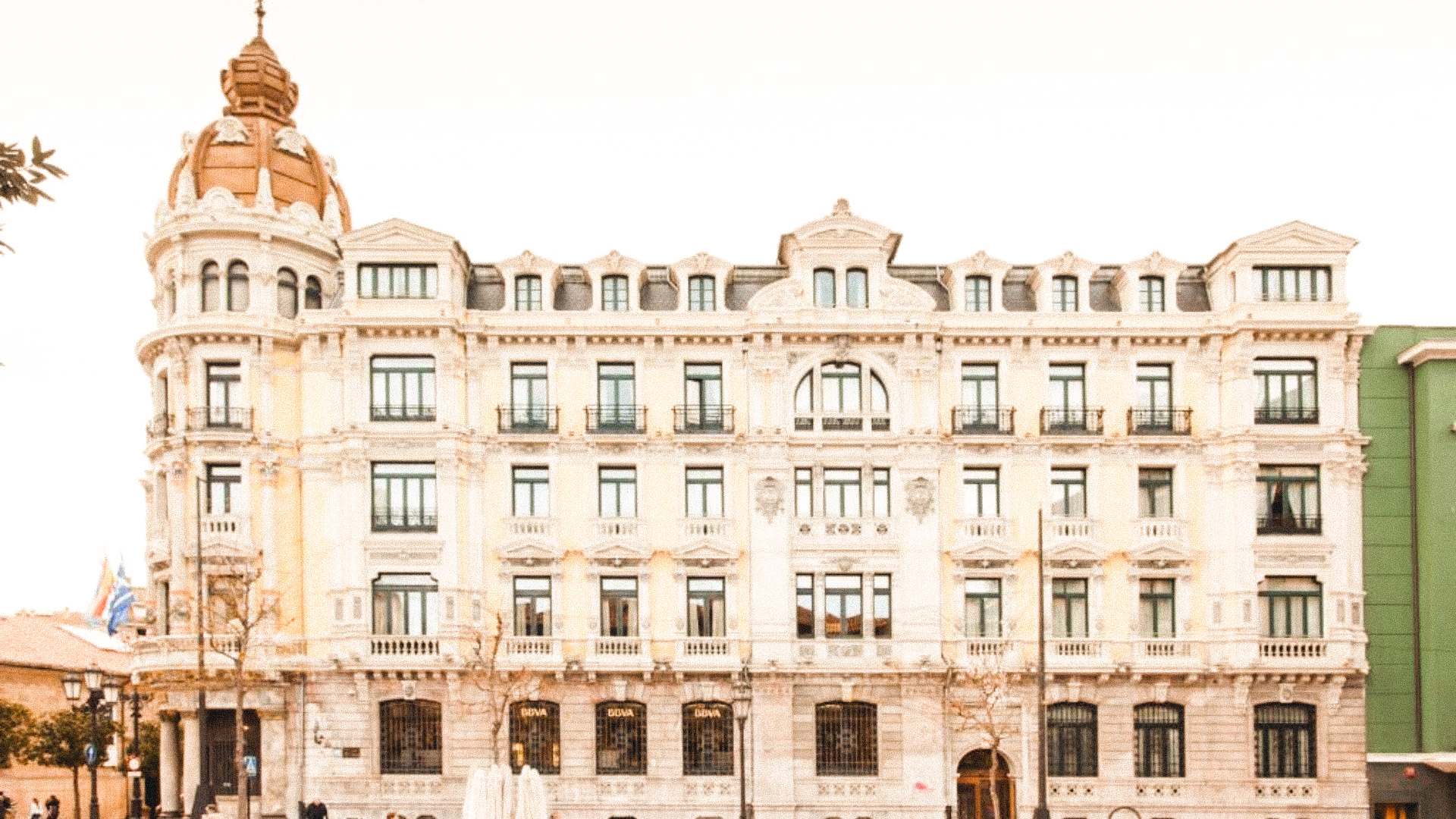
What’s included in your Camino?
Included
- Private accommodation with en-suite bathroom (depending on chosen category)
- Daily breakfast
- Basic insurance
- 24/7 emergency phone assistance
- Detailed Camino guide with stages, maps, and tips
- Daily WhatsApp check-in and support
- Camino People welcome pack
- Personalized recommendations for meals, dinners, and local visits
- Luggage transfer between stages
Not Included
- Lunches and dinners not specified in the itinerary
- Drinks and extra snacks
- Flights or travel to the starting/ending point (optional transfer available)
- Laundry service
- Personal expenses
- Cancellation or comprehensive travel insurance (optional)
- Entrance fees to monuments or museums not included in the itinerary
- Tips
Extras (available upon request)
- Guided Camino (full-time or selected stages)
- Fully organized trip with exclusive activities
- Gourmet dinners or unique gastronomic experiences
- Private cultural visits or entrance tickets with guide
- Transportation to/from airport or other off-route locations
- Extra nights before or after the Camino
- Massage, physiotherapy, or yoga services
- Cancellation or extended travel insurance
FAQ
Yes, it is a demanding Camino due to its steep slopes and mountain passes, especially in the stages that cross the Cantabrian Mountain Range. For this reason it is recommended to have a good physical preparation.
However, the difficulty is rewarded by the incredible landscapes, the mountains and the silence that you will find along your Camino.
Some of the most outstanding places are:
- Cathedral of León (starting point).
- Cathedral of San Salvador de Oviedo (goal of the Camino).
- Church of Santa Cristina de Lena (World Heritage Site).
- Ruins of the Hospital of Montouto in the middle of the mountain.
- The views from the Puerto de Pajares.
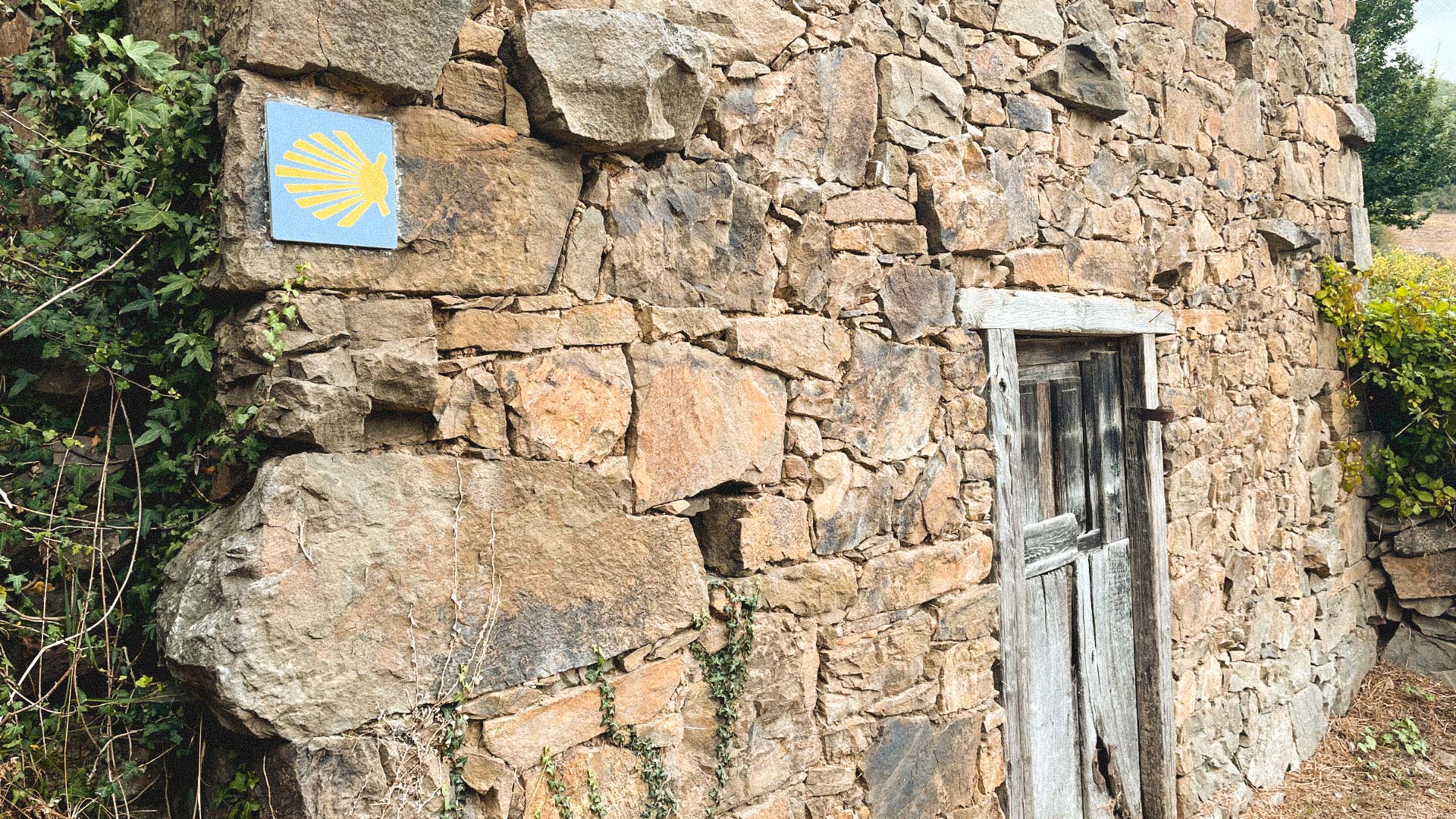
Yes, the same pilgrim’s credential is used as in the rest of the Caminos de Santiago, and it is stamped in albergues, churches and bars.
No, in Oviedo the “Salvadorana”, a certificate that certifies the pilgrimage to the Holy Chamber of the Cathedral of San Salvador, is delivered.
Related Caminos
14 días - 13 noches


desde
5 days - 4 nights
desde
6 days - 5 nights
desde