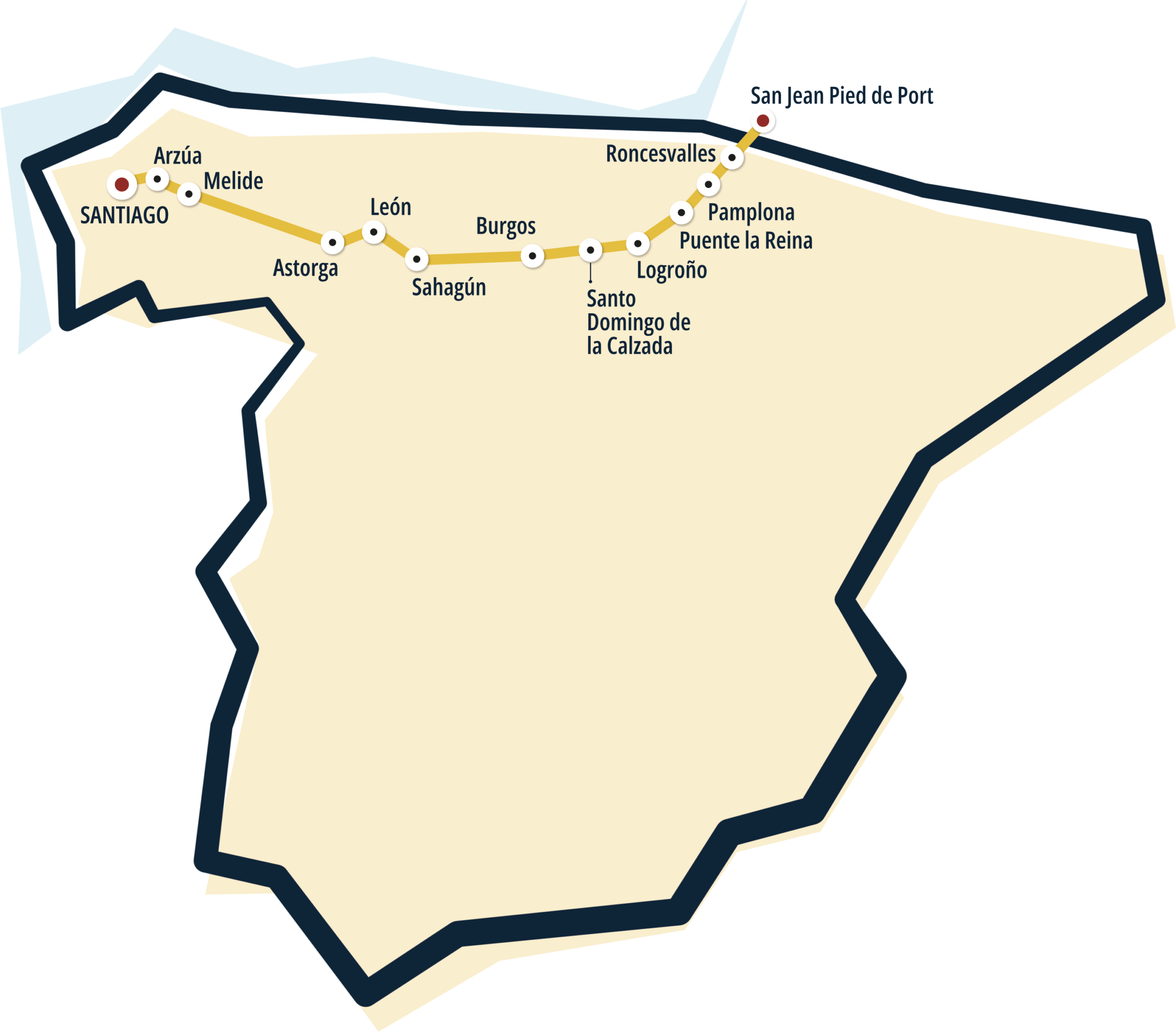
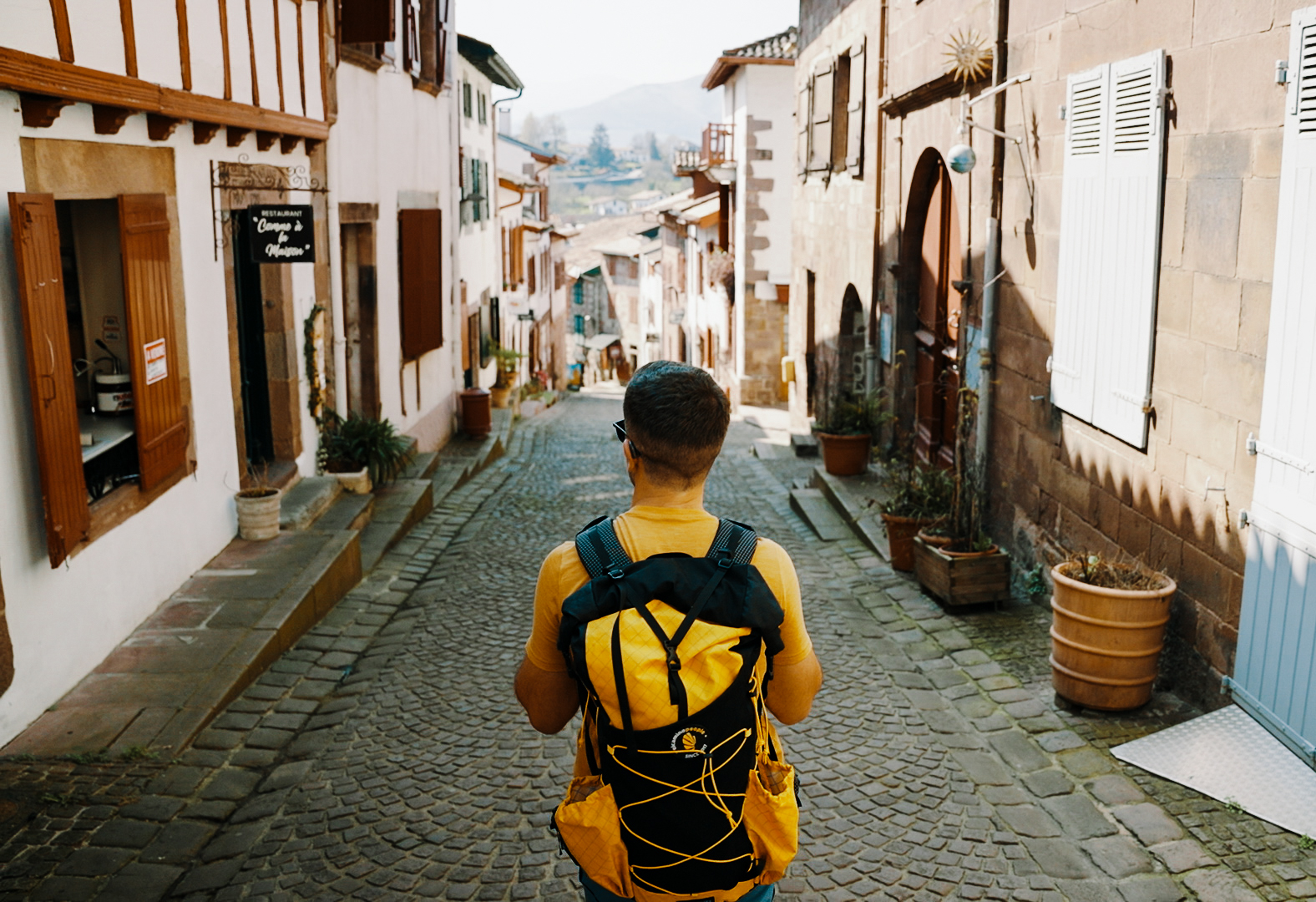
 An epic start to your Camino
Distance: 15.04 miles – 24,2 km
The initial stage is one of the most spectacular on the French Way. It begins in the picturesque coastal town of Saint-Jean-de-Luz, with its harbor and traditional Basque houses. From here, the Camino winds through rolling green hills and villages, gradually transforming into a more mountainous landscape, with beech and oak forests signaling the proximity of the Pyrenees.
With some challenging elevation changes, the route takes you through alpine pastures and high-mountain trails with breathtaking views. The Alto de Ibañeta marks the final push before the descent into Roncesvalles, one of the most historic sites on the Camino.
Reaching Roncesvalles is a special moment. Its Gothic Collegiate Church, Charlemagne’s Silo, and the Chapel of St. James stand as witnesses to centuries of Jacobean history. After the journey, the local cuisine provides a well-deserved reward, with dishes such as Navarre-style trout, lamb al chilindrón, and traditional curd with honey. A demanding yet unforgettable stage.
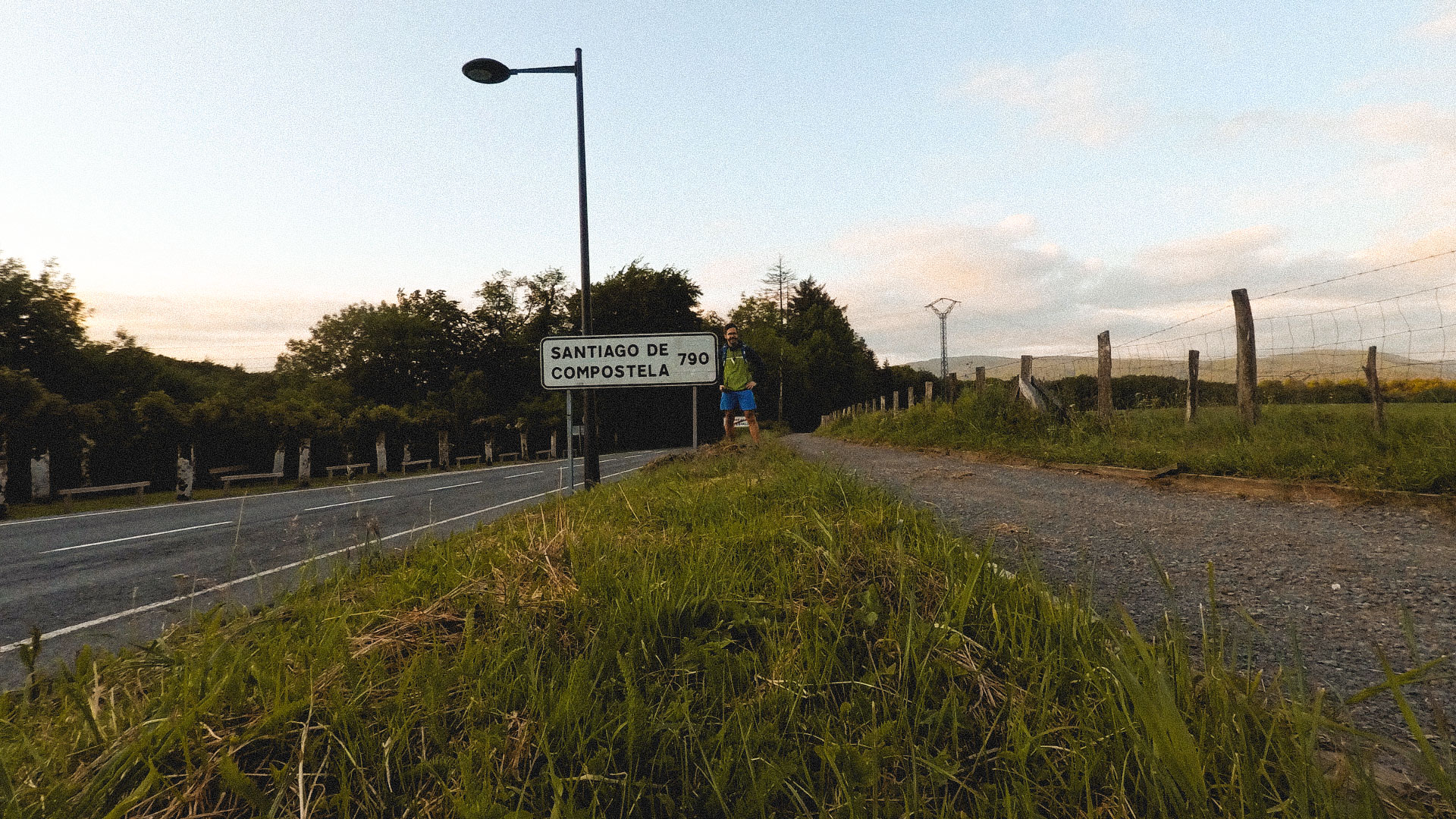 Magical forests and the Arga River
Distance: 13.3 miles – 21,4 km
This stage is a gradual descent from the Pyrenean mountains into the Navarrese valleys, with a landscape shaped by lush forests, rivers, and charming small villages. From Roncesvalles, the route passes through historic hamlets like Burguete and Espinal, with their stone houses and red-tiled roofs. The path winds through shaded trails, crossing streams and meadows where silence and nature envelop the pilgrim.
As the journey progresses, the trail becomes more technical, with rocky descents and medieval bridges like the Erro Bridge, requiring caution. The final stretch to Zubiri includes the descent to the Puente de la Rabia, a medieval bridge with a curious legend—it was once believed that animals passing underneath would be cured of rabies.
In Zubiri, a peaceful village on the banks of the Arga River, pilgrims find rest and warm hospitality. To regain strength, Navarrese cuisine offers delicious specialties such as chistorra, Idiazábal cheese, and piquillo peppers—perfect for recharging before the next stage.
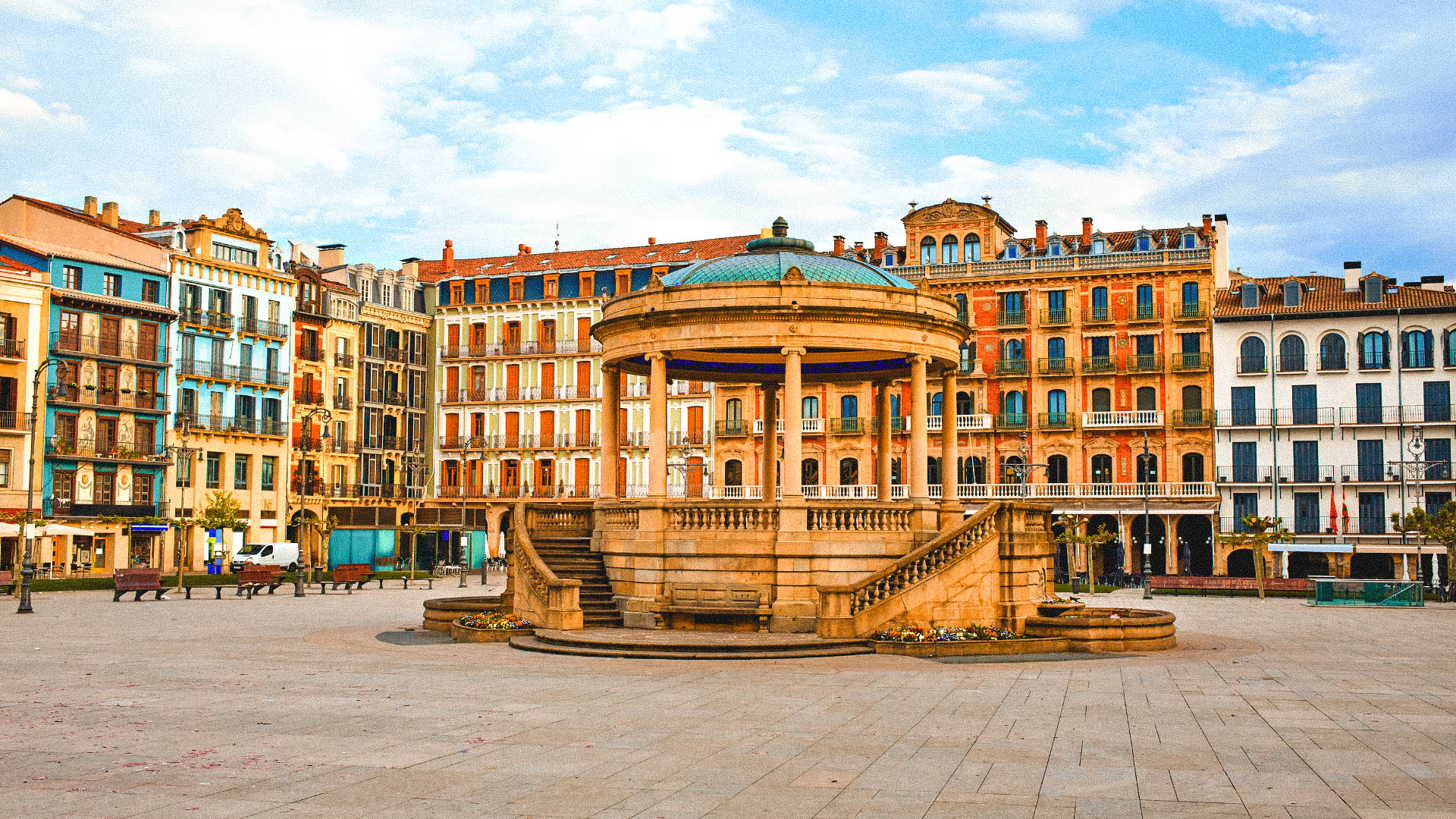 From rural tranquility to the vibrant heart of Navarre
Distance: 12.7 miles – 20,4 km
This stage unfolds in a stunning natural setting, following the Arga River through forests, farmland, and charming small villages. The route winds along shaded paths and medieval bridges, passing through towns like Larrasoaña, with its strong Jacobean tradition, and Iroz, where many pilgrims stop for a well-deserved rest.
As you approach Pamplona, the terrain becomes flatter, and the landscape gradually shifts to a more urban environment. Before reaching the city, the Puente de la Magdalena, a medieval bridge, marks the official entrance to Pamplona. Crossing it, pilgrims pass through the historic walls and enter via the Portal de Francia, the same gateway used by medieval travelers.
Pamplona, the first major city on the French Way, offers a lively end to the stage. Here, beyond visiting the Cathedral of Santa María and strolling through its history-filled streets, it’s essential to experience its famous gastronomy in iconic areas like Estafeta or San Nicolás.
 A bridge to the medieval past
Distance: 14.9 miles – 23,9 km
This stage marks the transition from the big city to the rural landscapes of Navarre. After leaving Pamplona’s historic center behind, the Camino winds through fields and small villages like Cizur Menor.
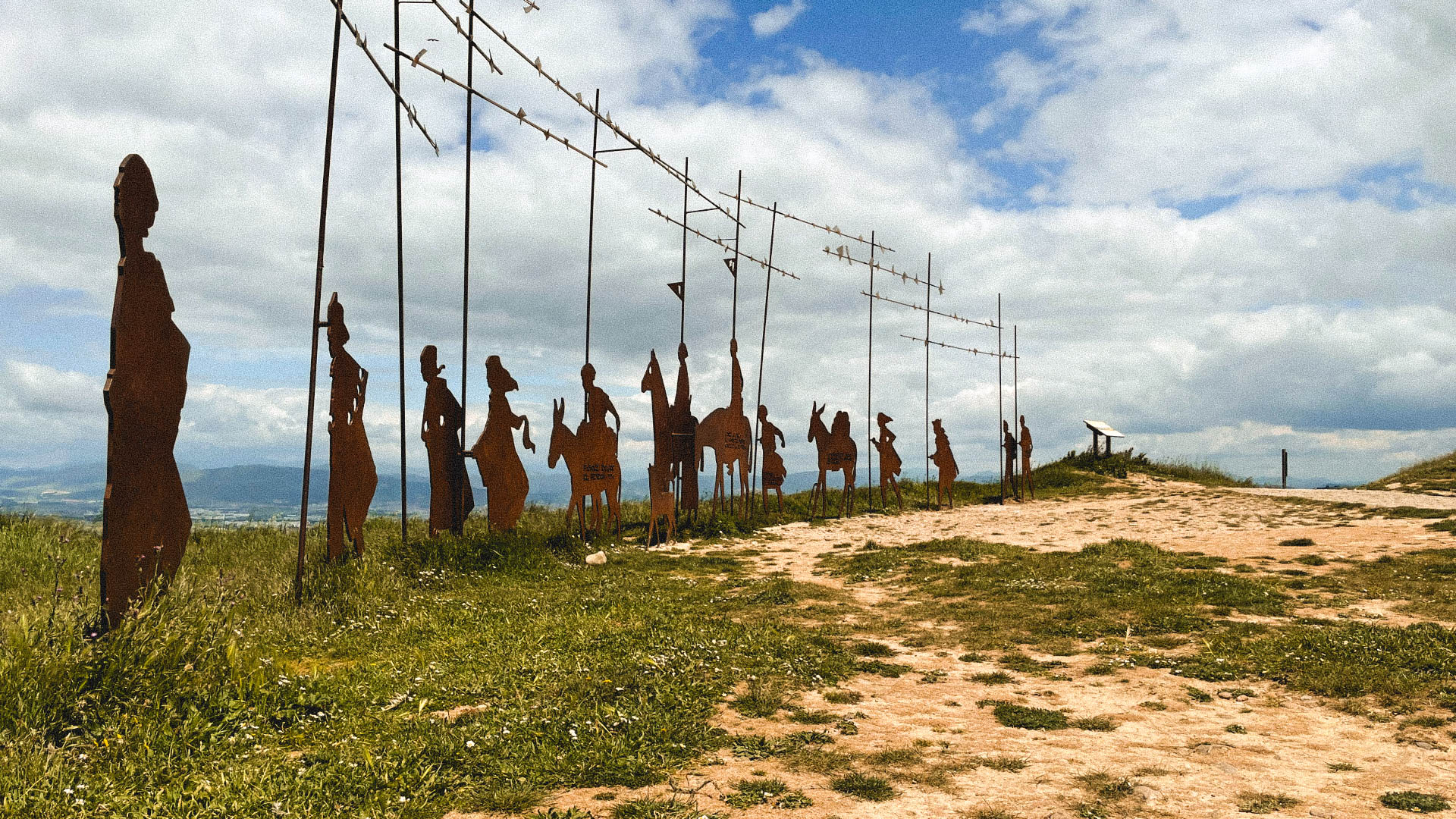
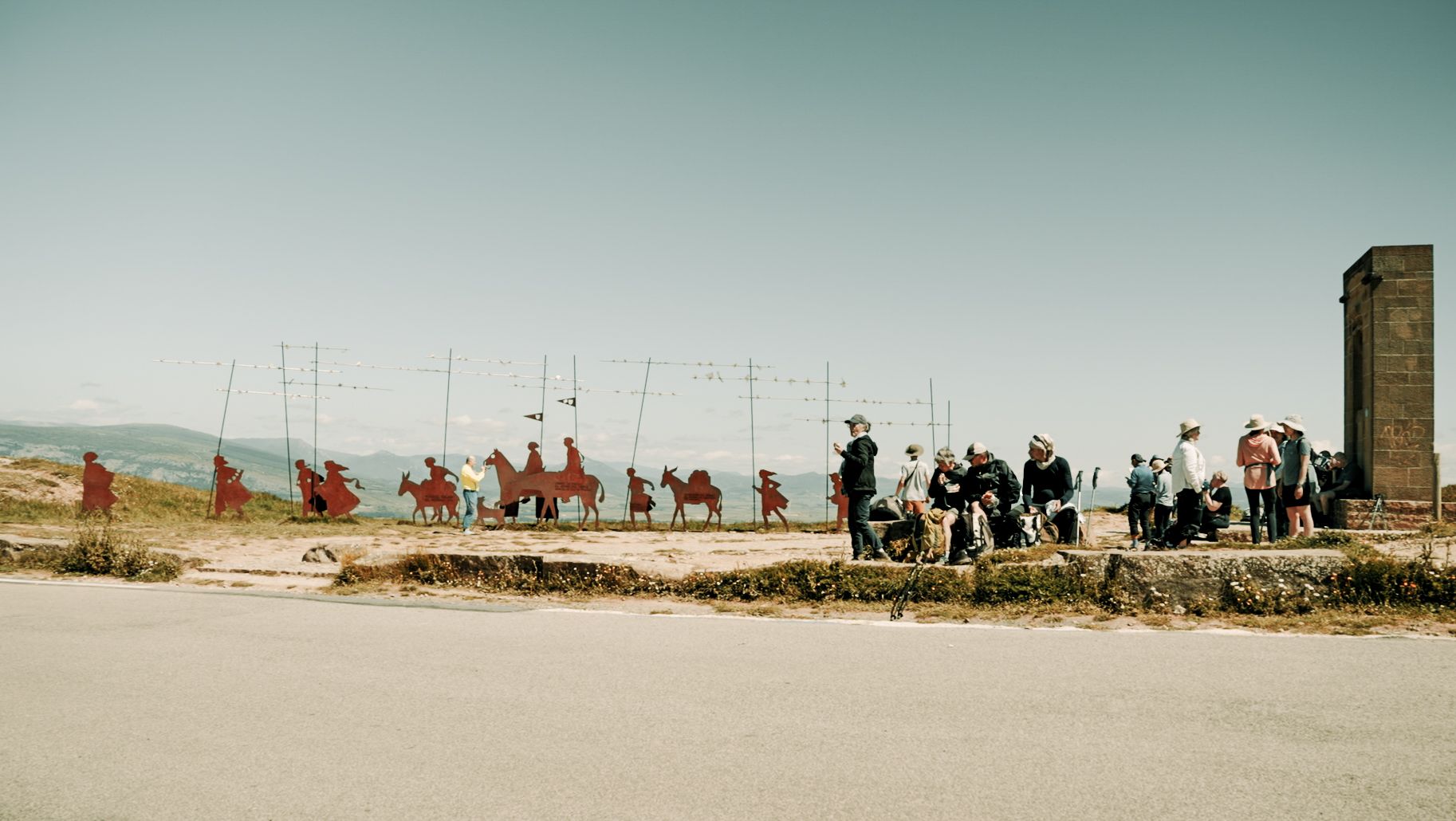
The most iconic point of the day is the Alto del Perdón, a challenging ascent that rewards pilgrims with one of the most breathtaking panoramic views of the French Way. At the summit, the famous metal sculpture of pilgrims stands as a tribute to those who have walked this route for centuries. From here, a technical descent leads to Uterga, passing through medieval villages like Muruzábal and Óbanos, which have preserved their historic charm.
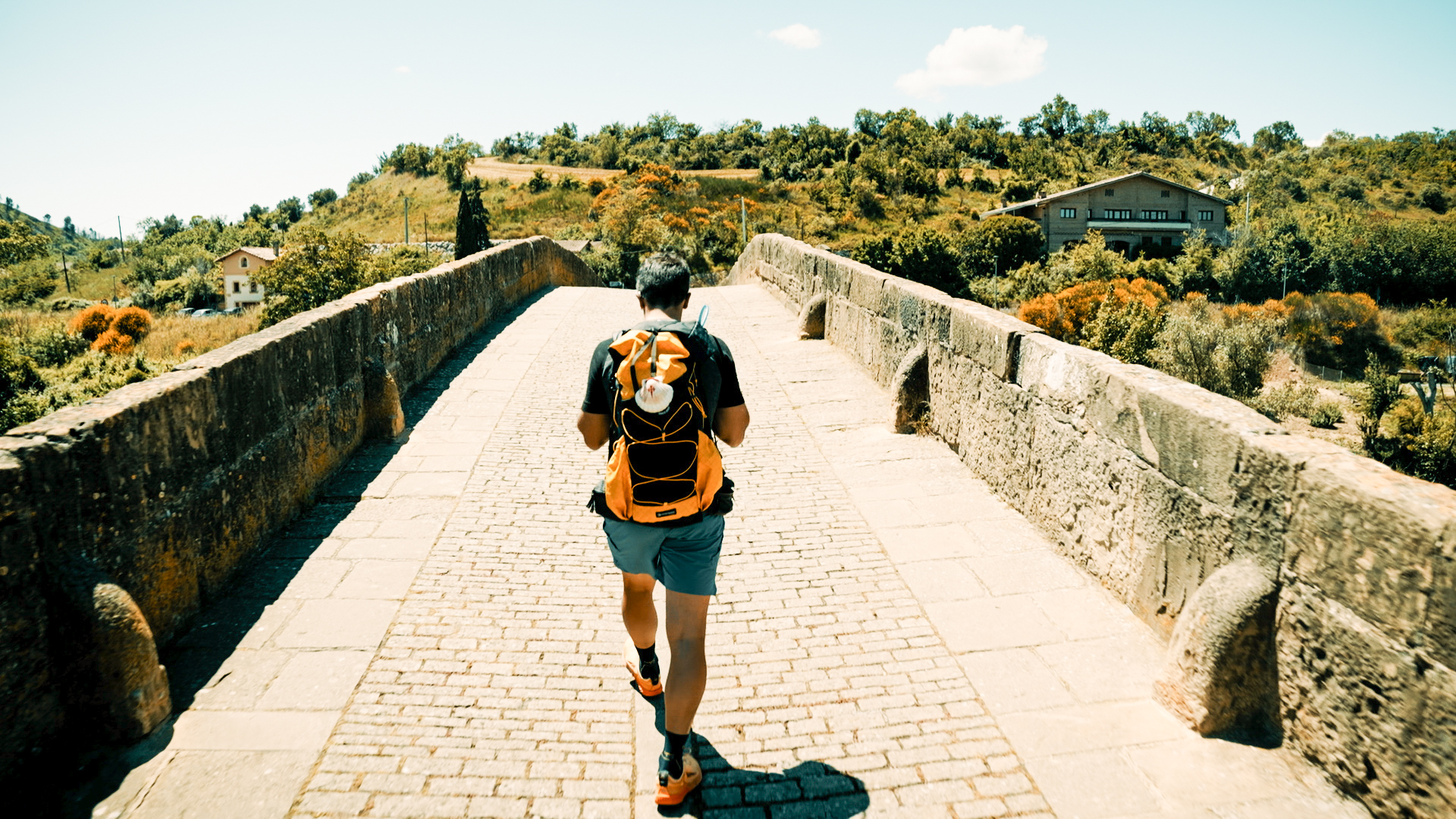
In Puente la Reina, you’ll cross its magnificent medieval bridge over the Arga River, an architectural gem that symbolizes the union of pilgrims. To end the day, there’s nothing better than savoring Navarrese specialties such as cordero al chilindrón (lamb stew), pochas (white beans), or cuajada with honey, before continuing your journey.
 Vineyards, olive groves, and rural charm
Distance: 13.4 miles – 21,6 km
A vibrant journey that blends vineyard landscapes, historic villages, and remnants of the medieval past. After crossing the iconic medieval bridge of Puente la Reina, the Camino winds through agricultural paths and charming towns like Mañeru and Cirauqui, where cobbled streets and ancient churches transport pilgrims to another era.
One of the day’s highlights is crossing the Roman bridge of Cirauqui, an original section of the Roman road that has witnessed the passage of travelers for centuries. As you continue, vineyards dominate the landscape, signaling the approach to Estella, one of the gems of the French Way.
Known as the “Toledo of the North”, Estella is a vibrant city where history and tradition intertwine. Here, pilgrims can explore the old town, the Church of San Pedro de la Rúa, or simply soak in the lively atmosphere of its squares. But what truly makes arriving here a well-earned reward is the local gastronomy: piquillo peppers, Idiazábal cheese, and a fine Navarrese wine are the perfect way to recharge before continuing the journey.
 Through gentle hills and picturesque villages
Distance: 17.9 miles – 28,8 km
The stage from Estella to Torres del Río offers a peaceful journey through beautiful landscapes of vineyards and farmland. From Estella, a city rich in history, the Camino continues over rolling hills and through charming villages like Ayegui.
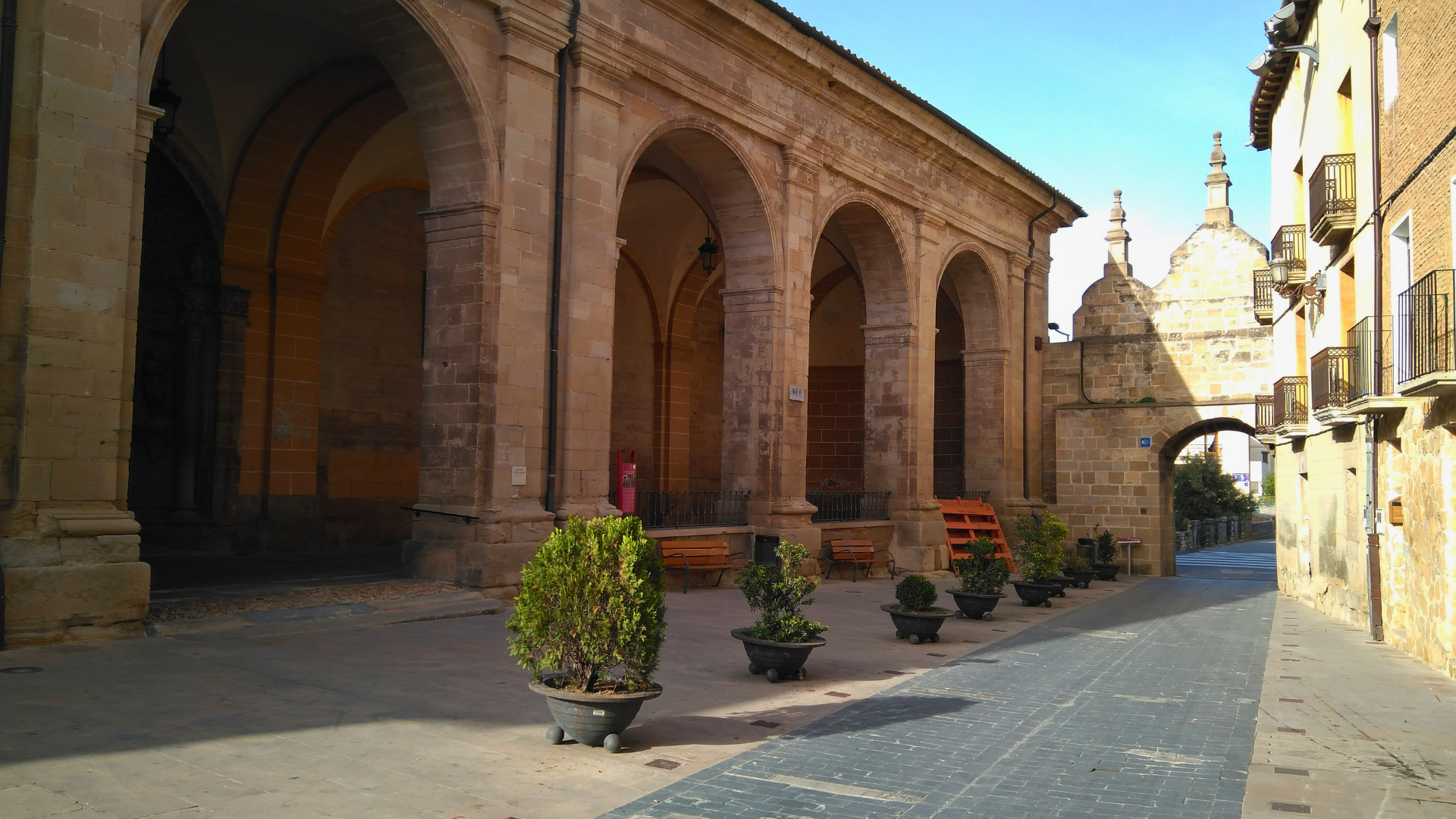
Torres del Río, a small and distinctive village, provides pilgrims with a well-deserved rest on their way to Santiago de Compostela. Its cobbled streets and stone houses transport you to another era, while the Romanesque Church of the Holy Sepulchre stands out as an architectural treasure worth visiting.
After several kilometers of walking, this enchanting destination is the perfect place to recharge and enjoy the serenity of the Camino.
 From Navarra to La Rioja, land of wine
Distance: 12.4 miles – 20 km
This stage offers a dynamic journey through rolling hills, cereal fields, and the first vineyards that signal the arrival in La Rioja. From Torres del Río, home to the remarkable Hermitage of the Holy Sepulchre, the Camino continues toward Viana, a town with an impressive historic center and the Church of Santa María, where the remains of Cesare Borgia rest.
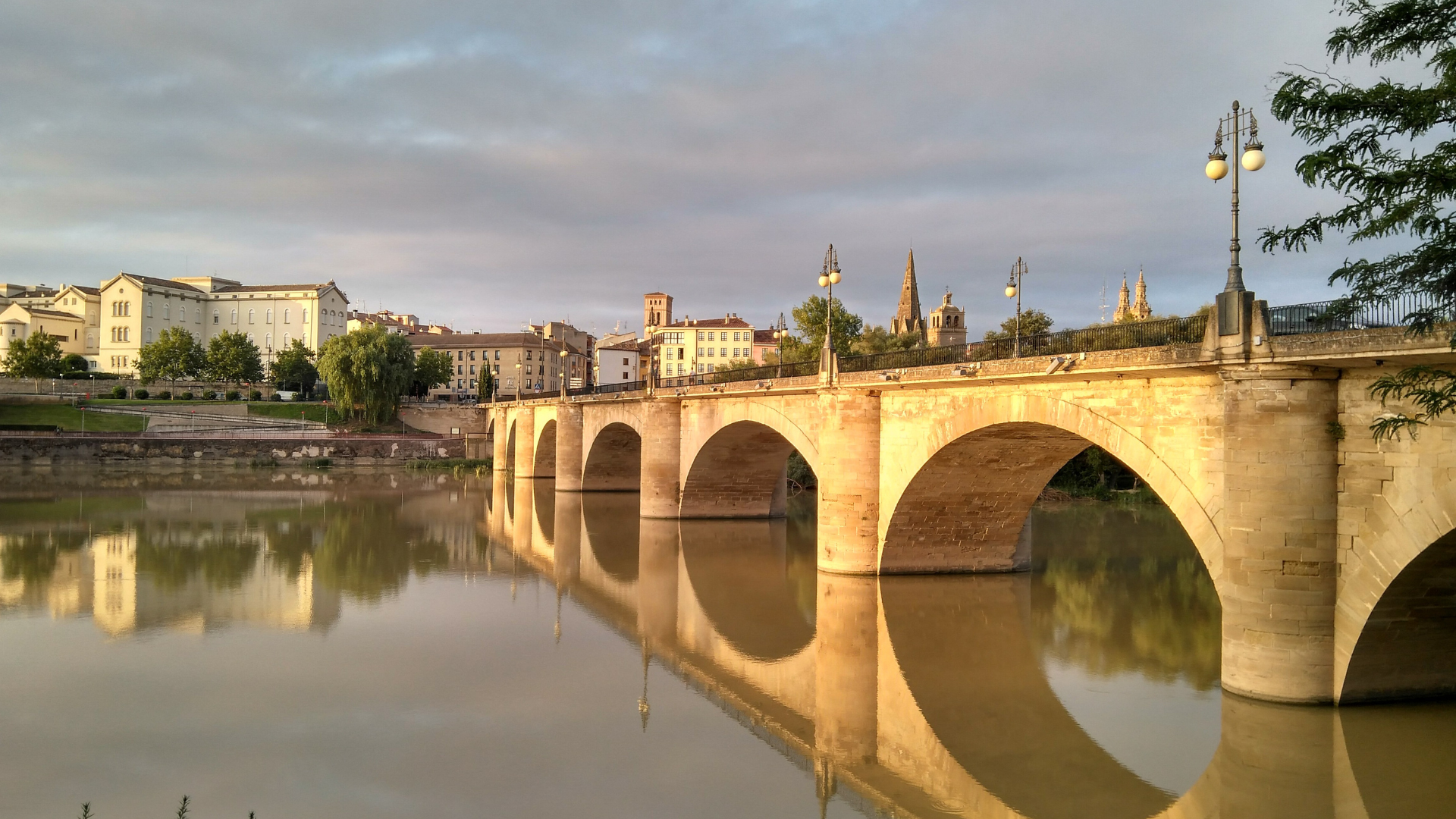
The final stretch to Logroño marks the transition between Navarra and La Rioja, with trails winding through vineyards and rural paths. Pilgrims enter the city by crossing the Puente de Piedra over the Ebro River, a symbolic welcome to the journey ahead.
As the capital of La Rioja, Logroño is the perfect place to celebrate the arrival with a tapas and wine tour along the famous Calle Laurel. Here, Rioja wine, patatas a la riojana, and grilled mushrooms make for a must-try feast before continuing the adventure.
 History and wine at every step
Distance: 18 miles – 29 km
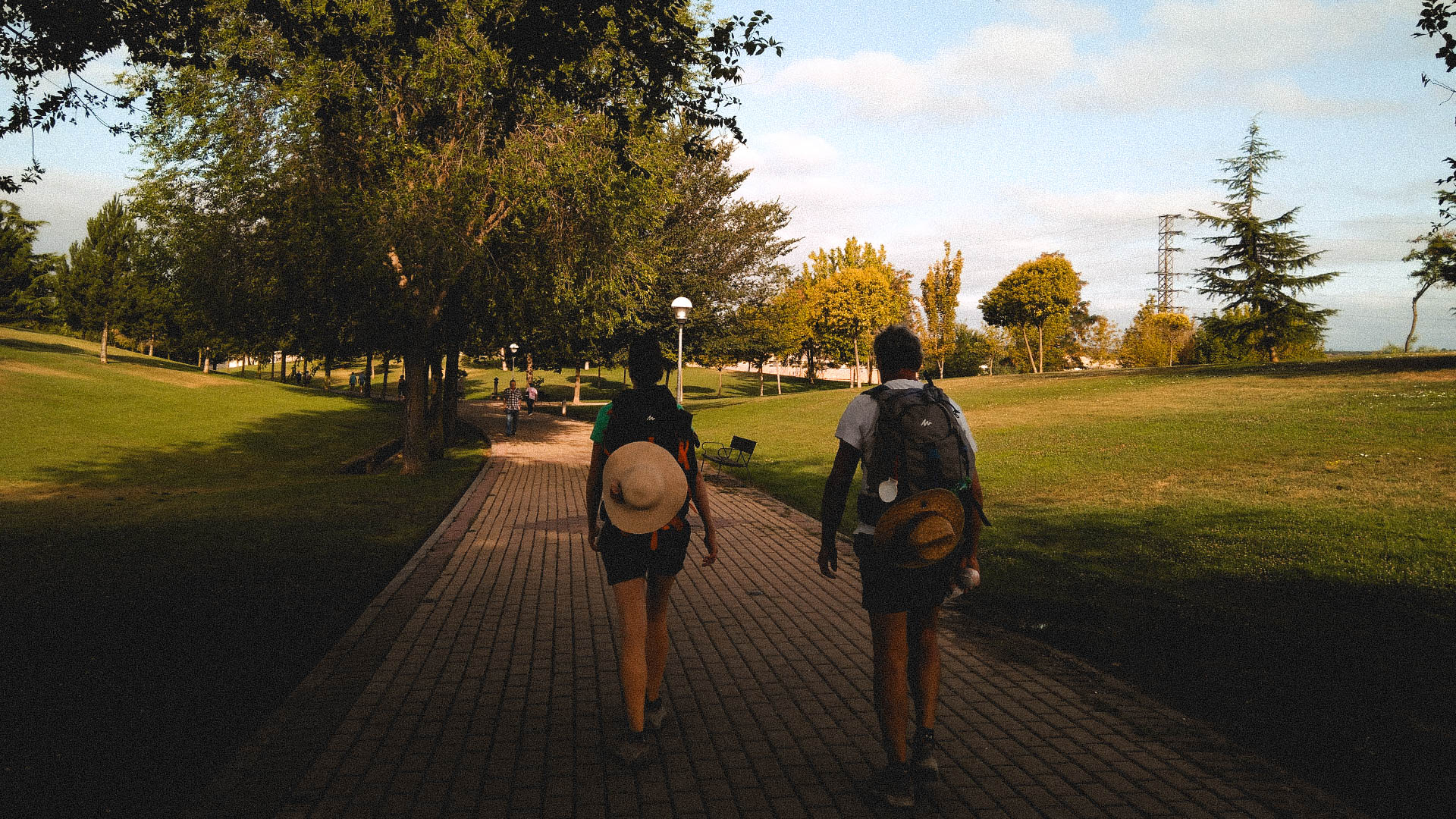
This route immerses you in the landscapes of endless vineyards and golden fields that define La Rioja. Leaving the city behind, the trail follows the edge of La Grajera Park, a peaceful haven where storks and ducks are often seen around its reservoir. Shortly after, a gentle ascent leads to Navarrete, a charming village with deep Jacobean roots and the impressive Church of the Assumption.
The Camino continues through vineyards and farmland, passing through small villages like Ventosa, where tranquility and the aroma of wine surround the pilgrim. As Nájera approaches, the view opens to a valley framed by reddish mountains, signaling the arrival at this historic town.
Once the former capital of the Kingdom of Navarra, Nájera is rich in history. Its greatest treasure is the Monastery of Santa María la Real, the final resting place of ancient kings. After the walk, there’s no better way to recover than indulging in Riojan cuisine, with a fine local wine, grilled lamb chops over vine shoots (chuletillas al sarmiento), or delicious wine-poached pears. A memorable way to end the stage.
Miracles and tradition on the Camino
Distance: 12.9 miles – 20,7 km
This stage marks the transition from vineyards to the vast cereal fields that signal the approach of the Meseta. Leaving Nájera, you’ll walk alongside the Najerilla River, bidding farewell to the reddish mountains that guard the city. Gradually, the landscape opens up, leading you to Azofra, a small Jacobean village where you can pause and soak in the tranquility of this land.
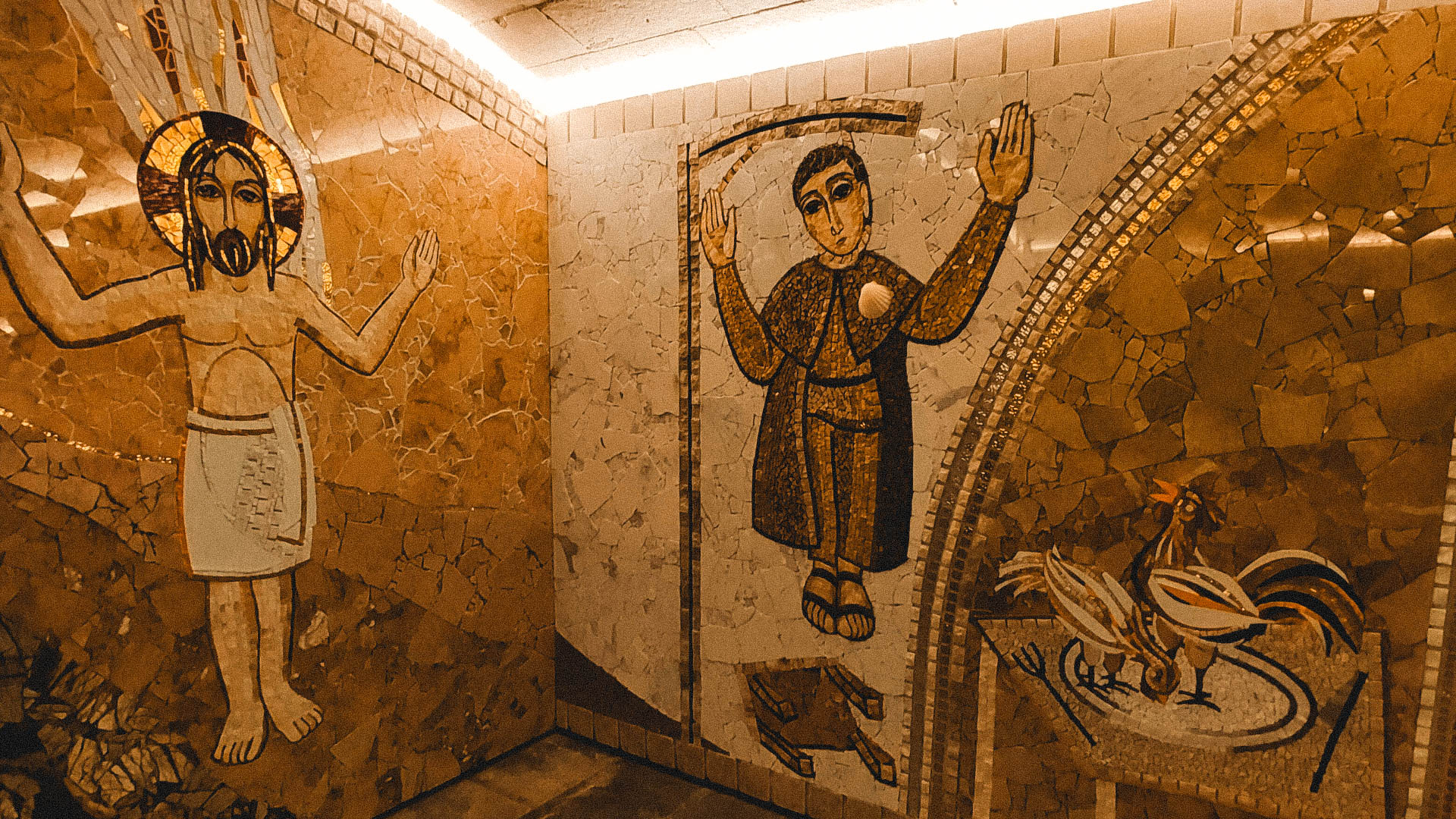
Further ahead, the route stretches along long agricultural paths until you catch sight of Santo Domingo de la Calzada, a town rich in history and legends. Here, you can’t miss the Cathedral of Santo Domingo, famous for its henhouse, where live roosters still crow in remembrance of the miracle of the hanged pilgrim saved by St. James. Strolling through the historic center feels like stepping back in time.
To regain your strength, there’s no better way than indulging in Riojan cuisine. In Santo Domingo, you’ll find delicious specialties such as patatas a la riojana, grilled lamb chops over vine shoots (chuletillas al sarmiento), and fardelejos—an irresistible local pastry.
 Charming villages and serene landscapes
Distance: 13.7 miles – 22 km
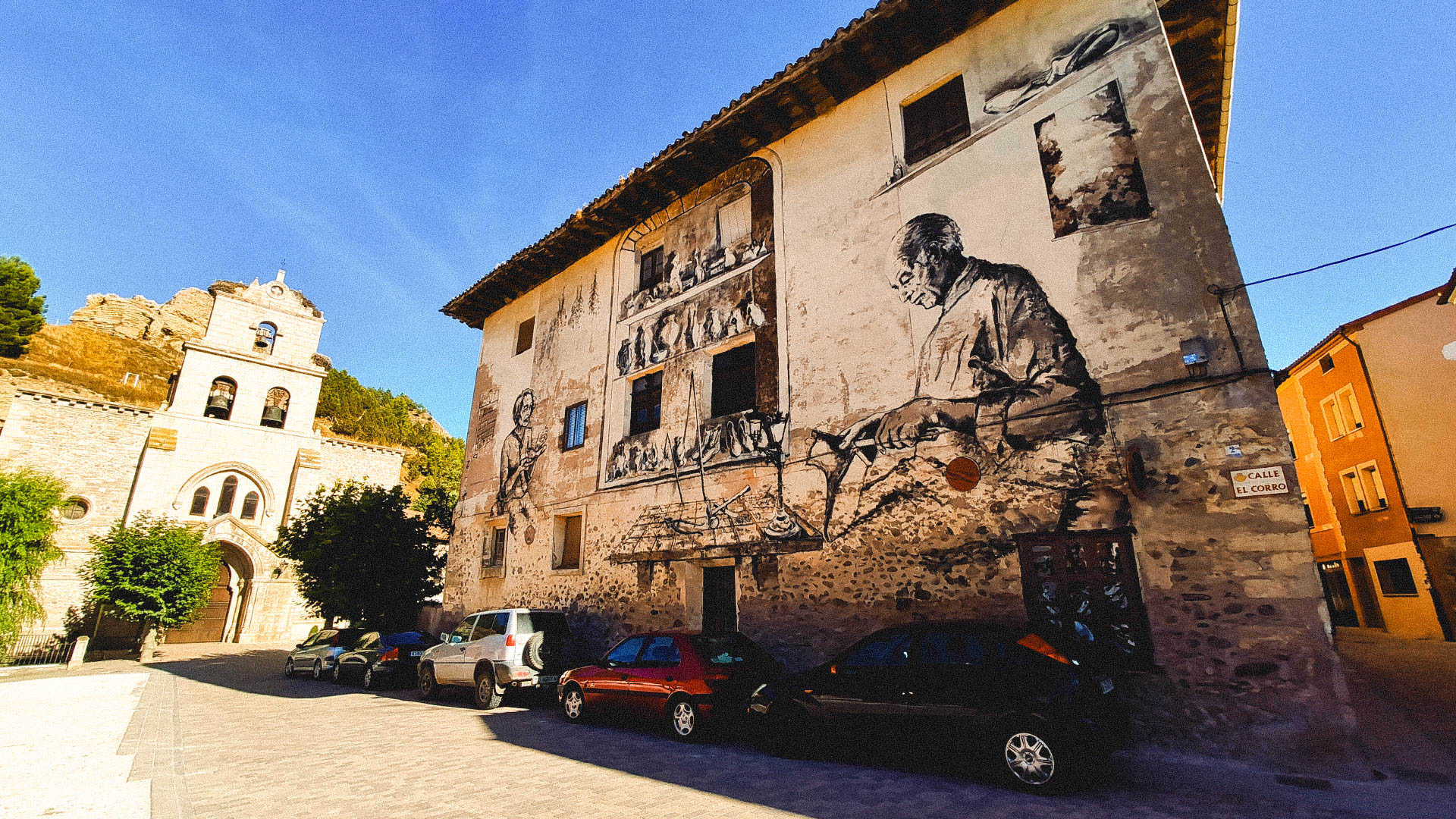
This stage offers a comfortable walk, where vineyards fade into the distance, and vast cereal fields begin to dominate the landscape. Leaving Santo Domingo de la Calzada, you’ll cross the medieval bridge over the Oja River, following a flat path through charming villages like Grañón, the last Riojan town on the Camino, where the local church provides a warm refuge for pilgrims.
Entering Castilla y León, the route passes through towns such as Redecilla del Camino and Viloria de Rioja, the latter being the birthplace of Santo Domingo, the legendary builder of bridges and pilgrim hospitals. Here, the Camino unveils the vastness of the Castilian Meseta, with long, open stretches of golden fields that invite deep reflection.
Finally, you arrive in Belorado, a town with a fascinating medieval past. Its Plaza Mayor, perfect for a well-deserved rest, and the cave dwellings carved into the hillside, once used as shelters, transport you back in time. After the walk, recharge with roast lamb, Burgos black pudding (morcilla de Burgos), or traditional yemas before taking on the next stage.
 A Journey into spirituality and history
Distancia: 14.9 miles – 23,9 km
The Meseta begins to change, shifting from open fields to the first oak and pine forests. From Belorado, the Camino follows gentle trails, passing through villages like Tosantos and Villafranca Montes de Oca, where medieval hospitals and monasteries once provided shelter for pilgrims.
The true challenge of the day comes with the ascent to the Montes de Oca, a once-feared stretch due to bandit attacks in the past. Today, this solitary and mystical forested area offers shade from the sun and the perfect setting for introspection. As you climb, the air becomes fresher, and the Camino feels more authentic than ever.
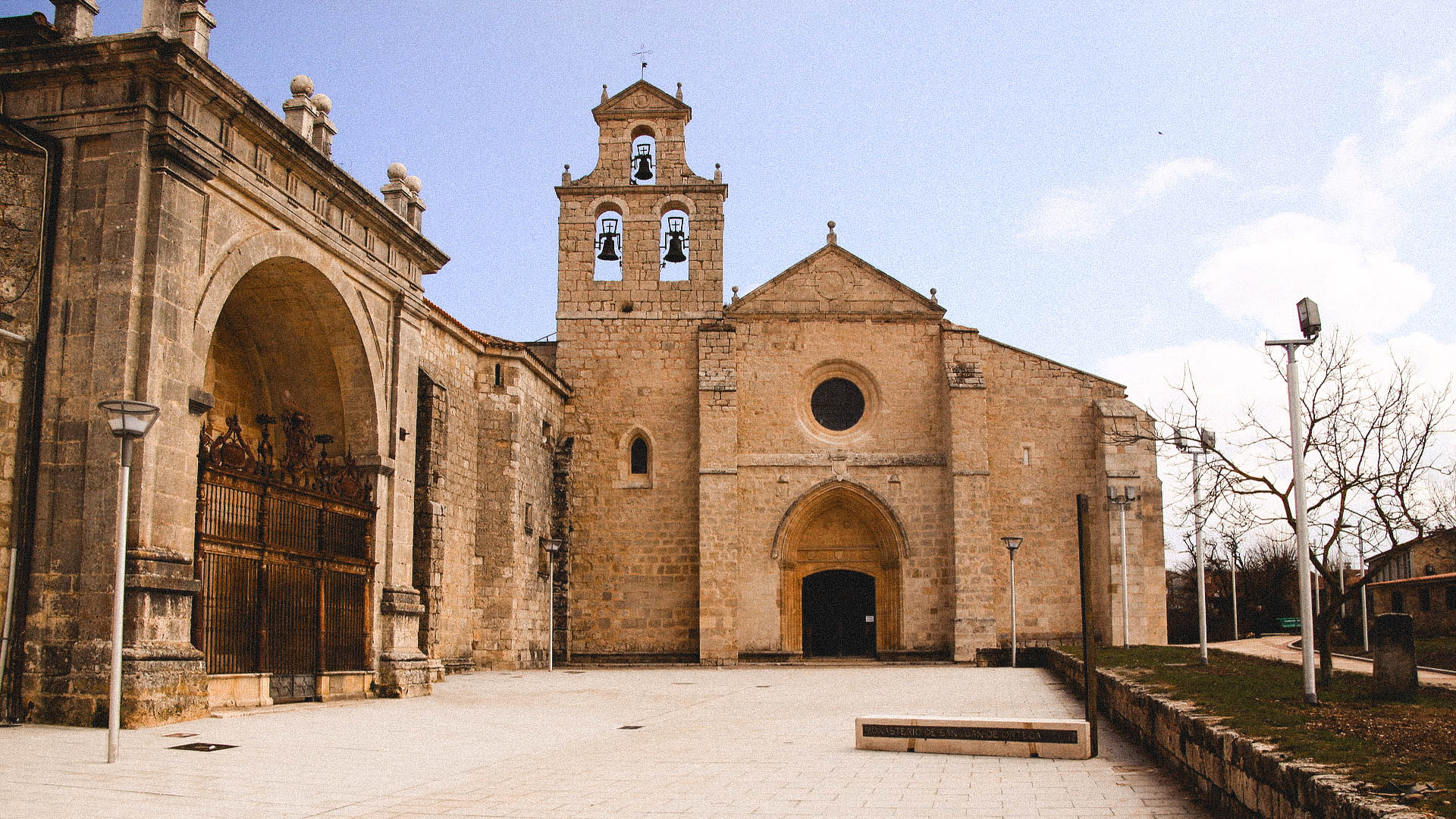
The stage ends in San Juan de Ortega, a truly special place with a unique atmosphere. Its monastery, founded by a disciple of Santo Domingo de la Calzada, remains a site of Jacobean hospitality. After a demanding journey, you can recharge with a traditional garlic soup (sopa de ajo), the perfect way to regain strength before continuing toward Burgos.
 From the peaceful forest to vibrant Burgos
Distance: 16 miles – 25,8 km
The stage begins amidst lush oak and pine forests. Leaving San Juan de Ortega, the Camino gently descends toward Agés and Atapuerca, an archaeological site of immense value, where the oldest human remains in Europe were discovered.
From Atapuerca, the route ascends to a scenic hilltop, offering the first glimpse of Burgos on the horizon. The trail then descends toward Villafría, where the urban stretch leading into the city begins. Here, you can choose between the traditional industrial route or a quieter riverside path for a more pleasant approach.
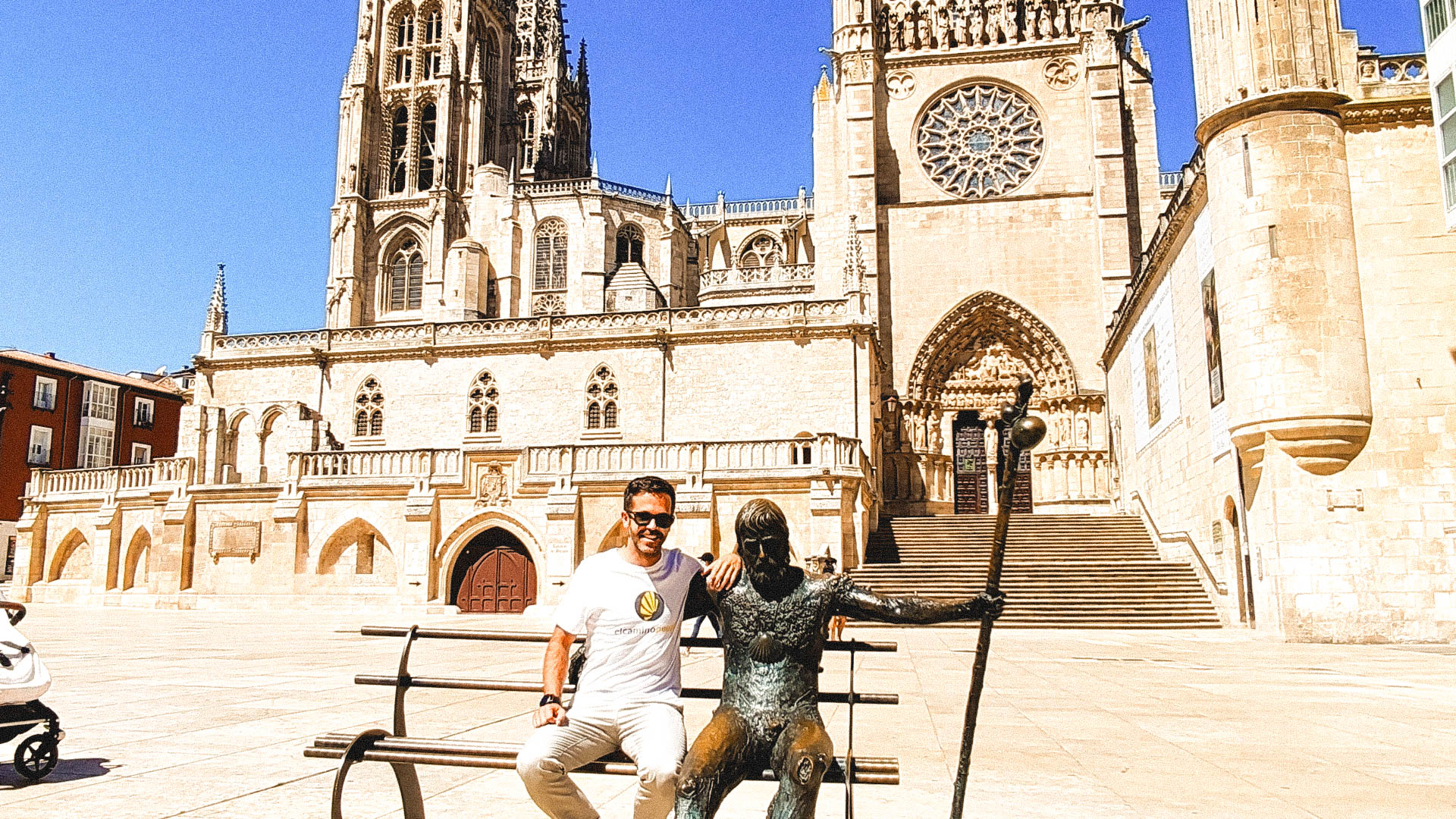
Arriving in Burgos is a special moment. The Cathedral of Santa María, a Gothic masterpiece, welcomes you after days on the trail. Stroll through the historic old town, uncover the legacy of El Cid, and, of course, indulge in local delicacies like Burgos black pudding (morcilla de Burgos), suckling lamb (cordero lechal), and fresh cheese with honey. A stage finale that blends history, culture, and unforgettable flavors.
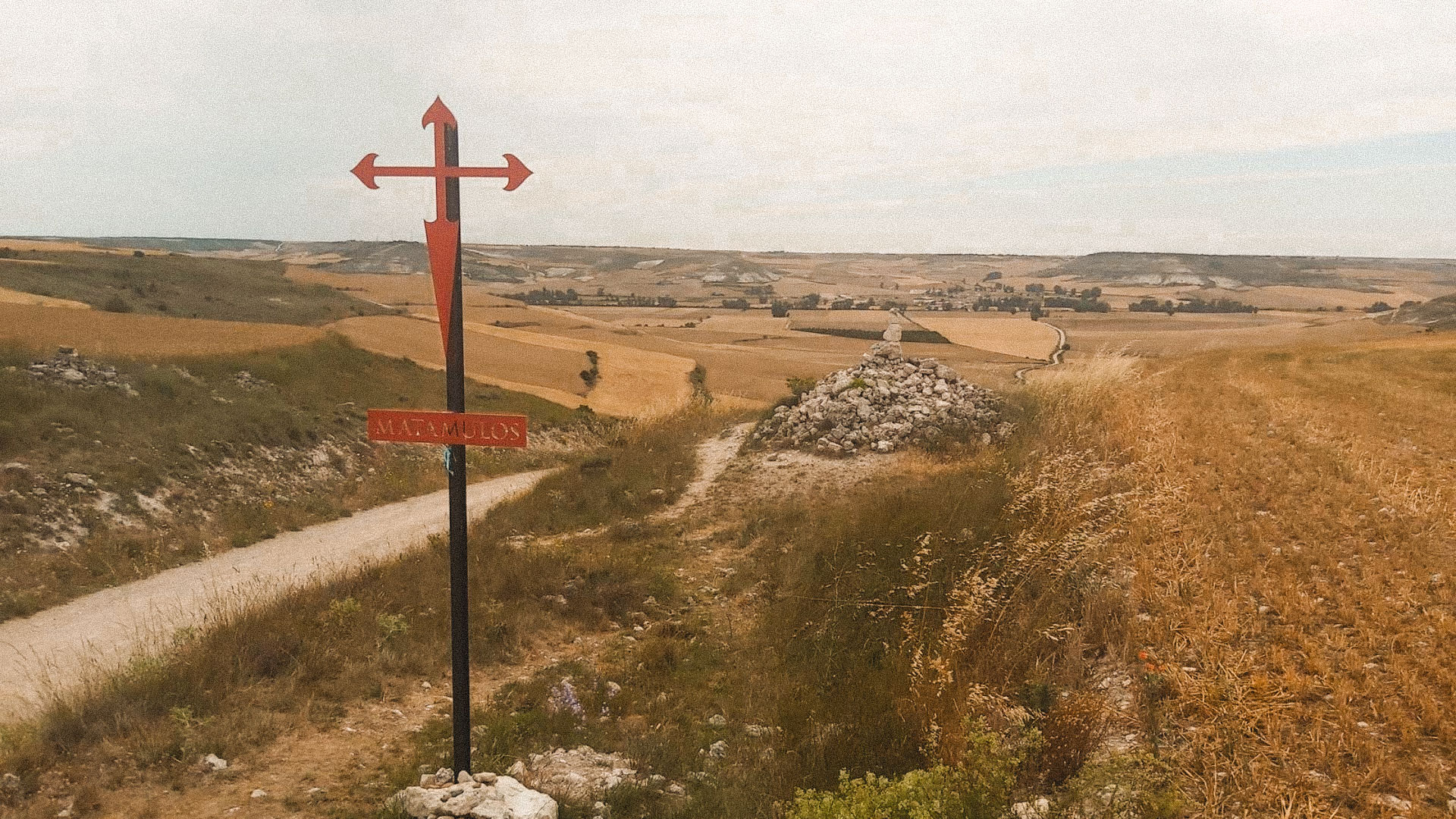 The beginning of the Meseta: peace and reflection
Distance: 12.6 miles – 20,3 km
This stage marks the entrance to the Castilian Meseta, one of the most introspective and unique parts of the Camino. Leaving Burgos, the urban landscape gives way to open trails through wheat fields and vast horizons, where silence and the immensity of the land accompany each step.
The route passes through small villages like Tardajos and Rabé de las Calzadas, the last relatively lively towns before entering the long, straight paths of the Meseta. From here, the sense of stillness and solitude grows, offering the perfect space for reflection and deep connection with the Camino in its purest form.
Finally, you arrive in Hornillos del Camino, a Jacobean village steeped in history. Its peaceful atmosphere and warm hospitality make for a special place to rest. To regain strength, there’s nothing better than a hearty meal of local lentils, aged cheese, and a fine Ribera del Duero wine. A transitional stage that prepares you for the most authentic days of the Meseta.
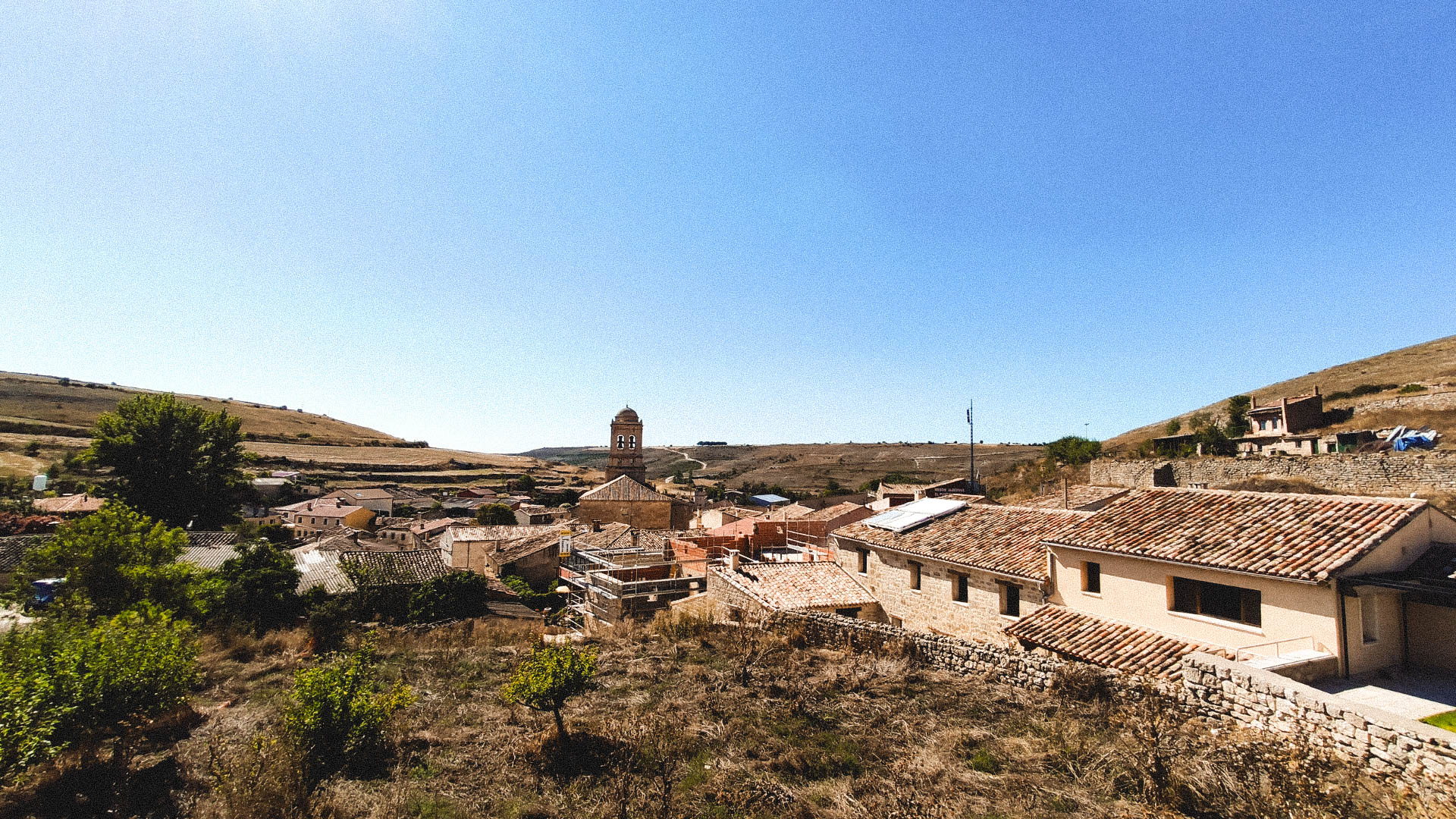 Medieval villages and endless landscapes
Distance: 12.4 miles – 19,9 km
This stage immerses you in the pure essence of the Camino de Santiago on the Castilian Meseta. From Hornillos del Camino, the trail stretches into long, straight paths through golden wheat fields, where the infinite horizon and deep silence invite introspection.
Midway, you’ll come across the San Bol valley, a small oasis with a fresh water spring, where pilgrims often pause to rest. Further ahead, the trail leads to Hontanas, a village that suddenly emerges from the plains, offering a perfect stop before the final stretch.
Arriving in Castrojeriz is a well-earned reward, with its imposing castle ruins perched atop a hill. Its historic center, rich in Jacobean heritage, invites you to take a leisurely stroll before indulging in the local cuisine, roast suckling lamb (lechazo asado), Castilian garlic soup, and Burgos cheese. A peaceful and special stage where the Camino reveals its most authentic side.
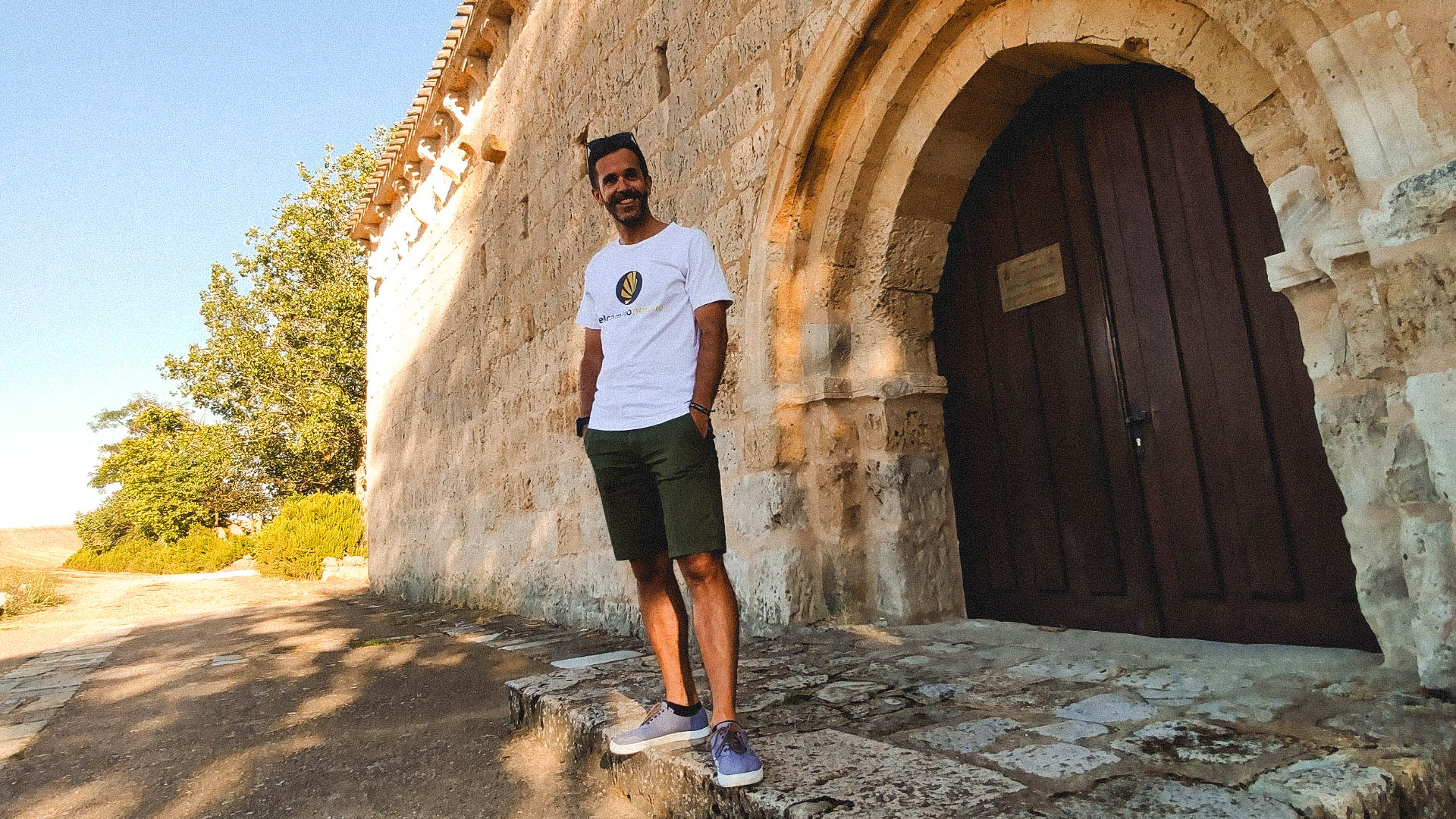 Through rolling hills and historic canals
Distance: 15.3 miles – 24,7 km
Leaving Castrojeriz, you’ll cross the Odra River before tackling a challenging ascent. From the summit, the breathtaking views of Castilla’s rolling fields make the effort worthwhile. The descent then leads to the flatlands that dominate the rest of the stage.
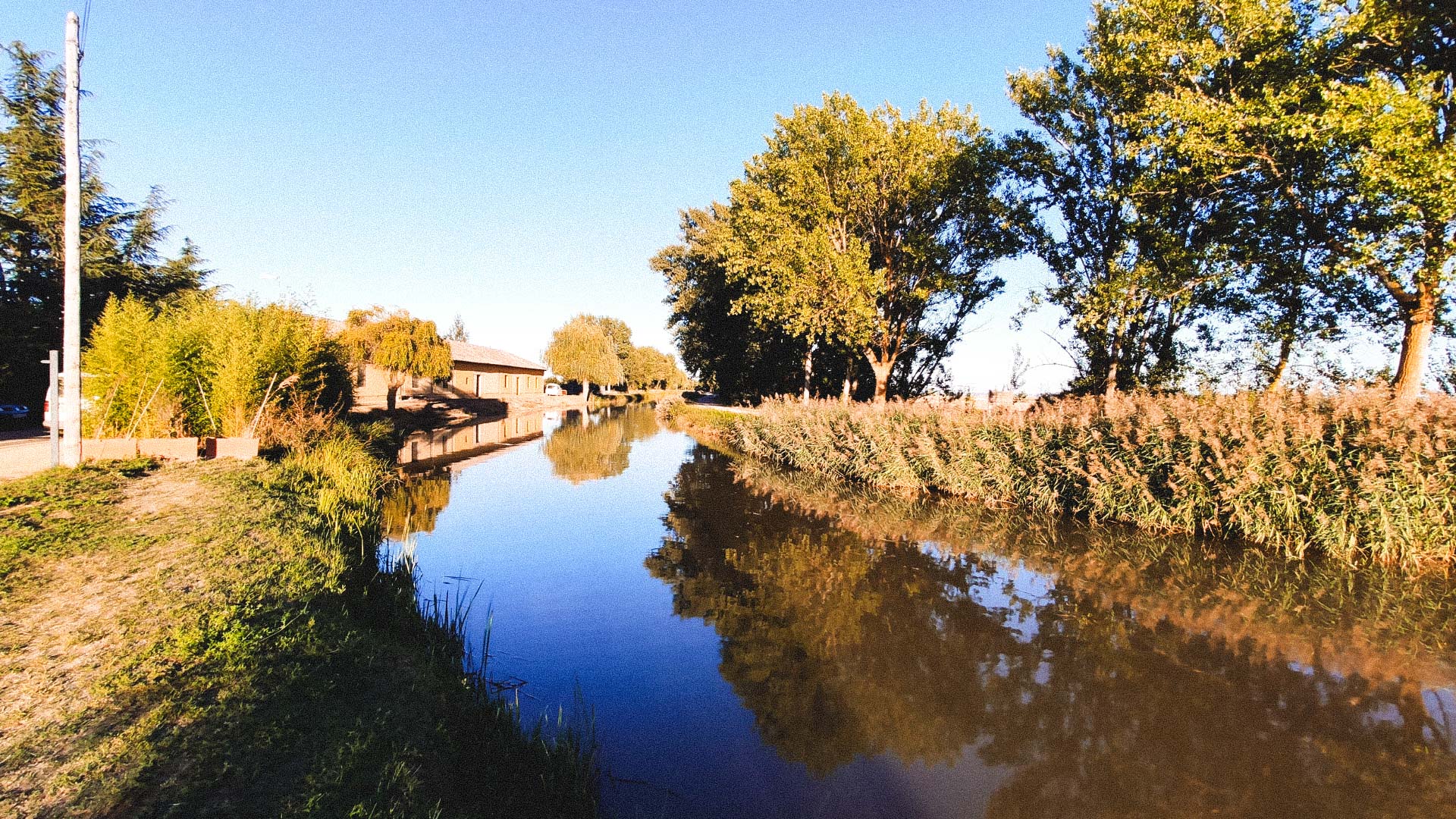
As you continue, you’ll pass through villages like Itero de la Vega and Boadilla del Camino, where the serene surroundings and traditional Jacobean architecture accompany your journey. Before reaching Frómista, the path follows the Canal de Castilla, an 18th-century engineering marvel that adds a unique touch to the landscape.
Arriving in Frómista is a special moment, as it is home to the stunning Church of San Martín, one of the finest examples of Spanish Romanesque architecture. After the walk, it’s time to savor the local cuisine, featuring dishes like salt cod with paprika (bacalao a la tranca), Palencia-style vegetable stew (menestra palentina), and tocinillos de cielo, a rich egg-based dessert.
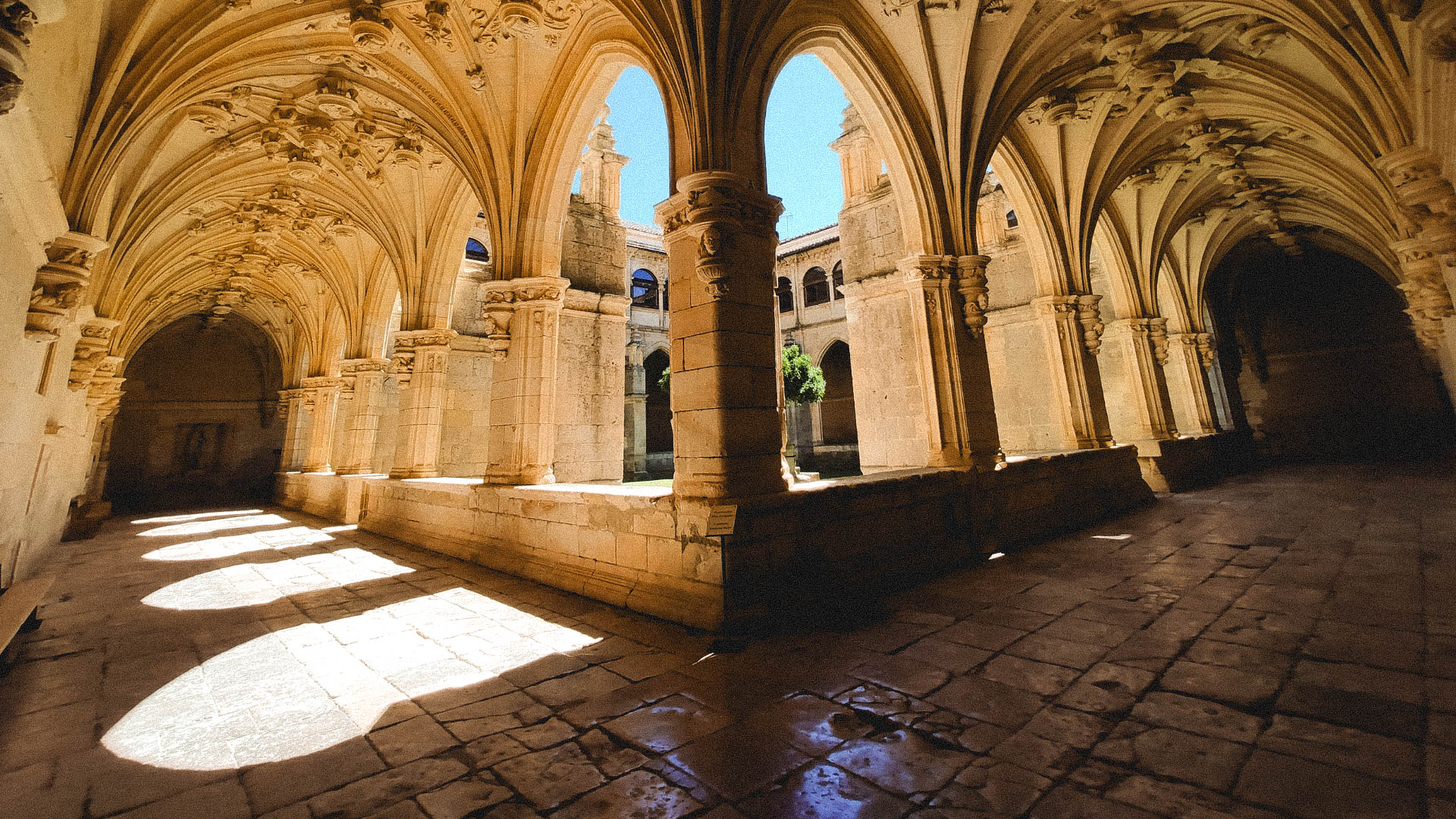 History, art, and pilgrim hospitality
Distance: 11.7 miles – 18,8 km
A relaxing walk through the vast cereal fields of Tierra de Campos. Leaving Frómista, the Camino follows a flat, straight path alongside the road, passing through charming villages like Población de Campos and Revenga de Campos, where the echoes of medieval pilgrims can still be felt.
The route continues with gentle terrain, making it a perfect day for reflection. In Villarmentero de Campos and Villalcázar de Sirga, you can take a break and visit the impressive Church of Santa María la Blanca, a Gothic temple with strong ties to the Order of the Temple.
Finally, you arrive in Carrión de los Condes, a town with a deep Jacobean legacy. Here, you can visit the Monastery of San Zoilo and experience the warm hospitality of its history-filled streets. To regain strength, savor local specialties like roast suckling lamb (lechazo asado), Castilian garlic soup, and caramelized almonds (almendras garrapiñadas). A simple stage, yet deeply rooted in the pilgrim spirit.
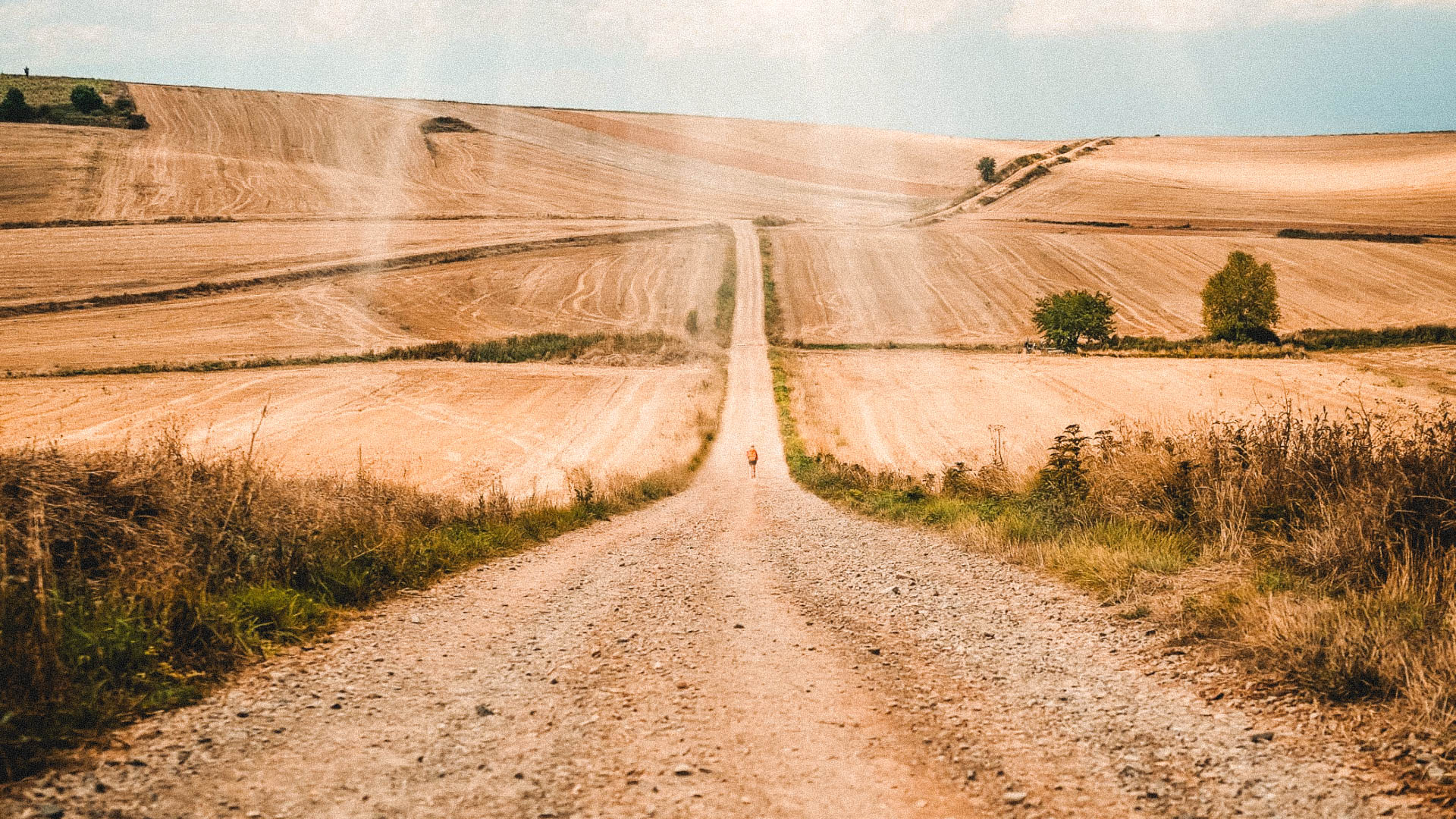
The solitude of the Meseta
Distance: 14.55 miles – 23,4 km
This stage is one of the most solitary on the French Way. Leaving Carrión de los Condes, you will face a nearly 10.6 miles – 17 kilometer stretch with no villages or services, walking through the vast Meseta. The Camino Real Francés, an ancient medieval road, stretches in a straight line between endless wheat fields and open skies, offering a deeply introspective journey.
After this demanding section, the first rest stop is Calzadilla de la Cueza, a small village where many pilgrims pause before continuing. From here, the terrain becomes gentler, passing through Terradillos de los Templarios, linked to the legendary Knights Templar, and Moratinos, known for its unique underground wine cellars.
Finally, you arrive in Ledigos, a peaceful village where you can recharge with the best Castilian cuisine. Try a hearty mountain stew (cocido montañés), slow-cooked omelet (tortilla guisada), or aged sheep’s cheese—perfect dishes to restore your strength before the next stage. A day of reflection, effort, and connection with the true essence of the Camino.
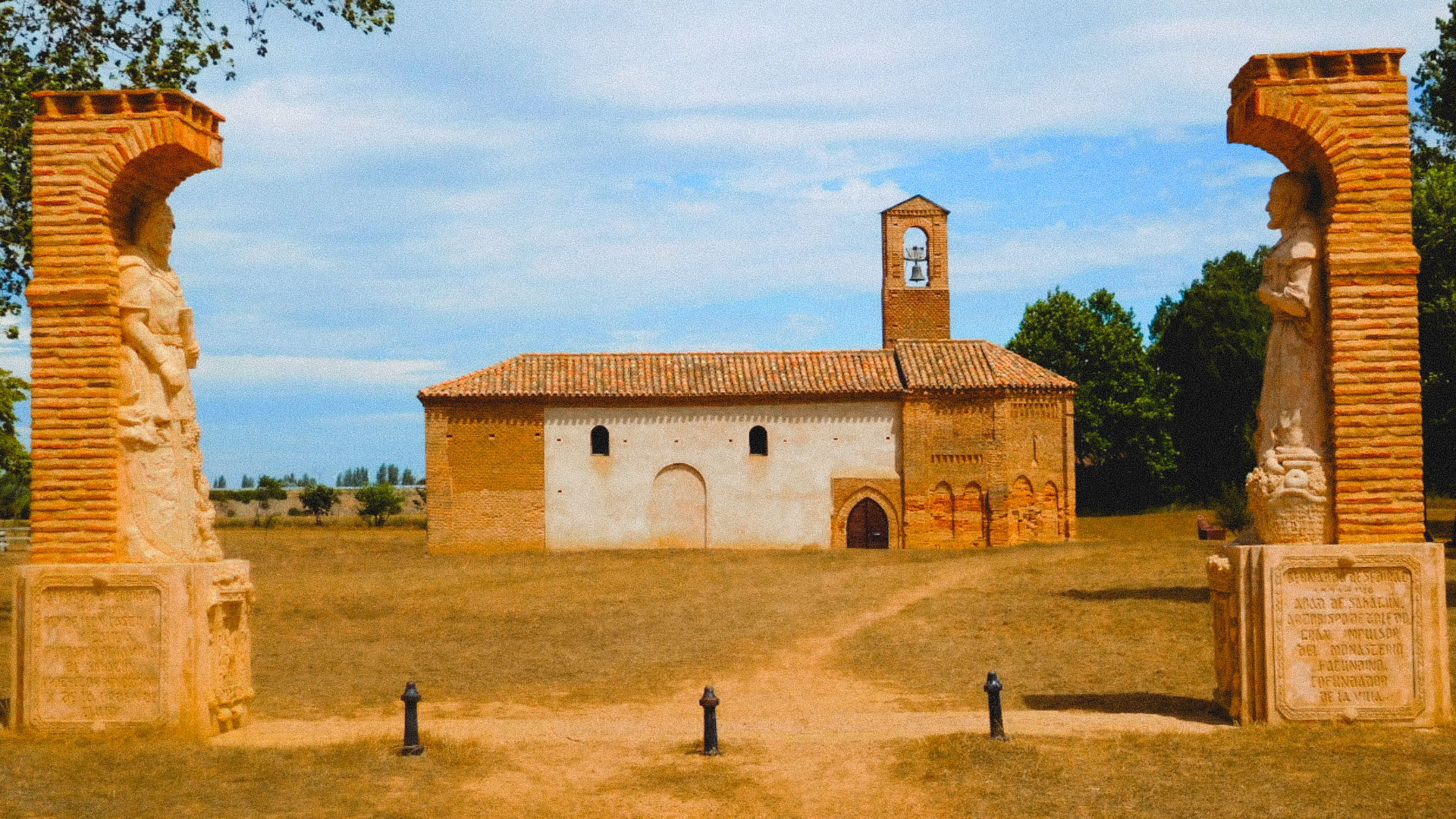
Walking through the vast Castilian Plains
Distance: 16.2 miles – 26,1 km
The stage from Ledigos to Bercianos del Real Camino unfolds across the Castilian Meseta, offering a flat and open landscape that stretches endlessly before you.
This section is known for its peaceful rural surroundings and well-marked path. However, the lack of shade along most of the route, combined with intense sun exposure during the summer months, makes it essential to carry plenty of water, as there are no fountains along the way. Wearing sun protection is also a must to cope with the heat.
Your destination for the day is Bercianos del Real Camino, a village known for its welcoming atmosphere and historical heritage. Its tranquil, rural setting provides the perfect opportunity to unwind and embrace the peace of the Camino. Here, Castilian cuisine is the ultimate reward after a long walk, featuring dishes like Leonese stew (cocido leonés), cured beef (cecina), and homemade custard (natillas caseras). A day of serenity, history, and connection with the pure essence of the Camino.
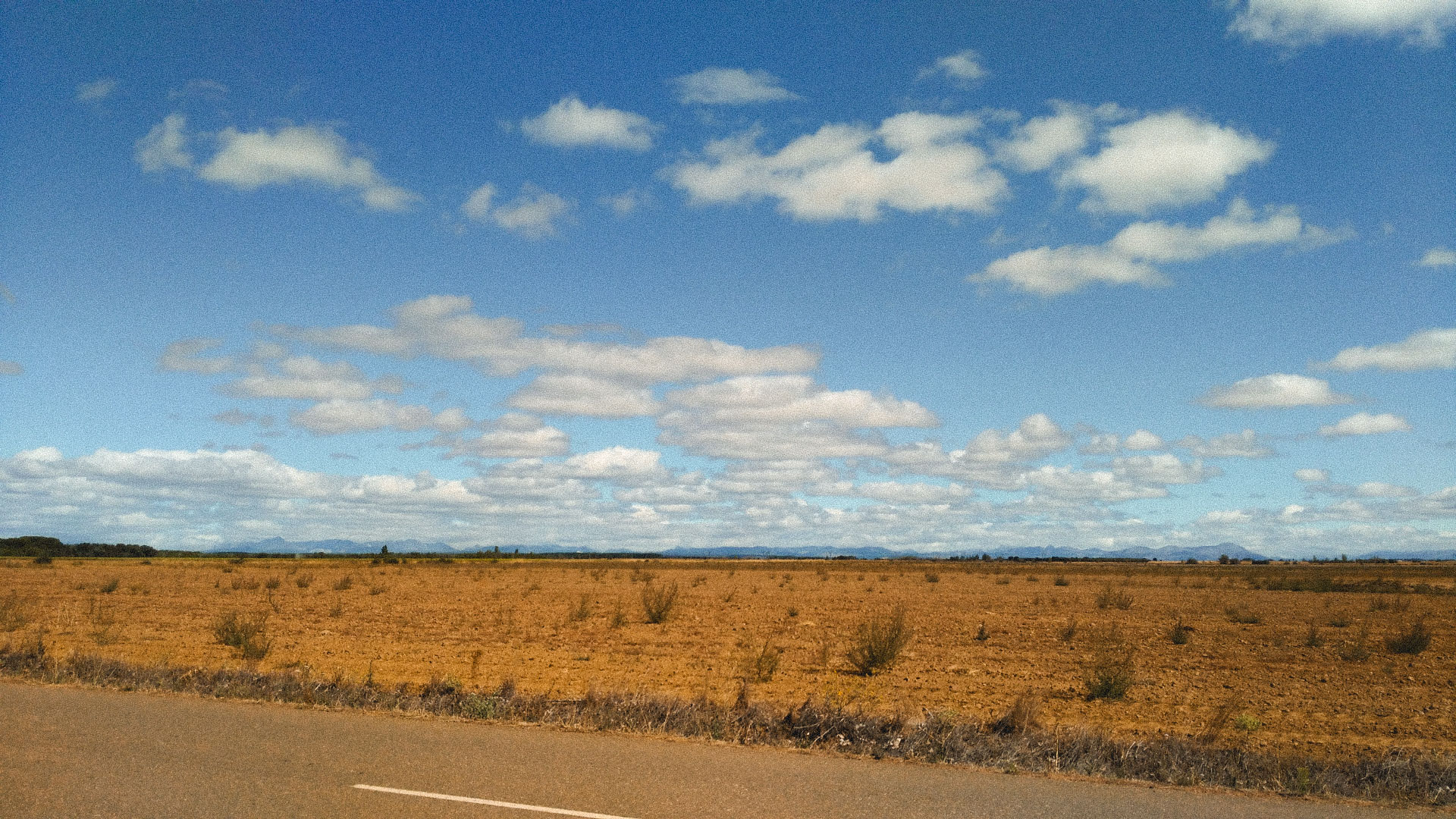 Enjoy the Camino to the heart of medieval history
Distance: 16.4 miles – 26,3 km
This stage crosses the vast Castilian Meseta, where straight paths and golden fields dominate the landscape. From Bercianos del Real Camino, the trail winds through farmland and small streams, passing through villages with a strong Jacobean tradition, such as El Burgo Ranero, where its artificial lagoon serves as an oasis for pilgrims.
The final stretch follows the historic Camino Real Francés, leading through pine forests and solitary trails that invite deep reflection. As you approach Mansilla de las Mulas, the scenery subtly changes, with more vegetation and a livelier atmosphere, a sign that León is getting closer.
Mansilla de las Mulas, a former walled town, is the perfect place to rest and recharge. Here, you can explore its medieval streets and savor the best of Leonese cuisine, including cured beef (cecina), León-style black pudding (morcilla de León), and traditional buttery pastries (mantecadas).
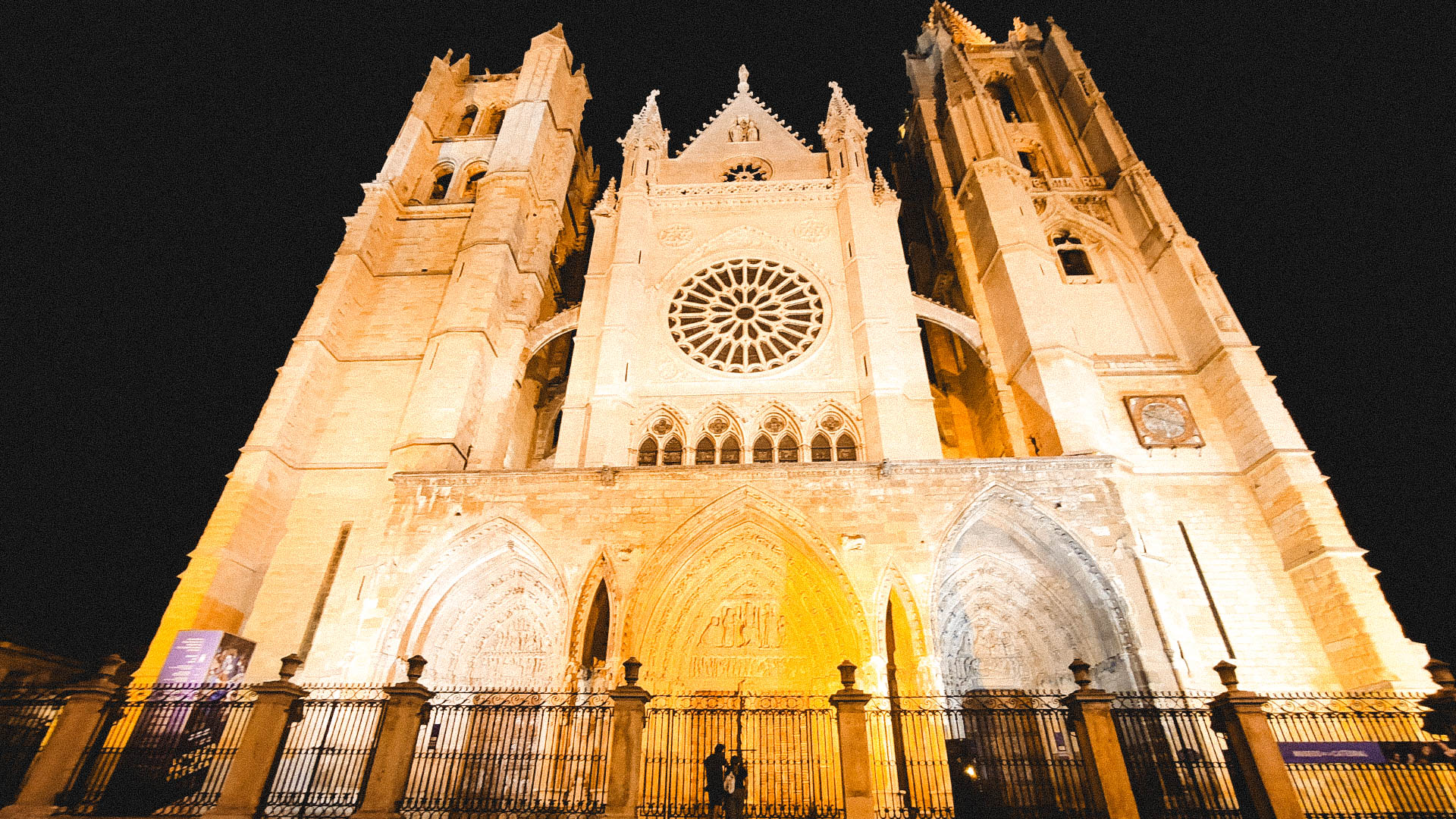 Towards the grandeur of León
Distance: 11.4 miles – 18,4 km
This stage marks the transition from the peaceful Meseta to the lively atmosphere of one of the great cities on the French Way. From Mansilla de las Mulas, the trail follows the Esla river, passing through small villages like Villamoros de Mansilla and Puente Villarente, where the ancient medieval bridge stands out as a historic landmark.
As you approach León, the landscape becomes more urban, leading through Arcahueja, where a small ascent offers the first panoramic views of the city. The final stretch enters León through the Puerta Moneda, winding through historic streets until reaching the majestic Cathedral of Santa María, one of Spain’s most spectacular Gothic masterpieces.
León is a vibrant city with a strong Jacobean spirit. Here, in addition to exploring the old town and the Basilica of San Isidoro, you can’t miss its renowned gastronomy. Enjoy tapas in the Barrio Húmedo, with specialties like León-style black pudding (morcilla de León), cured beef (cecina), and spicy potatoes. A stage finale that blends history, culture, and the finest Castilian flavors.
 Returning to the rural path
Distance: 19.8 miles – 31,8 km
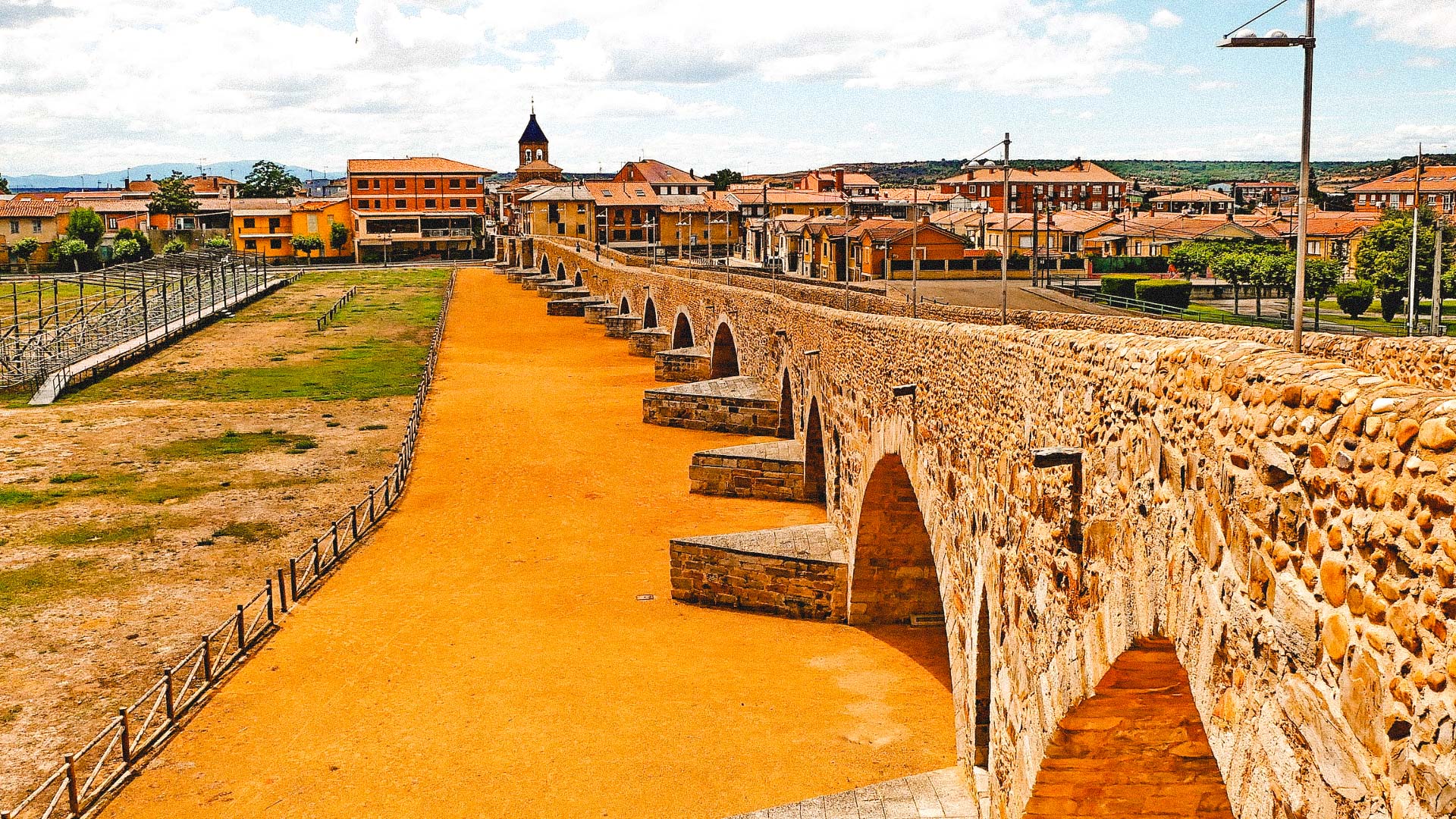
This stage brings a change of scenery, leaving behind the vibrancy of León to once again embrace the serenity of rural trails. Upon exiting the city, the route passes through Trobajo del Camino and La Virgen del Camino, where many pilgrims visit its modern basilica, dedicated to the Virgin who, according to legend, appeared to a shepherd in the 16th century.
As you continue, the landscape grows quieter, passing through Valverde de la Virgen and San Martín del Camino, where the Camino reveals its most authentic side once more long straight paths, golden cereal fields, and a peaceful atmosphere for introspection. This stretch allows pilgrims to disconnect and reconnect with the essence of the pilgrimage before reaching the day’s final destination.
Arriving in Hospital de Órbigo is a special moment, marked by the iconic Puente del Paso Honroso, a medieval gem that recalls the chivalric jousts of the past. After a long walk, you can recharge with traditional dishes like salt cod with paprika (bacalao a la tranca), stuffed and cured pork (botillo leonés), or homemade custard (natillas caseras). A stage that restores the peaceful rhythm of the Camino.
 On the way to Gaudí’s city
Distance: 10.3 miles – 16,5 km
This stage unfolds through agricultural paths and open landscapes, marking the transition toward the mountains. From Hospital de Órbigo, the Camino follows peaceful trails through farmland, passing through small villages like Santibáñez de Valdeiglesias and San Justo de la Vega, where the first views of Astorga emerge on the horizon.
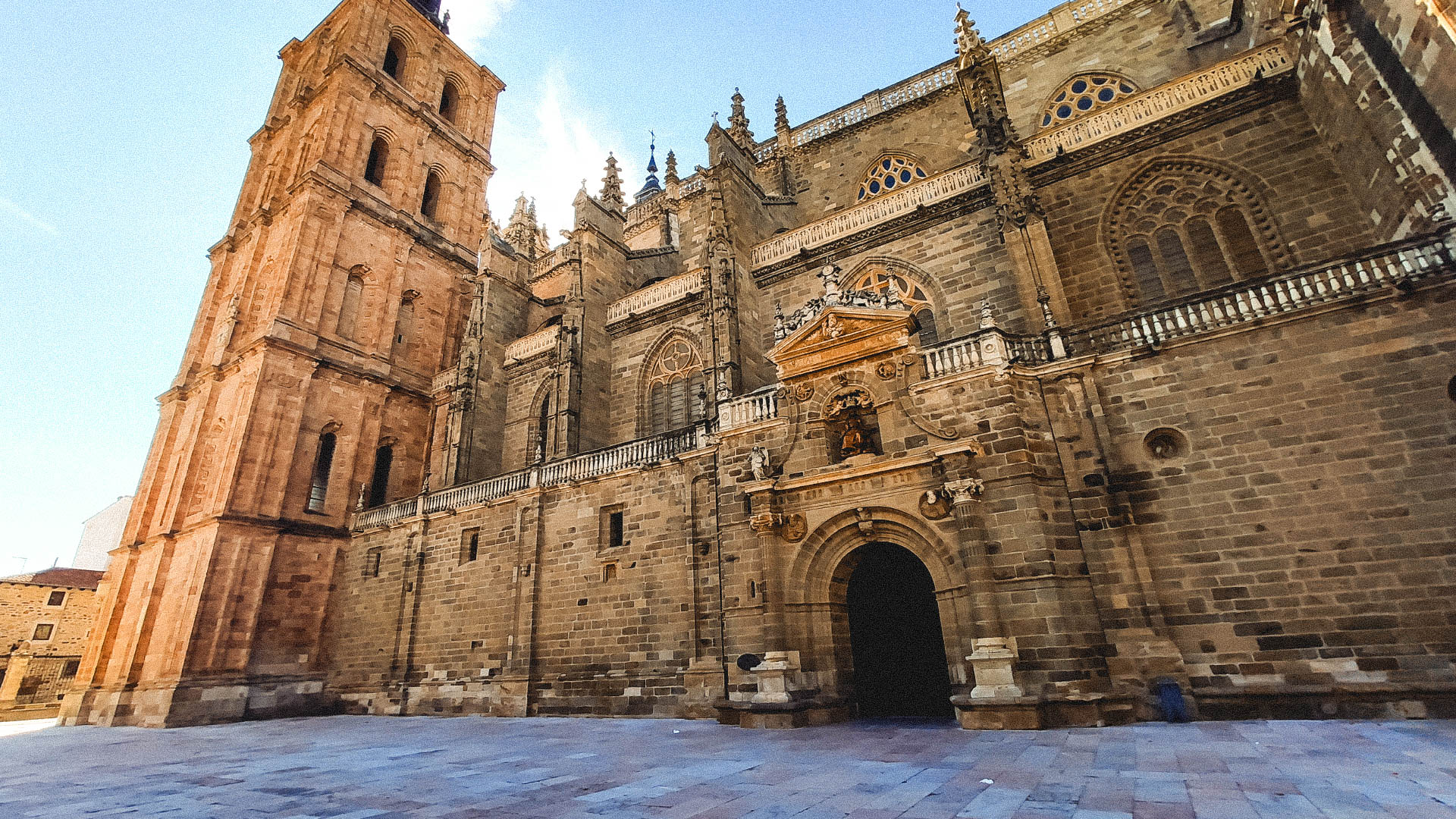
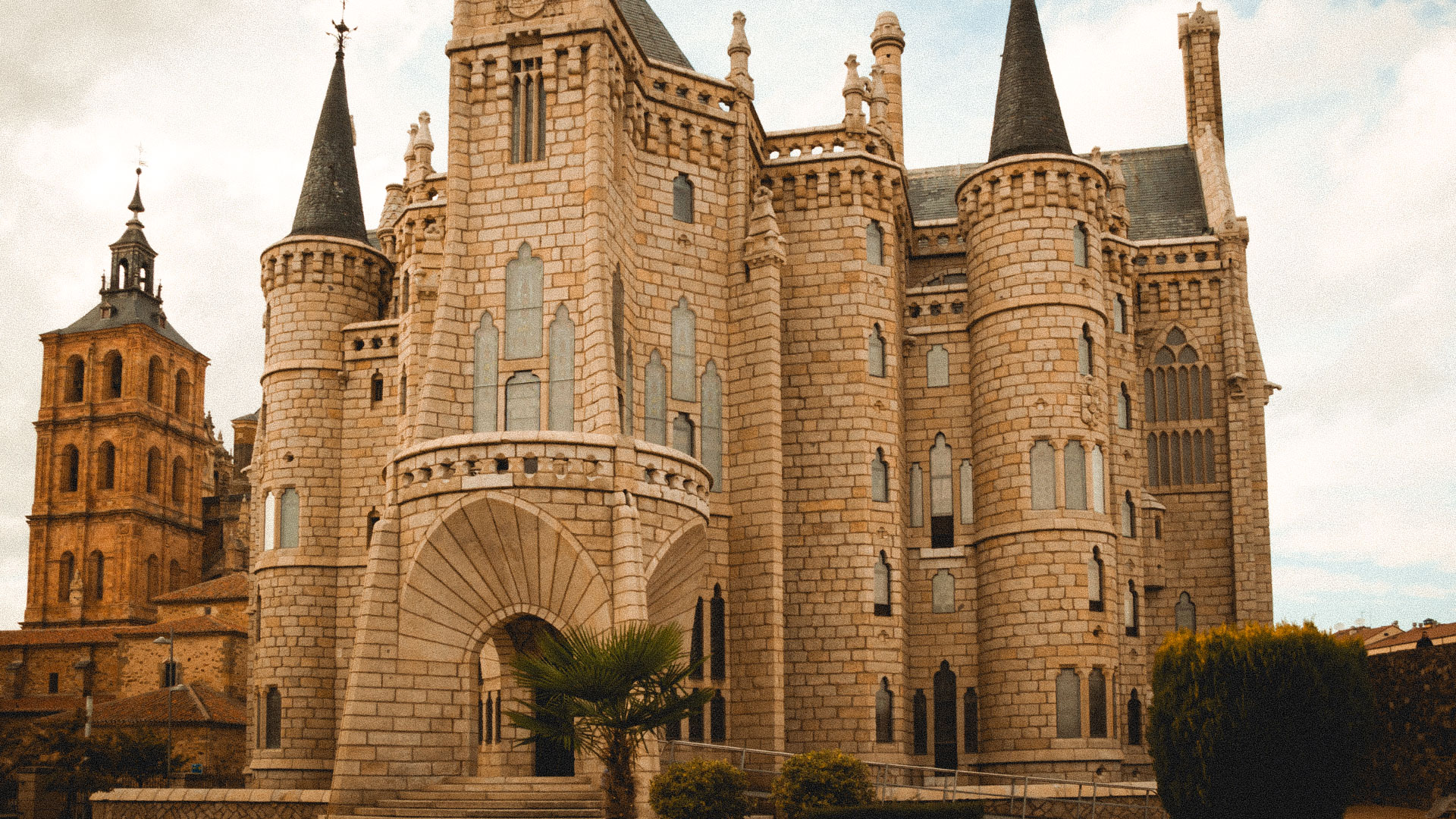
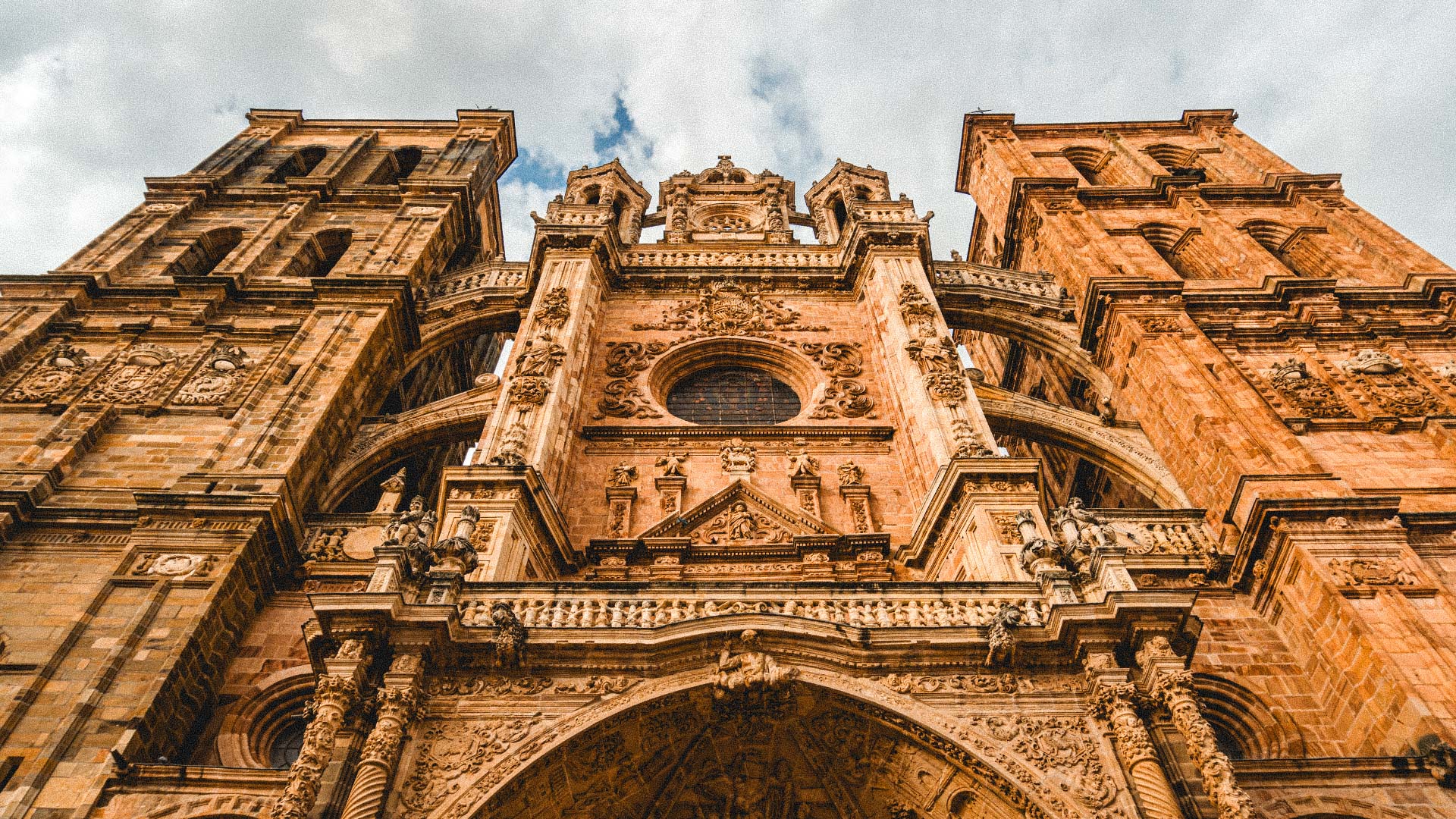
Before entering the city, crossing the Tuerto River signals the final stretch into Astorga, a town with a rich Jacobean heritage and a unique blend of history and architecture. Here, you’ll find the stunning Episcopal Palace by Gaudí, a Neo-Gothic masterpiece that looks like something out of a fairytale, alongside the imposing Cathedral of Santa María.
Astorga is also a land of flavors. After the walk, the best reward is enjoying its famous cocido maragato, a hearty dish served in an unusual order: first the meat, then the chickpeas, and finally the soup. A short stage, but one full of history, culture, and gastronomy.
 At the gates of the Montes de León
Distance: 16.3 miles – 25,8 km
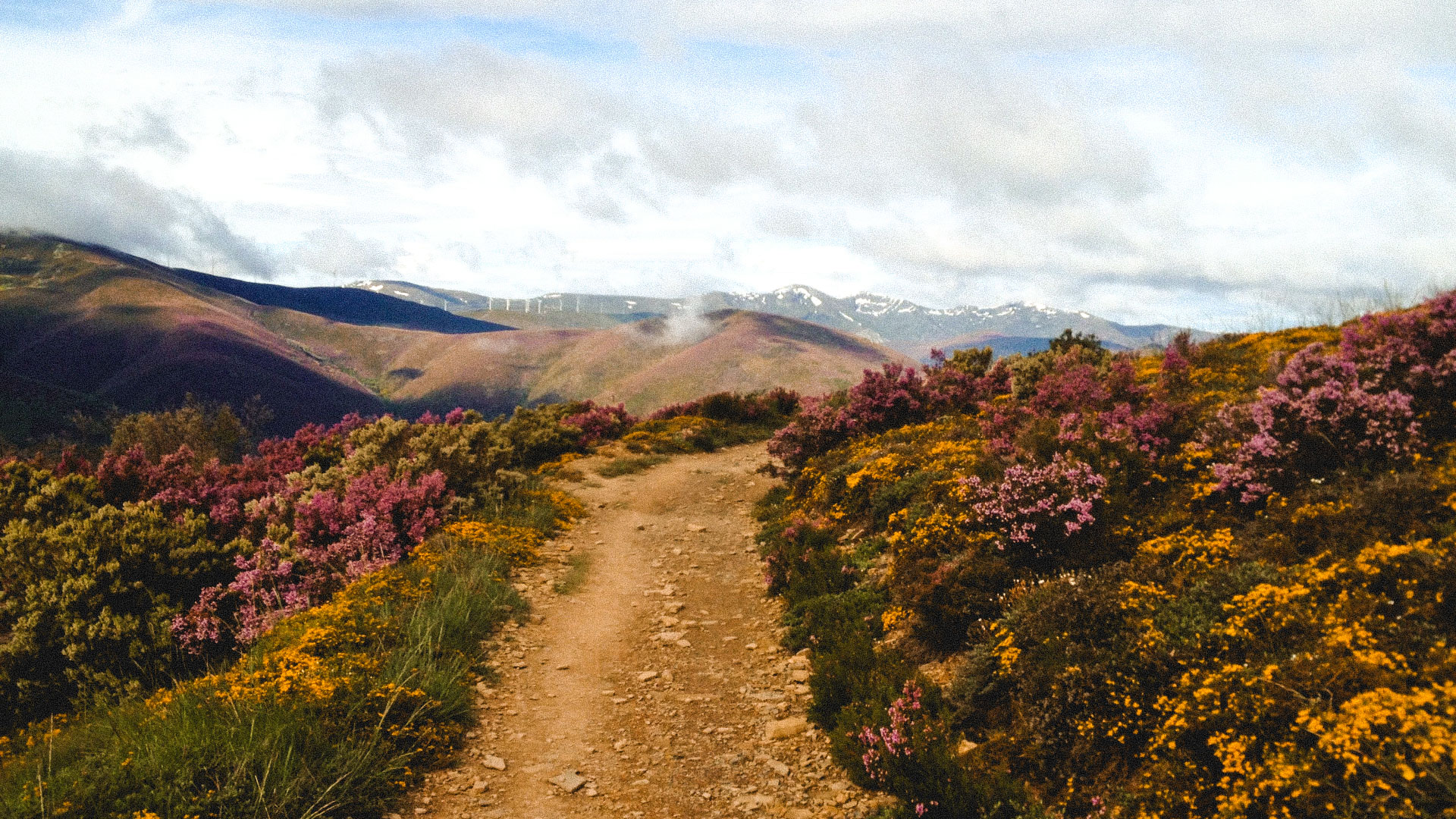
This stage is defined by the ascent toward one of the most iconic points on the Camino: the Cruz de Ferro. The route takes you from the Meseta to the first heights of the Montes de León, passing through the Maragatería region, known for its stone architecture and strong traditional identity.
From Astorga, the trail leads to Murias de Rechivaldo and Santa Catalina de Somoza, small villages that preserve the essence of the Camino. Gradually, the landscape transforms wheat fields give way to the first forests and rolling hills. In Rabanal del Camino, a historic pilgrim enclave, you can take a break before the final climb to Foncebadón, a mountain village with an almost mystical aura.
At over 1,400 meters in altitude, the atmosphere here is truly special. The stone houses, crisp mountain air, and the proximity of the Cruz de Ferro, just a few kilometers away, make arriving in Foncebadón an unforgettable experience. To regain strength, there’s nothing better than a hot bowl of caldo maragato.
 Crossing the iconic Cruz de Ferro and descending into the valleys
Distance: 11.9 miles – 19,1 km
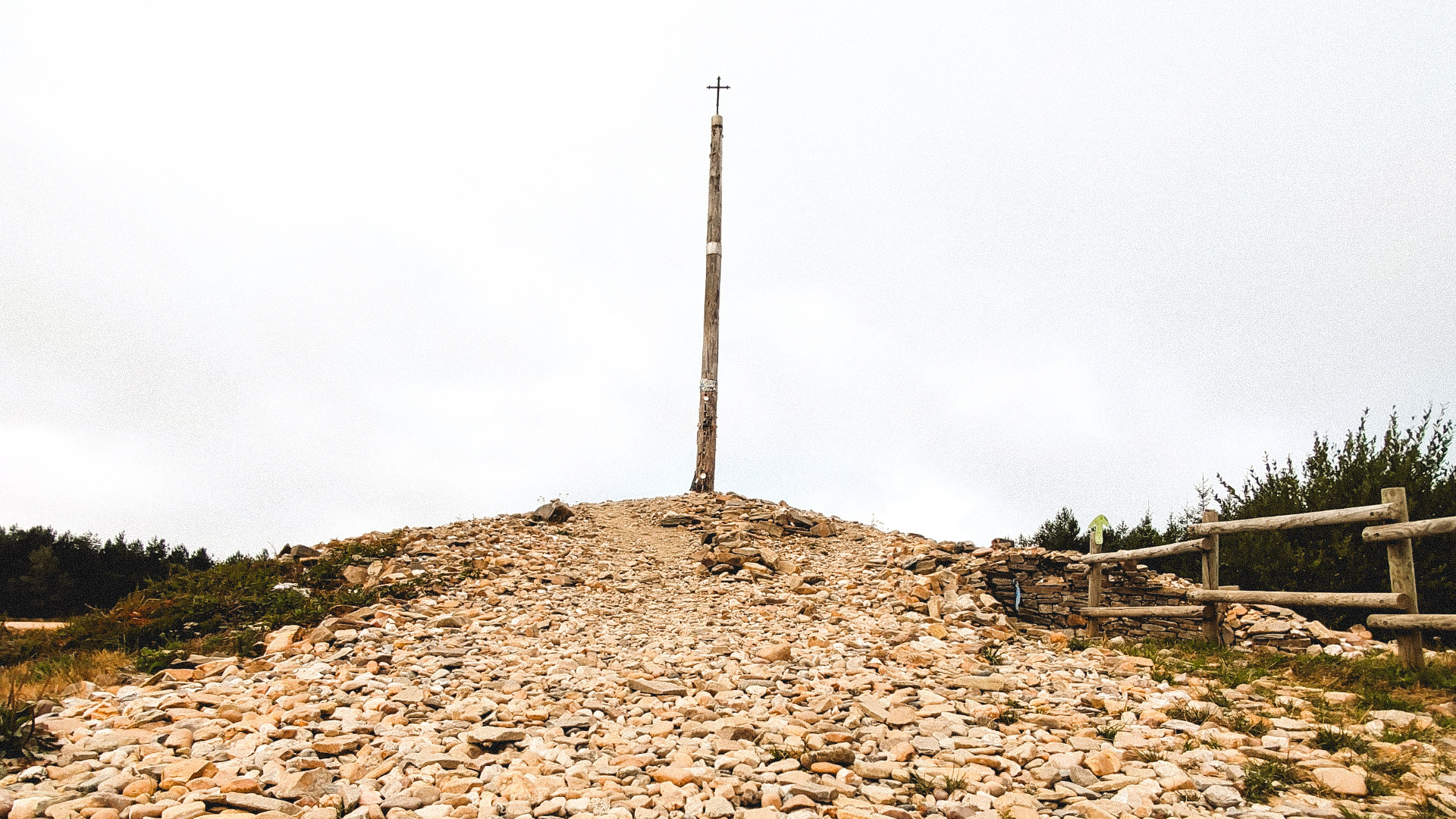
One of the most emotional stages of the Camino. Leaving Foncebadón, the first stop is the emblematic Cruz de Ferro, where pilgrims leave a stone as a symbol of their burdens or wishes. This is the highest point of the French Way (1,504 meters), offering a moment of reflection and deep connection with Jacobean tradition.
From here, the landscape changes dramatically, with a long descent through forests and mountains, passing through small villages like Manjarín, where a unique pilgrim shelter keeps the Templar spirit alive. The descent becomes steeper after El Acebo, revealing spectacular views of the Bierzo Valley.
The stage ends in Molinaseca, a charming village famous for its Pilgrims’ Bridge over the Meruelo River. Here, the welcoming atmosphere and Bierzo cuisine make for a well-deserved reward, with dishes like botillo del Bierzo(a hearty meat stew) and empanada de batallón(a traditional meat-filled pastry).
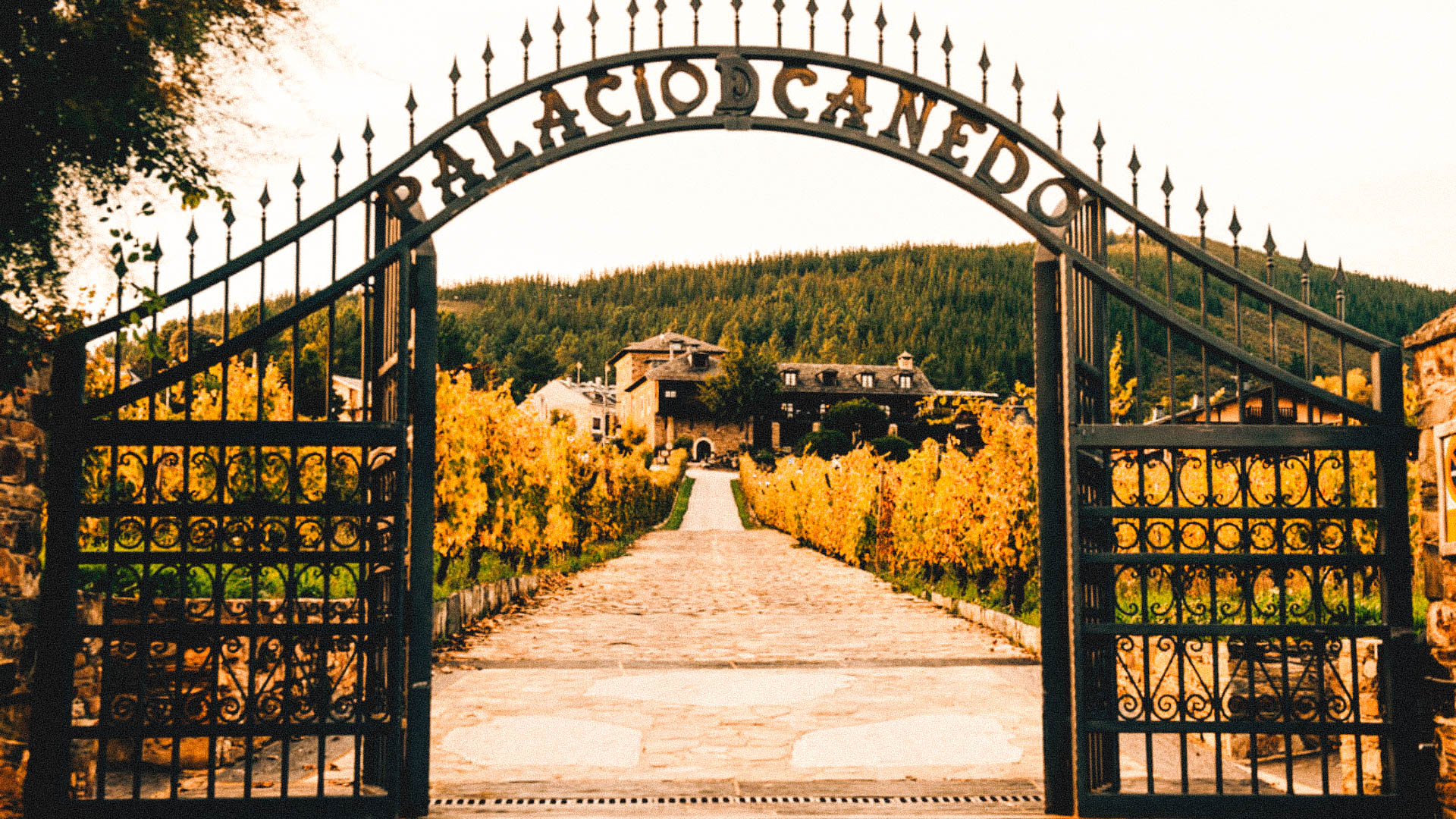 At the gates of Bierzo and Its vineyards
Distance: 14.4 miles – 23,1 km
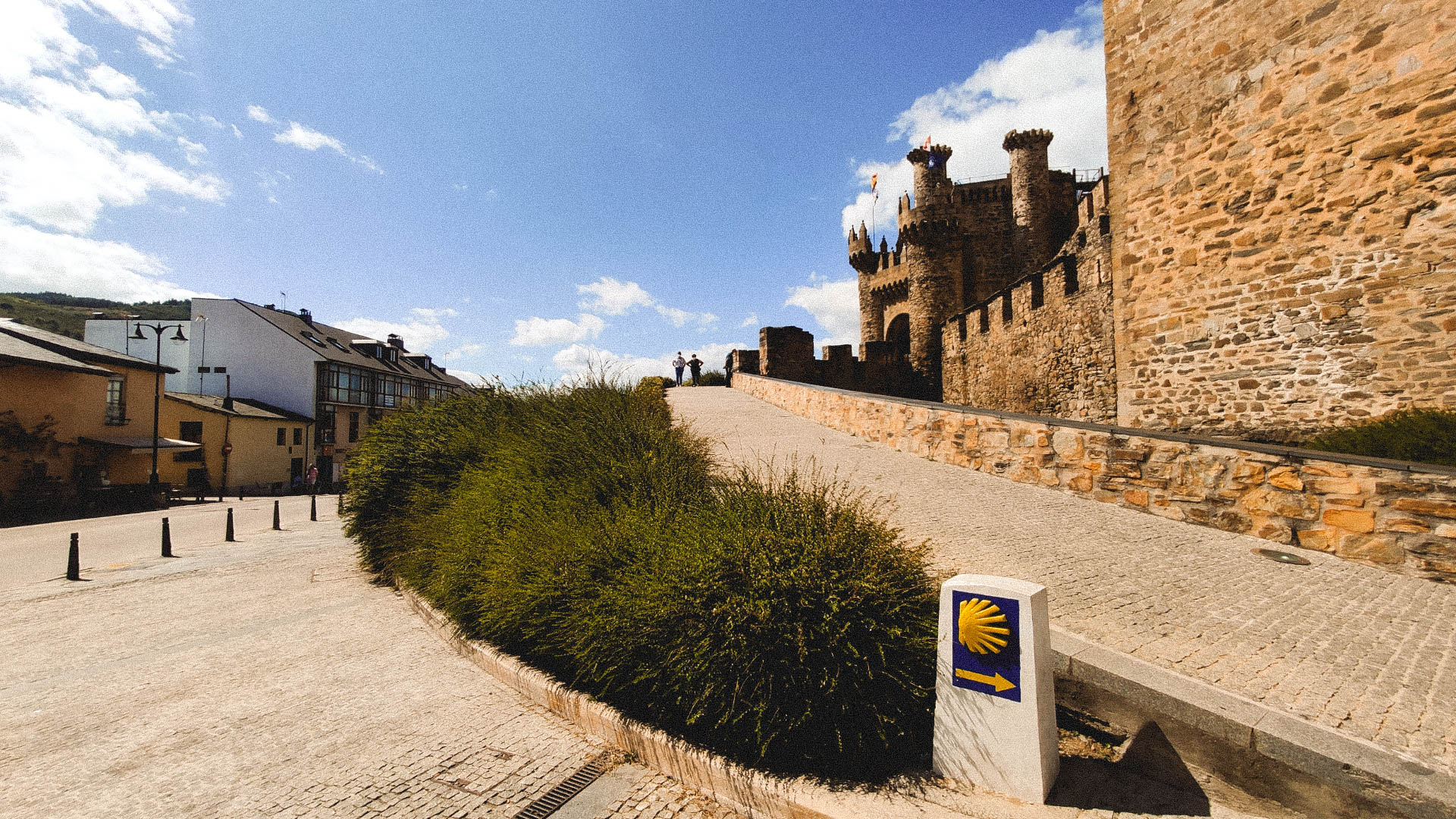
This stage offers a welcome break after the mountain terrain. From Molinaseca, the Camino continues toward Ponferrada, the capital of Bierzo, where a visit to the Templars’ Castle an impressive medieval fortress—is a must. After exploring its historic center, the Camino enters the vineyard-covered landscapes that define this region.
The trail passes through wine-producing villages like Fuentes Nuevas and Camponaraya, where Bierzo’s vineyards accompany the route. Gradually, the path becomes more rural and peaceful, leading to Cacabelos, a town known for its strong winemaking tradition and warm hospitality.
Here, gastronomy takes center stage, with Bierzo Designation of Origin wines, the perfect pairing for local specialties like botillo berciano (a rich meat stew), androlla (a smoked pork sausage), and roasted peppers.
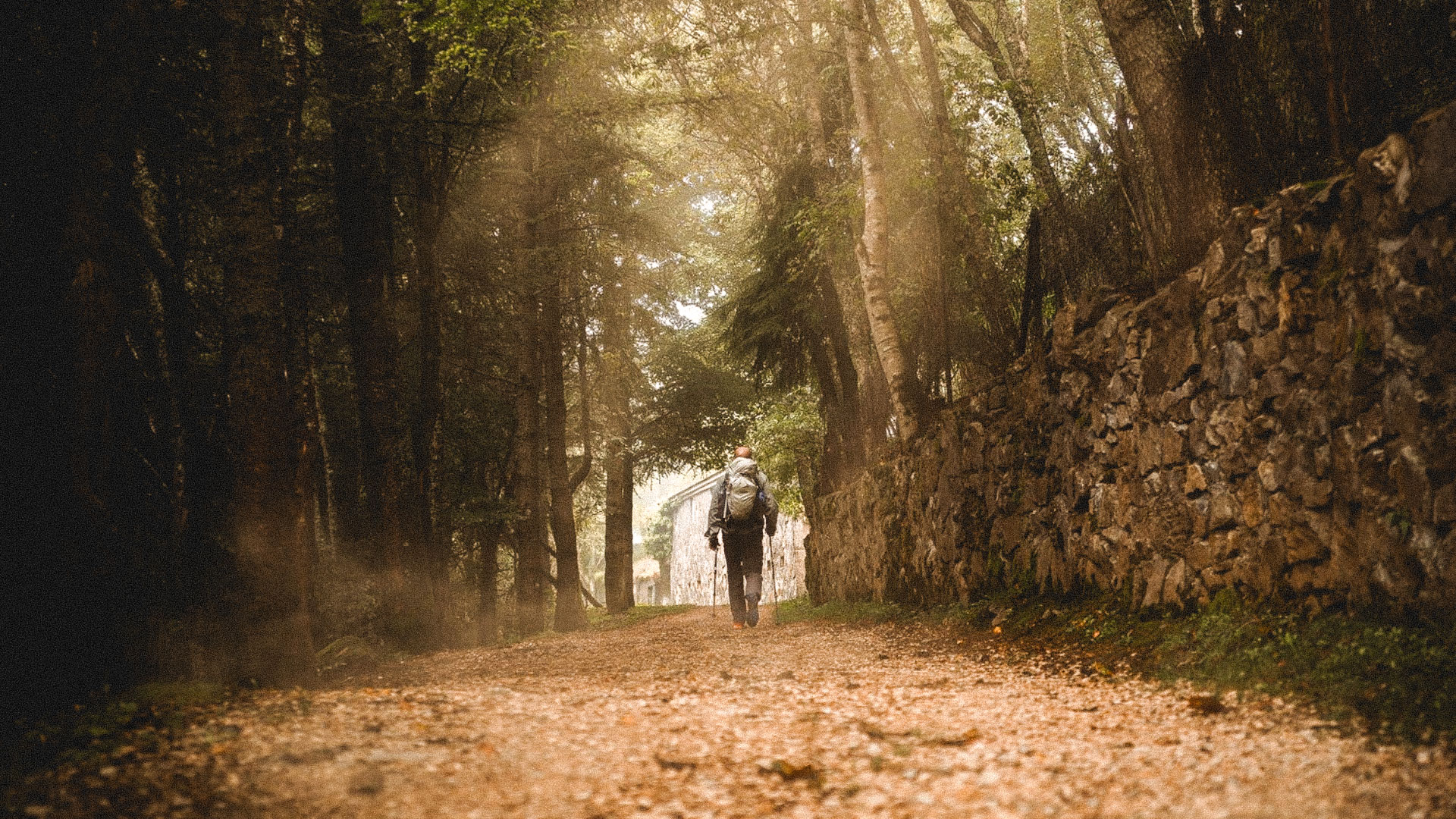 A long and stunning journey into Galicia
Distance: 22.1 miles – 35,6 km
This is one of the most challenging stages of the French Way. It begins gently, following the road toward Pieros, then gradually ascending through vineyards to Valtuille and Villafranca del Bierzo, where you can visit the Church of Santiago, known as the “Little Door of Forgiveness.”
After Villafranca, the trail follows the Valcarce River valley, winding through mountains until reaching Las Herrerías, where the famous climb to O Cebreiro begins. This section, though demanding, is one of the most magical on the Camino, with lush green landscapes and a mystical atmosphere that embraces every pilgrim.
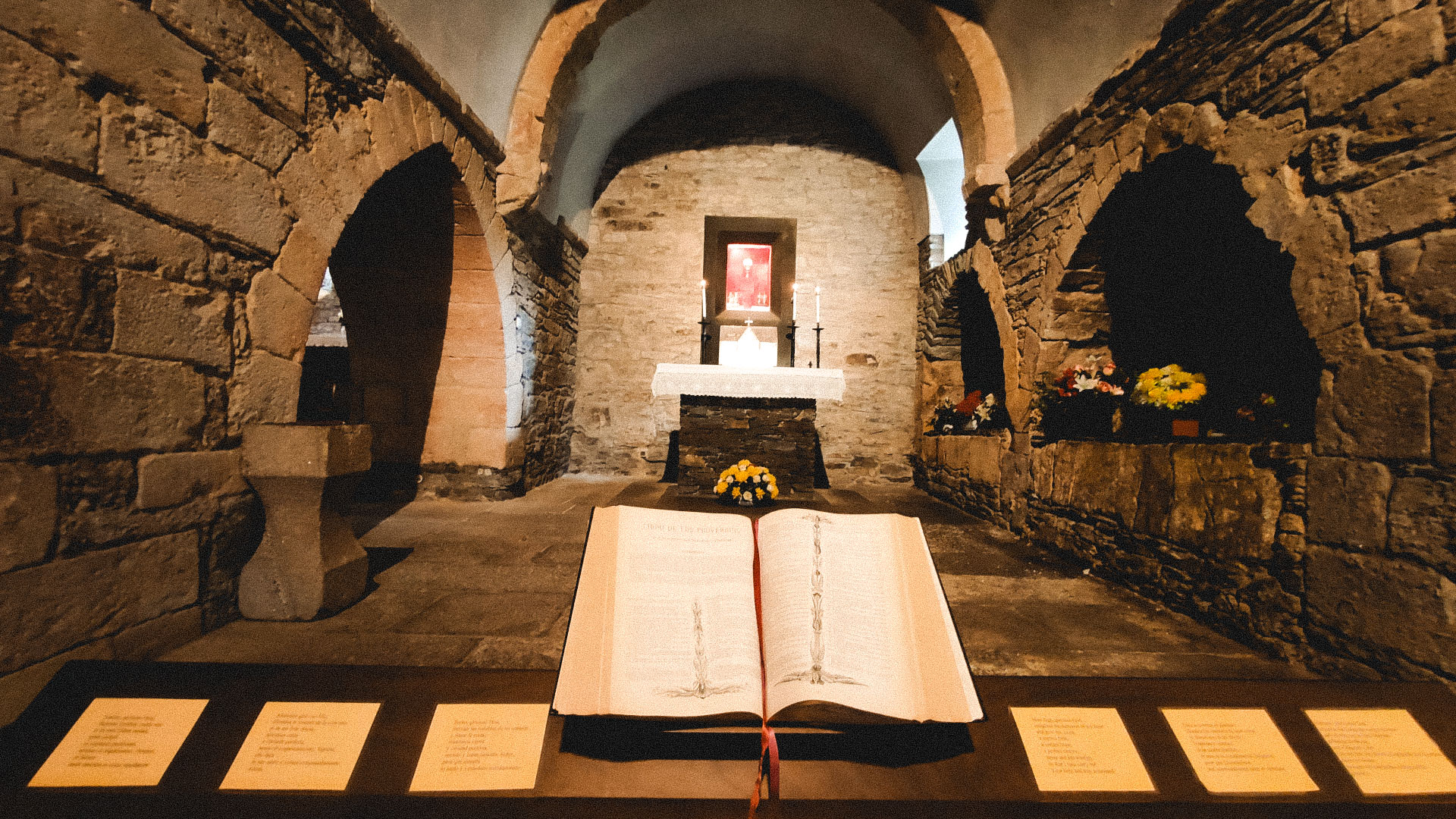
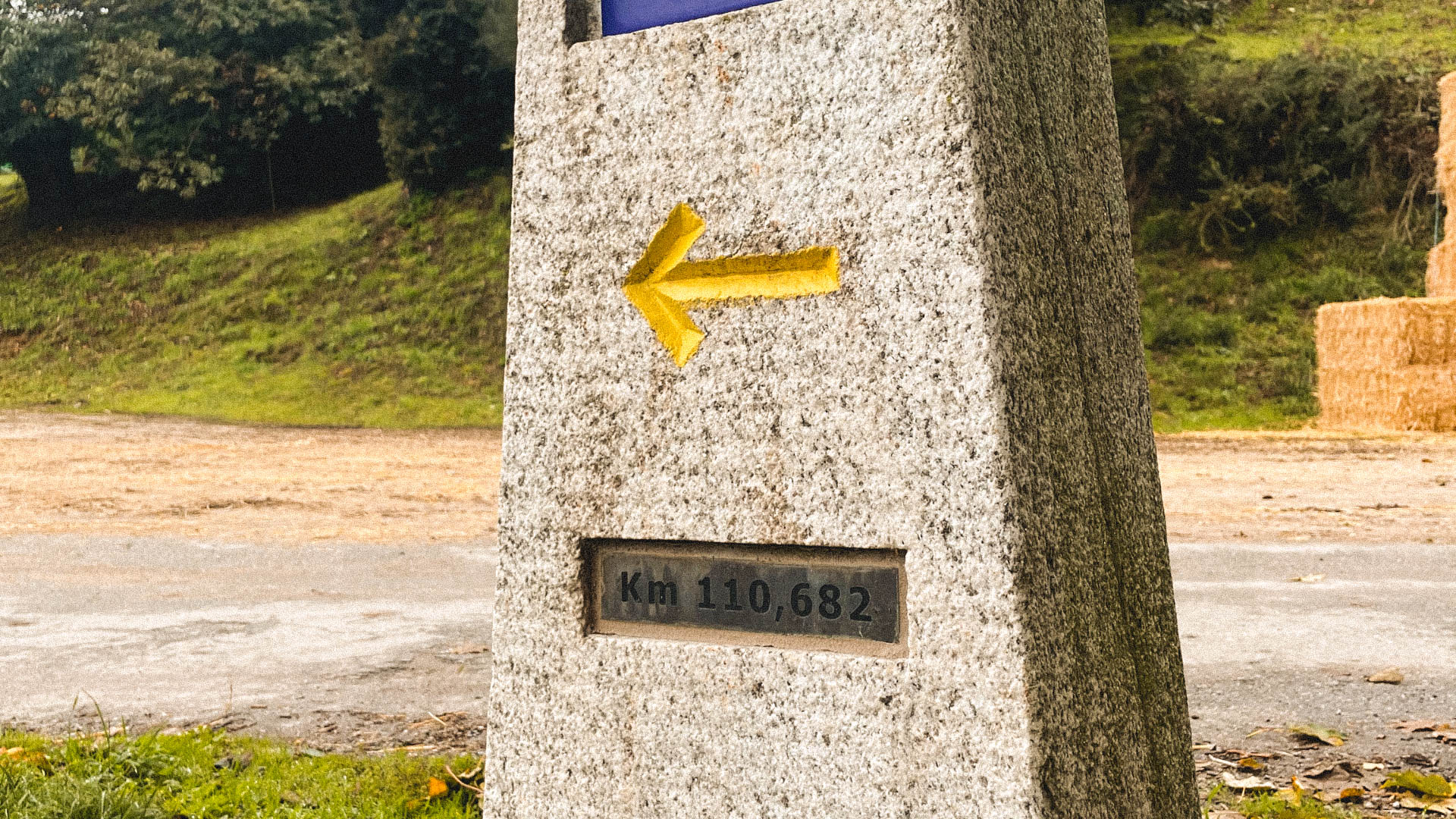
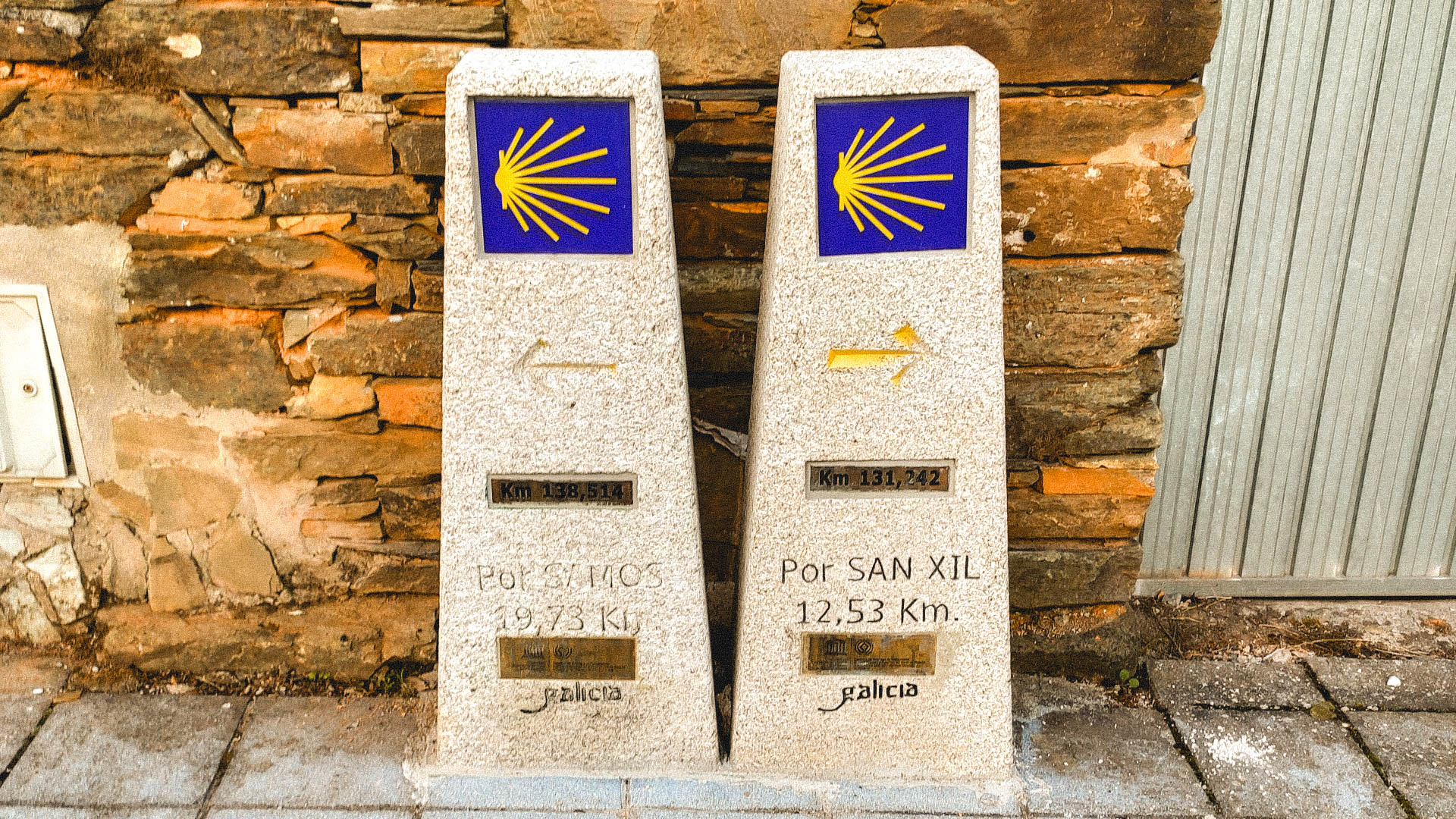
Finally, you reach O Cebreiro, an iconic village known for its unique thatched-roof houses, called pallozas. Thanks to Don Elías Valiña, the priest who revitalized the ancient route that now follows the French Way, this path is well-marked with the iconic yellow arrows. His dedication made the Camino more accessible and safer for all, and his legacy lives on in this stage and throughout the Way of St. James.
 A journey through mountains and history
Distance: 12.8 miles – 20.6 km
Leaving behind the unforgettable village of O Cebreiro, the Camino descends into Galician lands toward Triacastela, offering spectacular landscapes of green mountains, stone villages, and mist-covered trails. From O Cebreiro, the path follows the Galician highlands, passing through Alto do Poio, where the statue of the pilgrim battling the wind stands as a symbol of resilience.
This stage is relatively easy and incredibly scenic, with constant contact with the Galician countryside, villages featuring typical Romanesque churches, and lush forests where oak and chestnut trees stand alongside pines and eucalyptus.
Upon reaching Triacastela, pilgrims are welcomed by the Church of Santiago, with its Romanesque layout and Baroque façade. Additionally, within the municipal area, you can visit the Cueva de Eiros, a Middle Paleolithic archaeological site dating back over 35,000 years.
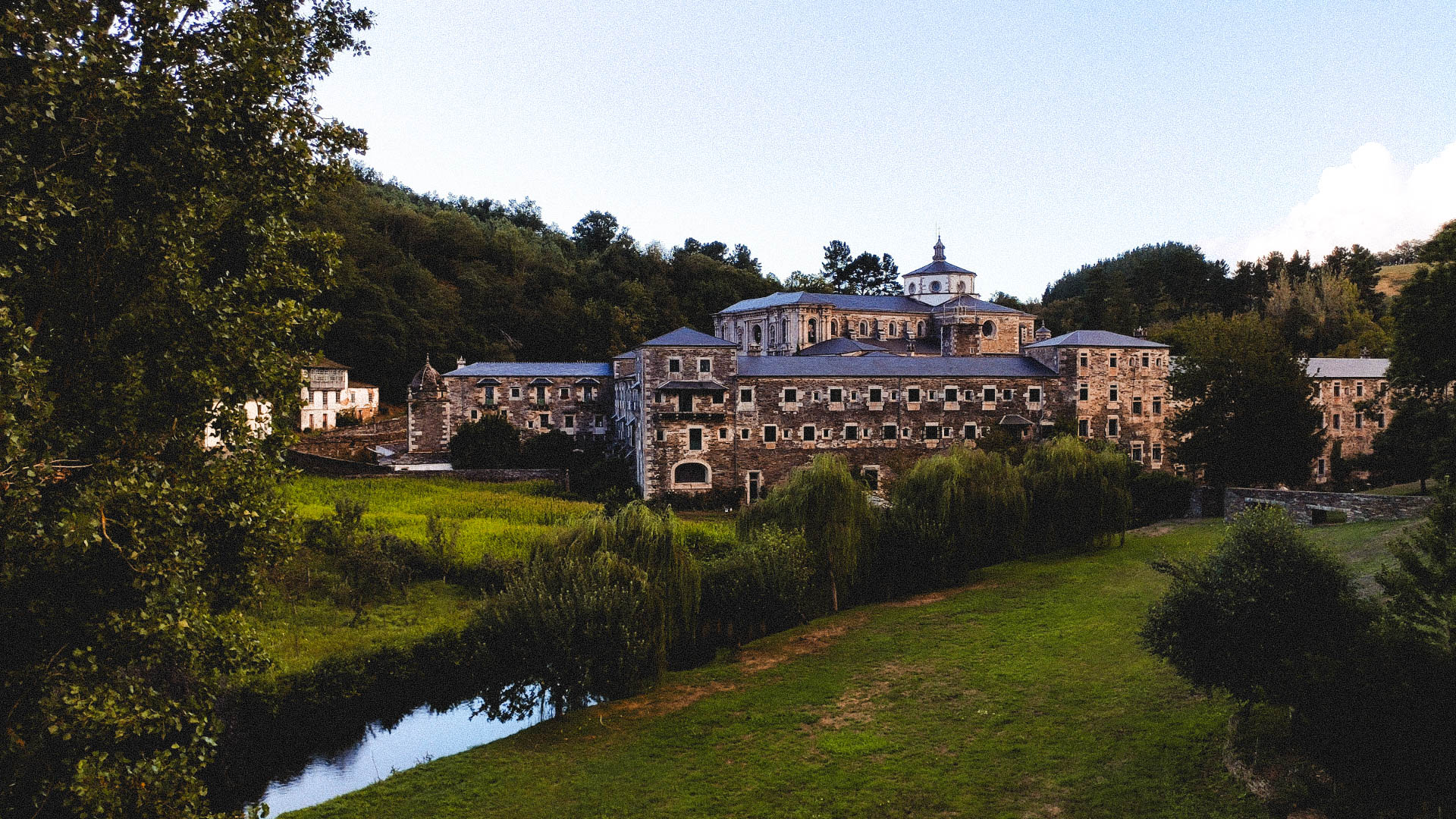 Monastery of Samos: a gem of benedictine history
Distance: 6.3 miles – 10,2 km
The stage begins in Triacastela, where you’ll take a scenic detour through the beautiful Samos Valley. The path winds through small villages nestled in lush nature, offering a tranquil and picturesque walk.
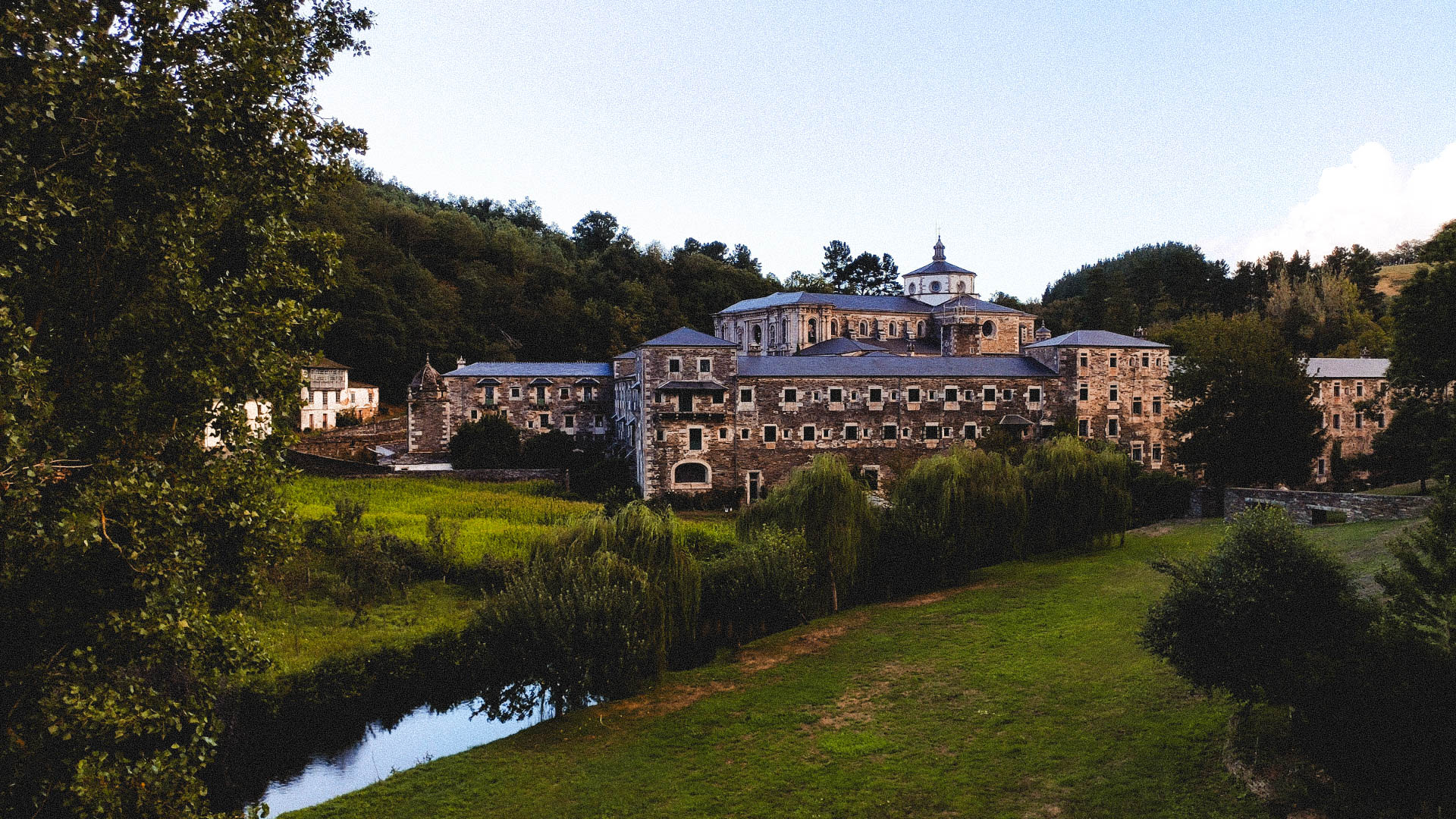
Along the way, you’ll pass through charming hamlets like San Cristovo do Real and Renche, where stone houses and traditional Galician granaries (hórreos) create an authentic rural atmosphere. This peaceful variant allows for a leisurely walk, fully immersing in the landscape before reaching one of the most emblematic sites on the Camino: the Monastery of Samos. This majestic Benedictine complex, with over 1,000 years of history, boasts stunning architecture and a serene cloister, showcasing the beauty of monastic art and tradition.
After visiting the monastery take a well-deserved break to regain energy with a Galician broth (caldo gallego), pork with turnip greens (lacón con grelos), or a slice of traditional almond cake (tarta de almendra).
 Final kilometers before a key point on the Camino
Distance: 9 miles – 14,5 km
From Samos, the trail follows the Oribio river, winding through oak forests, lush green meadows, and timeless Galician villages.
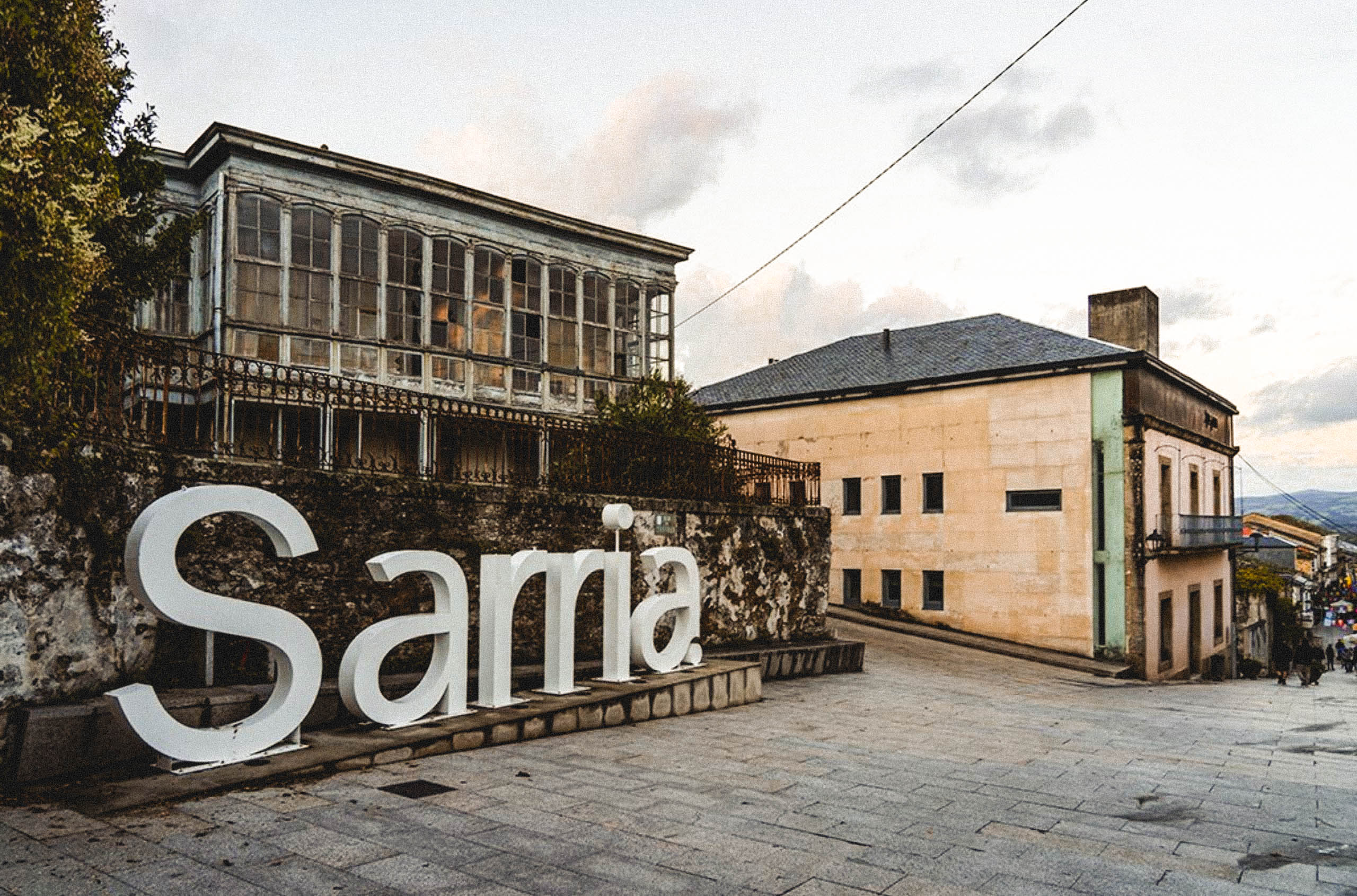
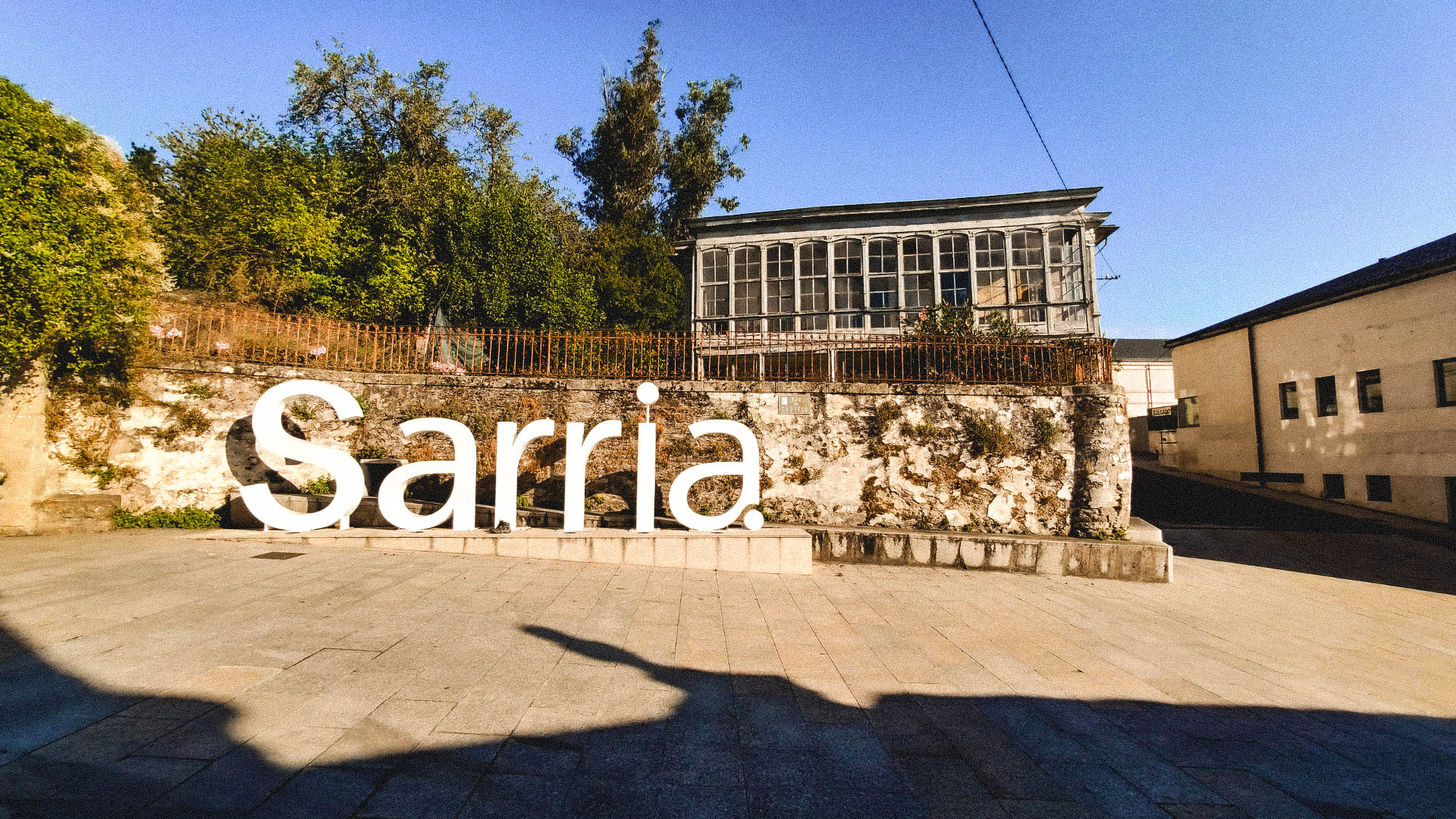
The route passes through Teiguín and Pascais, where dirt and stone paths create a peaceful and scenic atmosphere. With no major elevation changes, this stage allows for a relaxed walk, enjoying the sound of flowing water and birdsong. Gradually, the landscape opens up, and Sarria appears on the horizon, marking the beginning of the final 62 miles – 100 km of the French Way.
In Sarria, the spirit of the pilgrimage is present at every turn. Its historic center, featuring the Church of Santa Mariña and the Tower of the Fortress, invites visitors to stroll through its cobbled streets before indulging in Galician cuisine. Don’t leave without trying Galician empanada, Arzúa-Ulloa cheese, and a generous serving of pulpo (octopus).
 Where every step matters
Distance: 13.8 miles – 22.2 km
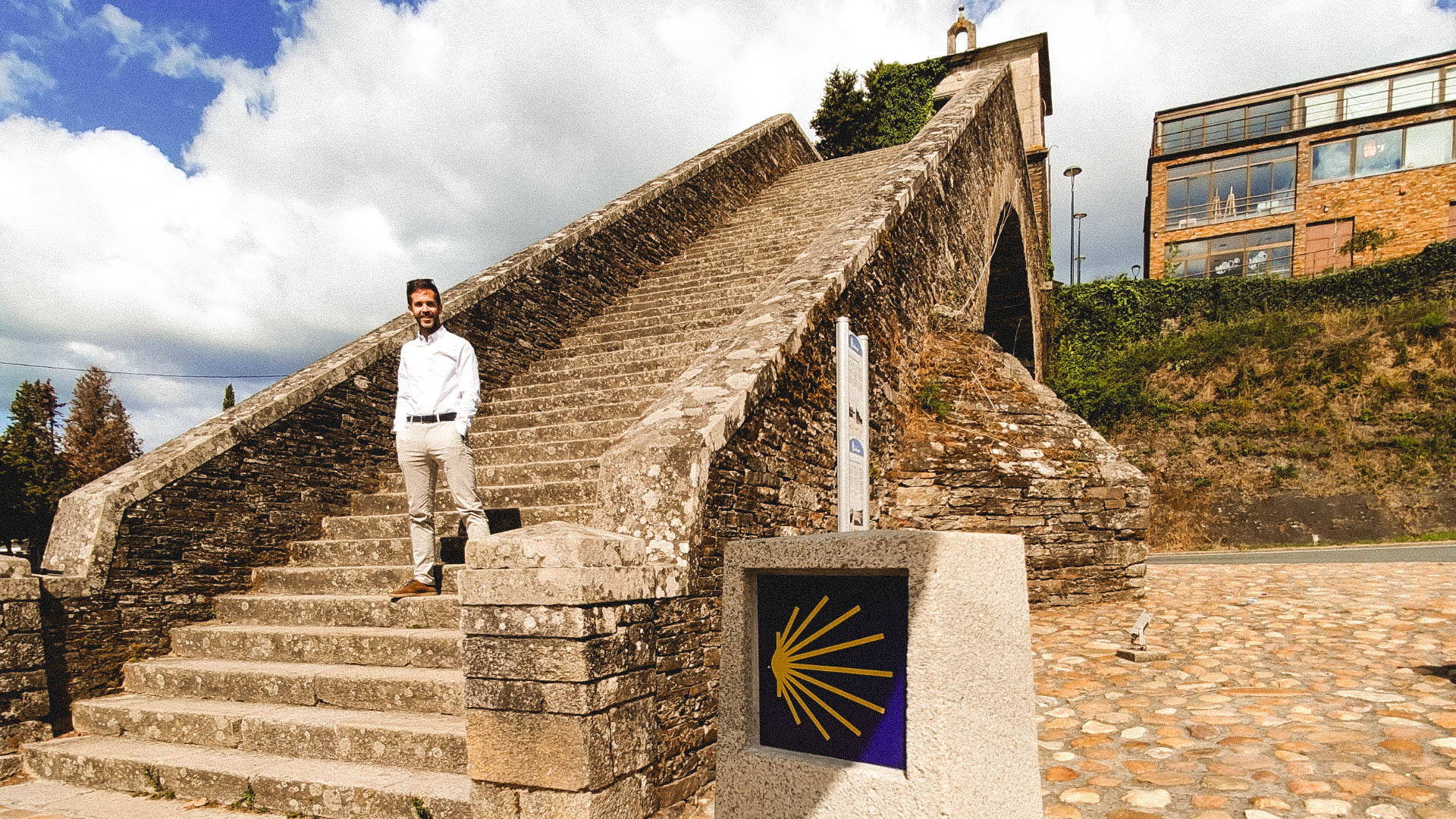
From Sarria, the trail comes alive with energy, blending history, rural landscapes, and a unique Jacobean atmosphere. The route winds through oak forests, cobbled paths, and charming villages like Barbadelo and Ferreiros, where you’ll spot some of the famous milestones marking the remaining kilometers to Santiago. One of the most iconic points of the stage is the medieval bridge of Áspera, transporting you to the authentic essence of the Camino.
Arriving in Portomarín is an impressive experience, crossing the bridge over the Miño River, which marks the entrance to this town with a unique history—its old town was moved stone by stone after the construction of the reservoir. The Church of San Nicolás, with its fortress-like appearance, dominates the central square, the perfect place to rest and soak in the atmosphere.
To recharge, savor Galician cuisine with specialties like lacón con grelos (pork with turnip greens), meat empanada, and the famous Tarta de Portomarín.
 Crossing Galician landscapes
Distance: 15.4 miles – 24,8 km
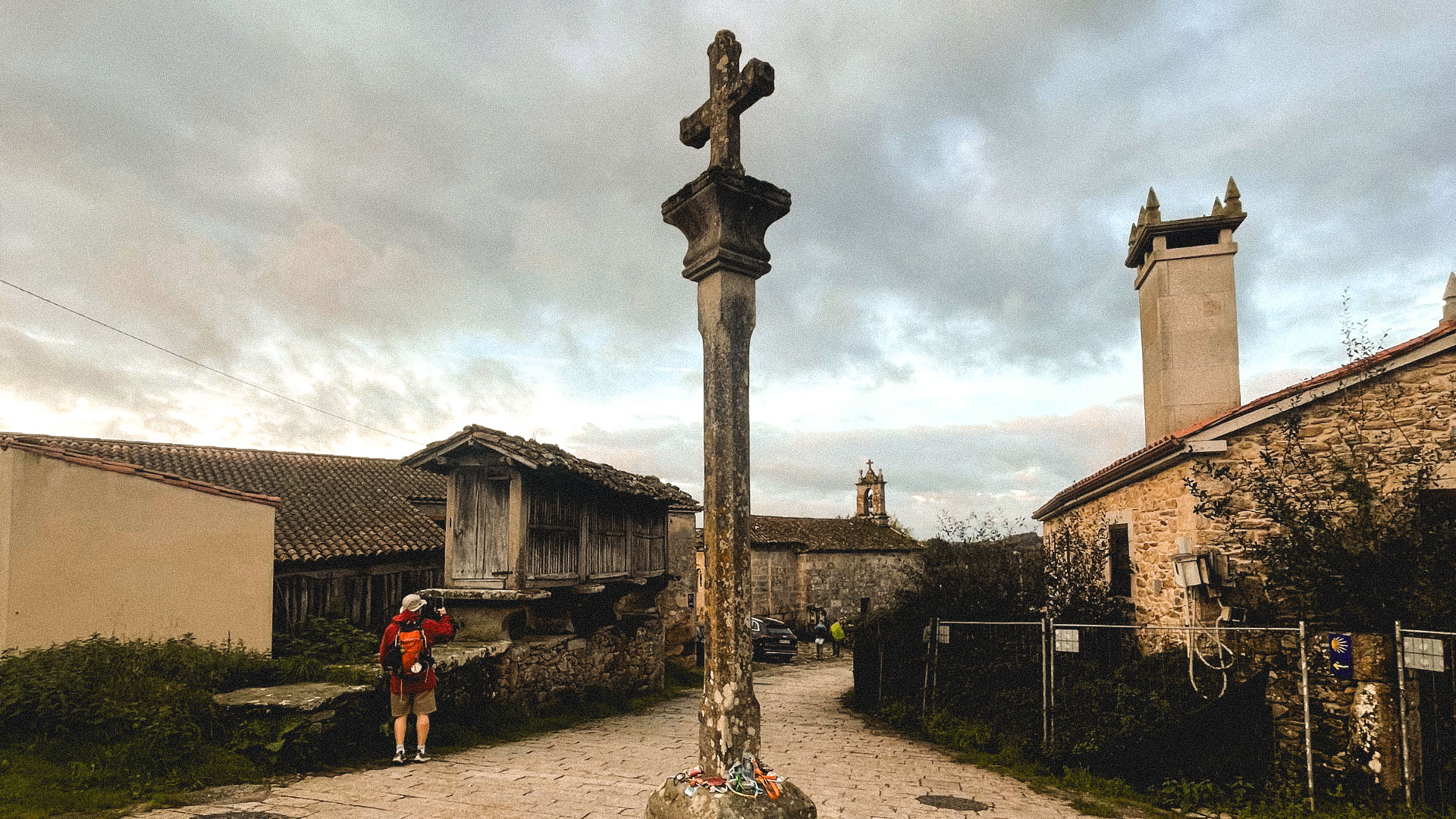
Leaving Portomarín, the Camino gently ascends toward Gonzar and Castromaior, where you’ll find the remains of an ancient Celtic castro, a silent witness to the thousand-year history of this land.
The route continues through small villages like Ventas de Narón and Ligonde, once home to pilgrim hospitals. This section embodies the tranquility of Galician rural paths, with lush meadows and tree-lined trails, providing shade and respite for walkers. Gradually, the terrain becomes gentler, preparing both body and mind for the final stretch to Santiago.
Arriving in Palas de Rei marks the end of the stage and the beginning of the Camino’s final stretch. This Jacobean town is the perfect place to rest and indulge in Galician cuisine, featuring delights like empanada de zamburiñas (scallop empanada), octopus a feira, and creamy Arzúa-Ulloa cheese.
 A stage filled with unforgettable flavours
Distance: 8.9 miles – 14,4 km
Palas de Rei emerged around a fortress built to protect pilgrims. This short and easy stage allows you to enjoy historic landmarks, such as the Roman bridge of Furelos and the Church of Leboreiro, an exceptional example of rural Romanesque architecture.
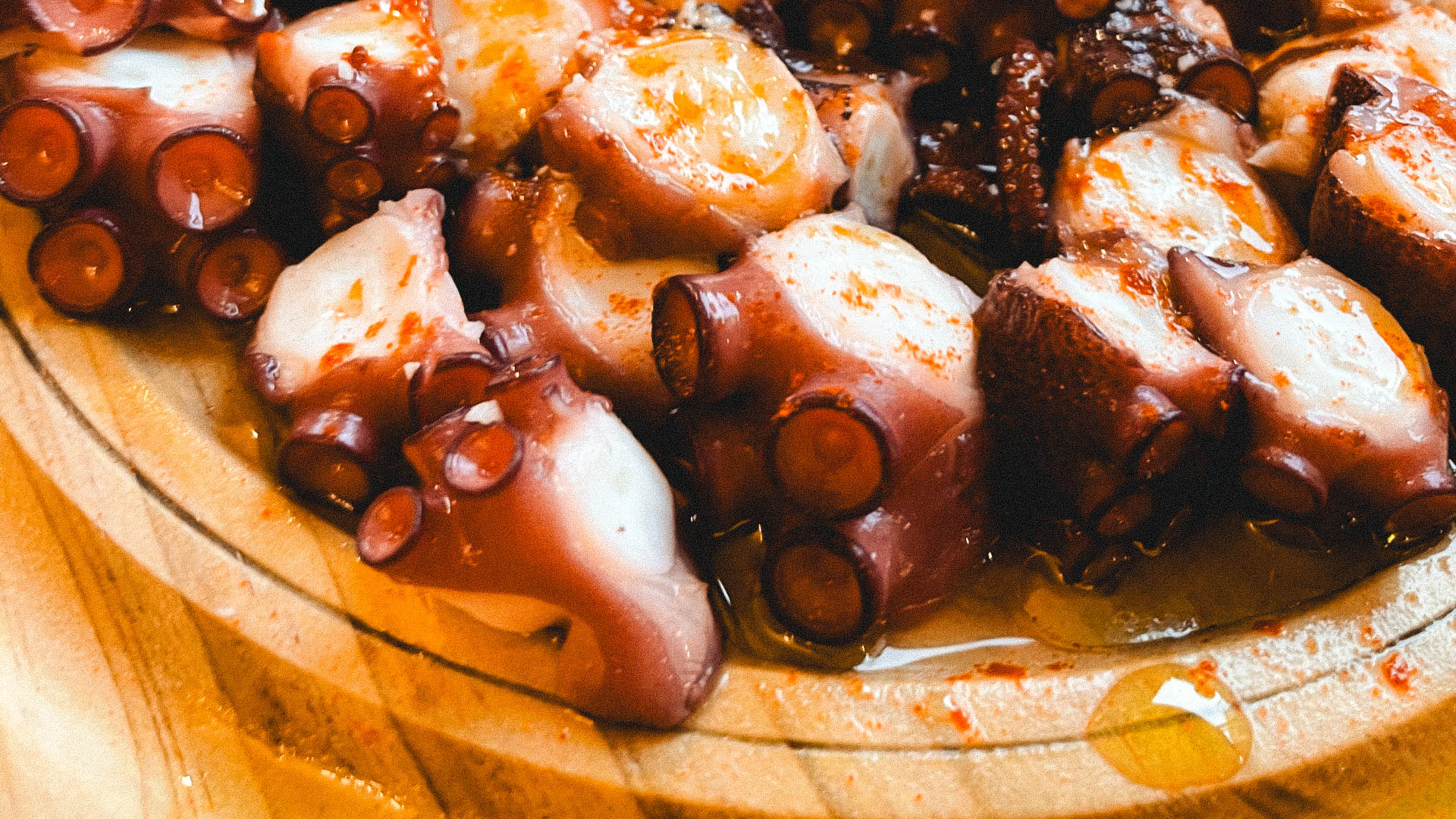
In Melide, pilgrims can admire the Church of Santa María, a magnificent 12th-century Romanesque monument, and relax in the Natural Park of Ría do Burgo, a perfect spot for a break in nature. However, the most anticipated highlight of the day is the visit to traditional pulperías, where you can savor the famous pulpo a feira, one of the greatest treasures of Galician cuisine.
Iconic places like Pulpería A Garnacha are must-visit stops before continuing the journey. Additionally, at this point, the Primitive Way merges with the French Way, marking the arrival of more pilgrims and a livelier atmosphere in the upcoming stages.
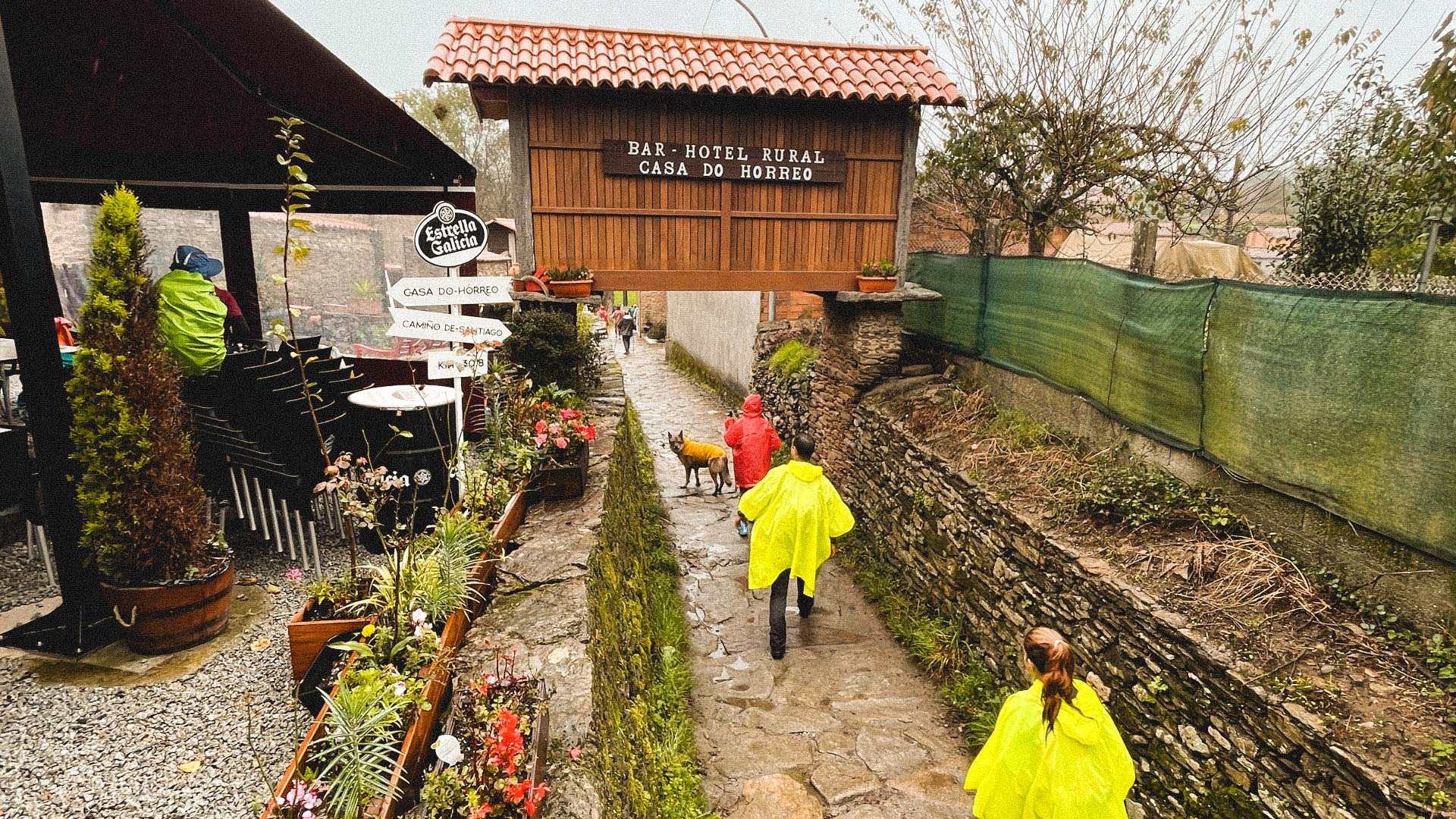 Rural charm, history, and the true taste of Galicia
Distance: 8.8 miles – 14,1 km
This easy and accessible stage immerses you in the peaceful forests and meadows of Galicia, offering the perfect opportunity to enjoy the scenery and the warmth of the small villages along the Camino. The tranquil trails make this journey an experience of deep connection with nature.
The route leads to Arzúa, a town with a special character, home to landmarks such as the 18th-century Church of Santiago and the 17th-century Chapel of La Magdalena. However, what truly defines this town is its famous Arzúa-Ulloa cheese, an artisanal delight that every pilgrim must try.
The stage ends in A Calle de Ferreiros, a peaceful rural enclave, perfect for resting away from the busier sections of the Camino. A day where nature, history, and gastronomy come together to offer an unforgettable experience.
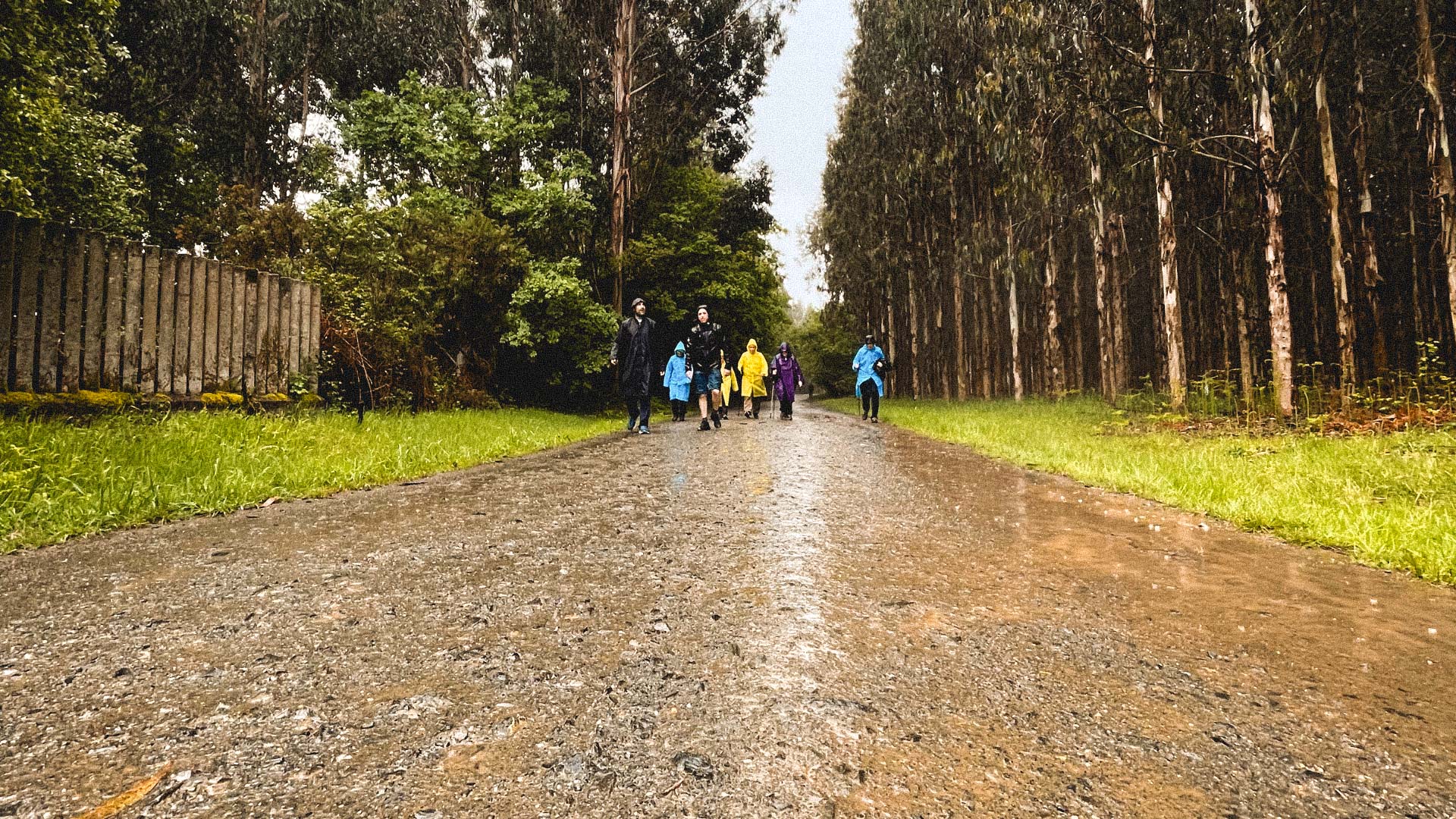 The final effort before reaching Santiago
Distance: 13.4 miles – 21,6 km
This stage winds through forest trails and lush green meadows, creating a peaceful atmosphere that invites reflection, as the long-awaited arrival in Santiago draws near. It’s the perfect stretch to soak in the landscape and embrace the emotion of the journey’s end.
One of the key points of the day is O Pedrouzo, a traditional rest stop for pilgrims, though this variant avoids its heavy foot traffic. Reaching Lavacolla is a symbolic moment, as medieval pilgrims would perform a final cleansing ritual here before entering the holy city.
Along this stretch, Galician cuisine continues to be a highlight, with specialties such as lacón con grelos (pork with turnip greens), carne ao caldeiro (tender boiled beef), and melindres (traditional local pastries). With the Santiago Cathedral already in sight, the excitement builds, knowing that the Pilgrim’s Mass is just hours away.
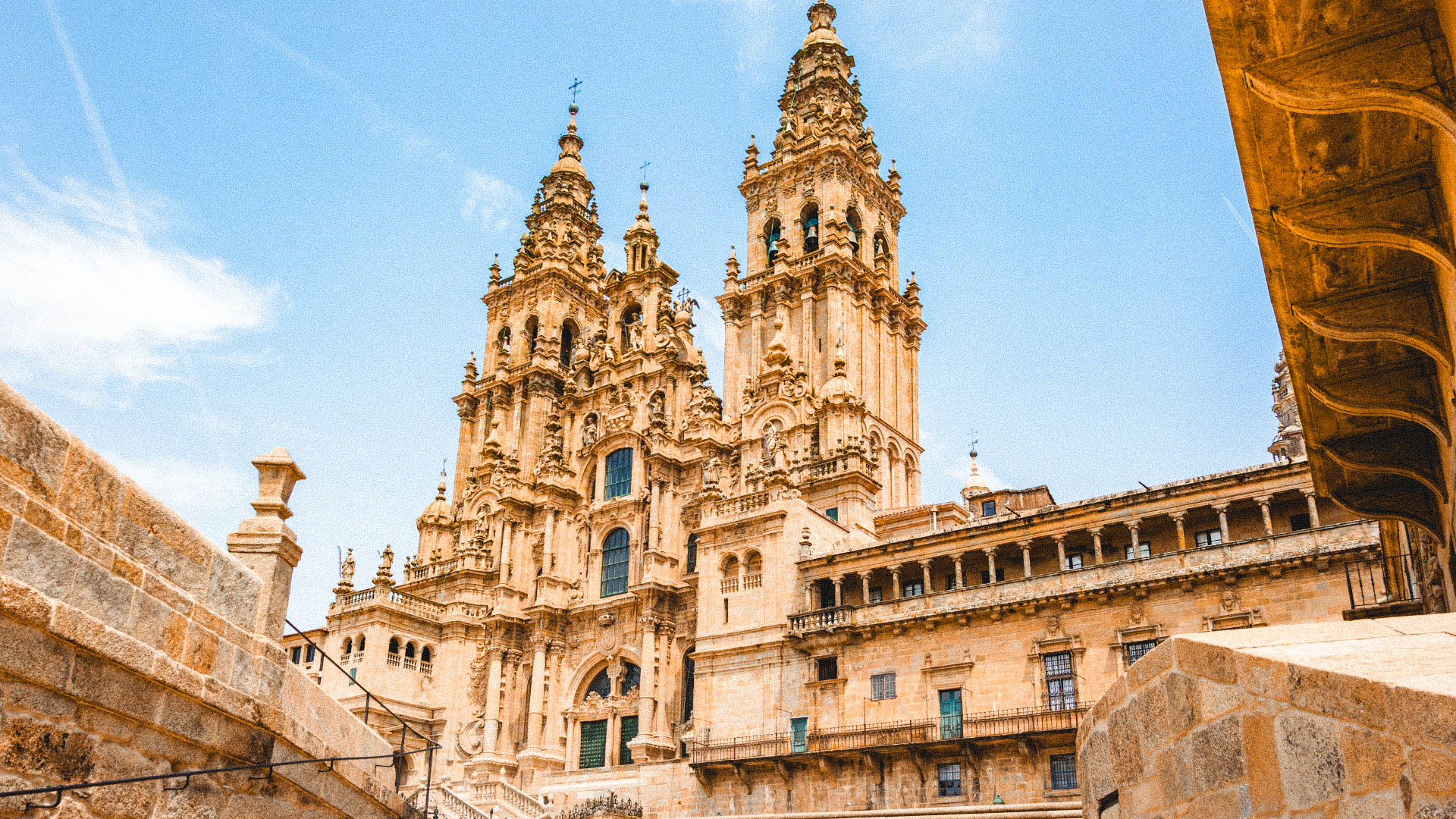 The end of a journey, the beginning of a new story
Distance: 6.15 miles – 9,9 km
Unlike previous stages, this final stretch is mostly urban, but the excitement of reaching Santiago makes every step worth it. The most anticipated reward comes as you descend Monte do Gozo, where the Cathedral of Santiago appears on the horizon for the first time, creating an indescribable feeling.
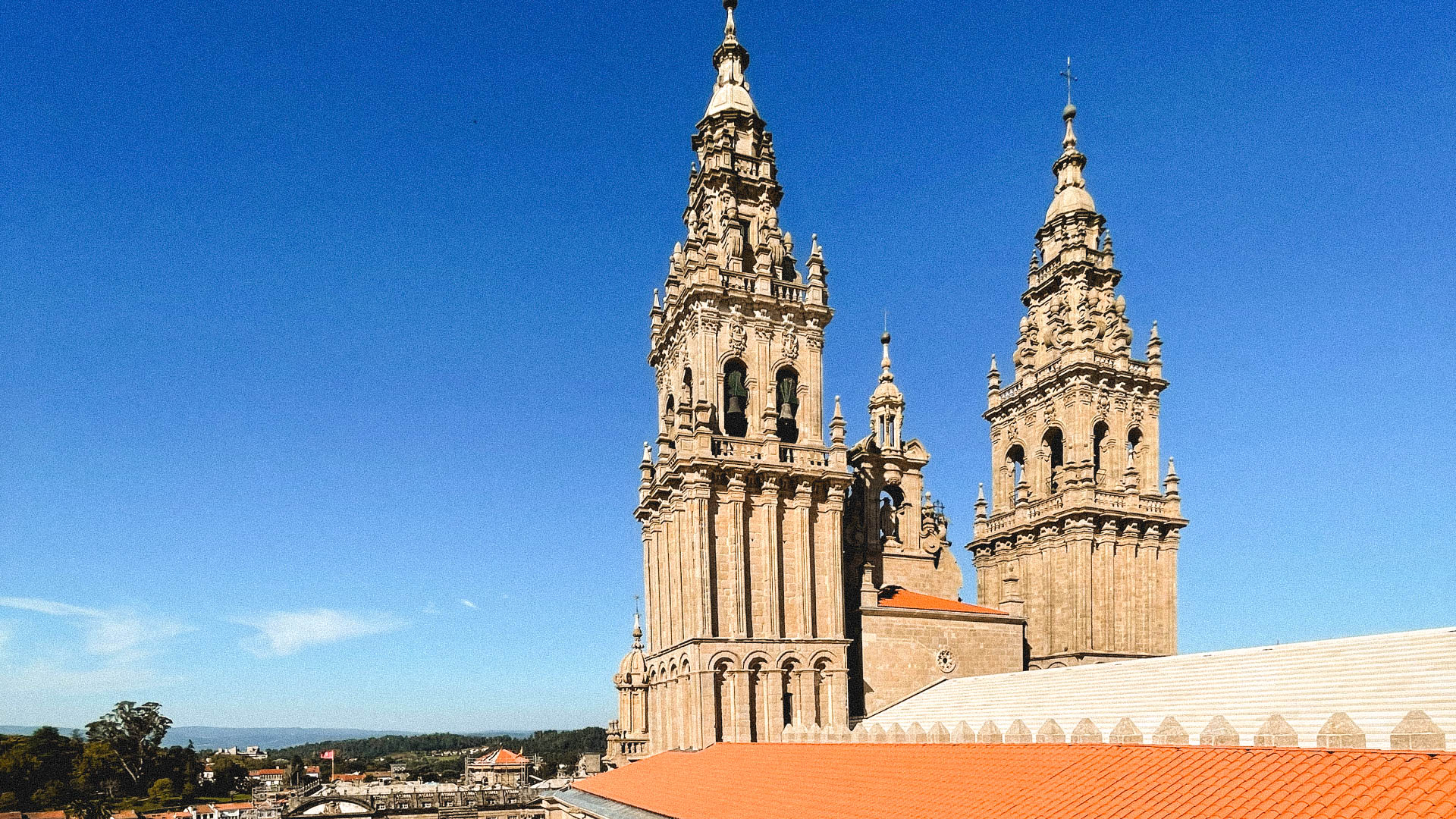
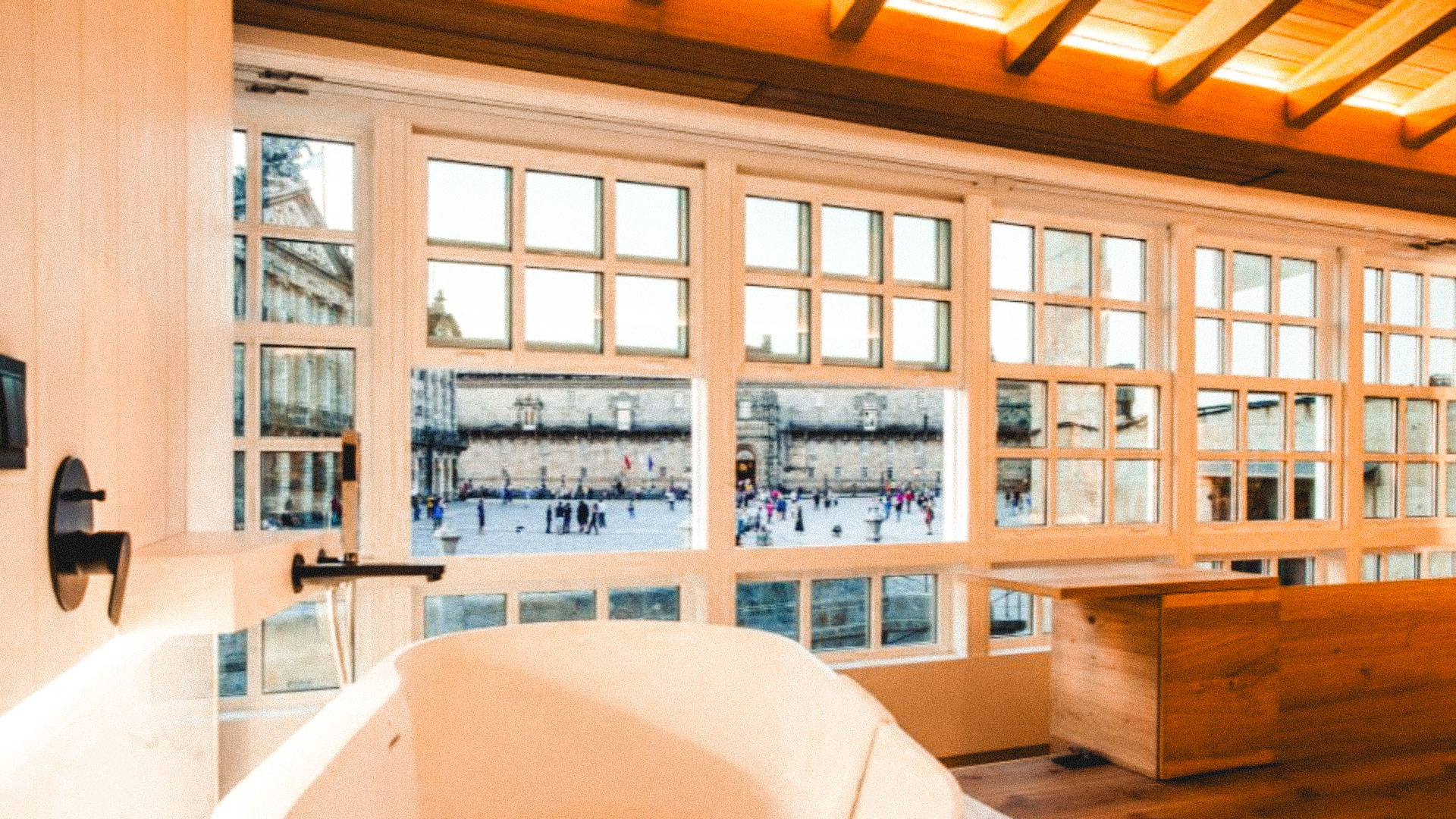
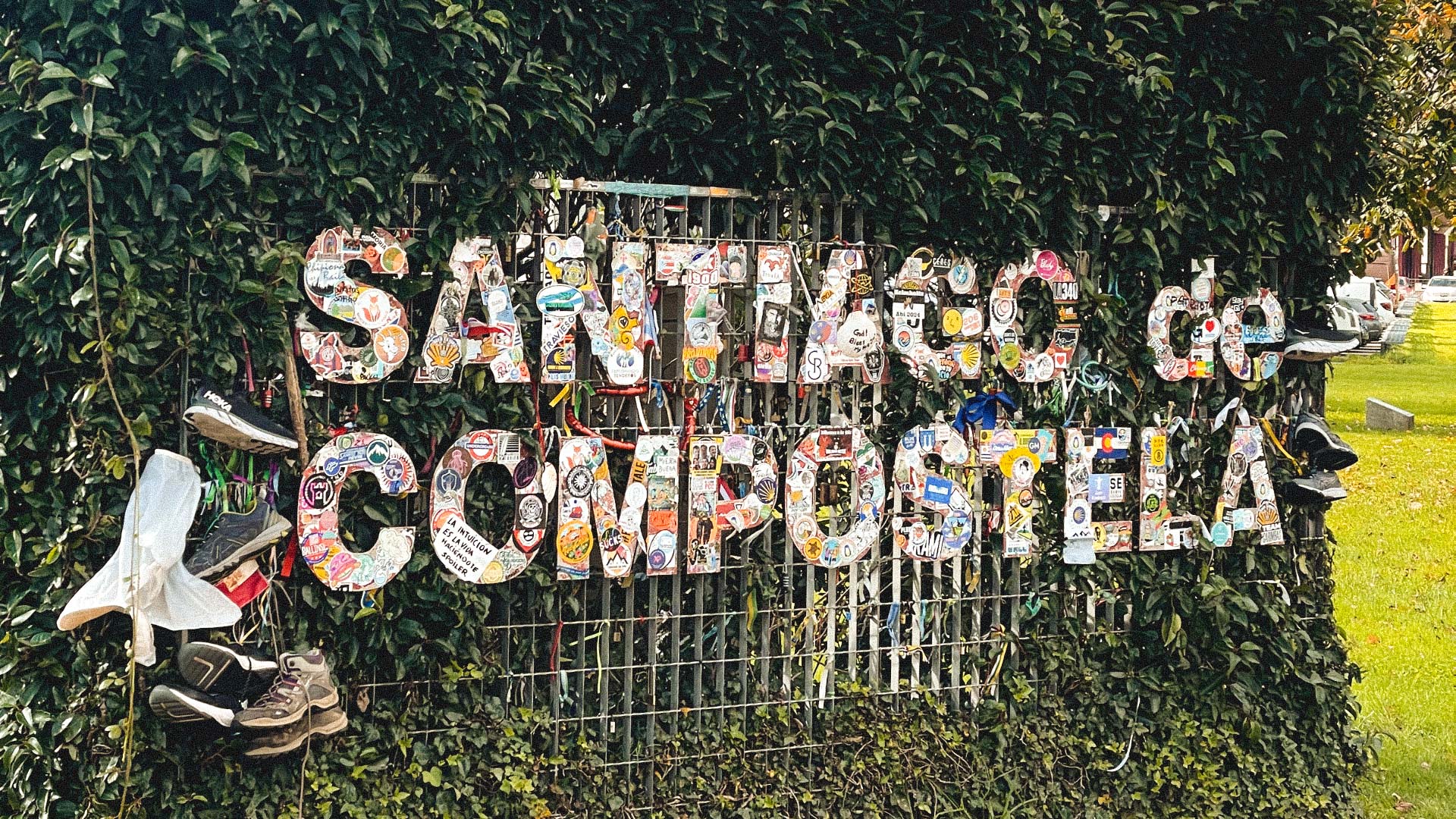
The last part of the Camino winds through the streets of Santiago, passing through Puerta del Camino and entering the historic center. The defining moment is reaching Praza do Obradoiro, where the Cathedral of Santiago welcomes pilgrims after their long journey. Here, you can experience the final rituals, visit the Apostle’s tomb, attend the Pilgrim’s Mass, and admire the magnificent Pórtico de la Gloria. You can also collect your Compostela, the official certificate of your pilgrimage.
After so many kilometers, it’s time to celebrate. Santiago is the perfect place to enjoy Galician cuisine, featuring fresh seafood, Galician beef, and the iconic Tarta de Santiago, a delicious way to conclude an unforgettable experience.