
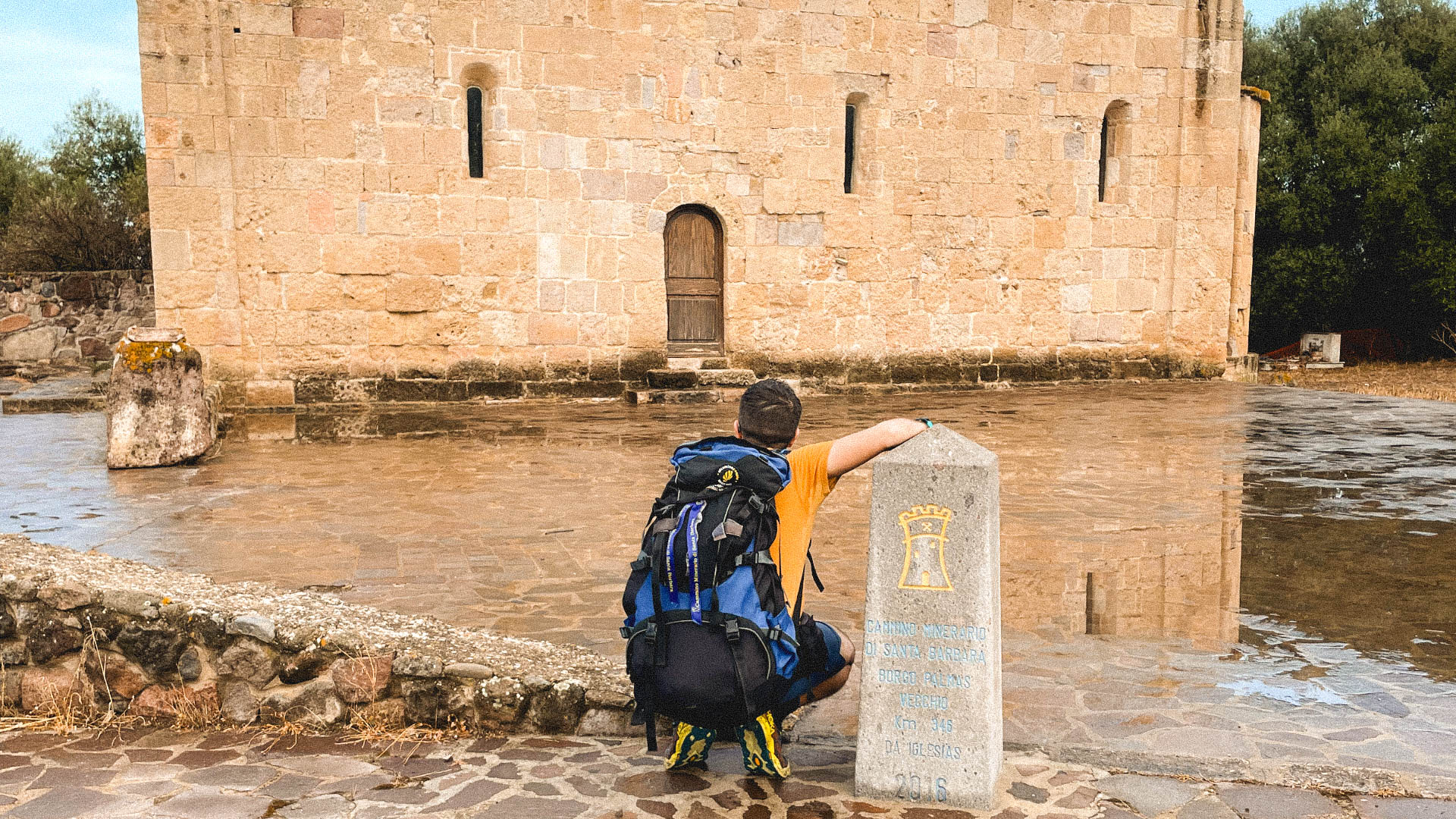
The Santa Barbara Mining Trail is not just a hiking route; it is a journey through time, spanning over 8,000 years of history, where sardinia’s natural beauty and mining heritage intertwine in a truly unique experience. This Camino was created to preserve and highlight the ancient paths once traveled by miners, who for centuries worked in the extraction of coal, iron, lead, and zinc, industries that formed the backbone of the island’s economy until recent decades.
Stretching over 310.7 miles – 500 km, the trail crosses a fascinating landscape, where abandoned mines, ghost towns, and old railways blend with stunning natural scenery. From the mountain peaks of sulcis to the cliffs of the southwest coast, through mediterranean forests and volcanic zones, each stage reveals a piece of sardinia’s soul. The trail is also dedicated to Santa Barbara, the patron saint of miners, whose presence adds a sense of spirituality and tradition to the journey.
You won’t find another trail like this. It offers a chance to discover an unknown sardinia, authentic and far from mass tourism. Along the way, you’ll be amazed by its archaeological heritage, historic churches, charming villages, and unique gastronomy, with specialties like pan carasau, fregula, and the famous porceddu.
If you seek a transformative experience, rich in history, breathtaking landscapes, and pure sardinian culture, the santa bárbara mining trail awaits you.
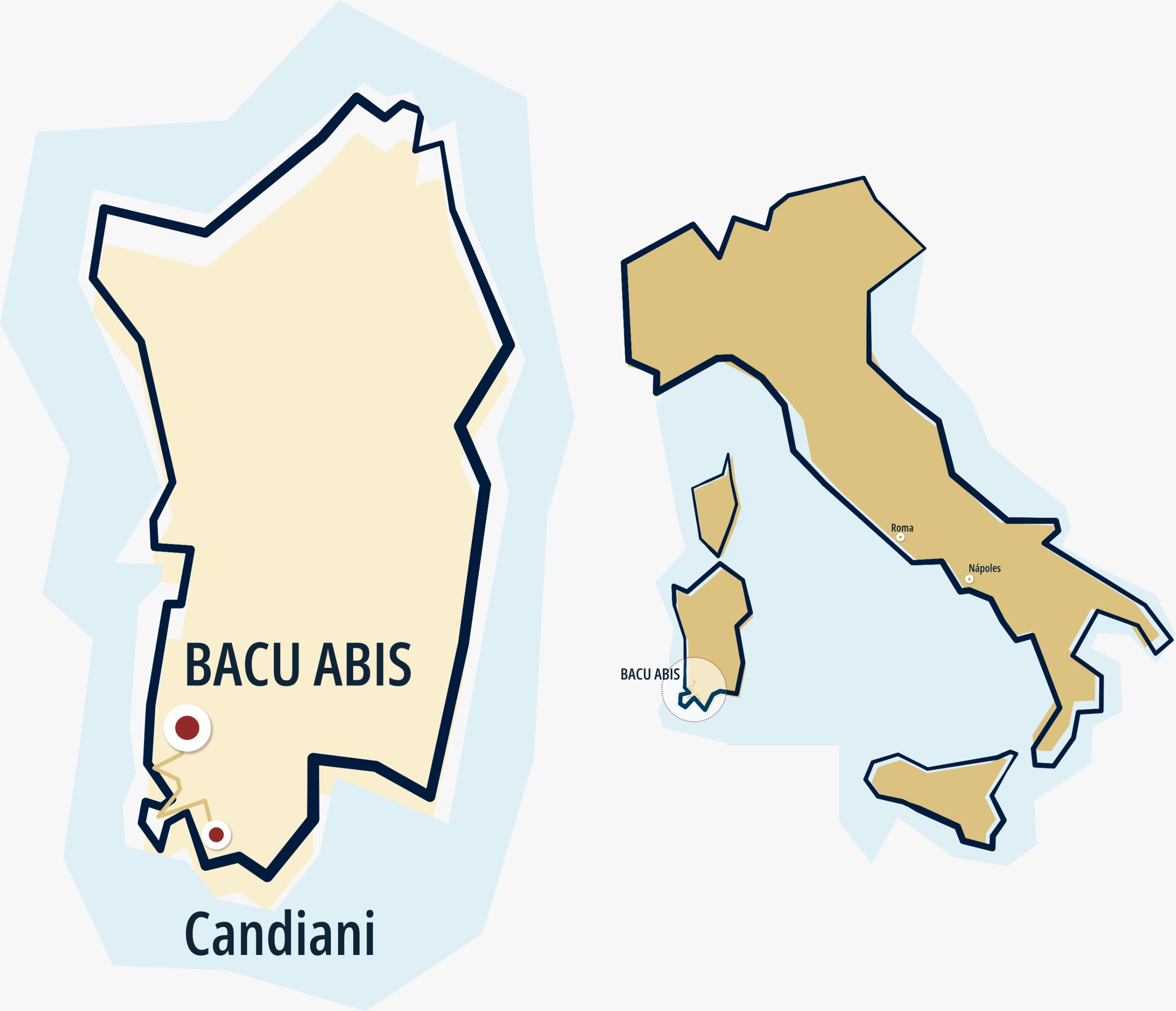
Route
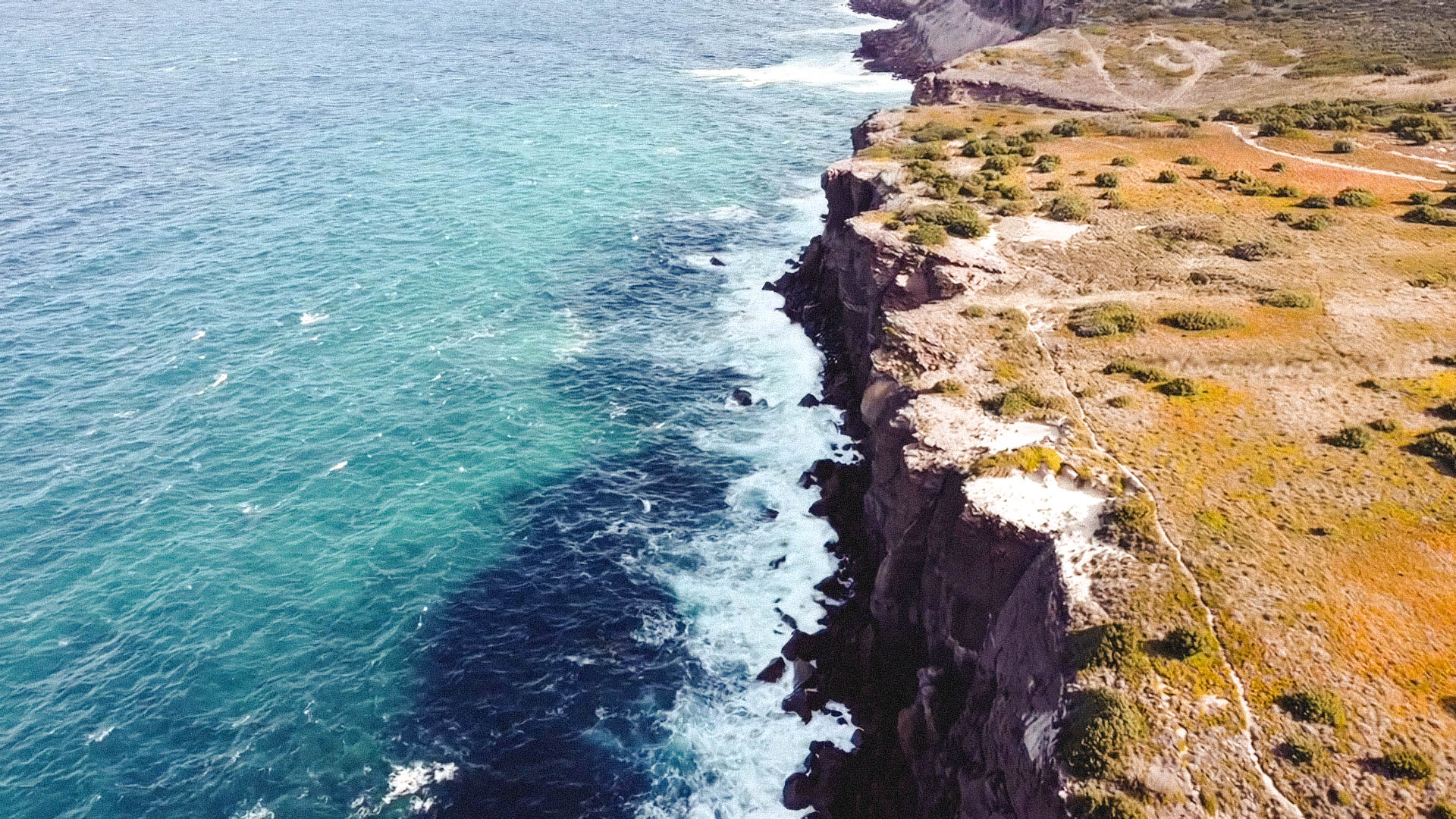 The beginnning of your Camino in Sardinia
Distance: 14.9 miles – 24 km
This stage of the Santa Barbara Mining Trail takes you through a changing landscape, where the Carignano del Sulcis vineyards, rolling hills, and medieval remnants create a unique atmosphere. From Candiana, a small rural settlement with mining roots, the trail follows ancient paths once used by local workers, passing through farmlands and small villages with a strong Sardinian identity.
The route continues toward Giba, a village with a rich agricultural tradition, where centuries-old olive groves and fertile gardens reflect the region’s traditional way of life. From here, the Camino becomes more panoramic, offering breathtaking views of Monte Sirai and the vast plains leading to Tratalias, one of the historic gems of the trail.
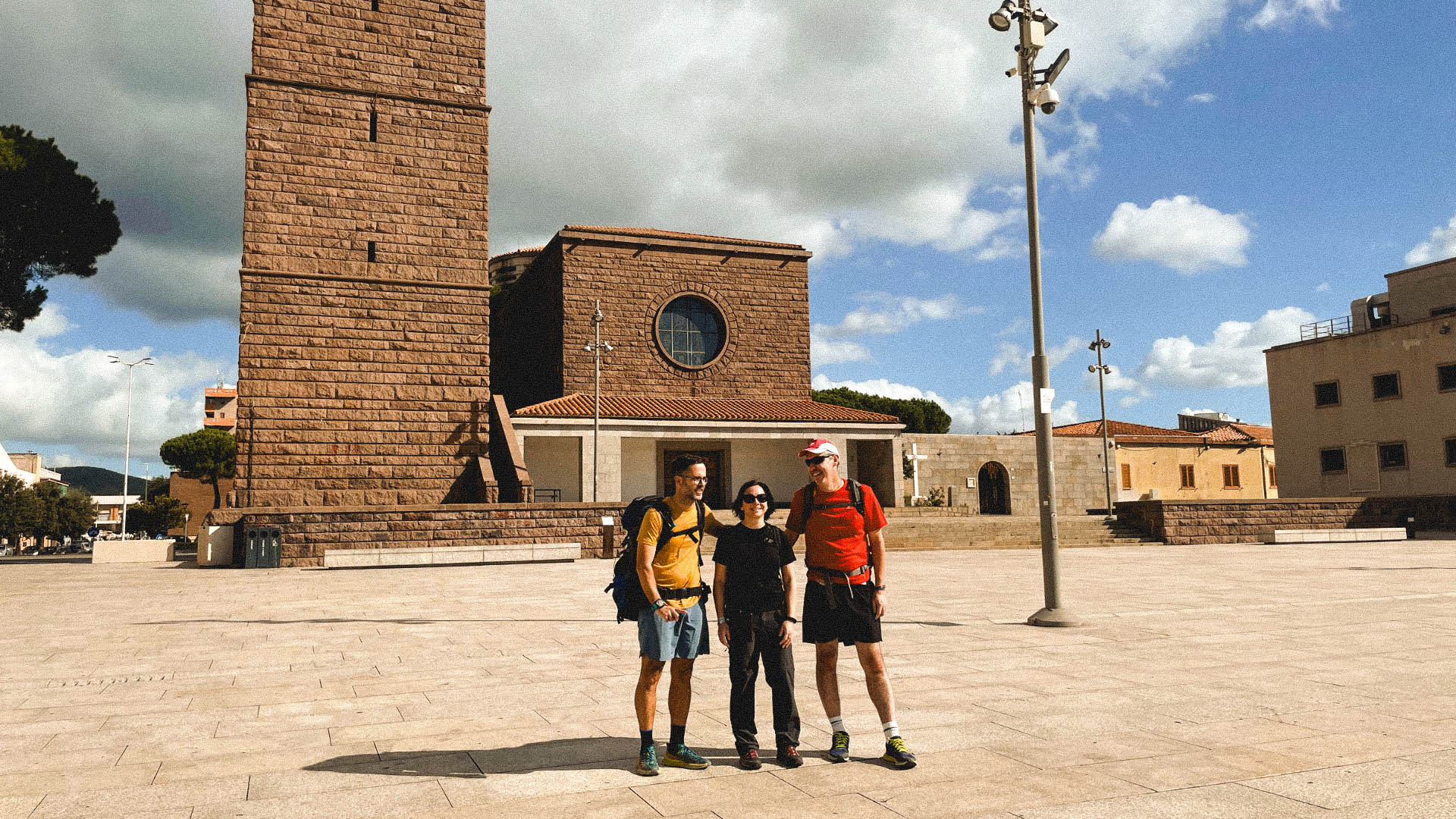
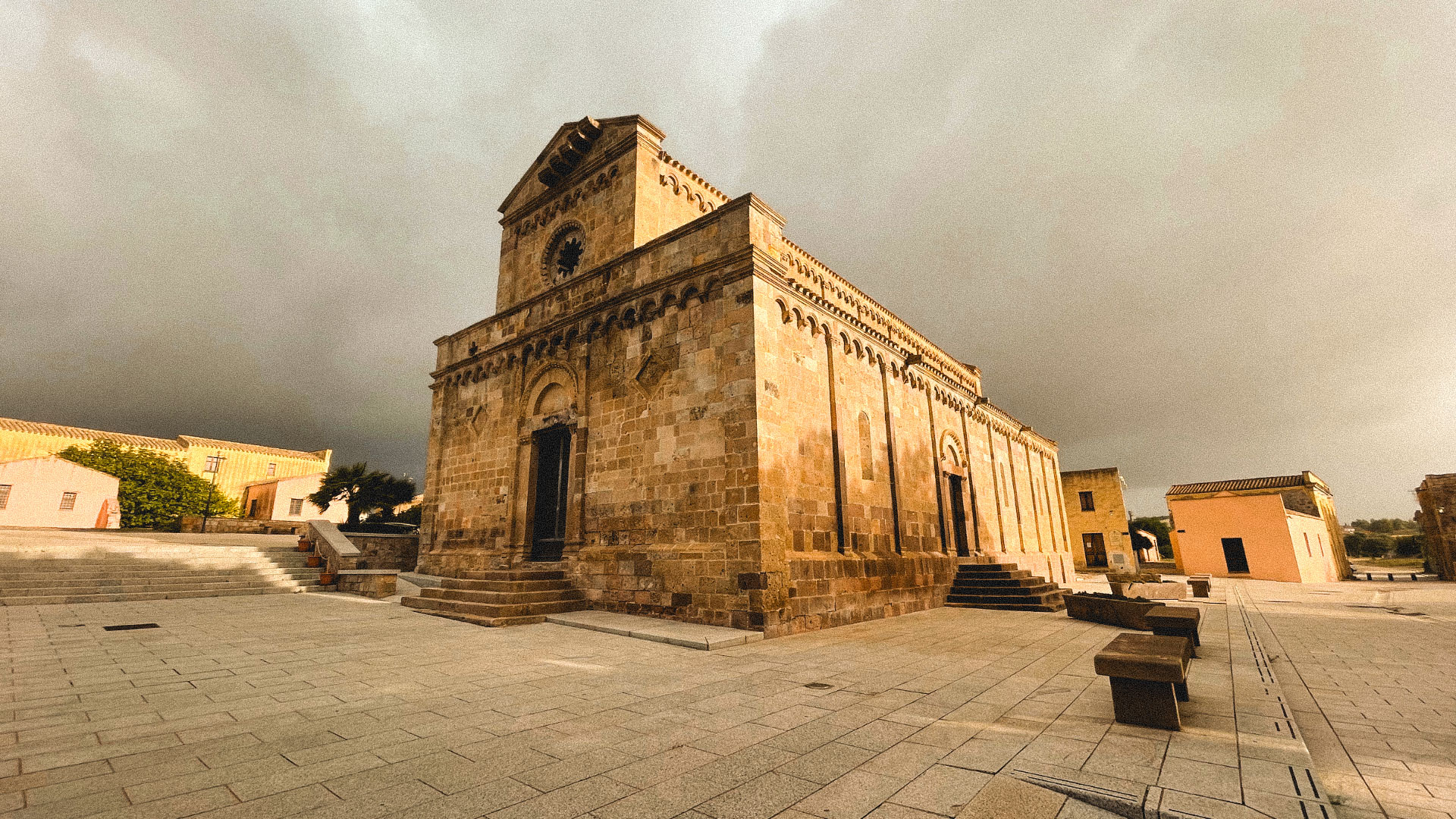
Tratalias is a true medieval treasure, home to the impressive Cathedral of Santa Maria, a 13th-century Romanesque church that stands as a symbol of the town’s former grandeur. Today, the village retains its authenticity, providing a peaceful setting to rest and savor the local cuisine. To recharge, indulge in porceddu (roast suckling pig), pan carasau, and a glass of Carignano del Sulcis wine.
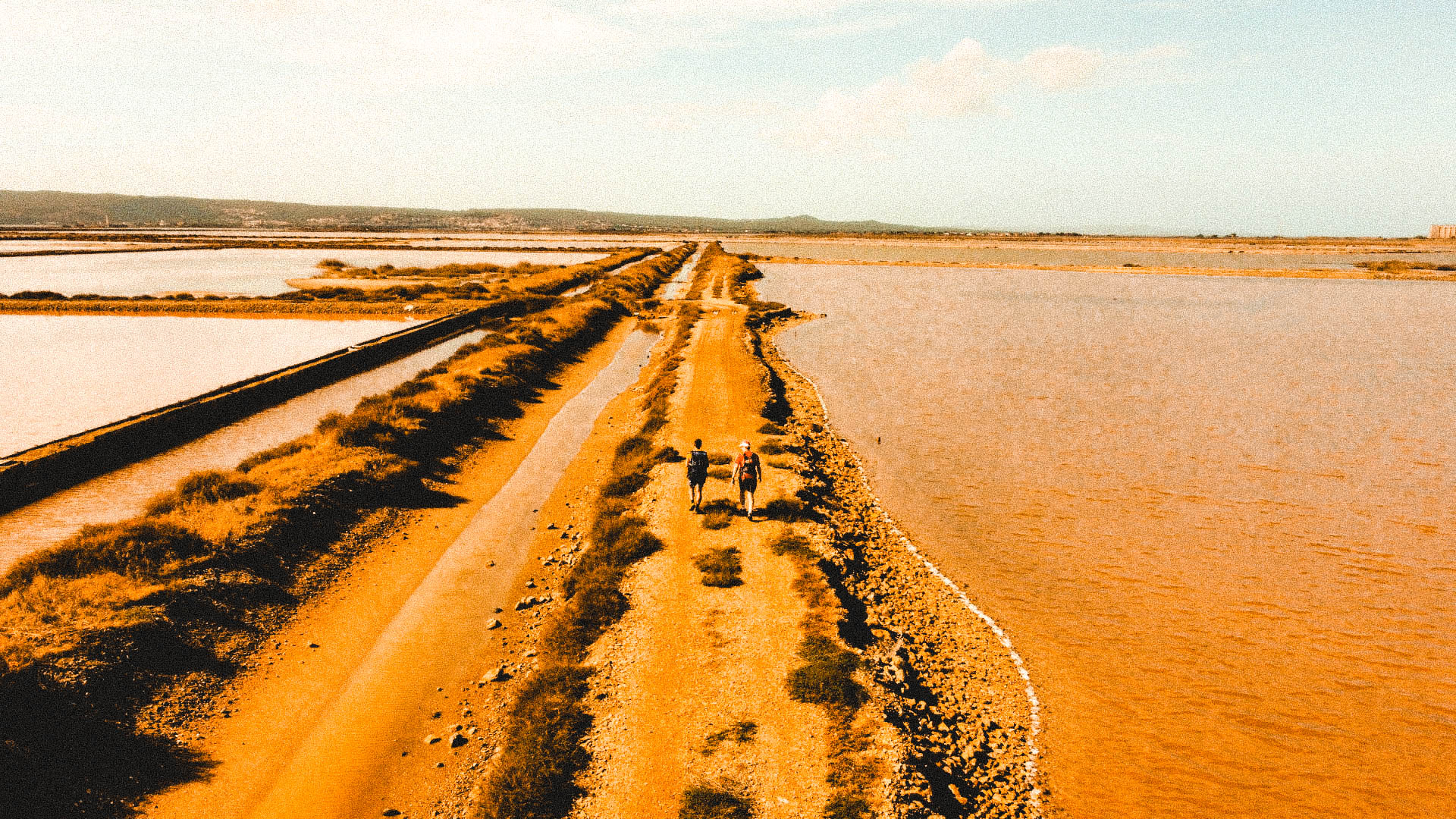 Between history, salt flats and the sea
Distance: 10.5 miles – 16,9 km
This stage of the Santa Barbara Mining Trail marks the transition from the rural inland landscapes to the magic of the coast. From Tratalias, a charming medieval village with its impressive Cathedral of Santa Maria, the trail crosses gentle hills and ancient paths once used by miners to reach the southwestern mining areas of Sardinia.
The route continues toward San Giovanni Suergiu, where agricultural and mining pasts intertwine, before entering a breathtaking landscape—the salt flats of Sant’Antioco, home to pink flamingos and seabirds. Here, the trail provides a unique experience, offering panoramic views of the lagoon before crossing the bridge that connects Sant’Antioco Island to Sardinia’s mainland.
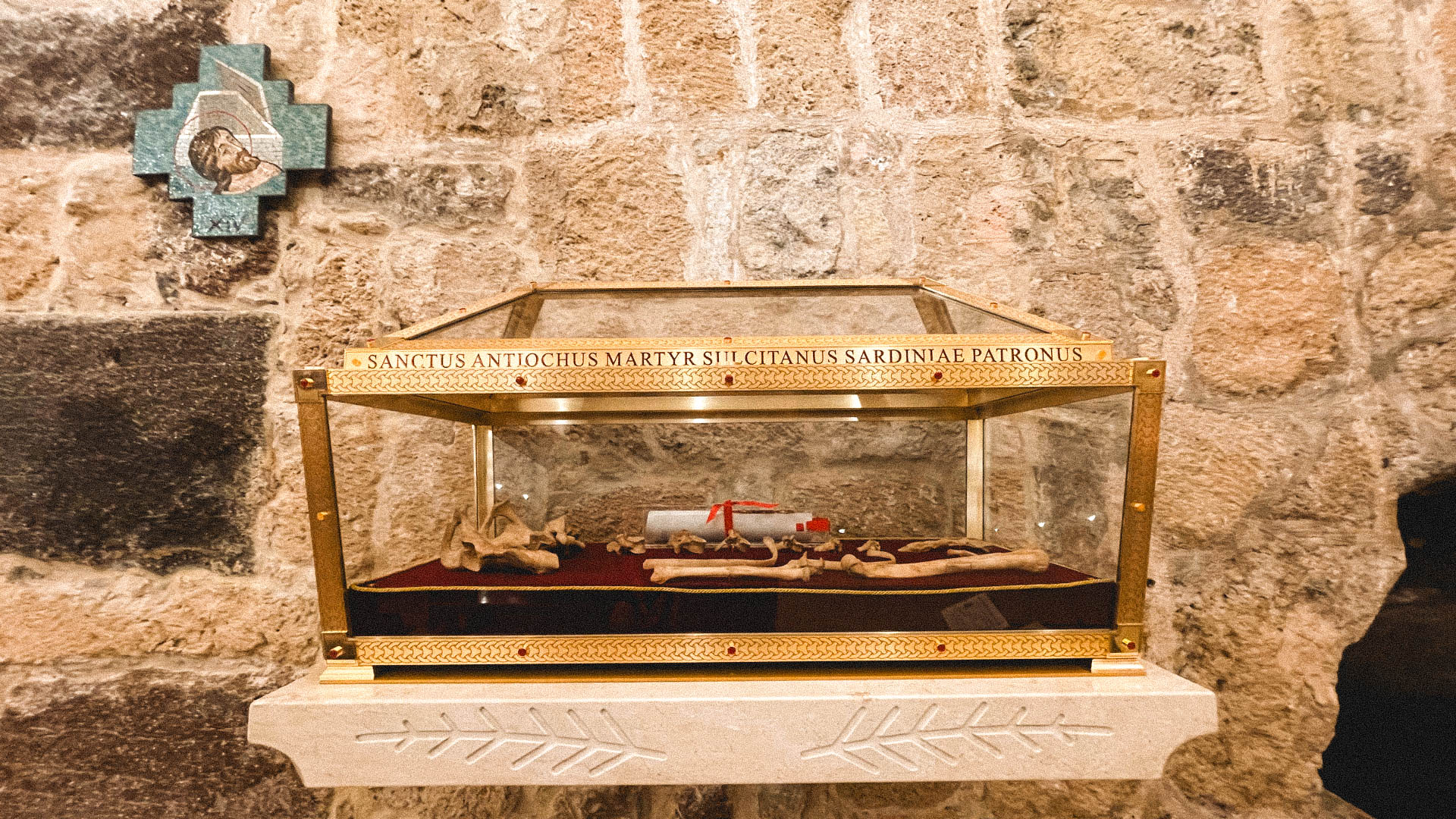
Arriving in Sant’Antioco, one of the oldest settlements in Italy, is like stepping into the Phoenician and Roman past. Beyond its remarkable archaeological remains, the town is known for its exquisite seafood cuisine, featuring specialties like bottarga, tuna alla sarda, and fregula with seafood. A stage that perfectly blends history, nature, and the charm of the Mediterranean.
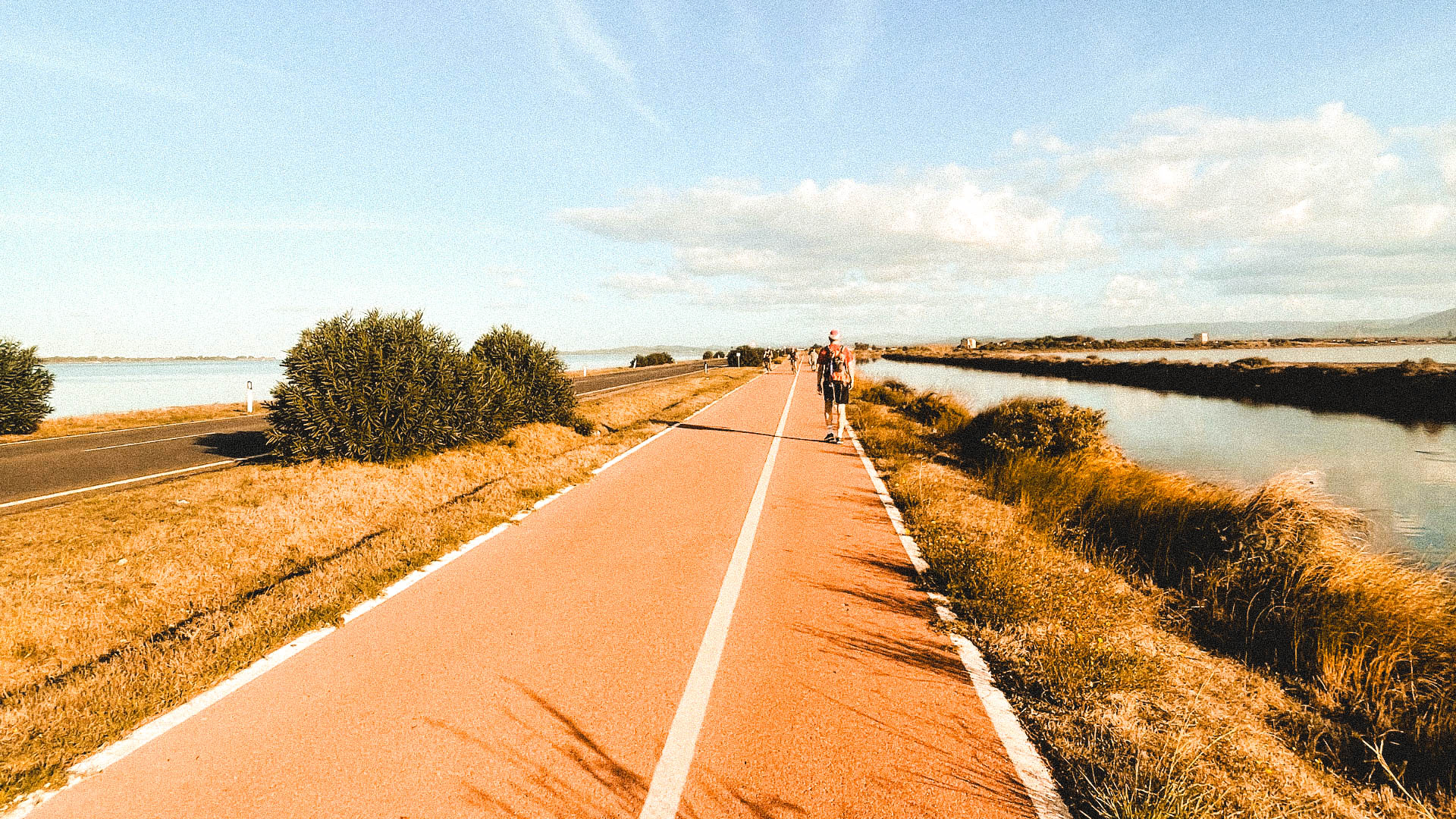 Mining paths an Sardinia’s industrial heritage
Distance: 14.5 miles – 23,4 km
This stage takes you back inland, following the ancient routes that once connected mining operations to the coast. From Sant’Antioco, the trail enters a landscape where the footprints of Sardinia’s mining history are evident, passing through small villages and abandoned industrial structures.
One of the key points along the route is Serbariu, home to the Coal Museum, housed in a restored mine that offers insight into the harsh life of Sardinian miners. Shortly after, the path reaches Carbonia, the capital of the Sulcis region, founded in 1938 as a major mining hub. Here, the fascist-era historical architecture contrasts with the natural surroundings that frame the city.
After the hike, there’s no better way to unwind than by indulging in traditional local flavors, such as malloreddus alla campidanese (Sardinian pasta with ragù), pecorino cheese, and a glass of Carignano del Sulcis wine.
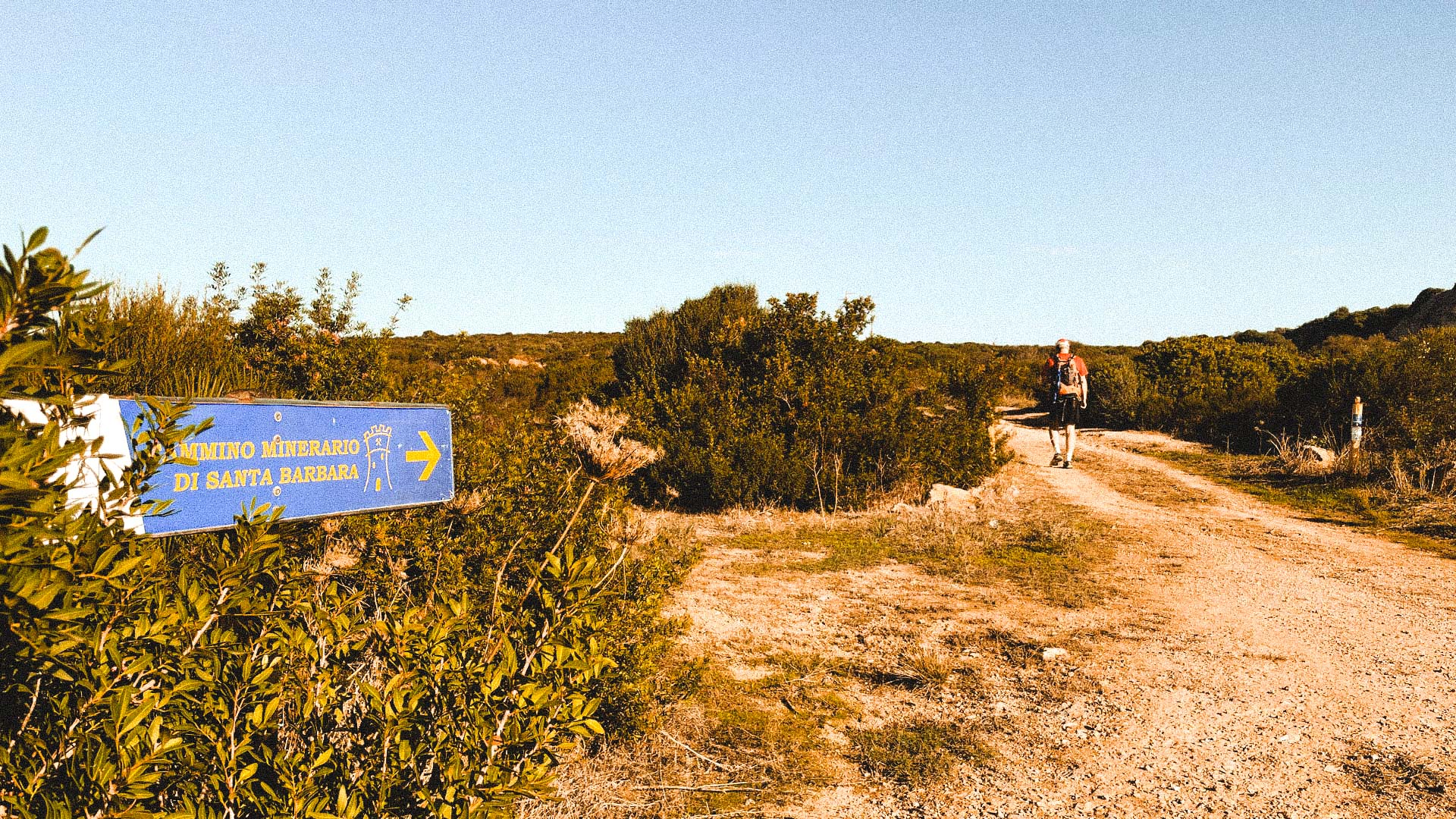 Among forgotten mines and rural landscapes
Distance: 14 miles – 22,5 km
This stage takes you through rolling hills, abandoned mining sites, and rural landscapes. Leaving Carbonia, the trail follows ancient paths once traveled by miners who worked in this coal, lead, and zinc-rich region for centuries.
The route passes through small villages like Cortoghiana, a town built in the 1930s to house mining families, and alongside deserted mines, silent witnesses to the rise and fall of Sardinia’s extractive industry. Gradually, the scenery opens up, offering panoramic views that signal the proximity of the sea.
The day ends in Nuraxi Figus, a peaceful enclave where Sardinia’s rural traditions remain untouched. Here, the local cuisine continues to be a delight for the senses, featuring specialties such as porceddu (roast suckling pig), seadas (honey-filled pastry), and pan carasau.
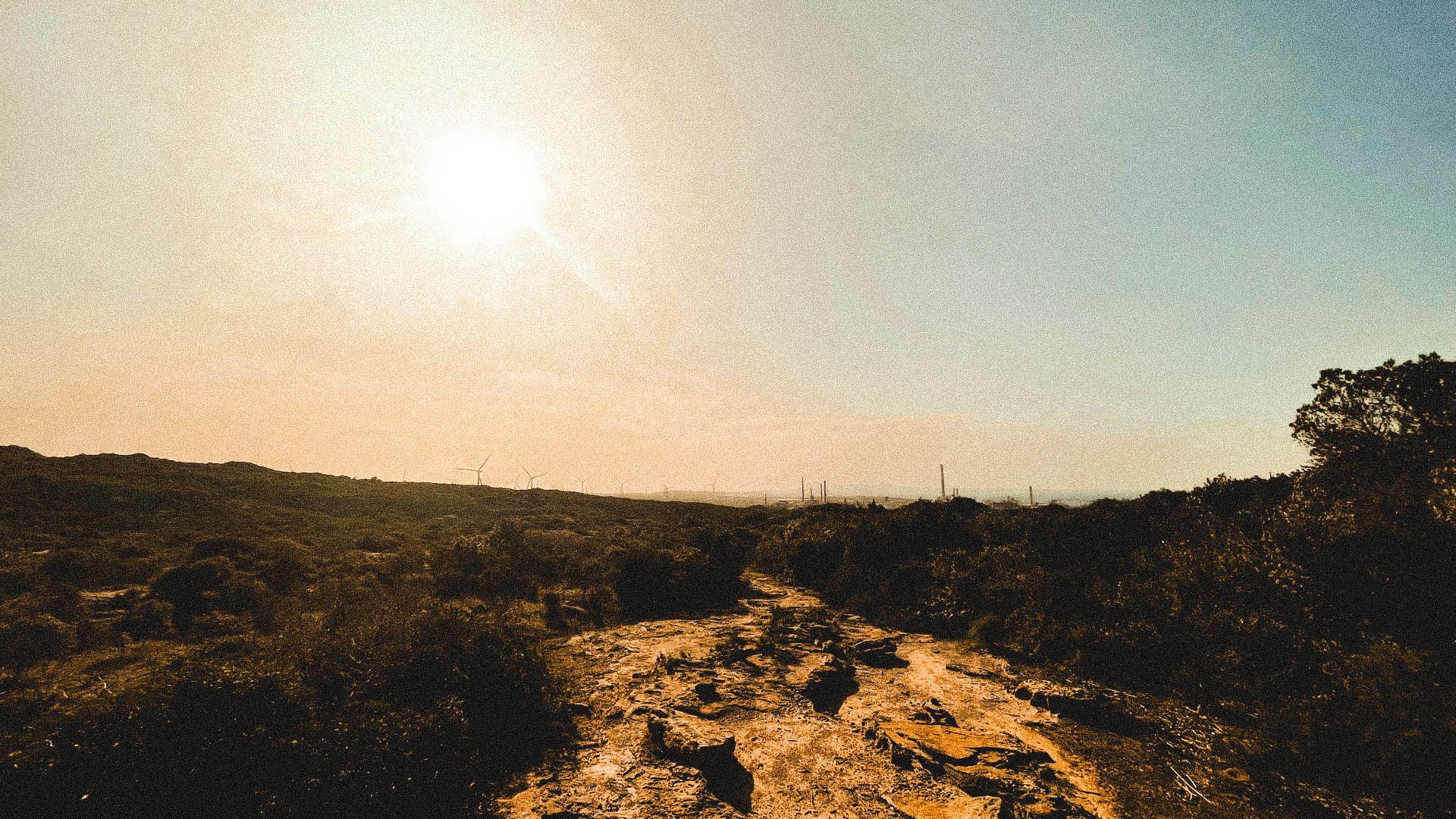 From land to sea
Distance: 7.1 miles – 11,4 km
This stage marks the transition from the inland to the coast, offering one of the most picturesque sections of the Santa Barbara Mining Trail. From Nuraxi Figus, the path follows ancient routes once used to transport minerals to the ports, passing through a landscape of low hills, vineyards, and remnants of mining infrastructure.
As you approach the Mediterranean, the sea breeze signals your arrival in Portoscuso, a charming coastal town. Here, fishing traditions blend with mining heritage, in a harbor that has played a key role in the region’s economy for centuries. A must-see is the Spanish Tower, a 16th-century fortress offering stunning views of the sea and the nearby island of San Pietro.
To end the stage in the best way, Portoscuso’s seafood cuisine awaits you with delicacies such as bottarga, tuna alla sarda, and stuffed squid.
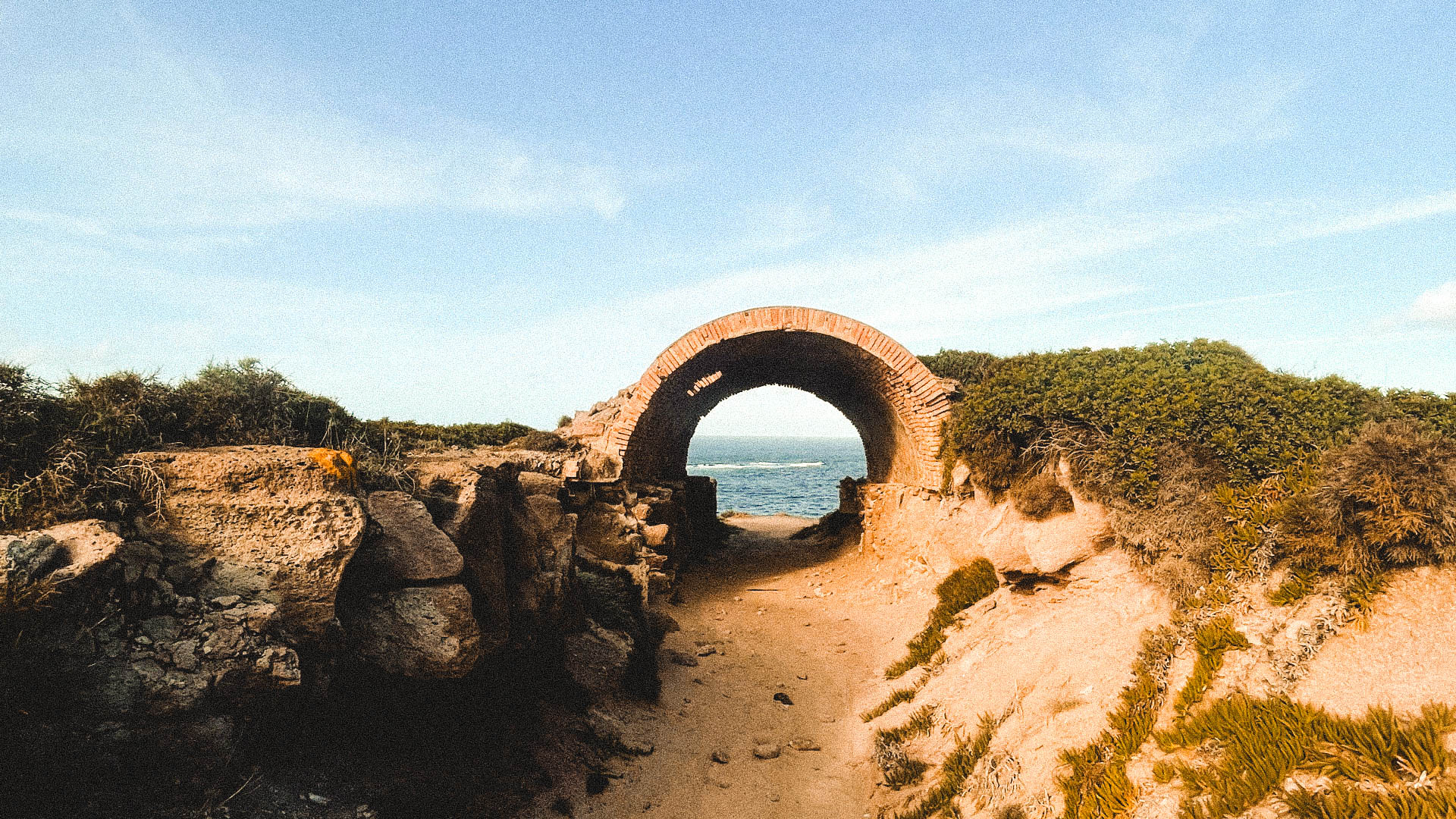 The final stage of your Camino
Distance: 11.7 miles – 18,8 km
From Portoscuso, the Camino leaves the sea behind and ventures into landscapes where old coal and lead mines still tell the story of an industry that shaped the region’s identity.
One of the most striking points of the day is passing through Gonnesa, home to some of the most emblematic mines of the Sulcis region. Here, abandoned industrial structures contrast with the surrounding beauty, offering a journey through time, allowing you to imagine the lives of the workers who shaped this land.
The arrival in Bacu Abis, a small mining town, marks the end of a six-day journey filled with history and a deep connection to Sardinia’s industrial past. To conclude the day, there’s nothing better than savoring malloreddus with wild boar ragù and a glass of Sulcis red wine.
Route
The beginnning of your Camino in Sardinia
Distance: 14.9 miles – 24 km
This stage of the Santa Barbara Mining Trail takes you through a changing landscape, where the Carignano del Sulcis vineyards, rolling hills, and medieval remnants create a unique atmosphere. From Candiana, a small rural settlement with mining roots, the trail follows ancient paths once used by local workers, passing through farmlands and small villages with a strong Sardinian identity.
The route continues toward Giba, a village with a rich agricultural tradition, where centuries-old olive groves and fertile gardens reflect the region’s traditional way of life. From here, the Camino becomes more panoramic, offering breathtaking views of Monte Sirai and the vast plains leading to Tratalias, one of the historic gems of the trail.
Tratalias is a true medieval treasure, home to the impressive Cathedral of Santa Maria, a 13th-century Romanesque church that stands as a symbol of the town’s former grandeur. Today, the village retains its authenticity, providing a peaceful setting to rest and savor the local cuisine. To recharge, indulge in porceddu (roast suckling pig), pan carasau, and a glass of Carignano del Sulcis wine.
Between history, salt flats and the sea
Distance: 10.5 miles – 16,9 km
This stage of the Santa Barbara Mining Trail marks the transition from the rural inland landscapes to the magic of the coast. From Tratalias, a charming medieval village with its impressive Cathedral of Santa Maria, the trail crosses gentle hills and ancient paths once used by miners to reach the southwestern mining areas of Sardinia.
The route continues toward San Giovanni Suergiu, where agricultural and mining pasts intertwine, before entering a breathtaking landscape—the salt flats of Sant’Antioco, home to pink flamingos and seabirds. Here, the trail provides a unique experience, offering panoramic views of the lagoon before crossing the bridge that connects Sant’Antioco Island to Sardinia’s mainland.
Arriving in Sant’Antioco, one of the oldest settlements in Italy, is like stepping into the Phoenician and Roman past. Beyond its remarkable archaeological remains, the town is known for its exquisite seafood cuisine, featuring specialties like bottarga, tuna alla sarda, and fregula with seafood. A stage that perfectly blends history, nature, and the charm of the Mediterranean.
Mining paths an Sardinia’s industrial heritage
Distance: 14.5 miles – 23,4 km
This stage takes you back inland, following the ancient routes that once connected mining operations to the coast. From Sant’Antioco, the trail enters a landscape where the footprints of Sardinia’s mining history are evident, passing through small villages and abandoned industrial structures.
One of the key points along the route is Serbariu, home to the Coal Museum, housed in a restored mine that offers insight into the harsh life of Sardinian miners. Shortly after, the path reaches Carbonia, the capital of the Sulcis region, founded in 1938 as a major mining hub. Here, the fascist-era historical architecture contrasts with the natural surroundings that frame the city.
After the hike, there’s no better way to unwind than by indulging in traditional local flavors, such as malloreddus alla campidanese (Sardinian pasta with ragù), pecorino cheese, and a glass of Carignano del Sulcis wine.
Among forgotten mines and rural landscapes
Distance: 14 miles – 22,5 km
This stage takes you through rolling hills, abandoned mining sites, and rural landscapes. Leaving Carbonia, the trail follows ancient paths once traveled by miners who worked in this coal, lead, and zinc-rich region for centuries.
The route passes through small villages like Cortoghiana, a town built in the 1930s to house mining families, and alongside deserted mines, silent witnesses to the rise and fall of Sardinia’s extractive industry. Gradually, the scenery opens up, offering panoramic views that signal the proximity of the sea.
The day ends in Nuraxi Figus, a peaceful enclave where Sardinia’s rural traditions remain untouched. Here, the local cuisine continues to be a delight for the senses, featuring specialties such as porceddu (roast suckling pig), seadas (honey-filled pastry), and pan carasau.
From land to sea
Distance: 7.1 miles – 11,4 km
This stage marks the transition from the inland to the coast, offering one of the most picturesque sections of the Santa Barbara Mining Trail. From Nuraxi Figus, the path follows ancient routes once used to transport minerals to the ports, passing through a landscape of low hills, vineyards, and remnants of mining infrastructure.
As you approach the Mediterranean, the sea breeze signals your arrival in Portoscuso, a charming coastal town. Here, fishing traditions blend with mining heritage, in a harbor that has played a key role in the region’s economy for centuries. A must-see is the Spanish Tower, a 16th-century fortress offering stunning views of the sea and the nearby island of San Pietro.
To end the stage in the best way, Portoscuso’s seafood cuisine awaits you with delicacies such as bottarga, tuna alla sarda, and stuffed squid.
The final stage of your Camino
Distance: 11.7 miles – 18,8 km
From Portoscuso, the Camino leaves the sea behind and ventures into landscapes where old coal and lead mines still tell the story of an industry that shaped the region’s identity.
One of the most striking points of the day is passing through Gonnesa, home to some of the most emblematic mines of the Sulcis region. Here, abandoned industrial structures contrast with the surrounding beauty, offering a journey through time, allowing you to imagine the lives of the workers who shaped this land.
The arrival in Bacu Abis, a small mining town, marks the end of a six-day journey filled with history and a deep connection to Sardinia’s industrial past. To conclude the day, there’s nothing better than savoring malloreddus with wild boar ragù and a glass of Sulcis red wine.
What’s included in your Camino?
Included
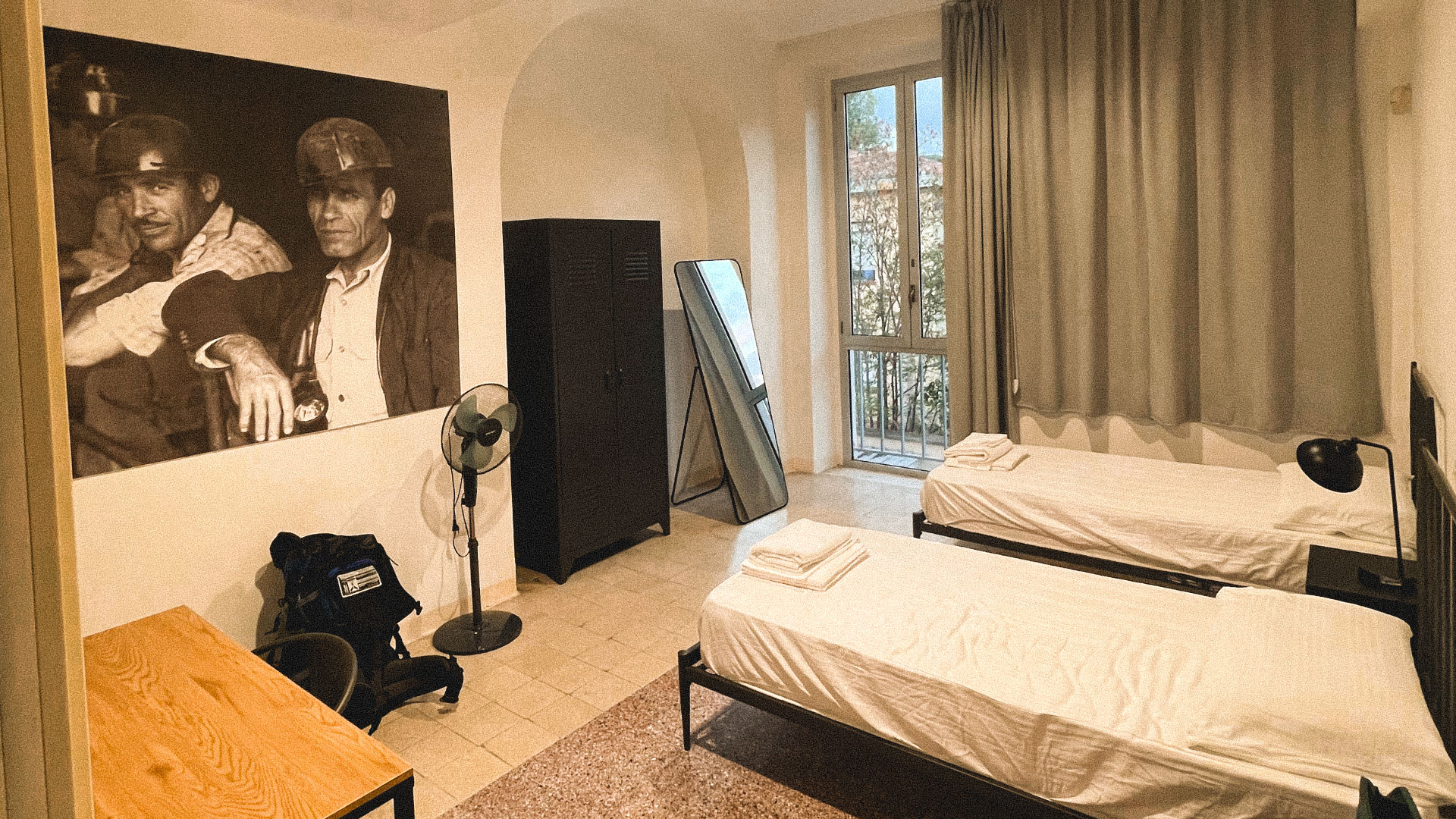
- Private accommodation with en-suite bathroom
- Daily breakfast
- Insurance
- 24/7 emergency phone assistance
- Detailed Camino guide with stages, maps, and tips
- Daily WhatsApp check-in and support
- Camino People welcome pack
- Personalized recommendations for meals, dinners, and local visits
- Luggage transfer between stages
Not Included
- Lunches and dinners not specified in the itinerary
- Drinks and extra snacks
- Flights or travel to the starting/ending point (optional transfer available)
- Personal expenses
- Cancellation or premium travel insurance (optional)
- Entrance fees to monuments or museums not included in the itinerary
- Tips
Extras (Available upon request)
- Guided Camino (full-time or selected stages)
- Fully organized trip with exclusive activities
- Gourmet dinners or unique gastronomic experiences
- Private cultural visits or entrance tickets with guide
- Transportation to/from airport or other off-route locations
- Extra nights before or after the Camino
- Massage, physiotherapy, or yoga services
- Cancellation or premium travel insurance



FAQ
The trail spans over 310.7 miles – 500 km and usually takes 25–30 days to complete in full. However, many pilgrims choose to walk only certain stages depending on their time and physical condition.
In our case, we offer a manageable six-stage route, allowing you to experience the essence of Sardinia’s history and gastronomy.
The Santa Barbara Mining Trail is not particularly difficult. However, due to elevation changes in the mountainous stages and the lack of services in some sections, good physical preparation is recommended. It’s also essential to carry enough water and supplies, especially on the more remote routes.
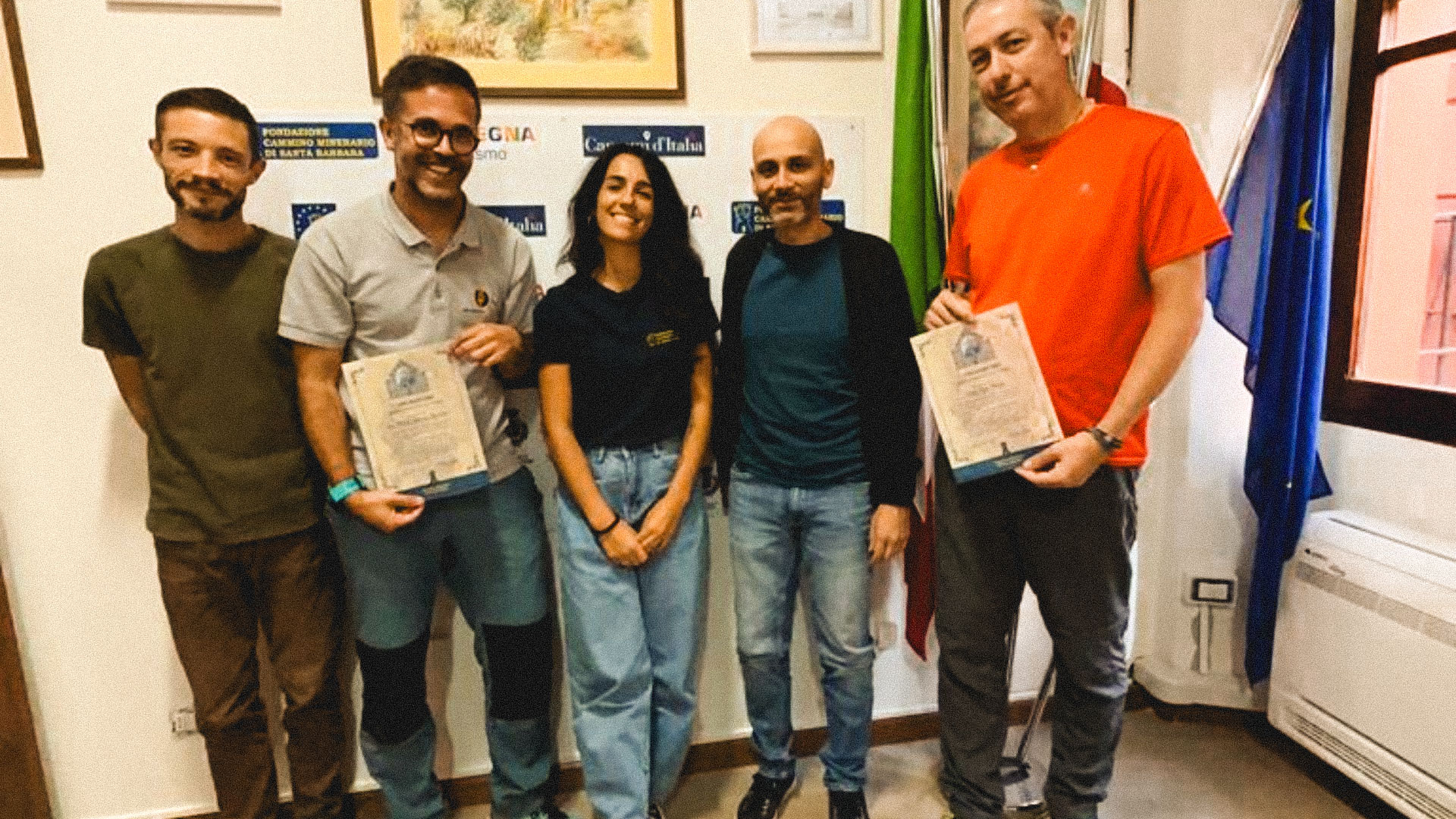
Yes, there is a Santa Barbara Mining Trail Credential, which you can stamp at hostels, churches, and key locations along the route. Upon completion, you can request the Testimonium, a certificate that recognizes your pilgrimage.
Related Caminos
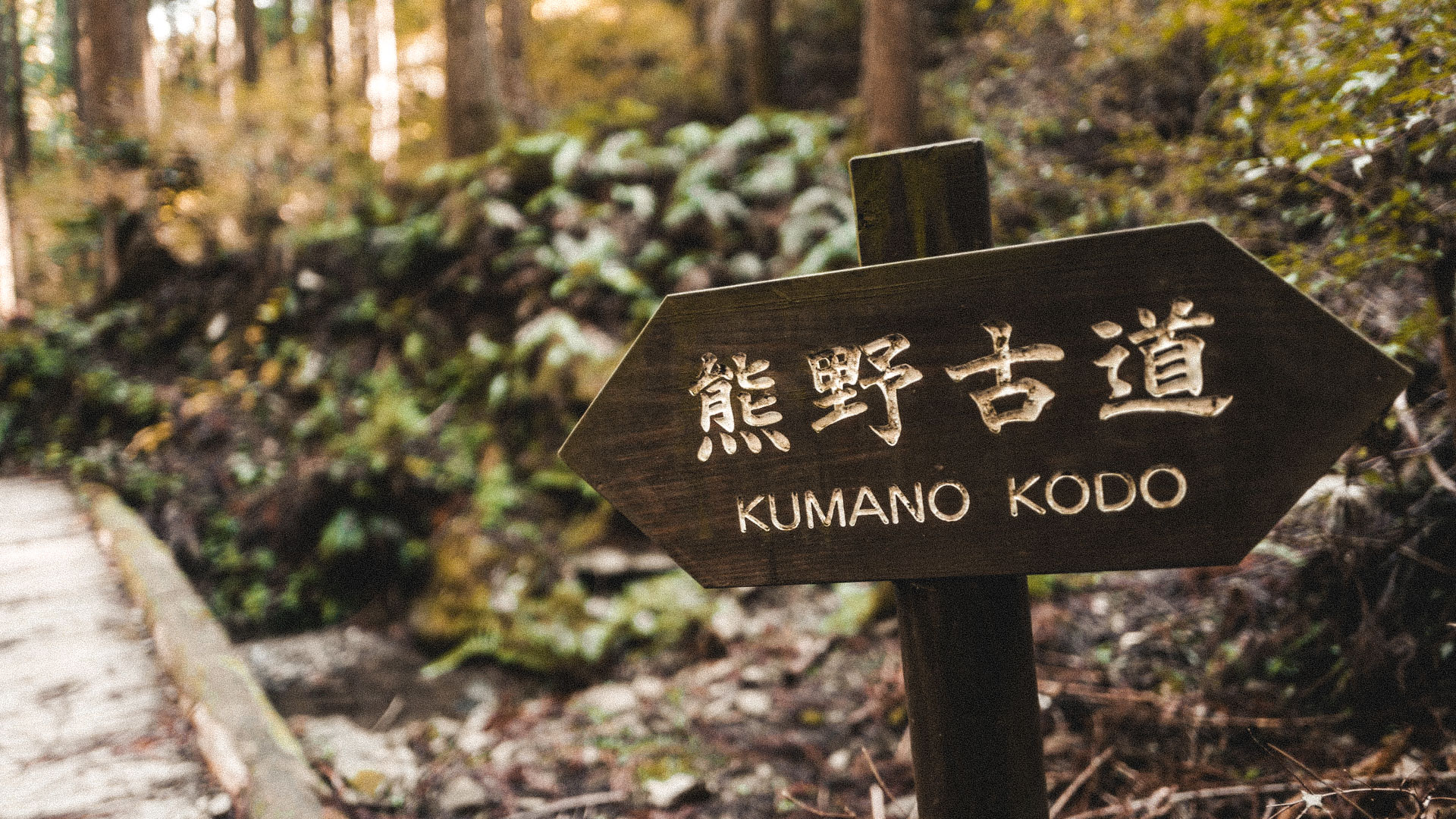
Kumano Kodo – Nakahechi Route (1st part)
3 days - 2 nights


desde
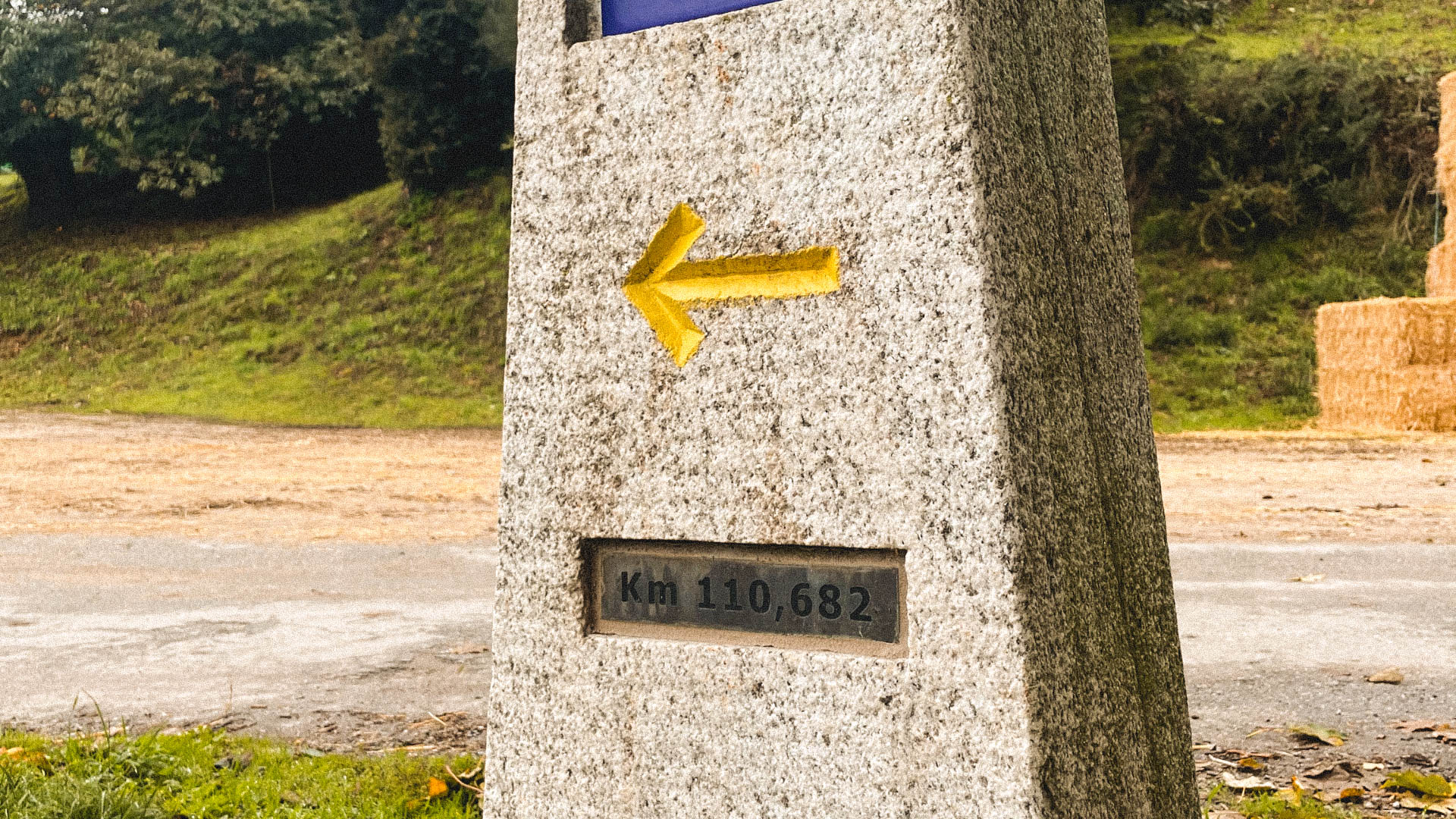
Camino Francés from Sarria (6 stages)
6 days - 5 nights
desde
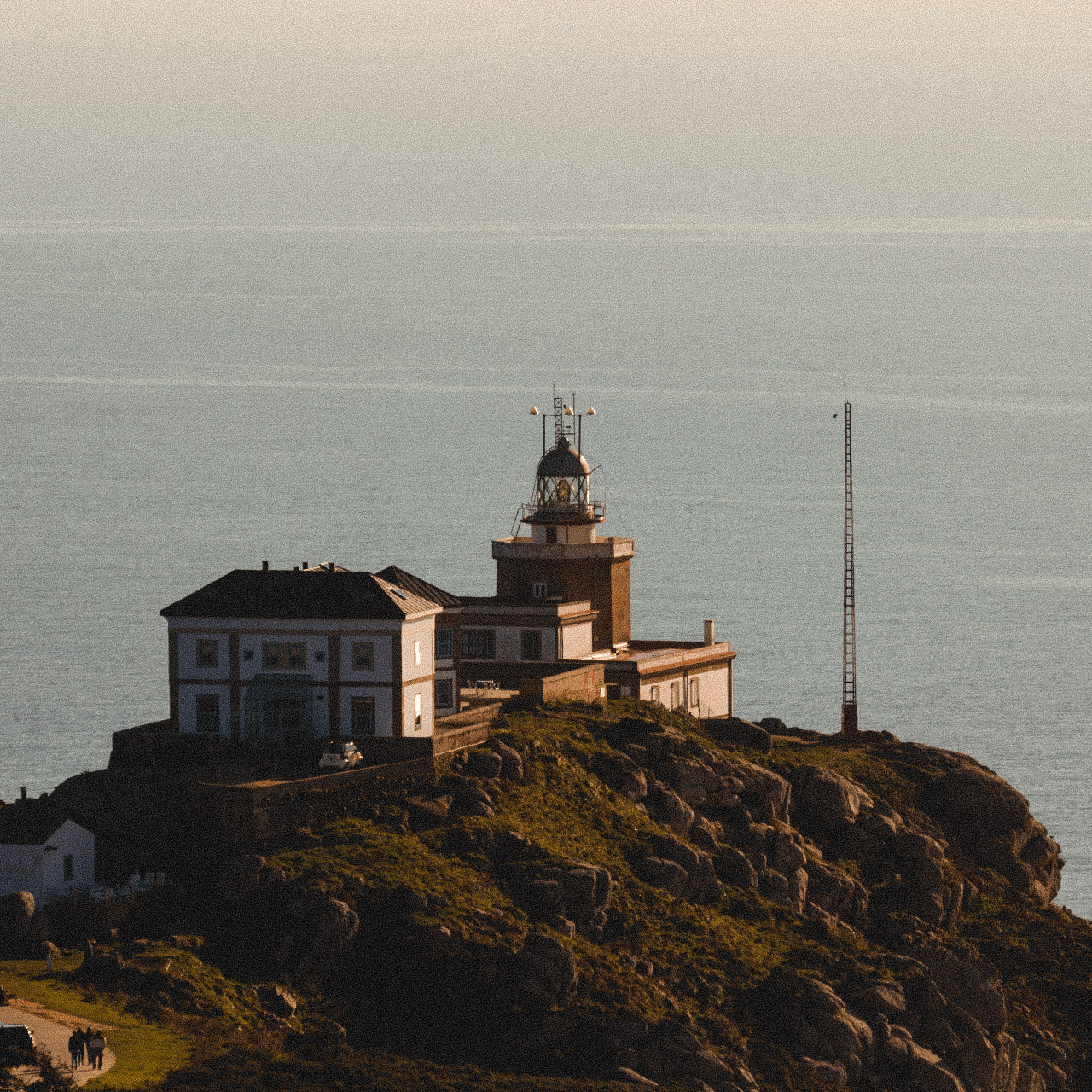
7 days - 6 nights
desde