
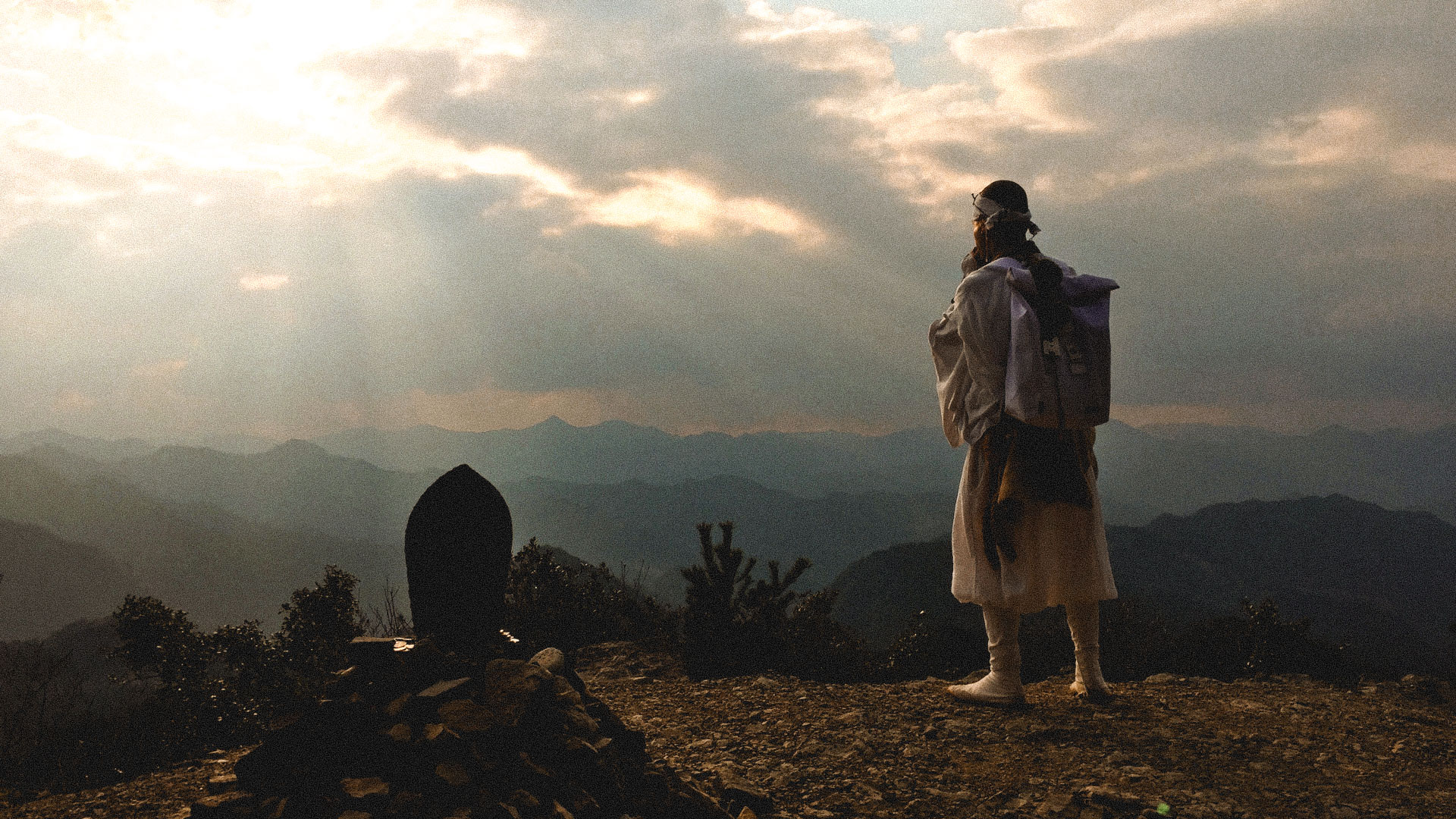
The Kumano Kodo Way, with over a thousand years of history, connects three sacred shrines on the Kii Peninsula: Kumano Hongu Taisha, Kumano Nachi Taisha, and Kumano Hayatama Taisha. This network of pilgrimage routes, once walked by emperors, monks, and pilgrims, invites you to follow in their footsteps, crossing mountains, forests, and ancient temples that radiate a unique energy.
The Nakahechi Route, the most famous and frequently traveled, offers a deeply spiritual experience. Recognized as a UNESCO World Heritage Site, this route winds through the eastern mountains, leading to the majestic Kumano sanctuaries. Since the 10th century, Japan’s imperial family used this path for their pilgrimages from Kyoto. Along the way, pilgrims can find traditional accommodations in remote villages, making it an ideal choice for long-distance walks. Surrounded by nature and tradition, these trails provide a profound sense of calm and serenity.
If you’re looking for a transformative journey, the Kumano Kodo Nakahechi allows you to reconnect with peace, nature, and spirituality. With each step, you’ll not only witness breathtaking landscapes but also forge a deep connection with Japan’s cultural and spiritual heritage, leaving behind the noise of daily life and immersing yourself in the tranquility of this ancient path.
Are you ready? Discover your own Camino in Japan!
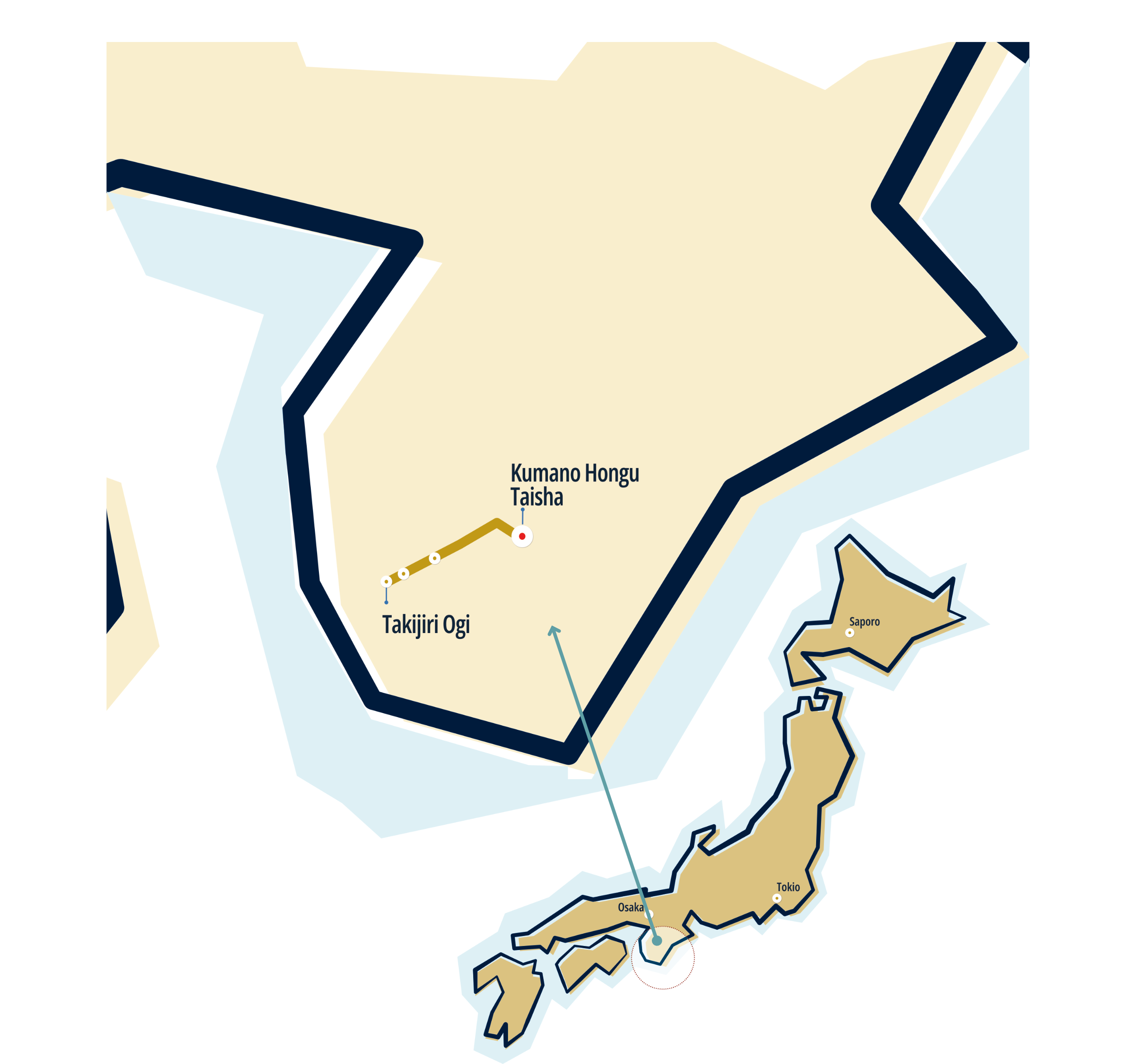
Route
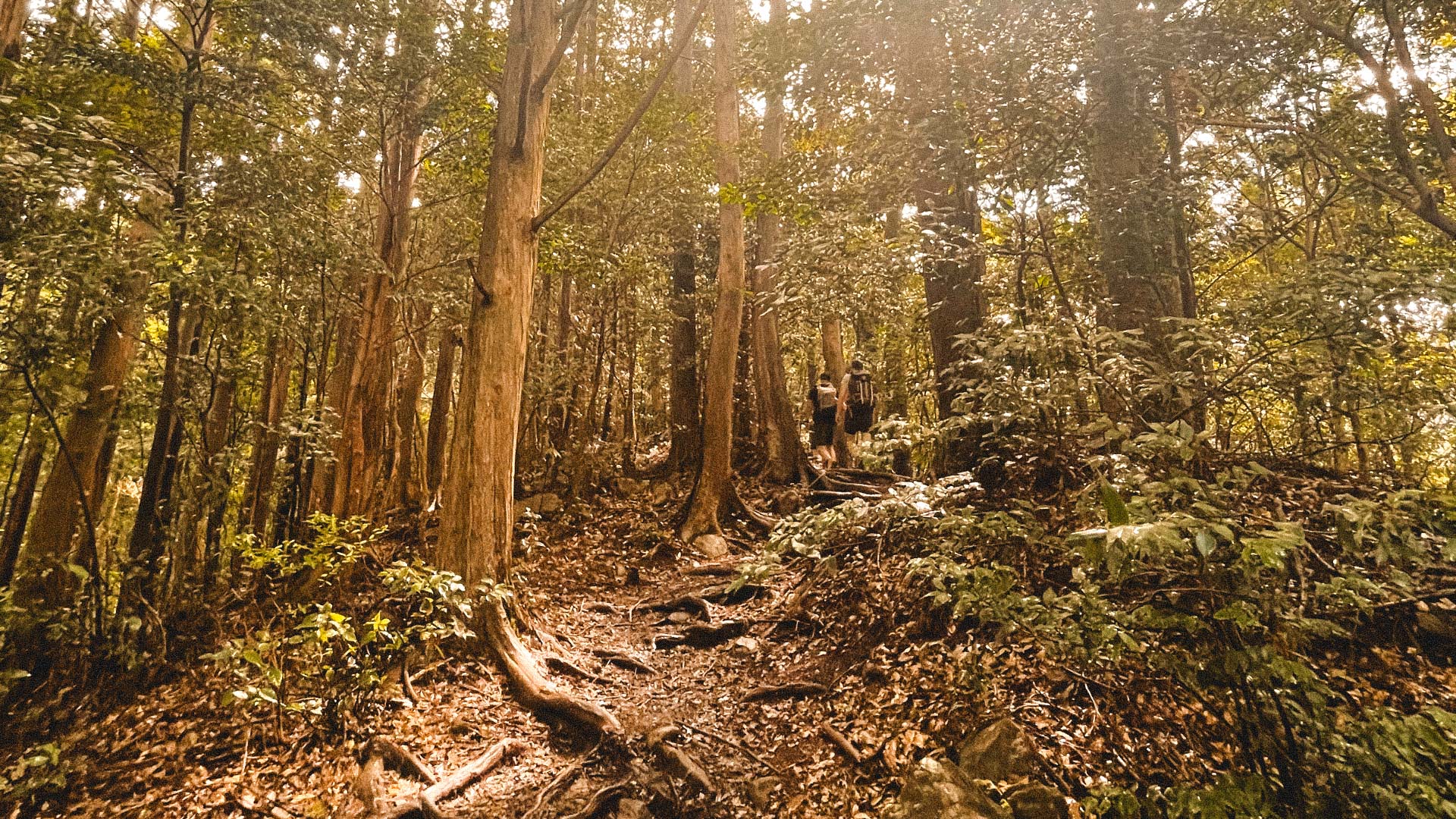 An ascent through sacred forests and breathtaking views
Distance: 3 miles – 4 km
The opening stage of the Nakahechi section of the Kumano Kodo starts in Tanabe, a coastal town long associated with access to the sacred paths of Kumano. To reach the trailhead, travellers board a local bus that climbs into the mountains to Takijiri-oji, a revered site that marks the symbolic threshold between everyday life and the spiritual landscape of the pilgrimage.
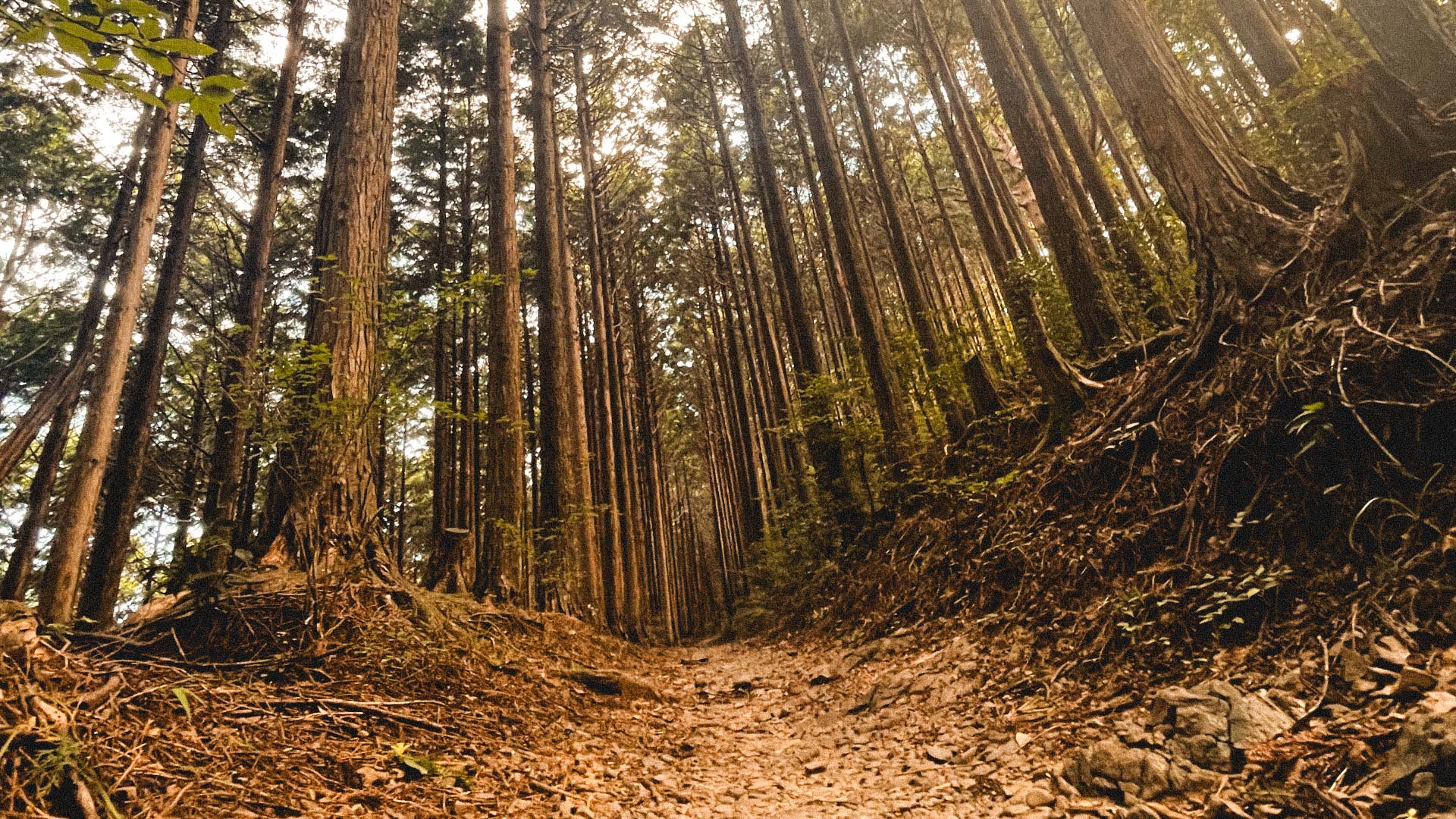
From Takijiri-oji, the route continues on foot toward Takahara, covering a short but meaningful distance of around four kilometres. The path rises gradually through thick woodland, combining stone stairways, forest tracks, and root-covered sections that reflect the age and authenticity of this historic trail. This first ascent immediately sets the tone for the days ahead, blending physical movement with a sense of quiet contemplation.
The walk concludes in Takahara, a hillside hamlet overlooking the valley below. Nestled among centuries-old trees, Takahara-jinja offers a calm and reflective atmosphere, making it an ideal place to pause after the first day. Surrounded by mountain views and silence, Takahara introduces pilgrims to the pace, depth, and spiritual character that define the Kumano Kodo experience.
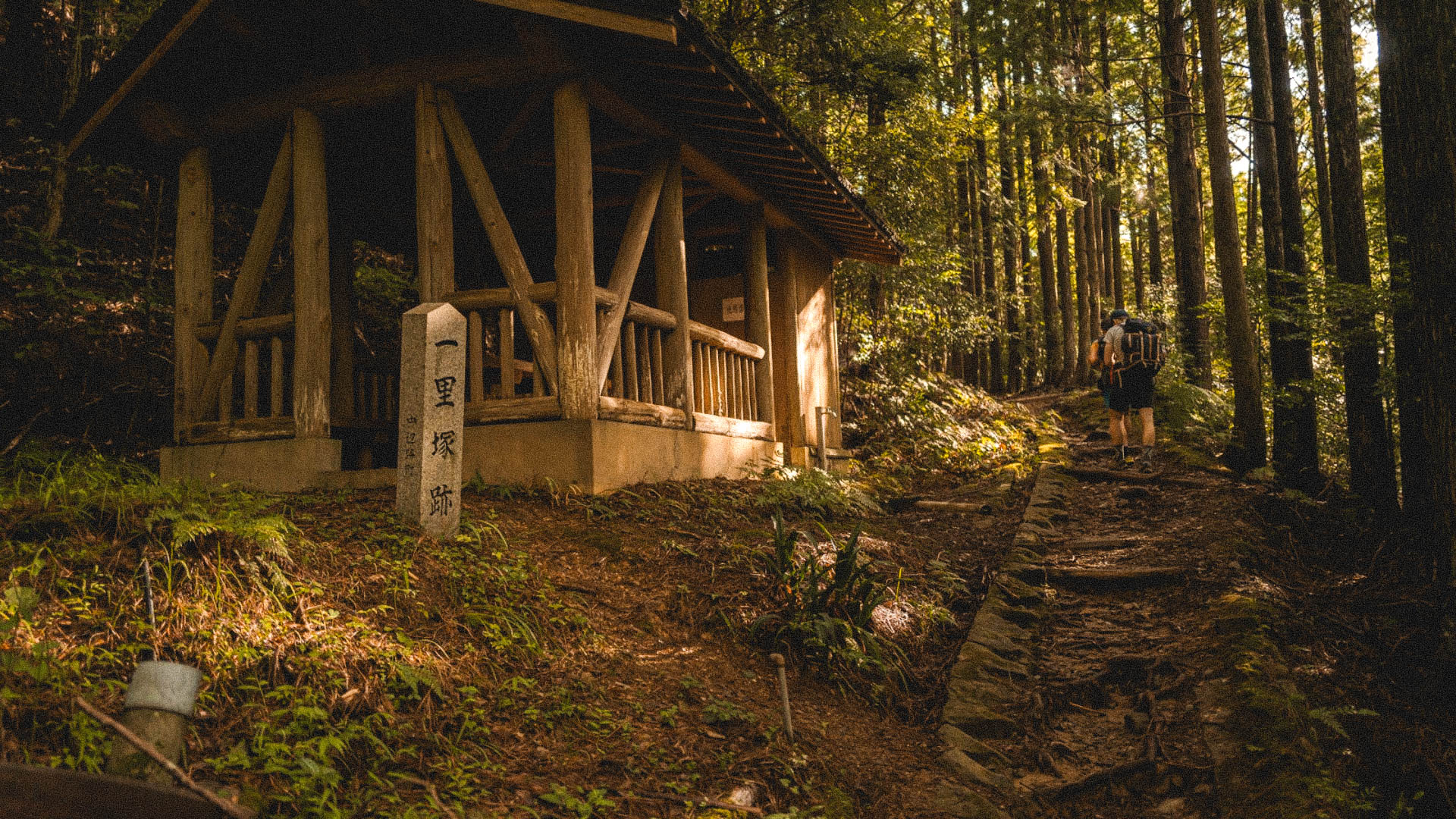 A challenging journey to the spiritual heart of Kumano
Distance: 5,6 miles – 9 km
After spending the night in Takahara, the journey continues further into the mountainous heart of the Nakahechi Route. The day’s walk departs from the hillside village and follows quiet paths through cedar forests and gentle mountain slopes, leading toward Chikatsuyu-oji, a historic shrine that has long served as a place of rest and prayer for Kumano pilgrims.
This section combines natural calm with cultural depth. The trail winds through shaded woodland, fresh mountain air, and small rural settlements, offering moments of connection with both the landscape and local life. Clear signposting and well-preserved paths make the walk smooth and contemplative, encouraging a steady pace and mindful movement.
Reaching Chikatsuyu-oji marks an important pause along the route. This modest village area, rooted in pilgrimage tradition, provides a peaceful setting to unwind and reflect on the early stages of the journey, while preparing for the longer and more demanding stretch ahead toward Kumano Hongu Taisha.
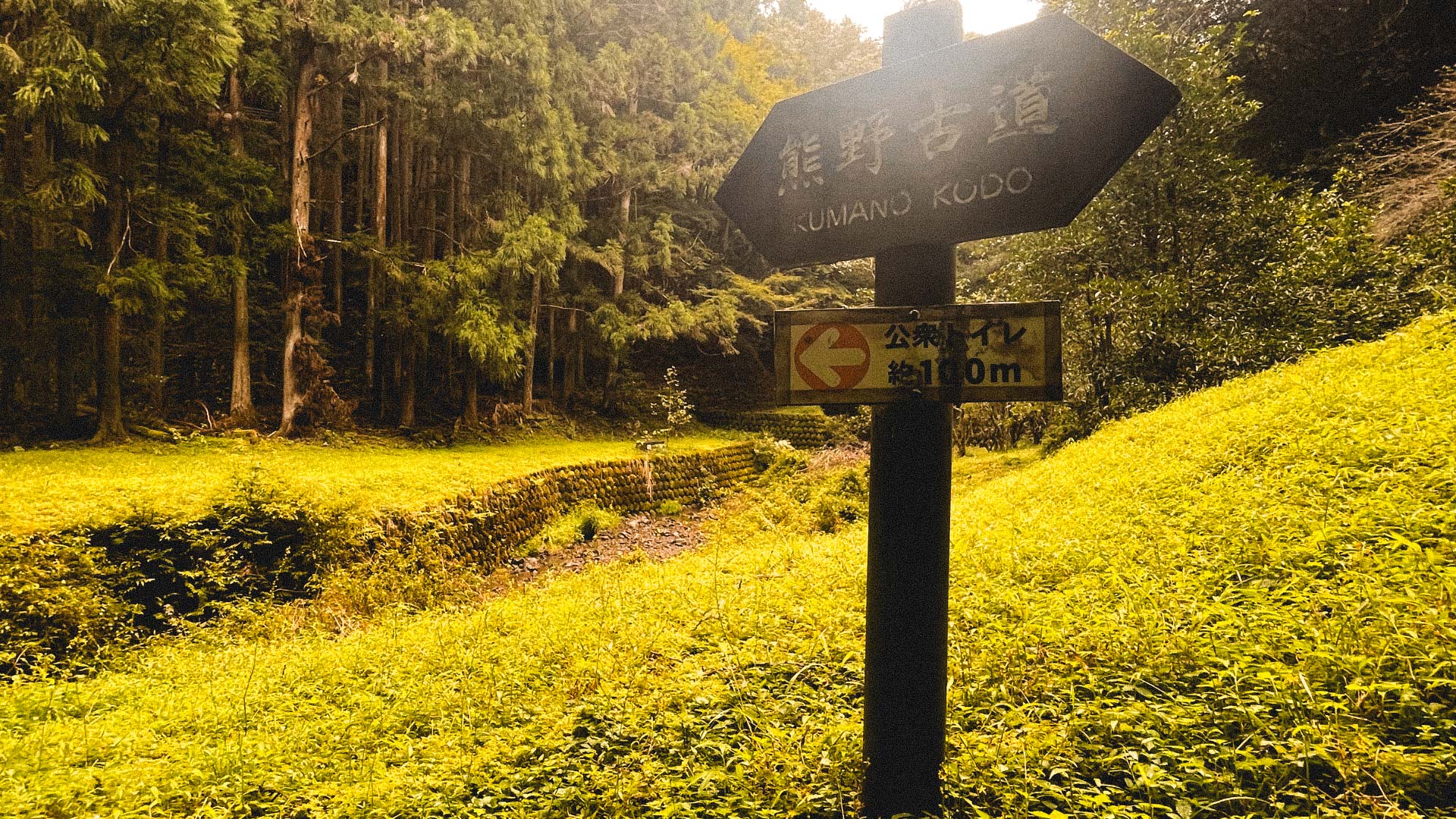 Nature, tradition, and rest in the heart of the Kumano Kodo
Distance: 15,2 miles – 24,5 km
This stage marks the final walking day of the first part of the Kumano Kodo Nakahechi Route, bringing pilgrims to the spiritual heart of the Kumano region. The walk from Chikatsuyu-oji toward Kumano Hongu Taisha follows historic paths through rural landscapes, forested sections, and traditional pilgrimage routes shaped by centuries of devotion.
As you near Hongu, the atmosphere becomes increasingly reflective. The trail leads to Kumano Hongu Taisha, the principal shrine of Kumano and a central site within the Kumano Sanzan, long associated with purification, renewal, and prayer. Reaching Hongu represents a meaningful moment of completion for this first chapter of the pilgrimage.
After visiting the shrine, the day concludes in Yunomine Onsen, a historic hot spring village located close to Hongu. For centuries, pilgrims have used its sacred waters for ritual cleansing and recovery, making it the ideal place to rest and reflect at the end of this first stage of the Kumano Kodo journey.
Route
An ascent through sacred forests and breathtaking views
Distance: 3 miles – 4 km
The opening stage of the Nakahechi section of the Kumano Kodo starts in Tanabe, a coastal town long associated with access to the sacred paths of Kumano. To reach the trailhead, travellers board a local bus that climbs into the mountains to Takijiri-oji, a revered site that marks the symbolic threshold between everyday life and the spiritual landscape of the pilgrimage.
From Takijiri-oji, the route continues on foot toward Takahara, covering a short but meaningful distance of around four kilometres. The path rises gradually through thick woodland, combining stone stairways, forest tracks, and root-covered sections that reflect the age and authenticity of this historic trail. This first ascent immediately sets the tone for the days ahead, blending physical movement with a sense of quiet contemplation.
The walk concludes in Takahara, a hillside hamlet overlooking the valley below. Nestled among centuries-old trees, Takahara-jinja offers a calm and reflective atmosphere, making it an ideal place to pause after the first day. Surrounded by mountain views and silence, Takahara introduces pilgrims to the pace, depth, and spiritual character that define the Kumano Kodo experience.
A challenging journey to the spiritual heart of Kumano
Distance: 5,6 miles – 9 km
After spending the night in Takahara, the journey continues further into the mountainous heart of the Nakahechi Route. The day’s walk departs from the hillside village and follows quiet paths through cedar forests and gentle mountain slopes, leading toward Chikatsuyu-oji, a historic shrine that has long served as a place of rest and prayer for Kumano pilgrims.
This section combines natural calm with cultural depth. The trail winds through shaded woodland, fresh mountain air, and small rural settlements, offering moments of connection with both the landscape and local life. Clear signposting and well-preserved paths make the walk smooth and contemplative, encouraging a steady pace and mindful movement.
Reaching Chikatsuyu-oji marks an important pause along the route. This modest village area, rooted in pilgrimage tradition, provides a peaceful setting to unwind and reflect on the early stages of the journey, while preparing for the longer and more demanding stretch ahead toward Kumano Hongu Taisha.
Nature, tradition, and rest in the heart of the Kumano Kodo
Distance: 15,2 miles – 24,5 km
This stage marks the final walking day of the first part of the Kumano Kodo Nakahechi Route, bringing pilgrims to the spiritual heart of the Kumano region. The walk from Chikatsuyu-oji toward Kumano Hongu Taisha follows historic paths through rural landscapes, forested sections, and traditional pilgrimage routes shaped by centuries of devotion.
As you near Hongu, the atmosphere becomes increasingly reflective. The trail leads to Kumano Hongu Taisha, the principal shrine of Kumano and a central site within the Kumano Sanzan, long associated with purification, renewal, and prayer. Reaching Hongu represents a meaningful moment of completion for this first chapter of the pilgrimage.
After visiting the shrine, the day concludes in Yunomine Onsen, a historic hot spring village located close to Hongu. For centuries, pilgrims have used its sacred waters for ritual cleansing and recovery, making it the ideal place to rest and reflect at the end of this first stage of the Kumano Kodo journey.
What’s included in your Camino?
Included
- Private accommodation with en-suite bathroom
- Daily breakfast
- Insurance
- 24/7 emergency phone assistance
- Detailed Camino guide with stages, maps, and tips
- Daily WhatsApp check-in and support
- Camino People welcome pack
- Personalized recommendations for meals, dinners, and local visits
- Luggage transfer between stages
Not Included
- Lunches and dinners not specified in the itinerary
- Drinks and extra snacks
- Flights or travel to the starting/ending point (optional transfer available)
- Personal expenses
- Cancellation or premium travel insurance (optional)
- Entrance fees to monuments or museums not included in the itinerary
- Tips
Extras (Available upon request)
- Guided Camino (full-time or selected stages)
- Fully organized trip with exclusive activities
- Gourmet dinners or unique gastronomic experiences
- Private cultural visits or entrance tickets with guide
- Transportation to/from airport or other off-route locations
- Extra nights before or after the Camino
- Cancellation or premium travel insurance
- Pre or post camino Japan tour



FAQ
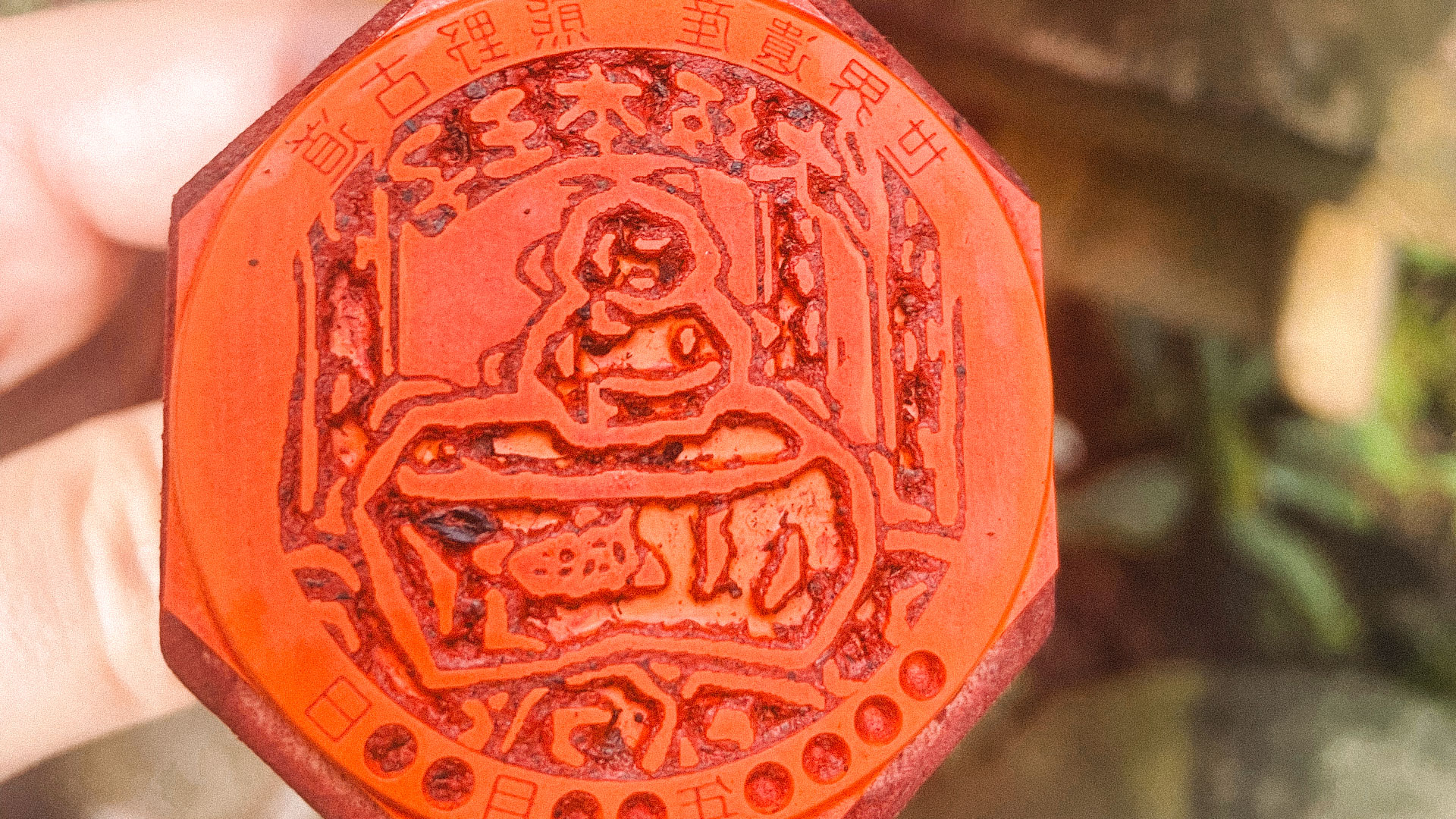
No, no special permit is required to walk the Kumano Kodo Nakahechi. However, it is recommended to plan your route in advance, book accommodations early, and carry the pilgrim credential, which can be stamped at various points along the trail as a souvenir and to obtain the official pilgrimage certification.
The best seasons to walk the Kumano Kodo are spring (March–May) and autumn (September–November). During these months, the weather is milder and more pleasant, with less rainfall and comfortable temperatures compared to the hot summer and cold winter.
Yes, the Kumano Kodo features elevation changes and some technically challenging sections. It is recommended to be in good physical condition and to train with prior hikes before starting the journey.
However, transportation options are available along certain sections for those who wish to reduce the difficulty of the route.
Related Caminos
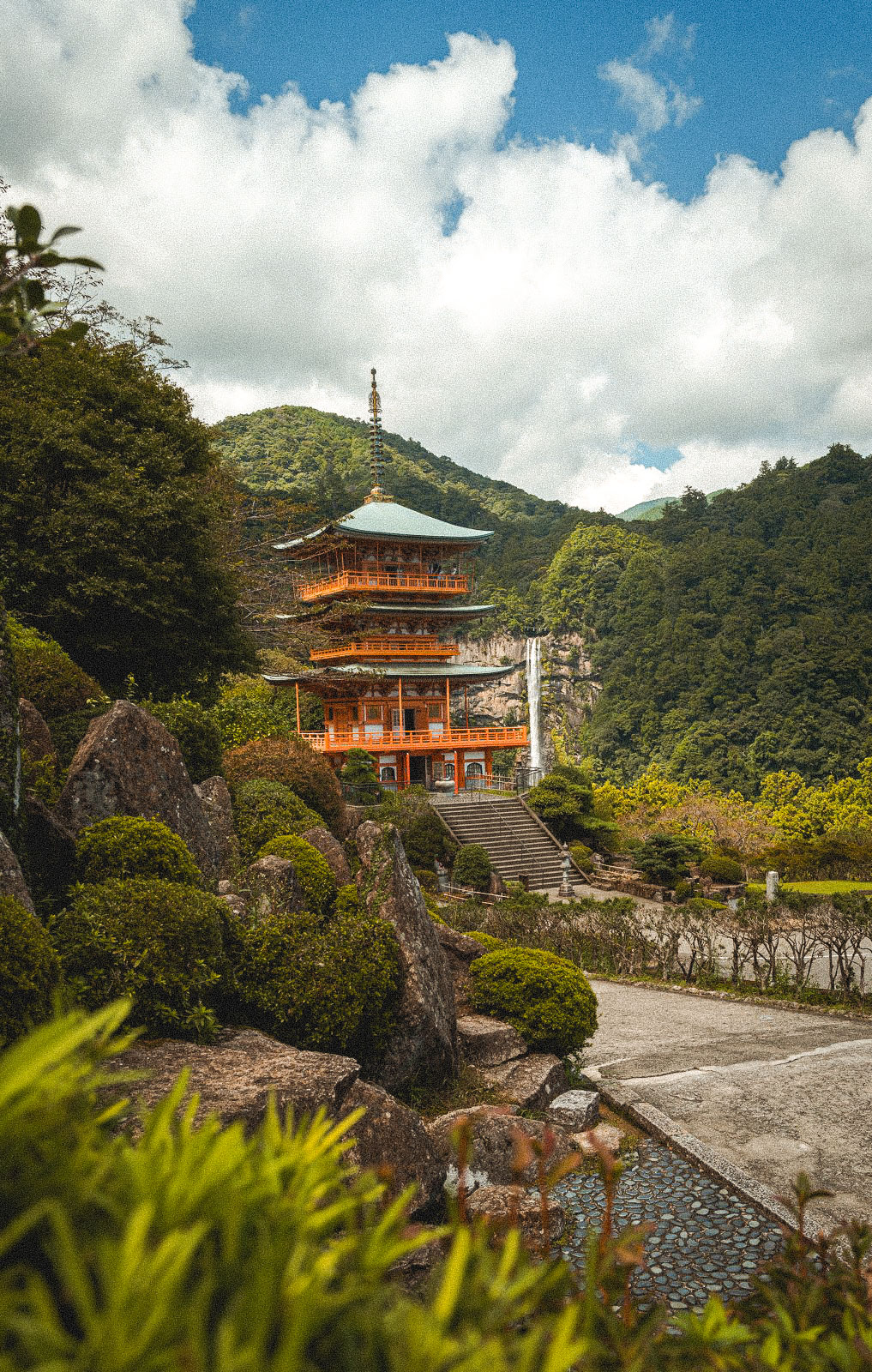
Kumano Kodo – Nakahechi Route (2nd part)
2 days - 1 night

desde
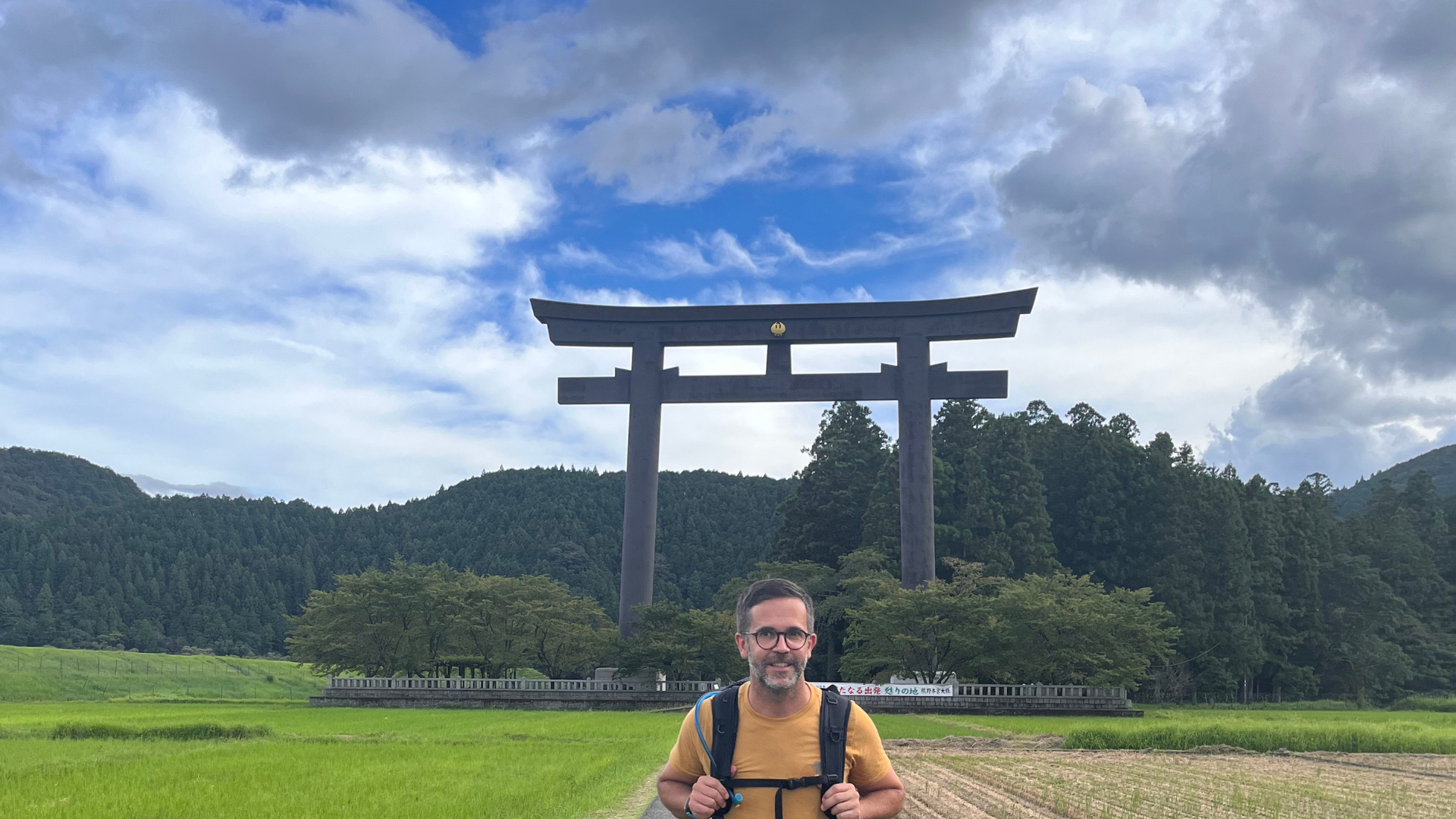
Kumano Kodo – Nakahechi (Complete Route)
5 days - 4 nighs
desde