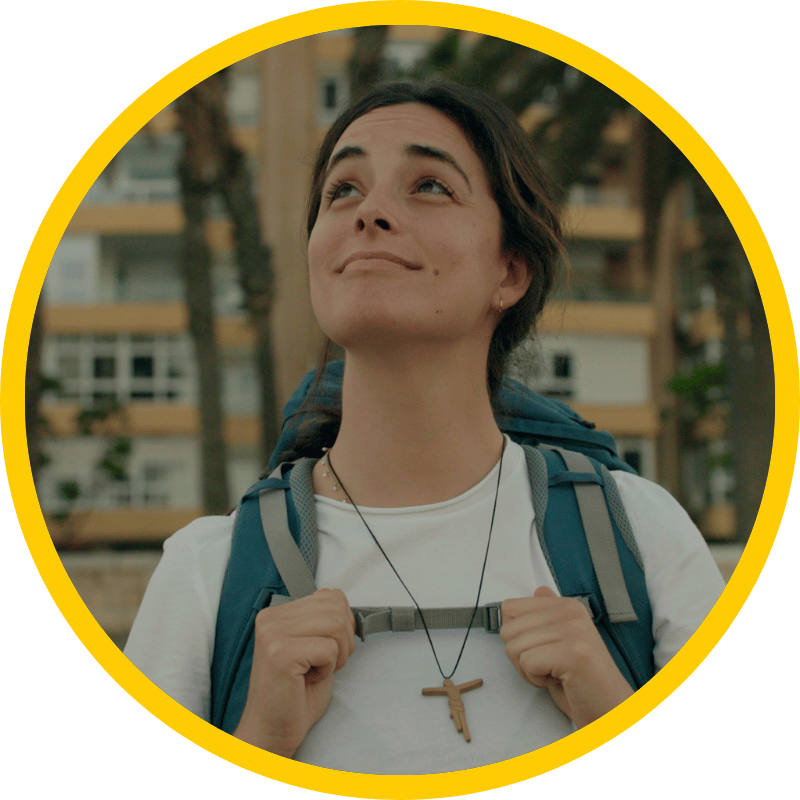
Carlota Valenzuela lived a “normal” life until a 2022 pilgrimage to Jerusalem changed everything. Since then, she’s been guiding faith-filled journeys where walking becomes an adventure of encounter, friendship, and discovery.
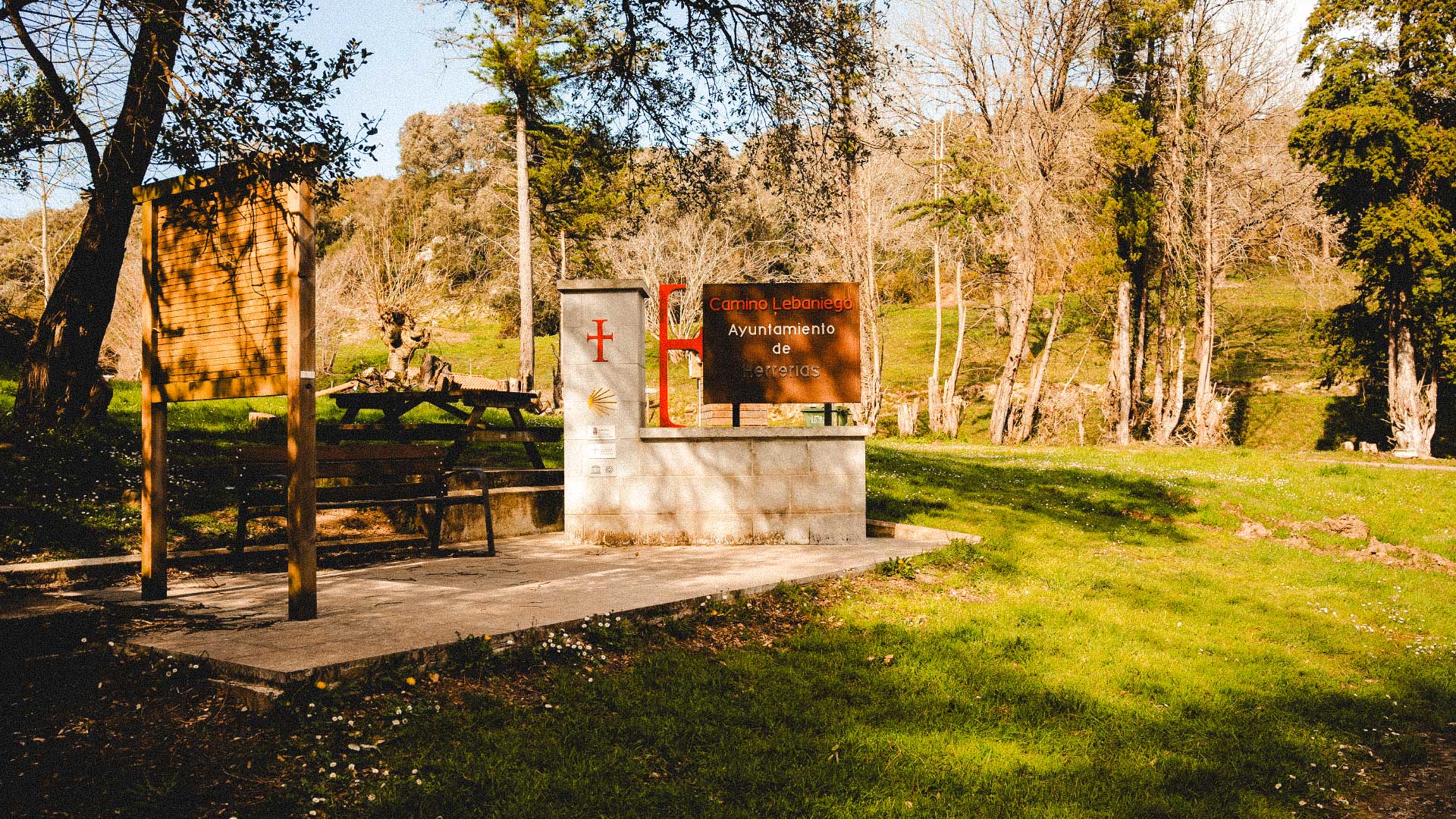
If you’re looking for a different pilgrimage, filled with breathtaking landscapes, history, and a unique aura of spirituality, the Camino Lebaniego awaits you.
This is no ordinary path: Santo Toribio de Liébana is one of the five holy sites of Christianity, alongside Jerusalem, Rome, Santiago de Compostela, and Caravaca de la Cruz.
Less known than the Camino de Santiago, this is an authentic journey through the pure essence of Cantabria, connecting the coast to the majestic Picos de Europa and leading you to the Monastery of Santo Toribio de Liébana, home to the Lignum Crucis, the largest preserved fragment of Christ’s cross in the world. Every step immerses you in lush forests, spectacular gorges, and centuries-old villages.
Here, you won’t find crowds, but solitary paths, magical corners, and a deep connection with nature. And to reward your journey, Cantabrian cuisine will delight you with unmatched flavors, from cocido lebaniego to the region’s famous cheeses.
This is not just a Camino—it’s a transformative experience, a gift for the soul, and a privilege for the senses.
Are you ready for the adventure? Discover your own Camino!
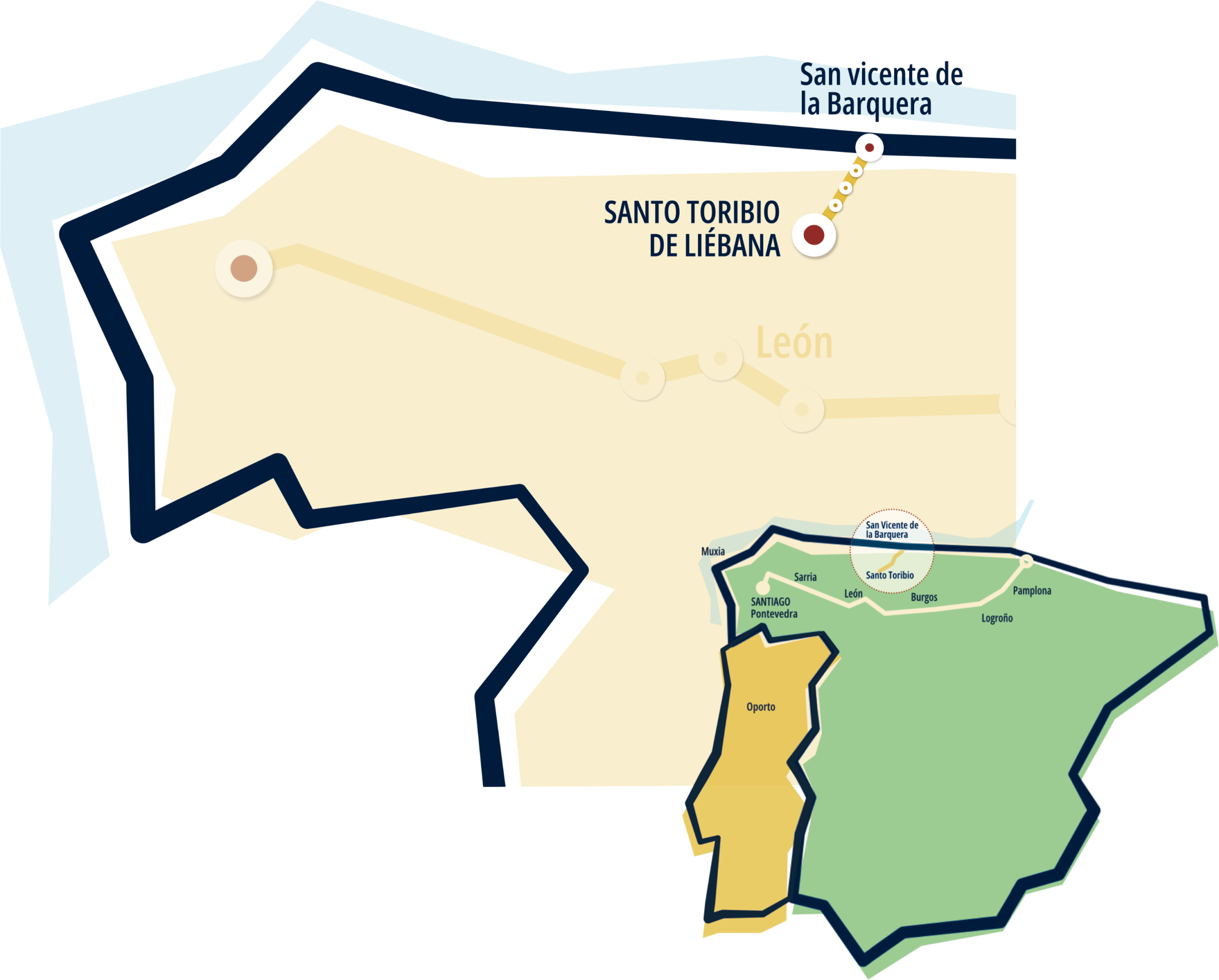
Route
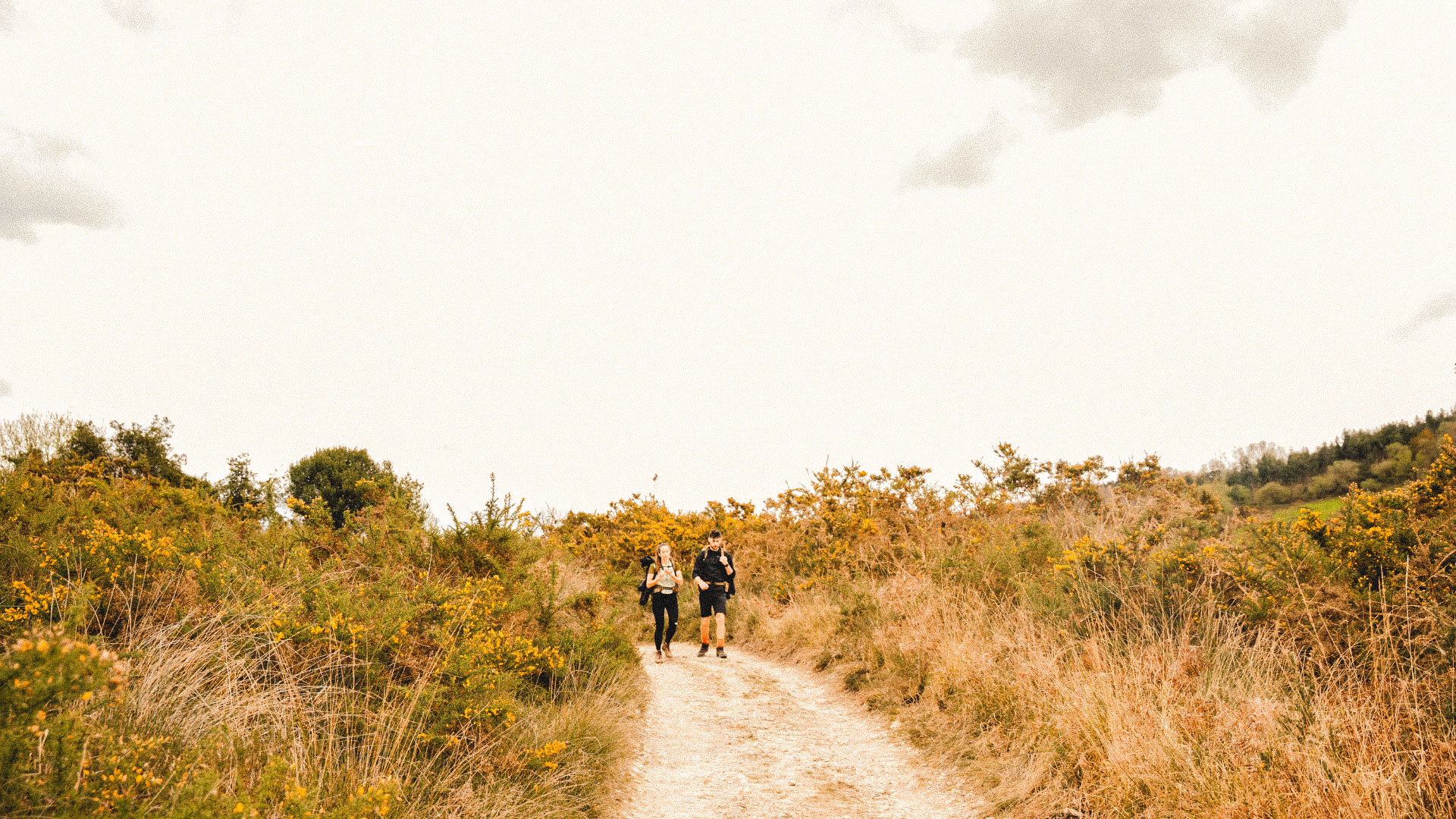 From the Coast to the Heart of Cantabria
Distance: 17.7 miles – 28,5 km
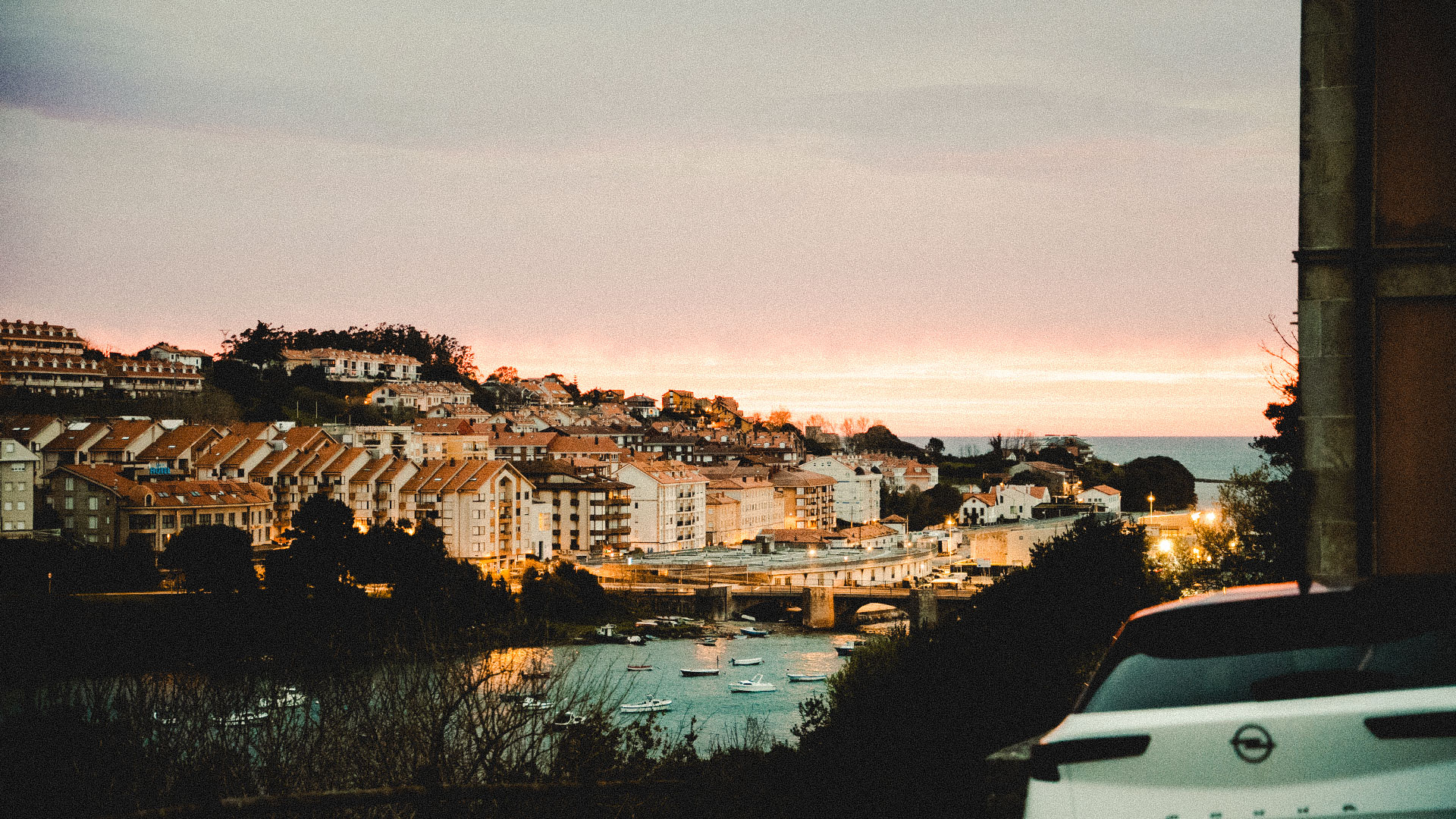
The Camino Lebaniego begins in San Vicente de la Barquera, a seaside village with an impressive historic center and breathtaking views of the Oyambre Natural Park. The journey starts by the sea, but soon ventures into green valleys, vast meadows, and the characteristic forests of Cantabria.
The route passes through charming villages like Hortigal and Serdio, where traditional mountain houses and stone chapels reflect the pilgrimage heritage of this path. After climbing Alto de La Rejoya, the landscape becomes even more rural, following winding trails through rolling hills until reaching Cades, a peaceful village home to an old flour mill, perfect for a break to soak in the surroundings.
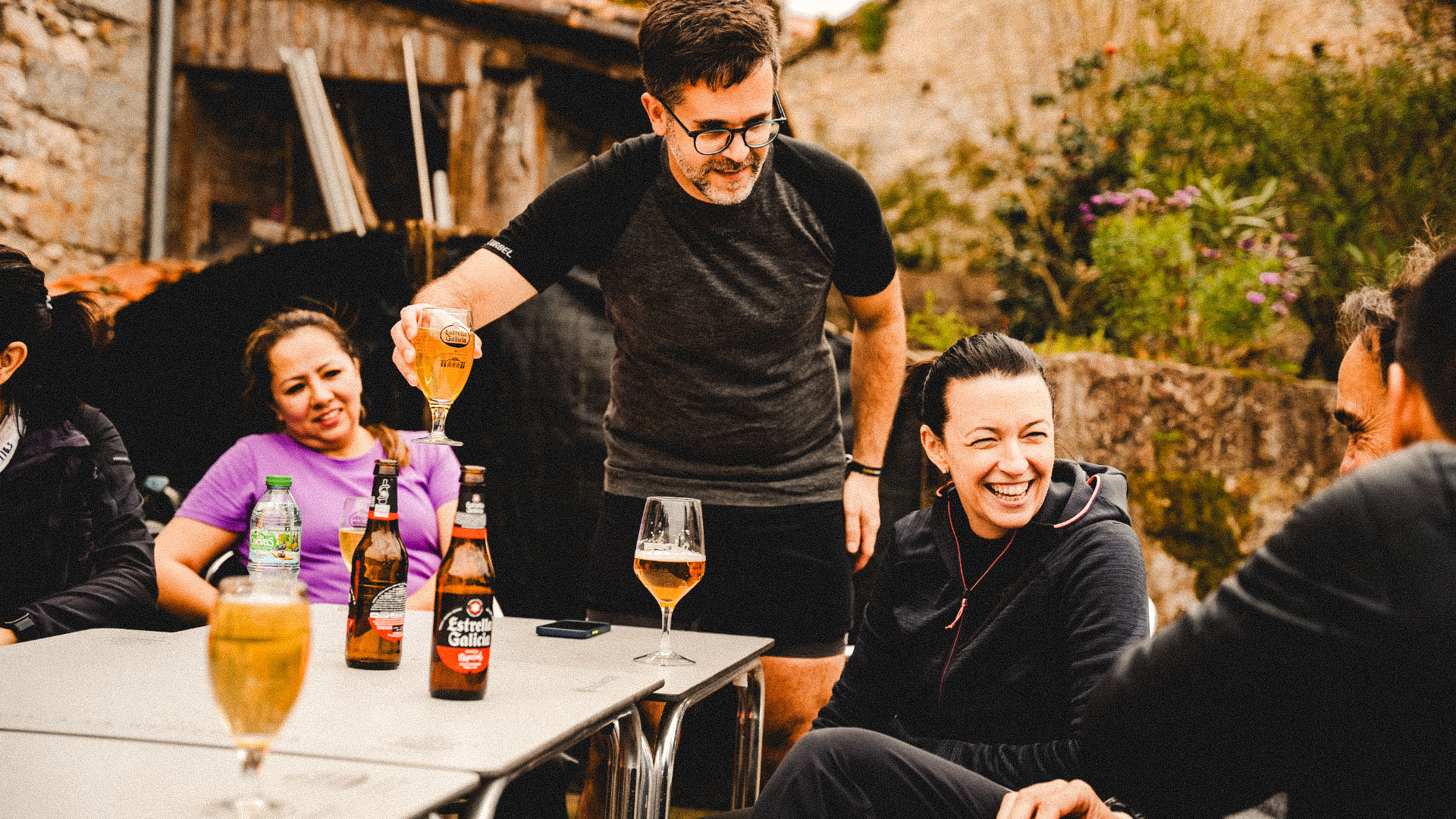
Here, Cantabrian cuisine is the best reward after a long walk. You can’t leave without trying a hearty cocido lebaniego (traditional stew from Liébana, Cantabria), the region’s famous cheeses, or a serving of borono with apple. A first stage that blends the beauty of the coast with the serenity of the inland valleys.
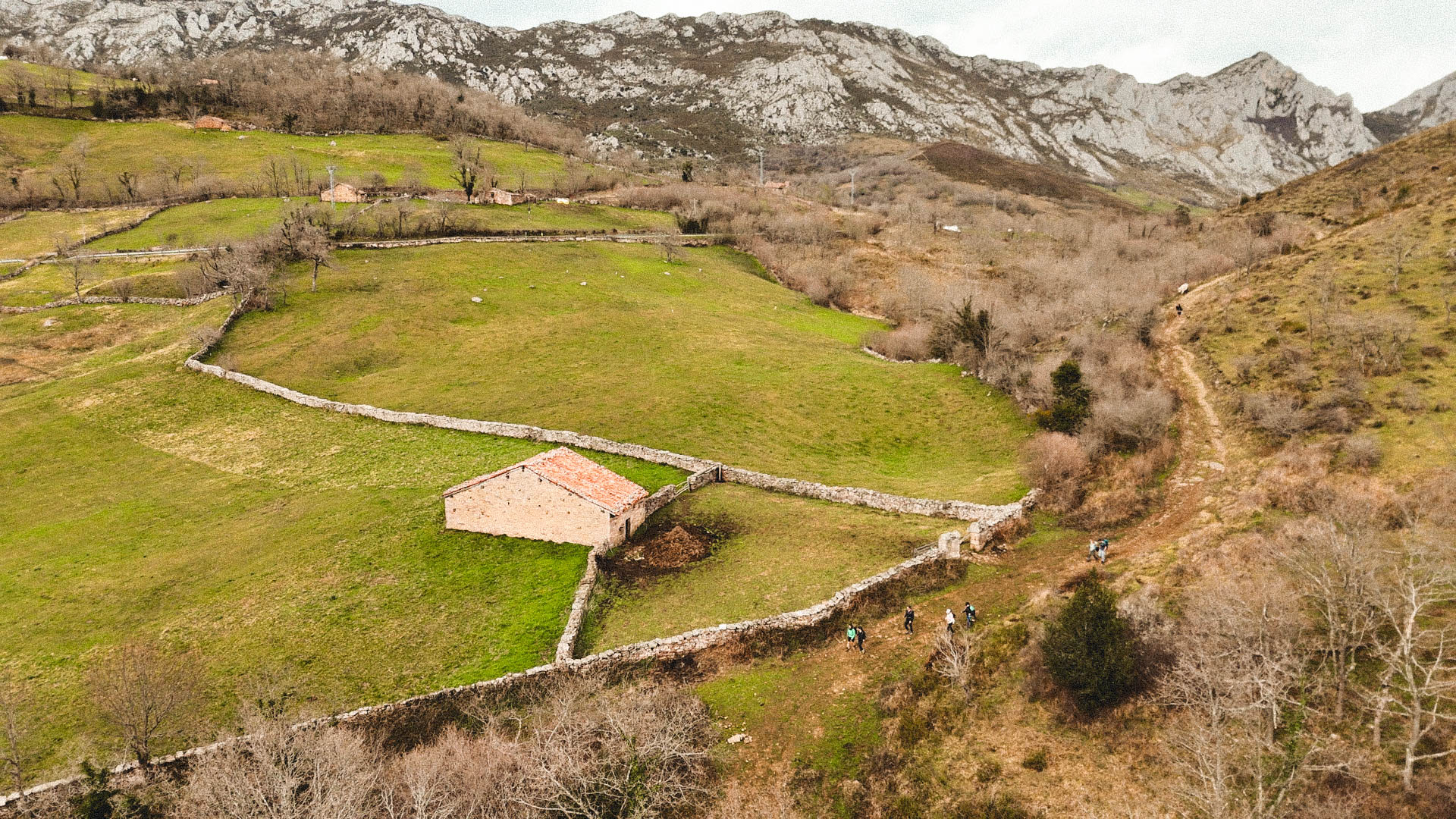 Walking Through the Green Nansa Valley
Distance: 15.5 km
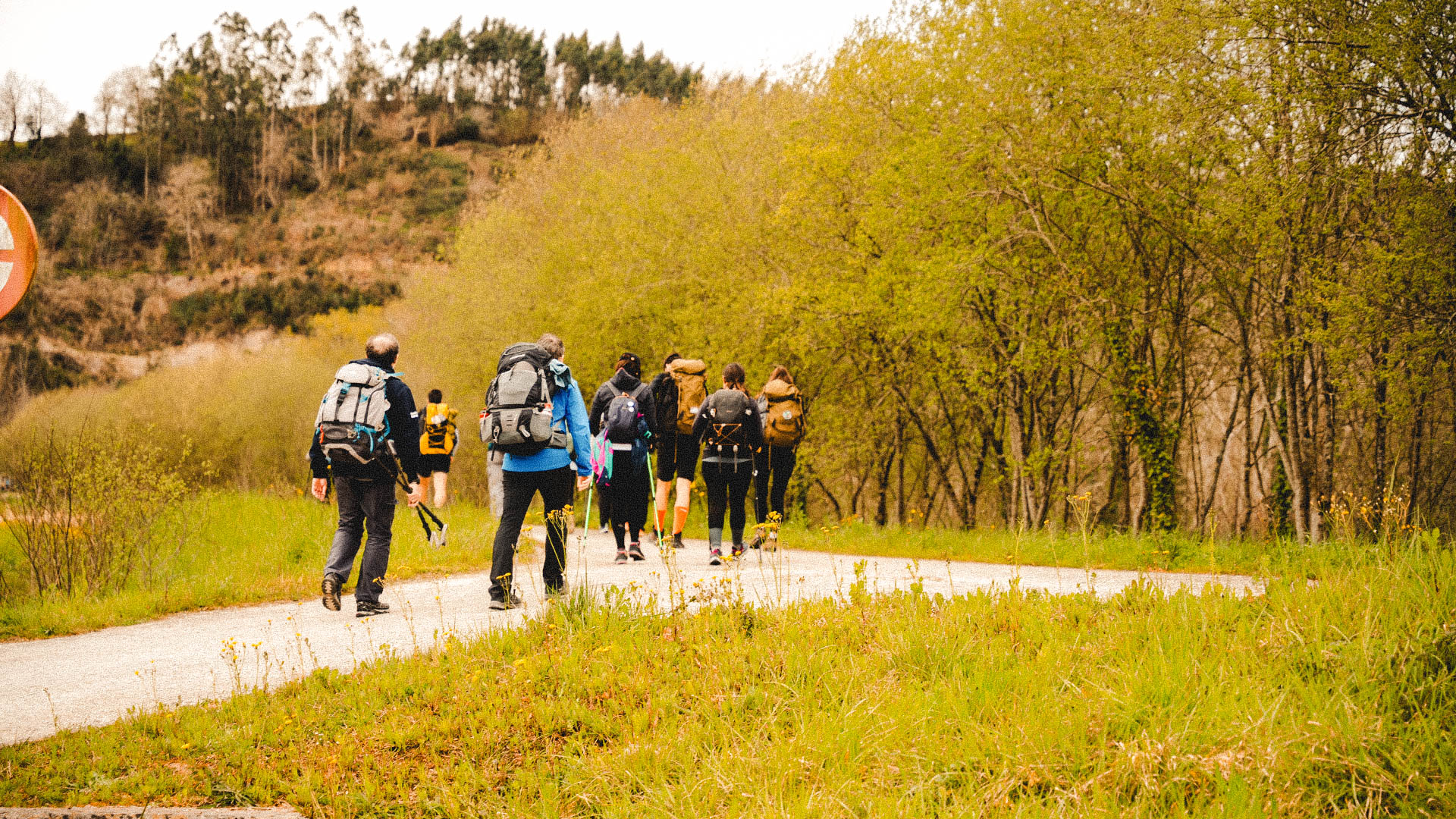
This second stage of the Camino Lebaniego takes you into one of the most beautiful and solitary sections of the entire route. Starting from Cades, where the iconic flour mill stands as a testament to Cantabrian rural life, the trail winds through oak, beech, and chestnut forests, following ancient paths that once linked mountain villages to the deep valleys of the Nansa.
The journey unfolds along forest tracks and narrow footpaths, crossing streams, wooded hillsides, and small hermitages hidden in the thickets. The climb to the Collado de Hoz is the most physically demanding part, but also the most spectacular: from the summit, the views over the La Hermida gorge and the peaks of the Picos de Europa are truly breathtaking.
The day ends in Cicera, a quiet village nestled among green hills, where time seems to stand still. The warm hospitality of the locals and the peaceful atmosphere offer the perfect rest for the pilgrim. And of course, the reward also comes to the table: cocido lebaniego, quesadas, and a glass of homemade orujo. A stage of wild beauty and deep connection with the land.
 Following the Footsteps of the Roman Road
Distance: 14.4 km
Short in distance but rich in heritage and scenery, this stage of the Camino Lebaniego links two hidden gems of inland Cantabria: Cicera and Cabañes. The highlight is undoubtedly the ancient Roman Road of Estragüena, once part of a route connecting the coast to the mountains. Today, this stone-paved path is one of the most symbolic sections of the entire pilgrimage.
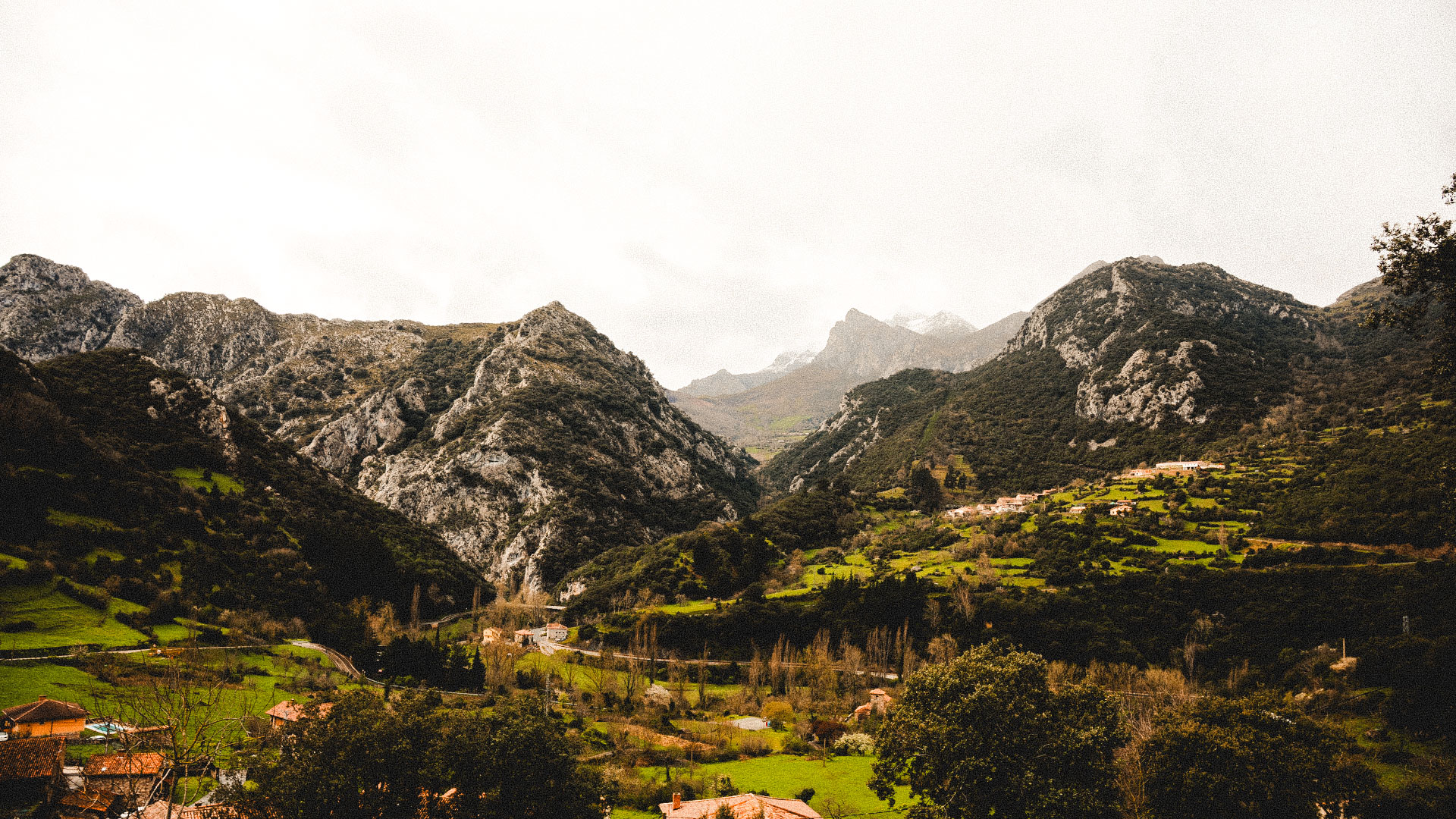
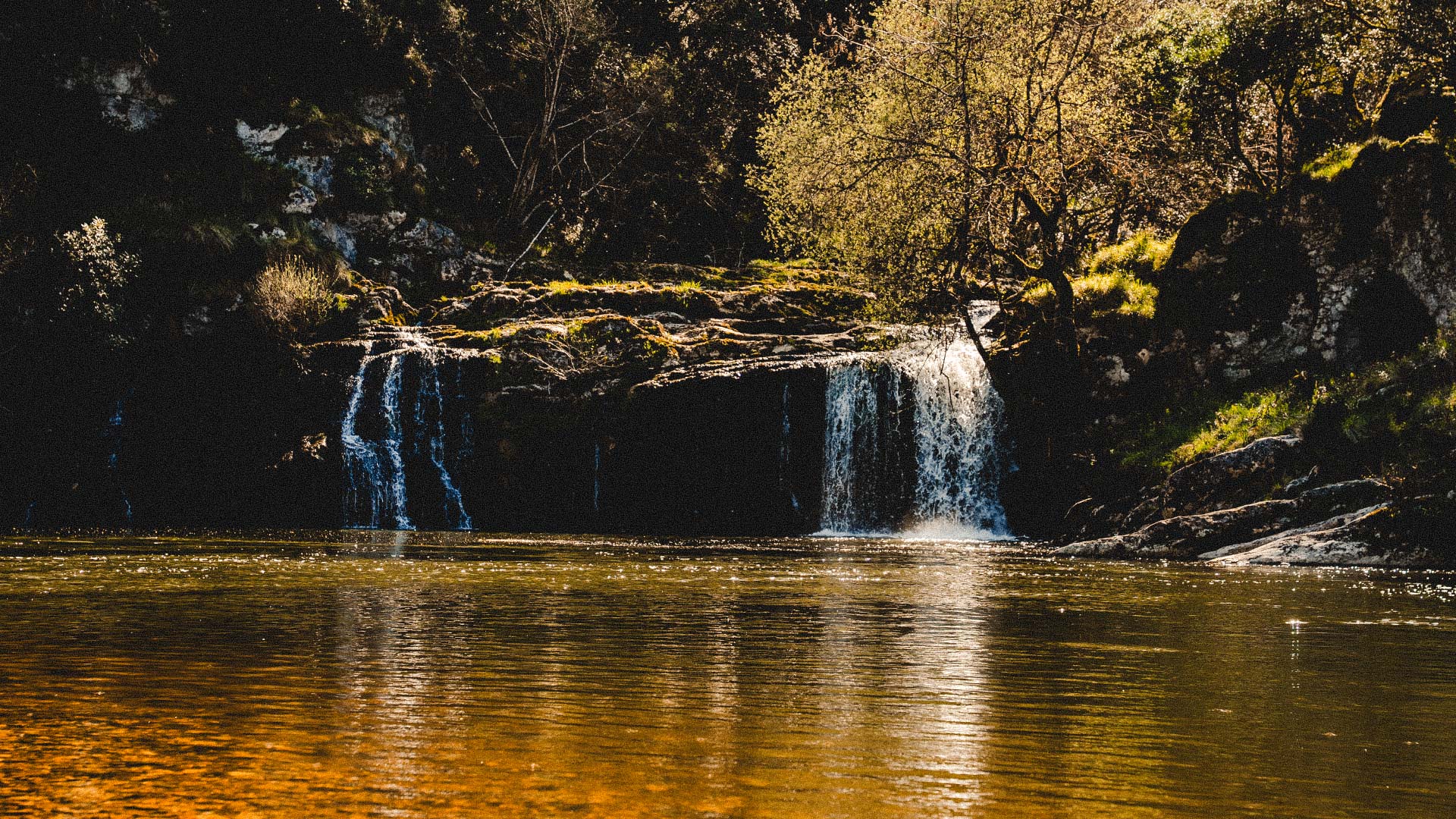
The route winds through rock walls, dense beech forests, and deep gorges, right in the heart of the Picos de Europa Natural Park. With every step, the pilgrim seems to awaken the echoes of travelers from centuries past. On the horizon, the first snow-capped peaks appear, and the dramatic slopes of Liébana rise with striking majesty.
Arrival in Cabañes, with its stone houses and slate roofs, offers a haven of peace for the walker. Here, the true spirit of rural Liébana is in the air. To recharge, there’s nothing better than tasting local delicacies: Picón Bejes-Tresviso cheese, rustic country bread, homemade chorizo, and a shot of orujo. A stage short in kilometers, but vast in soul.
 The Final Steps Toward the Lignum Crucis
Distance: 13.7 km
From Cabañes, the path winds through meadows and rural trails until it reaches Potes, the capital of the region and one of the most beautiful villages in Cantabria. Its cobbled streets, medieval bridge, and welcoming pilgrim atmosphere make it the perfect place for a final pause before the last stretch.
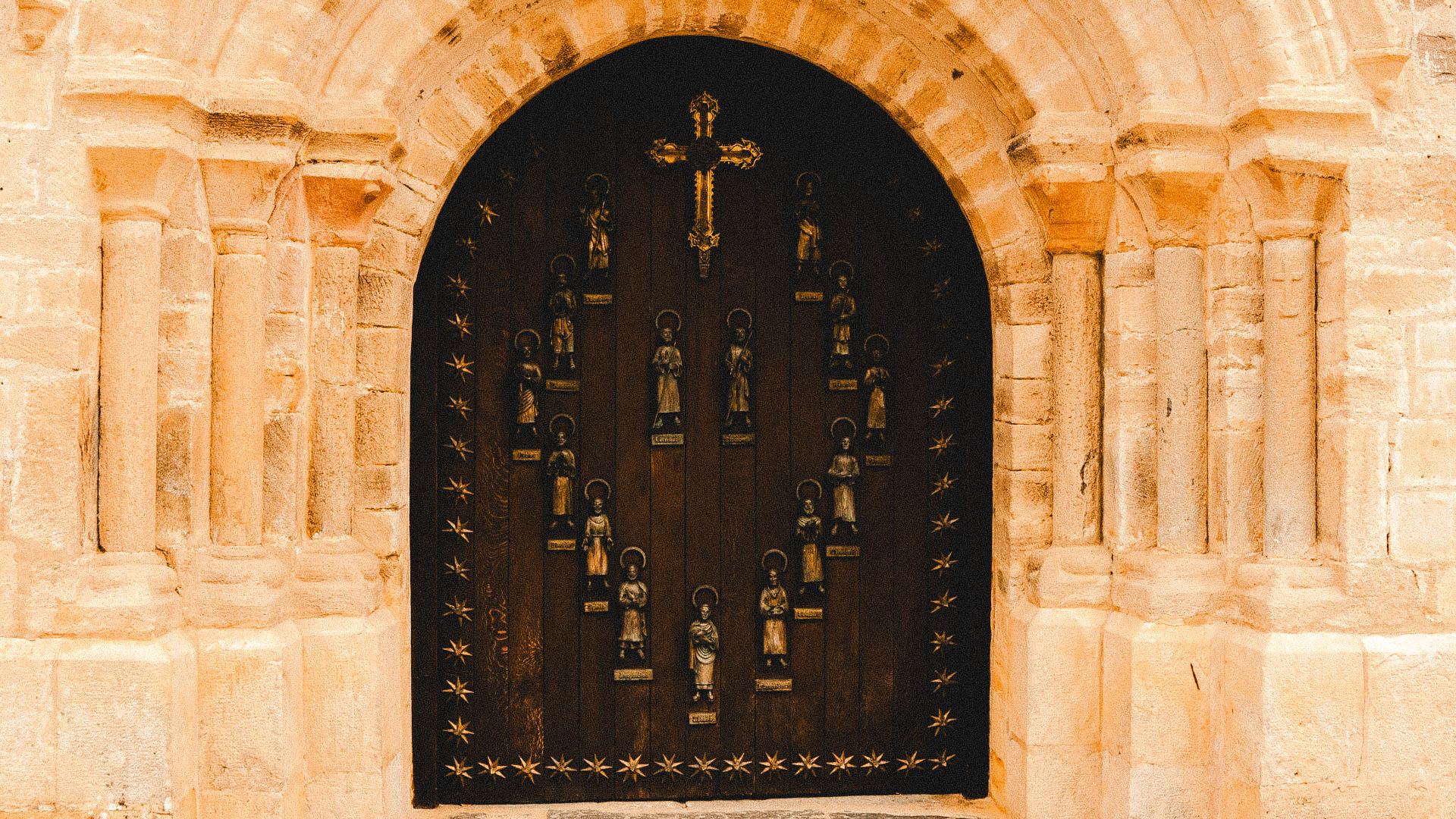
From there, the Camino gently ascends to the Monastery of Santo Toribio de Liébana, home to the Lignum Crucis, the largest known piece of the Cross of Christ. Crossing the Puerta del Perdón (Gate of Forgiveness) is a powerful moment—this door opens only during the Jubilee Year of Liébana, offering pilgrims the same plenary indulgence as in Santiago de Compostela.
After completing the Camino, it’s time to indulge in the region’s finest cuisine. In Potes and the surrounding area, cocido lebaniego, local meats, and traditional desserts like sobaos pasiegos or quesada provide a delicious finale to this one-of-a-kind journey.
An unforgettable ending to a Camino that blends history, spirituality, and nature in its purest form.
Congratulations, pilgrim!
Route
From the Coast to the Heart of Cantabria
Distance: 17.7 miles – 28,5 km
The Camino Lebaniego begins in San Vicente de la Barquera, a seaside village with an impressive historic center and breathtaking views of the Oyambre Natural Park. The journey starts by the sea, but soon ventures into green valleys, vast meadows, and the characteristic forests of Cantabria.
The route passes through charming villages like Hortigal and Serdio, where traditional mountain houses and stone chapels reflect the pilgrimage heritage of this path. After climbing Alto de La Rejoya, the landscape becomes even more rural, following winding trails through rolling hills until reaching Cades, a peaceful village home to an old flour mill, perfect for a break to soak in the surroundings.
Here, Cantabrian cuisine is the best reward after a long walk. You can’t leave without trying a hearty cocido lebaniego (traditional stew from Liébana, Cantabria), the region’s famous cheeses, or a serving of borono with apple. A first stage that blends the beauty of the coast with the serenity of the inland valleys.
Walking Through the Green Nansa Valley
Distance: 15.5 km
This second stage of the Camino Lebaniego takes you into one of the most beautiful and solitary sections of the entire route. Starting from Cades, where the iconic flour mill stands as a testament to Cantabrian rural life, the trail winds through oak, beech, and chestnut forests, following ancient paths that once linked mountain villages to the deep valleys of the Nansa.
The journey unfolds along forest tracks and narrow footpaths, crossing streams, wooded hillsides, and small hermitages hidden in the thickets. The climb to the Collado de Hoz is the most physically demanding part, but also the most spectacular: from the summit, the views over the La Hermida gorge and the peaks of the Picos de Europa are truly breathtaking.
The day ends in Cicera, a quiet village nestled among green hills, where time seems to stand still. The warm hospitality of the locals and the peaceful atmosphere offer the perfect rest for the pilgrim. And of course, the reward also comes to the table: cocido lebaniego, quesadas, and a glass of homemade orujo. A stage of wild beauty and deep connection with the land.
Following the Footsteps of the Roman Road
Distance: 14.4 km
Short in distance but rich in heritage and scenery, this stage of the Camino Lebaniego links two hidden gems of inland Cantabria: Cicera and Cabañes. The highlight is undoubtedly the ancient Roman Road of Estragüena, once part of a route connecting the coast to the mountains. Today, this stone-paved path is one of the most symbolic sections of the entire pilgrimage.
The route winds through rock walls, dense beech forests, and deep gorges, right in the heart of the Picos de Europa Natural Park. With every step, the pilgrim seems to awaken the echoes of travelers from centuries past. On the horizon, the first snow-capped peaks appear, and the dramatic slopes of Liébana rise with striking majesty.
Arrival in Cabañes, with its stone houses and slate roofs, offers a haven of peace for the walker. Here, the true spirit of rural Liébana is in the air. To recharge, there’s nothing better than tasting local delicacies: Picón Bejes-Tresviso cheese, rustic country bread, homemade chorizo, and a shot of orujo. A stage short in kilometers, but vast in soul.
The Final Steps Toward the Lignum Crucis
Distance: 13.7 km
From Cabañes, the path winds through meadows and rural trails until it reaches Potes, the capital of the region and one of the most beautiful villages in Cantabria. Its cobbled streets, medieval bridge, and welcoming pilgrim atmosphere make it the perfect place for a final pause before the last stretch.
From there, the Camino gently ascends to the Monastery of Santo Toribio de Liébana, home to the Lignum Crucis, the largest known piece of the Cross of Christ. Crossing the Puerta del Perdón (Gate of Forgiveness) is a powerful moment—this door opens only during the Jubilee Year of Liébana, offering pilgrims the same plenary indulgence as in Santiago de Compostela.
After completing the Camino, it’s time to indulge in the region’s finest cuisine. In Potes and the surrounding area, cocido lebaniego, local meats, and traditional desserts like sobaos pasiegos or quesada provide a delicious finale to this one-of-a-kind journey.
An unforgettable ending to a Camino that blends history, spirituality, and nature in its purest form.
Congratulations, pilgrim!
What’s included in your Camino?
Included
- Private accommodation with en-suite bathroom
- Daily breakfast
- Insurance
- 24/7 emergency phone assistance
- Detailed Camino guide with stages, maps, and tips
- Daily WhatsApp check-in and support
- Camino People welcome pack
- Personalized recommendations for meals, dinners, and local visits
- Luggage transfer between stages
Not Included
- Lunches and dinners not specified in the itinerary
- Drinks and extra snacks
- Flights or travel to the starting/ending point (optional transfer available)
- Personal expenses
- Cancellation or premium travel insurance (optional)
- Entrance fees to monuments or museums not included in the itinerary
- Tips
Extras (Available upon request)
- Guided Camino (full-time or selected stages)
- Fully organized trip with exclusive activities
- Spiritual guidance before, during, and after the Camino with Carlota Valenzuela
- Gourmet dinners or unique gastronomic experiences
- Private cultural visits or entrance tickets with guide
- Transportation to/from airport or other off-route locations
- Extra nights before or after the Camino
- Cancellation or premium travel insurance

FAQ
The Camino Lebaniego consists of three main stages and is usually completed in three to four days, depending on the pace of each pilgrim. However, some choose to split the longer stages to make the journey more manageable.
Yes. From the Monastery of Santo Toribio de Liébana, you can continue along the Camino Vadiniense, which crosses the Picos de Europa and joins the French Way in Mansilla de las Mulas (León), allowing you to continue all the way to Santiago de Compostela.v
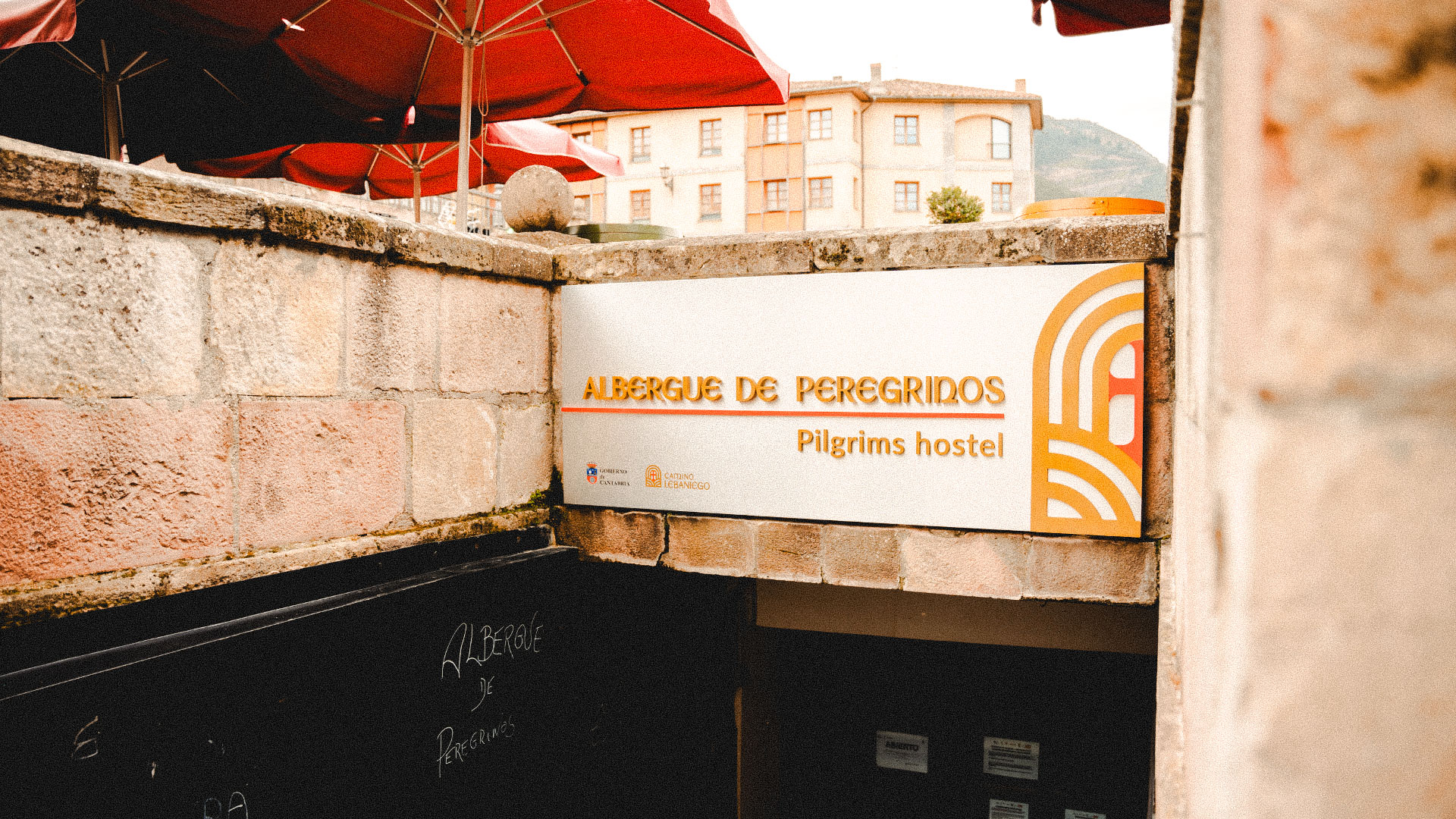
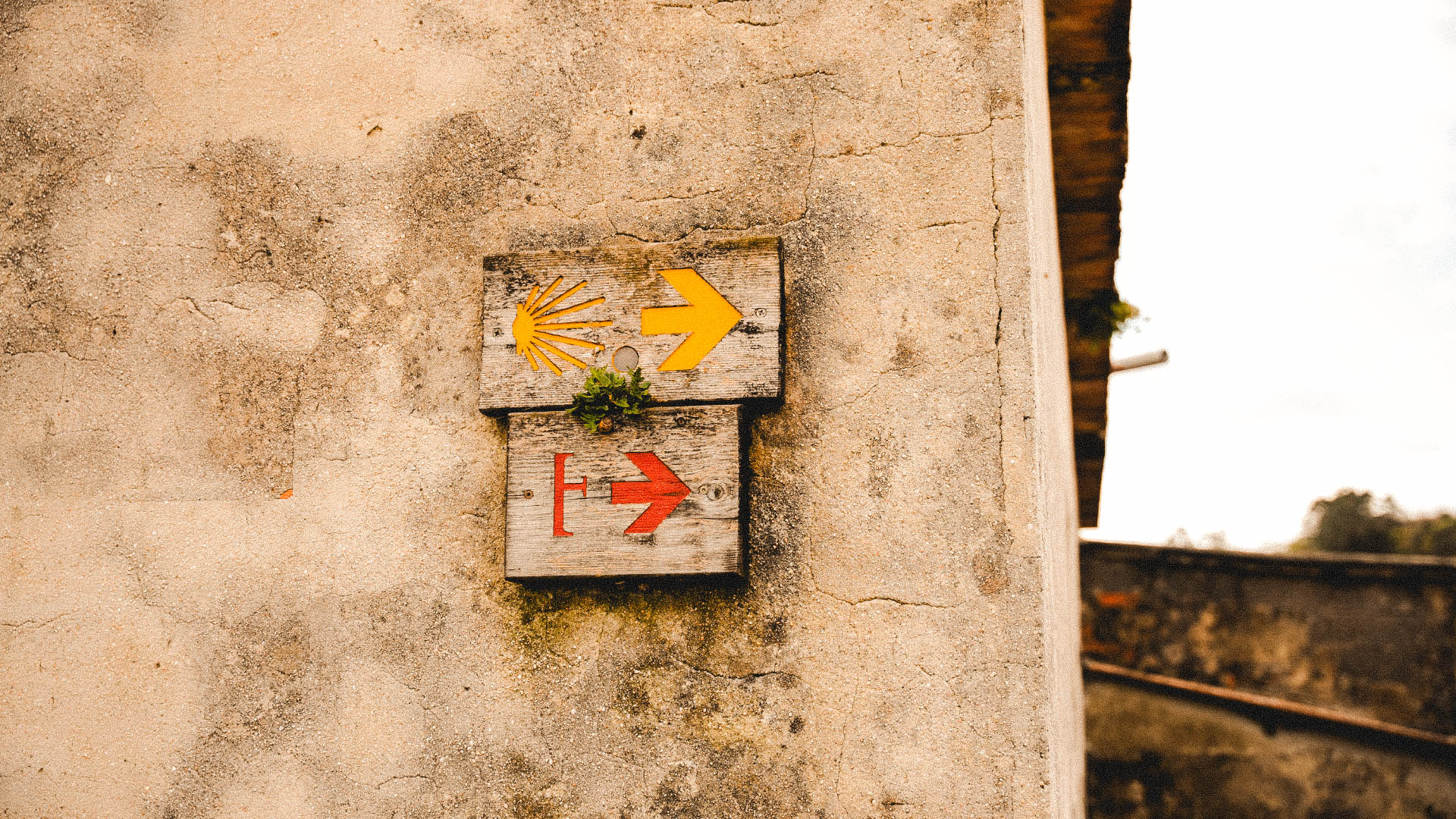
Yes, there is a Lebaniega Credential, similar to the Camino de Santiago Credential, which is stamped at hostels, churches, and establishments along the route. Upon reaching the Monastery of Santo Toribio de Liébana, you can obtain the Lebaniega, the official document that certifies your pilgrimage.
Related Caminos
6 days - 5 nights


desde
Camino Francés from Sarria (6 stages)
6 days - 5 nights
desde
6 days - 5 nights
desde